These Cold-Hardy Flowers Thrive When Planted In March In Pennsylvania
Have you ever looked at your garden in early March and wondered if it’s too soon to start planting flowers? In Pennsylvania, the weather can feel unpredictable this time of year, with chilly mornings and the occasional late frost still hanging around.
Even so, some flowers are surprisingly tough and actually prefer getting their start while the air is still cool.
Cold hardy blooms are built for early spring conditions. They settle into the soil quickly, handle cold nights without much trouble, and begin growing while many other plants are still waiting for warmer days.
Planting them in March gives them extra time to establish strong roots before the busy growing season really begins.
Adding these resilient flowers to your garden also means enjoying color much sooner. After months of gray skies and bare beds, those first blossoms can make your yard feel alive again and signal that spring has truly arrived.
1. Pansies (Viola Tricolor Var. Hortensis)
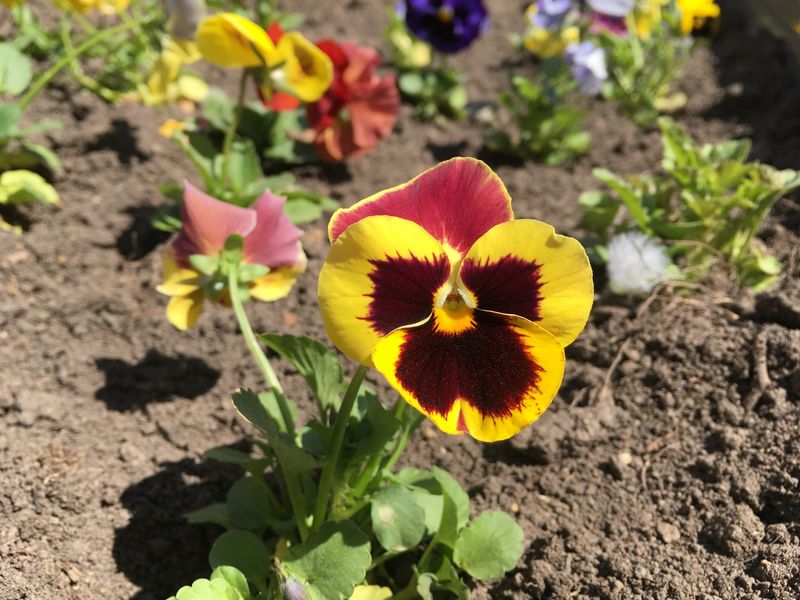
Few flowers are as cheerful and dependable as the pansy. With their bright, face-like blooms and bold color patterns, pansies bring instant joy to any garden bed or container.
In Pennsylvania, March is actually one of the best times to plant them because pansies genuinely prefer cool weather over heat.
Pansies can handle light frosts without any trouble. In fact, temperatures that dip just below freezing at night will not slow them down much at all.
Gardeners in Pennsylvania have long used pansies as their go-to early spring flower because of this incredible cold tolerance. You can plant them in full sun or partial shade, and they will still perform beautifully.
When choosing pansies, pick a spot with well-drained soil. Add a little compost to give them a nutrient boost, and water them regularly but avoid overwatering.
Deadheading spent blooms, which means removing old flowers, encourages the plant to keep producing new ones throughout the season.
Pansies come in an almost endless variety of colors, from deep purples and rich blues to sunny yellows and soft pinks.
Many varieties also feature a dark center pattern that looks almost like a little face staring back at you. That is part of what makes them so fun and popular.
One helpful tip for Pennsylvania gardeners: mulch lightly around your pansies to protect the roots during unexpected cold snaps. They are tough little flowers, but a little extra care goes a long way toward keeping them blooming strong all spring long.
2. Primroses (Primula Spp.)
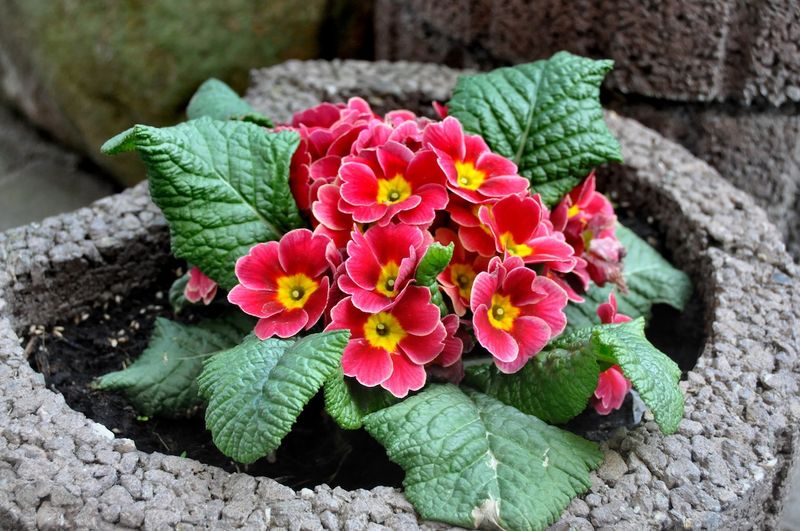
Primroses have a kind of old-fashioned charm that feels right at home in a Pennsylvania spring garden.
These compact, colorful plants burst into bloom in early March, often when most other flowers are still weeks away from showing any signs of life. If you have a shady corner of your yard that needs some color, primroses are your answer.
Cool temperatures are where primroses truly shine. They prefer partial shade, which makes them ideal for spots under trees or along the north side of a house.
In Pennsylvania, those shady, slightly moist areas that feel too cold for most plants are actually perfect for primroses. They thrive in conditions that other flowers would struggle with.
Your Pennsylvania Garden Changes Every Week. Your Plan Should Too.
Gardening in Pennsylvania changes quickly throughout the season. Every Friday you’ll receive a simple weekly plan showing exactly what to plant, prune, fertilize, harvest, and protect so you never miss the right timing.
Plant primroses in well-drained soil with a good amount of organic matter mixed in. They do not like sitting in soggy ground, so make sure water can drain away freely.
A layer of mulch around the base of the plant helps keep moisture in while also protecting the roots from late winter cold.
Available in a wide range of colors including pink, red, yellow, lavender, and white, primroses are easy to mix and match for a stunning display. Some varieties even have two-toned or striped petals that add extra visual interest to garden beds.
Did you know primroses have been used in cottage gardens across Europe for centuries? Bringing that classic beauty to your Pennsylvania yard in March is a simple way to enjoy one of spring’s most reliable and rewarding early bloomers.
3. Crocus (Crocus Spp.)
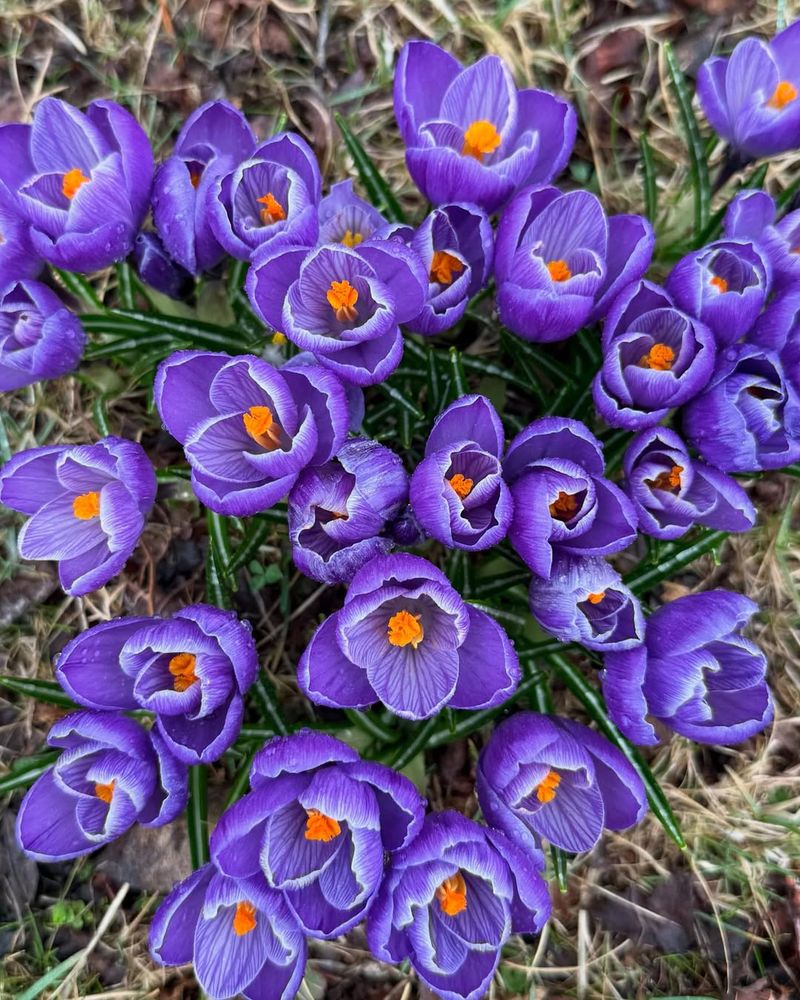
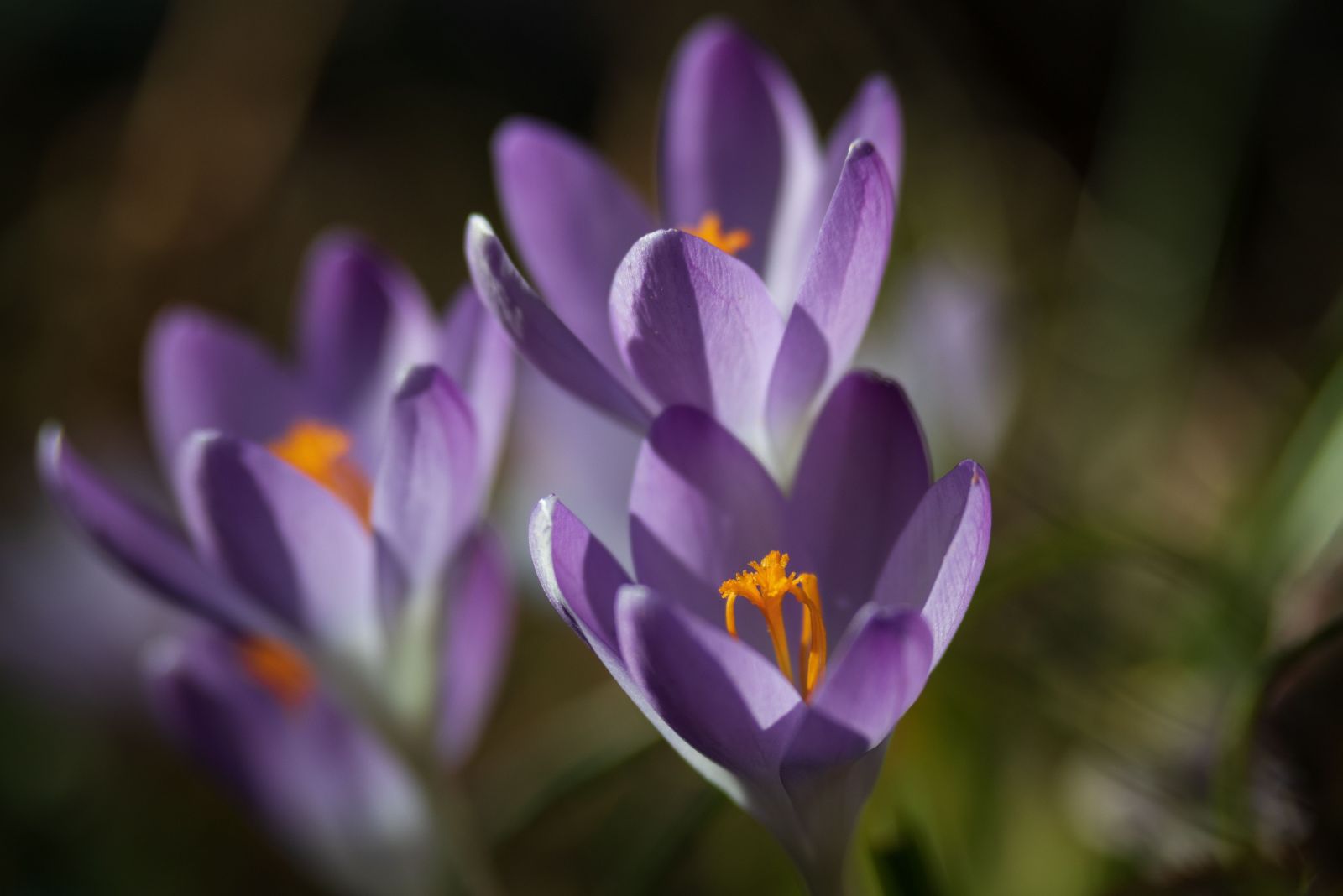
Imagine stepping outside on a cool March morning in Pennsylvania and spotting tiny purple and yellow cups pushing right up through the last patches of snow. That is the magic of crocuses.
They are among the very first flowers to bloom each spring, and they seem almost eager to show up before anyone else dares to.
Crocuses grow from small bulb-like structures called corms. If you plant them in the fall, they will be ready to bloom as soon as late February or early March.
But you can also find potted crocuses at garden centers in early spring and transplant them directly into your garden beds or lawn. Either way, Pennsylvania gardeners are rewarded with one of the earliest and most welcome signs of the season.
These little flowers love full sun and well-drained soil. They are naturally suited to cooler climates, which makes them a perfect fit for Pennsylvania winters and early springs.
Once established, crocuses naturalize easily, meaning they spread and multiply on their own over the years without much help from you.
Pollinators like bees absolutely love crocuses. Since they bloom so early, they provide an important food source for bees that are just waking up from winter.
Planting crocuses in your Pennsylvania yard means you are helping local wildlife as well as beautifying your space.
Crocuses come in purple, white, yellow, striped, and bicolor varieties. Scatter them across a lawn or cluster them in garden beds for a natural, flowing look that gets better and more impressive every single year.
4. Hellebores (Helleborus Spp.)
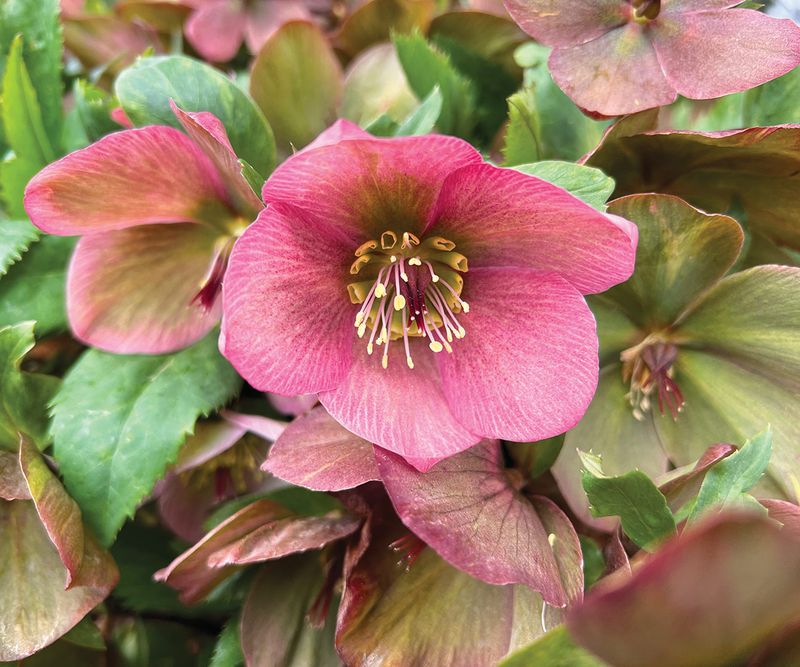
Hellebores earn their nickname, the Lenten Rose, by blooming right around the time of Lent, which falls in late winter and early spring.
These elegant, nodding flowers show up in Pennsylvania gardens when almost nothing else is blooming, making them one of the most exciting plants a gardener can own. They are genuinely stunning and surprisingly tough.
What sets hellebores apart is their ability to bloom even when there is still frost on the ground.
Their thick, leathery petals hold up beautifully against cold temperatures, and the plants themselves are evergreen, meaning they keep their dark green leaves all year long. In Pennsylvania, that kind of year-round presence is a real gift to any garden.
Hellebores prefer partial to full shade, so they are ideal for planting under trees or in areas that do not get much direct sunlight. They like rich, well-drained soil with plenty of organic matter.
Once planted, they are remarkably low-maintenance and can live for many years in the same spot without needing to be moved.
The flowers come in a gorgeous range of colors: soft pink, creamy white, deep burgundy, rich purple, and even near-black. Many varieties have speckled or spotted petals that add an almost artistic quality to the blooms.
Each flower can last for weeks, giving you long-lasting color during the quietest time of the gardening year.
Planting hellebores in your Pennsylvania garden in March is a smart move. They establish well in cool soil and will reward you with stunning early blooms for many seasons to come.
5. Snapdragons (Antirrhinum Majus)
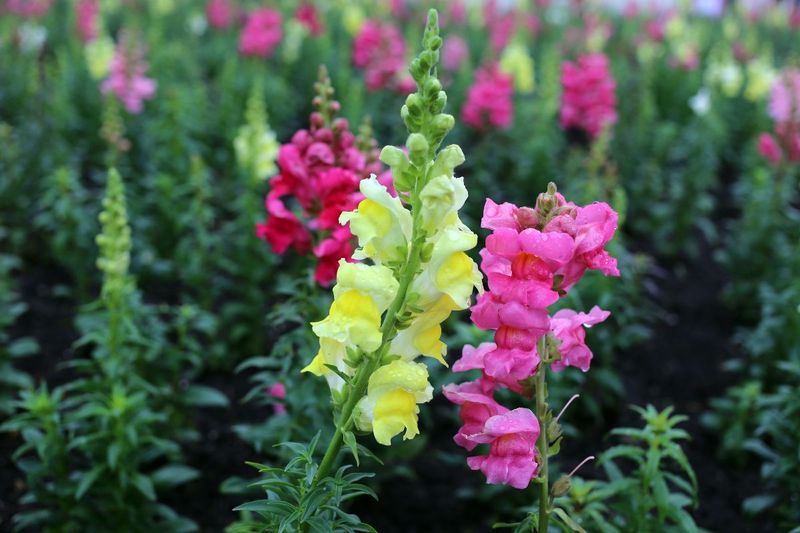
Snapdragons have one of the most playful personalities in the flower world. Squeeze the sides of a snapdragon bloom and it opens and closes like a little mouth, which is exactly how they got their name.
Kids and adults alike love this quirky feature, making snapdragons one of the most fun flowers to grow in a Pennsylvania spring garden.
Beyond their entertainment value, snapdragons are genuinely cold-hardy. They actually prefer cooler temperatures, which means March in Pennsylvania is close to ideal planting time for them.
Unlike many flowers that need warm soil to get started, snapdragons are perfectly comfortable pushing out new growth when nights are still chilly and days are mild.
Plant snapdragons in a sunny spot with well-drained soil. They grow best when they get at least six hours of sunlight per day.
In Pennsylvania, early spring sun is usually enough to keep them happy and growing steadily. Add a balanced fertilizer when you plant them to give them a strong start.
Snapdragons come in an incredible range of colors, from soft pastels like peach and lavender to bold, vibrant hues like deep red and electric orange.
They work beautifully in garden beds, raised planters, and containers on porches or patios. Their tall, spiky form adds great vertical interest to any planting arrangement.
One more thing worth knowing: snapdragons are excellent cut flowers. Bring a bouquet inside and enjoy their cheerful colors indoors while your Pennsylvania garden continues to fill in around them throughout the spring season.
6. Lungwort (Pulmonaria Spp.)
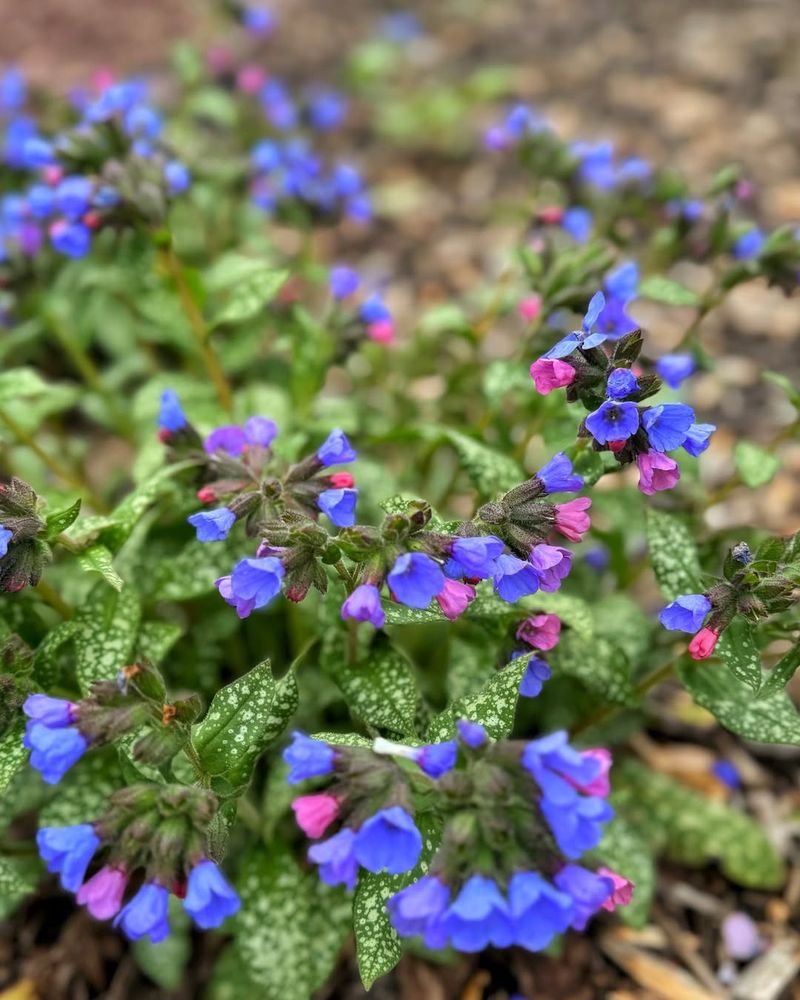
Lungwort might not have the most glamorous name, but this plant is one of the best-kept secrets in the world of early spring gardening.
It is a true workhorse for shady spots, producing beautiful clusters of small tubular flowers in shades of blue, pink, and purple, sometimes all on the same plant at the same time.
That color-changing trick happens as the flowers age, and it is genuinely fascinating to watch.
In Pennsylvania, shady garden areas can be tricky to fill with color in early spring. Lungwort solves that problem perfectly.
It thrives in cool, shaded conditions and begins blooming in March, often right alongside crocuses and hellebores. Few plants are as reliable and low-maintenance for challenging spots under trees or along shaded fences.
The foliage of lungwort is just as interesting as the flowers. Most varieties have deep green leaves covered in silvery-white spots, giving them an almost tropical look.
This attractive, patterned foliage sticks around long after the flowers have finished, providing visual interest throughout the entire growing season and well into fall.
Plant lungwort in moist, well-drained soil enriched with compost. It does not like to dry out completely, so keep the soil consistently damp, especially during dry spells.
Dividing the clumps every few years keeps the plants vigorous and encourages more blooms each spring.
Pennsylvania gardeners who discover lungwort often wonder why they waited so long to try it. Once you see it lighting up a shady corner of your yard in March, it becomes a permanent fixture in your spring planting plans every year.
7. Daffodils (Narcissus Spp.)
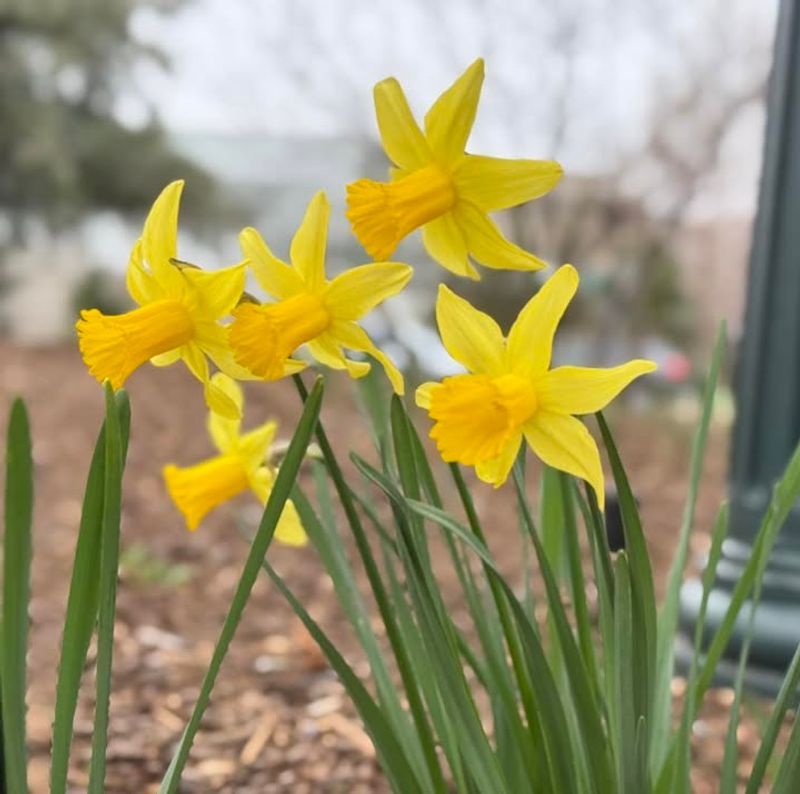
Nothing says spring in Pennsylvania quite like a row of cheerful yellow daffodils swaying in a cool March breeze. These iconic flowers are one of the most beloved spring bloomers in the entire country, and for very good reason.
They are cold-hardy, easy to grow, and come back stronger every single year without much effort from the gardener.
Daffodils are typically planted as bulbs in the fall, but if you missed that window, you can often find potted daffodil plants at local Pennsylvania garden centers starting in late February and early March.
Transplanting them into your garden at that time gives you almost immediate blooms and sets the bulbs up for a strong return next year.
Choose a planting spot that gets full sun or light partial shade. Daffodils are not picky about soil as long as it drains well.
Waterlogged soil is the one condition they really do not enjoy, so avoid low-lying areas that collect standing water after rain. Raised beds and sloped garden areas work especially well.
One of the best features of daffodils is that deer and other wildlife tend to leave them alone.
The bulbs contain a compound that most animals find unappealing, which makes them a smart choice for Pennsylvania gardens where deer pressure can be a real challenge for other spring flowers.
Daffodils naturalize easily, meaning they multiply and spread on their own over time. A small planting of a dozen bulbs can grow into a stunning mass of yellow blooms within just a few years, giving you more and more color every spring season.