7 Reasons Birds Aren’t Coming To Your Ohio Yard (And How To Fix It)
Your Ohio yard might look perfect on paper. Flowers bloom, feeders hang, birdbaths sparkle.
Yet the birds aren’t showing up. It’s frustrating watching empty branches where cardinals and chickadees should be, especially when neighbors boast vibrant flocks every morning.
The truth is, even small mistakes can keep feathered visitors away. From subtle landscaping choices to overlooked food and water sources, Ohio birds have high standards.
Some common problems hide in plain sight: certain plant selections, predator activity, or even the timing of feeder refills can drive them off. Missing this checklist can mean your yard stays silent while others burst with chirps, fluttering wings, and color.
Fortunately, attracting birds doesn’t require major overhauls. By understanding exactly what’s repelling them and making targeted adjustments, your yard can transform into a magnet for Ohio’s favorite songbirds.
Soon, your mornings will fill with life, motion, and unmistakable bird calls.
1. Not Enough Native Plants For Food And Shelter
Walk through almost any Ohio neighborhood and you’ll notice something: most yards are filled with ornamental plants that look nice but do very little for wildlife. Native plants are different.
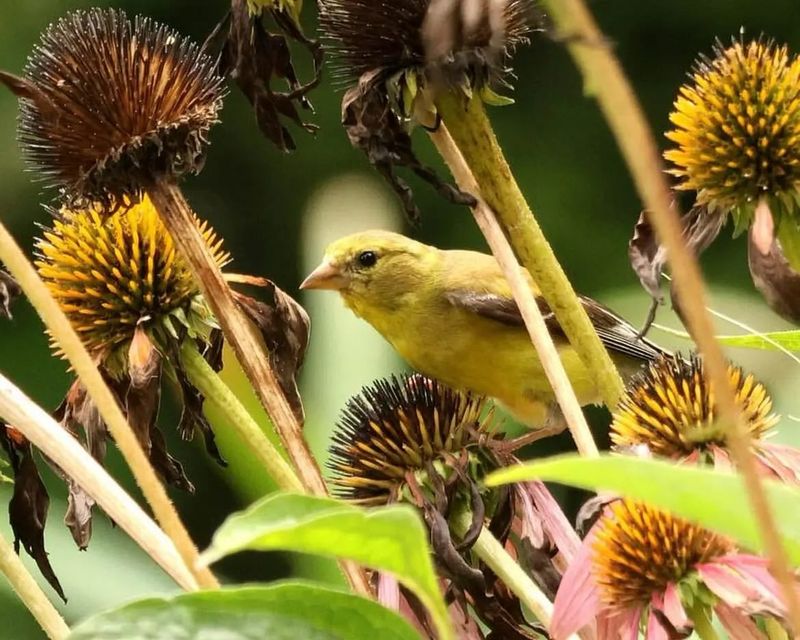
Ohio-native species like serviceberry, wild black cherry, and coneflower produce seeds, berries, and insects that birds genuinely depend on throughout the year.
The structure of native plants matters just as much as the food they provide. Dense shrubs like spicebush or buttonbush give birds safe spots to hide, rest, and raise young.
A layered yard with tall trees, mid-level shrubs, and low perennials feels much more like real habitat than a tidy lawn with a single feeder.
Starting small is totally fine. Even a corner bed with three or four native species can draw in birds.
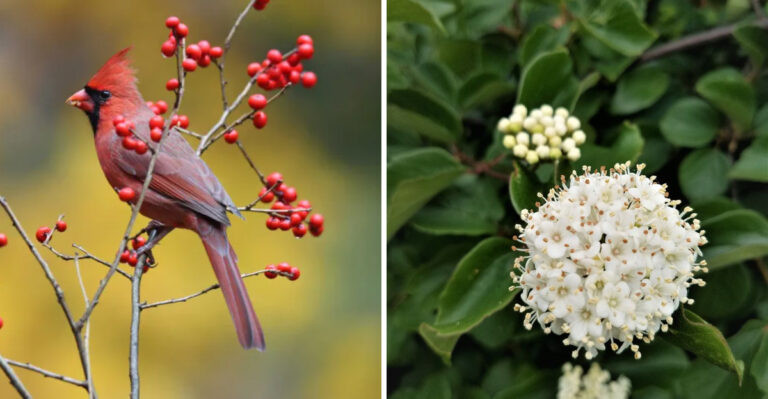
Try adding a native serviceberry for spring berries, a coneflower patch for late-season seeds, and a dense shrub like native viburnum for cover. Ohio State University Extension recommends prioritizing plants that serve multiple functions, offering food, nesting material, and shelter at the same time.
Over time, even a modest planting can become a busy little hub of bird activity right outside your window.
2. No Reliable Water Source In Any Season
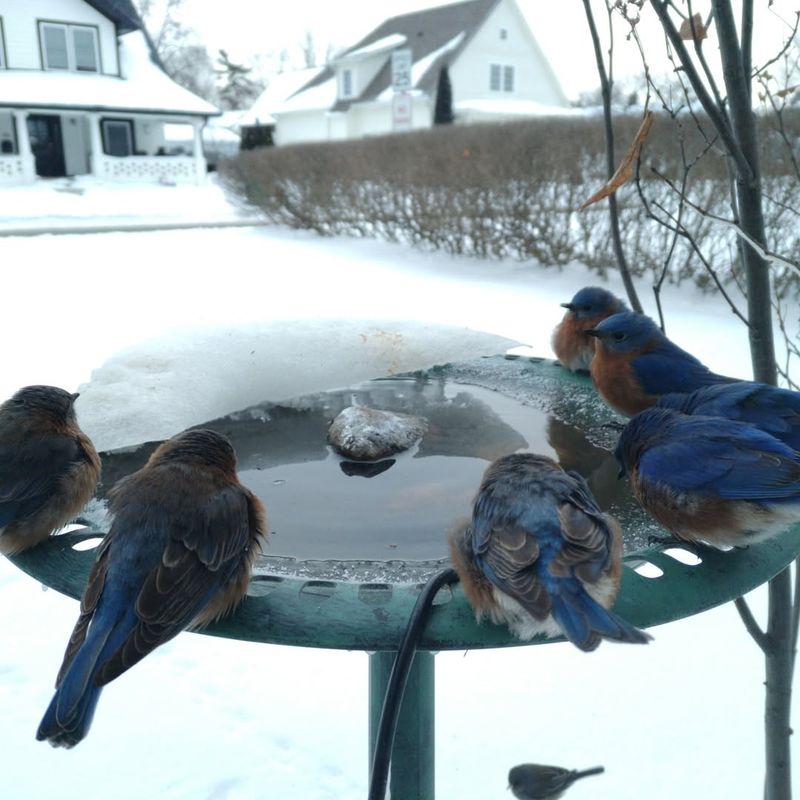
Food gets most of the attention when people try to attract birds, but water is just as important. Birds need it for drinking and bathing year-round, and a clean, reliable source can bring in species that never touch a feeder.
Even birds that mostly eat insects will stop by a good birdbath regularly.
For Ohio yards, a shallow birdbath works best. The water should be no deeper than two inches at the center so smaller birds feel comfortable.
Adding a dripper or small solar-powered fountain makes the water move, and moving water catches a bird’s eye and ear from surprisingly far away. Place the bath near shrubs or low branches so birds can perch and watch before approaching, giving them a quick escape route if needed.
Winter is where most Ohio homeowners drop the ball. Once temperatures drop, standing water freezes and birds lose access to a critical resource.
Your Ohio Garden Changes Every Week. Your Plan Should Too.
Gardening in Ohio changes quickly throughout the season. Every Friday you’ll receive a simple weekly plan showing exactly what to plant, prune, fertilize, harvest, and protect so you never miss the right timing.
A simple plug-in birdbath heater solves this completely. They’re inexpensive, widely available, and designed specifically for outdoor use in cold climates.
Cornell Lab of Ornithology notes that heated water in winter can attract species you might not see any other time of year, making it one of the highest-value upgrades you can make.
3. Your Feeders Are Empty, Dirty, Or In The Wrong Spot
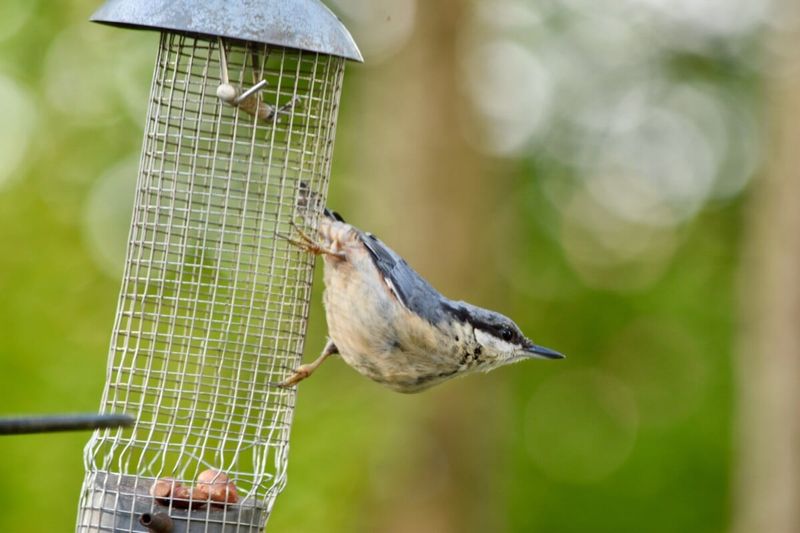
An empty feeder is worse than no feeder at all. Birds learn quickly where food is reliable and where it isn’t.
If they visit twice and find nothing, they move on and may not come back for weeks. Keeping feeders consistently stocked is one of the simplest things you can do to hold birds’ attention.
Cleanliness matters more than most people realize. Wet or moldy seed can spread disease among birds, and dirty feeders are one of the main ways illness moves through backyard flocks.
Ohio Department of Natural Resources recommends cleaning feeders with a diluted bleach solution roughly once a month, rinsing thoroughly and letting them dry before refilling. Tube feeders, platform feeders, and suet cages all need regular attention.
Seed choice makes a real difference too. Black-oil sunflower seed attracts the widest range of Ohio birds, including cardinals, chickadees, and nuthatches.
Safflower appeals to cardinals and discourages squirrels. Nyjer seed brings in goldfinches.
As for placement, put feeders close enough to shrubs or trees that birds feel sheltered, but not so close that a cat or squirrel can use the branches as a launch pad. A spot visible from a window makes the whole experience more enjoyable for you as well.
4. Outdoor Cats And Other Predators Are Scaring Birds Away
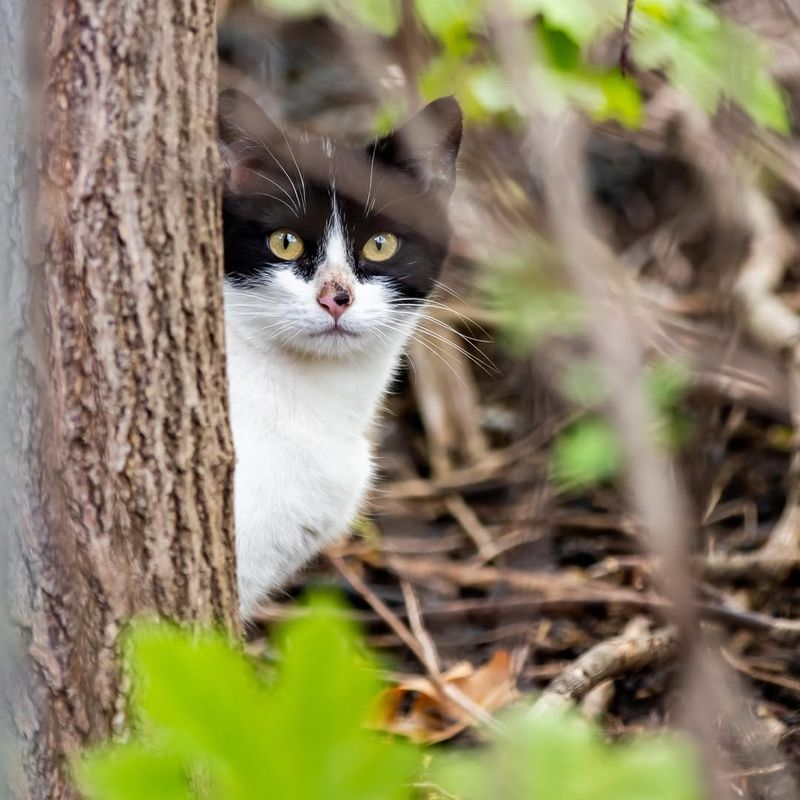
Cats are one of the biggest threats to backyard birds across North America. Studies cited by the American Bird Conservancy estimate that free-roaming cats account for billions of bird fatalities every year.
Even when a cat doesn’t catch a bird, its presence alone is enough to keep birds away from feeders and baths for hours at a time.
Keeping cats indoors is the most effective solution, plain and simple. If that isn’t possible, supervised outdoor time or a cat enclosure keeps both the cat and the birds safer.
For neighbors’ cats or strays, motion-activated sprinklers can discourage visits without harming the animal. Placing feeders on tall poles with baffles also helps, since birds feel less exposed when predators can’t easily reach them.
Hawks are another factor, especially in Ohio during migration season. Cooper’s hawks and sharp-shinned hawks actively hunt at feeders.
While you can’t fully prevent hawk visits, you can give smaller birds better odds. Dense shrubs planted near feeders act as emergency cover.
Some birders temporarily take down feeders for a week or two if a hawk is hunting regularly, which encourages it to move on. Reducing overall predator pressure makes your yard feel like a genuinely safe place to land.
5. Too Much Lawn And Not Enough Layered Habitat
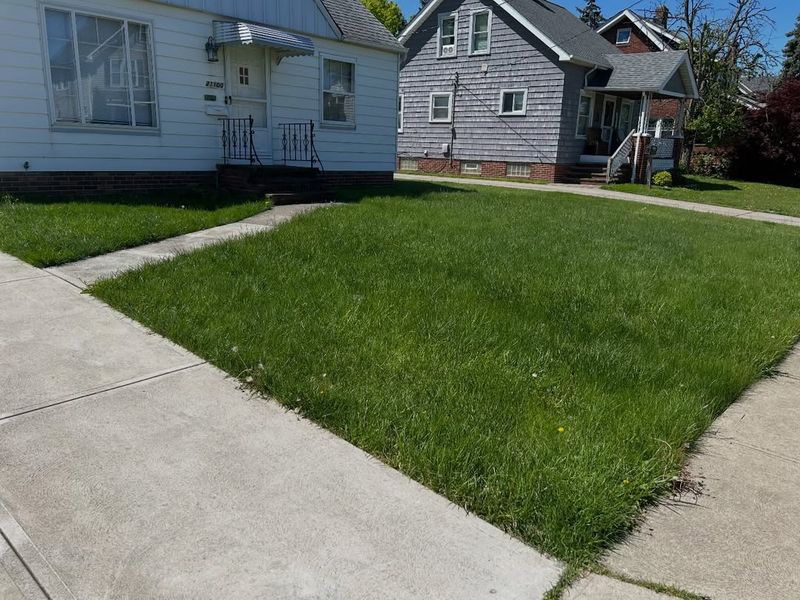
A perfectly mowed lawn might look tidy, but from a bird’s perspective it’s basically a food desert. Short grass offers very little cover, minimal insects, and nowhere safe to perch or nest.
Ohio yards dominated by turf are among the least attractive environments for most bird species, especially the ones that prefer to stay hidden in dense vegetation.
Layered habitat is what makes a yard feel like home to birds. Think of it in levels: tall canopy trees overhead, smaller understory trees in the middle, shrubs below that, and low groundcover or leaf litter at the base.
Each layer serves a different group of birds. Warblers hunt insects high in the canopy, while towhees and sparrows scratch through leaf litter at ground level.
The more layers you have, the more species you attract.
You don’t need to rip out your entire lawn to make progress. Start by converting a strip along a fence line into a mixed shrub border.
Add a small tree like a native redbud or dogwood to an open corner. Leave a section of leaves in fall rather than bagging everything up.
Ohio State University Extension notes that even modest habitat improvements, made consistently over a few seasons, can dramatically increase the number and variety of birds using your yard.
6. Pesticides And Herbicides Are Reducing Insects Birds Need
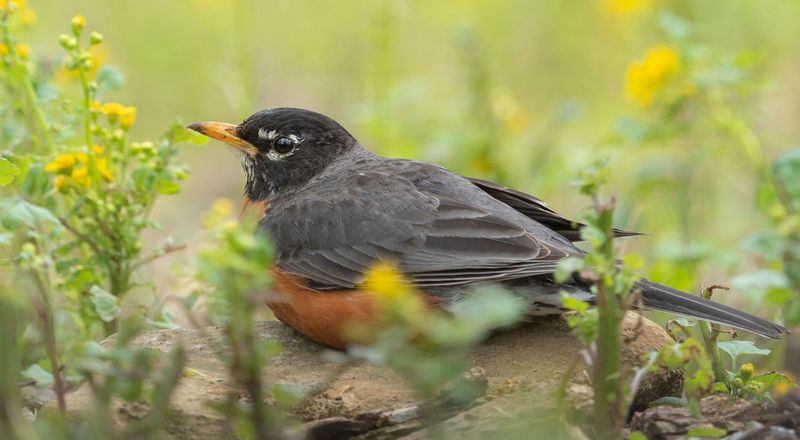
Most people think of birds as seed eaters, but insects are the backbone of almost every bird’s diet during nesting season. Even dedicated seed feeders like chickadees switch almost entirely to insects when raising chicks, because the protein is essential for healthy growth.
A yard with few insects is a yard that can’t support breeding birds, no matter how full your feeders are.
Pesticides and herbicides reduce insect populations in ways that ripple outward quickly. Broad-spectrum insecticides don’t just target pests; they reduce the caterpillars, beetles, and flies that birds rely on.
Herbicides remove the plants that host those insects in the first place. Research from the National Audubon Society and others consistently links pesticide use to declining bird populations, particularly among insect-eating species.
Switching to integrated pest management is a practical middle ground. Start by identifying what’s actually causing damage before reaching for any spray.
Tolerate some leaf damage from caterpillars since those caterpillars become bird food. Use targeted treatments only when truly necessary, and choose options with lower impact on non-target insects.
Planting more native species naturally reduces pest pressure over time because native plants and native insects evolved together. Ohio yards that go low-pesticide tend to buzz with insect activity, and where insects go, birds follow.
7. Too Much Night Lighting And Constant Yard Disturbance
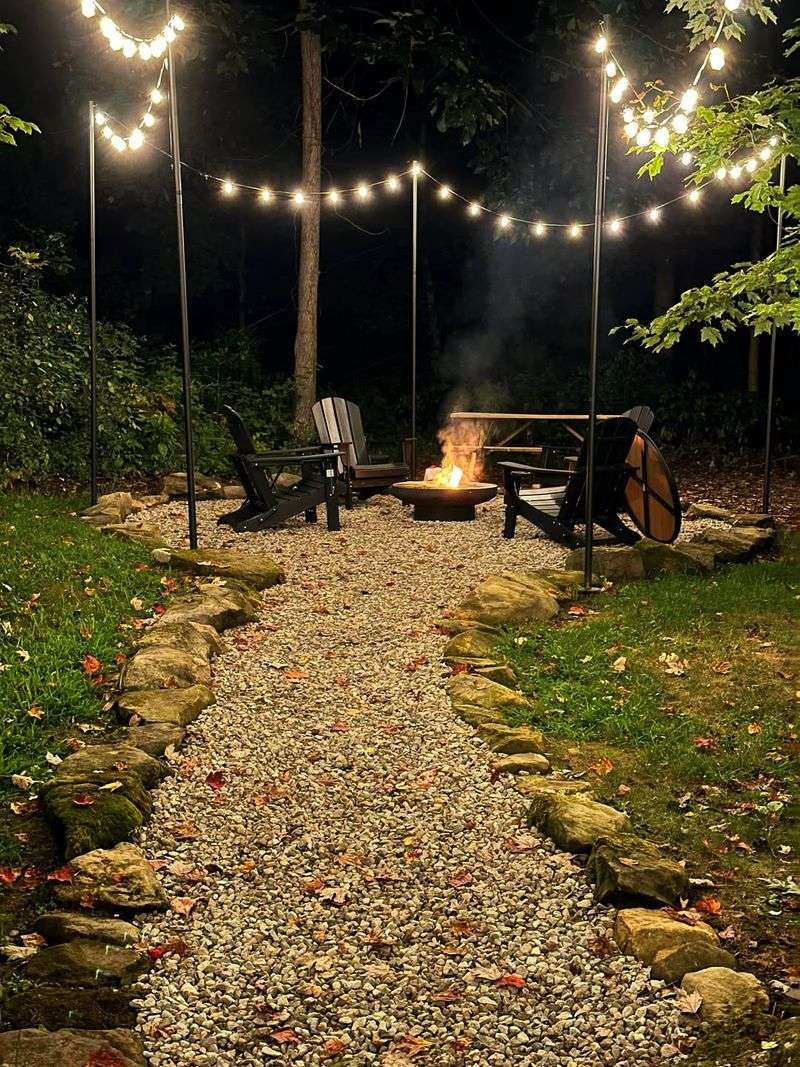
Bright outdoor lighting does more harm to birds than most homeowners expect. Light pollution disrupts migration patterns, confuses nocturnal navigation, and can prevent birds from settling into roosting spots near your home.
Ohio sits directly under major migratory flyways, so the impact of artificial light here is especially meaningful during spring and fall migration periods.
Switching to warmer, lower-intensity bulbs makes a measurable difference. Amber or warm white LEDs are less disruptive than cool white or blue-toned lights.
Motion-activated lights are even better since they only turn on when needed rather than staying on all night. Pointing fixtures downward rather than outward also reduces the amount of light that spills into trees and shrubs where birds rest.
Yard disturbance during nesting season is another issue worth addressing. Loud machinery, frequent activity near shrubs, and dogs running through planting beds all push nesting birds away during the most sensitive weeks of the year.
Creating a quiet zone around known nesting spots from roughly April through July gives birds the space they need to raise young successfully. Simple adjustments like mowing less frequently near hedgerows or delaying garden cleanup until late summer can turn your Ohio yard into a place birds return to season after season, year after year.