8 Fragrant Plants For North Carolina Yards During Mosquito Season
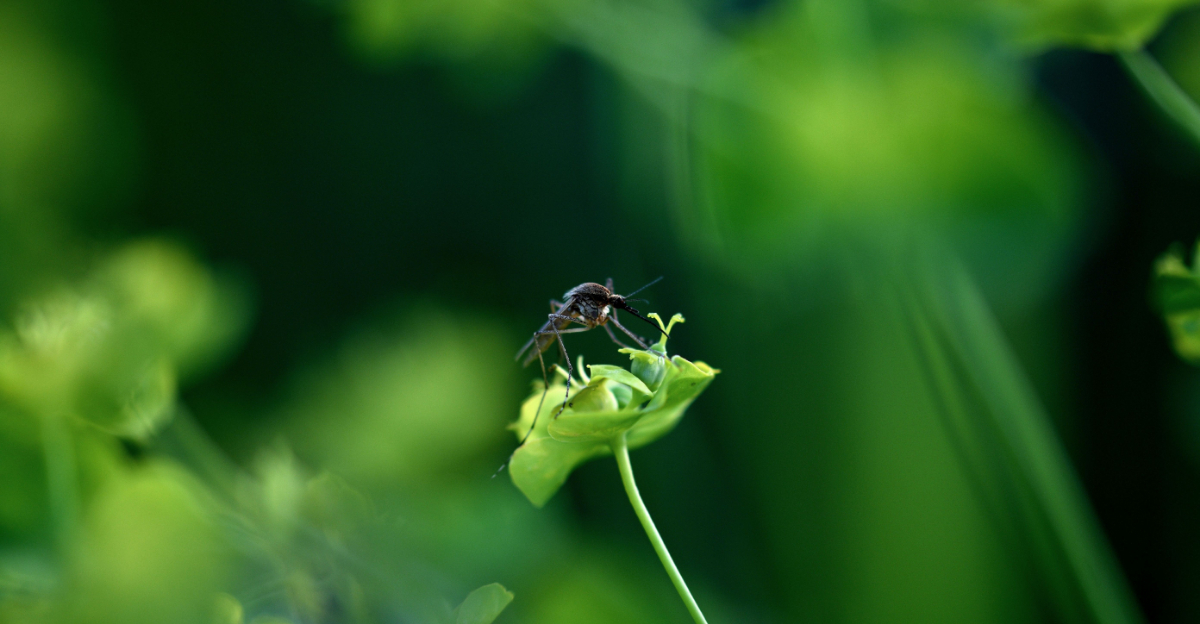
It feels like we barely get the porch furniture uncovered before those uninvited guests start buzzing around our evening cookouts.
We all know the drill of swapping stories while swatting at the air, hoping the humidity stays low enough to enjoy a quiet sunset in the rocker.
While those citronella candles have their place, nature actually offers a much more permanent way to reclaim your backyard sanctuary.
North Carolina soil is surprisingly welcoming to several hardy varieties that work hard to keep the pests away while you relax.
A few of these greenery choices are so effective that even the most stubborn mosquitoes tend to find a different neighborhood to pounce on. You might be surprised to find that the most powerful defenders are already sitting on the shelves of your local garden center.
1. Beebalm With Bright Nectar-Rich Blooms
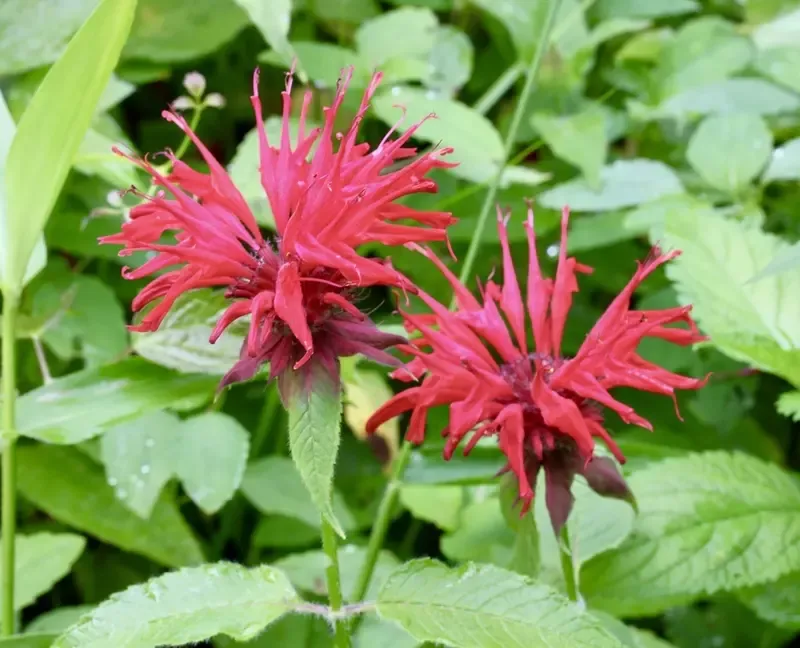
Few plants pack as much personality into a single bloom as beebalm. Also called wild bergamot or Monarda, this native North Carolina wildflower bursts into shaggy, firework-like blooms in shades of red, pink, and purple during the summer months.
Beyond its stunning looks, beebalm contains thymol and other essential oils that mosquitoes find deeply unappealing.
Gardeners across North Carolina love beebalm because it thrives in the region’s varied climate, from the mountain foothills to the Piedmont. It prefers full sun to partial shade and grows best in moist, well-drained soil.
Once established, it spreads reliably on its own, filling garden beds with color and fragrance year after year.
Planting beebalm near your patio, deck, or outdoor seating area puts its mosquito-repelling oils right where you need them most. Brushing the leaves gently as you walk by releases even more of that spicy, oregano-like scent.
Bees, butterflies, and hummingbirds absolutely love this plant too, so you get the bonus of attracting pollinators while pushing mosquitoes away. It grows between two and four feet tall, making it a great mid-border plant.
Dividing clumps every few years keeps it healthy and vigorous, ensuring your garden stays both beautiful and naturally protected throughout the warm season.
2. American Beautyberry With Colorful Berries
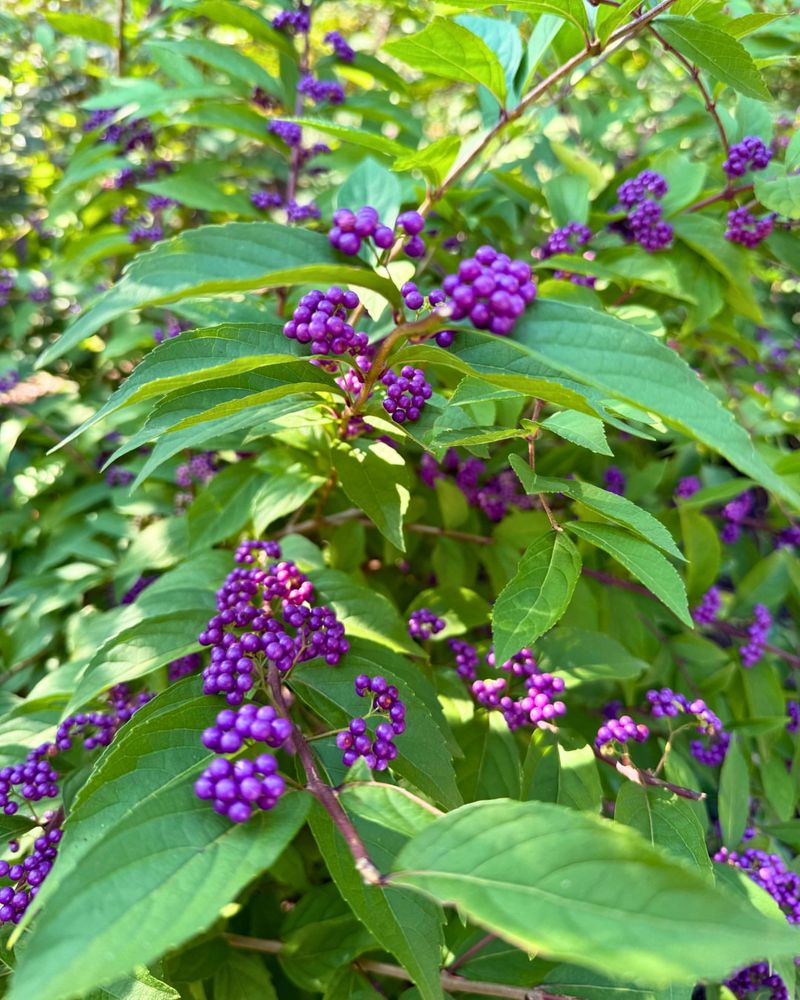
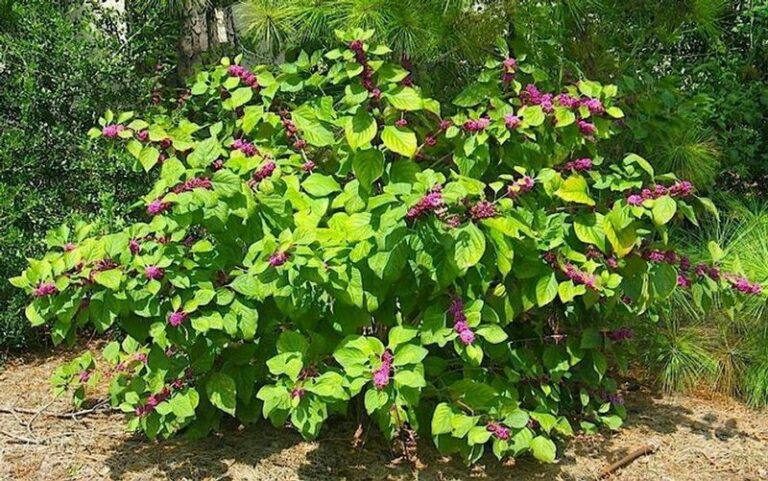
Walk through any North Carolina woodland in late summer and you might spot a shrub covered in jaw-dropping clusters of bright purple berries. That is American beautyberry, and while it looks like pure decoration, it carries a serious secret.
Research from the United States Department of Agriculture found that callicarpenal, a compound found in beautyberry leaves, is a highly effective natural mosquito repellent.
Native to the southeastern United States, American beautyberry is perfectly at home in North Carolina’s climate. It handles heat, humidity, and even a bit of drought once it gets established.
This shrub thrives in partial shade, which makes it a fantastic choice for woodland edges or spots under trees where other plants might struggle to grow.
Growing between four and eight feet tall, beautyberry works beautifully as a naturalistic hedge or a focal point in a native plant garden. To use it as a repellent, simply crush a few leaves and rub them on exposed skin before heading outside.
Your North Carolina Garden Changes Every Week. Your Plan Should Too.
Gardening in North Carolina changes quickly throughout the season. Every Friday you’ll receive a simple weekly plan showing exactly what to plant, prune, fertilize, harvest, and protect so you never miss the right timing.
Early settlers in the South used exactly this method long before modern repellents existed, so there is real history behind this plant’s reputation. Planting it near walkways or garden borders in North Carolina gives you both a visually striking landscape element and a practical, nature-friendly way to keep mosquitoes at bay all summer.
3. Catnip That Attracts Cats And Pollinators
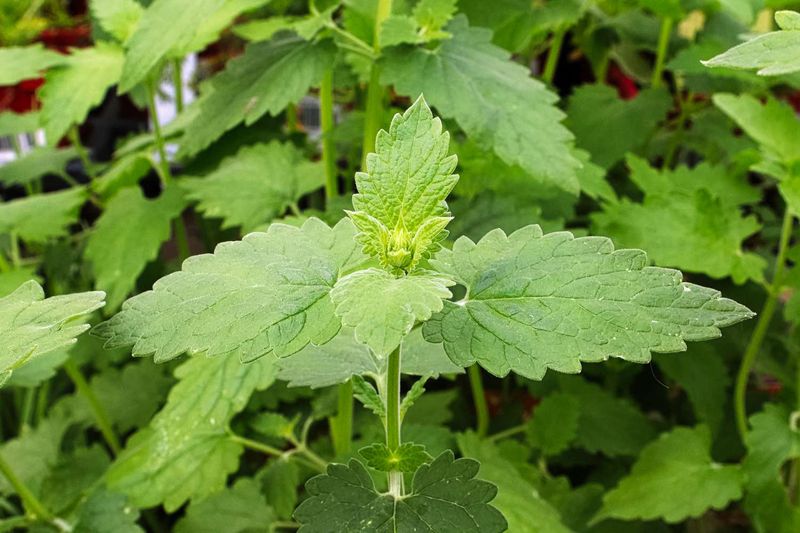
Before you dismiss catnip as just a treat for your house cat, consider this: studies have shown that nepetalactone, the active compound in catnip, can repel mosquitoes more effectively than DEET in some laboratory tests. That is a remarkable claim for a plant you can easily grow in your backyard.
Cats may go wild for it, but mosquitoes want absolutely nothing to do with it.
Catnip is a member of the mint family, and like its cousins, it is vigorous and easy to grow throughout North Carolina. It does well in full sun to partial shade and adapts to a wide range of soil types.
Because it can spread aggressively, many North Carolina gardeners prefer to grow it in containers placed near doorways or outdoor seating areas to keep it under control while still enjoying its benefits.
The plant produces small clusters of white and lavender flowers that attract bees and beneficial insects, adding ecological value beyond just pest control. Crushing or lightly bruising the leaves releases the strongest concentration of nepetalactone, which is when it becomes most effective as a repellent.
You can even dry the leaves and make a simple spray by steeping them in water. For a low-maintenance, high-reward addition to your North Carolina garden, catnip deserves a permanent spot near your patio or back door this growing season.
4. Rosemary With Fragrant Evergreen Leaves
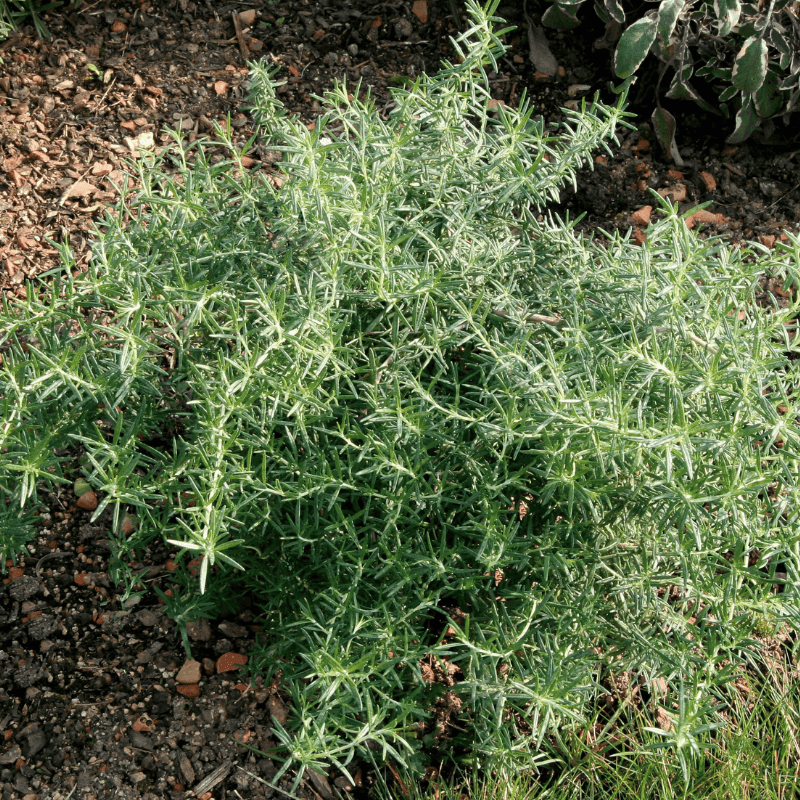
Rosemary is one of those plants that earns its place in the garden many times over. You can cook with it, enjoy its piney fragrance, use it as a decorative evergreen shrub, and rely on it to help keep mosquitoes away from your outdoor spaces.
The woody, camphor-rich scent that makes rosemary so recognizable in the kitchen is exactly what sends mosquitoes looking elsewhere.
North Carolina’s warm summers and mild winters in many parts of the state make it an ideal location for growing rosemary. It loves full sun and well-drained soil, and it is surprisingly drought-tolerant once established.
In the western mountain regions where winters get harsher, growing rosemary in a pot that can be brought indoors during cold snaps is a smart strategy.
Placing rosemary plants in decorative pots around your patio creates a natural barrier that looks attractive and smells wonderful. Tossing a few rosemary sprigs onto a backyard fire or grill also releases its oils into the air, creating a temporary mosquito-repelling smoke that works beautifully during evening cookouts.
Beyond mosquitoes, rosemary is known to deter other insects as well. Pruning it regularly keeps its shape tidy and encourages fresh growth, which is where the most potent oils are concentrated.
For North Carolina gardeners who want beauty, function, and flavor all in one plant, rosemary is an outstanding choice.
5. Lavender That Brings Color And Calm
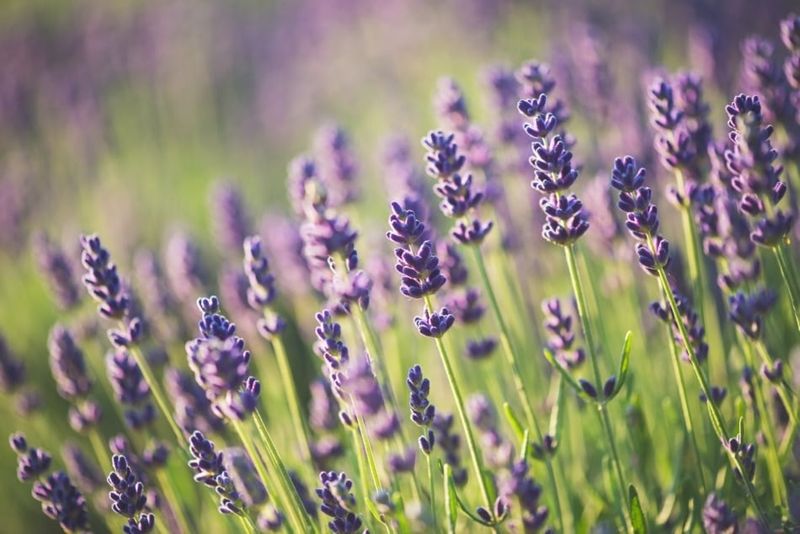
There is something almost magical about a lavender plant in full bloom. The tall purple flower spikes, the silvery-green foliage, and that unmistakable calming fragrance all combine into one of the most beloved garden plants in the world.
What many people do not realize is that lavender’s scent, which humans find so relaxing, is something mosquitoes find genuinely repulsive.
Lavender contains linalool and camphor, two natural compounds that interfere with mosquitoes’ ability to locate their targets. In North Carolina, lavender grows best in well-drained, slightly alkaline soil with plenty of full sun.
The Piedmont and western regions of North Carolina tend to offer the right conditions, though lavender can struggle in areas with heavy clay soil or excessive humidity without proper soil amendments.
Planting lavender along walkways, garden borders, or in clusters near outdoor seating areas creates a visually stunning and highly functional landscape. Dried lavender bundles placed near windows and doors also help keep mosquitoes from wandering inside.
As a bonus, lavender attracts pollinators like bees and butterflies in impressive numbers, making it a true ecological asset in any North Carolina garden. It is relatively low-maintenance once established and comes back reliably each year.
Pruning after the first bloom encourages a second flush of flowers, extending both the beauty and the mosquito-repelling benefits well into the late summer months.
6. Lemon Balm With Zesty Scented Foliage
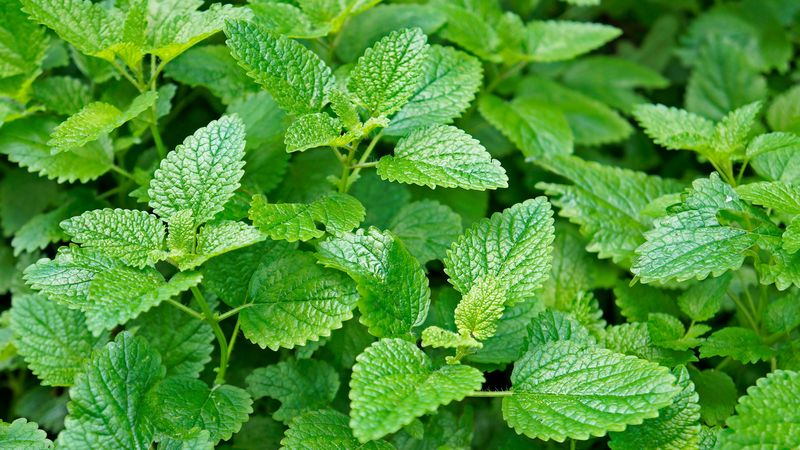
Rub a single leaf of lemon balm between your fingers and you will immediately understand why mosquitoes want nothing to do with this plant. The burst of fresh, citrusy scent comes from high concentrations of citronellal, the same compound responsible for citronella candles’ reputation as a mosquito deterrent.
Lemon balm delivers that protection straight from the garden, no candle required.
A member of the mint family, lemon balm is enthusiastic about growing in North Carolina’s climate. It thrives in full sun to partial shade and tolerates a variety of soil conditions, which makes it adaptable across different parts of the state.
Like other mint relatives, it can spread generously, so planting it in containers or using garden borders to contain it helps keep things tidy without sacrificing any of its benefits.
Beyond mosquito control, lemon balm has a long history as a calming herbal tea ingredient. Harvesting a few leaves for a warm cup of tea while also keeping your porch mosquito-free feels like a pretty great deal.
Placing pots of lemon balm near outdoor seating areas, doorways, and windows puts the repellent effect right where it is needed most. In North Carolina, lemon balm grows vigorously from spring through fall, offering consistent coverage during the peak mosquito season.
Crushing leaves occasionally or trimming the plant releases fresh oils and keeps the repellent effect strong throughout the season.
7. Lemongrass With Fresh Citrus Aroma

Behind one of the most well-known plant-based mosquito scents on the market is citronella oil, which comes from certain fragrant grasses. Lemongrass has a similar sharp, citrusy aroma that many gardeners like to use around patios and porches during mosquito season, especially when the leaves are brushed or crushed to release more scent.
In North Carolina, lemongrass does best in warm, sunny conditions with well-draining soil, which lines up nicely with long summer stretches. It grows in bold clumps that can reach five or six feet tall, so it makes a strong statement in garden beds or large containers.
Since it is not frost-hardy, gardeners in colder inland or mountain areas often keep it in big pots that can be moved into a garage or indoors when temperatures drop in fall.
Try placing containers near outdoor seating, along a sunny walkway, or near the edges of a patio where you will actually brush past it and enjoy the fragrance. The stalks are also useful in cooking, especially in many Asian-inspired dishes, so it can earn its keep in more than one way.
Dividing clumps every couple of years helps keep the plant vigorous and productive. For North Carolina yards that want a tropical look, a fresh scent, and an herb that pulls double duty in the kitchen, lemongrass is a fun pick to grow through the warm season.
8. Marigold That Adds Sunny Garden Color
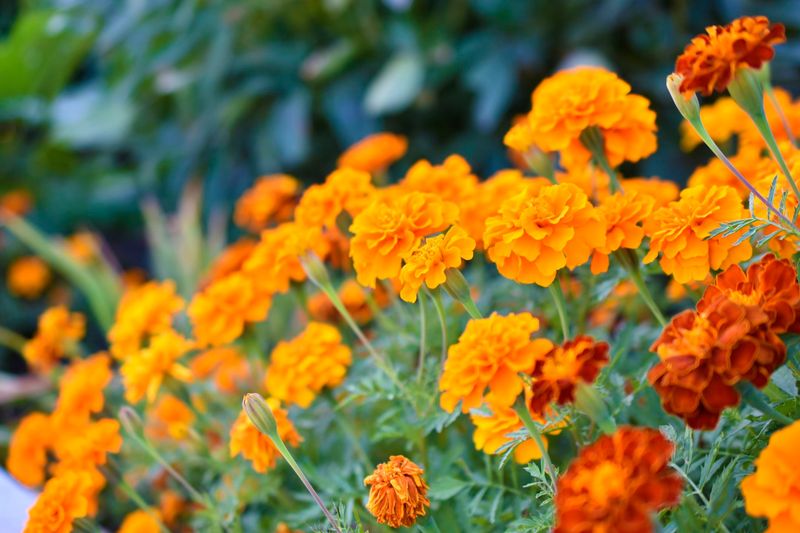
Marigolds might be the most cheerful mosquito fighters in the entire plant kingdom. Their bold orange, yellow, and red blooms light up garden beds from late spring through the first frost, and all that time they are quietly releasing pyrethrum, a natural compound used in many commercial insect repellents.
Mosquitoes, aphids, and even some beetles find marigolds deeply off-putting.
Growing marigolds in North Carolina is about as easy as gardening gets. They love full sun, tolerate the summer heat without complaint, and are not picky about soil as long as it drains reasonably well.
French marigolds tend to stay compact and bushy, making them perfect for container gardens and patio borders, while African marigolds grow taller and work beautifully in raised garden beds or as border plants along walkways.
Tucking marigolds around the edges of vegetable gardens serves a double purpose: they protect food crops from pests while also keeping the surrounding area less hospitable to mosquitoes. Planting them in clusters near outdoor seating, along pathways, or in window boxes brings both color and function to everyday spaces around your North Carolina home.
Deadheading spent flowers regularly encourages continuous blooming, which means a longer season of both visual beauty and natural mosquito deterrence. For beginner gardeners and experienced growers alike, marigolds offer one of the simplest and most rewarding ways to make a North Carolina outdoor space more enjoyable all season long.