How To Grow An Edible Hedge In California Gardens
California gardens rarely stay quiet for long, yet the start of the main planting season still brings a burst of new ideas. Garden centers fill with seedlings, planting lists grow longer, and many yards begin to take shape again after the cooler months.
Plant choices often get all the attention, but the most productive gardens usually start with something else entirely. Smart planning lays the groundwork for success.
An edible hedge offers one of the most practical ways to blend beauty, privacy, and fresh food in a California yard.
Fruit shrubs, herbs, and edible natives can form a living border that produces harvests across multiple seasons while also supporting pollinators and beneficial wildlife.
With thoughtful plant choices and a bit of preparation, an ordinary fence line can turn into a thriving, food producing hedge that works hard for your garden year after year.
1. Understanding California Climate Zones Before Planting
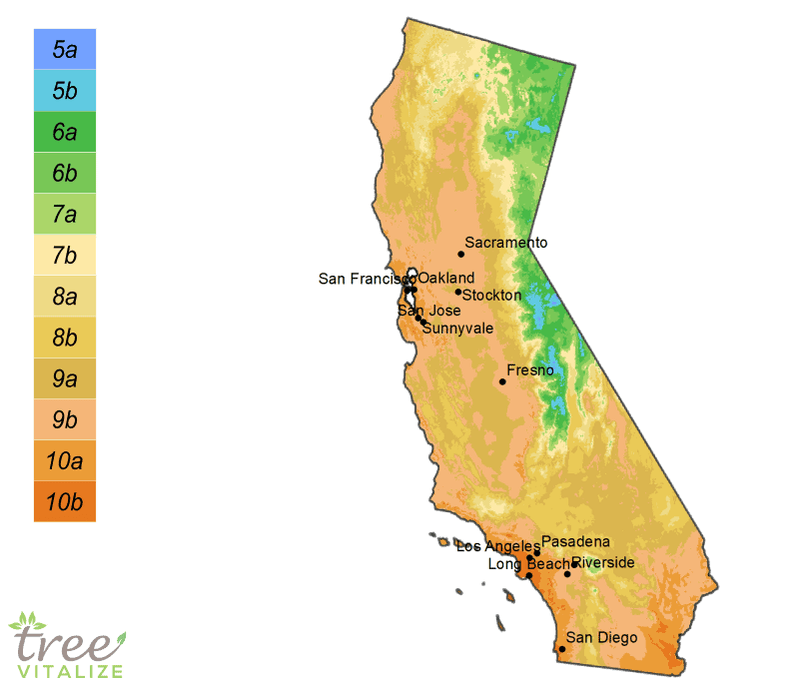
California is one of the most climatically diverse states in the country, and understanding that diversity is the first step toward growing a successful edible hedge.
The state stretches from foggy coastal regions to scorching inland valleys and high desert areas, meaning a plant that thrives in San Diego may struggle in Sacramento or Fresno.
California follows the USDA Plant Hardiness Zone system, but many experienced gardeners also rely on the Sunset Climate Zone system, which accounts for humidity, rainfall patterns, and temperature swings in much greater detail.
Coastal zones tend to stay mild year-round, while inland valleys experience hot summers and cool winters that can stress plants not suited to the region.
Much of California experiences a Mediterranean climate with dry summers and wetter winters. This pattern strongly favors drought-tolerant fruiting shrubs, native edible plants, and Mediterranean herbs.
Knowing your specific zone helps you choose plants that will establish quickly and produce harvests reliably.
Before buying a single plant, spend time researching your local frost dates, average summer temperatures, and annual rainfall totals.
That knowledge will save you money, effort, and frustration as your edible hedge grows.
2. Choosing The Right Location For An Edible Hedge
Picking the right spot for your edible hedge can make the difference between a productive, lush planting and one that barely survives. Most fruiting shrubs and edible plants need at least six hours of direct sunlight each day to flower and produce well.
A south-facing or west-facing boundary line is usually the best choice in California gardens.
Think about how the hedge will interact with your home and existing garden. A hedge planted too close to a building can block light from windows or interfere with foundations over time.
Spacing your hedge several feet away from structures gives roots room to spread and allows air to circulate freely, reducing the risk of fungal problems during the cool and wetter winter months.
Also consider the soil conditions along your chosen boundary. Areas near driveways or old concrete paths can have compacted, alkaline soil that needs serious amendment before planting.
Low-lying spots that collect water after winter rains may suit moisture-tolerant plants like elderberry but could cause root rot in drought-adapted species like pineapple guava or lemonade berry.
Your California Garden Changes Every Week. Your Plan Should Too.
Gardening in California changes quickly throughout the season. Every Friday you’ll receive a simple weekly plan showing exactly what to plant, prune, fertilize, harvest, and protect so you never miss the right timing.
Matching the right plants to the right microclimate within your own yard is one of the smartest moves any California gardener can make.
3. Planning Hedge Spacing For Healthy Growth And Harvests
Spacing might not sound exciting, but getting it right from the start is one of the most important decisions you will make when building an edible hedge.
Plant too closely together and you create overcrowding, poor air circulation, and competition for water and nutrients.
Space plants too far apart and you end up with a patchy, gappy hedge that takes years longer to fill in.
A general rule of thumb for most fruiting shrubs used in California edible hedges is to space plants between four and six feet apart.
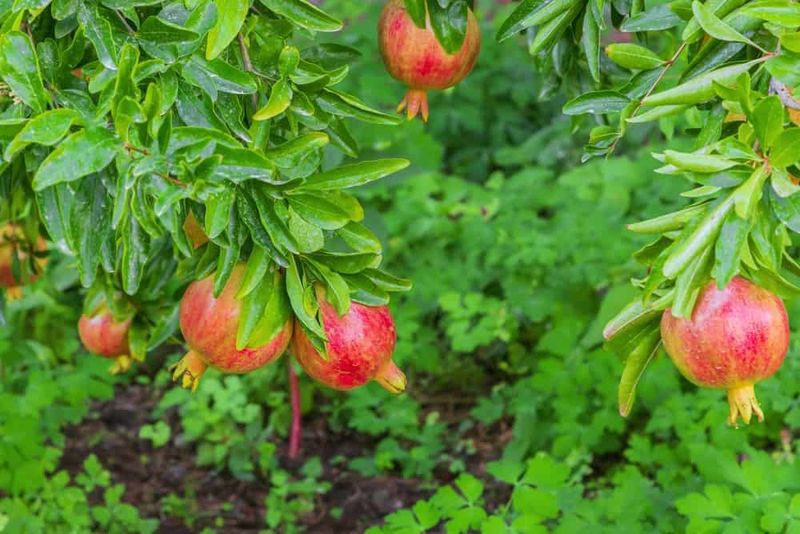
Larger species like pomegranate or pineapple guava may need six to eight feet of spacing to reach their natural form and produce fruit reliably.
Smaller shrubs like currants or gooseberries may be spaced closer together in cooler coastal regions.
Consider the mature height and spread listed on the plant tag, not just the size of the young shrub you are planting today.
A shrub that looks tiny at planting can easily reach eight feet wide within five years in California’s long growing season.
Planning for mature size from the beginning saves the hard work of moving established plants later. Staggering plants in a slight zigzag pattern also helps create a denser, more visually appealing hedge over time.
4. Fruit And Herb Plants That Work Well In California Edible Hedges
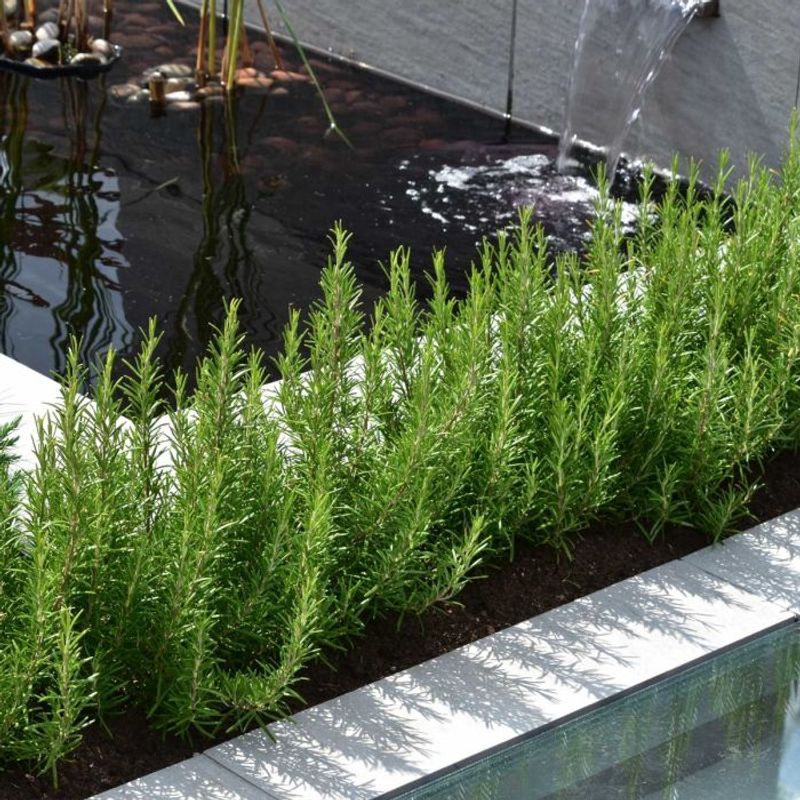
One of the most enjoyable parts of planning an edible hedge is choosing which plants to grow. California’s climate supports an impressive range of fruiting shrubs and herbs that can form a beautiful, productive boundary.
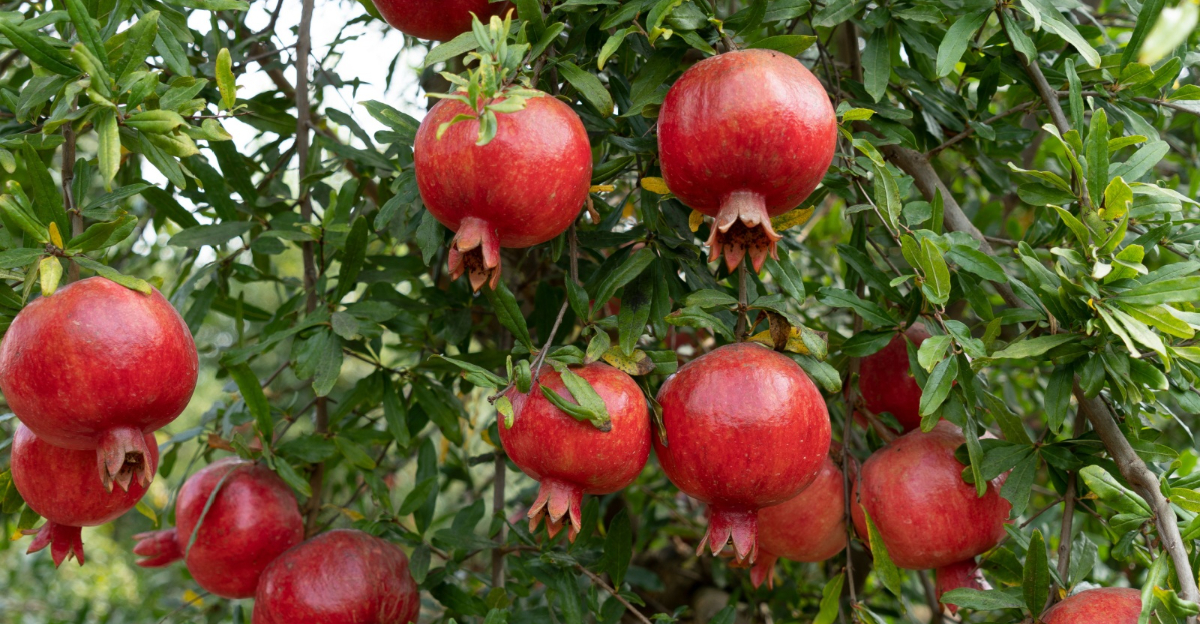
Pomegranate is a standout choice, offering brilliant orange-red flowers in spring, glossy foliage through summer, and jewel-like fruits in fall. It handles drought well once established and responds beautifully to hedge pruning.
Pineapple guava is another California favorite. Its silvery-green leaves stay attractive year-round, and in late spring it produces stunning red and white flowers with edible petals that taste faintly of cinnamon.
The oval fruits that follow have a sweet, tropical flavor and ripen in fall. Both pomegranate and pineapple guava are widely available at California nurseries and are well-adapted to the state’s dry summers.
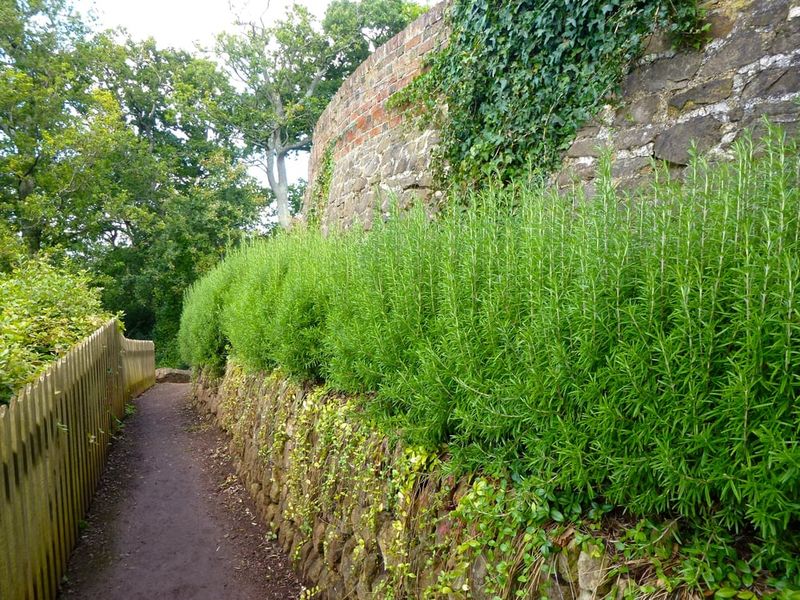
Herbs like rosemary and bay laurel can also anchor sections of an edible hedge beautifully. Rosemary adapts well to drought and low fertility soils, yet it performs best in well-drained ground where excess moisture does not linger.
Bay laurel grows slowly but eventually forms a tall, elegant hedge with aromatic leaves used in cooking.
Mixing fruiting shrubs with culinary herbs creates a hedge that delivers harvests across multiple seasons and adds incredible fragrance to the garden.
5. Evergreen Plants That Can Form A Productive Edible Hedge
Evergreen plants play an important role in edible hedges because they provide privacy and structure throughout the entire year.
Unlike deciduous plants that lose their leaves in winter, evergreen shrubs keep garden boundaries full and visually appealing even during the cooler months.
Several native and well-adapted evergreen species in California also produce edible harvests, allowing a hedge to serve both practical and productive purposes.
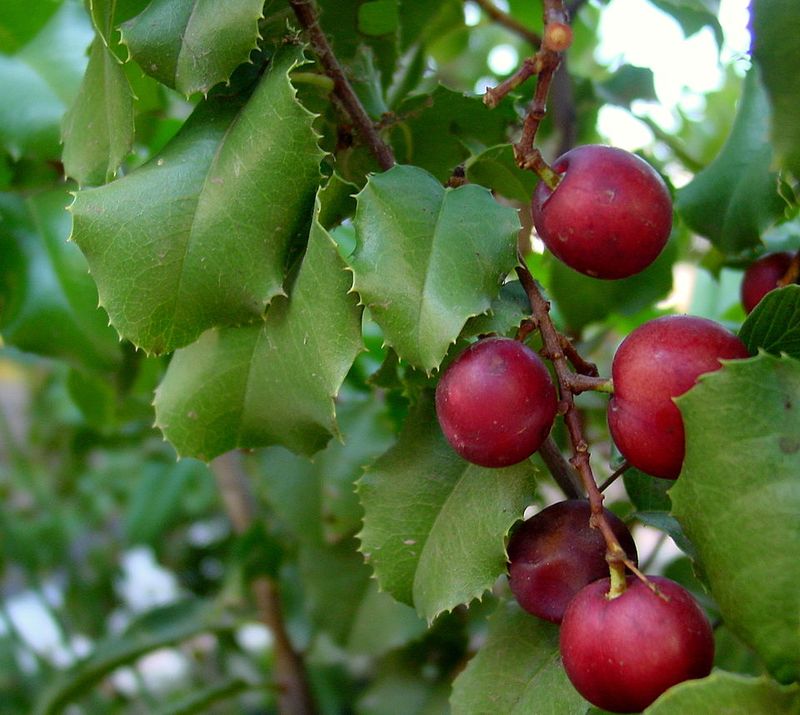
Hollyleaf cherry is a native California shrub that works well in this type of planting. Its glossy, holly-shaped leaves create a dense hedge that provides screening and habitat for wildlife.
In late summer the plant produces small dark cherries with a thin layer of edible flesh surrounding a large pit. The fruit has traditionally been processed into foods such as jams or beverages rather than eaten fresh.
Hollyleaf cherry handles drought, heat, and poor soils well once established, which makes it a resilient choice for many California gardens.
Lemonade berry is another native evergreen shrub suited to edible hedges. This coastal plant produces clusters of small red berries that can be soaked in water to create a tart drink similar to lemonade.
It grows naturally along California’s coastline and performs best in sandy, well-drained soils with little irrigation after establishment. Oregon grape offers another option, especially in partially shaded areas.
This evergreen shrub produces clusters of tart blue-purple berries that are commonly used in jams and jellies.
Combining several of these plants can create a hedge that provides year-round structure, seasonal harvests, and habitat for beneficial wildlife.
6. Preparing Soil Before Planting Your Edible Hedge
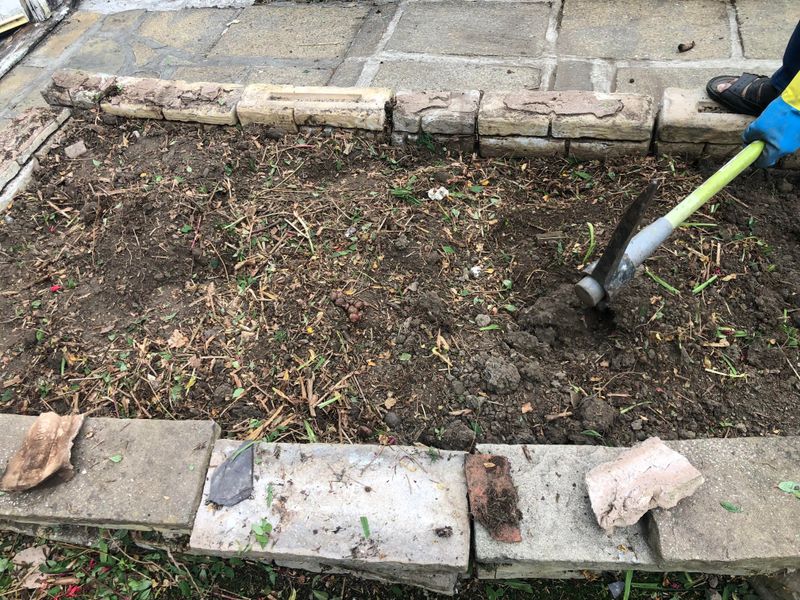
Healthy soil provides the foundation for a productive edible hedge. California soils vary widely across the state, ranging from dense clay in parts of the Bay Area and Central Valley to sandy coastal soils and rocky, alkaline ground in inland regions.
Understanding your soil conditions before planting helps prevent problems that can slow plant growth later.
Begin by loosening the soil along the planned hedge line to a depth of about twelve inches. A garden fork works well for smaller areas, while a tiller may help with longer planting rows.
Loosening the soil improves root penetration and allows water to move more evenly through the ground.
Mix two to four inches of compost into the top layer of soil. Compost helps break up clay, improves moisture retention in sandy soil, and supports the beneficial microorganisms that help plants absorb nutrients.
These improvements encourage stronger root development during the first growing season.
Checking soil pH can also be useful before planting. Many fruiting shrubs grow well in slightly acidic to neutral soils, though several California-adapted plants tolerate moderately alkaline conditions.
Simple soil test kits can give a quick estimate of pH and nutrient levels. Taking time to prepare the soil before planting makes it easier for young shrubs to establish and begin filling in your edible hedge.
7. How To Plant Young Shrubs For A Dense Hedge Over Time
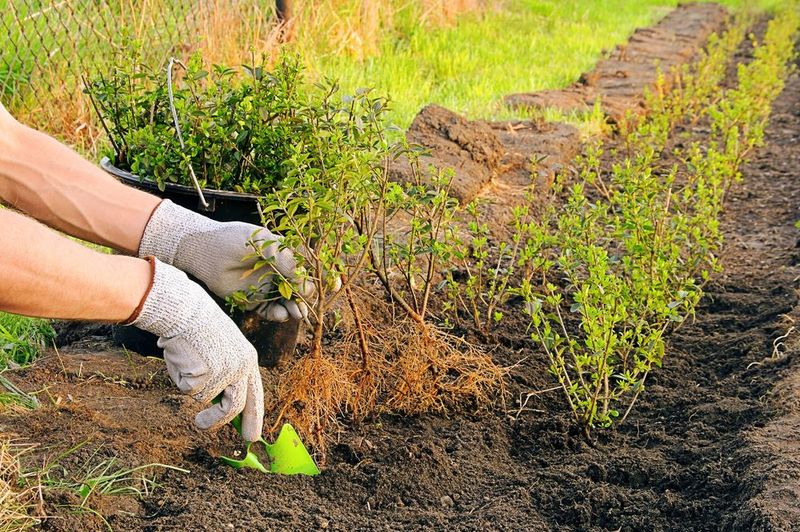
Planting day is exciting, but taking your time and doing it correctly sets up your hedge for years of healthy growth. Begin by watering your nursery plants thoroughly an hour or two before planting.
This reduces transplant stress and helps the root ball hold together when you remove the pot.
Dig each planting hole twice as wide as the root ball but only as deep as the root ball is tall. Planting too deeply is one of the most common mistakes home gardeners make.
The root flare, the point where the stem meets the roots, should sit at or just slightly above the surrounding soil level. Backfill with the native soil mixed with compost, firming it gently around the roots to eliminate air pockets.
Water each plant deeply immediately after planting, then water again two days later.
In California’s warm climate, newly planted shrubs need consistent moisture during their first summer to establish strong root systems before the dry season intensifies.
Applying a two to three inch layer of mulch around each plant right after planting helps hold soil moisture and keeps roots cool during summer heat.
Avoid piling mulch directly against the stem, as this can cause bark softening and invite pest problems over time.
8. Mulching And Soil Care For Long Term Hedge Health
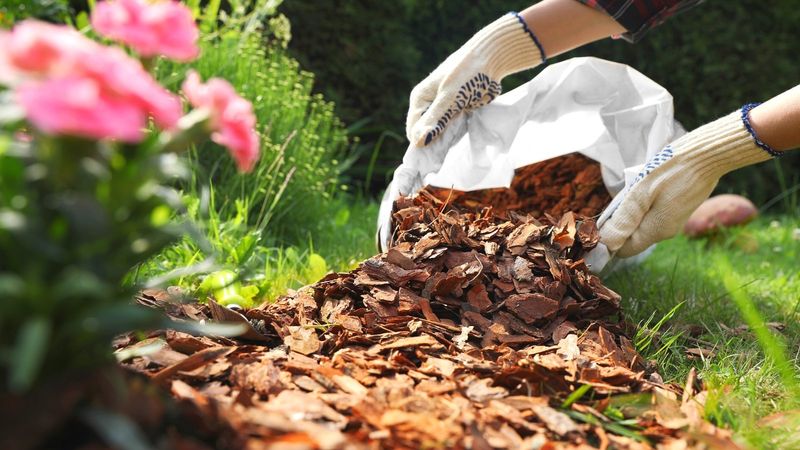
Mulch is one of the hardest-working tools in any California gardener’s toolkit.
A generous layer of organic mulch spread along the base of your edible hedge does several important jobs at once. It slows water evaporation from the soil, suppresses competing weeds, moderates soil temperature, and gradually breaks down to feed the soil with organic matter.
Wood chips from a local tree service are an excellent and often free mulching option for edible hedges. Apply a layer three to four inches deep along the entire hedge run, keeping mulch pulled back a few inches from each plant stem.
Refresh the mulch layer each fall as it decomposes into the soil.
In California’s hot inland valleys, where summer temperatures regularly exceed 100 degrees Fahrenheit, mulch can be the difference between a hedge that thrives and one that struggles through the dry season.
Beyond mulching, feed your established hedge once in early spring with a balanced organic fertilizer to support new growth and fruit production.
Avoid heavy nitrogen applications in summer, as this can push soft, leafy growth that is more vulnerable to pests and heat stress.
Topdressing with compost each fall also keeps soil biology active and improves long-term soil structure throughout the hedge planting bed.
9. Watering Young Hedges During California’s Dry Season
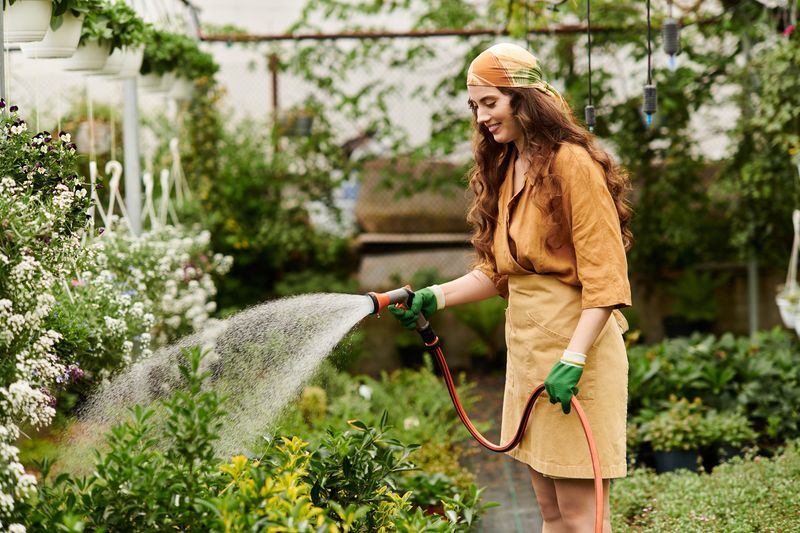
California’s dry season usually stretches from late spring into early fall, and newly planted shrubs depend on regular irrigation during this time.
Young plants have limited root systems, so consistent watering during the first year helps them establish deeper roots before the hottest part of summer arrives.
Deep watering encourages roots to grow downward rather than remaining near the soil surface. A drip irrigation system works well for edible hedges because it delivers water slowly and directly to the root zone while reducing evaporation and runoff.
Even a simple drip line along the hedge can provide reliable irrigation throughout the growing season.
Watering schedules vary depending on soil type, plant species, and local temperatures. During the first summer, many young shrubs benefit from deep watering once or several times each week.
Sandy soils may dry out faster, while clay soils tend to hold moisture longer.
After one to two years, many plants commonly used in California edible hedges develop stronger root systems and need less frequent irrigation.
Pineapple guava, pomegranate, rosemary, and lemonade berry are known for handling dry conditions once established.
Checking soil moisture several inches below the surface before watering helps prevent both drought stress and excessive watering.
10. Pruning Techniques That Help Edible Hedges Stay Productive
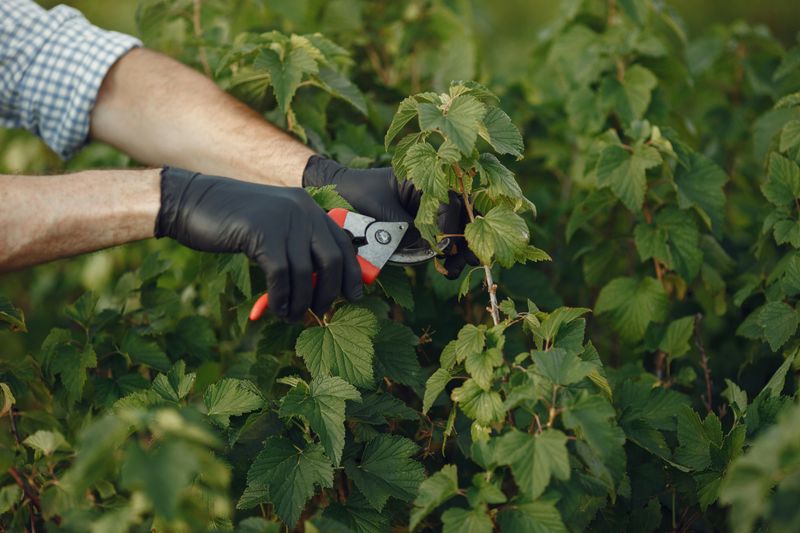
Pruning keeps an edible hedge attractive while also encouraging healthy growth and reliable harvests.
Unlike ornamental hedges that are often trimmed into tight formal shapes, edible hedges benefit from lighter, more thoughtful pruning that allows sunlight to reach fruiting branches.
Pruning schedules vary slightly depending on the plants you choose. Many shrubs respond well to pruning in late winter or early spring before strong new growth begins.
Other fruiting plants may benefit from light shaping after harvest. Observing how each plant grows helps guide the best pruning approach over time.
Sharp bypass pruners work well for small stems, while loppers handle thicker branches. Cuts should be made just above an outward-facing bud to guide new growth away from the center of the plant.
Removing crowded or crossing branches improves air circulation and allows more sunlight to reach the interior of the hedge.
Regular pruning also helps maintain the overall shape of the hedge without sacrificing fruit production.
A balanced approach that removes older or overly dense growth each year allows the hedge to remain productive while continuing to function as an attractive garden boundary.
11. Harvesting Fruit And Herbs From A Living Hedge
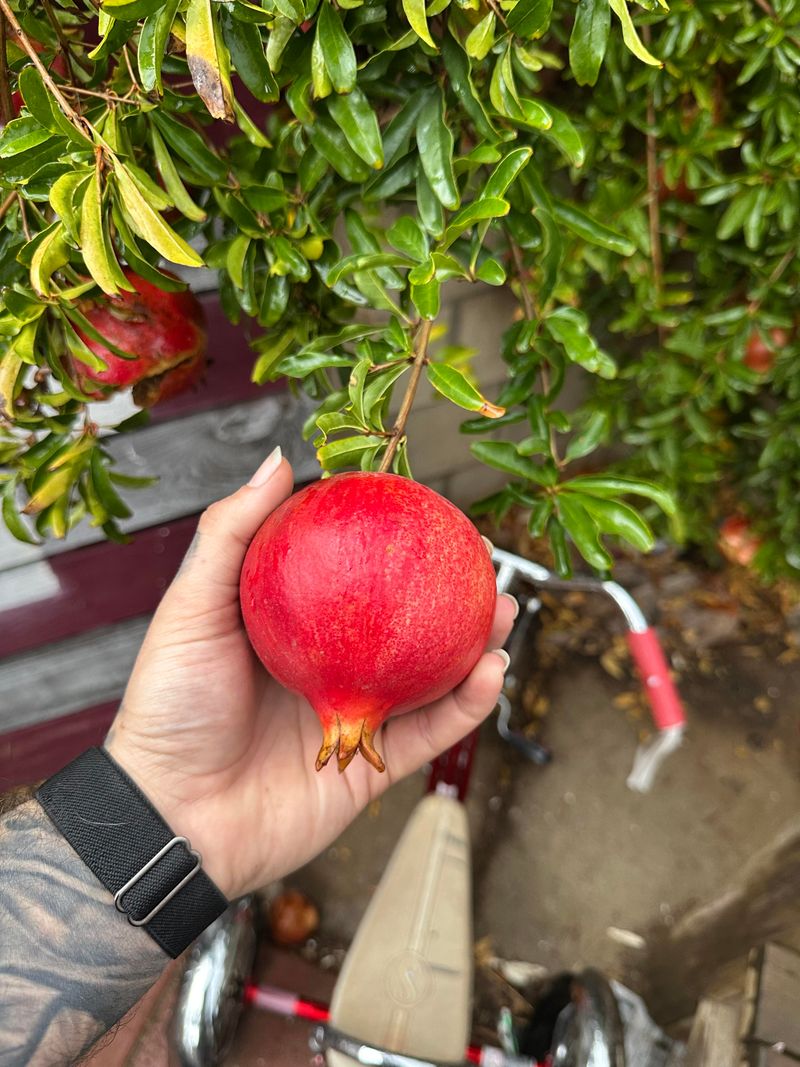
There is something deeply satisfying about walking along your own garden boundary and picking fresh food straight from the hedge.
Harvesting from a living hedge is one of the most rewarding parts of this style of gardening, and in California’s long growing season, you can often enjoy harvests from late spring all the way through early winter depending on which plants you have chosen.
Pomegranates typically ripen between September and November, signaled by their deep red skin and a hollow sound when tapped.
Pineapple guava fruits fall naturally from the plant when fully ripe, so checking the ground beneath the hedge regularly during fall is the easiest harvest method.
Lemonade berries and hollyleaf cherries ripen in late summer and can be gathered by hand or spread a cloth beneath the plant and gently shaking branches.
Fresh herbs like rosemary and bay laurel can be harvested year-round in most California climates, simply snipping stems as needed for cooking.
Avoid harvesting more than one-third of any plant’s foliage at one time to keep plants vigorous and productive.
Keeping a small harvest journal noting which plants produce earliest, most abundantly, or most reliably in your specific location helps you refine your edible hedge planting choices over the coming seasons.