8 Native Plants You Can Plant In March For A Strong Georgia Garden
March opens a great opportunity to shape how a Georgia garden will look and feel in the months ahead. Plant choices made during this moment often influence how smoothly the landscape grows through spring and summer.
Many gardeners turn toward native plants because they naturally belong to the region and settle into the environment with less effort. Gardens built around them often feel more balanced and connected to the surrounding landscape.
Early spring also gives new plants time to adjust before the hotter part of the season arrives.
A few well-chosen additions during March can quietly transform an ordinary yard into something far more vibrant and lively as the season unfolds.
1. Purple Coneflower Brings Pollinators And Long Summer Color
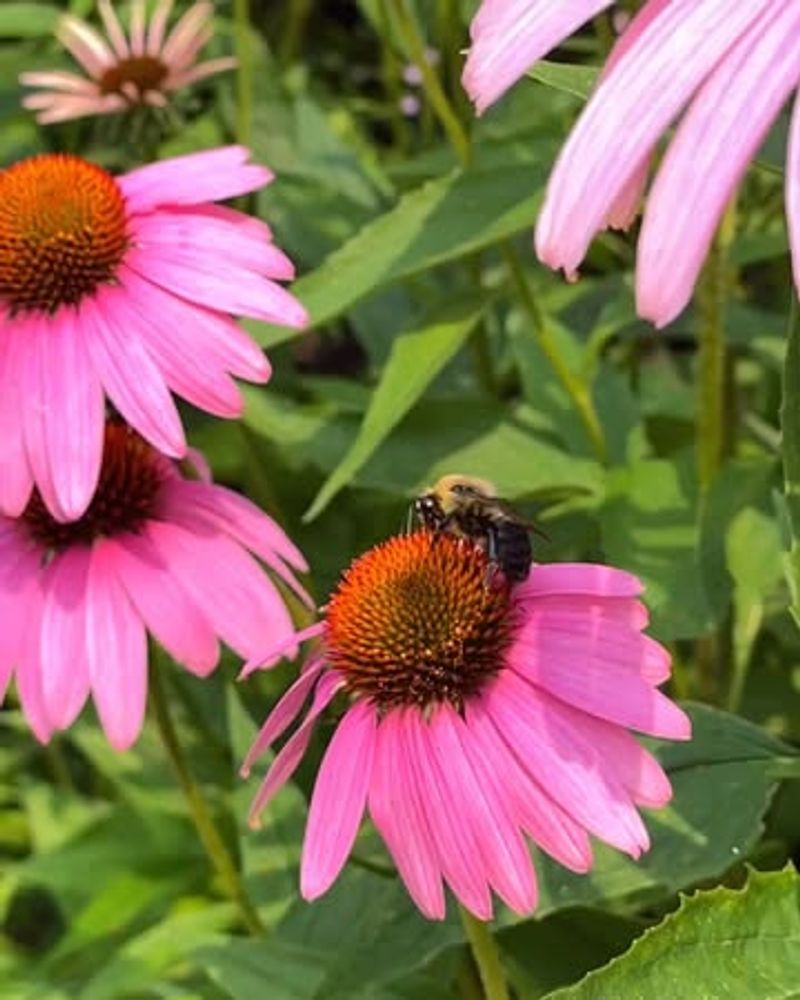
Few plants earn their keep in a Georgia garden quite like purple coneflower. Plant it in March and you will have roots digging in before the heat of May rolls around, giving the plant a serious head start.
Echinacea purpurea is built for the Southeast. It handles Georgia clay, tolerates dry spells once it gets going, and keeps blooming from early summer straight into fall.
The flowers are a magnet for bees, butterflies, and even goldfinches that come to eat the seed heads at the end of the season.
Space plants about 18 inches apart in a spot that gets at least six hours of sun. They do not need rich soil — average or even poor soil is fine.
Overwatering is a bigger problem than underwatering once the roots are established.
Leave the seed heads standing through winter instead of cutting everything back in fall. Birds rely on them, and the dried stalks add a little structure to the garden when everything else is bare.
Purple coneflower pairs naturally with black-eyed Susan and switchgrass, both of which also do well in Georgia gardens. If you are building a pollinator bed from scratch this March, coneflower is one of the smartest anchors you can start with.
2. Black Eyed Susan Adds Bright Blooms Through Summer
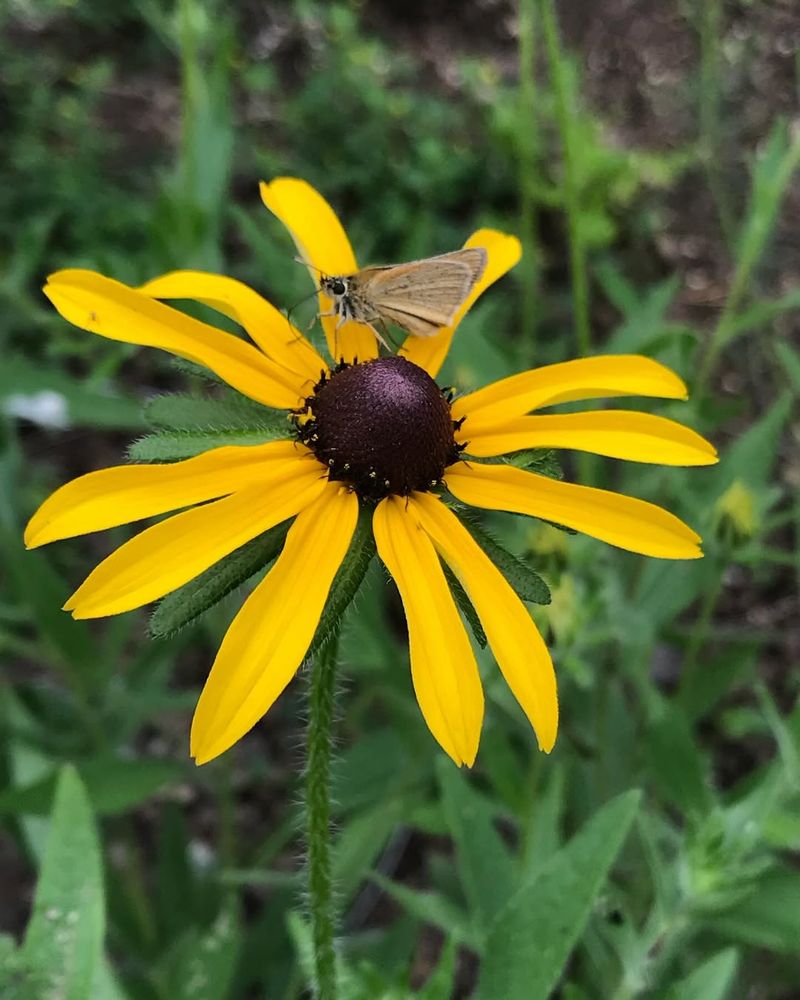
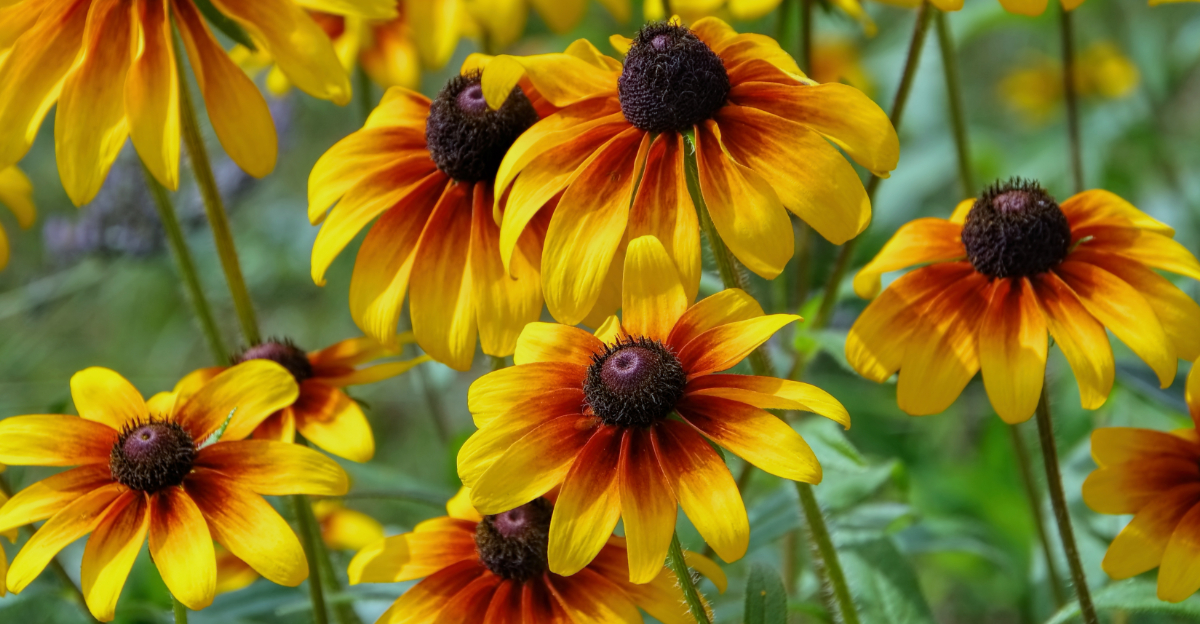
Black-eyed Susan is one of those plants that looks like it belongs on a country road in Georgia — because it does.
Rudbeckia hirta grows wild along roadsides and meadows across the state, which tells you everything you need to know about how tough it really is.
Plant it in March in a sunny spot and expect blooms starting in early summer. The flowers are a rich golden yellow with dark brown centers, and they keep coming for weeks.
Deadheading spent blooms encourages even more flowers, but if you skip it, the plant will self-seed and come back stronger the following year.
Sandy loam or well-drained clay both work fine. Black-eyed Susan does not do well in soggy spots, so avoid planting in low areas where water pools after rain.
Full sun is non-negotiable for the best bloom production.
One underappreciated thing about this plant is how well it feeds wildlife. Bees visit constantly during bloom, and native sparrows eat the seeds through fall and into winter.
Your Georgia Garden Changes Every Week. Your Plan Should Too.
Gardening in Georgia changes quickly throughout the season. Every Friday you’ll receive a simple weekly plan showing exactly what to plant, prune, fertilize, harvest, and protect so you never miss the right timing.
For a bold, low-effort summer display in a Georgia garden, black-eyed Susan is hard to beat. Plant it alongside purple coneflower or bee balm and you will have a pollinator patch that practically runs itself from June through September.
Once established, black-eyed Susan handles Georgia heat and occasional dry spells without much trouble.
Over time, small patches can spread naturally, creating a cheerful sweep of yellow blooms that returns each summer.
3. Coreopsis Produces Waves Of Golden Flowers
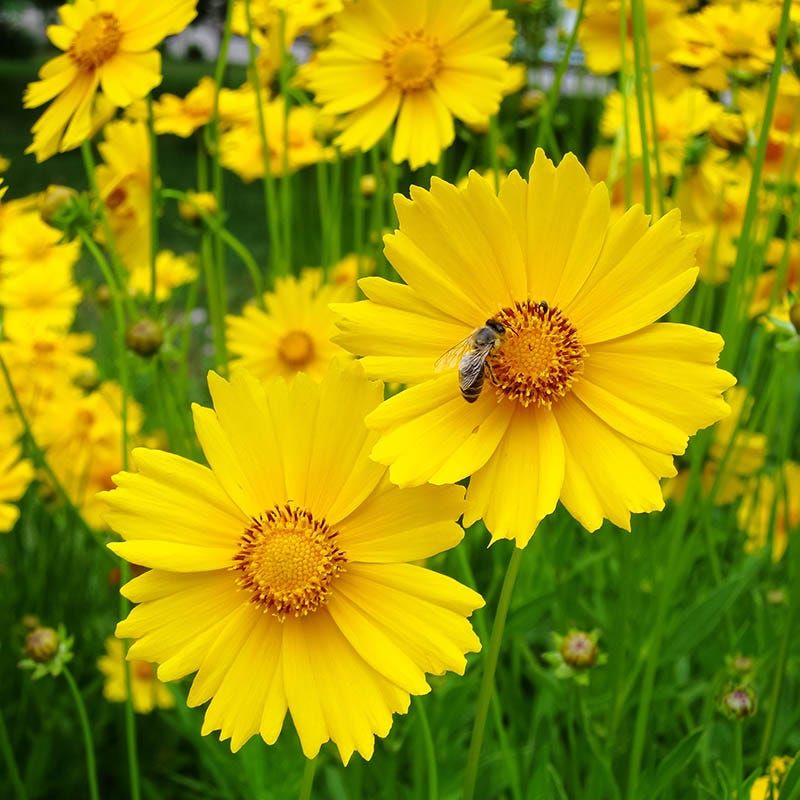
Georgia actually has a deep connection to coreopsis — it is the official state wildflower. That alone should tell you it belongs in your garden.
Lanceleaf coreopsis is the species most commonly planted here, and it is a workhorse. Put it in the ground in March and it will bloom by late spring, sending up wave after wave of bright yellow flowers on slender stems.
It spreads over time through both self-seeding and underground runners, gradually filling in bare spots without becoming invasive.
Full sun is where coreopsis really shines. It is drought-tolerant once rooted in, and it actually prefers lean soil over rich, fertilized beds.
Too much nitrogen pushes leafy growth at the expense of flowers, so skip the fertilizer and let the soil do its thing.
Cutting plants back by about a third after the first big flush of blooms will trigger a second round of flowering later in summer. It is a simple trick that extends the season significantly.
Pollinators go after coreopsis hard — especially native bees and small butterflies. If you are gardening in the piedmont or coastal plain regions of Georgia, you will notice how well this plant fits into the local landscape.
It looks at home because it is home, and that is exactly what native planting is all about.
4. Bee Balm Attracts Butterflies And Hummingbirds
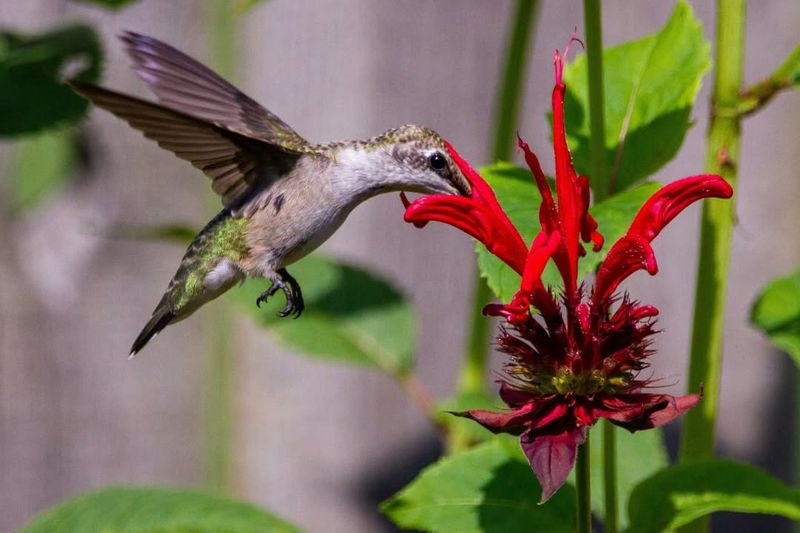
Hummingbirds find bee balm like they have GPS. Plant a patch of Monarda in your Georgia garden and expect regular visitors from July through August, hovering around those tubular red or pink flowers with impressive precision.
Bee balm does well in Georgia when planted in a spot with morning sun and some afternoon shade, especially in the hotter parts of the state.
Full sun is fine in north Georgia where temperatures stay a bit cooler, but further south, a little shade protection helps the plant stay healthy through August.
Moisture matters more with bee balm than with most other natives on this list. It prefers consistently moist soil, so avoid dry, sandy spots.
Mulching around the base helps retain moisture and keeps roots cooler during heat spikes.
Powdery mildew can show up on the leaves in humid summers, which is basically every summer in Georgia. Planting in a spot with good air circulation cuts down on this significantly.
Dividing the clumps every two to three years also keeps plants vigorous and less prone to disease.
Beyond hummingbirds, bee balm draws in swallowtail butterflies, bumblebees, and sphinx moths. For a garden corner that buzzes and flutters from midsummer into fall, bee balm planted in March will be ready to perform right on schedule.
Deadheading some of the faded blooms can extend the flowering period and keep the plant looking tidy through late summer.
In a Georgia pollinator garden, bee balm quickly becomes one of the busiest plants once the blooms open.
5. Oakleaf Hydrangea Adds Native Beauty And Structure
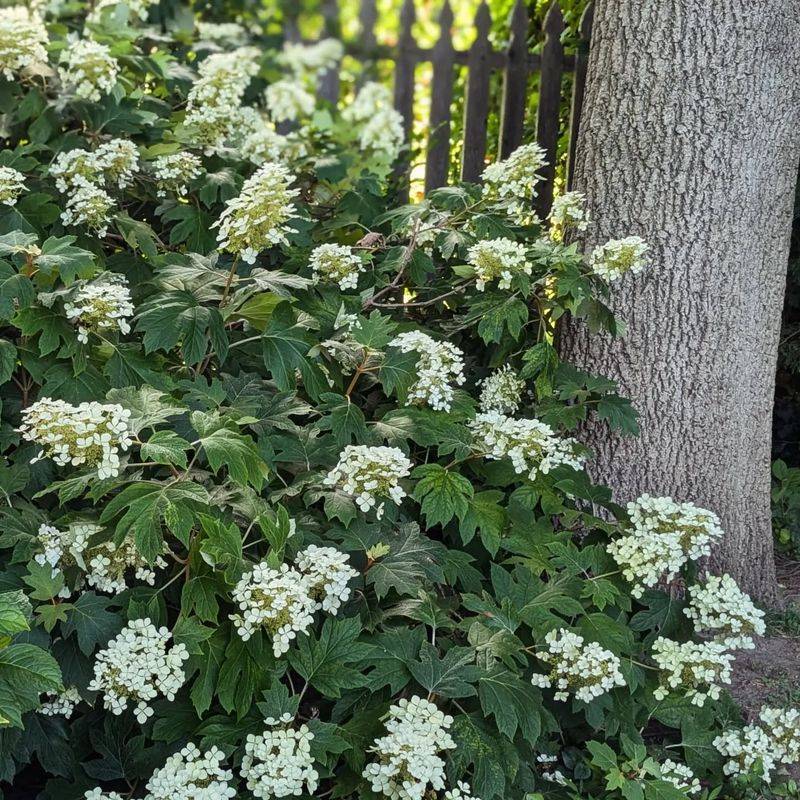
Most hydrangeas you see at garden centers are not native to North America, but oakleaf hydrangea is — and it is one of Georgia’s true gems.
It grows naturally in the understory of Georgia woodlands, which means it is perfectly suited to shady spots where other plants struggle.
Oakleaf hydrangea is a shrub, so it brings real structure to a garden in a way that perennials cannot.
Plant one in March in a partly shaded area with decent drainage, and it will spend the growing season settling in quietly before putting on a show the following year.
The flower clusters are large, white, and cone-shaped, appearing in late spring and summer. As the season progresses, they turn a warm pinkish-tan and persist on the plant well into fall.
The foliage turns deep burgundy and orange in autumn, giving you three seasons of interest from one plant.
Bark exfoliates in strips as the plant matures, adding winter interest when the leaves are gone. Mature shrubs can reach six to eight feet tall and wide, so give them room from the start.
Gardeners in Georgia who have shady spots under trees often struggle to find plants that thrive there.
Oakleaf hydrangea is one of the most reliable solutions — it handles root competition and dry shade better than almost anything else in the native plant toolkit.
6. Blazing Star Sends Up Tall Spikes That Draw Butterflies
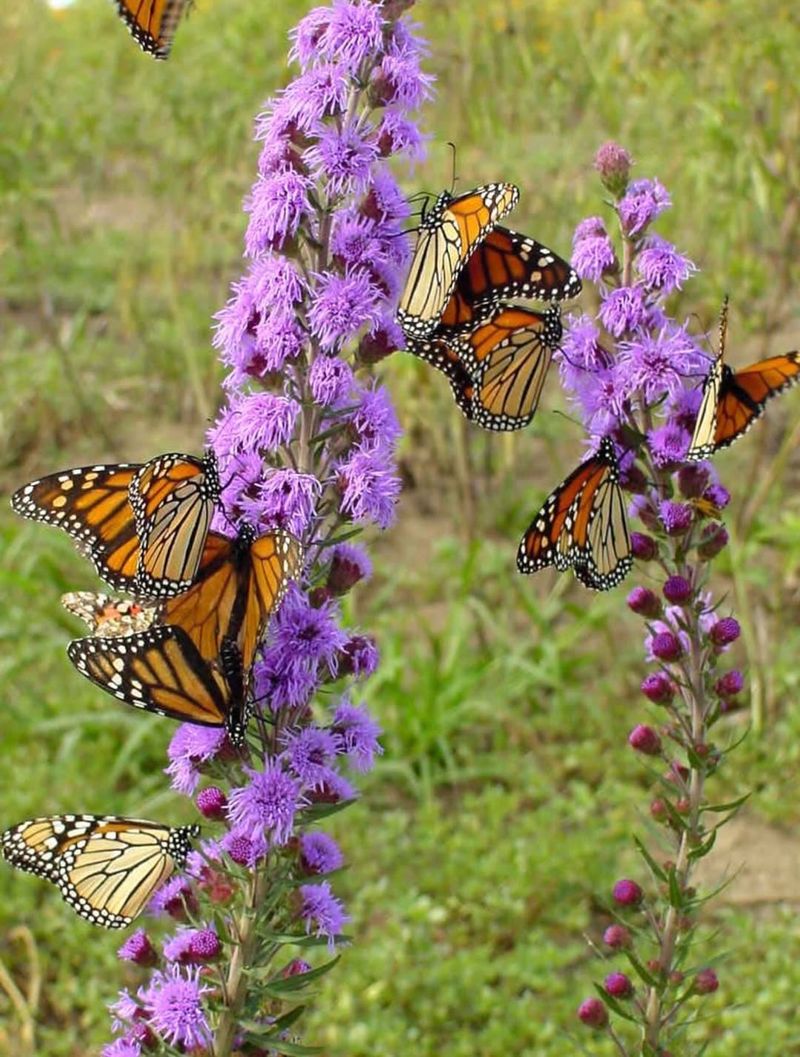
Blazing star does something unusual — its flowers open from the top of the spike downward, which is the opposite of most flowering plants.
That quirk alone makes it worth a closer look, but the real reason to grow it in Georgia is what it does for monarchs and swallowtails during their late summer migration.
Liatris spicata grows from a corm, which looks like a small bulb. Plant it in March in a sunny, well-drained spot and it will spend spring building up energy underground before sending up flower spikes in August and September.
Those spikes can reach three to four feet tall, giving the garden real vertical interest.
Sandy or loamy soil suits it best. Heavy clay that holds water through winter can cause the corms to rot, so amend with some grit or compost if your drainage is poor.
Raised beds work well for gardeners dealing with compacted Georgia clay.
After blooming, the seed heads attract goldfinches and other small birds. Leaving the spent stalks standing through fall and winter gives wildlife a food source and adds a bit of structural interest to the garden.
Blazing star looks sharp planted in groups of five or more. A mass planting creates a bold purple column of color that is visible from across the yard and irresistible to passing butterflies.
7. Butterfly Weed Supports Pollinators With Bold Orange Blooms
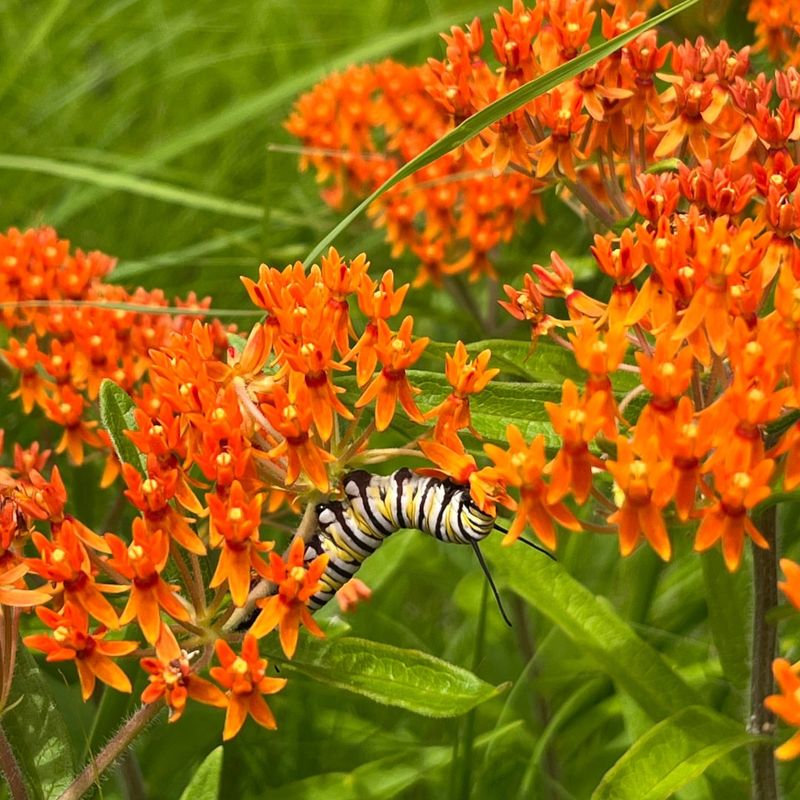
Bright orange flowers in a sea of green — butterfly weed is impossible to miss when it is in bloom, and monarchs are equally incapable of ignoring it. Asclepias tuberosa is a milkweed, which means it is a host plant for monarch butterflies.
Females lay eggs on the leaves, and the caterpillars feed on the foliage as they develop.
Plant it in March in the sunniest, driest spot you have. Butterfly weed thrives in poor, sandy, or rocky soil with excellent drainage.
Rich, moist beds are actually the wrong environment — plants tend to get leggy and are more susceptible to root problems in overly wet conditions.
Because it grows from a deep taproot, butterfly weed does not transplant well once it is established. Getting it in the ground in March gives it the full growing season to develop that root system, which is what makes it so resilient in Georgia summers.
Bloom time runs from late spring through midsummer, with some plants reblooming if cut back after the first flush. Seed pods develop after flowering and split open in fall, releasing silky seeds that drift on the wind.
Beyond monarchs, native bees and fritillary butterflies visit constantly. For Georgia gardeners who want to actively support pollinator populations, butterfly weed is one of the most impactful plants you can put in the ground.
8. Switchgrass Creates Texture And Movement In The Garden
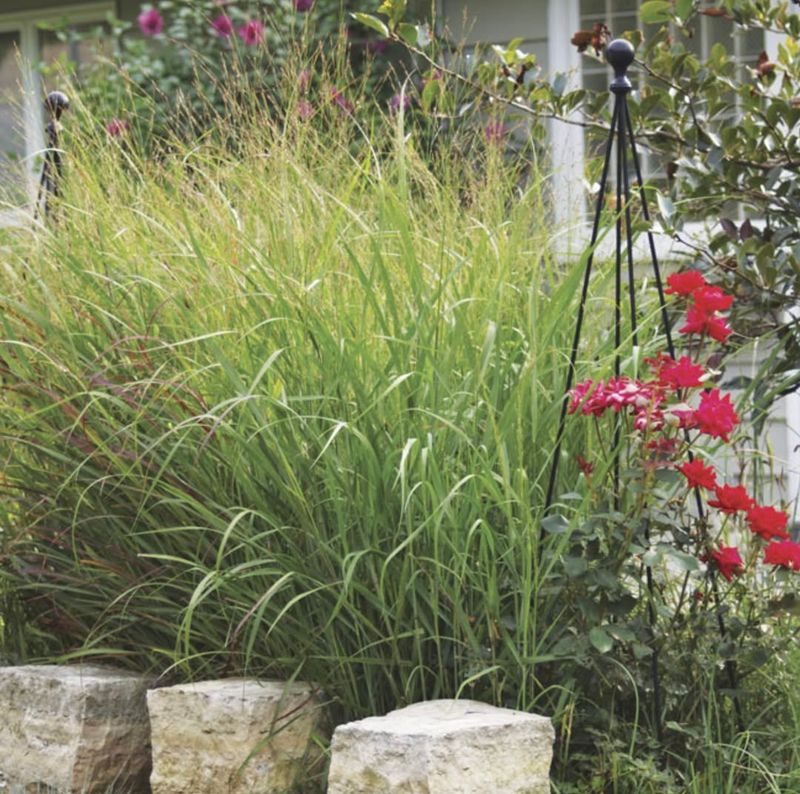
Not every plant in a Georgia garden needs to bloom to earn its place. Switchgrass brings something different — movement.
When a breeze moves through the garden, the fine-textured stems and airy seed heads sway in a way that no flowering perennial can quite replicate.
Panicum virgatum is native across much of the eastern United States, including Georgia, where it grows naturally in open meadows and along stream banks.
It is adaptable enough to handle both wet and dry conditions, which makes it useful in spots where other plants might struggle.
Plant clumps in March in full sun to partial shade. By midsummer, switchgrass reaches three to five feet tall depending on the variety.
Several cultivars offer red or burgundy fall color, which makes the plant a standout from September through November when most of the garden is winding down.
Cut the clumps back to about four inches in late winter before new growth starts. Other than that, switchgrass needs almost no attention.
No fertilizer, no staking, no fussing.
Birds use the seed heads through winter, and the dense clumps provide cover for small wildlife. In a Georgia garden designed to support local ecosystems, switchgrass pulls its weight in every season.
Pair it with coneflower or blazing star for a naturalistic combination that looks intentional and genuinely beautiful.
Once established, the deep root system helps switchgrass handle Georgia’s summer heat and occasional dry spells without much help.
Over time the clumps slowly expand, creating a fuller, more natural look that blends beautifully with other native plants.