9 Beautiful Flowering Shrubs To Plant In Georgia Instead Of Hydrangeas
A garden filled with blooming shrubs can change the entire feeling of a yard. Rich color, layered branches, and long flowering periods create a landscape that feels lively and welcoming.
Hydrangeas often get the spotlight in Georgia gardens, yet many other shrubs can deliver just as much beauty while giving the landscape a completely different character.
Choosing a variety of flowering shrubs can bring new colors, new textures, and a more dynamic look through the growing season.
Georgia’s climate supports many shrubs that handle the region’s warmth and humidity while producing impressive blooms once they settle in. A thoughtful mix of plants can make the garden feel fuller and more visually interesting as the months pass.
Looking beyond the usual choices can reveal flowering shrubs that deserve just as much attention in a Georgia landscape.
1. Camellia Produces Elegant Blooms In Cooler Months
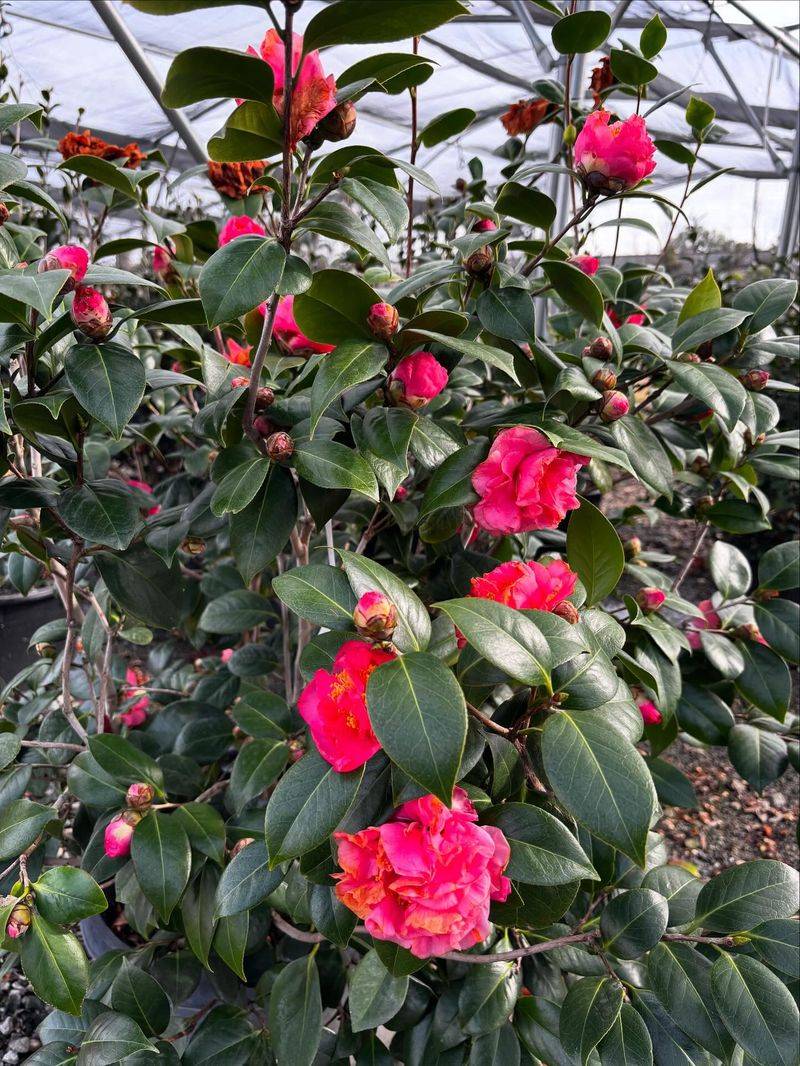
While most shrubs are completely bare and boring in November, camellia is putting on a full show. That alone makes it worth planting in any Georgia yard.
Camellias bloom from late fall through early spring depending on the variety, which fills a gap that almost nothing else can cover.
Camellia sasanqua types tend to bloom in October and November, while Camellia japonica varieties kick in from December through March.
Georgia gardeners have long relied on both, and mixing the two gives you flowers for nearly half the year.
Camellias prefer partial shade, especially in warmer parts of Georgia like the coastal plain and central regions. Full afternoon sun can scorch the leaves and dry out buds before they open.
Rich, slightly acidic soil with good drainage is key — soggy roots are the fastest way to lose one of these plants. Mulching around the base helps hold moisture and keeps soil temperatures steady through Georgia’s unpredictable winters.
Avoid heavy pruning since camellias set next year’s buds right after blooming. A light shaping immediately after the blooming season wraps up is all they really need to stay healthy and full.
2. Azalea Fills The Garden With Vibrant Spring Color
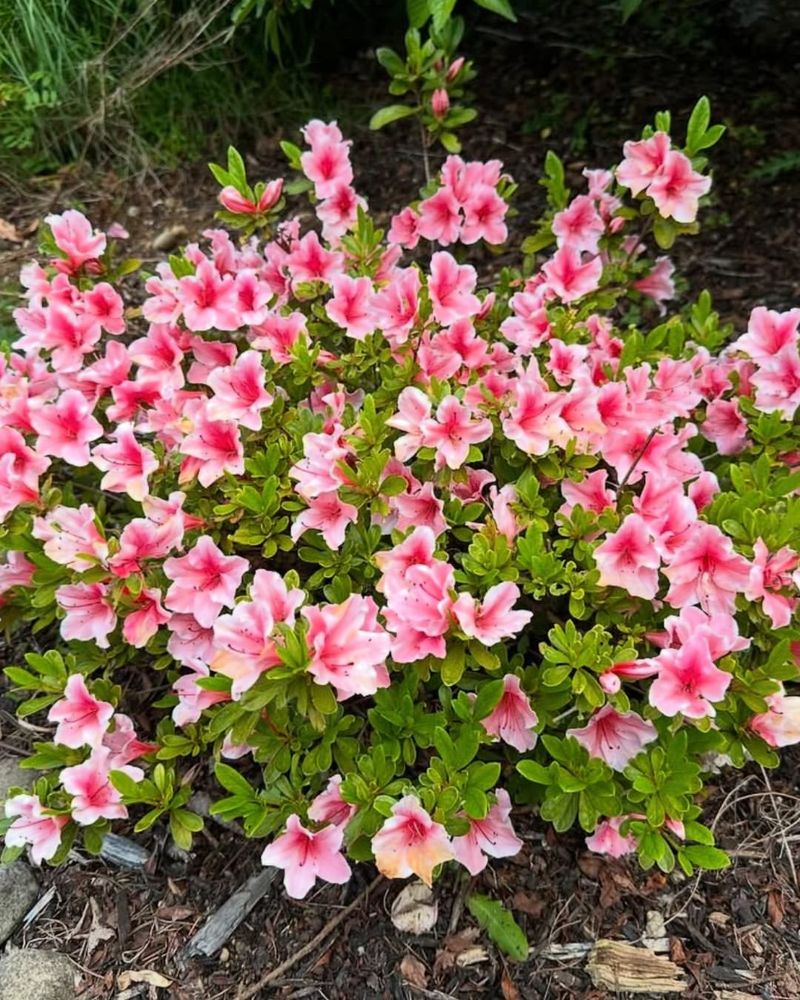
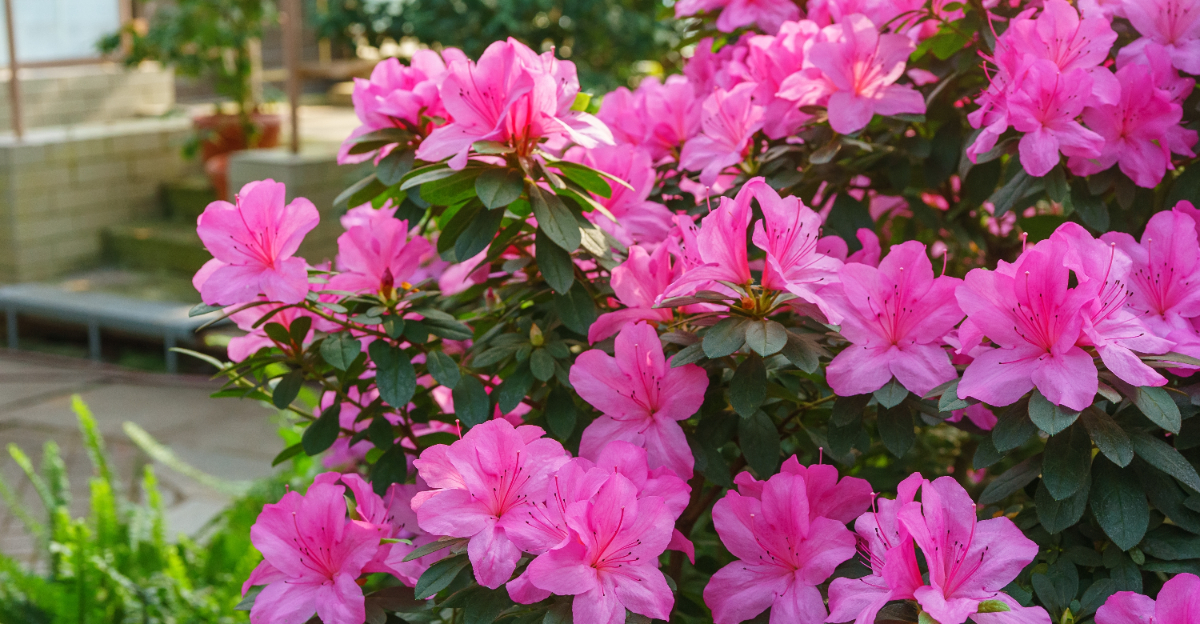
Few things stop traffic in a Georgia neighborhood quite like a fully bloomed azalea in April. The color is almost unreal — hot pinks, deep reds, soft lavenders, and clean whites all showing up at once across the whole shrub.
Encore Azaleas are a standout choice for Georgia gardeners because they bloom more than once a year. Most traditional azaleas give you that one big spring show and that’s it, but Encore varieties keep pushing out flowers into fall.
The ‘Autumn Sunburst’ variety does especially well here, with coral-pink blooms that hold up even when temperatures climb.
Plant azaleas in a spot with morning sun and afternoon shade for the best results. Georgia’s afternoon heat in July and August can stress plants in full sun, so a little protection goes a long way.
Acidic, well-draining soil is ideal, and mixing in pine bark compost when planting helps a lot. Space them with room to grow — crowded azaleas tend to develop fungal issues in Georgia’s humid summers.
Your Georgia Garden Changes Every Week. Your Plan Should Too.
Gardening in Georgia changes quickly throughout the season. Every Friday you’ll receive a simple weekly plan showing exactly what to plant, prune, fertilize, harvest, and protect so you never miss the right timing.
A light trim right after the spring bloom keeps the shape tidy without cutting off next season’s buds.
Mulching with pine straw helps keep the soil cool and maintains the acidic conditions azaleas prefer in Georgia gardens.
Once established, these shrubs settle in for the long haul and become one of the most reliable spring highlights in the landscape.
3. Gardenia Brings Fragrant White Flowers To The Landscape
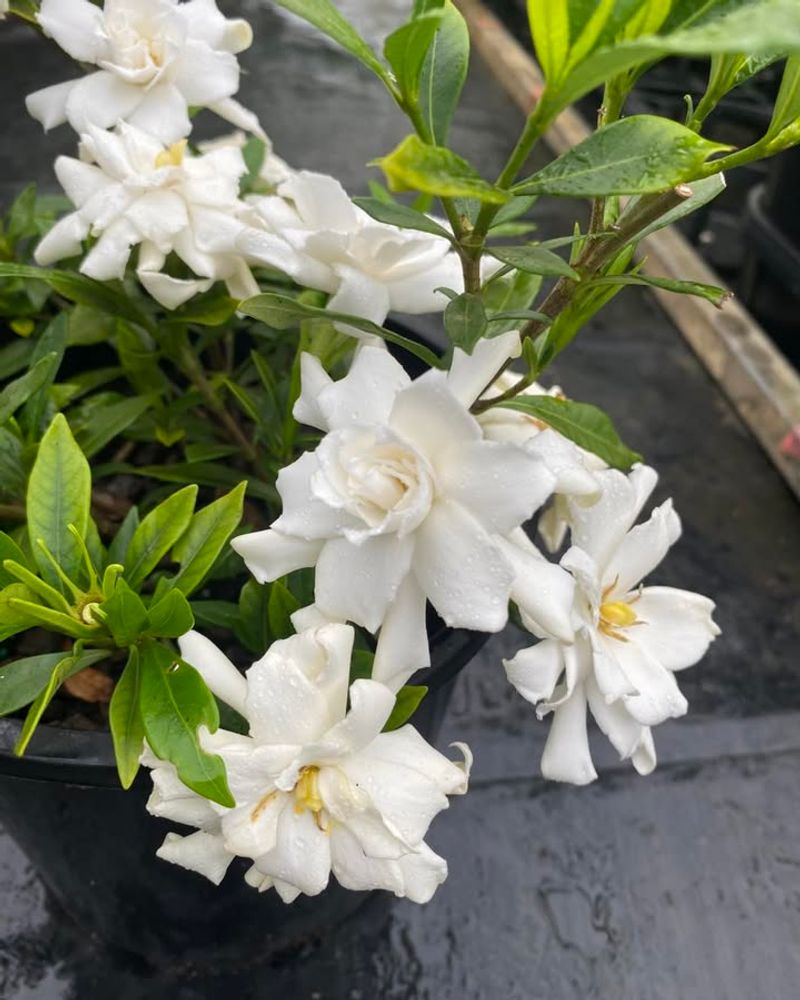
You smell a gardenia before you see it. That rich, sweet fragrance drifting across a Georgia porch on a June evening is one of those things that’s hard to describe until you’ve experienced it.
Gardenias are a warm-climate classic, and Georgia’s long summers suit them well.
They bloom heavily in late spring and early summer, with some varieties pushing out scattered flowers through August. ‘August Beauty’ is a popular choice for Georgia because it reblooms reliably and handles the heat without too much fuss.
Full sun to partial shade works fine, though gardenias in Georgia often appreciate a break from the harshest afternoon rays. Acidic soil is non-negotiable — gardenias planted in neutral or alkaline soil will yellow quickly and refuse to bloom.
Testing your soil before planting saves a lot of frustration later. Iron deficiency shows up as yellowing leaves with green veins, and a dose of chelated iron usually fixes it fast.
Water consistently during dry spells, especially in Georgia’s summer heat. These shrubs don’t like to dry out completely, but they also don’t want wet feet.
A layer of pine straw mulch keeps moisture in and helps acidify the soil over time, which gardenias absolutely love.
4. Abelia Covers Shrubs With Soft Pink And White Blooms
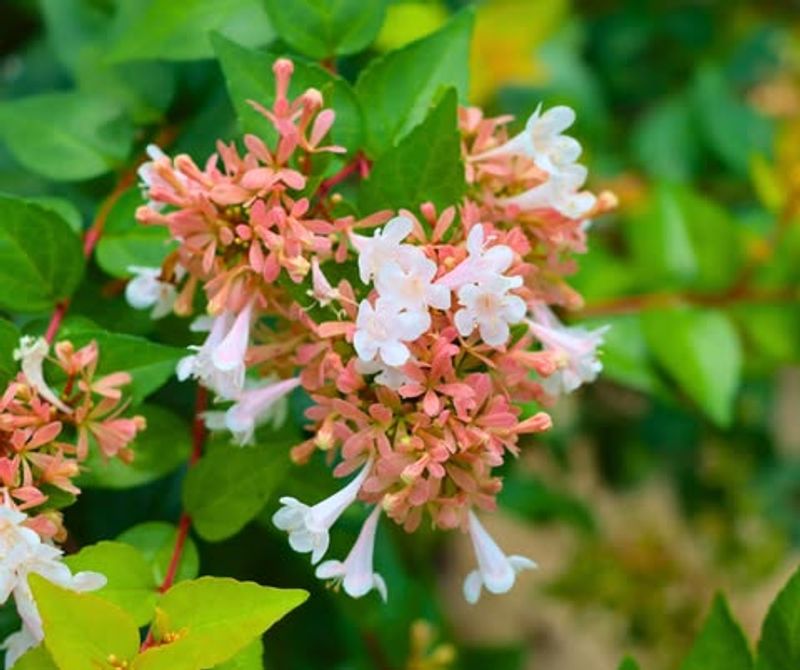
Abelia might be the most underrated flowering shrub in Georgia. Walk past one in full bloom and you’ll see why it deserves a lot more attention than it usually gets.
From summer into fall, abelia produces hundreds of small tubular flowers in shades of soft pink and white. The blooms aren’t showy in an over-the-top way — they’re delicate and airy, and pollinators go absolutely crazy for them.
Bees, butterflies, and hummingbirds visit constantly when abelia is in flower, which makes it a great addition to any pollinator-friendly Georgia garden.
The ‘Kaleidoscope’ variety has the added bonus of variegated foliage that shifts from yellow and green in spring to orange and red in fall. Even without flowers, the plant earns its place in the yard.
Abelia handles Georgia’s heat and humidity surprisingly well compared to a lot of ornamental shrubs.
Plant in full sun to partial shade and give it decent drainage. It tolerates clay soil better than most, though loosening the planting area and adding compost helps it get established faster.
Abelia naturally takes on a graceful arching shape, so heavy pruning isn’t usually necessary. Light trimming in late winter keeps it from getting too wide.
5. Rose Of Sharon Produces Colorful Flowers In Late Summer
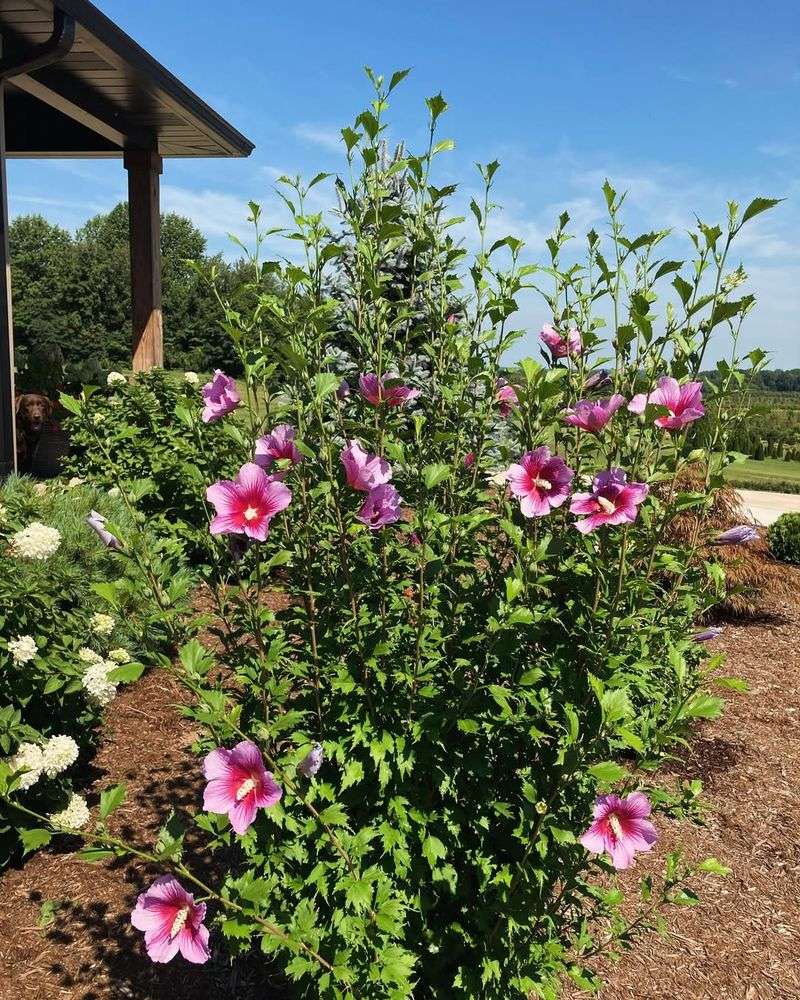
August in Georgia can feel like everything in the garden has given up, but Rose of Sharon is just getting started. When most shrubs have finished blooming months ago, this one is covered in flowers from July all the way through September.
Rose of Sharon belongs to the hibiscus family, and the flowers show it — large, open blooms in purple, pink, white, and bicolor patterns that look almost tropical.
Plants grow tall and upright, often reaching six to ten feet, which makes them useful as a natural screen or back-of-border specimen.
Full sun brings out the best blooming in Georgia’s long warm seasons. Well-drained soil is important, but Rose of Sharon is tougher than it looks and adapts to a range of soil conditions.
It’s also impressively heat-tolerant, which matters a lot during a Georgia summer.
One thing to keep in mind: older varieties seed themselves aggressively. Newer sterile cultivars like ‘Lil’ Kim’ and ‘Azurri Blue Satin’ solve that problem completely.
Deadheading spent flowers also reduces unwanted seedlings if you go with a traditional variety. Prune in late winter before new growth starts to keep plants full and encourage the heaviest bloom set for the coming season.
6. Spirea Creates Clusters Of Delicate Spring Flowers
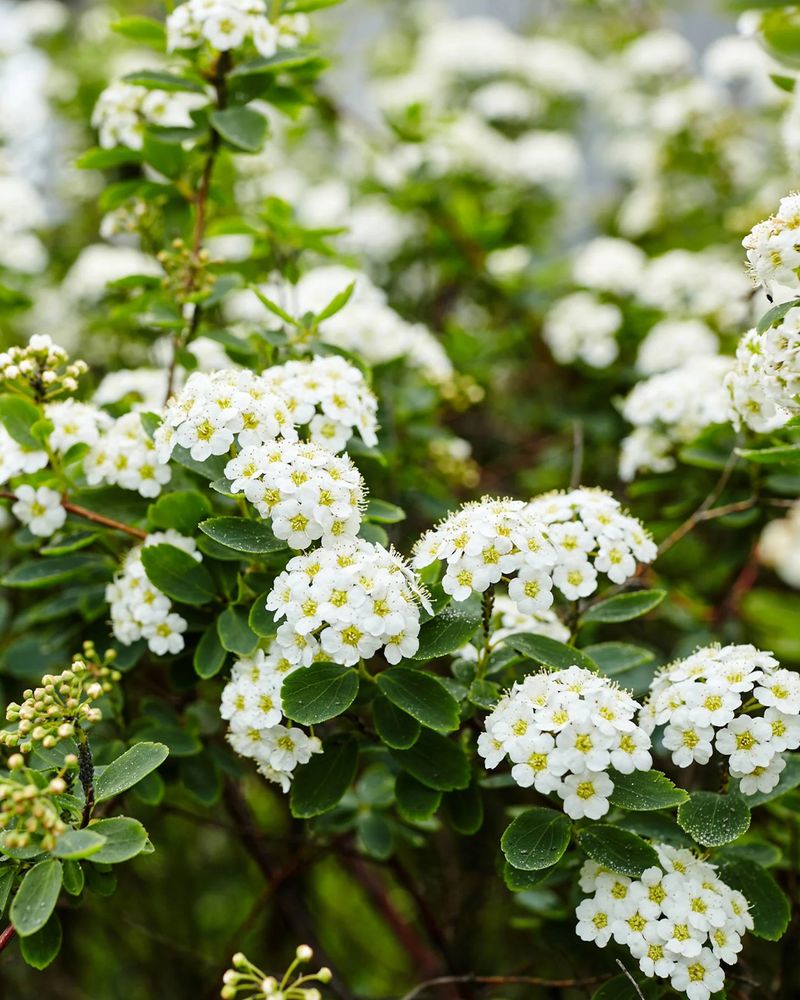
Bridal wreath spirea in full bloom looks like someone draped a white veil over the whole shrub. It’s one of the most dramatic spring-flowering plants you can put in a Georgia yard, and it asks for almost nothing in return.
Spirea blooms in mid-spring with dense clusters of tiny flowers packed so tightly along the arching branches that you can barely see the leaves underneath.
Bridal wreath types go white, while varieties like ‘Anthony Waterer’ and ‘Goldflame’ bloom in pink and bring colorful foliage into the mix as well.
In Georgia, spirea handles both heat and occasional cold snaps without complaints. Full sun is where it performs best, though it tolerates some shade without completely shutting down.
Soil doesn’t need to be perfect — average, well-drained ground works fine, and spirea is one of the few flowering shrubs that doesn’t demand acidic conditions.
Pruning timing matters more with spirea than with most shrubs. Spring-blooming types like bridal wreath set their buds the previous season, so pruning right after bloom — not in fall or late winter — is the right move.
Summer-blooming types can be cut back in late winter without losing flowers. Keeping that straight saves a lot of frustration.
7. Weigela Shows Off Bright Tubular Blooms In Spring
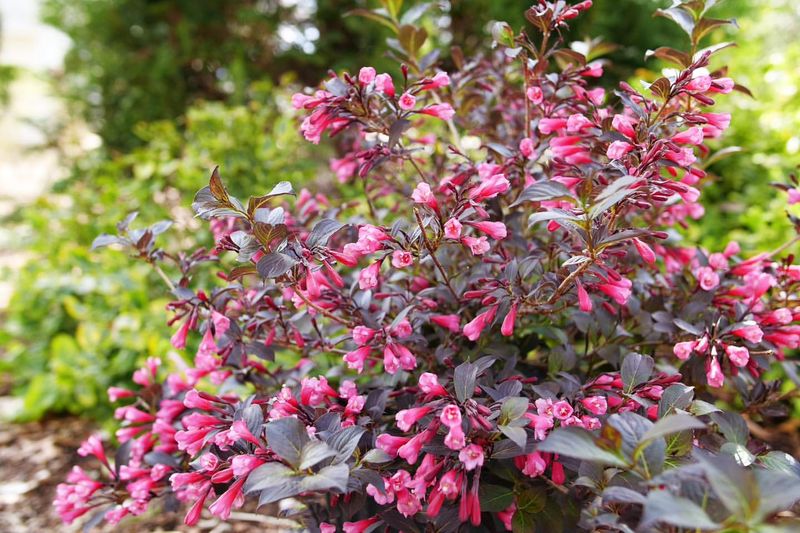
Hummingbirds find weigela faster than most gardeners do. Plant one near a window and you’ll have a front-row seat to the whole show every spring morning.
Weigela blooms heavily in May, covering the arching branches in trumpet-shaped flowers that range from pale pink to deep red depending on the variety.
‘Wine and Roses’ is a favorite for Georgia because the dark burgundy foliage looks sharp all season long, not just during bloom time. ‘Sonic Bloom Pink’ and ‘Sonic Bloom Red’ rebloom through summer, which extends the color season well past the main spring flush.
Full sun to light shade suits weigela fine in Georgia. It handles summer heat reasonably well as long as it gets consistent water during the driest stretches of July and August.
Clay soil is manageable with some amendment at planting time, but drainage matters — sitting in wet soil through Georgia’s rainy periods causes root problems.
Prune weigela right after the main spring bloom ends. Cutting it back by about a third encourages fresh growth and sets up a better rebloom cycle on varieties that push out a second flush.
Avoid pruning in fall since that removes next spring’s flower buds before they get a chance to develop.
8. Loropetalum Adds Colorful Foliage And Early Flowers
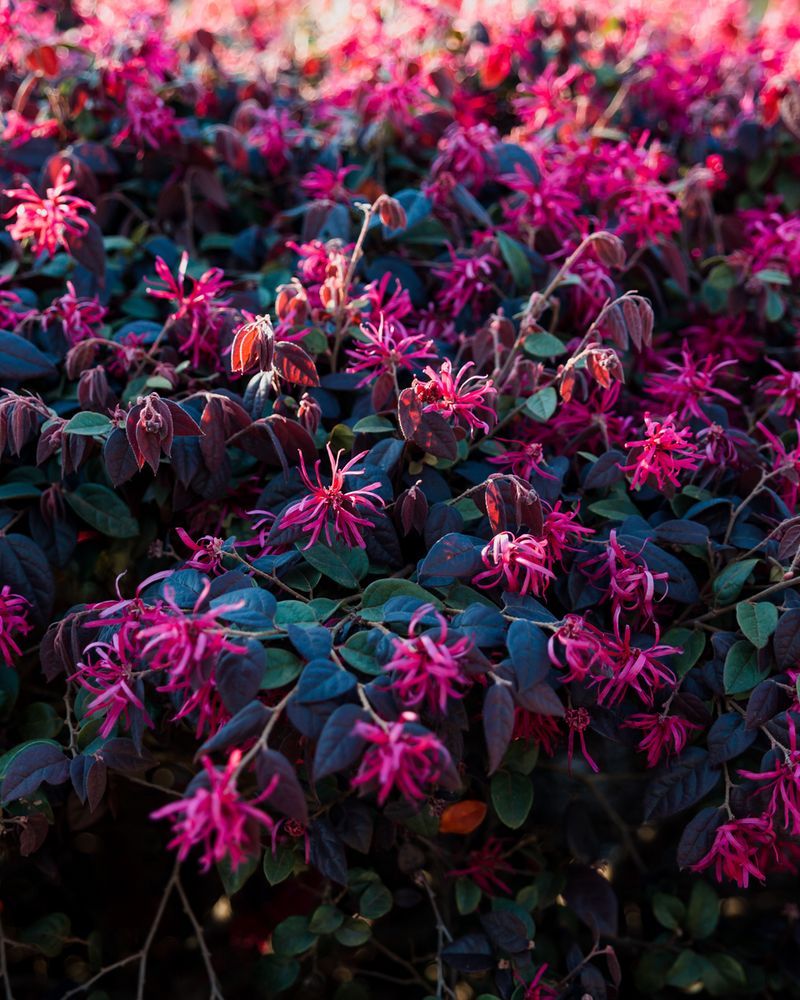
Walk through almost any established Georgia neighborhood and you’ll spot loropetalum. It’s everywhere — and for good reason.
The combination of deep burgundy foliage and hot fuchsia flowers in early spring is hard to beat.
Loropetalum, sometimes called Chinese fringe flower, blooms in late winter to early spring with clusters of thin, ribbon-like petals in vivid pink or white depending on the variety.
‘Purple Diamond’ stays compact and holds its dark foliage color well through Georgia’s summer heat, which is a real advantage since some varieties fade to green by August.
It handles Georgia’s climate about as well as any ornamental shrub out there. Full sun to partial shade both work, and it tolerates the acidic, clay-heavy soils common across much of the state without needing a lot of soil prep.
Once the roots are settled in, it’s a tough plant.
Size varies a lot between varieties — some stay under three feet while others push past ten. Checking the mature size before planting saves future headaches, especially near foundations or walkways.
Light pruning right after the spring bloom keeps the shape tidy. Avoid heavy cutting in late summer since that can reduce the following year’s flower display considerably.
9. Bottlebrush Buckeye Produces Striking White Flower Spikes
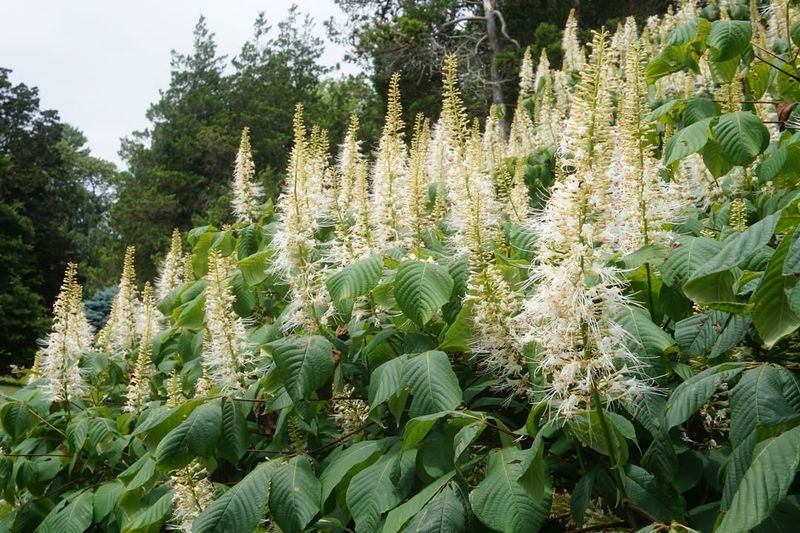
Nothing in a Georgia shade garden makes quite the same statement as bottlebrush buckeye in July. Those tall white flower spikes shoot up above the bold, tropical-looking foliage like fireworks frozen in place.
Bottlebrush buckeye is a large, spreading native shrub that blooms in midsummer — right when most shade-tolerant plants have nothing going on. The flower spikes can reach a foot or more in length and attract a steady stream of pollinators for weeks.
By fall, the foliage turns a clean yellow before dropping, giving the plant two distinct seasons of interest.
Shade is where this shrub really shines. Under tall pines or oaks, in spots where sun-loving plants refuse to bloom, bottlebrush buckeye fills in beautifully.
Moist, well-drained soil rich in organic matter suits it best, and it performs especially well in the Piedmont and north Georgia regions where woodland conditions are common.
Give it space — mature plants can spread eight to twelve feet wide over time. It spreads slowly by underground suckers, which can be removed or left to form a natural colony depending on your preference.
Pruning isn’t really necessary beyond removing damaged stems in late winter. Let it grow naturally and it will reward you every summer without much fuss at all.