The 9 Plants Arizona Gardeners Should Never Plant Next To Tomatoes
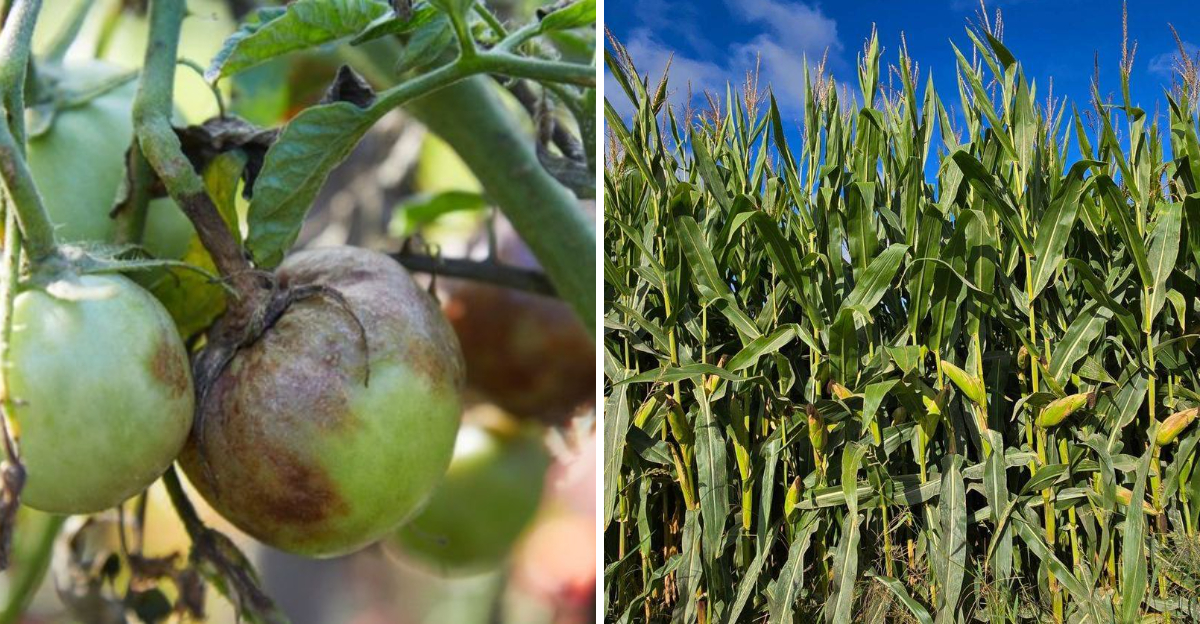
Tomatoes grow well in many Arizona gardens, but what gets planted nearby can quietly make a big difference. Some plants compete for nutrients, attract the same pests, or create growing conditions that tomatoes simply don’t like.
When that happens, even healthy tomato plants can struggle to produce the strong harvest many gardeners expect.
In Arizona’s intense sun and dry conditions, tomatoes already deal with plenty of stress. The last thing they need is a nearby plant that slows their growth or invites more problems into the garden bed.
That is why companion planting matters more than many gardeners realize. A few common plants may look harmless sitting next to tomatoes, yet they can interfere with how the plants grow and produce fruit.
Knowing which ones to keep away can help tomatoes stay healthier, stronger, and far more productive through the season.
1. Corn Attracts The Same Destructive Pests As Tomatoes
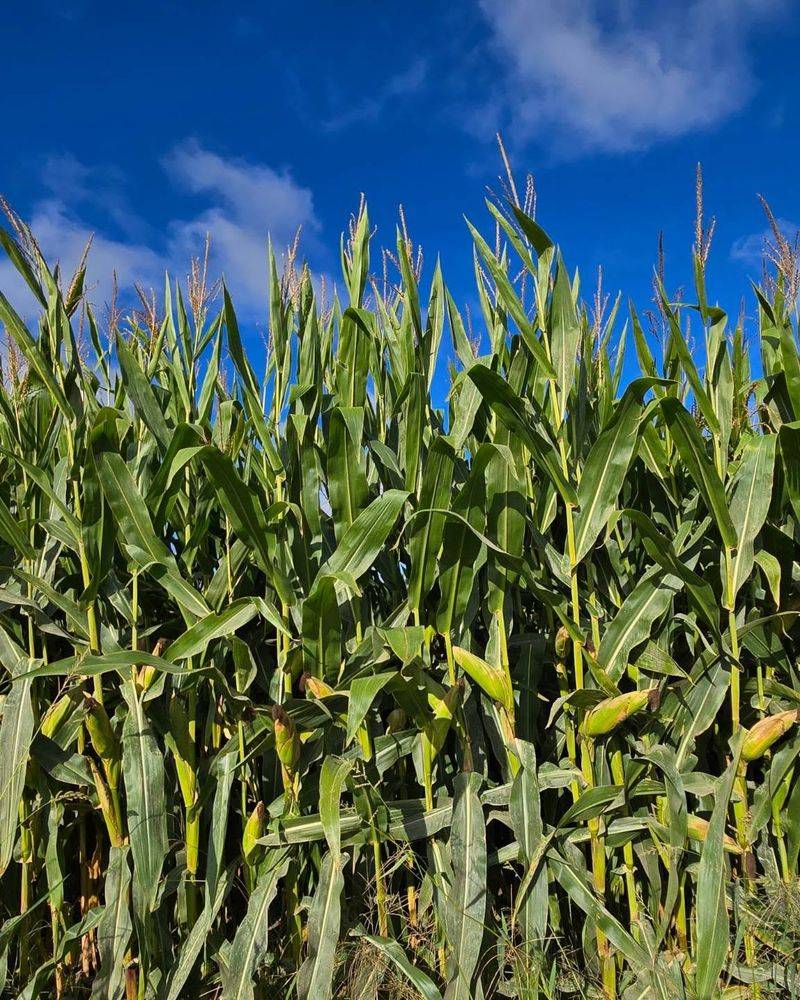
Corn and tomatoes might look like a natural garden pairing, but planting them side by side in Arizona is asking for trouble. Both crops are prime targets for the corn earworm, also known as the tomato fruitworm.
When you grow them together, you are basically setting up a buffet that draws in more of these pests than either plant would attract on its own.
In Arizona’s warm climate, pest populations can build up fast. Corn earworms lay eggs on corn silks, then move right over to nearby tomato plants without hesitation.
By the time you notice the damage, the infestation has usually spread further than expected.
Corn also grows tall quickly, and in a tight Arizona garden bed, that height creates shade problems. Tomatoes need full sun to produce well, and even partial shading from corn stalks can reduce your fruit yield noticeably.
Keep at least a full garden bed between corn and tomatoes, or better yet, grow them in completely separate areas of your yard.
Rotating where you plant each crop every season also helps break pest cycles before they become a recurring headache in your Arizona garden.
Spacing crops like this also improves airflow through the garden, which helps reduce other common issues such as fungal spots on tomato leaves.
With a little planning, separating corn and tomatoes keeps pest pressure lower and helps both crops perform much better in Arizona’s long, hot growing season.
2. Fennel Releases Chemicals That Can Inhibit Tomato Growth
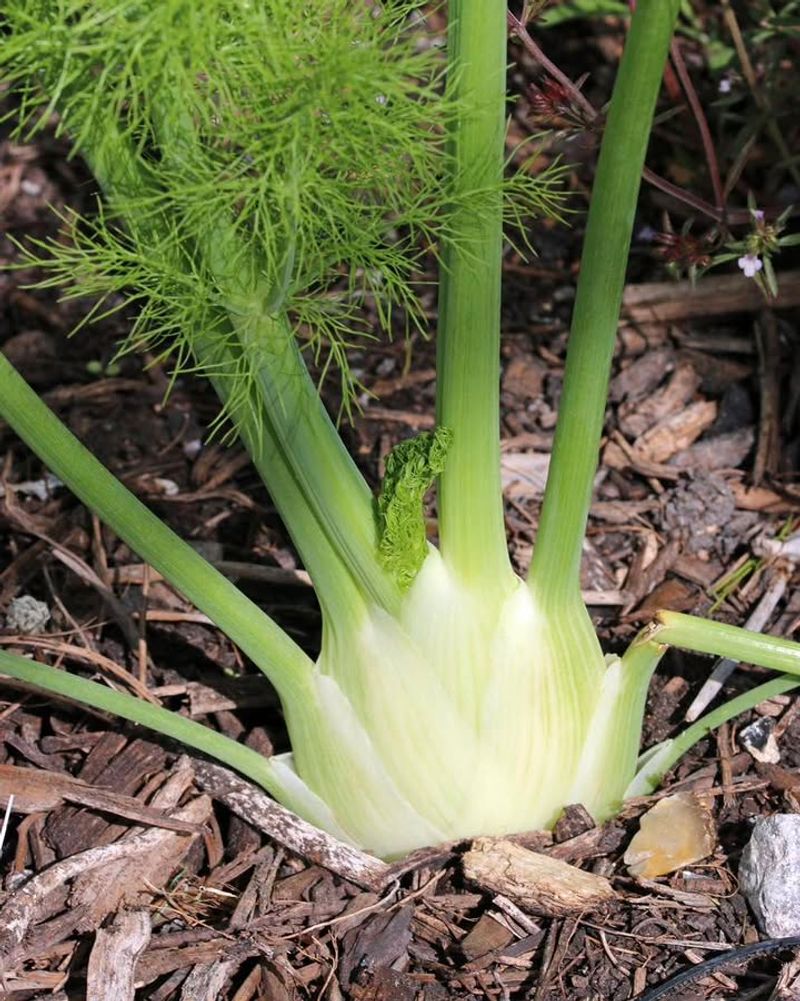
Fennel is one of those plants that looks harmless but quietly causes problems for almost everything around it. It releases allelopathic compounds through its roots and into the surrounding soil, and tomatoes are especially sensitive to these chemicals.
Planting fennel near your tomatoes in Arizona is a reliable way to end up with weak, struggling plants that never quite take off.
Gardeners across Arizona have learned this lesson the hard way. Fennel can also grow quite tall, adding a shading problem on top of the chemical interference.
Even if your tomatoes seem okay at first, the effects tend to show up gradually as the season progresses.
Your Arizona Garden Changes Every Week. Your Plan Should Too.
Gardening in Arizona changes quickly throughout the season. Every Friday you’ll receive a simple weekly plan showing exactly what to plant, prune, fertilize, harvest, and protect so you never miss the right timing.
Fennel does best when grown in a container or in a completely isolated corner of your yard, far from your vegetable garden. If you enjoy cooking with fennel, that is absolutely fine, just give it its own dedicated space.
Soil contaminated with fennel root chemicals can linger even after the plant is removed, so avoid planting tomatoes in the same spot the following season.
In Arizona’s compact backyard gardens, spacing matters enormously, and fennel is one plant that needs firm boundaries from the start.
3. Potatoes Share Blight Diseases With Tomato Plants
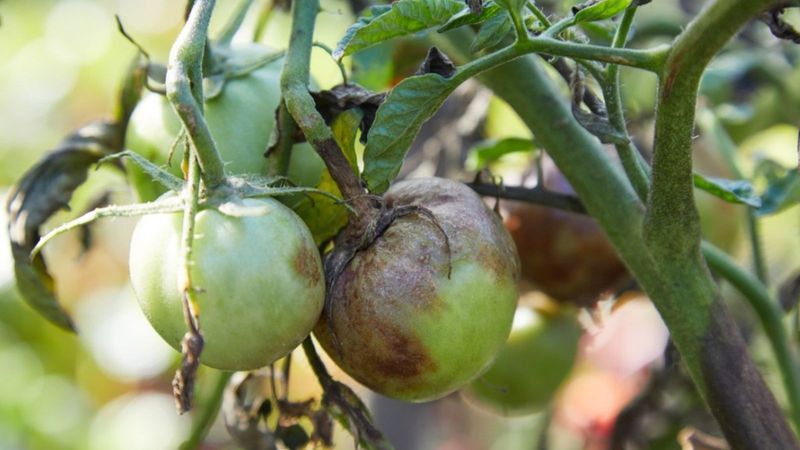
Potatoes and tomatoes belong to the same plant family, and that shared ancestry comes with a serious downside. Both are highly vulnerable to late blight, a devastating fungal disease that can sweep through a garden fast.
In Arizona, where monsoon humidity can spike unexpectedly during summer, blight conditions can develop faster than most gardeners expect.
Planting potatoes next to tomatoes creates a situation where one infected plant can pass the disease directly to the other. Blight spores travel easily on wind and water splash, so even a few feet of separation is not always enough protection.
Once blight takes hold in your Arizona garden, it spreads aggressively.
Rotating crops is the best long-term strategy. Avoid planting tomatoes in any bed where potatoes grew the previous season, and vice versa.
If you notice yellowing leaves with dark edges on either crop, remove the affected material immediately and do not compost it.
Arizona gardeners dealing with blight should also look for disease-resistant tomato varieties, which are widely available at local nurseries.
Keeping your soil healthy with good drainage and proper spacing also reduces the conditions that allow blight to spread from one plant to another.
4. Cabbage And Broccoli Compete Heavily For Soil Nutrients
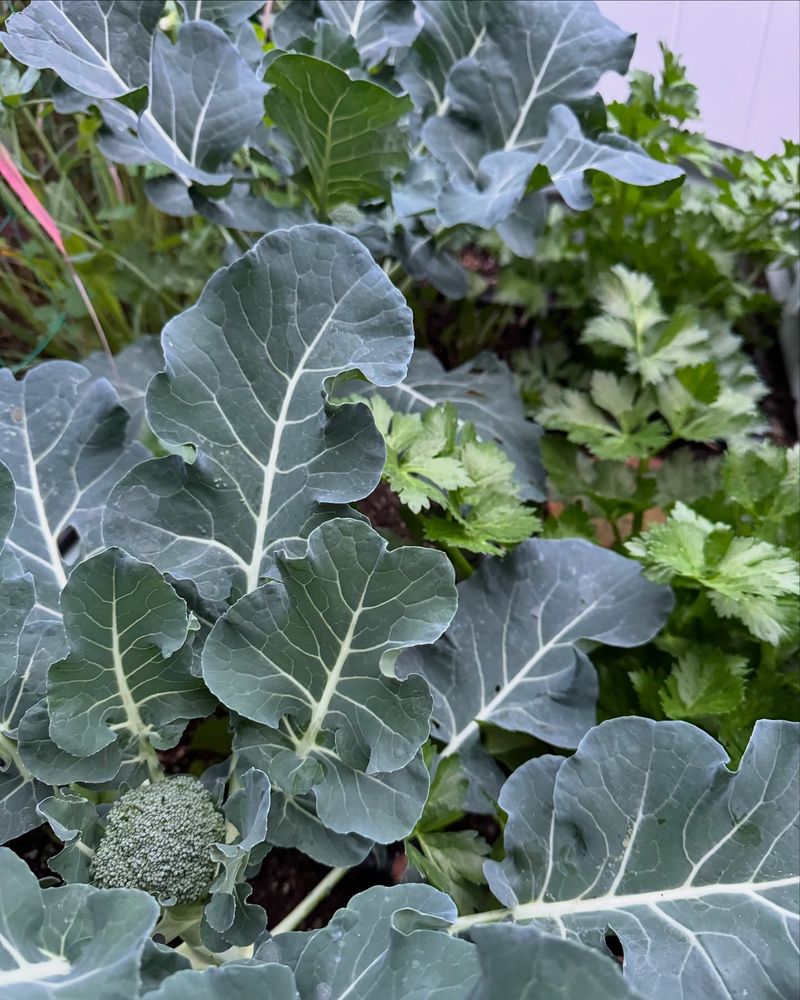
Brassicas like cabbage and broccoli are heavy feeders, and they are not shy about pulling nutrients from the soil around them. Nitrogen, phosphorus, and potassium all get depleted faster when these plants are growing nearby.
Tomatoes need those same nutrients to produce strong stems, healthy foliage, and a generous fruit set.
In Arizona’s desert soil, which already tends to be low in organic matter, this competition hits harder than it might in other states.
You can add fertilizer and compost all season long, but when two heavy-feeding crops are fighting over the same root zone, neither one reaches its full potential.
Cabbage and broccoli also attract their own set of pests, including aphids and cabbage loopers, which can migrate to nearby tomato plants with little encouragement.
Keeping brassicas in a separate raised bed or garden section is the smarter move for Arizona gardeners working with limited space.
If you must grow both in the same general area, leave as much distance as your garden allows and amend the soil generously between them.
Soil testing before planting season can help you understand what your specific Arizona garden bed needs before you start crowding it with competing crops.
5. Walnut Trees Release Juglone That Harms Tomato Plants
If your yard happens to have a walnut tree, tomato placement becomes very important. Walnut trees produce a natural chemical called juglone, which seeps into the surrounding soil through roots, fallen leaves, and decomposing hulls.
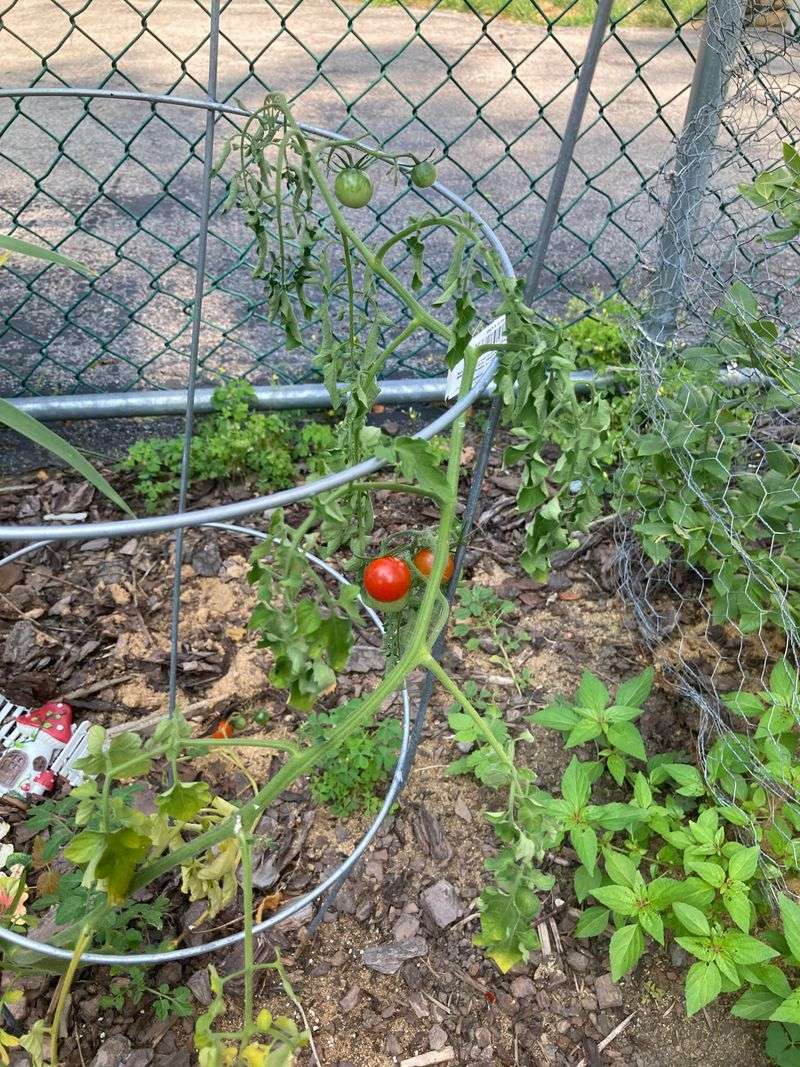
Tomatoes are among the most sensitive plants to juglone exposure, and the symptoms can look a lot like other problems, making it tricky to diagnose.
Juglone-affected tomatoes typically show wilting, yellowing, and stunted growth even when watered and fertilized properly. By the time most gardeners figure out the walnut tree is the culprit, the growing season is mostly gone.
In Arizona, where the season is already shaped by extreme heat windows, losing weeks to a slow diagnosis is costly.
A safe planting distance from a walnut tree is generally considered to be beyond the tree’s drip line, and sometimes even farther since roots can extend well past that point.
Raised beds filled with fresh soil can offer some protection, but only if the bed is truly isolated from ground-level root contact.
Fallen walnut leaves should be raked up and disposed of away from the garden, since composting them can introduce juglone into your soil and affect future tomato crops in Arizona.
6. Mature Dill Can Stunt Tomato Growth Nearby
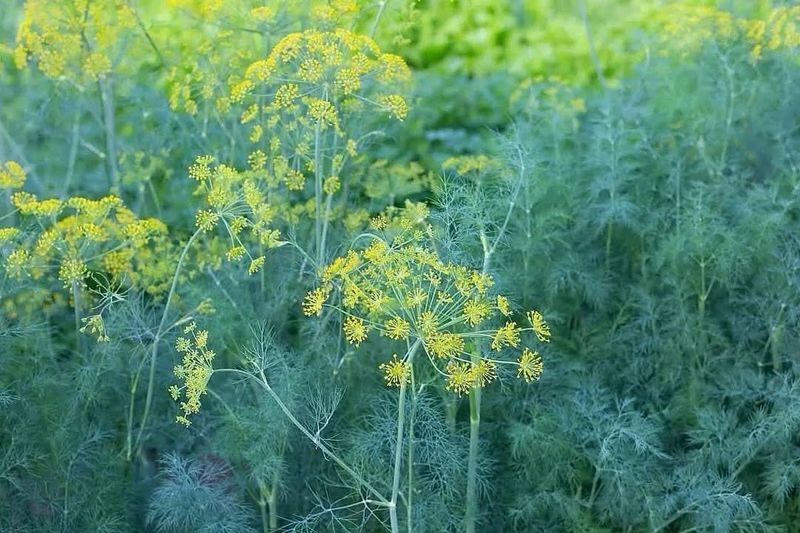
Young dill is actually a decent companion for tomatoes early in the season, attracting beneficial insects that help with pollination. But once dill matures and starts flowering, the dynamic shifts in a direction that is not good for your tomatoes.
Mature dill releases compounds that can interfere with tomato growth, and it also becomes a magnet for tomato hornworms.
Tomato hornworms are already a real headache for Arizona gardeners. These large green caterpillars blend in with foliage and can strip a plant surprisingly fast.
Letting mature dill grow right next to your tomatoes essentially invites more of them into the area.
If you want to grow dill in your Arizona garden, harvest it regularly and cut it back before it reaches full flower. That way you get the early-season benefits without the late-season problems.
Alternatively, grow dill in a container placed several feet away from your tomato bed. Keeping it portable means you can move it around as needed.
Arizona gardeners who grow herbs alongside vegetables need to pay attention to how those herbs behave as the season progresses, because a helpful young plant can become a problematic neighbor once it matures and starts competing for space and resources.
7. Rosemary And Sage Need Much Drier Soil Than Tomatoes
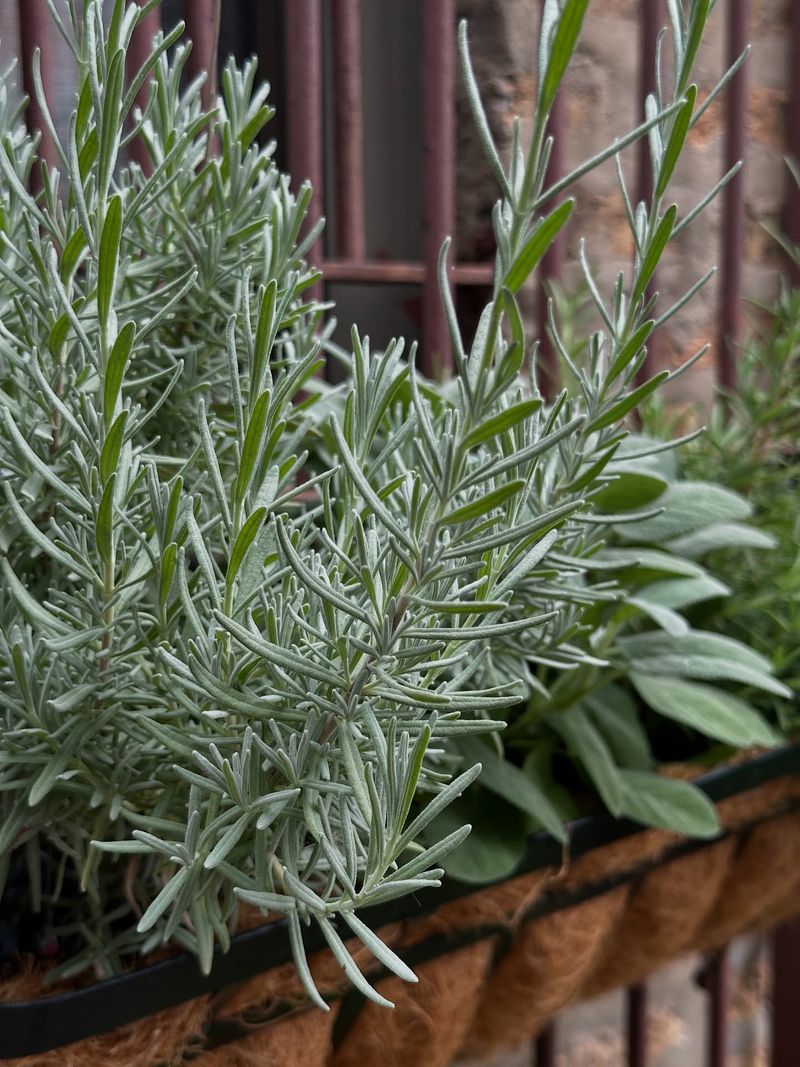
Rosemary and sage are beloved herbs in Arizona landscapes because they handle heat and drought without much fuss. However, that drought tolerance is exactly what makes them poor companions for tomatoes.
Tomatoes need consistent, deep watering to produce well, especially during Arizona’s brutal summer months. Rosemary and sage prefer soil that dries out between waterings.
When you plant them together, you end up in a no-win situation. Water enough for your tomatoes and your rosemary starts showing root rot.
Water for the herbs and your tomatoes suffer from stress, which leads to blossom drop and poor fruit set. Trying to split the difference usually leaves both plants unhappy.
Growing rosemary and sage in separate containers or in a dedicated dry herb bed is a much better approach for Arizona gardeners. That way each plant gets the watering schedule it actually needs.
Drip irrigation systems with separate zones are a great investment here, letting you customize moisture levels across different parts of your garden.
Many Arizona gardeners already use zoned drip systems to manage their landscapes, and extending that logic into the vegetable garden makes a noticeable difference in overall plant health and productivity throughout the long growing season.
8. Kohlrabi Can Compete With Tomatoes For Soil Nutrients
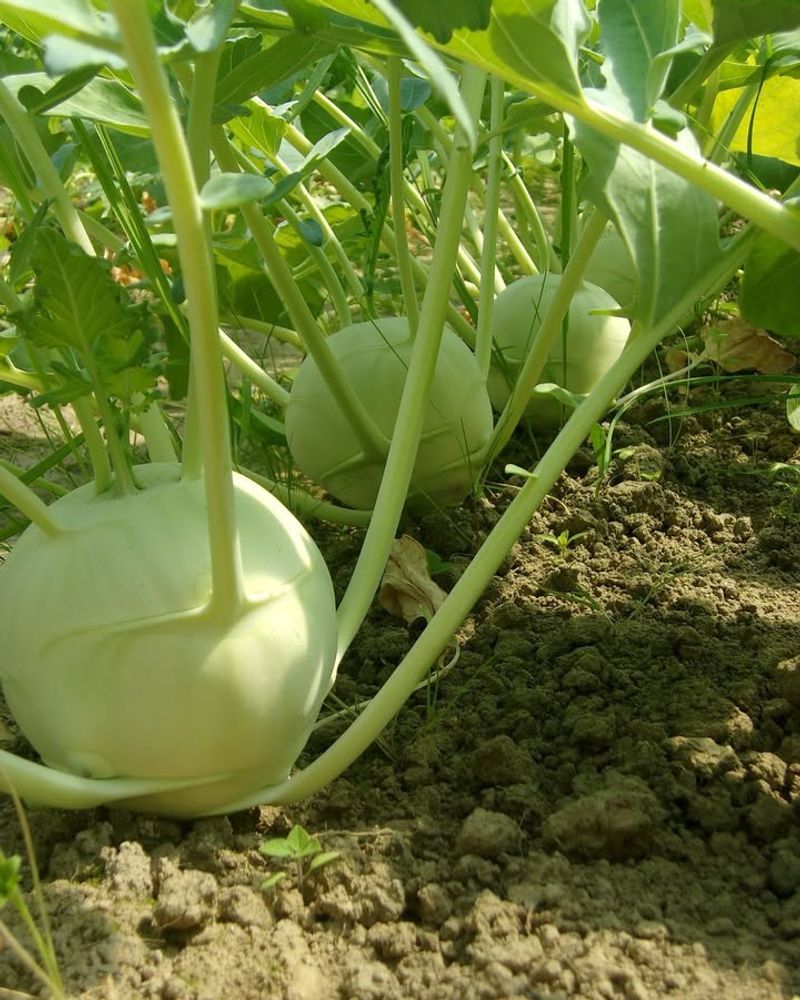
Kohlrabi may look like a harmless addition to the vegetable garden, but planting it right next to tomatoes can create problems that many Arizona gardeners do not expect.
This unusual vegetable belongs to the brassica family, the same group as cabbage, broccoli, and cauliflower, and these plants are known for being heavy feeders in the garden.
Tomatoes also require a steady supply of nutrients to grow strong vines and produce healthy fruit. When both crops share the same soil space, they often compete for the same nutrients, especially nitrogen, phosphorus, and potassium.
In Arizona gardens, where soil can already be low in organic matter, that competition can quickly slow plant growth.
Kohlrabi grows fairly quickly and pulls nutrients from the soil early in the season. Tomatoes, on the other hand, continue feeding heavily throughout their long growing cycle.
When both plants are crowded into the same bed, tomatoes may end up producing weaker growth and fewer fruits than expected.
Spacing also becomes an issue because kohlrabi leaves can spread outward and take up valuable room around tomato roots. Giving each crop its own dedicated space allows both plants to perform much better.
Arizona gardeners who separate brassicas like kohlrabi from tomato beds usually see stronger plants and a far more productive tomato harvest throughout the growing season.
9. Pole Beans Can Overtake Tomato Plants In Tight Spaces
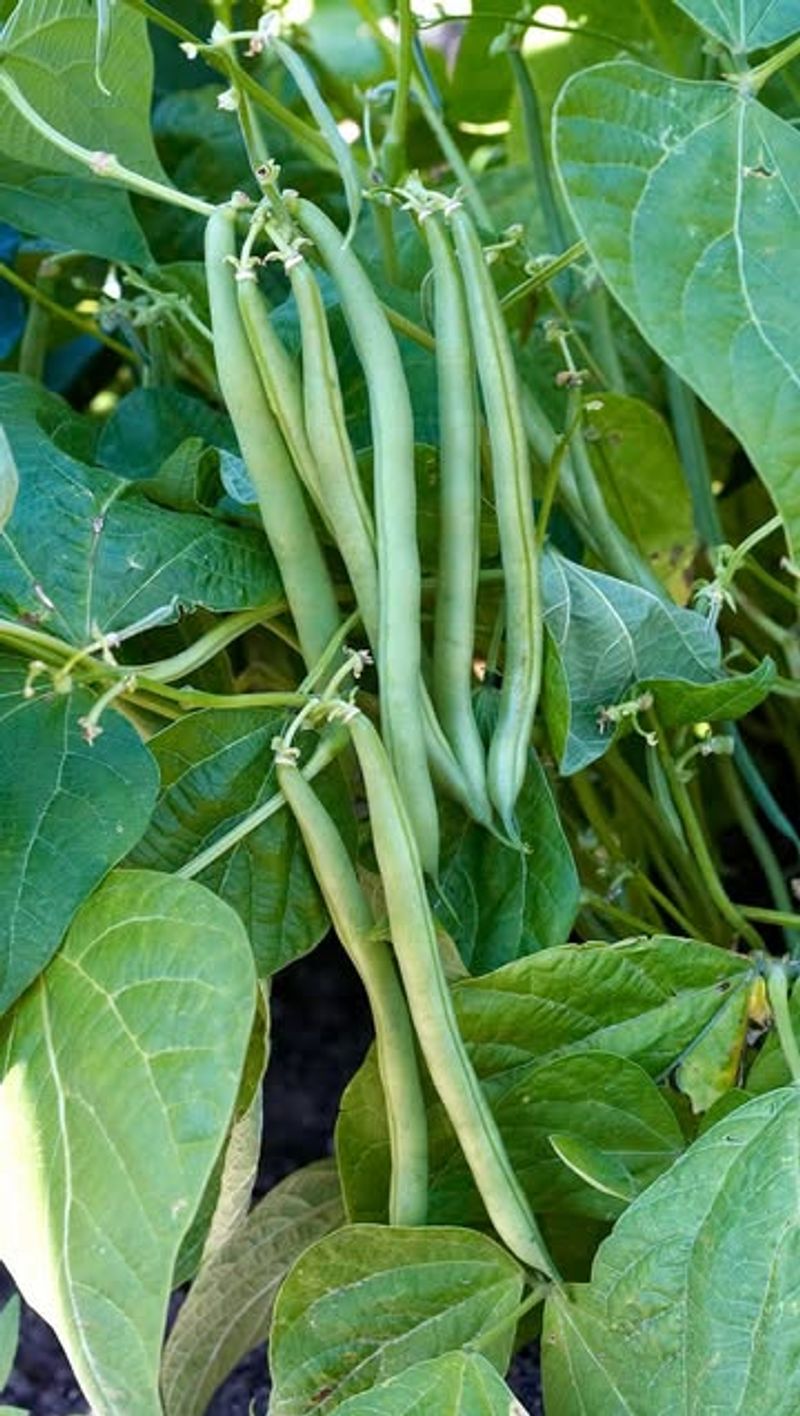
Pole beans are vigorous climbers, and in a small Arizona garden bed, they will use whatever structure is nearby to keep growing upward, including your tomato cages.
Once pole beans start twining around tomato plants, they shade the foliage, restrict airflow, and make it nearly impossible to manage either crop properly.
Poor airflow is a real concern in Arizona gardens during monsoon season. When humidity spikes and plants are crowded together, fungal issues can develop quickly.
Tomatoes need good air circulation around their leaves to stay healthy, and a wall of pole bean vines eliminates that circulation fast.
Pole beans also fix nitrogen in the soil, which sounds like a benefit but can actually push tomato plants toward excessive leafy growth at the expense of fruit production.
Tomatoes need balanced nutrition, and too much available nitrogen tips that balance in the wrong direction.
Bush beans are a friendlier option if you want legumes near your tomatoes, since they stay compact and do not climb.
In Arizona’s raised bed gardens, where space is limited and every square foot counts, keeping pole beans on their own trellis system well away from your tomatoes saves a lot of untangling and frustration later in the season.