The 6 Oregon Plants To Prune Right Now (And 3 To Leave Alone)
Spring has sprung in Oregon, and your garden is ready for a little makeover! Some plants practically beg for a trim this time of year, and giving them a snip now sets them up for bigger, stronger growth and fuller, healthier foliage when summer rolls around.
It’s like giving your garden a fresh haircut that it actually thanks you for.But don’t grab the clippers blindly. Some plants thrive on a spring prune, while others prefer to stay untouched until later.
Cutting at the right time removes damaged branches, opens up space for airflow, and keeps your plants looking sharp.
Trim the wrong ones too early, and you could lose blooms or slow growth, definitely not the vibe you want for your yard.
Think of pruning like a little spring pampering session for your plants. A few smart snips now can turn a messy tangle into a tidy, vibrant display, giving your garden a strong start for the season.
By paying attention to who loves a haircut and who doesn’t, you’ll be rewarded with healthier growth, happier plants, and a yard that feels alive and ready to shine all summer long.
1. Panicle Hydrangea
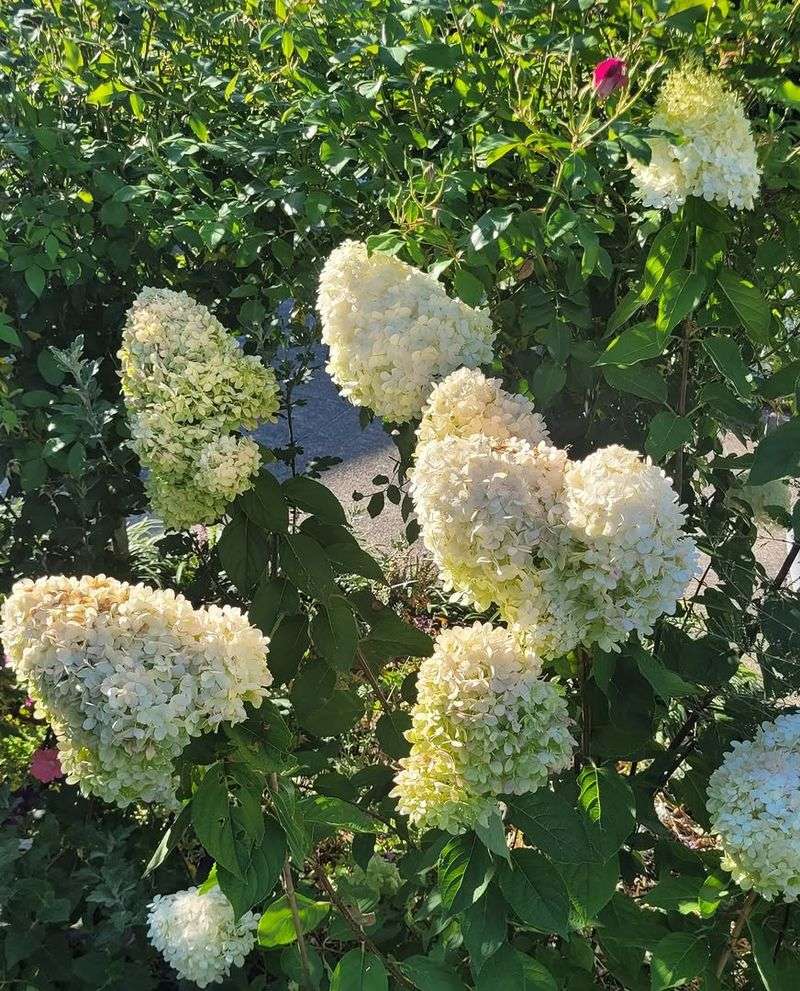
This type of hydrangeas are one of the easiest shrubs to prune, and early spring in Oregon is exactly the right time to do it. Unlike some hydrangeas that need careful timing, panicle hydrangeas bloom on new wood.
That means you can cut them back hard without losing a single flower.
Aim to reduce the overall size of the shrub by about one-third. You can also cut back to a framework of main branches about 12 to 18 inches from the ground if you want larger, showier blooms.
The harder you prune, the bigger the flower heads tend to be.
Look for the dried, papery flower heads from last season still clinging to the branches. Those are a obvious giveaway that you have a panicle hydrangea on your hands. Remove them along with any thin, weak, or crossing stems.
Panicle hydrangeas are tough plants that thrive all across Oregon, from the Willamette Valley to the coast. They handle Oregon’s rainy springs with ease and bounce back quickly after pruning.
By midsummer, you will have tall, elegant flower spikes in shades of white, pink, or lime green gracing your yard.
2. Roses
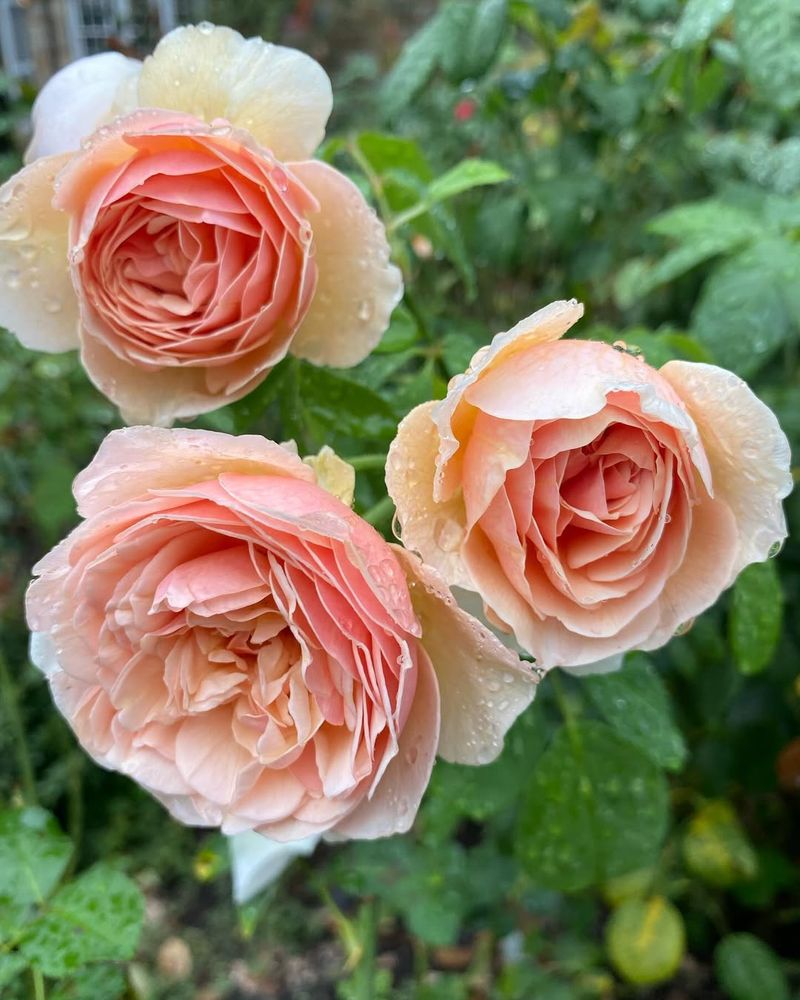
Few plants reward a good pruning session quite like roses do. Early spring in Oregon is the perfect window to cut them back before new growth really takes off.
Most gardeners aim for late February through mid-March, just as the forsythia starts blooming nearby.
Cut rose canes back by about one-third to one-half of their total height. Look for outward-facing buds and make your cut about a quarter inch above them at a slight angle. Remove any damaged or crossing canes completely.
Repeat-blooming roses, also called modern roses, are the ones you want to prune hard right now. Old-fashioned once-blooming roses are a different story and should be pruned after they flower in summer.
Your Oregon Garden Changes Every Week. Your Plan Should Too.
Gardening in Oregon changes quickly throughout the season. Every Friday you’ll receive a simple weekly plan showing exactly what to plant, prune, fertilize, harvest, and protect so you never miss the right timing.
Always use clean, sharp pruning shears to avoid spreading disease from plant to plant.
Oregon’s mild and wet winters can leave roses looking rough by March. Stripping away the old growth encourages fresh, healthy canes to push out.
A little compost or slow-release fertilizer worked into the soil after pruning gives roses an extra boost heading into the growing season.
3. Smooth Hydrangea
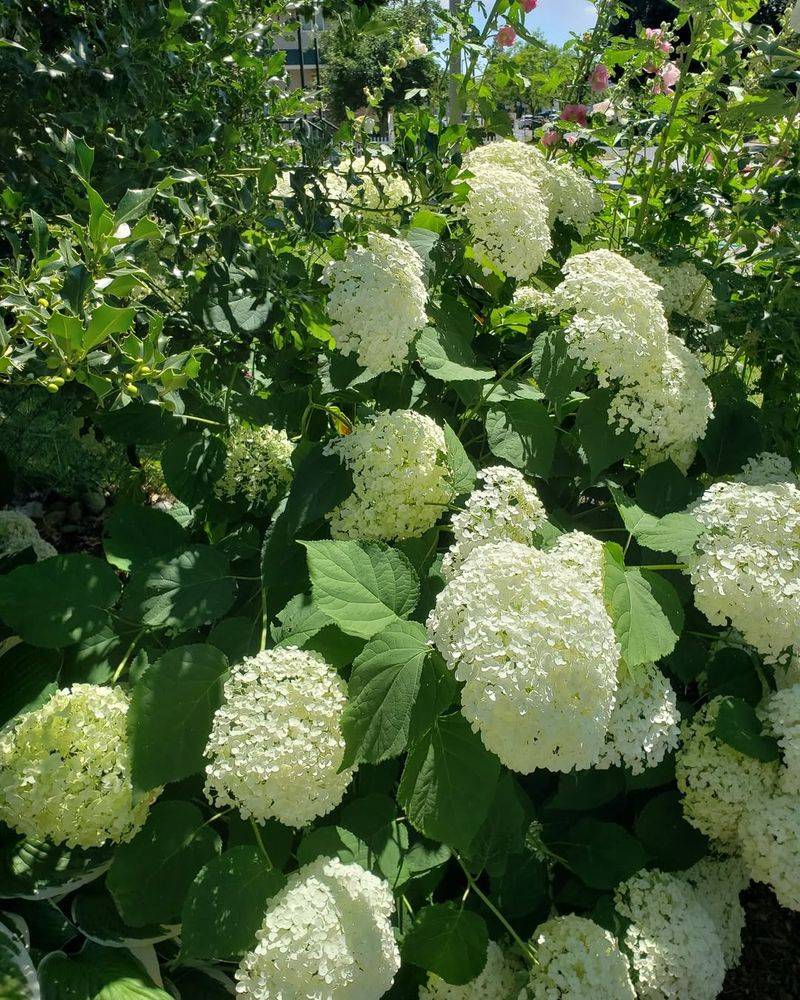
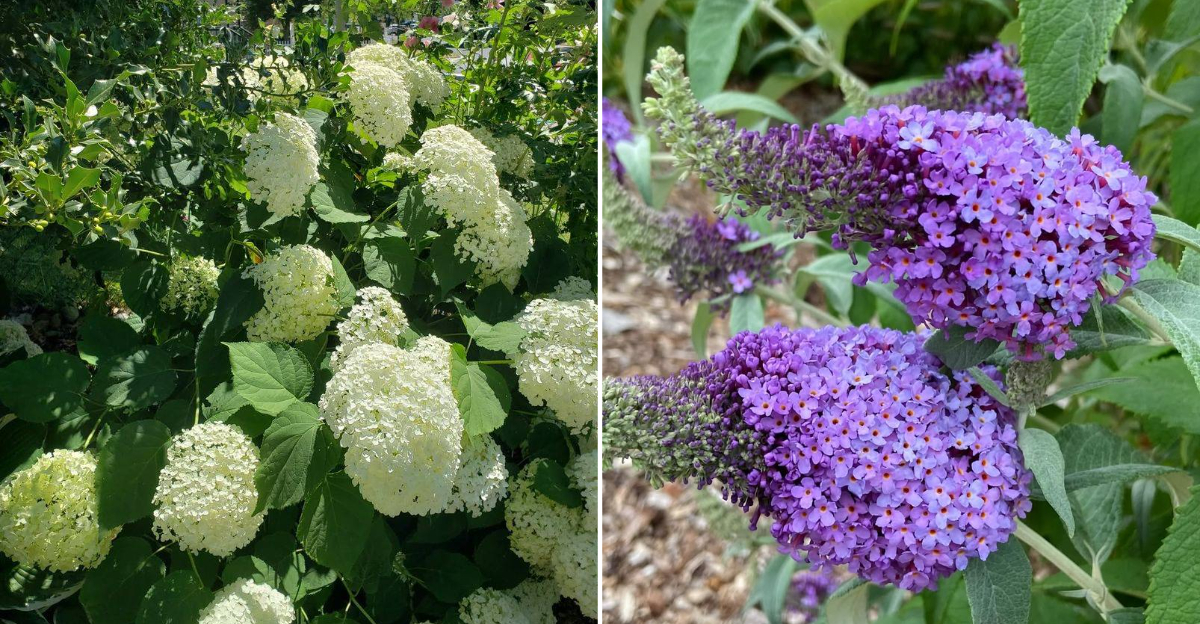
Smooth hydrangeas, most famously known by the variety name Annabelle, put on a jaw-dropping show every summer with their giant white globe-shaped blooms. The secret to keeping that show going strong is a hard pruning each early spring.
Oregon gardeners should tackle this task in late February or early March.
Cut smooth hydrangeas back to about 12 to 18 inches above the ground. Some gardeners even cut them lower, right down to a few inches.
Either way, the plant will push out vigorous new stems loaded with massive flower heads by July.
One thing to watch out for is cutting too late in the season. Once the new growth starts shooting up fast, you risk removing the energy the plant has already invested.
Early March is the sweet spot for most parts of Oregon, including the Portland metro area and the Eugene region.
Smooth hydrangeas love moisture and do well in Oregon’s naturally rainy climate. After pruning, top dress the base of the plant with a layer of compost to feed the roots.
You will be amazed at how fast these plants recover and how spectacular the summer blooms can look after a good spring haircut.
4. Butterfly Bush (Buddleja)
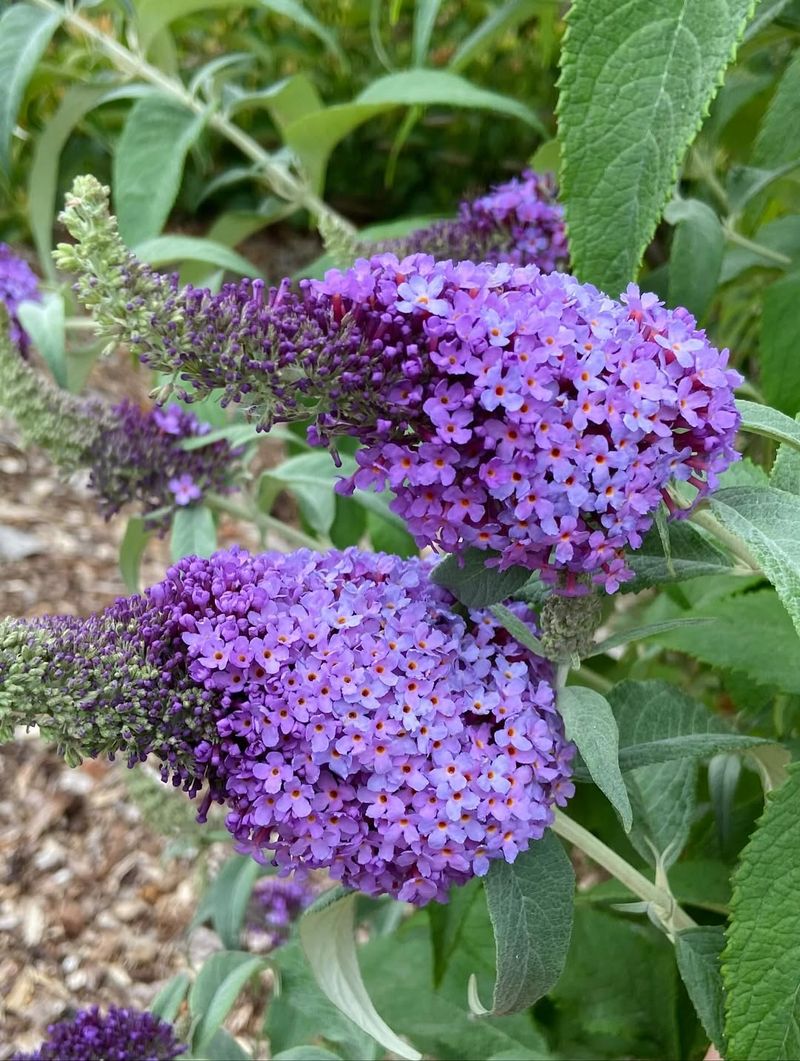
This stunning plant has a reputation for being almost impossible to keep tidy, but that changes once you know the right pruning routine. Early spring is the time to cut this shrub back hard, and Oregon gardeners should not be shy about it.
The more aggressively you prune, the better the summer show will be.
Cut the entire shrub back to about 12 inches above the ground. It sounds extreme, but butterfly bush is incredibly vigorous and will shoot back up quickly once the weather warms.
By midsummer, it will be covered in long, fragrant flower spikes in purple, pink, white, or red.
Butterfly bush blooms on new wood, so pruning in early spring does not cost you any flowers. In fact, skipping the prune leads to a leggy, woody plant with fewer and smaller blooms.
A hard annual cutback keeps the plant compact and loaded with the nectar-rich flowers that hummingbirds and butterflies adore.
One important note for Oregon gardeners: butterfly bush is considered invasive in some parts of the Pacific Northwest. Check with your local extension office or nursery about approved non-invasive varieties before planting a new one.
Sterile cultivars are widely available and just as beautiful without the ecological concern.
5. Crape Myrtle
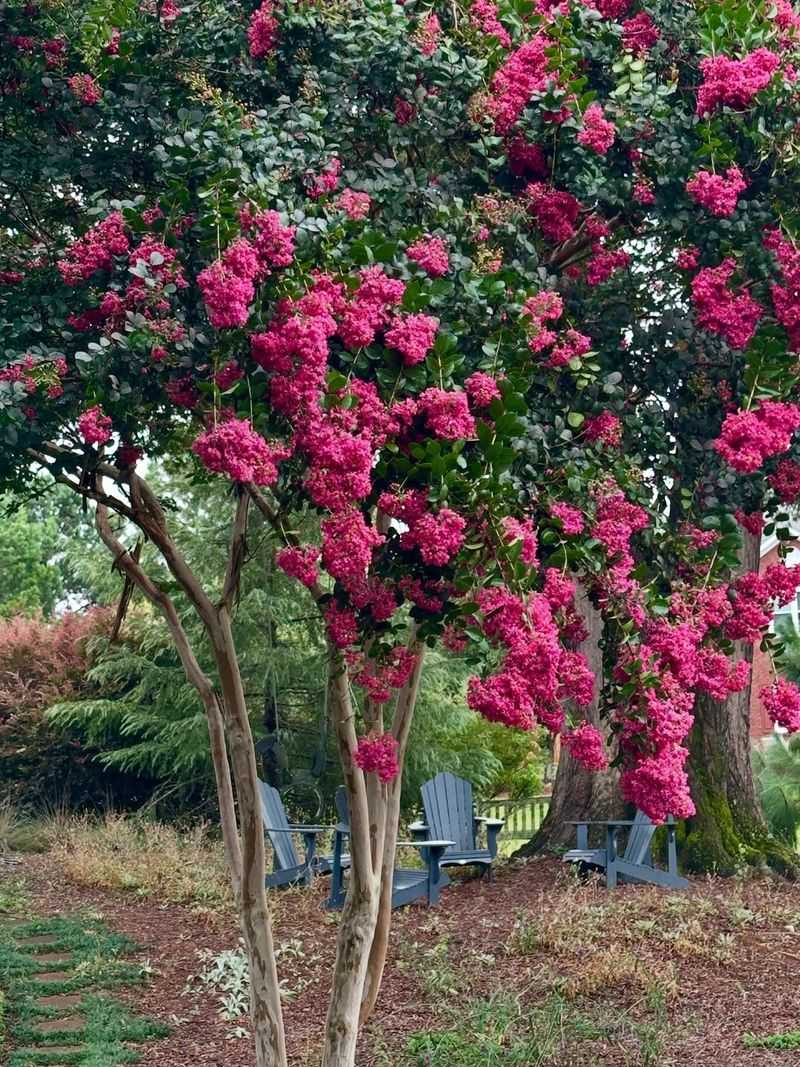
Crape myrtles have become more popular in Oregon gardens over the past decade, especially in the warmer and drier parts of the Willamette Valley and southern Oregon. Early spring is the right time to prune them, but there is one golden rule: never top them.
Topping, or cutting the main trunks off at a flat level, ruins the natural shape and leads to weak, cluttered regrowth.
Instead, focus on removing crossing branches, rubbing limbs, and any suckers growing up from the base. Thin out the interior of the canopy to improve airflow.
If you need to reduce the size, select specific branches to remove rather than making a flat cut across the top.
Crape myrtles bloom on new wood, so pruning in early spring does not affect the summer flower display. The blooms appear on the tips of new growth from June through August.
Proper pruning helps the plant put its energy into producing those colorful clusters rather than supporting a tangle of weak branches.
Oregon winters can be tough on crape myrtles, especially in colder inland areas. Wait until you see the buds beginning to swell before making your cuts.
That way you can clearly identify which branches survived the winter and which ones need to be removed.
6. Hardy Fuchsia
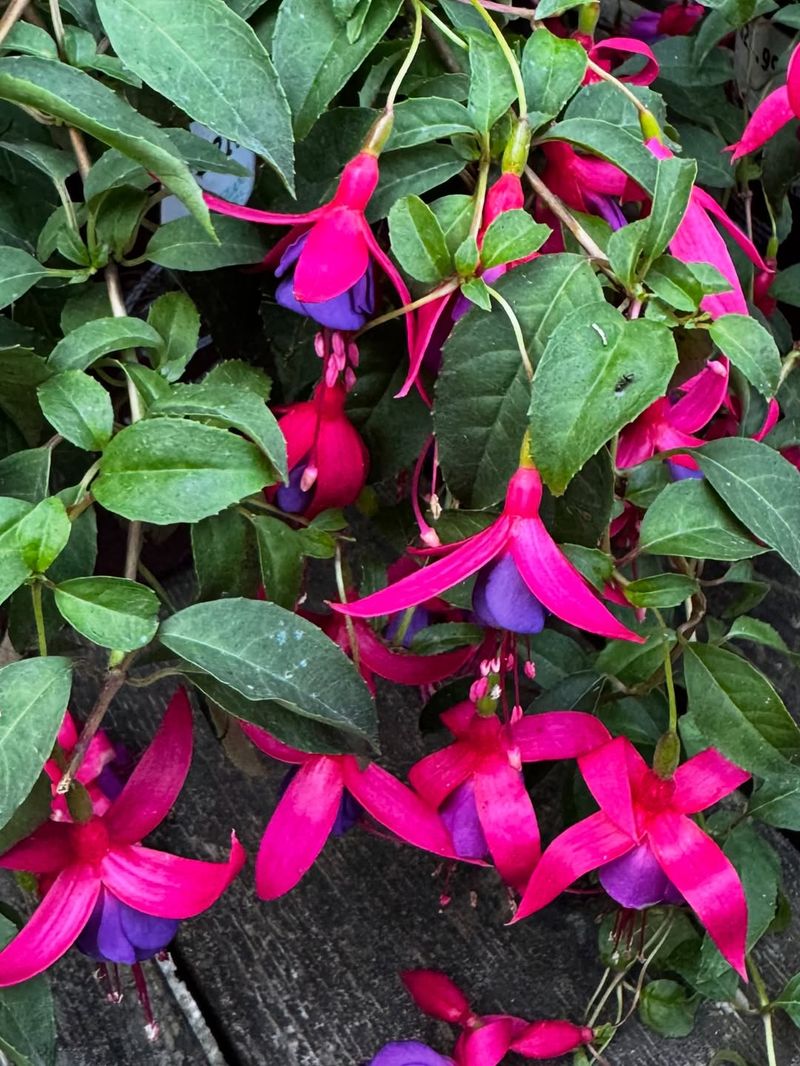
This plant is a beloved staple in Oregon gardens, especially along the coast where the mild, moist climate suits it perfectly. After a long winter, the plant often looks like a bundle of bare, damaged-looking sticks.
Do not be fooled. Just below the surface and along those woody stems, new life is ready to burst out.
Cut hardy fuchsia back hard in early spring, typically in March for most of Oregon. Remove all the old top growth down to about 6 to 12 inches above the ground.
You will likely see bright red or green buds already swelling near the base of the plant, which is a great sign.
Hardy fuchsia blooms on new growth, so cutting it back now sets the stage for a summer full of the dangling red and purple flowers that hummingbirds absolutely cannot resist. Skipping the prune leads to a tall, sprawling plant with flowers only at the tips, which looks messy and unproductive.
After pruning, give the plant a light feed with a balanced fertilizer and a fresh layer of mulch around the base. Oregon’s spring rains will do the rest of the work.
By June, your hardy fuchsia will be lush, full, and covered in blooms from top to bottom.
7. Rhododendron
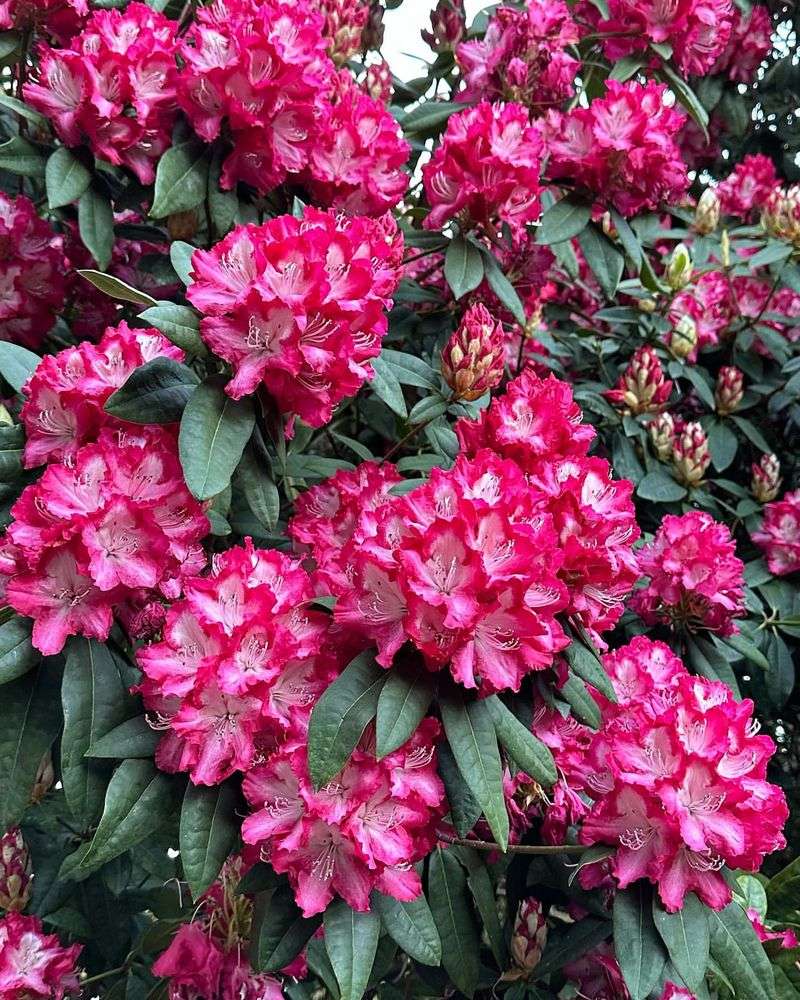
They thrive in the Pacific Northwest’s cool, rainy climate and put on a spectacular show of blooms every spring. But here is the catch: you should not be pruning them right now, at least not in any major way.
Rhododendrons bloom on old wood, meaning the flower buds were set on last year’s growth during the summer and fall. If you cut them back now in early spring, you will be removing those buds and trading your entire flower display for nothing but leaves.
The time to prune rhododendrons is right after they finish blooming, typically in May or June in most parts of Oregon.
The only pruning that is okay to do right now is removing any branches that are clearly damaged, broken, or diseased. Make those cuts cleanly and as close to the main stem as possible.
Avoid removing healthy, bud-covered stems no matter how tempting it might be to tidy things up.
Patience pays off with rhododendrons. Let them bloom fully, enjoy every bit of that gorgeous spring color, and then pick up your pruning shears.
Post-bloom pruning keeps the plant shaped and encourages strong new growth for next year’s flower buds.
8. Azalea
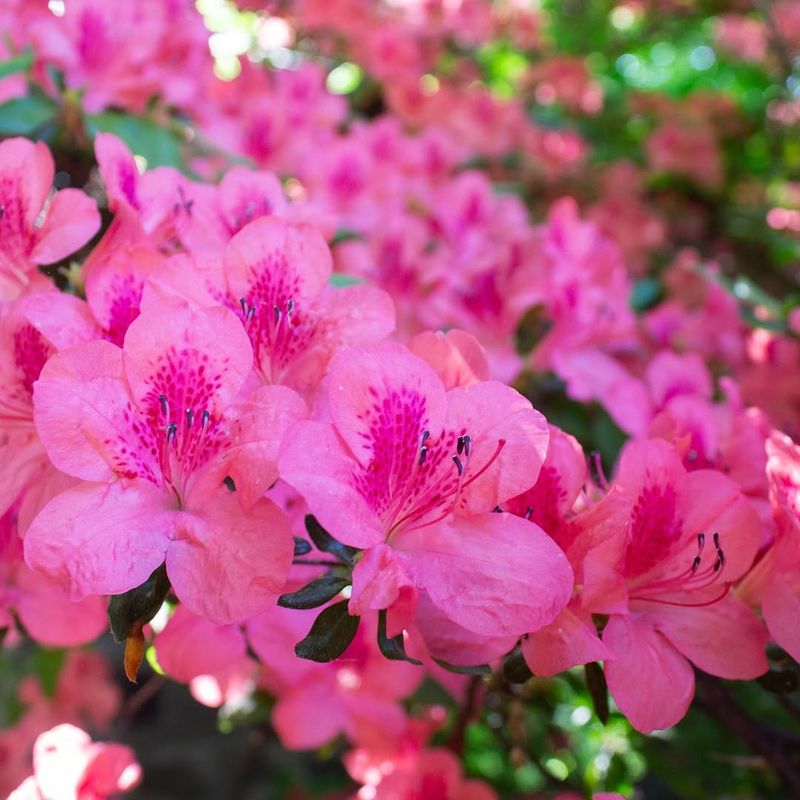
Azaleas light up Oregon gardens every spring with a burst of color that stops people in their tracks. Whether you have a compact dwarf variety in a container or a sprawling evergreen azalea along a shaded path, the rule is the same: put the pruning shears away for now.
Like rhododendrons, azaleas set their flower buds on old wood during the previous growing season. Pruning in early spring means cutting off the buds before they ever get a chance to open.
You would end up with a neatly trimmed shrub and zero flowers, which defeats the whole purpose.
The right time to prune azaleas is within a few weeks after they finish blooming, usually sometime in May across most of Oregon. Pruning during this window gives the plant the entire summer to push out new growth, and those new stems will carry next spring’s flower buds.
For now, enjoy the show. Walk around your yard and appreciate the pops of pink, red, white, and coral that azaleas bring to the Oregon spring landscape.
If you spot any broken branches, those can be removed at any time without affecting the bloom. Everything else should stay right where it is until the flowers fade.
9. Lilac
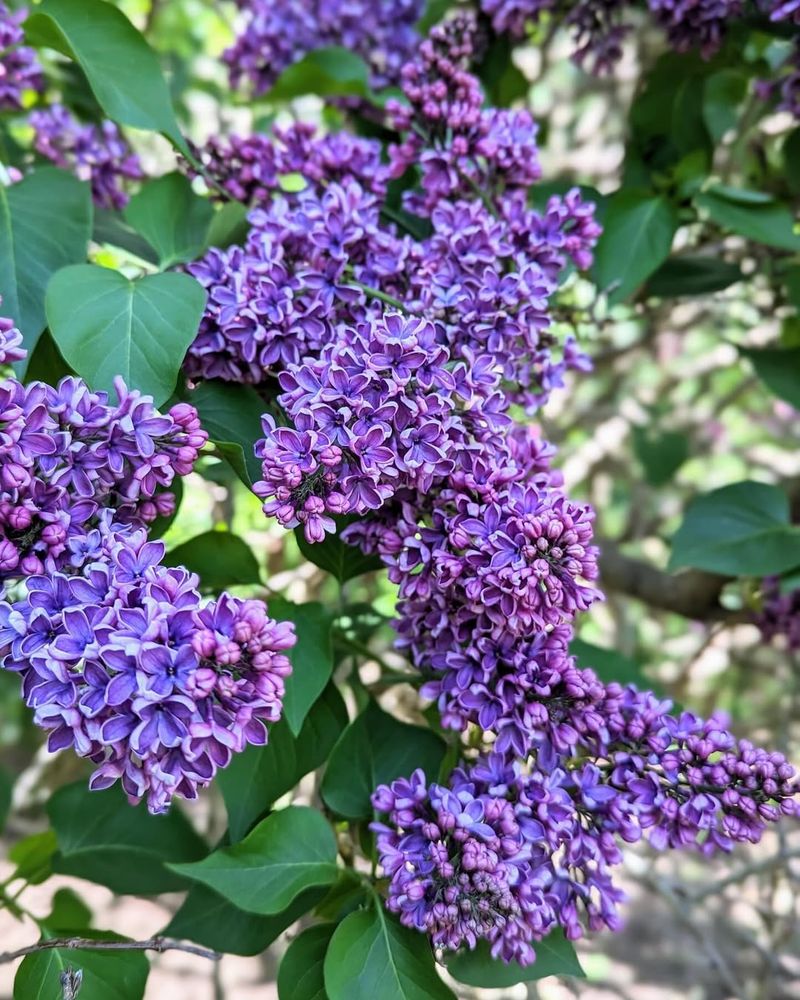
There is nothing quite like the smell of lilacs drifting through an Oregon neighborhood on a warm spring afternoon. These old-fashioned shrubs are beloved for their intensely fragrant purple, white, or pink flower clusters, and they are one of the plants you absolutely want to leave alone right now.
Lilacs bloom on old wood, just like rhododendrons and azaleas. The buds that are about to open this spring were formed on last summer’s growth.
Pruning now would mean cutting off the very branches that are getting ready to put on the season’s most fragrant show.
Wait until the flowers have fully faded before picking up your shears. In most of Oregon, that means pruning sometime in late May or early June.
Right after blooming is the ideal window because it gives the plant a full growing season to produce the new wood that will carry next year’s blooms.
When you do prune, focus on removing old, thick, unproductive canes from the base of the plant. This opens up the center for airflow and encourages younger, more vigorous stems to take over.
Lilacs can live for generations, and a little patience with the pruning schedule keeps them blooming beautifully year after year in Oregon gardens.