The 7 Berry Bushes Oregon Gardeners Should Plant This Spring
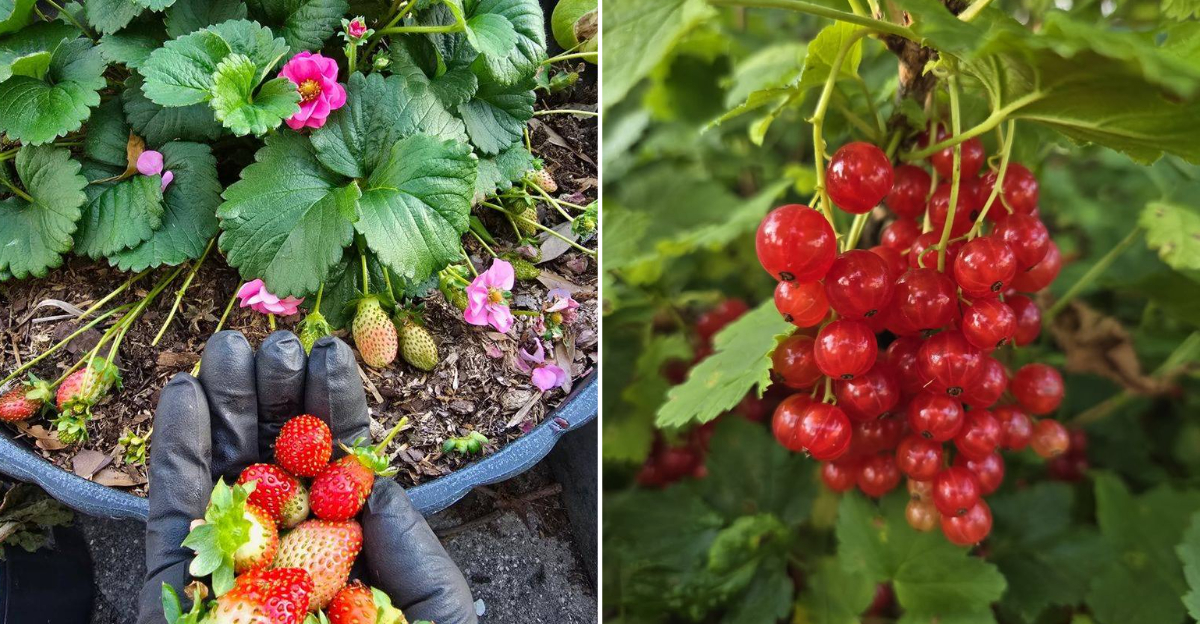
Spring is the perfect time to add berry bushes to your Oregon garden. Planting now gives them a head start on the season so they can develop strong roots, grow healthy foliage, and be ready to produce fruit when summer arrives.
A few well-placed berry bushes can add color, texture, and a delicious harvest to your yard without taking over your space.
Berry bushes are surprisingly versatile and can thrive in Oregon’s climate with the right care. They can be tucked along borders, trained on trellises, or grown in containers for patios and decks.
Early planting gives each bush time to establish, making them more resilient to heat, pests, and seasonal changes as the year progresses.
Choosing the right varieties ensures the garden delivers both beauty and flavor. With a little planning, berry bushes can provide fruit for fresh snacking, baking, and preserving while also attracting pollinators and adding visual interest.
Planting these berries now sets the stage for a garden that looks lively, produces tasty treats, and rewards your efforts throughout the summer months.
1. Blueberry
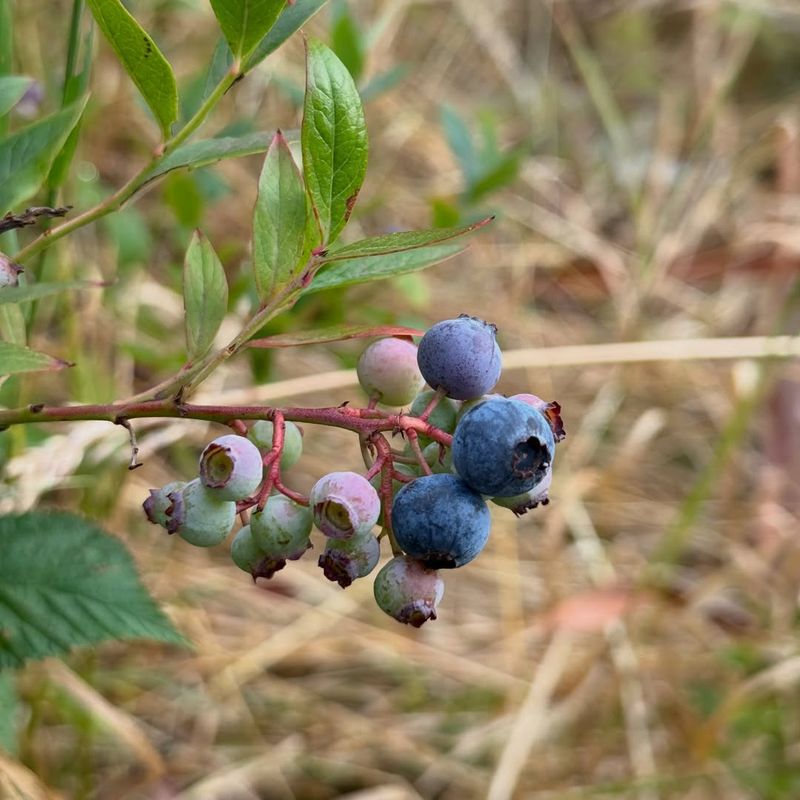
Few fruits feel as rewarding to grow as blueberries, especially when you pop a sun-warmed berry straight off the bush. Oregon’s naturally acidic soils make it one of the best places in the country to grow this beloved fruit.
Northern highbush varieties like Duke, Bluecrop, and Elliott perform exceptionally well across much of the state.
Blueberries prefer a soil pH between 4.5 and 5.5. If your Oregon garden soil is not quite acidic enough, you can amend it with sulfur or peat moss before planting.
A soil test from your local extension office can help you figure out exactly what your ground needs. Getting the pH right from the start saves you a lot of frustration later.
Plant at least two different blueberry varieties close together to improve pollination. Cross-pollination between varieties leads to bigger berries and a longer harvest season, which can stretch from June all the way through August.
Blueberry bushes also add beautiful fall color to your Oregon yard, making them a great choice for both edible and ornamental gardens. Give them full sun, consistent moisture, and a layer of wood chip mulch to lock in the right conditions.
2. Raspberry
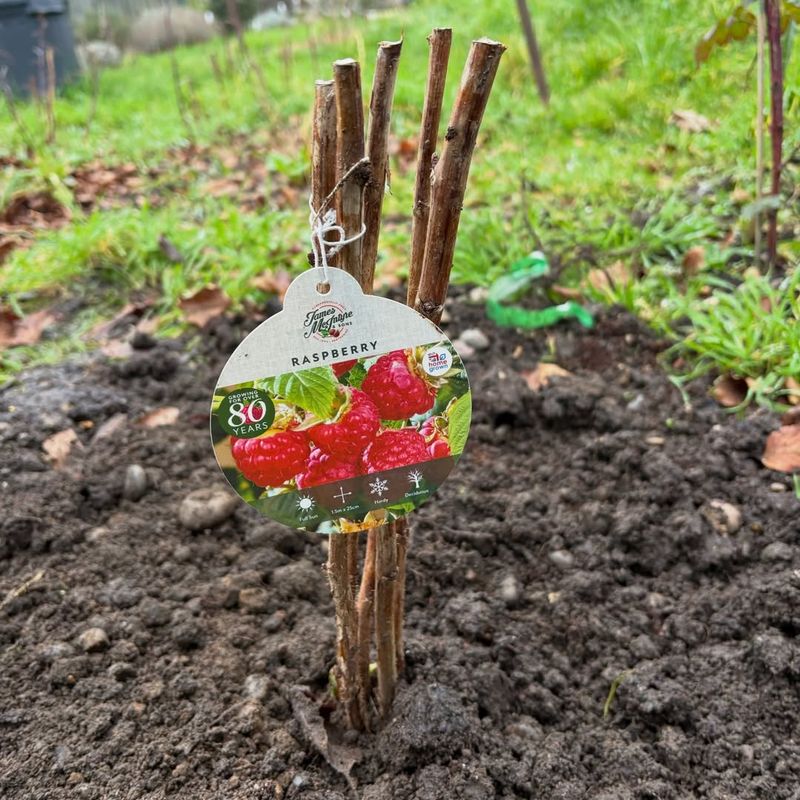
There is something almost magical about growing raspberries in Oregon. The state’s cool summers and moist springs create near-perfect conditions for canes to thrive and produce heavy crops.
Varieties like Meeker and Tulameen are especially popular with Oregon home gardeners because they are productive, flavorful, and relatively easy to manage.
Raspberries grow best in full sun with well-drained soil. Soggy roots are one of the biggest problems for this plant, so if your Oregon yard tends to hold water, consider planting in raised beds.
Adding compost to your soil before planting gives the canes a strong nutritional start. Space plants about two to three feet apart so air can circulate freely between them.
Pruning is one of the most important tasks for raspberry growers. After the first year, remove old canes that have already fruited and keep only the strongest new growth.
Your Oregon Garden Changes Every Week. Your Plan Should Too.
Gardening in Oregon changes quickly throughout the season. Every Friday you’ll receive a simple weekly plan showing exactly what to plant, prune, fertilize, harvest, and protect so you never miss the right timing.
This keeps the plant healthy and encourages better fruit production the following season. Raspberries typically ripen in early to mid-summer in Oregon, giving you a generous window to harvest.
Tie canes to a simple trellis or fence post to keep them upright and make picking much easier. With just a little regular care, your raspberry patch will reward you with pounds of sweet, bright berries every year.
3. Blackberry
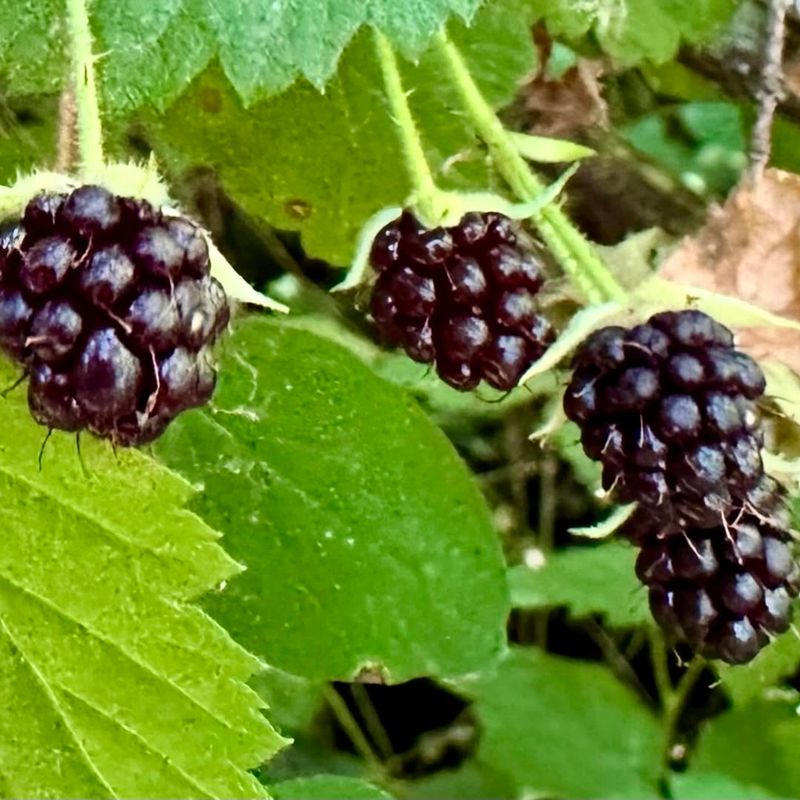
Blackberries practically grow themselves in Oregon, which is both a blessing and a reason to plan carefully before planting.
Wild blackberries are already common throughout the state, but cultivated varieties like Triple Crown and Chester offer bigger, sweeter berries with much more manageable growth habits.
Choosing a thornless cultivated variety makes harvesting a whole lot more enjoyable.
Oregon’s mild, rainy springs give blackberry plants a fantastic head start each season. Plant them in a spot that gets at least six hours of direct sun per day.
Rich, well-drained soil with plenty of organic matter will help the canes grow strong and produce heavily. Work compost into the planting area before you put the roots in the ground.
Blackberry plants spread quickly, so installing a trellis system right away will save you headaches down the road. Train the canes along wires or a fence to keep growth contained and make the most of your garden space.
Harvest usually happens in late summer across much of Oregon, and a mature blackberry plant can produce an impressive amount of fruit. Expect to spend a little time each year removing old canes and thinning new growth.
With consistent pruning and proper support, a well-tended blackberry bush can produce reliably for a decade or more in the Oregon climate.
4. Marionberry
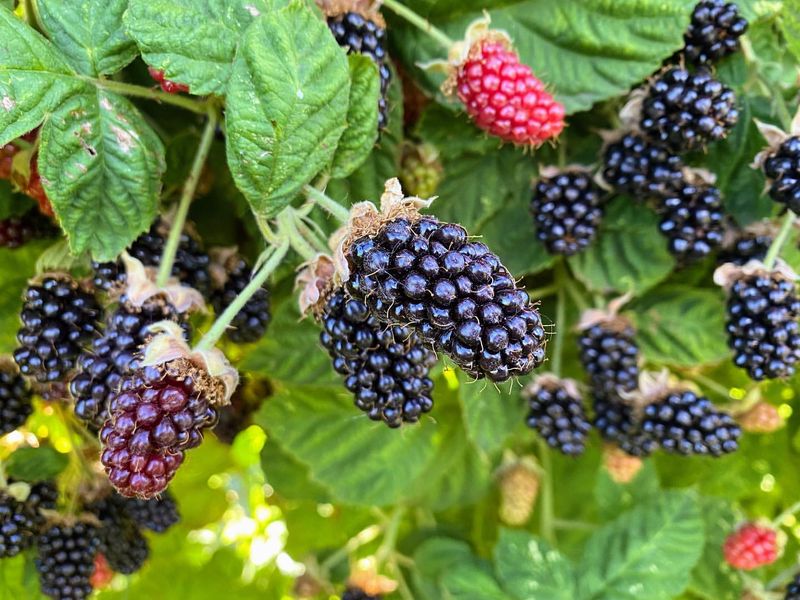
Oregon has a berry it can truly call its own, and that berry is the marionberry. Developed at Oregon State University in the 1940s and named after Marion County, this berry is a cross between the Chehalem and Olallie blackberry varieties.
Marionberries are beloved across the state for their rich, complex flavor that balances sweetness with a pleasant tartness.
Growing marionberries in Oregon feels like a local tradition. They produce long, vigorous canes that absolutely need a sturdy trellis for support.
Set up your trellis before planting so the canes have something to grow onto right away. Full sun is a must, and the soil should drain well to keep roots healthy through Oregon’s wet winters.
Marionberries ripen in July, which makes them a highlight of the midsummer harvest. The berries are larger than most wild blackberries and have a deeper, more intense flavor that works beautifully in pies, jams, cobblers, and smoothies.
Many Oregon farms and u-pick operations feature marionberries as their star attraction each summer. Plant them along a fence line or garden border where the canes have room to spread.
With proper training and regular pruning each winter, your marionberry plants will come back stronger and more productive with each passing season.
5. Gooseberry
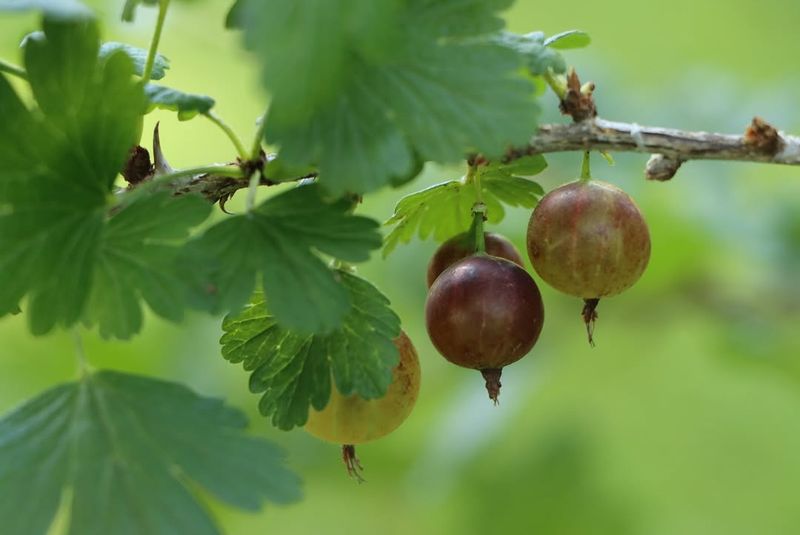
Not every gardener has heard of gooseberries, but Oregon growers who plant them quickly become fans. These small, round berries pack a serious punch of tart, fruity flavor that works wonderfully in jams, pies, and sauces.
Gooseberry bushes are also incredibly tough and adaptable, making them a great option for Oregon gardeners who want a low-maintenance fruiting shrub.
One of the best things about gooseberries is their flexibility when it comes to growing conditions. They can handle partial shade, which makes them a solid choice for spots in your Oregon yard that do not get full sun all day.
They also tolerate a range of soil types, though they do best in fertile, well-drained ground with a slightly acidic pH. Adding compost at planting time gives them a nutritional boost that pays off quickly.
Gooseberry bushes stay relatively compact, usually reaching three to five feet tall and wide. This makes them a smart pick for smaller Oregon gardens or even large containers.
Plant them in early spring while the ground is still cool and moist. Water regularly during the first growing season to help roots establish.
Once settled in, gooseberries are quite drought-tolerant. They typically fruit in early summer, producing clusters of berries that range from pale green to deep red depending on the variety.
Regular light pruning each year keeps the bush open and productive.
6. Currant
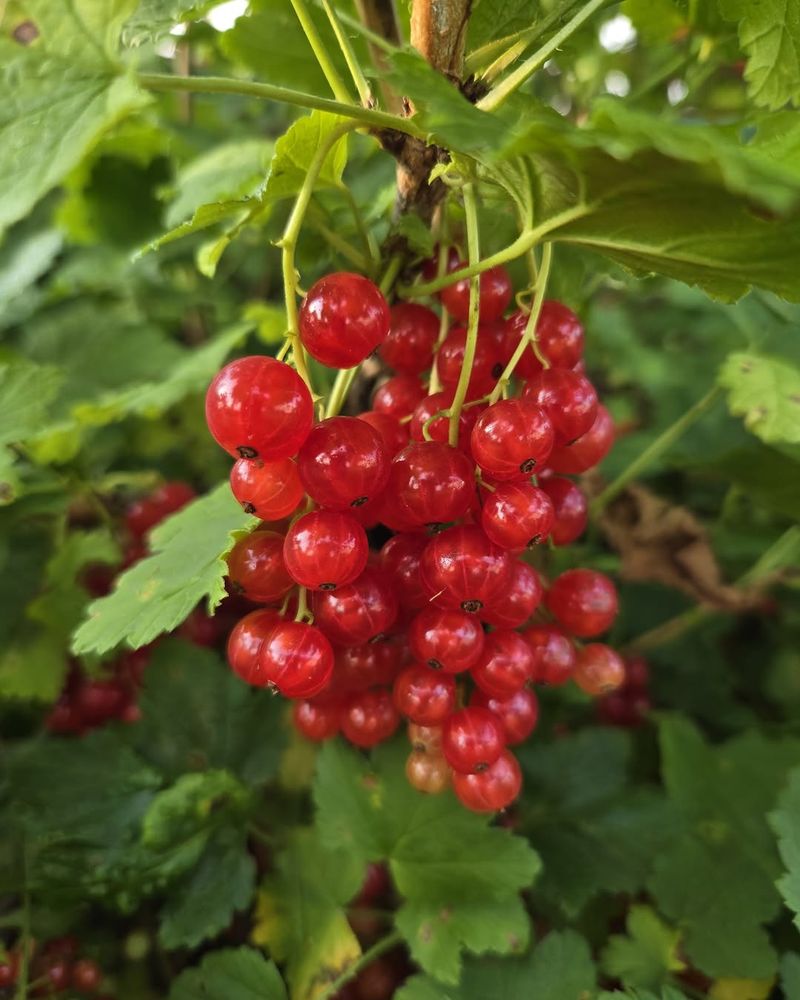
Currants are one of Oregon’s most underrated garden gems. These small, jewel-like berries grow in hanging clusters and come in red, black, and white varieties.
Red currants like Rovada and Jonkheer Van Tets are particularly well-suited for Oregon’s climate, producing generous harvests of tart, vibrant berries that are perfect for making jelly, juice, and syrups.
What makes currants especially appealing for Oregon gardeners is their ability to thrive in partial shade. If you have a spot under a larger tree or along a north-facing fence, currants can actually do quite well there.
They prefer cool, moist conditions, which Oregon’s spring and early summer weather provides in abundance. Plant them in well-drained, fertile soil and water consistently during dry spells.
Currant bushes are compact and tidy growers, rarely exceeding five feet in height. They are also long-lived plants, capable of producing fruit for fifteen years or more with proper care.
Prune out older woody stems each winter to encourage fresh, productive growth in the spring. Currants ripen in midsummer and are easy to harvest because the berries hang in neat clusters.
One well-established currant bush can yield several pounds of fruit each season. For Oregon gardeners looking to add variety to their edible landscape, currants offer beauty, productivity, and reliability all in one package.
7. Strawberry
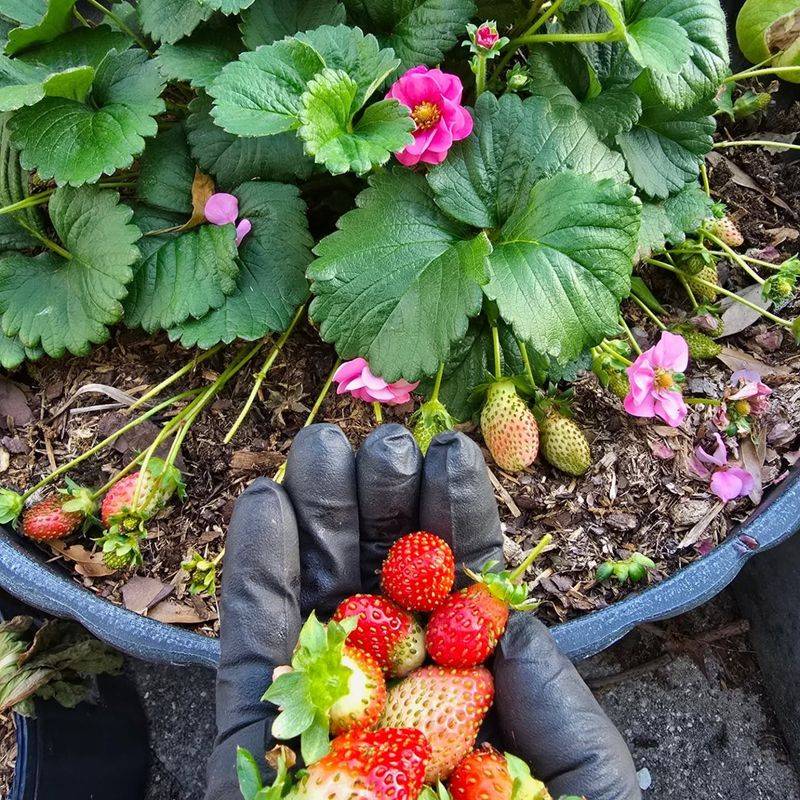
Ask almost any Oregon gardener what their favorite berry to grow is, and strawberries will come up near the top of the list every time. There is a reason for that.
Strawberries are easy to grow, incredibly rewarding, and produce fruit that tastes nothing like what you find at the grocery store. Homegrown strawberries picked at peak ripeness are in a category all their own.
Oregon has ideal growing conditions for strawberries, particularly in the Willamette Valley where commercial strawberry farming has a long history. June-bearing varieties like Hood and Puget Reliance deliver a concentrated burst of fruit in late spring, making them perfect for jam-making and freezing.
Ever-bearing types like Seascape and Albion spread their production across the summer and into fall, giving you fresh berries over a longer period.
Plant strawberries in full sun with rich, well-drained soil. Raised beds work especially well in wetter parts of Oregon because they prevent root rot during the rainy season.
Space plants about twelve to eighteen inches apart and keep the crown of each plant slightly above the soil surface when planting. Mulch around the plants with straw to keep berries clean and moisture consistent.
Remove runners regularly to keep energy focused on fruit production. With a little attention each season, your Oregon strawberry patch will come back year after year with more delicious fruit than you can eat.