Why Black-Eyed Susans Reseed So Easily In North Carolina Gardens
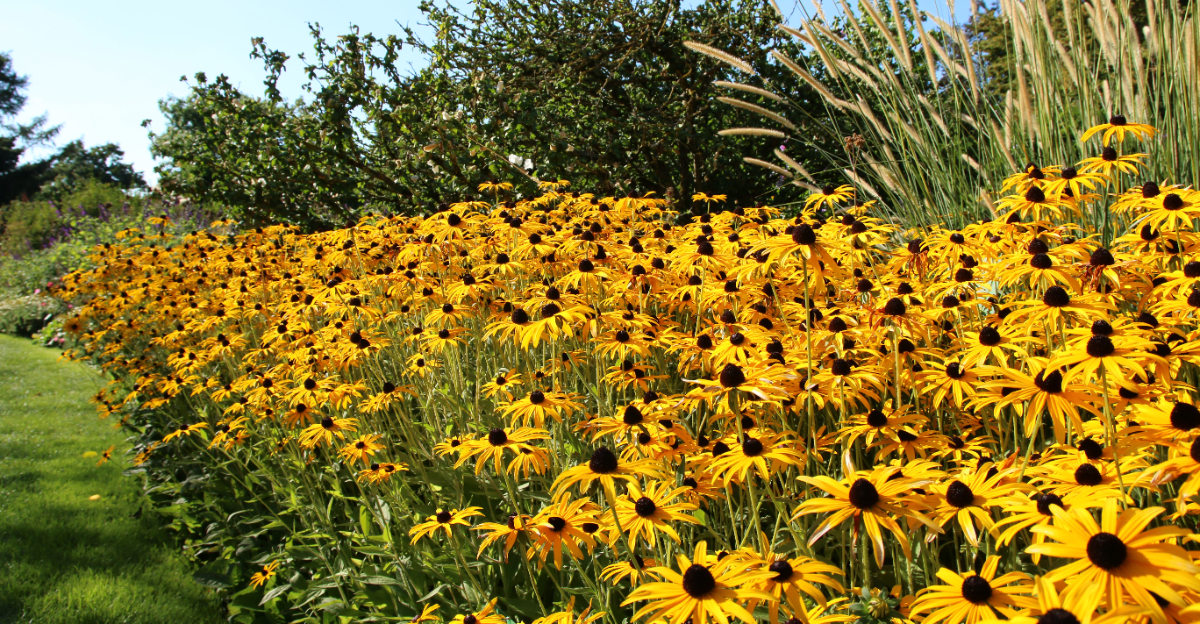
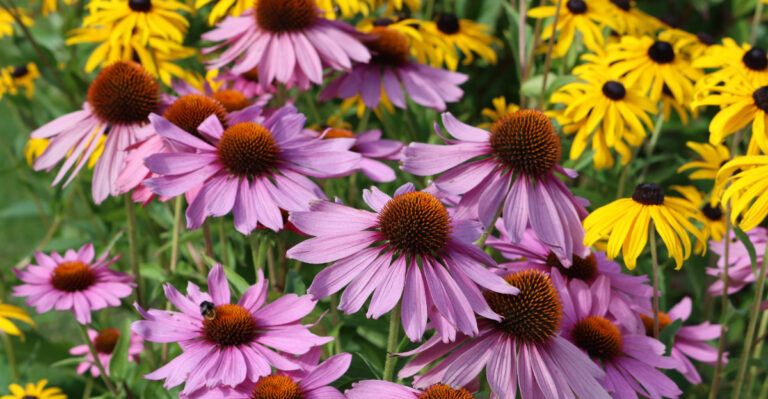
Bright yellow flowers returning year after year without any effort often have a simple explanation. Black Eyed Susans are one of the easiest wildflowers to grow in North Carolina, and once they settle into a garden, they tend to spread naturally.
Many gardeners are surprised to see new plants popping up each season without planting a single seed.
Across the Piedmont, Coastal Plain, and Mountain regions, these cheerful flowers have become some of the most popular plants in local landscapes.
They handle North Carolina weather well, bloom for weeks, and fill garden beds with bright color through much of the growing season.
Their ability to reseed is one of the biggest reasons gardeners keep seeing more of them every year.
Once you understand how and why Black Eyed Susans spread so easily, you can encourage even more blooms with very little work in your North Carolina garden.
1. Abundant Seed Production Per Plant
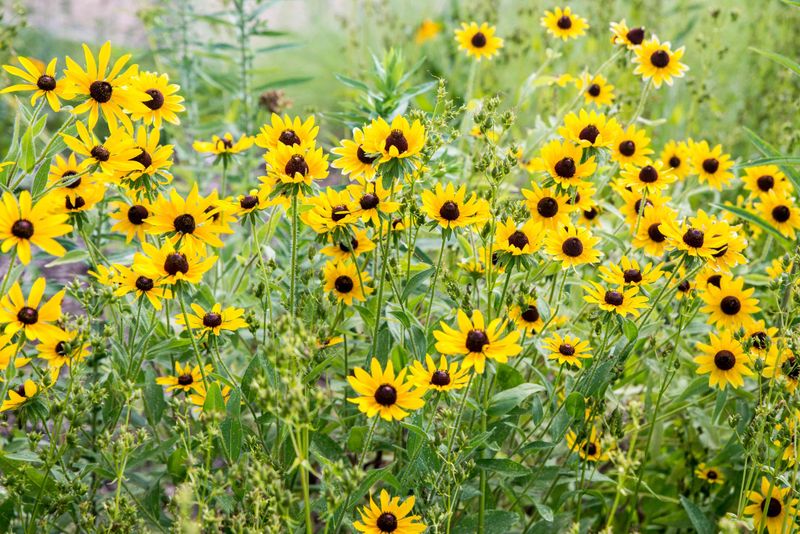
A single Black-Eyed Susan plant is basically a seed-making machine. A single mature plant can produce well over a hundred seeds during one growing season, which is an absolutely staggering number when you think about it.
With that kind of output, even a small patch of these flowers can scatter seeds across a wide area of your garden without any help from you.
North Carolina gardeners benefit from this incredible productivity because the state’s long growing season gives each plant plenty of time to develop mature seed heads.
The more blooms a plant produces, the more seeds it generates, and Black-Eyed Susans are known for blooming generously all summer long. That adds up to a serious amount of seed potential per plant.
For home gardeners, this means you rarely need to buy new plants or seeds once you get a patch established. The flowers simply do the work for you.
If you want to encourage even more reseeding, avoid cutting back the spent blooms too early in the season.
Leaving the seed heads standing gives them time to fully mature and drop naturally into the surrounding soil, setting the stage for a gorgeous display next year.
2. Effective Natural Seed Dispersal
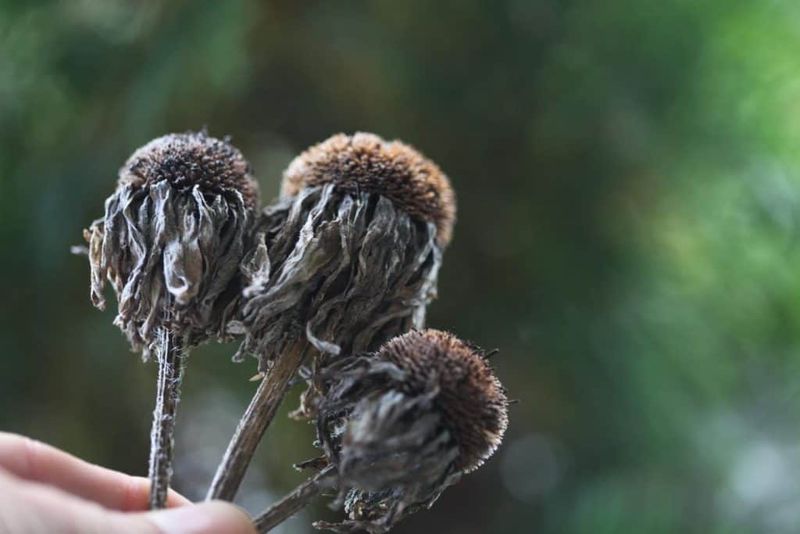
Watch a Black-Eyed Susan patch in late fall and you will see something pretty amazing happen.
The dried seed heads begin to crack and shatter, releasing their seeds directly onto the soil below or sending them drifting on the breeze.
This natural dispersal system is one of the main reasons these flowers show up in new spots around North Carolina gardens every single year. Wind plays a big role in spreading the seeds beyond the original planting area.
Even a gentle breeze can carry lightweight seeds a few feet away, which is why Black-Eyed Susans often colonize the edges of garden beds, fence lines, and open patches of lawn nearby.
Birds also grab seeds from the standing seed heads, accidentally dropping extras as they move around the yard.
For gardeners across North Carolina who want a more naturalized look, this dispersal habit is genuinely wonderful.
Your North Carolina Garden Changes Every Week. Your Plan Should Too.
Gardening in North Carolina changes quickly throughout the season. Every Friday you’ll receive a simple weekly plan showing exactly what to plant, prune, fertilize, harvest, and protect so you never miss the right timing.
You can let the plants do their own thing and watch new clusters emerge in unexpected places each spring.
If you prefer a tidier garden, simply collect a few seed heads before they shatter and scatter the seeds exactly where you want new growth. Either way, the natural process is working hard in your favor all season long.
3. Cold Stratification Matches North Carolina Winters
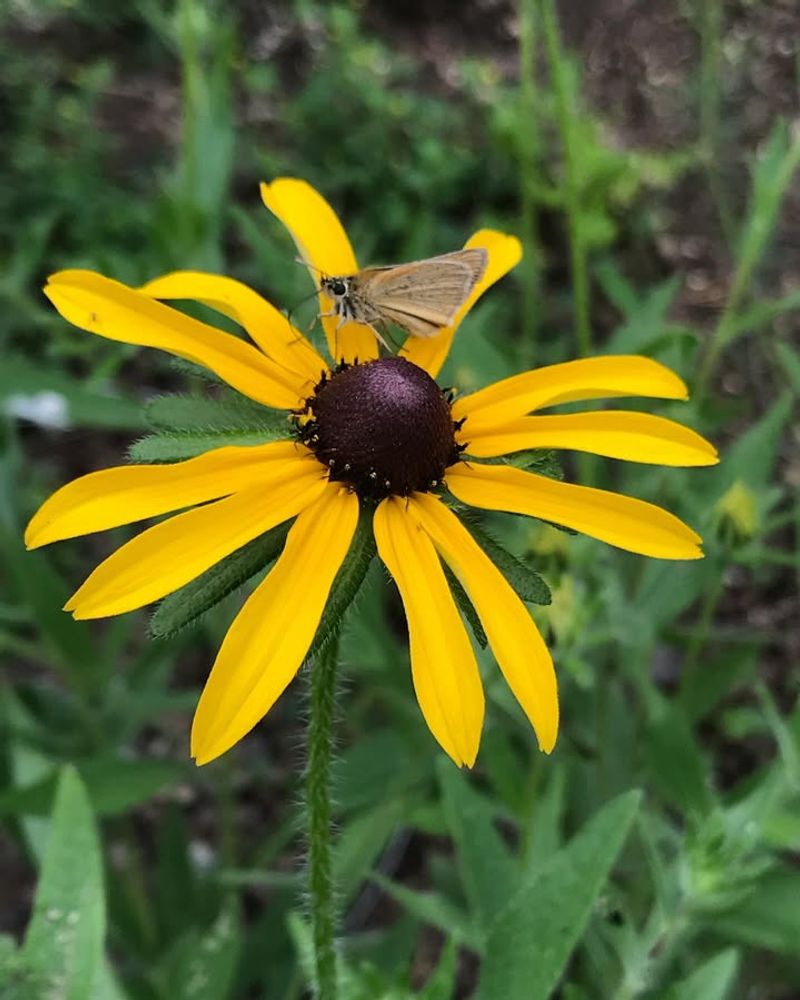
One of the most interesting things about Black-Eyed Susan seeds is that they actually need a cold, moist period before they will sprout.
This process is called cold stratification, and it basically signals to the seed that winter has passed and it is safe to germinate.
North Carolina winters are perfectly suited to provide exactly this kind of natural trigger without any extra effort from gardeners.
The state’s winters are cool enough to satisfy the seeds’ dormancy requirements but not so brutally cold that the seeds get damaged in the soil.
That mild but chilly stretch from December through February gives the seeds everything they need to prepare for a strong spring emergence.
When temperatures warm back up in March and April, the seeds are primed and ready to sprout quickly.
This natural alignment between the plant’s biology and North Carolina’s climate is one of the biggest reasons Black-Eyed Susans reseed so successfully here compared to warmer states where winters are too short or too mild.
Gardeners in the Piedmont, the coastal plain, and even the mountain foothills all benefit from this seasonal rhythm.
You do not need to do anything special to trigger germination because the weather takes care of it automatically every single year.
4. Adaptability To All Kinds Of Soil
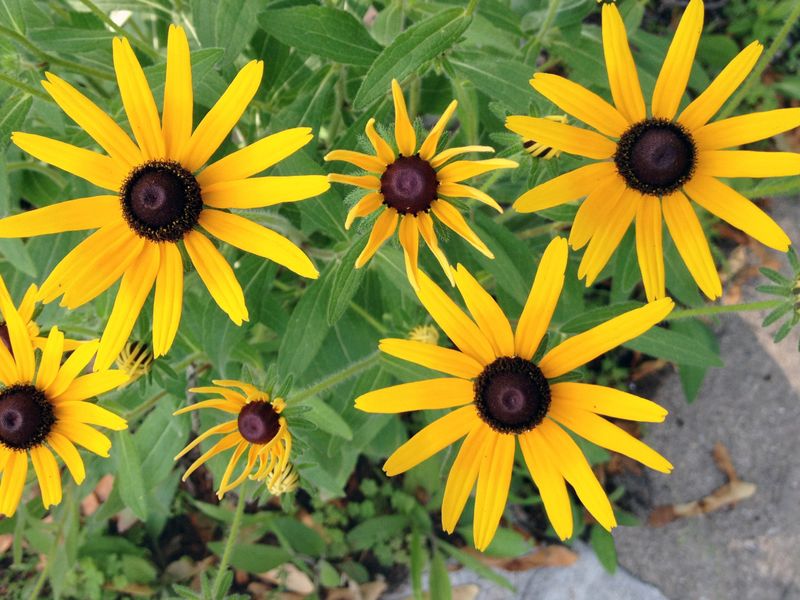
Most flowers are picky about soil, but Black-Eyed Susans are refreshingly easygoing. They grow well in clay, sandy loam, and everything in between, which makes them a natural fit for the wide variety of soil types found across North Carolina.
Whether your garden sits on heavy red clay in the Piedmont or sandy coastal soil near the shore, these flowers are likely to thrive and reseed without a fuss.
Their soil flexibility means that fallen seeds have a good chance of sprouting wherever they land, rather than needing a perfectly prepared bed to get started.
A seed that drops onto a rough patch of compacted clay near a walkway has just as good a shot at germinating as one that lands in a well-amended garden bed.
That broad tolerance dramatically increases the percentage of seeds that successfully establish into new plants each year.
North Carolina gardeners do not need to overthink soil preparation for these flowers. A light loosening of the top layer and decent drainage are really all they ask for.
If you want to give new seedlings the best possible start, a thin layer of compost worked into the soil before spring can help, but it is absolutely not required.
These plants have survived in tough conditions for centuries, and a little rough soil is not going to slow them down.
5. Drought And Heat Tolerance Once Established
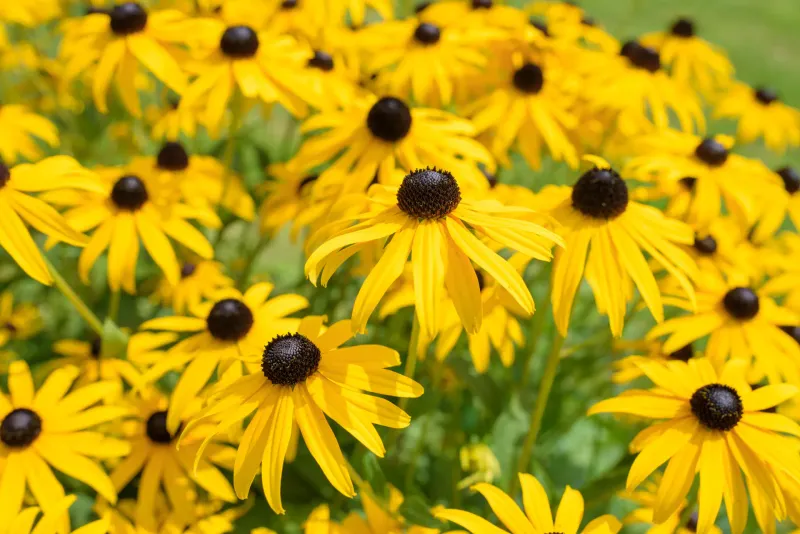
North Carolina summers can be brutally hot and dry, especially in the central and western parts of the state.
Many garden flowers struggle when the rain stops and temperatures climb into the 90s, but Black-Eyed Susans just keep on blooming.
Once their roots are established in the ground, these plants can handle serious heat and drought without skipping a beat, which means they stay healthy long enough to produce a full crop of seeds every season.
A plant that wilts and fades early in the summer does not get much chance to mature its seed heads.
Black-Eyed Susans, however, keep their blooms going well into fall, giving every flower head plenty of time to develop hundreds of viable seeds.
That extended, stress-resistant growing period is a major reason so many seeds end up in the soil each year across North Carolina gardens.
For gardeners who do not have time to water constantly, this drought tolerance is a genuine gift.
You can plant a patch of Black-Eyed Susans, give them a good drink while they are getting established in spring, and then mostly leave them alone.
They will reward your low-maintenance approach with a stunning show of yellow blooms and a generous supply of seeds ready to carry the garden forward into the next growing season.
6. Birds Help Spread Seeds Across The Yard
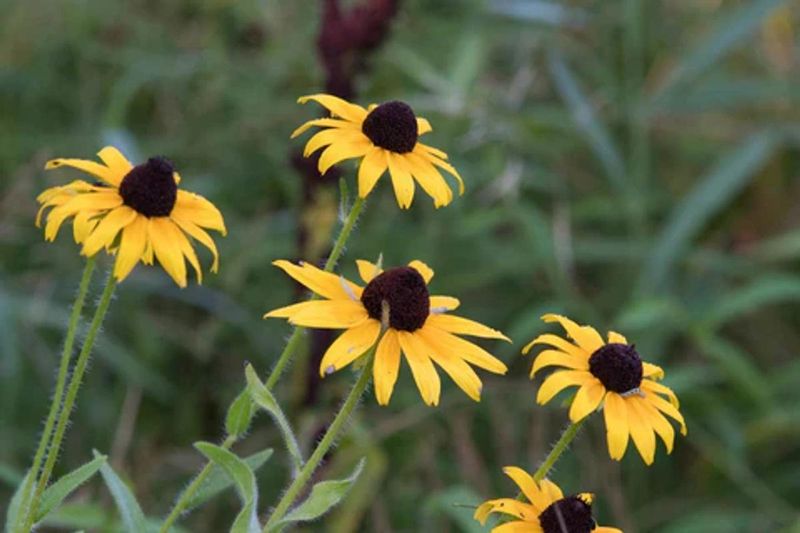
American goldfinches absolutely love Black-Eyed Susan seeds, and watching them cling to the seed heads in fall is one of the real joys of having these flowers in a North Carolina garden.
What makes this relationship so interesting from a gardening perspective is that birds are surprisingly messy eaters.
They drop seeds as they feed, carry them to other perches, and inadvertently plant new flowers all around the yard.
Other bird species visit the seed heads too, including finches, sparrows, and even chickadees.
Each bird that stops by for a snack has a chance of transporting seeds to a new location before they are fully consumed.
Over the course of a single fall season, dozens of birds can collectively move seeds to spots you never would have thought to plant yourself, creating a naturally scattered, wildflower-meadow effect throughout your North Carolina garden.
Encouraging birds to visit your garden is easy and rewarding. Leaving seed heads standing through winter instead of cutting them back is the single best thing you can do to attract more birds and encourage more reseeding.
Adding a birdbath or a simple brush pile nearby gives birds a reason to linger longer, which only increases the chances of seeds getting spread to new ground. It is a simple, natural system that works beautifully with almost no effort on your part.
7. Low Maintenance Means More Seeds Survive
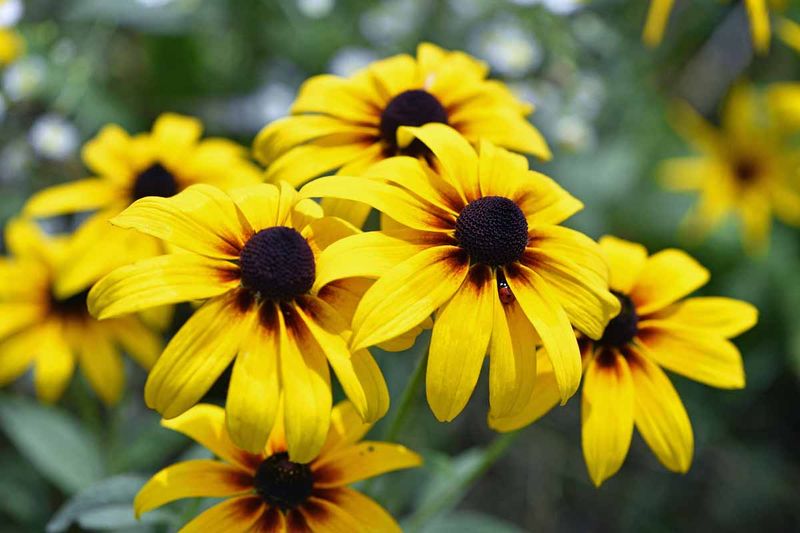
Gardening is a lot more fun when your plants do not need constant attention, and Black-Eyed Susans are practically the definition of low maintenance.
They have very few serious pest problems, they rarely need fertilizing, and they do not require deadheading to keep blooming.
All of that adds up to a plant that stays healthy and productive throughout the entire growing season without demanding much from the gardener.
When a plant is low maintenance, more of its energy goes into producing seeds rather than fighting off stress, disease, or insect damage. A stressed plant often drops seeds early or produces seeds that are not fully viable.
Black-Eyed Susans in North Carolina gardens, by contrast, tend to complete their full reproductive cycle year after year, churning out thousands of strong, viable seeds that are ready to germinate when conditions are right.
For busy gardeners across North Carolina who want beautiful results without a lot of work, these flowers are a perfect fit.
You can plant them in a sunny spot with decent soil, water them through their first summer, and then step back and let them do their thing.
Over time, a single plant becomes a spreading colony of cheerful yellow blooms that fills more of your garden each year, almost entirely on its own terms and timeline.
8. A Long Blooming Season Fuels Pollination
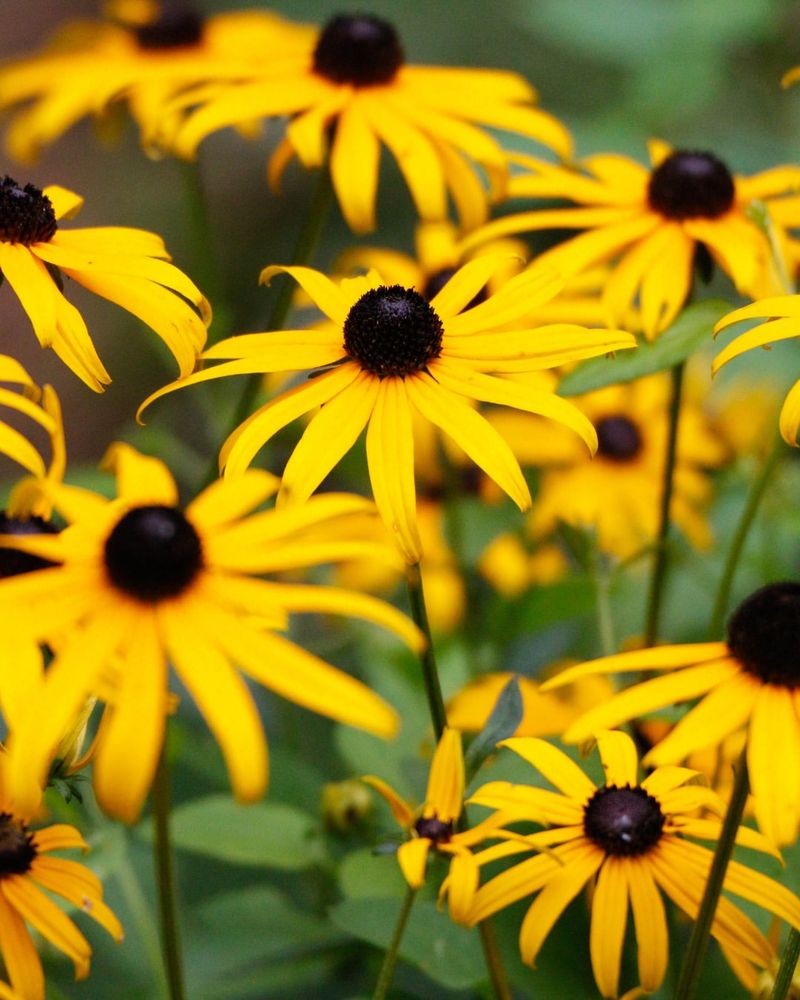
Black-Eyed Susans start blooming in early summer and keep going strong well into fall, giving pollinators an unusually long window to visit and transfer pollen between flowers.
More successful pollination means more fertilized seeds, and more fertilized seeds means a bigger crop of viable seeds ready to drop into the soil when the season winds down.
It is a simple numbers game, and the long bloom period tips the odds heavily in favor of successful reseeding.
North Carolina is home to a rich variety of native bees, butterflies, and other pollinators that are active from spring through late autumn.
The extended bloom season of Black-Eyed Susans means these pollinators have access to the flowers across multiple months, not just a short window like many other garden plants.
That consistent pollinator traffic keeps seed production running at full capacity for a much longer stretch of the growing season.
Planting Black-Eyed Susans alongside other native North Carolina wildflowers creates a pollinator-friendly garden that buzzes with activity from May through October. The more pollinators you attract to your yard, the better the seed set on every flower head.
It is a wonderfully connected system where helping one part of the garden ecosystem strengthens everything around it, making your entire yard more productive, more beautiful, and more alive with color and movement every single year.
9. Deer And Rabbits Leave Them Alone
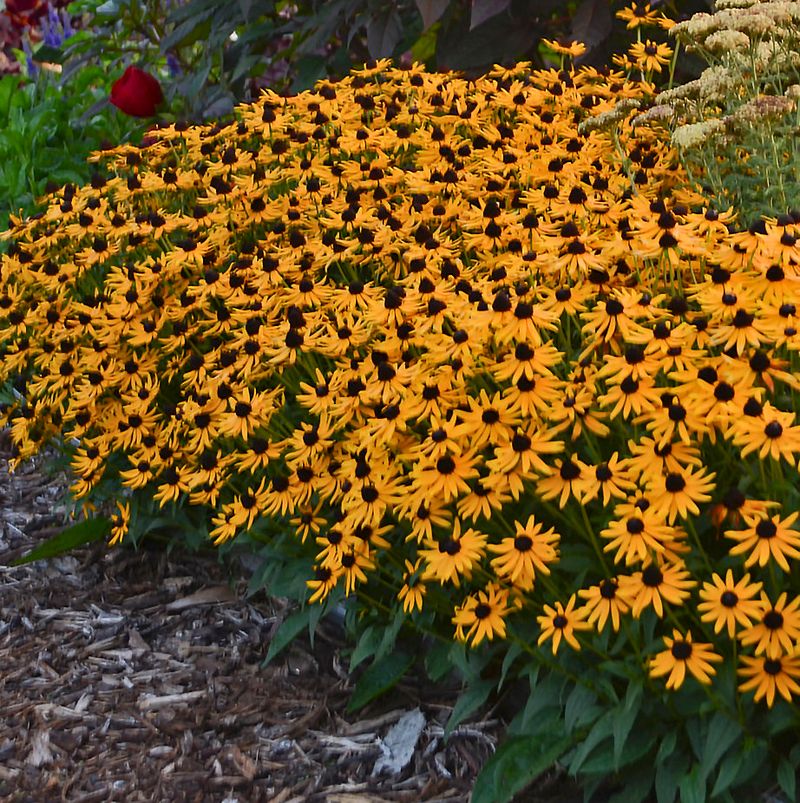
Few things are more frustrating than watching animals munch through your carefully planted garden before the flowers even get a chance to bloom.
Fortunately, Black-Eyed Susans have a natural resistance that makes deer and rabbits steer clear of them most of the time.
The slightly rough texture of their leaves and stems seems to discourage browsing, which means the plants stay intact long enough to complete their full seed production cycle. In many parts of North Carolina, deer pressure on gardens is a real and constant challenge.
Gardeners in rural areas and suburban neighborhoods near wooded edges know how quickly a hungry deer can strip a flower bed overnight.
Having plants that deer tend to avoid is incredibly valuable, and Black-Eyed Susans earn high marks on that front.
When the plants are not being nibbled down, they reach full maturity and produce their maximum seed output every season.
Rabbits are another common garden visitor across North Carolina, especially in spring when young seedlings are tender and vulnerable.
Black-Eyed Susan seedlings are generally less appealing to rabbits than many other plants, which gives them a better survival rate from germination through establishment.
More seedlings surviving means more plants producing seeds the following year, creating a reliable self-sustaining cycle that keeps your garden full of these gorgeous golden flowers with very little interference from wildlife.
10. They Naturalize Across Many Habitats
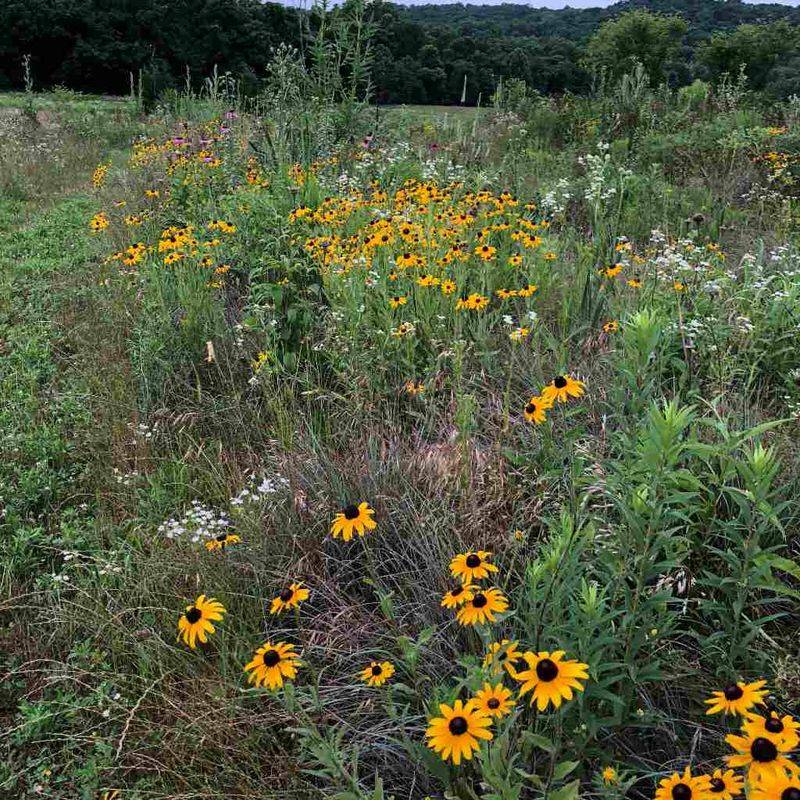
Black-Eyed Susans are not picky about where they set up home. You can find them growing along roadsides, in open meadows, on the edges of woodlands, and tucked into garden borders all across North Carolina.
This ability to naturalize in so many different habitats is a huge reason why their seeds keep finding success wherever they land.
A seed that falls onto open ground, whether in a manicured garden or a rough roadside strip, has a real shot at sprouting and thriving. North Carolina’s diverse landscape gives these flowers plenty of room to spread.
From the coastal plain to the Piedmont plateau and up into the Blue Ridge foothills, Black-Eyed Susans show up and make themselves at home in the local environment.
They are native to much of the eastern United States, so the soil, climate, and ecological conditions across North Carolina are already well matched to their natural preferences.
For gardeners who want a more relaxed, naturalistic approach to their outdoor space, Black-Eyed Susans are the perfect starting point.
Plant a small patch in a sunny corner and give it a season or two to get comfortable.
Before long, you will notice new plants popping up in the lawn edges, along fence rows, and in nearby garden beds as the seeds travel and settle into every available patch of open ground around your North Carolina yard.