Here’s How To Fertilize Hydrangeas Before Pennsylvania Spring For Better Blooms
Hydrangeas are one of the most beloved garden plants in Pennsylvania, thanks to their big, showy blooms and long-lasting color. If you want them to look their best when spring arrives, giving them the right nutrients before the growing season is key.
Fertilizing at the right time helps hydrangeas develop stronger roots, healthier foliage, and more vibrant flowers once warmer weather hits.
Early spring is a critical window for these shrubs. Applying fertilizer too late can lead to weaker growth or fewer blooms, while the right approach ensures your hydrangeas are ready to thrive.
Different types of hydrangeas also respond better to specific nutrient mixes, so choosing the proper fertilizer can make a noticeable difference.
By preparing your hydrangeas now, you set the stage for a garden full of lush green leaves and colorful flowers that last throughout the season. A little early care goes a long way toward creating stunning blooms in Pennsylvania gardens.
1. Why Early Spring Fertilizing Matters For Hydrangeas In Pennsylvania?
Pennsylvania winters are no joke. After months of freezing temperatures, heavy snowfall, and hard frosts, hydrangeas spend the cold season in full dormancy.
During that time, the soil loses a lot of its nutrients, and the plants wake up in spring running on empty. That is exactly why early spring fertilizing is such a game-changer for Pennsylvania gardeners.
When you feed your hydrangeas before active growth kicks in, you are setting the table before the guests arrive. The roots begin absorbing nutrients as soon as the soil warms up, so having fertilizer ready means the plant has fuel the moment it needs it most.
Strong early feeding leads to stronger stems, fuller leaves, and more flower buds forming on the branches.
Timing really does matter here. If you wait too long and fertilize after the plant is already leafing out heavily, you risk pushing too much leafy growth instead of encouraging blooms.
Pennsylvania gardeners in different parts of the state, from Philadelphia to Pittsburgh, may see soil thaw at slightly different times, so pay attention to your local conditions rather than just the calendar.
Preparing the soil before the plant fully wakes up gives those nutrients time to settle in and become available at the root level. Think of it like preloading energy before a big race.
Your hydrangeas have been resting all winter, and a well-timed fertilizer application in early spring gives them the boost they need to come back stronger, healthier, and ready to produce the most beautiful blooms of the season.
2. Identify Your Hydrangea Type Before Fertilizing
Not every hydrangea in your Pennsylvania yard is the same, and that matters a lot when it comes to fertilizing. Different varieties have different growth habits, different bloom cycles, and different responses to nutrients.
Getting this step right can save you from accidentally overfeeding your plants or applying the wrong type of fertilizer at the wrong time.
Bigleaf hydrangeas, also called Hydrangea macrophylla, are one of the most popular types in Pennsylvania. They bloom on old wood, meaning the flower buds formed last season.
Your Pennsylvania Garden Changes Every Week. Your Plan Should Too.
Gardening in Pennsylvania changes quickly throughout the season. Every Friday you’ll receive a simple weekly plan showing exactly what to plant, prune, fertilize, harvest, and protect so you never miss the right timing.
If you over-fertilize these with nitrogen, you end up with lots of green leaves but very few flowers. Panicle hydrangeas, on the other hand, bloom on new wood and tend to be the toughest variety for Pennsylvania’s climate.
They handle fertilizer well and bounce back quickly after harsh winters.
Smooth hydrangeas, like the popular Annabelle variety, also bloom on new wood and are incredibly forgiving. They are a great choice for gardeners across Pennsylvania who want reliable blooms even after rough winters.
Oakleaf hydrangeas are another old-wood bloomer and prefer slightly different soil conditions, doing best with organic-rich, well-draining soil.
Once you know your variety, you can tailor your fertilizing plan to match what that specific plant needs. Old-wood bloomers need a lighter hand with nitrogen, while new-wood bloomers can handle a bit more feeding.
Checking the tag when you buy a new plant, or doing a quick search with the plant’s features, can help you figure out exactly what you are growing.
Knowing your variety is the smartest first step any Pennsylvania gardener can take before opening that bag of fertilizer.
3. Choose The Right Fertilizer For Healthy Growth And Blooms
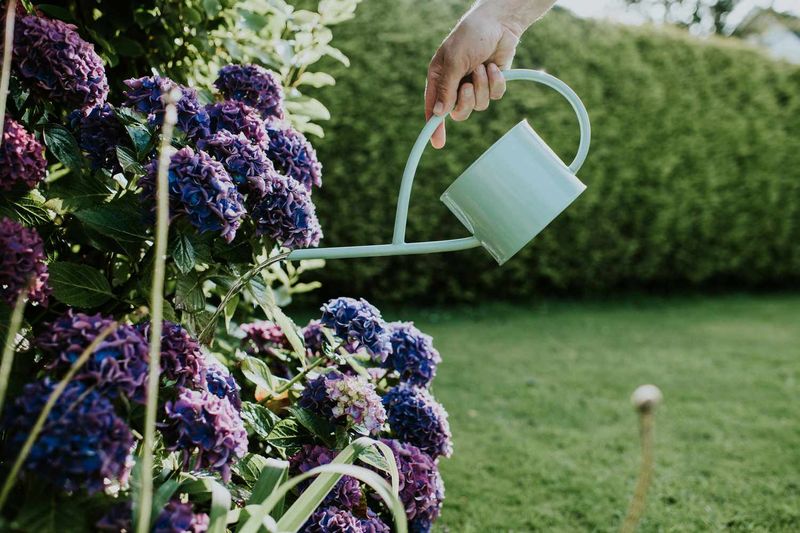
Walk into any garden center in Pennsylvania and you will find an entire wall of fertilizer options. It can feel overwhelming, but the good news is that choosing the right one for hydrangeas does not have to be complicated.
A balanced slow-release fertilizer with an NPK ratio of 10-10-10 or 12-4-8 works really well for most hydrangea varieties. These numbers tell you the percentage of nitrogen, phosphorus, and potassium in the mix.
Nitrogen helps the plant grow leaves and stems. Phosphorus is the nutrient most connected to flower development, which is why you want to make sure your fertilizer has a decent amount of it.
Potassium supports overall plant health and helps roots stay strong. If you grab a fertilizer that is super high in nitrogen and low in phosphorus, you are likely to end up with a beautifully leafy plant that barely blooms.
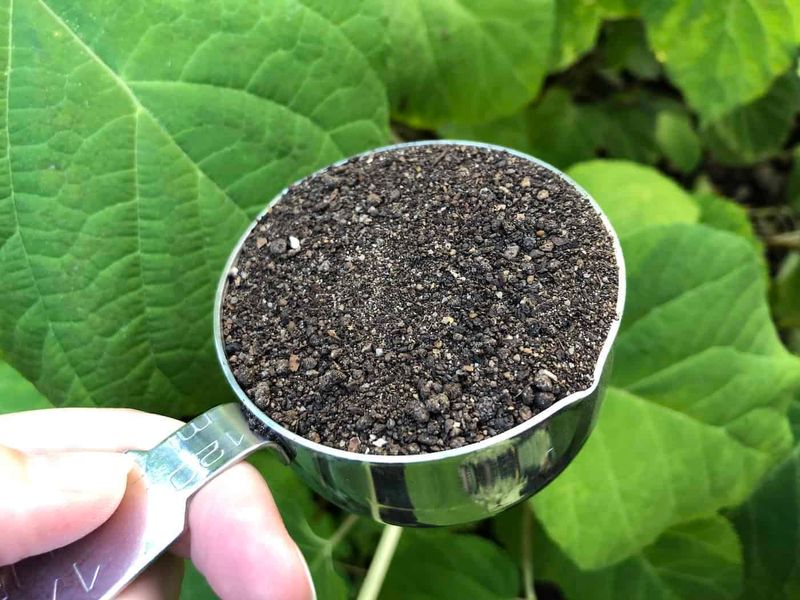
That is a frustrating result after a long Pennsylvania winter. Organic options are also worth considering. Compost, aged manure, and worm castings are fantastic for improving Pennsylvania soil over time.
They release nutrients slowly and also help improve soil texture and water retention. Mixing compost into the soil around your hydrangeas each spring is one of the best long-term habits you can build as a gardener.
Avoid fertilizers that are labeled as lawn fertilizers or anything with a very high first number, since those tend to be nitrogen-heavy. Hydrangeas respond much better to balanced or bloom-boosting formulas.
Reading the label carefully before you buy is a simple habit that can make a real difference in how well your Pennsylvania hydrangeas perform all season long.
4. When Pennsylvania Gardeners Should Apply Fertilizer?
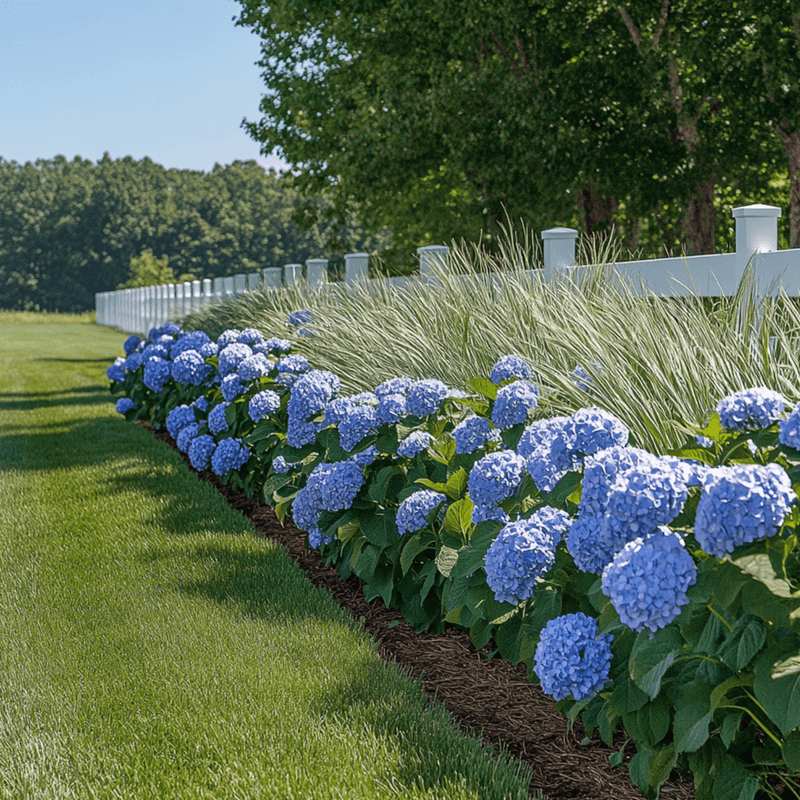
Timing your fertilizer application correctly is just as important as choosing the right product. For most Pennsylvania gardeners, the sweet spot is early spring, somewhere between late March and early April.
That said, the exact timing can vary depending on where you live in the state. Gardeners in southeastern Pennsylvania near Philadelphia may see earlier soil thaw, while those in the northern or western parts of the state might need to wait a bit longer.
A good rule of thumb is to wait until the soil has fully thawed and you can see small signs of new growth beginning on your hydrangeas. Tiny green buds swelling on the stems are a great signal that the plant is waking up and ready to receive nutrients.
Applying fertilizer to frozen or still-dormant plants does not help much because the roots are not actively absorbing anything yet. You want nutrients in the ground right as the plant starts to move.
Soil temperature is another helpful guide. Hydrangeas respond well to fertilizing when soil temps are consistently around 50 to 54 degrees Fahrenheit.
You can pick up an inexpensive soil thermometer at most garden centers across Pennsylvania, and it takes the guesswork out of timing.
A second light feeding in late spring, around May or early June, can give your hydrangeas an extra boost as they head into their main growing period. However, stop fertilizing by late July at the latest.
Feeding too late in the season encourages soft, tender new growth that cannot harden off before Pennsylvania’s cold temperatures return in fall, leaving the plant vulnerable heading into winter.
5. How To Apply Fertilizer The Right Way?
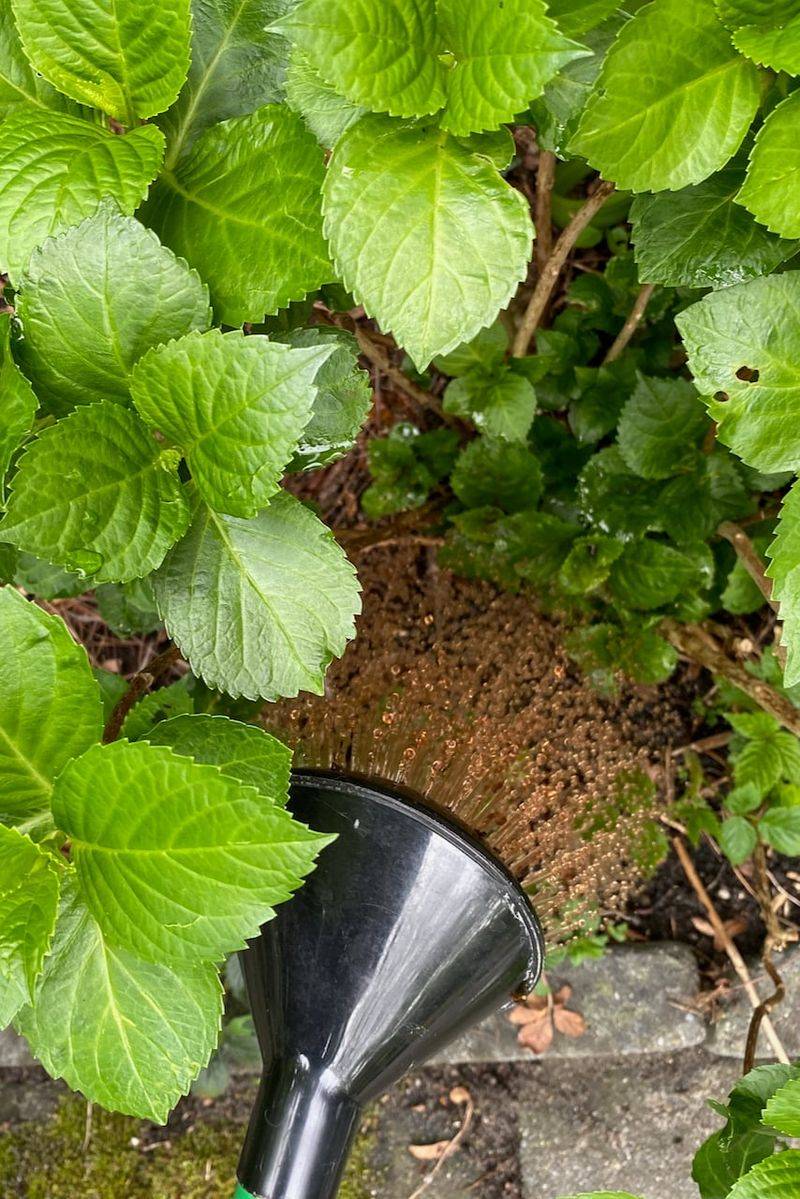
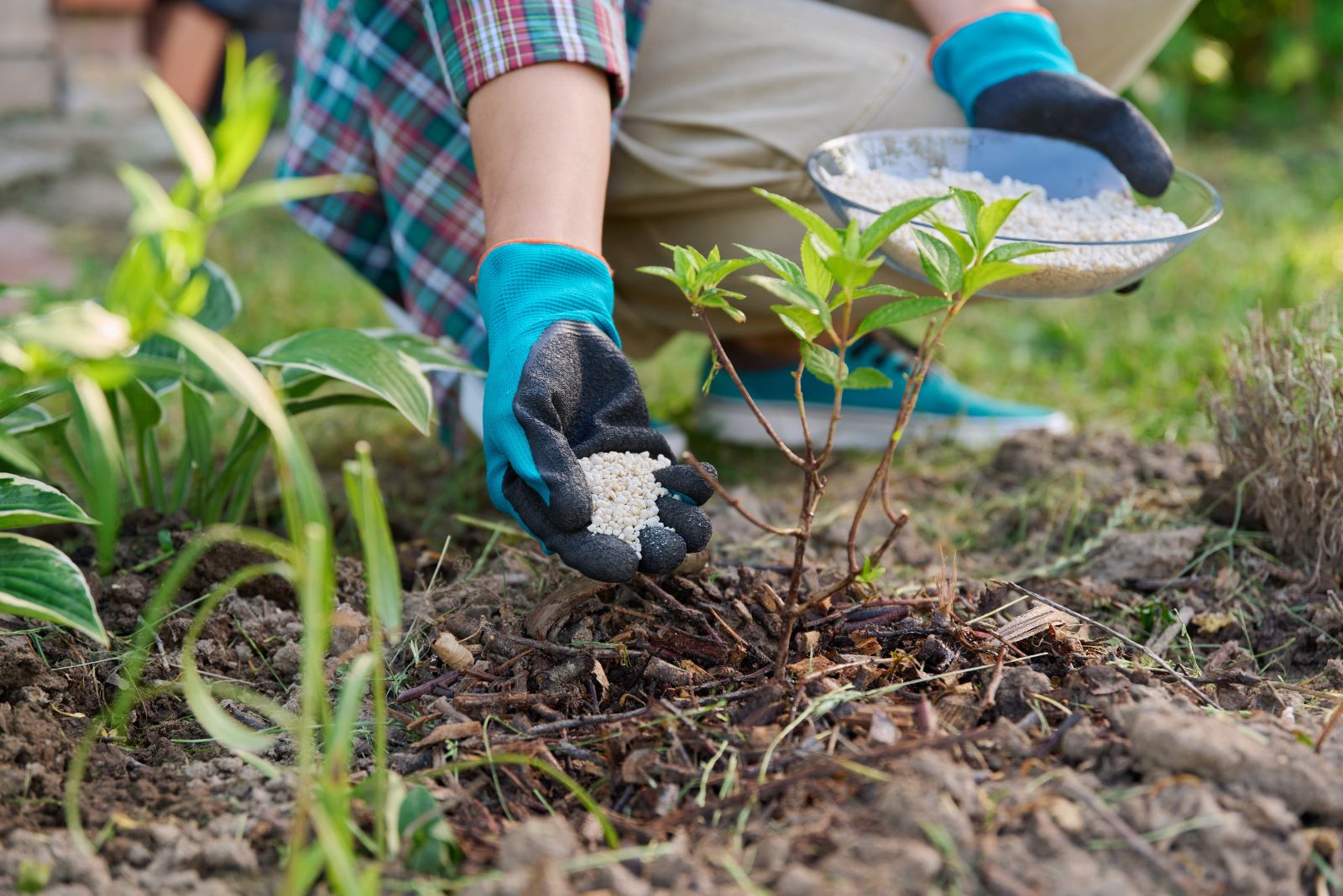
Even the best fertilizer will not do much good if it is applied the wrong way. One of the most common mistakes Pennsylvania gardeners make is dumping fertilizer right up against the base of the plant.
That can actually stress the roots and cause more harm than good. Instead, spread the fertilizer evenly around the drip line, which is the area on the ground directly beneath the outermost edges of the plant’s branches.
That is where the feeder roots are most active. For a general guideline, use about one tablespoon of granular fertilizer per foot of shrub height.
A larger, more established hydrangea might need around two cups of granular fertilizer spread evenly in a circle.
Always follow the instructions on your specific product label, since rates can vary between brands and formulas. Using too much fertilizer is a real risk, and more is definitely not better when it comes to feeding hydrangeas.
Water your hydrangeas thoroughly before applying granular fertilizer, and then water again right after. This helps the nutrients move down into the soil where the roots can reach them.
It also reduces the risk of root burn, which can happen when concentrated fertilizer sits too close to dry roots.
After fertilizing, lay down a fresh layer of mulch around the base of the plant, keeping it a few inches away from the main stems. Mulch helps retain soil moisture, regulates temperature, and continues to improve soil quality as it breaks down over time.
For hydrangeas growing in containers across Pennsylvania, use a diluted liquid fertilizer instead of granules to avoid salt buildup in the potting mix, which can damage roots over time.
6. Extra Tips For Bigger Hydrangea Blooms This Season
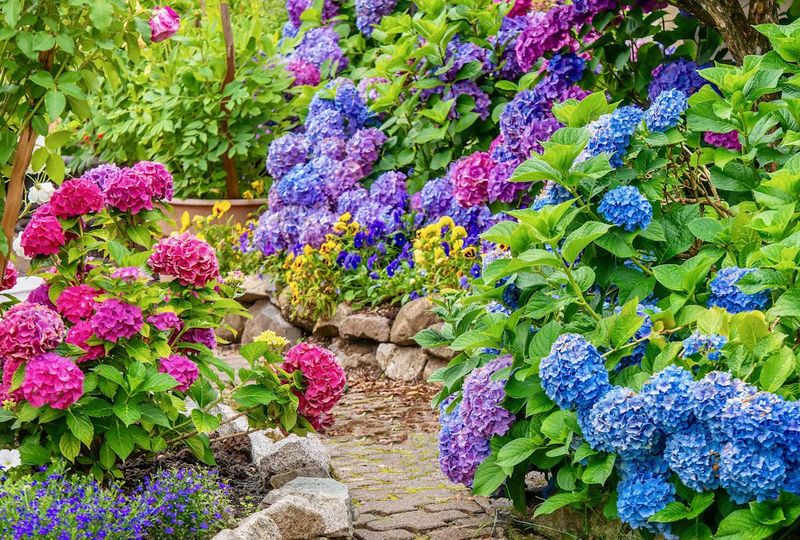
You have done the hard work of fertilizing correctly, but a few extra steps can push your Pennsylvania hydrangeas from good to absolutely spectacular this season. Consistent moisture is one of the biggest factors in bloom size and quality.
Hydrangeas are thirsty plants, and as Pennsylvania temperatures warm up through May and June, the soil can dry out faster than you might expect.
Water deeply a few times per week rather than giving a little water every day, since deep watering encourages roots to grow down into the soil.
Adding compost to your garden beds every spring is one of those habits that pays off more and more each year. Pennsylvania soils can vary a lot depending on your region, and compost helps improve both sandy and clay-heavy soils over time.
A two-inch layer of compost worked gently into the top of the soil around your hydrangeas each spring builds long-term soil health that no bag of fertilizer can fully replace on its own.
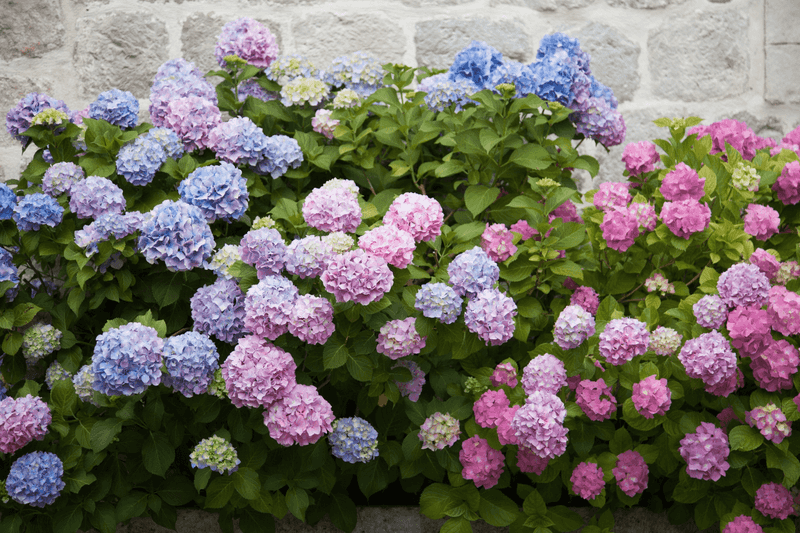
If you are growing bigleaf hydrangeas and want to influence bloom color, testing your soil pH is a smart move. Acidic soil with a pH around 5.5 tends to produce blue flowers, while more alkaline soil around 6.5 or higher pushes blooms toward pink.
Soil pH test kits are easy to find at Pennsylvania garden centers and home improvement stores.
Late spring frosts are a real concern across Pennsylvania, especially in higher elevation areas. Keep an eye on the forecast through April and into early May.
If a frost is predicted, cover your emerging hydrangea growth with a lightweight frost cloth overnight. Protecting those early buds means more flowers come summer, and that is the whole goal.