9 Climbing Plants That Will Cover Pennsylvania Fences In A Flash
Have you ever looked at a plain fence and wished it could turn into a wall of greenery? In Pennsylvania gardens, climbing plants can make that happen faster than most people expect.
With the right varieties, a simple wooden or metal fence can transform into a lush backdrop filled with leaves, flowers, and movement.
Climbing plants are perfect for gardeners who want quick results without taking up valuable ground space. Many grow upward and outward at an impressive pace, covering bare structures while adding color and texture to the yard.
Some produce beautiful blooms, while others offer thick foliage that creates a living screen.
These plants also bring extra life to your outdoor space. Birds, butterflies, and pollinators often visit once vines begin to spread.
With a little support and the right placement, your fence can go from ordinary to vibrant in just a single growing season.
1. Trumpet Vine
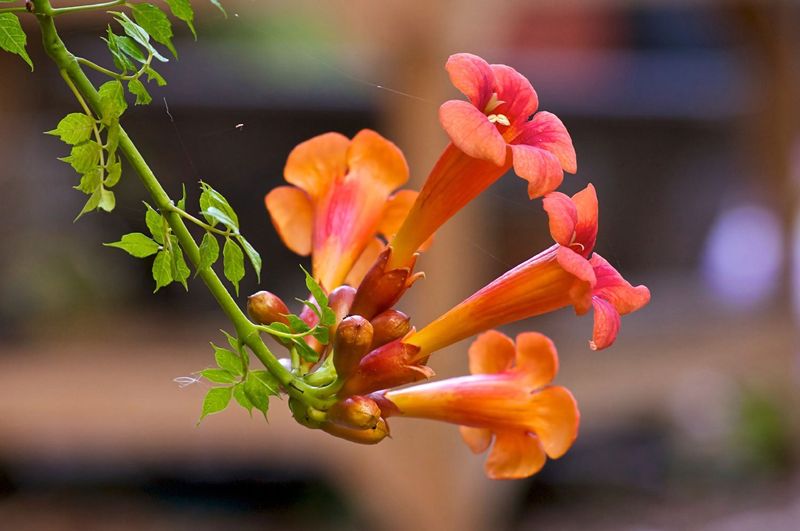
Few plants put on a show quite like the Trumpet Vine. Known scientifically as Campsis radicans, this bold native climber bursts into bloom with bright orange, red, and yellow trumpet-shaped flowers that are absolutely impossible to ignore.
Hummingbirds go crazy for it, which makes it a double win for any Pennsylvania yard. Trumpet Vine grows incredibly fast. In just one season, it can send long, reaching stems across a fence, covering large sections with thick, dark green foliage.
It attaches itself using small aerial rootlets, so it clings to wood, metal, and stone fences without much help from you.
One thing to keep in mind is that this plant is a powerhouse. It can spread aggressively if left unchecked, so pruning once or twice a year will keep it from taking over.
Plant it in full sun for the best blooms. It handles Pennsylvania’s hot summers and cold winters like a champ, bouncing back strong every spring.
Give it a sturdy fence because Trumpet Vine gets heavy with age. With a little management, it rewards you with years of stunning flowers and wildlife activity that makes your garden feel truly alive.
2. Virginia Creeper
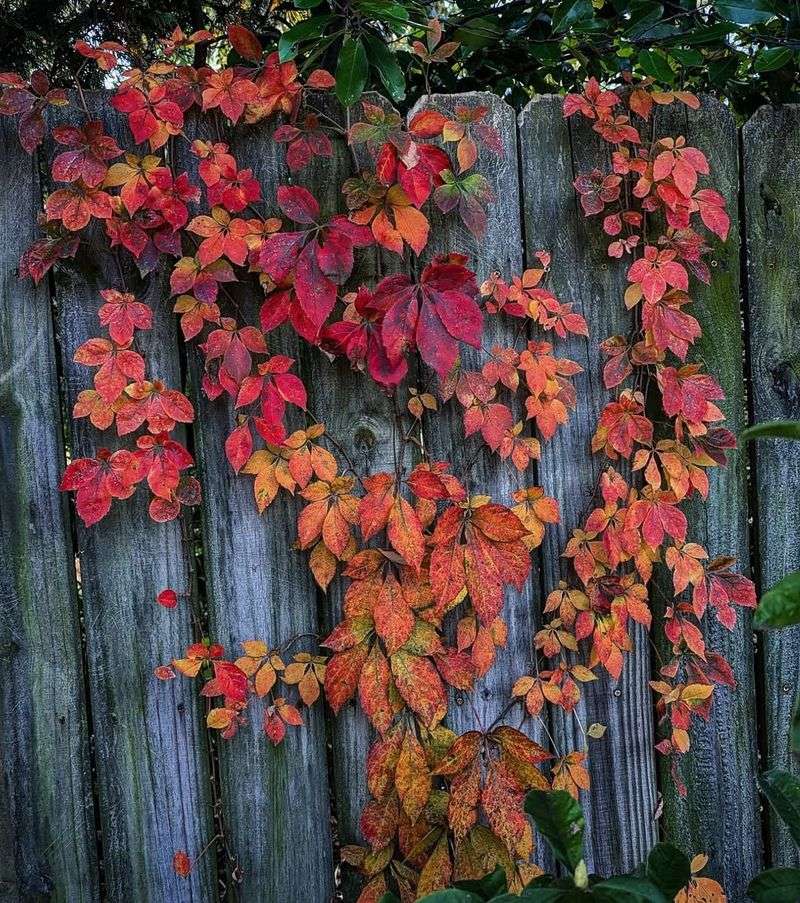
Virginia Creeper is one of Pennsylvania’s most beloved native vines, and it earns that love every single season.
During spring and summer, it drapes fences in a rich carpet of deep green, five-leafed foliage that feels lush and full. Then, when fall rolls around in Pennsylvania, something magical happens.
The leaves turn a fiery, brilliant red that stops people in their tracks. Few plants offer that kind of seasonal drama without any extra effort from the gardener. It is truly a plant that earns its spot on your fence all year long.
Virginia Creeper climbs using tiny adhesive discs at the tips of its tendrils. These discs grip surfaces tightly, so the vine clings to wood, brick, and chain-link fences with ease.
It can grow 20 to 30 feet long, making it one of the fastest and most thorough fence coverers you will find in Pennsylvania.
It tolerates shade, sun, dry soil, and wet soil, which makes it one of the most adaptable vines available. Birds also love the small blue-black berries it produces in fall. Plant it once and it will reward you season after season with almost no maintenance at all.
Your Pennsylvania Garden Changes Every Week. Your Plan Should Too.
Gardening in Pennsylvania changes quickly throughout the season. Every Friday you’ll receive a simple weekly plan showing exactly what to plant, prune, fertilize, harvest, and protect so you never miss the right timing.
3. Clematis
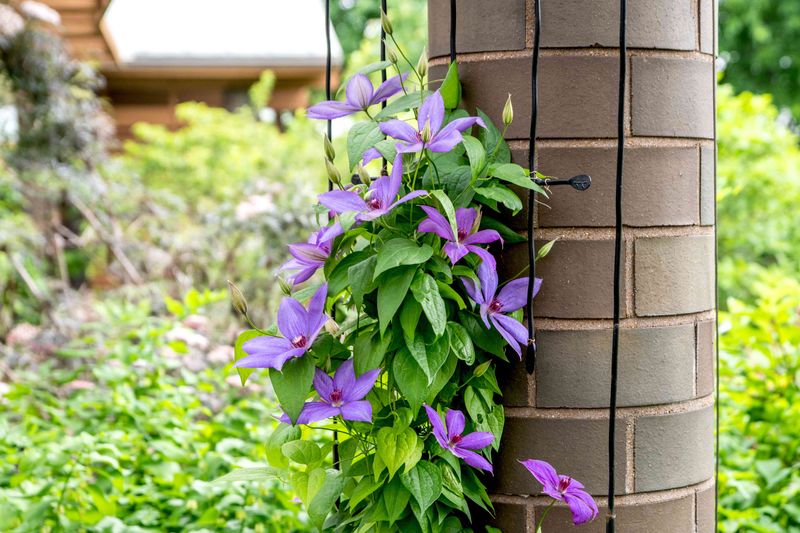
Gardeners around the world call Clematis the queen of climbers, and once you see it in bloom, you will understand why.
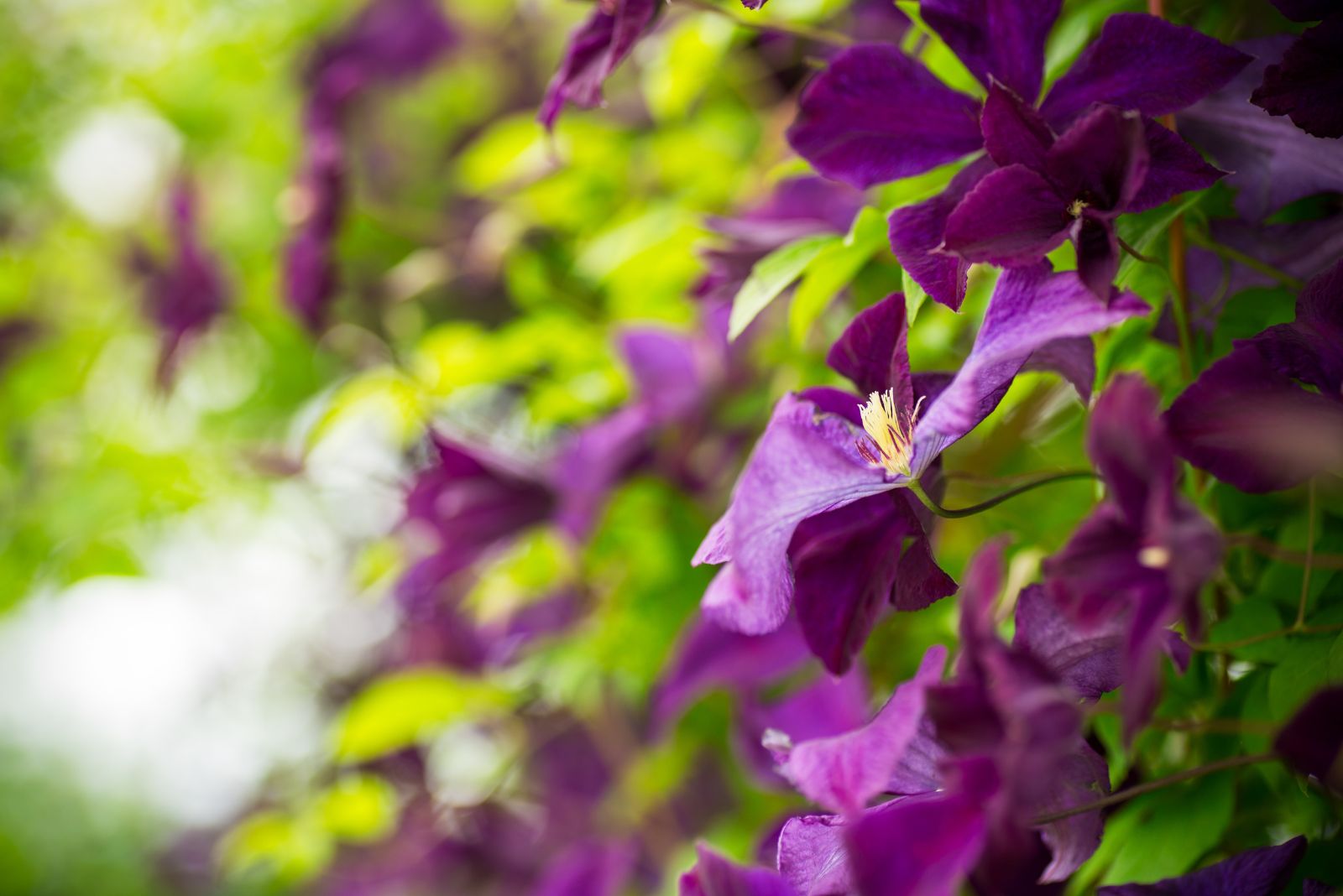
It produces some of the most stunning flowers of any vine, with colors ranging from deep purple and lavender to soft pink, bright white, and electric blue. A Pennsylvania fence covered in Clematis is a jaw-dropping sight.
There are hundreds of Clematis varieties to choose from, and many of them grow quickly when given the right support.
Clematis climbs by wrapping its leaf stems around a trellis, fence wire, or thin rails. Installing a simple wire grid on your fence gives it plenty to grab onto.
Most varieties prefer full sun to partial shade, which means Pennsylvania’s mix of sunny and partly cloudy days suits them well.
Plant the roots in a shaded spot while the top of the plant reaches for sunlight. A layer of mulch around the base keeps the roots cool and moist.
Pruning rules vary by variety, so check the tag when you buy. Some are pruned in early spring, others right after their first bloom.
With a little know-how, Clematis will reward you with waves of gorgeous color from late spring all the way into fall.
4. Climbing Hydrangea
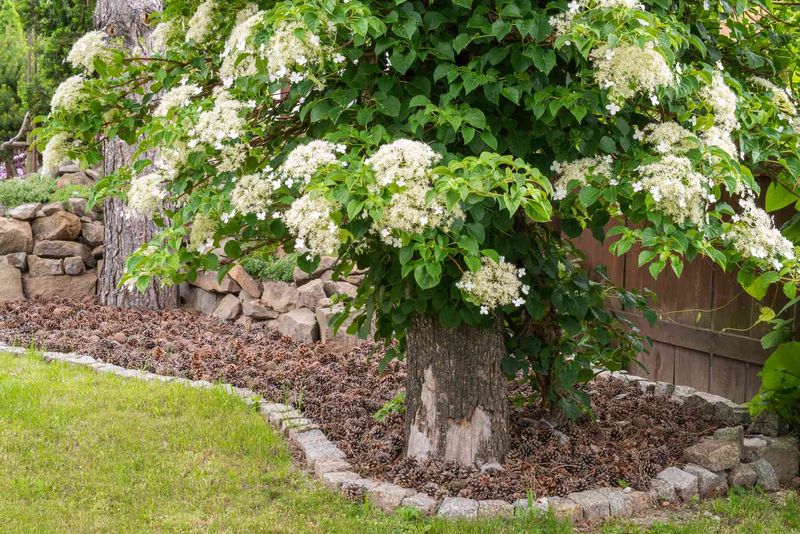
Slow and steady wins the race, and Climbing Hydrangea is proof of that. It takes a year or two to really get established, but once it does, watch out.
This vine becomes a powerhouse, covering large fences and walls with thick, woody stems and broad, glossy green leaves that look stunning all season long.
In early summer, it bursts into bloom with flat clusters of fragrant white flowers called lacecaps. The flowers are delicate and elegant, giving your fence a romantic, cottage-garden feel.
Even after the blooms fade, the peeling, cinnamon-colored bark adds winter interest when everything else looks bare.
Climbing Hydrangea is one of the few vines that actually thrives in shade. If your Pennsylvania fence gets limited sunlight, this is your go-to choice.
It attaches itself to surfaces using aerial rootlets, so it grips wood, stone, and brick fences firmly without needing ties or trellises.
It handles Pennsylvania winters without any trouble and comes back reliably every spring. Once established, it needs very little care beyond occasional pruning to keep it tidy.
For gardeners who want a long-lived, low-maintenance vine with serious wow factor, Climbing Hydrangea is a plant you will never regret adding to your yard.
5. Honeysuckle
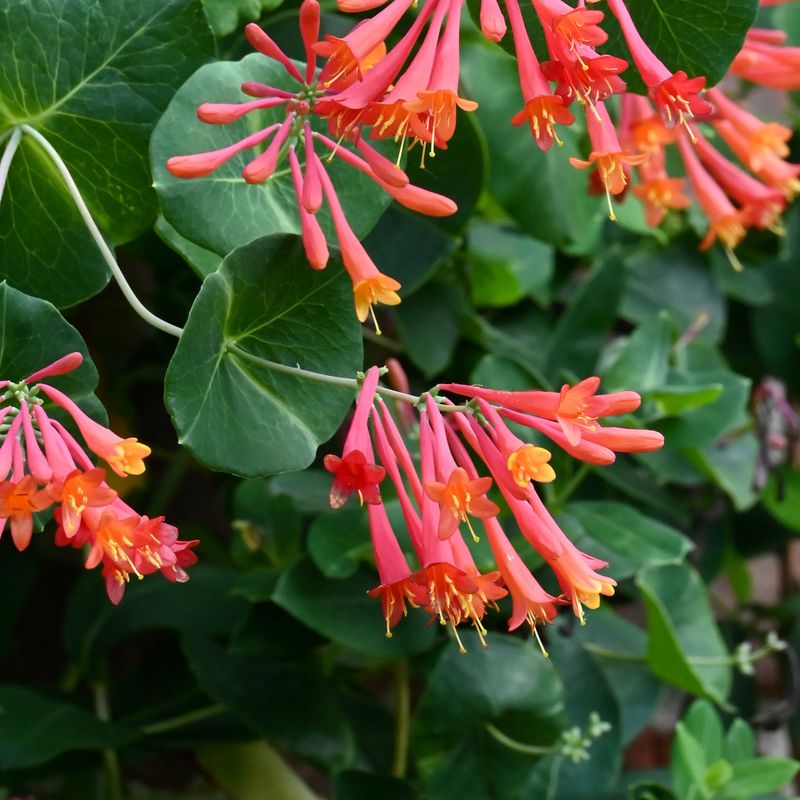
There is something deeply nostalgic about Honeysuckle. The sweet, rich fragrance of its tubular flowers drifting through a warm Pennsylvania evening is the kind of scent that takes you straight back to childhood summers.
It is one of those plants that makes a garden feel truly special the moment it starts blooming.
Honeysuckle vines grow vigorously and cover fences with dense, twining stems and oval leaves. The flowers come in shades of yellow, white, orange, and pink depending on the variety.
Hummingbirds, bees, and butterflies are drawn to them constantly, turning your fence into a buzzing, fluttering wildlife corridor all summer long.
Native varieties like Lonicera sempervirens, also called Coral Honeysuckle, are excellent choices for Pennsylvania gardeners. They are well-behaved, meaning they will not spread aggressively the way the invasive Japanese Honeysuckle does.
Always choose native or non-invasive varieties to keep your garden and the local ecosystem happy.
Plant Honeysuckle in full sun to partial shade and give it a trellis or fence rail to twine around. It grows fast, tolerates a range of soil types, and bounces back reliably after Pennsylvania winters.
With very little effort, it delivers months of fragrant, colorful blooms that you and your local wildlife will absolutely love.
6. Sweet Autumn Clematis
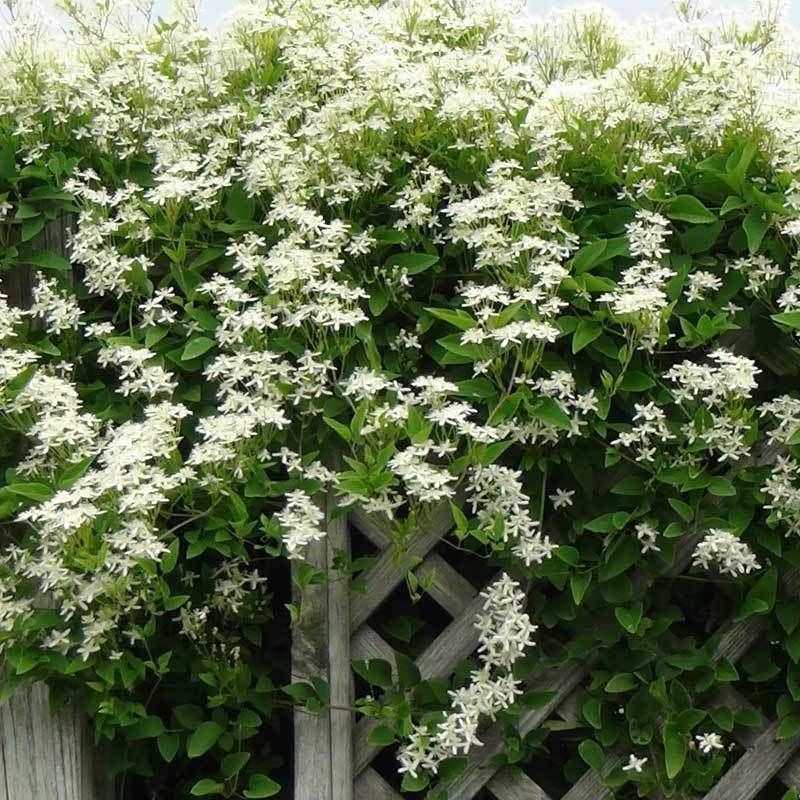
When late summer arrives and most flowering plants are winding down, Sweet Autumn Clematis is just getting started.
This fast-growing vine explodes into a frothy cloud of tiny, star-shaped white flowers in August and September, right when your Pennsylvania garden needs a burst of life the most.
The flowers carry a light, sweet fragrance that floats through the air on warm fall afternoons.
Sweet Autumn Clematis is one of the quickest fence coverers you will find. It can grow 20 to 30 feet in a single season, sending long, twining stems racing across fences, trellises, and arbors.
The dense green foliage fills in beautifully before the flowers even arrive, giving you great coverage all summer.
One heads-up for Pennsylvania gardeners: this plant self-seeds enthusiastically. Deadheading the spent flowers before they go to seed will prevent unwanted seedlings from popping up all over your yard.
A little extra attention in fall saves you a lot of weeding the following spring.
It grows best in full sun and well-drained soil. Cut it back hard in late winter and it will regrow quickly from the base.
For gardeners who want dramatic late-season coverage with very little fuss, Sweet Autumn Clematis is a fantastic and reliable choice.
7. American Wisteria
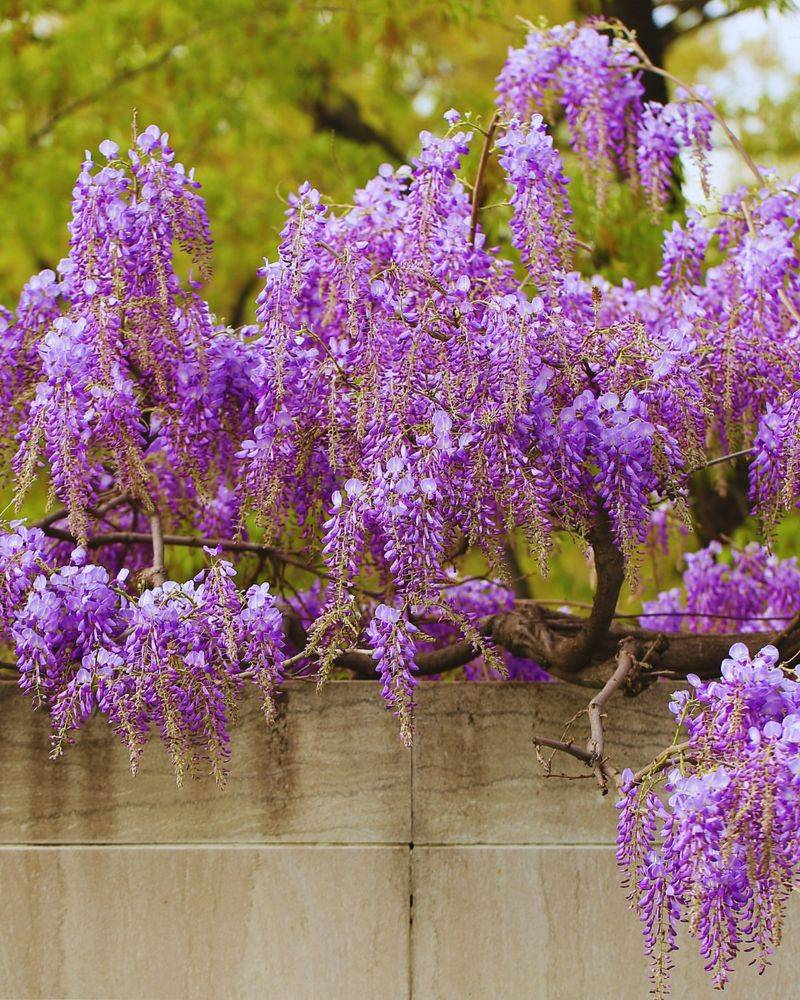
Wisteria has a reputation for being wild and hard to control, but American Wisteria plays by slightly better rules.
Unlike its aggressive Asian cousins, Wisteria frutescens, the native American species, is more manageable while still producing those breathtaking cascades of purple flower clusters that make this vine one of the most dramatic plants in any garden.
In spring, the blooms hang down in long, grape-like clusters that fill the air with a gentle, sweet fragrance. Bees absolutely adore the flowers, and a blooming American Wisteria is one of the most pollinator-friendly plants you can grow in Pennsylvania.
The twining stems and bright green, compound leaves look attractive all season even when not in bloom.
Plant it in full sun for the most abundant flowering. American Wisteria needs a very strong support structure because the stems become thick and heavy over the years.
A sturdy wooden or metal fence works well, but make sure it is built to handle the weight as the plant matures.
Regular pruning, done twice a year in summer and late winter, keeps it from overwhelming nearby plants.
With the right support and a little seasonal trimming, American Wisteria rewards Pennsylvania gardeners with decades of spectacular spring color and a fence that looks like something out of a storybook.
8. Scarlet Runner Bean
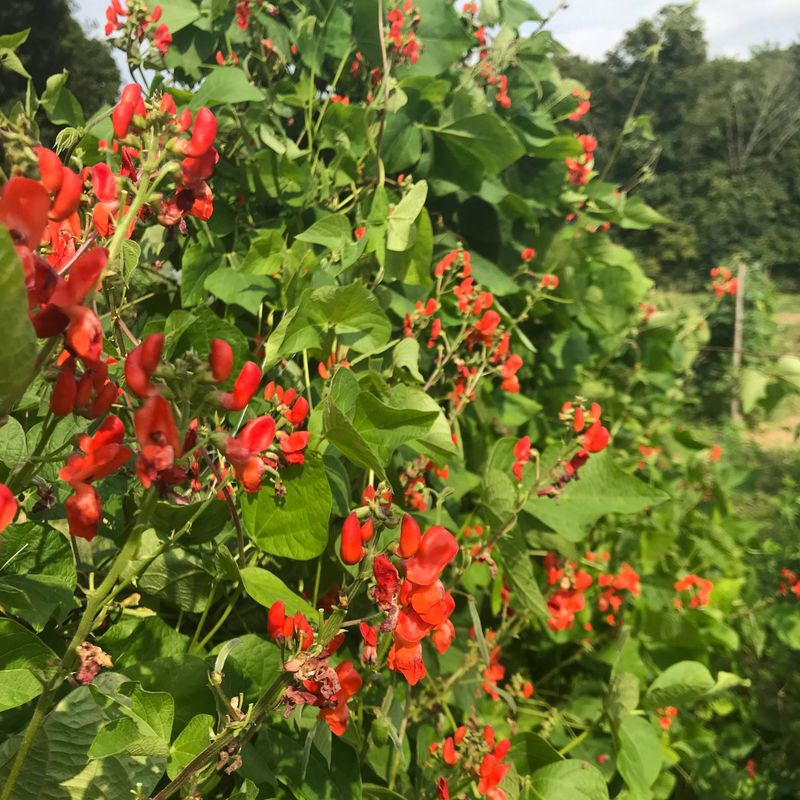
Looking for speed? Scarlet Runner Bean is your answer. This annual vine grows so fast you can almost watch it move.
Within just a few weeks of planting, it sends long, twining stems racing up fences, poles, and trellises, covering them in large, tropical-looking leaves and clusters of vivid red flowers that practically glow in the summer sun.
The bright red blooms are a hummingbird magnet. Plant Scarlet Runner Bean along a Pennsylvania fence and you will have hummingbirds visiting regularly from midsummer through early fall.
The flowers are also edible, which makes this vine a fun and functional addition to any kitchen garden.
After the flowers fade, the plant produces large, purple-streaked bean pods. Young pods can be cooked and eaten just like green beans.
Let the pods dry on the vine and you can harvest the beautifully speckled seeds to replant next year, saving money and keeping the garden cycle going.
Since Scarlet Runner Bean is an annual in Pennsylvania, you will need to replant it each spring after the last frost. Start seeds directly in the ground for the fastest results.
Give it a sunny spot, water it regularly, and it will cover your fence with tropical flair all season long without any complicated care routines.
9. Morning Glory
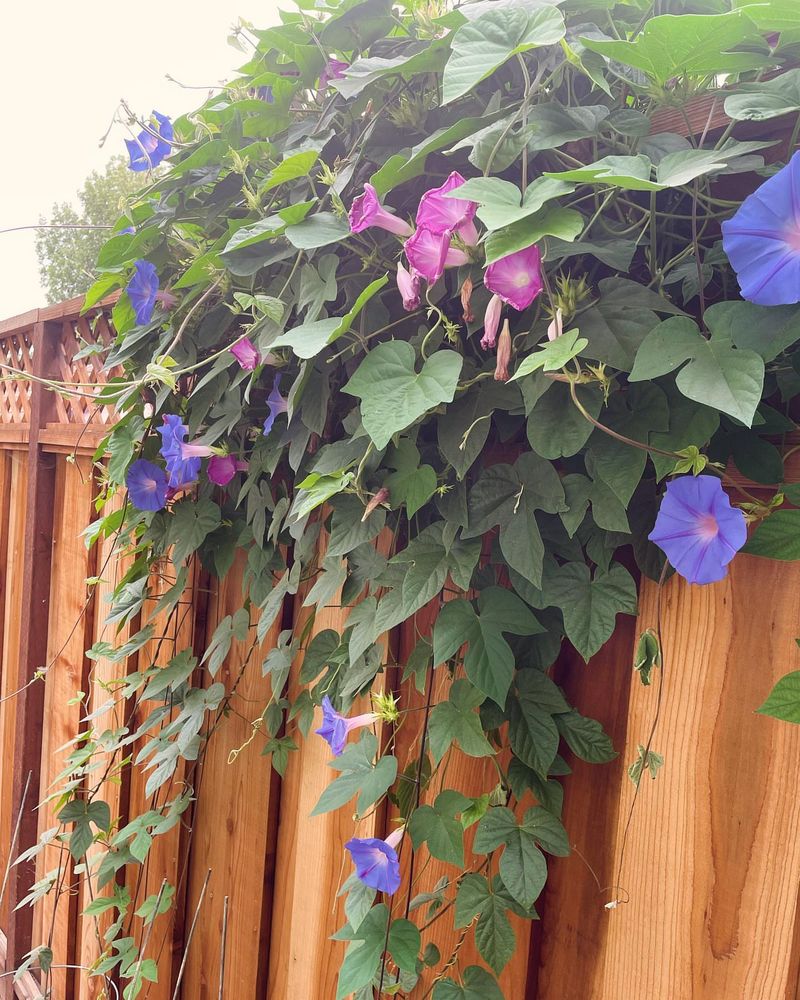
Morning Glory is the ultimate quick fix for a bare fence. Drop some seeds in the ground after the last frost, give them a little water, and stand back.
Within weeks, twining stems are racing up your fence and the first trumpet-shaped blooms are already opening in the early morning light. Few vines deliver that kind of speed and color for such little effort.
The flowers come in stunning shades of deep purple, bright pink, sky blue, magenta, and white, often with a contrasting white star pattern in the center.
Each bloom only lasts one day, but the plant produces so many flowers that the show never stops from midsummer all the way through the first frost in Pennsylvania.
Morning Glory grows best in full sun and actually prefers slightly poor soil. Rich, over-fertilized soil encourages lots of leafy growth but fewer flowers, so hold back on the heavy feeding.
It twines naturally around fence rails, wires, and strings without any help from the gardener.
Because it is an annual, you will need to replant each year. Luckily, Morning Glory self-seeds generously, and you may find new seedlings popping up on their own the following spring.
For a low-cost, high-impact fence solution anywhere in Pennsylvania, Morning Glory is one of the easiest and most cheerful choices available.