How Michigan Gardeners Extend Their Growing Season By 6 To 8 Weeks With High Tunnels
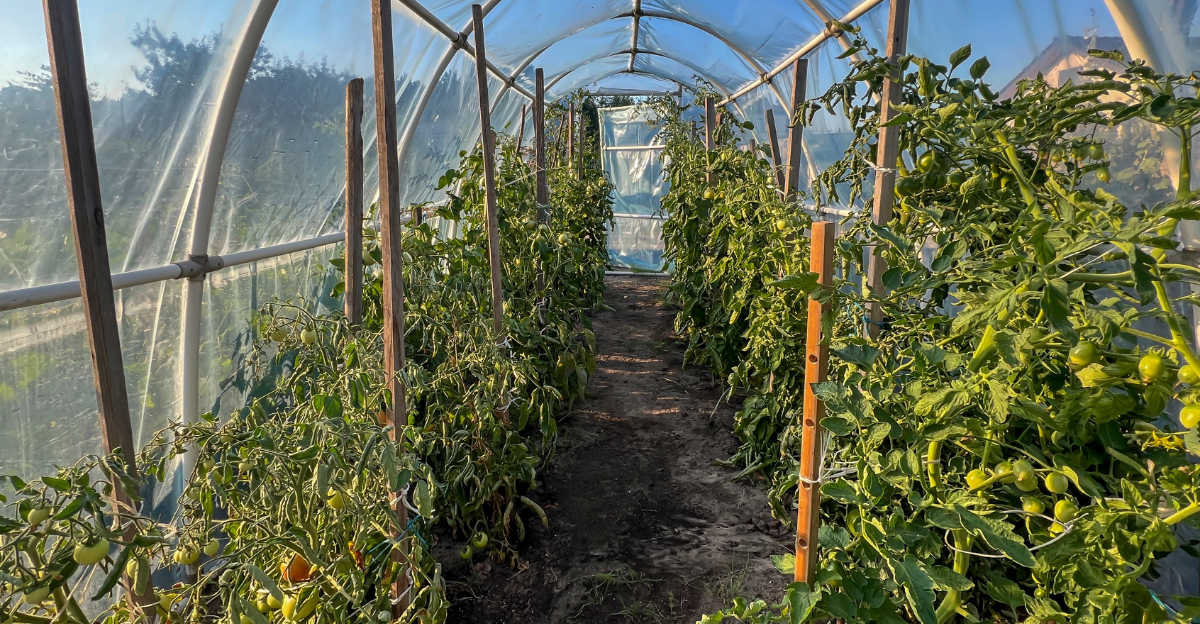
Michigan gardeners know how quickly the growing season can slip away. Late spring frosts delay planting, and early fall cold snaps can shut down gardens before many crops reach their peak.
For growers across the state, finding ways to stretch those precious weeks has become one of the biggest keys to success. High tunnels are changing what is possible in Michigan gardens.
These simple plastic covered structures capture the sun’s warmth and create a protected space where plants can grow earlier in spring and continue producing later into fall.
From backyard gardens in the Lower Peninsula to small farms in the Upper Peninsula, more growers are discovering how effective they can be.
By extending the growing season by six to eight weeks, high tunnels give Michigan gardeners more harvests, healthier plants, and a longer window to enjoy fresh produce straight from the garden.
1. Protects Crops From Frost And Freezing
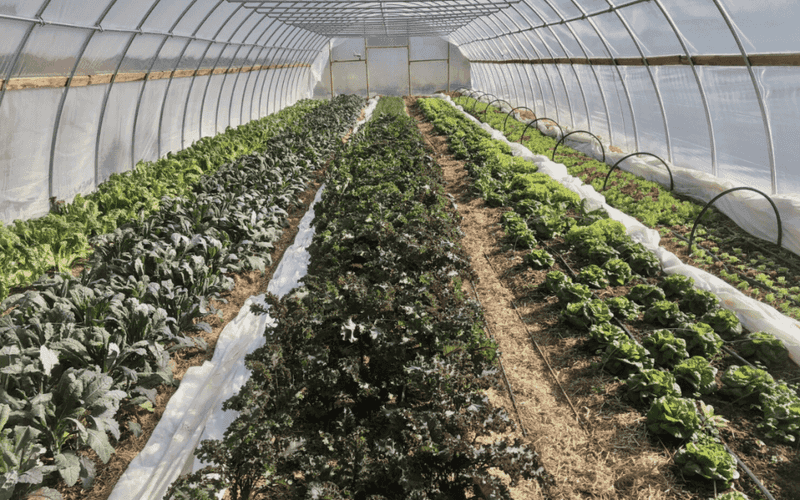
Anyone who has gardened in Michigan knows the frustration of watching a late frost wipe out weeks of careful planting work. High tunnels solve that problem by acting like a warm blanket over your crops.
The clear plastic covering traps heat from the sun during the day, keeping temperatures inside noticeably warmer than the air outside, even on cold nights.
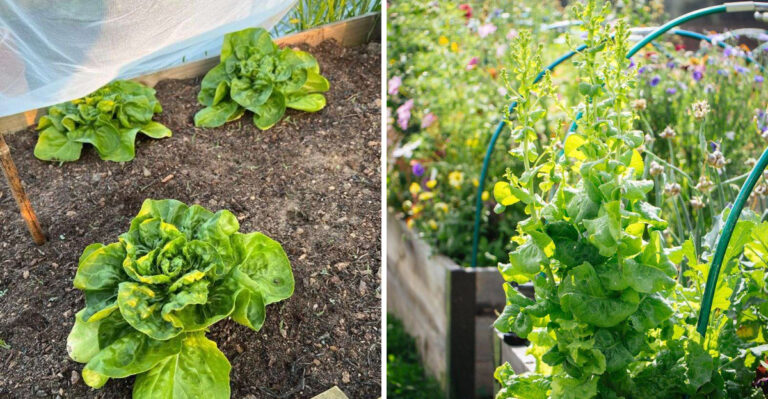
Tomatoes, peppers, and lettuce are especially vulnerable to frost damage, and Michigan springs can be unpredictable well into May. Inside a high tunnel, those same plants stay protected and keep growing strong.
Research from Michigan State University Extension shows that high tunnels can keep interior temperatures 4 to 8 degrees Fahrenheit warmer than outdoor conditions.
That temperature difference is huge when a surprise frost hits in late April or early September. Early fall freezes in Michigan often catch outdoor gardeners off guard, but high tunnel growers simply close their end walls and let the structure do its job.
The crops stay healthy, the harvest keeps going, and nothing goes to waste. For Michigan growers who invest time and energy into their gardens, that kind of frost protection is genuinely worth every penny spent on building a high tunnel from the start.
2. Warms Soil So Seeds Germinate Earlier
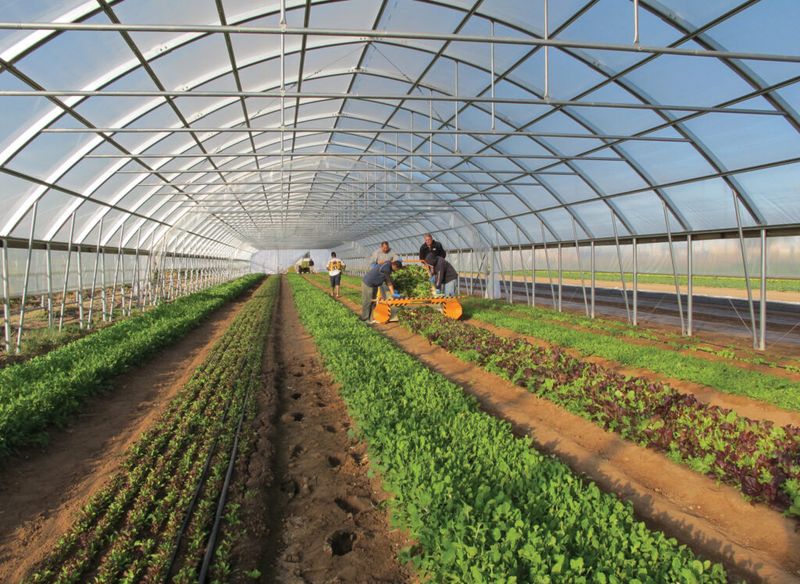
Soil temperature is one of the most overlooked secrets in gardening, and high tunnels make it work in your favor from the very start of the year. Cold soil slows germination down dramatically, but inside a high tunnel, the ground warms up weeks ahead of outdoor beds.
That head start means seeds sprout faster and establish stronger root systems right from the beginning.
In Michigan, outdoor soil often stays too cold for planting until late April or even early May. Inside a well-managed high tunnel, soil temperatures can reach planting-ready conditions as early as March.
Cool-season favorites like spinach, radishes, and peas thrive when soil hits around 40 to 50 degrees Fahrenheit, and a high tunnel gets there well before outdoor gardens can.
Faster germination also means more time for crops to mature before summer heat sets in. Radishes can be harvested in as little as 25 days, and spinach is ready in around 40 days, so getting those seeds in the ground earlier translates directly into earlier meals on the table.
Your Michigan Garden Changes Every Week. Your Plan Should Too.
Gardening in Michigan changes quickly throughout the season. Every Friday you’ll receive a simple weekly plan showing exactly what to plant, prune, fertilize, harvest, and protect so you never miss the right timing.
Michigan gardeners who take advantage of warmer tunnel soil often enjoy their first fresh spring harvest a full four to six weeks before their neighbors planting outdoors.
That kind of timing advantage makes high tunnels a smart investment for anyone serious about growing food in Michigan.
3. Extends Harvest Into Late Fall
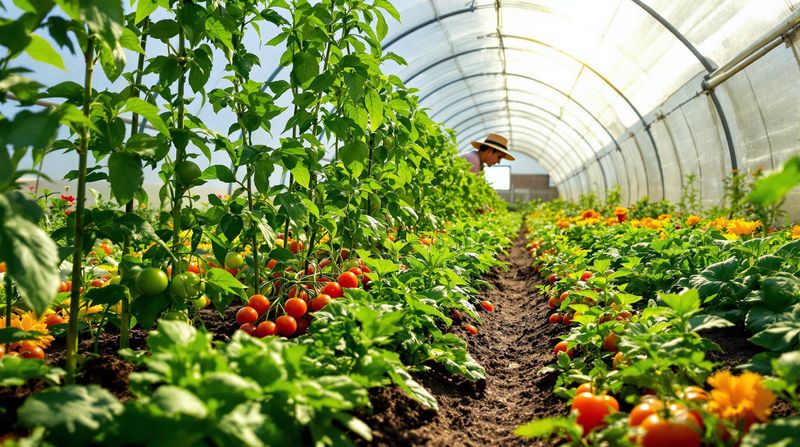
One of the biggest rewards of growing inside a high tunnel is watching your harvest continue long after outdoor gardens have called it quits for the year.
In Michigan, the first killing frost can arrive as early as mid-October in many parts of the state, but high tunnel crops keep right on producing.
That extension alone can add four to six extra weeks of fresh vegetables to your fall season.
Kale, Swiss chard, and lettuce are remarkably cold-tolerant crops, and they absolutely shine inside a high tunnel during fall.
Kale actually becomes sweeter after exposure to cooler temperatures, and inside a tunnel it gets just enough chill to develop that rich flavor without suffering frost damage.
Swiss chard holds up beautifully well into November when grown under the protection of a plastic-covered structure.
Michigan State University Extension has documented cases where high tunnel growers in the state harvested salad greens and root vegetables as late as December.
That kind of extended productivity changes the economics of gardening entirely, especially for farmers selling at local markets.
Fresh, locally grown produce in November commands premium prices and loyal customers. For home gardeners, it simply means more meals made from the garden and fewer trips to the grocery store during the colder months.
High tunnels truly stretch what Michigan soil can deliver every single year.
4. Protects From Wind And Heavy Rain
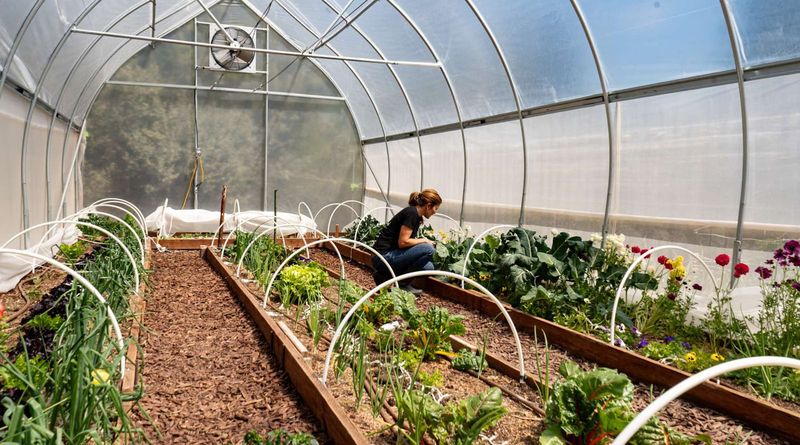
Michigan weather does not always play nice, and summer storms can roll through fast with damaging winds and heavy downpours.
Outdoor plants like tomatoes, cucumbers, and peppers take a real beating when strong gusts snap stems or excessive rain washes away soil and nutrients.
A high tunnel creates a calm, sheltered environment where none of that damage happens.
Wind is actually one of the most underestimated threats to vegetable plants. Even moderate wind speeds can cause what horticulturists call windburn, where leaf edges dry out and plant growth slows noticeably.
Inside a high tunnel, air movement is gentle and controlled, which means plants stay hydrated, upright, and focused on producing fruit instead of recovering from weather stress.
Heavy rain brings its own set of problems too. Soil compaction from pounding raindrops reduces drainage and can suffocate plant roots over time.
Excessive moisture on leaves also encourages fungal diseases like blight, which spreads quickly through outdoor tomato gardens in Michigan during humid summers. Inside a high tunnel, the plastic roof keeps rain off the foliage entirely, dramatically reducing disease pressure.
Gardeners can also control watering more precisely using drip irrigation, delivering moisture directly to roots without wetting leaves.
The result is a cleaner, healthier growing environment that produces better yields with far fewer weather-related setbacks throughout the entire Michigan growing season.
5. Maintains Strong Natural Light For Early Growth
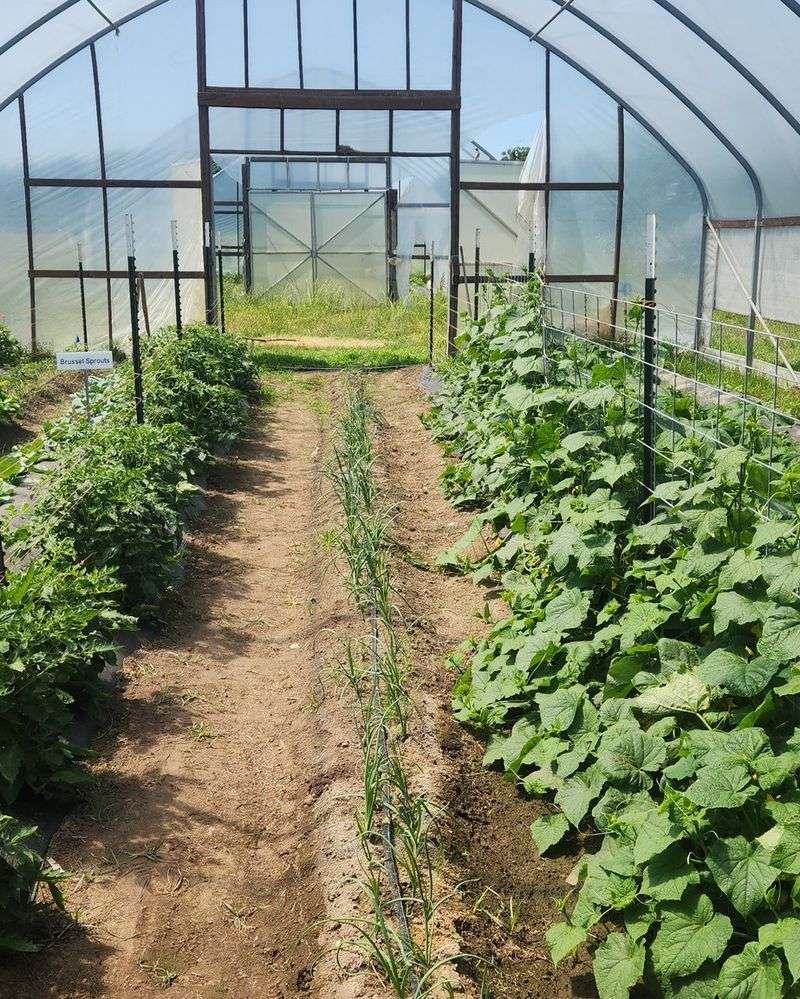
Sunlight is the engine that powers every plant, and high tunnels are designed to capture as much of it as possible. The transparent polyethylene plastic used to cover most high tunnels allows around 85 to 90 percent of available sunlight to pass through to the plants inside.
During early spring in Michigan, when days are still short and the sun sits low in the sky, that efficiency matters a great deal.
More light reaching plants earlier in the season means photosynthesis kicks into gear sooner, fueling faster leaf development and stronger root systems.
Seedlings started inside a high tunnel in late February or March often grow stronger than those started on a typical household windowsill and benefit from full natural sunlight.
The natural sunlight spectrum supports healthy chlorophyll production in ways that artificial light simply cannot fully replicate.
Transplants that spend their early weeks inside a high tunnel also require less hardening off before moving outdoors because they are already accustomed to real outdoor light intensity.
That saves Michigan gardeners time and reduces the transplant shock that can set young plants back by a week or more.
Some growers in Michigan even use reflective mulch on the tunnel floor to bounce additional light up onto the lower leaves of their crops, squeezing even more productivity out of those early spring weeks when every ray of sunshine counts.
6. Reduces Pest Pressure In Early Spring
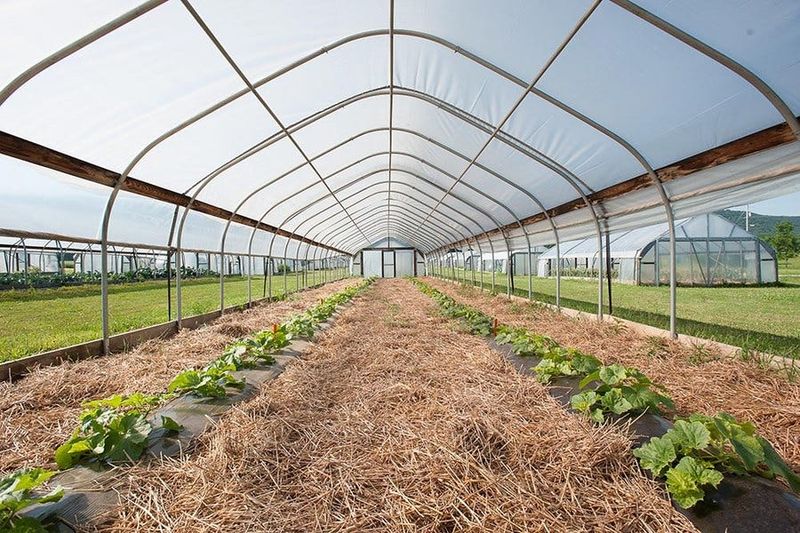
Early spring in Michigan is a tricky time for outdoor gardeners because pests wake up hungry and the natural predators that normally keep them in check are not yet active.
Aphids, flea beetles, and cabbage loopers can devastate young brassicas and leafy greens before the season even gets going.
High tunnels can reduce early-season pest pressure by acting as a physical barrier, although gardeners still need to monitor crops regularly.
The physical barrier created by the plastic covering and closed end walls limits how easily flying insects can reach crops.
Flea beetles, which are notorious for riddling arugula and kale with tiny holes in early spring, struggle to establish populations inside a well-managed tunnel.
Aphid colonies that would explode on outdoor spinach in April find far fewer entry points when crops are growing inside a protected structure.
It is worth noting that high tunnels are not completely pest-proof, and growers still need to stay observant and check plants regularly. However, the reduced pest pressure during those critical early weeks gives crops a much stronger start.
Healthier plants that establish without pest stress develop thicker cell walls and more robust foliage, which makes them naturally more resistant as the season progresses.
Michigan gardeners who grow brassicas and greens inside high tunnels during spring often report significantly less damage compared to their outdoor beds, and many find they need far fewer interventions to keep their crops looking great all season long.
7. Allows For Succession Planting
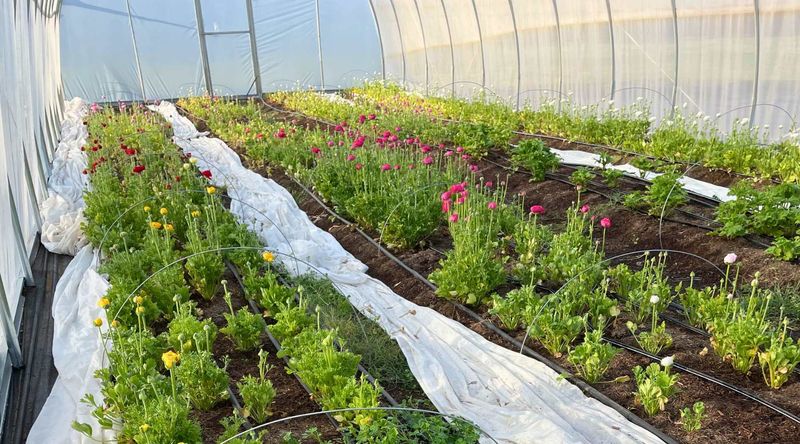
Succession planting is one of the smartest strategies any gardener can use, and high tunnels make it easier and more productive than ever.
The idea is simple: instead of planting everything at once and harvesting it all at the same time, you stagger your plantings every two to three weeks so something is always ready to pick.
Inside a Michigan high tunnel, the extended season gives you enough time to run multiple rounds of fast-growing crops from early spring through late fall.
Radishes mature in as little as 25 days, making them perfect for quick succession rounds. Spinach is ready in about 40 days, and certain lettuce varieties can be harvested in 45 to 55 days from transplant.
By timing plantings carefully, a Michigan gardener can squeeze three or even four full rounds of these crops into a single tunnel season, producing a continuous stream of fresh food from March through November.
Succession planting also makes better use of tunnel space, since a bed that just got harvested can be replanted the same day with the next crop.
Mixing cool-season crops in spring and fall with warm-season crops like cucumbers and beans in summer keeps the tunnel productive year-round.
Michigan growers who master succession planting inside their high tunnels often find they produce significantly more food per square foot than outdoor gardeners using traditional single-crop planting methods throughout the season.
8. Improves Crop Quality
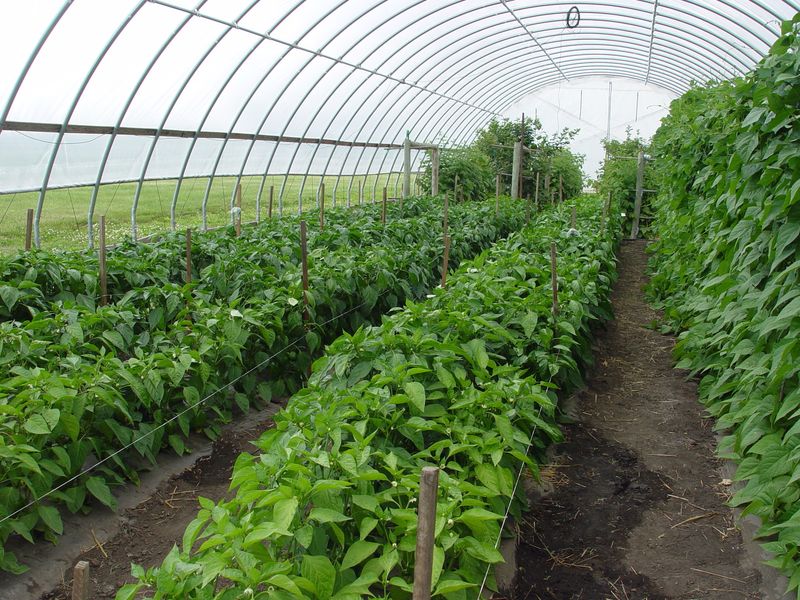
Growing food is not just about quantity, and any experienced gardener will tell you that quality matters just as much as yield.
High tunnels create a more stable growing environment that shields crops from the temperature swings, heavy rains, and strong winds that stress plants and reduce produce quality in outdoor Michigan gardens.
The result is cleaner, more uniform, and better-tasting vegetables that look as good as they taste.
Tomatoes grown inside high tunnels are a great example of this quality boost. Outdoor tomatoes in Michigan often crack after heavy rain because the plants absorb water too quickly following a dry spell.
Inside a tunnel with drip irrigation, water delivery stays steady and consistent, so tomatoes develop smoothly without the cracking that makes them hard to sell or store.
Peppers and cucumbers also grow straighter and more evenly colored when protected from weather fluctuations.
Beyond appearance, high tunnel crops often have better flavor because plants are not stressed by cold nights or waterlogged soil. Stress causes plants to divert energy away from fruit development and into survival, which can affect sugar content and texture.
Michigan farmers who sell at local farmers markets frequently report that their high tunnel produce commands higher prices because customers notice the difference in quality immediately.
For home gardeners, it simply means more satisfaction at the dinner table and less waste from damaged or misshapen vegetables throughout the harvest season.
9. Supports Early Transplant Growth
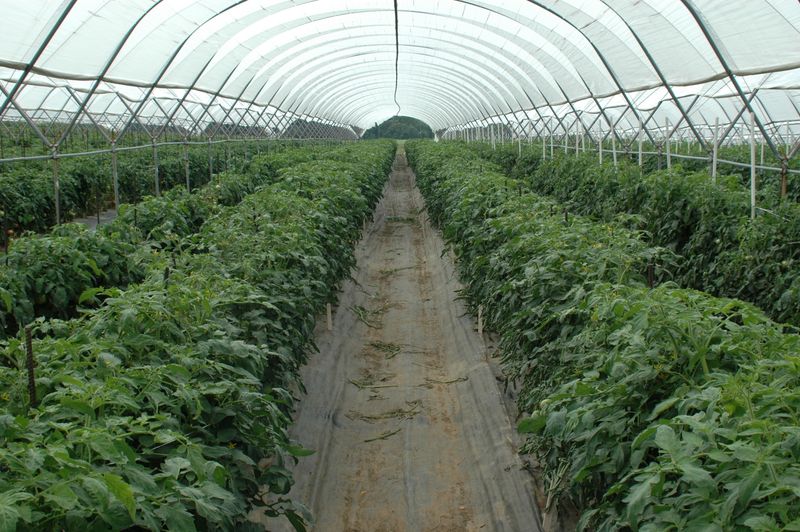
Starting transplants early is one of the most effective ways to add extra weeks to your growing season, and high tunnels give Michigan gardeners the perfect environment to do exactly that.
Tomatoes, peppers, and eggplants need warm temperatures and bright light to develop properly, and a high tunnel provides both in generous amounts even during the chilly weeks of early April when outdoor conditions are still too harsh.
Seedlings moved into a high tunnel in early spring establish much faster than those kept indoors under grow lights.
The natural sunlight intensity inside a tunnel is far greater than any artificial setup, which produces stockier, more vigorous plants with well-developed root systems.
Those strong roots are the foundation for a highly productive summer harvest, and getting them established two to three weeks earlier than outdoor planting schedules allow makes a measurable difference in total yield.
Michigan State University Extension recommends using high tunnels to harden off transplants gradually before moving them to outdoor beds, which reduces transplant shock significantly.
Eggplants in particular benefit from the extra warmth, since they are among the most heat-demanding vegetables grown in Michigan and struggle to establish in cold spring soil.
By supporting early transplant growth inside the tunnel, Michigan gardeners essentially add two to three weeks to the productive life of their most valuable warm-season crops, translating directly into more food and more value from every plant they grow.
10. Enables Year-Round Experimentation
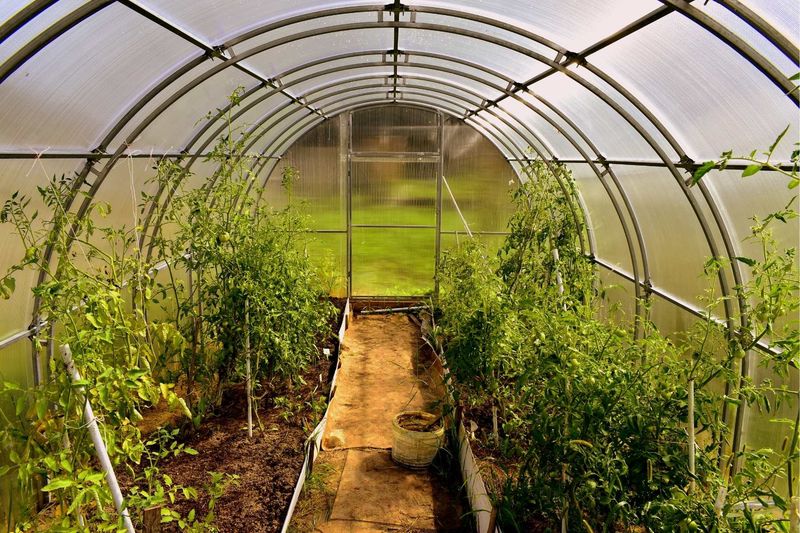
One of the most exciting things about owning a high tunnel in Michigan is the freedom it gives you to experiment with crops and timing that outdoor gardening simply does not allow.
Cold-tolerant vegetables like kale, spinach, and carrots can survive surprisingly low temperatures when grown under the protection of a tunnel, opening up possibilities for winter and very early spring growing that most Michigan gardeners never thought possible.
Many growers also add row covers inside the tunnel during winter for additional frost protection.
Kale is remarkably frost-hardy and can tolerate temperatures as low as 10 degrees Fahrenheit with proper protection, meaning tunnel-grown kale can stay productive well into December in many parts of Michigan.
Spinach is another powerhouse performer in cold conditions, and varieties like Bloomsdale Long Standing have been successfully overwintered inside high tunnels across the upper Midwest.
Carrots left in the ground inside a tunnel during winter actually develop a sweeter flavor as cold temperatures convert their starches into sugars.
Beyond growing familiar crops, high tunnels give Michigan gardeners a low-risk space to trial new varieties, test different planting schedules, and observe how crops respond to changing conditions across the full calendar year.
That kind of hands-on learning builds real expertise fast. Community gardens in Michigan, including those supported by programs in Detroit and other cities, have used high tunnels to educate residents about year-round food production and sustainable growing practices.
The tunnel becomes both a productive garden and a living classroom that keeps teaching you something new every single month.