The Ultimate Pennsylvania Famous Trees Road Trip
There’s a certain charm in winding down a quiet country road, windows down, the smell of pine or fresh rain in the air. Many of us have family trips that included a “scenic stop,” but Pennsylvania has a whole layer of history hidden in its trees, from giant oaks to towering sycamores that have stood for centuries.
These large trees have long histories and often hold cultural or ecological significance, and seeing them in person allows visitors to connect with the state’s natural heritage.
A road trip following these living landmarks brings a new kind of adventure to spring drives and weekend getaways.
The journey ahead will guide you through winding roads, historic sites, and natural wonders that aren’t listed in every travel guide.
You’ll see the state’s most remarkable trees and discover the perfect spots for a pause, a photo, or simply a quiet moment among giants.
1. Legislative Route 1 Sycamore Allee
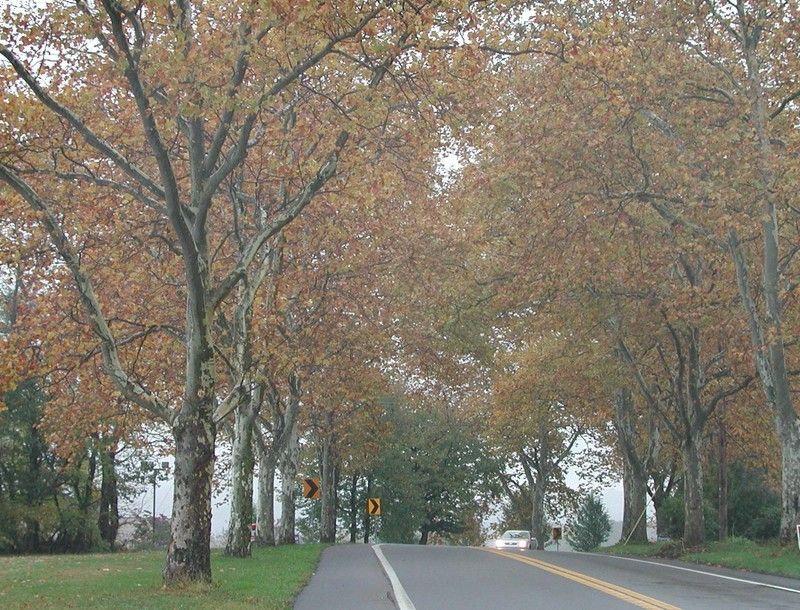
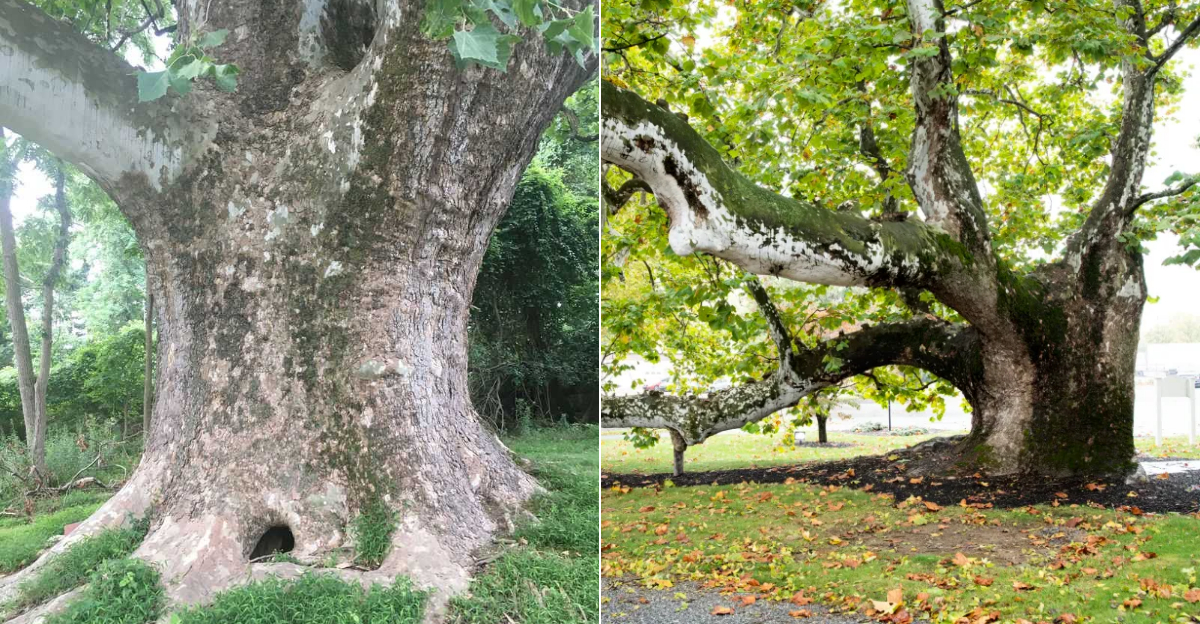
Picture driving down a road where 314 sycamore trees form a natural canopy above you, their massive white-and-gray patterned trunks standing like silent sentinels on both sides. That is exactly what you experience along Legislative Route 1 in Dauphin County, Pennsylvania.
This tree-lined avenue is widely photographed and admired for its uniform rows and striking sycamore trunks along Legislative Route 1. Back in 1922, an ambitious planting project originally placed 536 sycamore trees along this historic route.
Over time, the number has reduced to 314, but the visual impact remains impressive and draws attention from visitors and photographers alike. The Sycamore Allee has earned a well-deserved spot on the National Register of Historic Places, recognizing its cultural and historical significance.
Sycamore trees are known for their striking bark, which peels away in patches to reveal a creamy white and olive-green surface underneath. These trees can grow to enormous sizes, and the ones along Legislative Route 1 are mature specimens that command serious respect.
Spring and fall are especially magical times to visit, as the changing seasons transform the entire corridor into a living painting. The gentle sway of the branches in a light breeze adds a calming, almost meditative quality to a walk beneath the allee.
For gardening enthusiasts, this location is a masterclass in large-scale landscape design. The deliberate planting of uniform tree species along a roadway shows how thoughtful horticulture can shape an entire community’s identity.
Local garden clubs and environmental groups have worked hard to preserve and restore the allee over the decades. You can find Legislative Route 1 Sycamore Allee in Dauphin County, Pennsylvania, easily accessible via GPS.
Bring a picnic, take your time walking beneath the canopy, and soak in one of Pennsylvania’s most beloved living landmarks, taking plenty of photos to remember the remarkable scale and beauty of these historic trees.
2. Ancient Hemlock Stands At Salt Springs State Park
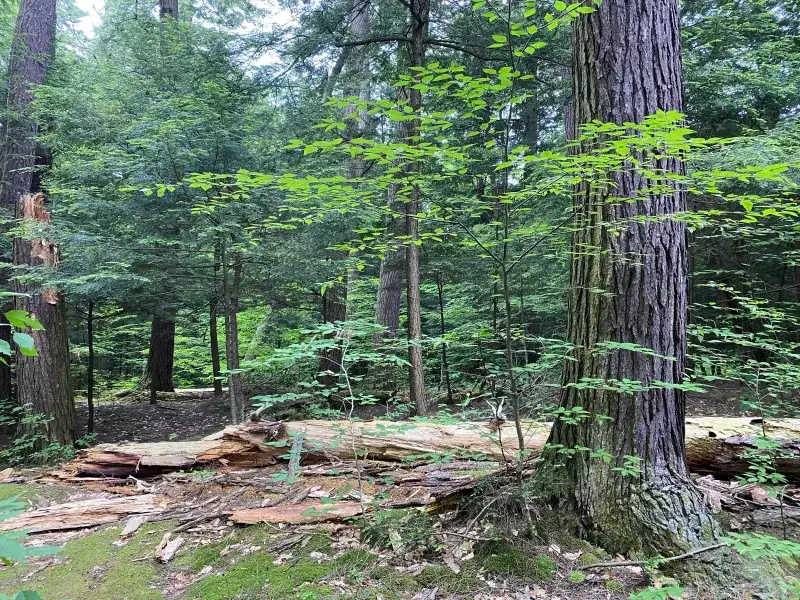
Walking into the hemlock forest at Salt Springs State Park feels like stepping back in time by several centuries. Located in Susquehanna County, this park is home to massive eastern hemlock trees that are believed to be over 500 years old.
Your Pennsylvania Garden Changes Every Week. Your Plan Should Too.
Gardening in Pennsylvania changes quickly throughout the season. Every Friday you’ll receive a simple weekly plan showing exactly what to plant, prune, fertilize, harvest, and protect so you never miss the right timing.
The large size of these trees impresses visitors and provides a striking example of mature eastern hemlock growth. The Fall Brook Natural Area within the park has been recognized as part of the Old-Growth Forest Network, a prestigious designation that acknowledges its ecological importance.
Old-growth forests like this one are incredibly rare because they have never been cleared for agriculture or logging. Every mossy rock, trickling stream, and towering trunk tells the story of an unbroken natural legacy.
Eastern hemlocks are fascinating trees for anyone interested in plants and gardening. They thrive in cool, shaded environments and are known for creating a unique microhabitat beneath their dense canopy.
Many shade-loving plants, ferns, and wildflowers depend on the conditions that hemlock groves create, making them keystone species in their ecosystems. Salt Springs State Park offers several hiking trails that wind through the hemlock stands and alongside beautiful waterfalls.
The combination of ancient trees, cascading water, and mossy boulders creates a landscape that feels almost otherworldly. Visiting in early morning, when mist rises from the streams, adds an extra layer of magic to the experience.
Guided nature programs and interpretive signage provide extra insight into the ecology and history of these remarkable trees, making the visit educational as well as inspiring. The park is located at 2305 Salt Springs Road, Montrose, PA 18801, providing easy access to the Ancient Hemlock Stands and hiking trails throughout Salt Springs State Park.
Admission is free, making it an accessible destination for families, hikers, and plant lovers of all ages.
3. Sacred Oak Of Oley Valley That Holds Centuries Of Stories
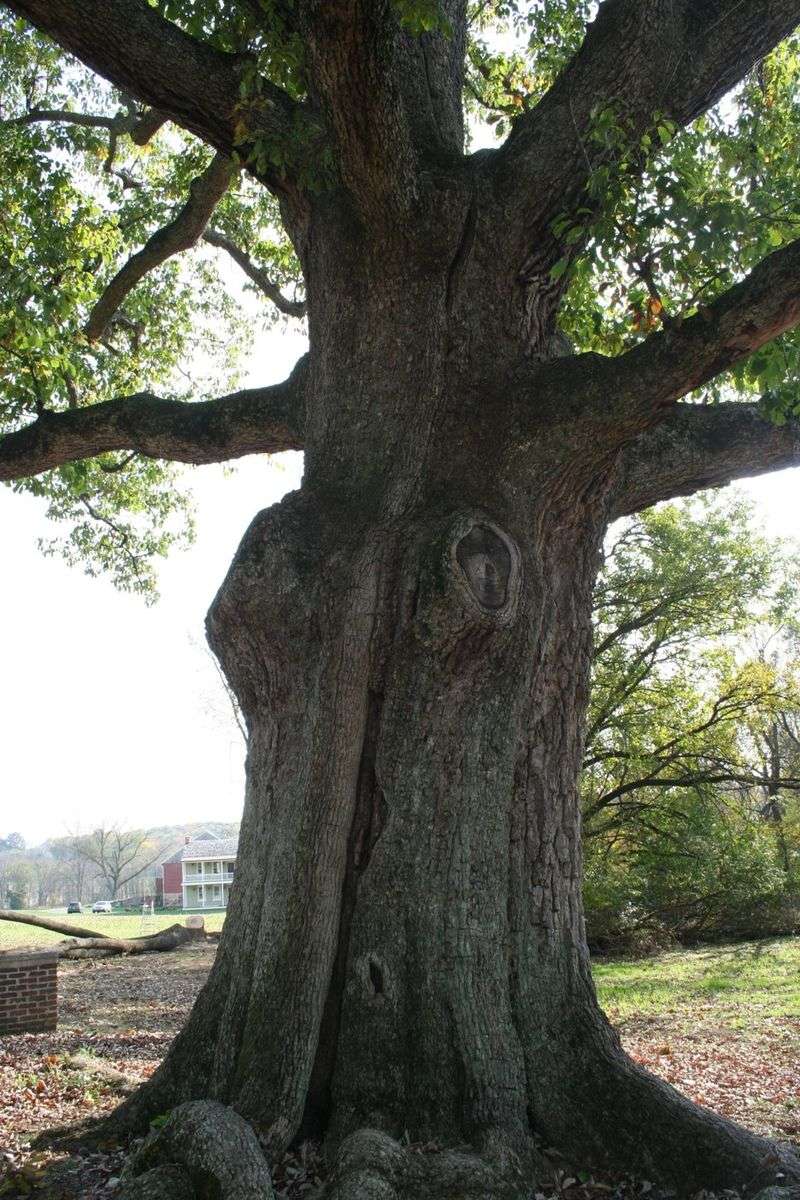
Some trees carry more than just age in their rings – they carry stories, spirit, and centuries of human connection. The Sacred Oak in Oley Valley, Pennsylvania, is one of those rare trees.
This magnificent Chinkapin Oak is believed to be over 500 years old, and it has been steeped in Native American legend for generations. According to local lore, the tree held deep spiritual significance for Indigenous peoples who lived in the region long before European settlers arrived.
It served as a gathering place, a landmark, and a living symbol of the land’s enduring power. That kind of history transforms a tree from a plant into a monument.
Chinkapin Oaks are a fascinating species for anyone passionate about trees and gardening. They are native to eastern North America and are known for their distinctive toothed leaves, which look similar to those of the American chestnut.
These oaks are valued for their durability, their acorn production, and their ability to support diverse wildlife populations. Standing beneath the Sacred Oak, you immediately sense its commanding presence.
The canopy spreads wide and full, casting deep, cool shade beneath its ancient limbs. The bark is deeply furrowed and textured, a testament to the countless seasons this remarkable tree has endured, showing scars and growth patterns that tell its long story.
Oley Valley itself is a charming rural area in Berks County, Pennsylvania, worth exploring for its scenic farmland, historic character, and nearby hiking trails that complement the visit. It stands on private property just off Friedensburg Road, near the intersection with Heffner Lane, and local historical societies can help visitors locate this legendary tree.
Visiting it is a humbling, unforgettable experience that connects you to Pennsylvania’s deepest roots and offers a rare chance to witness living history up close.
4. Pennsylvania’s Tallest American Sycamore
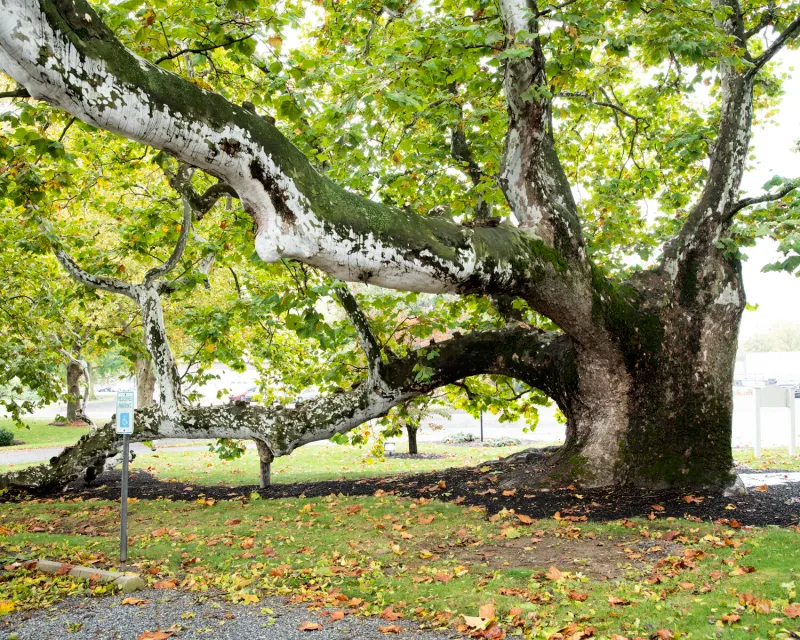
Some record-breaking trees are recognized for their exceptional height and width, standing prominently in open fields compared to surrounding vegetation. Pennsylvania’s tallest American Sycamore is exactly that kind of quiet champion.
American Sycamores are already known as some of the largest trees native to North America, and Pennsylvania’s finest example takes that reputation to a whole new level. American Sycamores are beloved by naturalists and gardeners alike for their striking appearance.
Their bark peels in irregular patches, revealing a smooth, creamy white surface that glows in sunlight and makes the tree instantly recognizable even from a distance. In autumn, their large leaves turn a warm golden-brown before falling, blanketing the ground in a satisfying seasonal display.
These trees tend to grow near water sources like rivers and streams, where their roots can access the moisture they crave. Finding Pennsylvania’s tallest specimen often means venturing to a riparian area, where the combination of rich soil and plentiful water has allowed the tree to reach extraordinary dimensions.
The experience of standing at the base and looking up is genuinely awe-inspiring. For gardeners and tree enthusiasts, studying champion trees like this one offers valuable insight into what a species can achieve under ideal conditions.
It sparks curiosity about soil health, water access, climate, and the decades of undisturbed growth required to produce such a giant. Champion tree registries maintained by organizations like American Forests track these remarkable specimens across the country.
Pennsylvania’s tree enthusiasts can explore the Pennsylvania Big Tree Program to locate the current champion sycamore and plan a visit to witness this living record-holder firsthand. The tree is located in riparian areas of Forest County, Pennsylvania, and can be visited near Baker Island, offering a general reference point for those wishing to see this remarkable natural landmark.
5. Longfellow Pine At Cook Forest That Towers Through Centuries
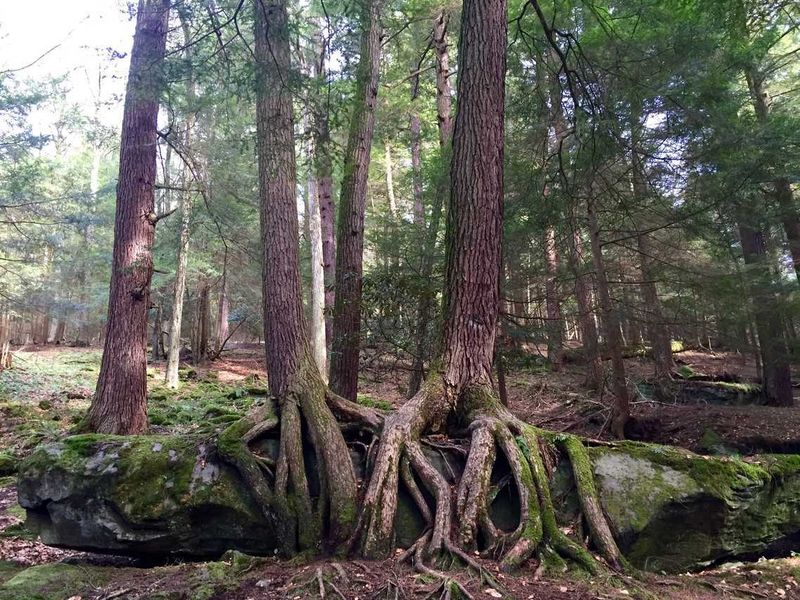
Named with the kind of reverence usually reserved for poets and heroes, the Longfellow Pine is one of Pennsylvania’s most celebrated individual trees. White pines like this one represent the grandeur of Pennsylvania’s original forest landscape, before widespread logging reshaped the land in the 18th and 19th centuries.
Being near a tree of this size highlights its historical and ecological significance within the landscape. Eastern White Pines are the tallest native tree species in the northeastern United States.
They can grow over 150 feet tall under the right conditions, with straight, towering trunks that once made them prized by colonial shipbuilders for use as ship masts. The Longfellow Pine carries all of that heritage in its impressive frame.
Cook Forest State Park in Clarion County is the legendary home of some of Pennsylvania’s most spectacular white pine and hemlock stands. The park’s Cathedral Area is a grove of ancient trees that creates a cathedral-like atmosphere, with soaring trunks forming columns and the canopy acting as a vaulted ceiling far above.
Walking among these giants, visitors can truly appreciate the scale, texture, and quiet majesty that centuries of growth have produced. The Longfellow Pine is among the most famous individual trees within this extraordinary landscape.
For plant lovers and gardening enthusiasts, white pines are also popular ornamental trees. Younger specimens are widely used in landscape design for their graceful, feathery blue-green needles and their rapid growth rate.
Seeing a centuries-old white pine in its full natural glory provides a powerful reminder of what these trees can become when given enough time and space. Cook Forest State Park is located at 100 PA‑36, Cooksburg, PA 16217, and trails through the Cathedral Area make the Longfellow Pine accessible to visitors of all fitness levels.
The park also offers interpretive signs and guided walks, giving guests insight into the history, ecology, and unique flora of this remarkable old-growth forest.
6. John Goodway Sycamore In Harrisburg That Commands Attention
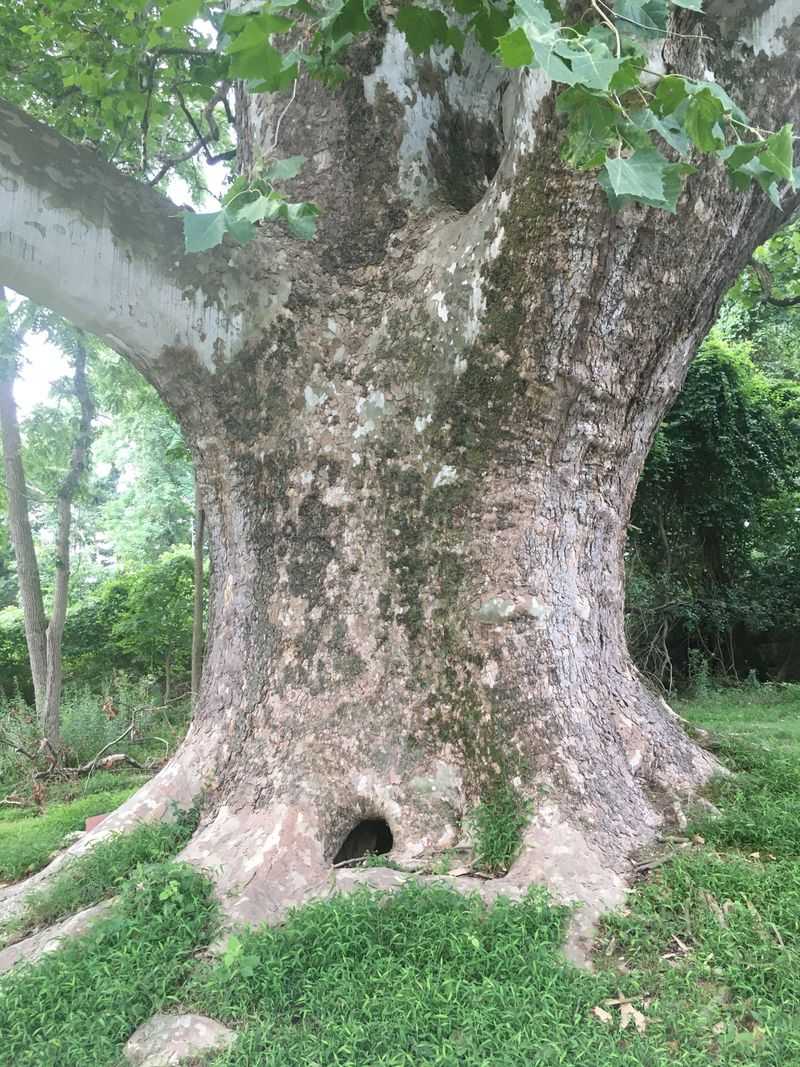
If your Pennsylvania tree road trip includes a stop in Harrisburg, you’ll want to stretch your legs under the spreading canopy of the John Goodway Sycamore. This impressive American sycamore has long been recognized as one of the largest of its species in the state and holds both natural and local historical interest.
Championed by the Pennsylvania Forestry Association as a notable specimen, it may not be the tallest anymore, but its size, age, and story make it a memorable destination for anyone who loves remarkable trees.
The tree gets its name from John Goodway, an Indigenous man believed to have been buried near the tree decades ago, tying the site to centuries of human and natural history in the Harrisburg area. Some accounts connect the roots of this sycamore with early settler and Native American stories, adding cultural depth to your visit beyond just bark and branches.
Its sprawling branches provide a serene, shady spot for reflection, birdwatching, or simply enjoying a quiet moment surrounded by history. Visitors often pause to admire the intricate patterns of the trunk while taking in the sounds of nearby wildlife, which creates a peaceful and immersive nature experience.
You can find the John Goodway Sycamore at 2200 Woodview Drive, Harrisburg, PA 17112, just off Linglestown Road behind a local martial arts studio, with street parking nearby – which makes it easy to include as a stop between historic sites and outdoor trails in the region. Standing beneath its broad, mottled trunk and high canopy, you’ll notice how the bark peels in patches to reveal that creamy sycamore pattern naturalists adore.
It’s a great place to pause with a picnic or camera, especially in dappled spring or golden autumn light. Whether you’re into gardening, trees, or just interesting stories, the John Goodway Sycamore adds depth and character to your Pennsylvania tree‑tour adventure.