What Arizona Gardeners Should Do In March For A Strong Spring Start
The first warm rays of March have a way of pulling you outside, even if you’ve spent the morning sipping coffee at the kitchen table.
There’s a certain thrill in watching the desert wake up, noticing tiny buds and hints of green pushing through last month’s dust.
March is the perfect time to roll up your sleeves and give your garden the care it’s been craving.
From refreshing soil and checking irrigation to planting herbs and vegetables that thrive in Arizona’s sun, there’s a rhythm to spring preparation that makes the work feel effortless and satisfying.
As the days stretch longer and temperatures climb, the garden is ready for a few simple moves that can set up a season of growth. The next steps will help you step into spring with confidence and see your backyard bloom in ways you might not expect.
1. Remove Frost Cloth And Cactus Covers After Last Frost
After months of playing it safe, late February and early March usually bring the all-clear signal for Arizona gardeners. Many low-desert areas like Phoenix and Tucson often experience their last frost between late February and early March, though gardeners should always check local forecasts before removing plant covers.
Keeping frost cloth or burlap wraps on too long can actually work against you. Trapped heat and reduced airflow can encourage mold or stress plants that are ready to grow.
Check your local forecast carefully before removing covers, and aim for a stretch of nights that stay above 35 degrees Fahrenheit.
When you pull back the covers, take a moment to inspect each plant closely. Look for any soft, mushy, or discolored tissue that might have been affected during cold snaps.
Healthy plants will often look a little pale at first but will green up quickly once exposed to full Arizona sunshine.
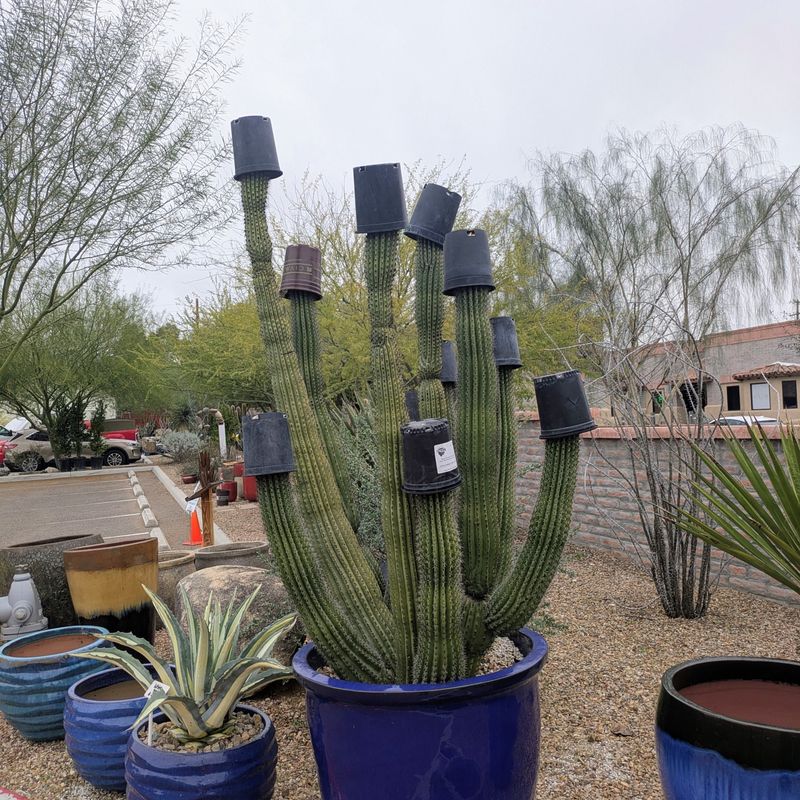
Cactus covers deserve special attention. Cacti that were wrapped or sheltered should be uncovered gradually if possible, allowing them to adjust to direct sunlight over a few days rather than all at once.
Sudden exposure to intense UV rays can cause sunscald on tender cactus skin.
Removing covers also gives you a great chance to clean up your garden beds, shake out the fabric, and store everything neatly for next season. Organized storage means your frost protection gear will be ready when Arizona winters roll around again.
2. Control Early Weeds Before They Set Seed
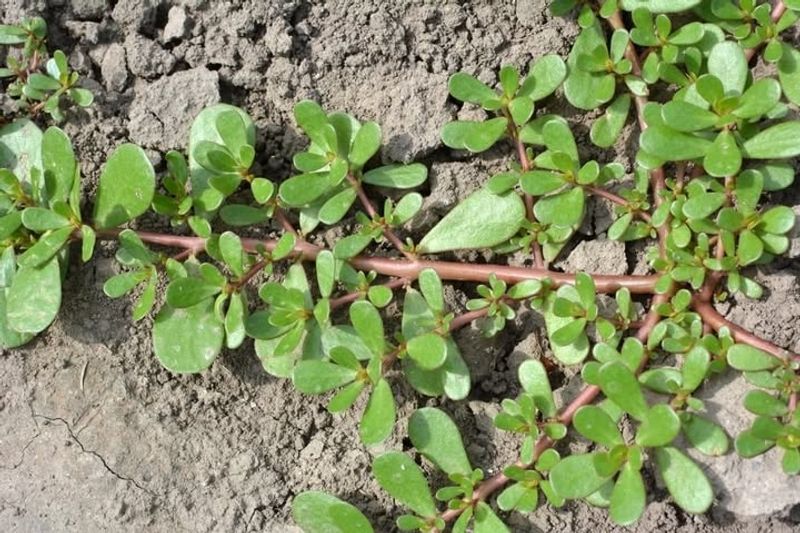
Weeds in Arizona do not wait for an invitation. By March, many cool-season weeds like London rocket, sowthistle, and wild mustard are already flowering and getting ready to drop thousands of seeds into your garden beds.
Catching them now, before that happens, is one of the smartest moves any Arizona gardener can make.
A single weed plant can produce hundreds or even thousands of seeds, and those seeds can remain in the soil for years just waiting for the right conditions. Pulling weeds while they are still young and small is much easier than wrestling with deep-rooted, mature plants later in the season.
Your Arizona Garden Changes Every Week. Your Plan Should Too.
Gardening in Arizona changes quickly throughout the season. Every Friday you’ll receive a simple weekly plan showing exactly what to plant, prune, fertilize, harvest, and protect so you never miss the right timing.
Make it a weekly habit throughout March to walk your yard and pull anything that does not belong.
Hand-pulling is the most effective method for small garden spaces and raised beds. For larger areas, a stirrup hoe or collinear hoe can cut weeds off just below the soil surface quickly and efficiently.
Always try to remove weeds before they flower to stop the seed cycle completely.
After clearing weeds, applying a layer of mulch right away helps prevent new ones from sprouting. Mulch blocks sunlight from reaching weed seeds in the soil, which slows germination dramatically.
This one-two punch of pulling and mulching is a proven strategy used by experienced Arizona gardeners season after season.
Staying consistent now saves enormous effort later. A little weed control in March means far fewer battles when the summer heat arrives across the Sonoran Desert region.
3. Monitor And Manage Early Pests
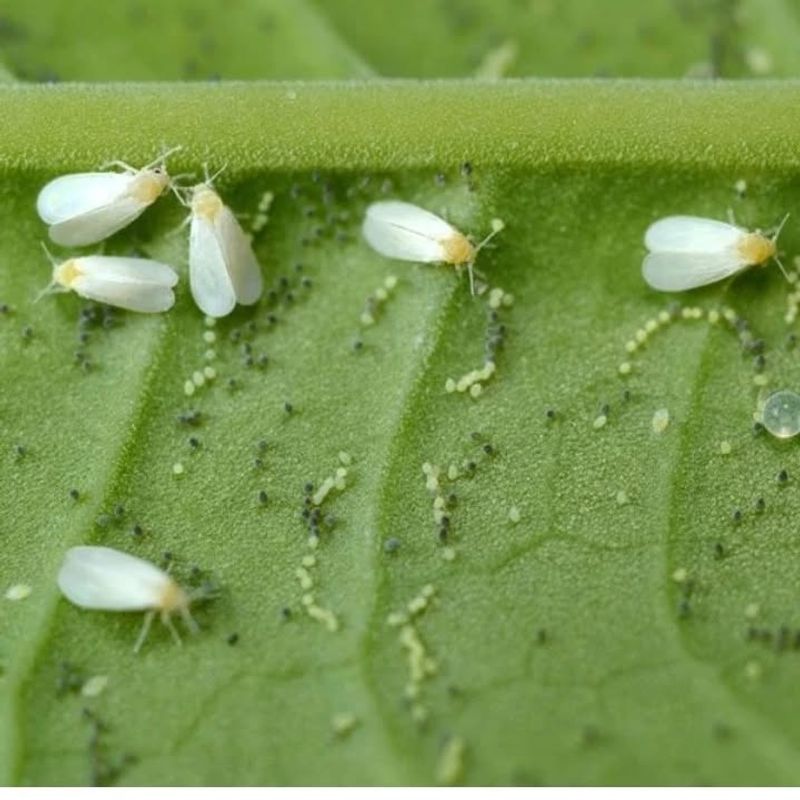
Warm March days in Arizona bring something most gardeners wish they could skip: the early arrival of garden pests. Aphids, whiteflies, and spider mites are among the first troublemakers to show up, often targeting the tender new growth that plants push out as temperatures climb.
Catching infestations early makes a huge difference in how much damage actually occurs.
Walk your garden every few days and flip leaves over to check the undersides. Aphids love to cluster on new shoots and the undersides of leaves, where they are easy to miss at first glance.
A quick blast of water from a garden hose can knock off small colonies before they multiply.
For more stubborn infestations, insecticidal soap sprays are a safe and effective option that work well in Arizona’s climate without harming beneficial insects as severely as broad-spectrum pesticides. Neem oil is another popular choice among Tucson and Phoenix gardeners for managing soft-bodied pests organically.
Encouraging beneficial insects is a smart long-term strategy. Ladybugs, lacewings, and parasitic wasps all prey on common garden pests and can be attracted by planting flowers like yarrow, fennel, and alyssum nearby.
Creating a garden that supports natural predators reduces your workload considerably over time.
Keep records of where and when you spot pest activity. Certain plants in your Arizona yard may be more vulnerable every year, and knowing that ahead of time helps you act faster and protect your investment before small problems grow into big ones.
4. Sow Seeds For Annual Flowers And Warm-Season Vegetables
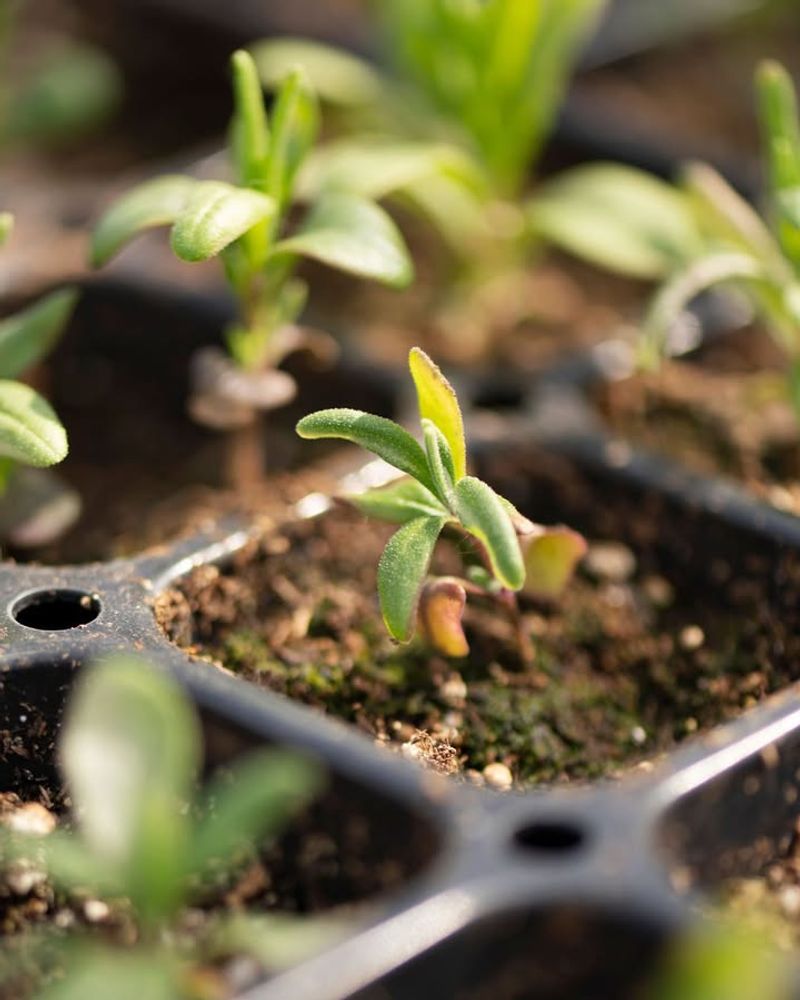
March is prime seed-starting time across Arizona, and there is something genuinely satisfying about dropping tiny seeds into soil and watching them become thriving plants. For gardeners in the low desert, starting seeds now gives plants enough time to establish before summer heat intensifies.
Timing your sowing correctly is one of the most important skills an Arizona gardener can develop.
Warm-season vegetables such as squash, cucumber, beans, and melons can be direct-sown once the soil has warmed sufficiently in early to mid-March in Phoenix and Tucson. These fast growers do best when seeds are placed directly in the ground rather than transplanted, since they develop deep taproots quickly.
Make sure your soil has been amended with compost before sowing for the best germination results.
Annual flowers are another March priority. Zinnias, sunflowers, and cosmos all germinate quickly in warm Arizona soil and will reward you with weeks of vibrant color before summer arrives.
Scatter seeds generously and thin seedlings once they reach a few inches tall to give each plant room to grow strong.
Starting seeds in trays indoors or under shade cloth is a great option for heat-sensitive varieties. Using a seed-starting mix rather than garden soil gives tiny seedlings the light, airy environment their roots need during the critical first weeks after germination.
Labeling everything you plant is a habit worth starting right now. It sounds basic, but by the time seedlings are a few weeks old, it can be nearly impossible to tell one plant from another without a clearly marked label in the soil.
5. Plant Warm-Season Vegetables And Herbs
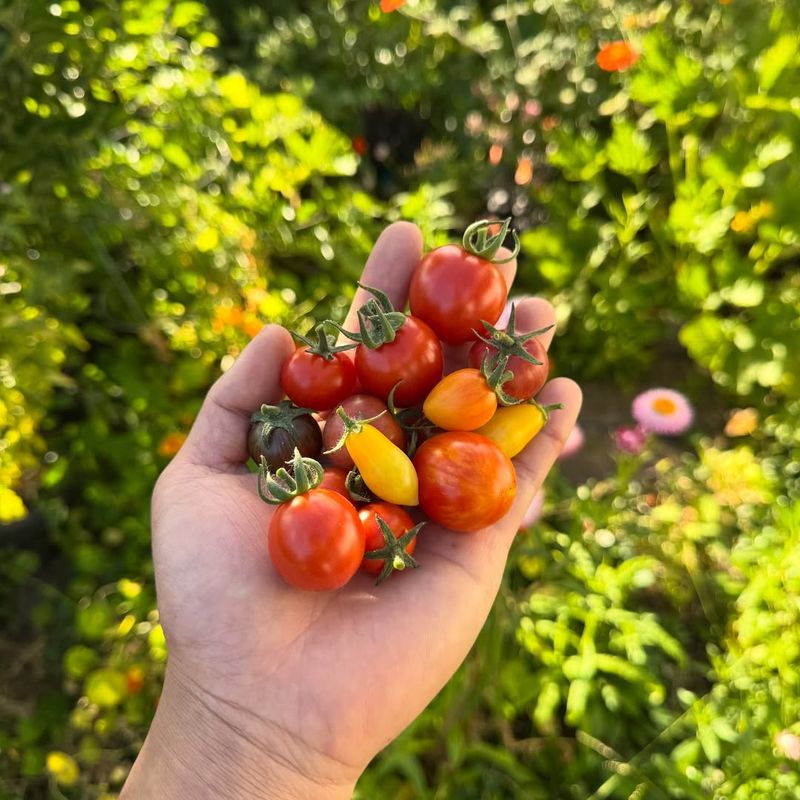
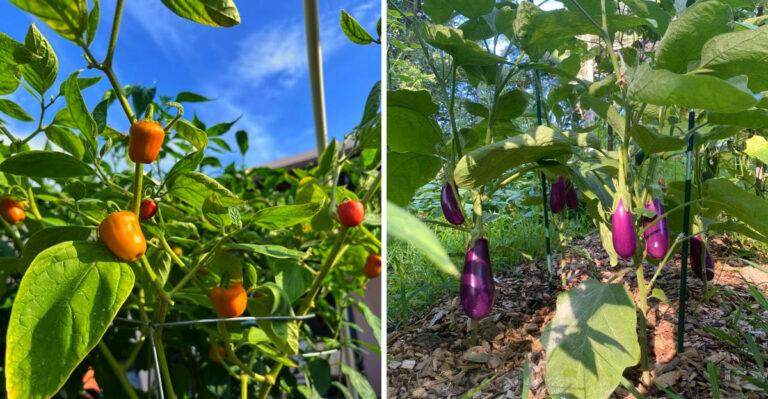
If there is one task that gets Arizona gardeners truly excited in March, it is planting warm-season vegetables and herbs. The soil is warming up, nights are staying mild, and plants like tomatoes, peppers, eggplant, and basil are practically begging to go in the ground.
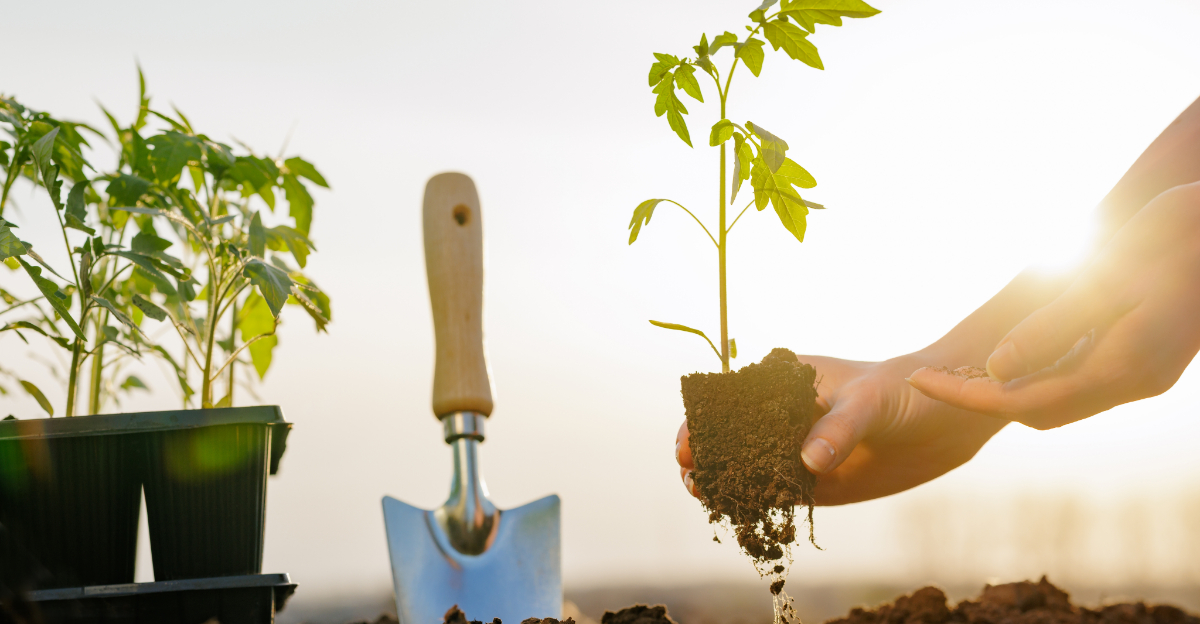
Getting transplants into the soil early in the month gives them a head start before Arizona’s intense summer heat arrives.
March is a common time to plant tomatoes in the low desert. Heat-tolerant varieties such as Celebrity, Heatmaster, or Solar Fire are recommended, though fruit set depends on soil, water, and local conditions.
Plant transplants deep, burying the stem up to the lowest set of leaves, which encourages a stronger root system.
Herbs thrive in Arizona’s sunny climate and are incredibly rewarding to grow. Basil, oregano, thyme, rosemary, and lemon verbena all do well when planted in March and can be harvested regularly throughout the season.
Place herbs near your kitchen for easy access, and they will become a go-to resource for fresh cooking all spring long.
Peppers and eggplant also love Arizona’s heat and should go in the ground in March alongside tomatoes. These crops need consistent watering as they establish, so setting up a drip irrigation line right at planting time saves effort later.
Spacing plants properly from the start prevents crowding, improves airflow, and leads to healthier, more productive plants all season long across the Arizona landscape.
6. Transplant Shrubs, Roses, And Trees
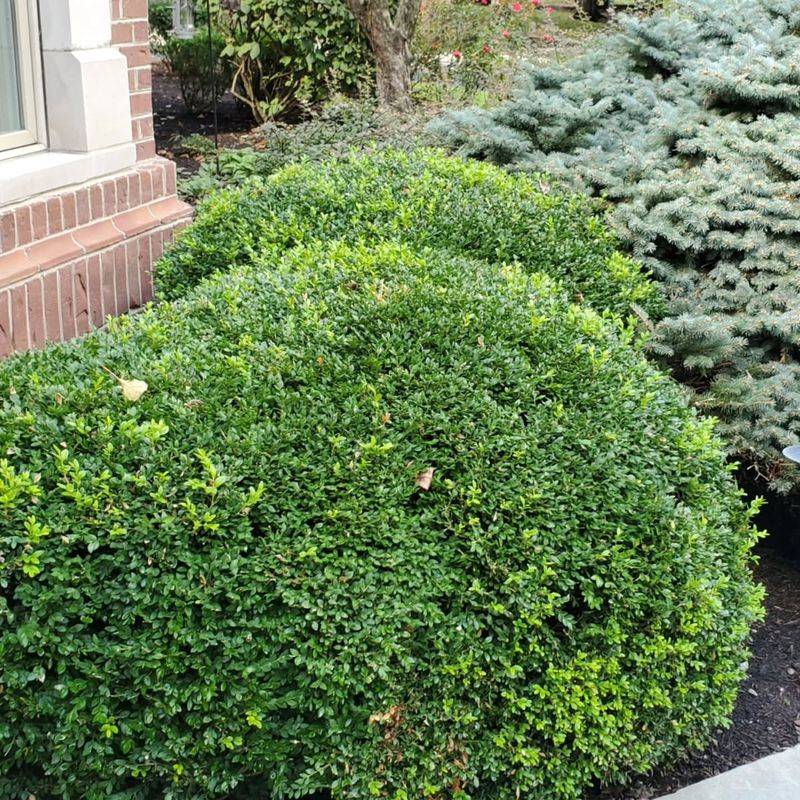
March offers one of the best transplanting windows of the entire year in Arizona. Temperatures are comfortable, soil moisture is easier to manage, and plants have just enough warmth to push new roots without being stressed by extreme heat.
Moving shrubs, roses, or trees now gives them several weeks to settle in before summer arrives.
Roses, in particular, love a March transplant in Arizona. If you have a rose that has been struggling in a shady spot or competing with tree roots, now is the time to move it somewhere it can truly thrive.
Dig a wide hole, at least twice the diameter of the root ball, and amend the backfill soil with compost to give roots a welcoming environment.
Deciduous trees and shrubs that were dormant over winter are just starting to break bud in March, making them easier to handle during transplanting. Moving them while they are still in early growth stages reduces transplant shock significantly.
Water deeply immediately after planting and again every few days for the first two weeks.
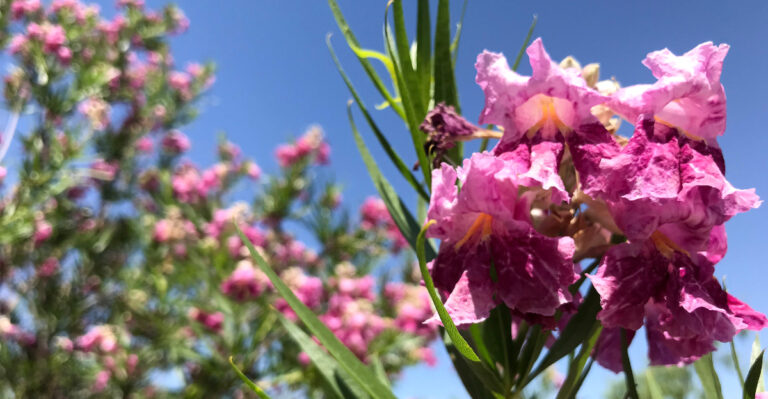
Native Arizona shrubs like desert willow, brittlebush, and fairy duster transplant beautifully in March and establish quickly in the warm soil. These low-water plants are excellent choices for gardeners who want a landscape that looks great without demanding constant attention or heavy irrigation throughout the dry season.
Staking newly transplanted trees temporarily can help them stay upright in Arizona’s spring winds, which can be surprisingly strong across the desert landscape during this time of year.
7. Fertilize Citrus And Deciduous Fruit Trees
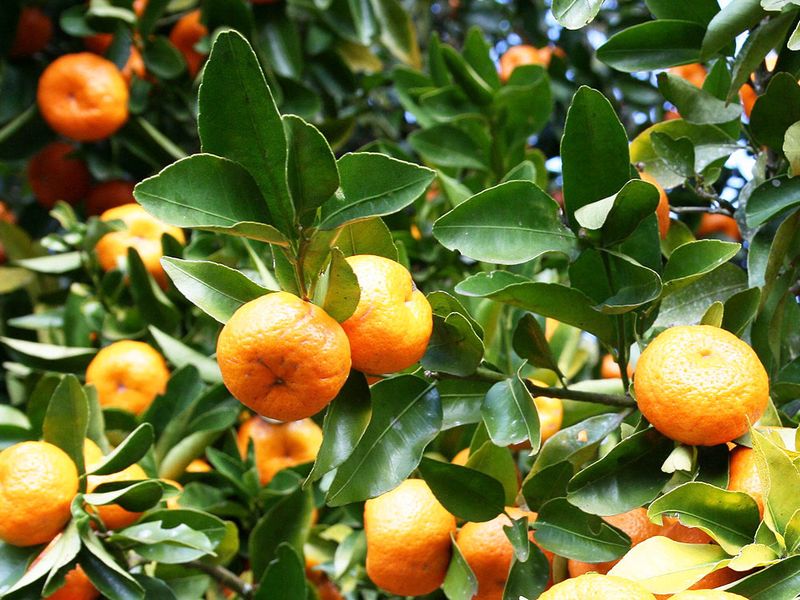
Citrus trees are one of Arizona’s greatest gardening treasures, and March is one of the most important months to feed them. The second of three annual fertilizer applications for citrus should happen right now, supporting the heavy flowering and early fruit development that takes place throughout spring.
Getting this timing right makes a noticeable difference in the size and quality of your harvest.
Use a fertilizer specifically formulated for citrus trees, which will contain the right balance of nitrogen, phosphorus, potassium, and trace minerals like zinc and iron. Arizona’s alkaline soils can cause iron and zinc deficiencies in citrus, leading to yellowing leaves.
A citrus-specific blend addresses these needs directly and keeps foliage a healthy, deep green color.
Deciduous fruit trees like peaches, apples, apricots, and plums also benefit from a March feeding. Apply a balanced fertilizer just as buds begin to swell and new growth appears.
Avoid over-fertilizing, which can push excessive leafy growth at the expense of fruit production, especially in younger trees that are still developing their structure.
Always water your trees deeply before and after fertilizing. Dry soil can cause fertilizer salts to concentrate around roots, which stresses the tree.
In Arizona’s often-dry March conditions, giving trees a good soak first ensures the nutrients move into the root zone where they can actually be used effectively.
Fertilizing at the right time each spring is one of the simplest ways Arizona fruit tree growers can dramatically improve their annual harvest without adding complicated steps to their routine.
8. Adjust Irrigation And Check Systems
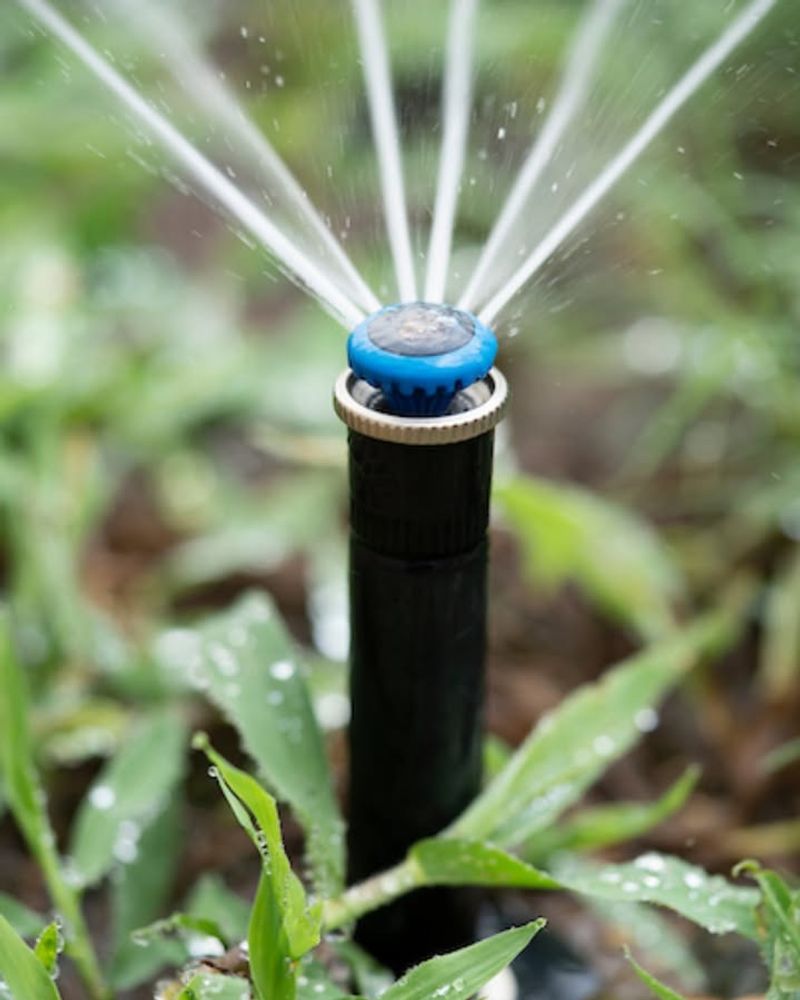
March in Arizona is a transition month for water, and your irrigation system needs to catch up with the changing season. As temperatures climb and plants wake from their winter slowdown, their water needs increase noticeably.
Running your irrigation on the same winter schedule into spring is one of the most common mistakes Arizona gardeners make every year.
Start by walking your entire yard and visually inspecting every drip emitter, sprinkler head, and connecting line. Look for clogged emitters, cracked tubing, and heads that are spraying in the wrong direction.
Even small leaks waste a surprising amount of water over time and can lead to uneven moisture in your garden beds.
Adjust your irrigation controller to increase run times gradually as March progresses. A good rule of thumb for Arizona’s low desert is to water deeply and less frequently rather than giving plants a light daily sprinkle.
Deep watering encourages roots to grow downward, which makes plants more resilient during the brutal summer heat that follows spring.
Vegetable gardens and newly planted transplants will need more frequent attention than established trees and shrubs. Setting up separate irrigation zones for different plant types gives you much better control over how much water each area receives throughout the season.
Checking your system now also gives you time to order replacement parts or call an irrigation specialist before the rush of summer. Many Arizona gardeners wait until plants are wilting to address irrigation problems, but catching issues in March keeps everything running smoothly when it matters most.
9. Apply Mulch And Improve Soil With Compost
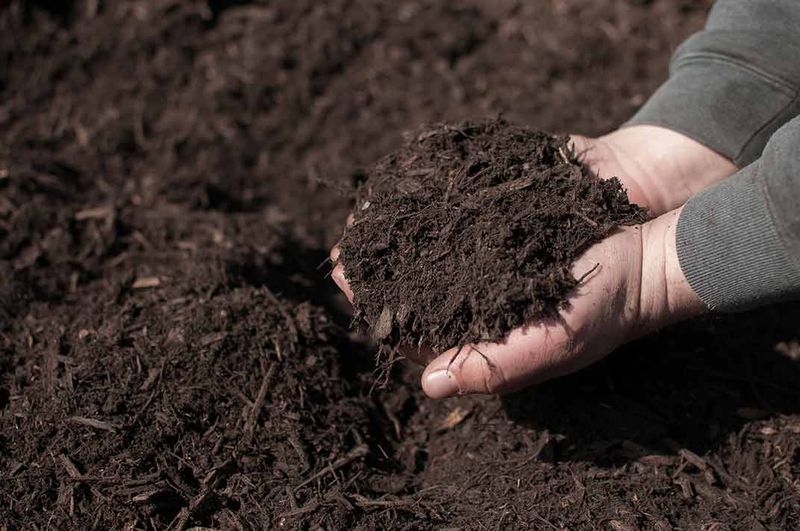
Few gardening practices deliver as much benefit for as little effort as applying mulch and working compost into the soil. In Arizona, where summer temperatures can top 110 degrees Fahrenheit and water evaporates fast, these two steps are not optional extras but essential parts of a successful garden strategy.
March is the perfect time to get both done before the real heat arrives.
Compost improves Arizona’s often-challenging desert soils in multiple ways. It adds organic matter that feeds soil microbes, improves drainage in clay-heavy soils, and helps sandy soils hold onto moisture and nutrients longer.
Work two to three inches of well-aged compost into the top six inches of your garden beds before planting, and your plants will thank you with stronger root systems and better yields.
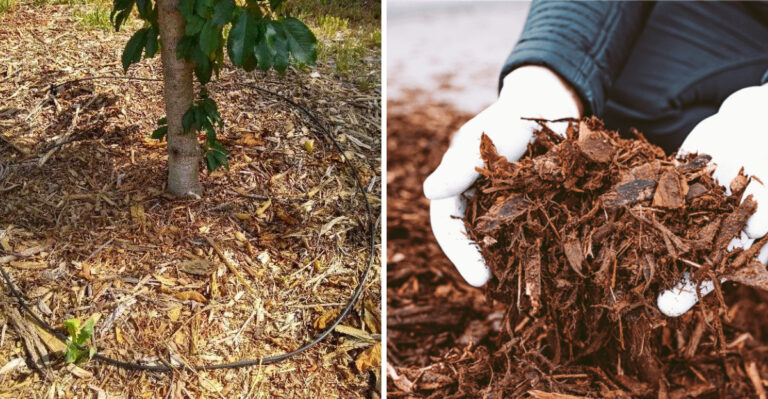
Mulch goes on top of the soil after planting and serves as a protective blanket for your garden. A two to four inch layer of organic mulch like shredded wood, straw, or pecan shells can reduce soil surface temperatures dramatically on hot Arizona afternoons.
Cooler soil means less water lost to evaporation and more comfortable conditions for roots to grow and spread.
Keep mulch pulled back a few inches from plant stems and tree trunks. Mulch piled directly against stems can hold moisture against the bark and create conditions that invite rot or fungal issues over time.
Refreshing your mulch layer every spring is a habit that pays dividends all season long, helping Arizona gardens stay productive, moist, and manageable even as temperatures rise across the desert Southwest.
10. Plan And Prepare For Summer Heat
Planning in March helps gardeners prepare for the summer months. Decisions about what to plant, where to plant it, and how to manage your space can improve plant performance as temperatures rise in June and July.
Taking a little time to plan ahead is one of the highest-value activities you can do this month.
Start by mapping out your garden space and noting which areas get full sun all day versus those that receive afternoon shade. In Arizona, afternoon shade becomes incredibly valuable during summer, and positioning heat-sensitive plants to benefit from that natural protection can make the difference between a thriving plant and one that struggles through the hottest months.
Think about installing shade cloth now before you need it urgently. A thirty to forty percent shade cloth over vegetable beds can help lower soil and air temperatures, which may reduce stress on tomatoes and leafy greens during warm periods.
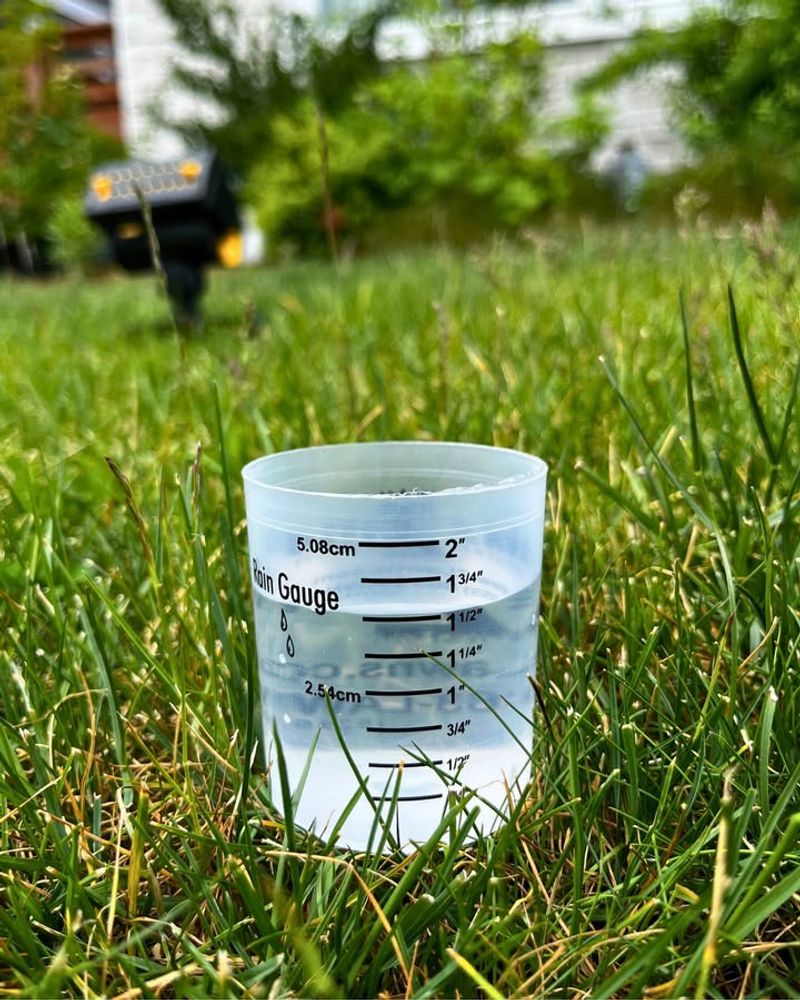
Consider adding a rain gauge to your yard if you do not already have one. Arizona’s summer monsoon season brings unpredictable rainfall starting in July, and knowing exactly how much water your garden received helps you adjust irrigation accurately instead of guessing.
Planning also means stocking up on supplies before demand peaks. Fertilizers, drip emitters, seed packets for fall planting, and shade cloth all tend to sell out quickly at Arizona garden centers as the season shifts.
Shopping in March means you will have everything on hand exactly when you need it most.