9 Fruit Trees Arizona Gardeners Should Plant Before Summer Heat
Arizona summers do not give fruit trees much time to get comfortable. Once the extreme heat arrives, young trees that were planted too late often struggle to establish strong roots.
That is why many experienced gardeners try to get fruit trees into the ground before the intense summer temperatures settle in.
Planting early gives trees time to adapt, stretch their roots into the soil, and build strength while spring conditions are still mild.
With the right varieties, many fruit trees can handle Arizona’s dry climate surprisingly well and reward gardeners with fresh harvests later on.
From heat-tolerant classics to a few varieties that thrive in desert conditions, the right choices can turn an ordinary yard into a small backyard orchard.
These fruit trees are known for handling Arizona’s climate while giving gardeners a real chance at growing their own delicious fruit before the summer heat takes over.
1. Anna Apple Produces Sweet Fruit With Very Low Chill Needs
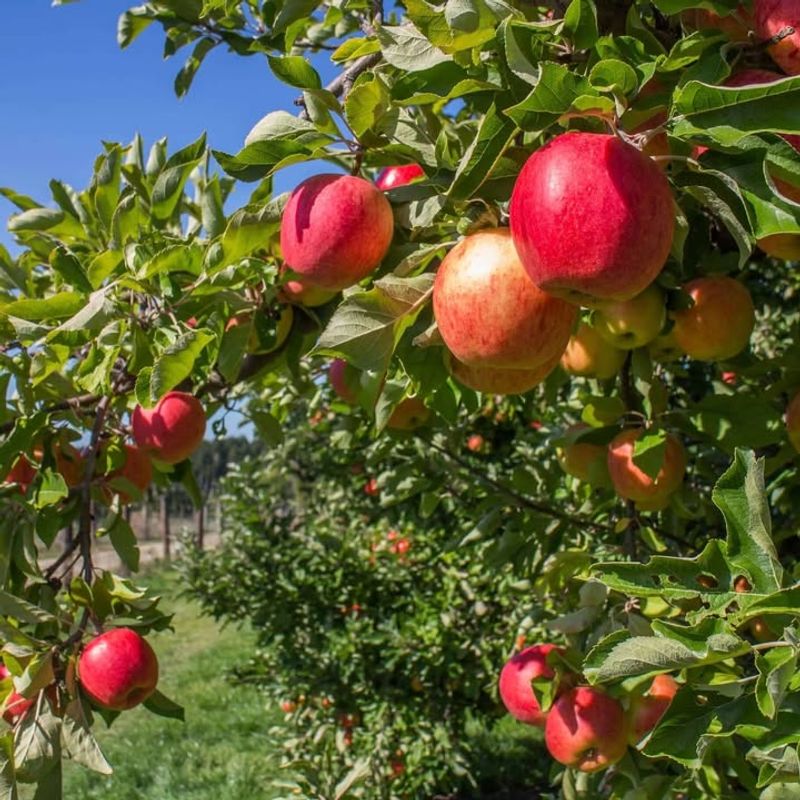
Forget everything you’ve heard about apples needing cold winters — Anna Apple laughs at that idea. Developed specifically for warm climates, this variety only needs around 200 chill hours, which even low-desert Arizona can provide most years.
That’s a fraction of what standard apple varieties require, and the fruit doesn’t suffer one bit for it.
Anna apples are crisp, mildly sweet, and ready to harvest as early as June in the Phoenix area. That means you’re pulling fruit off the tree before most of the country has even seen summer.
Plant in a spot with full sun and well-draining soil, and water deeply but not constantly — soggy roots are the real enemy here.
Pair Anna with a Dorsett Golden apple nearby for better pollination and bigger harvests. Space them about 15 feet apart and keep up with early spring pruning to shape the canopy.
Arizona gardeners in the low desert should plant between December and February for the best root development before heat arrives. Mulch around the base to hold soil moisture during those first critical months after planting.
2. Desert Gold Peach Ripens Early With Excellent Flavor
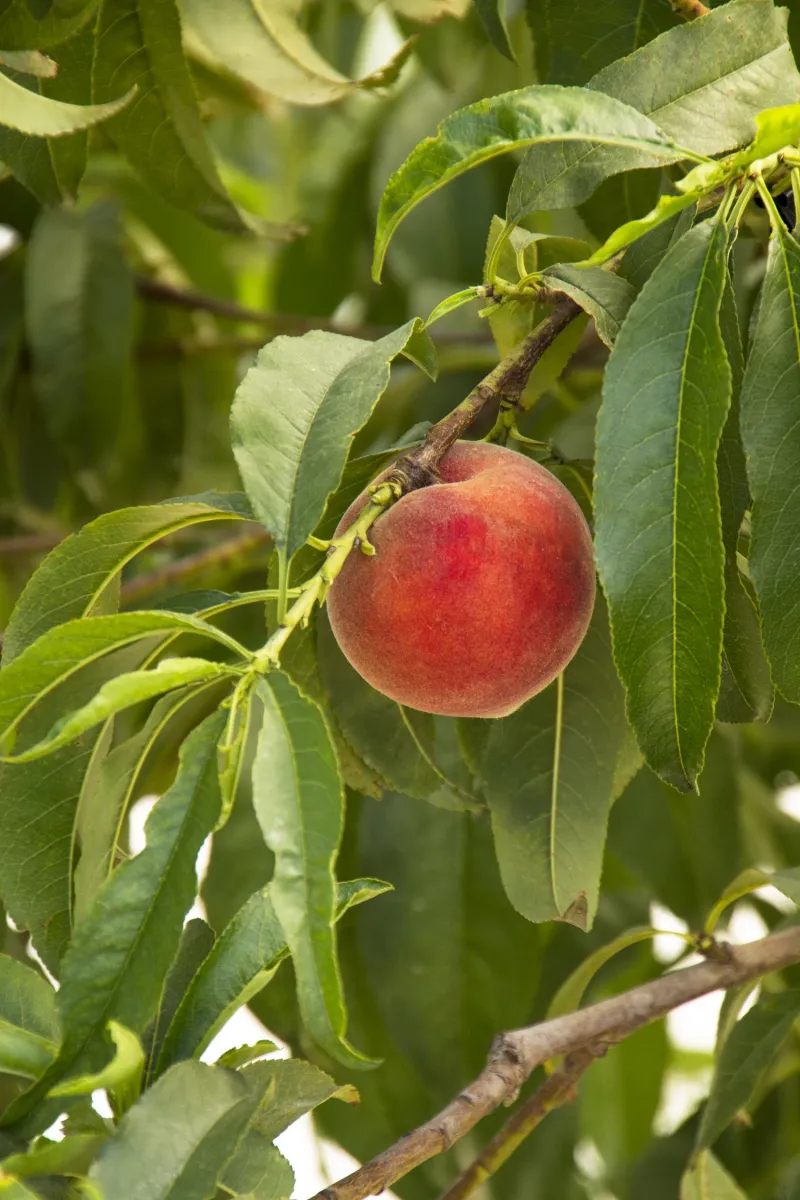
Bite into a Desert Gold peach in late April and you’ll wonder why you ever bought peaches from a grocery store. Juicy, fragrant, and genuinely flavorful — this variety was bred for warm-winter climates and it shows.
Arizona gardeners in the Phoenix and Tucson areas have been growing it successfully for decades.
Desert Gold needs only about 250 chill hours to break dormancy and set fruit, which puts it well within reach for most Arizona elevations.
It ripens earlier than almost any other peach variety, often beating the worst of the summer heat before harvest time even arrives.
That early ripening is a huge advantage in a state where June temperatures regularly hit triple digits.
Plant in full sun with excellent drainage — peaches hate wet feet, and Arizona’s caliche soil layers can trap water if you’re not careful. Break through that hardpan when digging your planting hole.
Water consistently through the first growing season, tapering off once the tree gets established. Thin the fruit when it’s marble-sized to improve size and flavor on what remains.
Your Arizona Garden Changes Every Week. Your Plan Should Too.
Gardening in Arizona changes quickly throughout the season. Every Friday you’ll receive a simple weekly plan showing exactly what to plant, prune, fertilize, harvest, and protect so you never miss the right timing.
A little work up front pays off with a heavy, rewarding harvest come spring.
3. Katy Apricot Handles Warm Climates And Produces Early Harvests
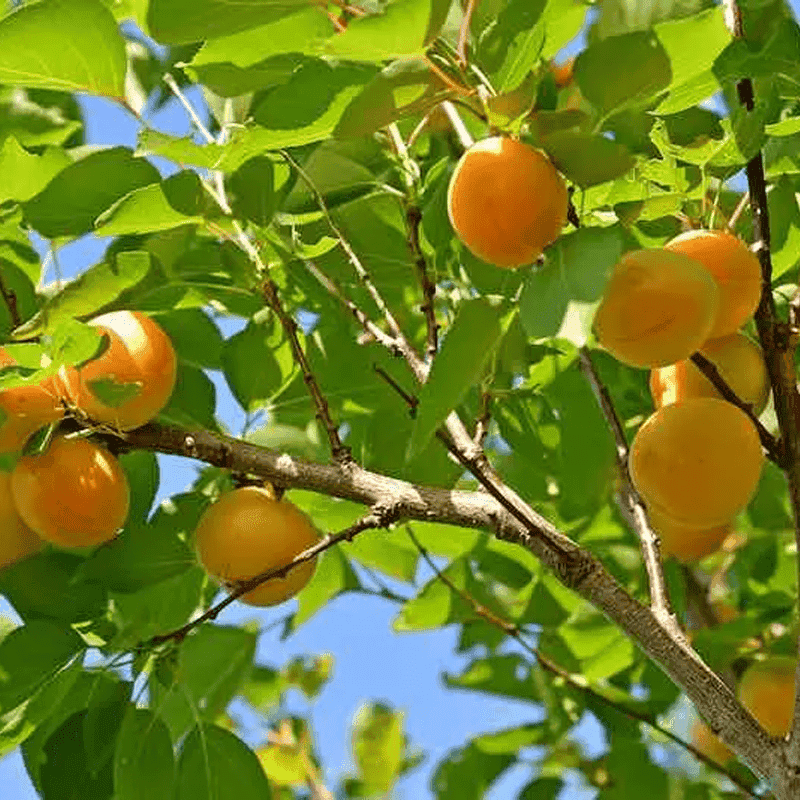
Apricots and Arizona are a natural match — hot summers, mild winters, and dry air are practically ideal conditions for this fruit.
Katy Apricot takes that compatibility even further by requiring as few as 300 chill hours, putting it in reach even for gardeners in the lower desert elevations around Phoenix and Mesa.
What makes Katy stand out is how early it produces. Harvests often arrive in May, sometimes even late April depending on the season.
The fruit is bright orange, slightly tart, and holds up well for eating fresh or making jam. You won’t need to wait years to see results either — Katy typically begins producing within two to three years of planting.
Full sun is non-negotiable for good fruit production. Aim for at least eight hours of direct light daily.
Apricots are sensitive to late frost, so in Arizona’s higher elevations, watch the calendar and be ready to protect blooms if a cold snap rolls through in February. In the low desert, that’s rarely a concern.
Prune after harvest to open up the canopy and encourage healthy new growth for the following year’s crop. Consistent deep watering through the growing season keeps the fruit sizing up properly.
4. Brown Turkey Fig Thrives In Heat And Produces Reliable Crops
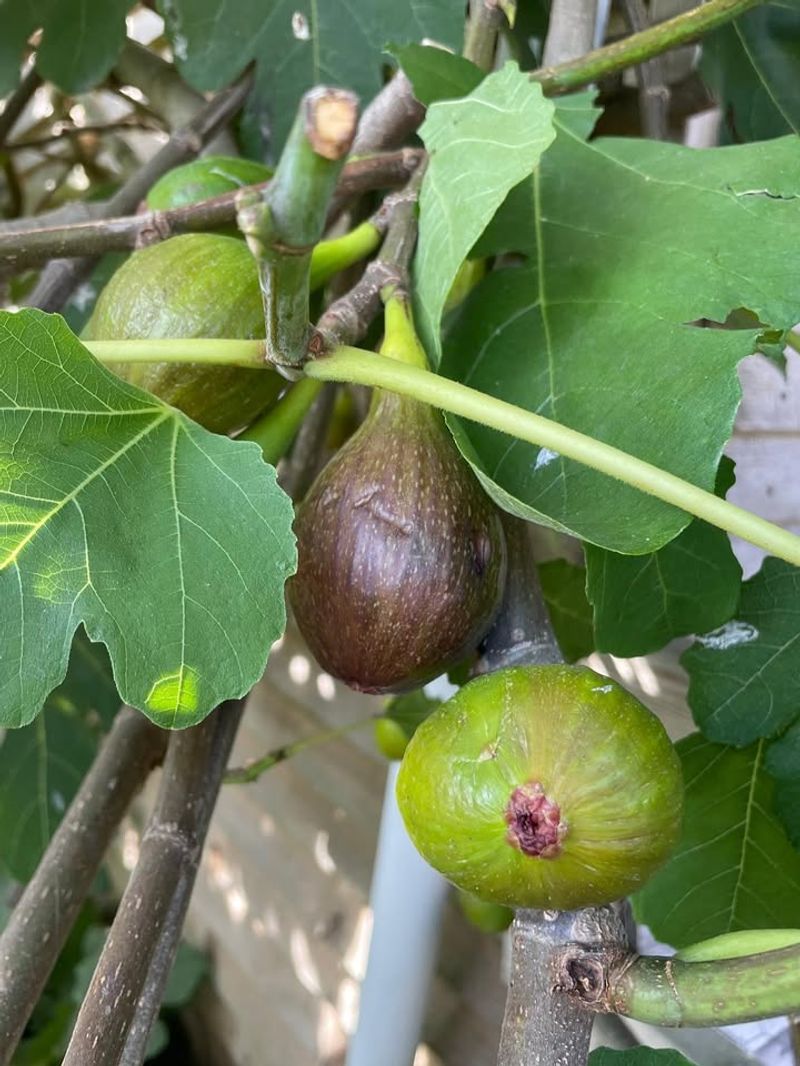
Few fruit trees handle Arizona summers as confidently as the Brown Turkey Fig. While other trees slow down or stress out under triple-digit heat, figs just keep producing.
It’s almost like they were designed with the Sonoran Desert in mind — and in many ways, the Mediterranean climate they come from isn’t all that different.
Brown Turkey produces two crops per year in Arizona — a lighter breba crop in early summer and a heavier main crop in late summer through fall. The fruit is mild, sweet, and excellent fresh off the tree.
Figs don’t require another tree for pollination, which simplifies things considerably for gardeners with limited space.
Plant in a spot that gets full sun but has some protection from harsh afternoon western exposure during the hottest months. Young trees benefit from shade cloth during their first summer in the ground.
Water deeply once or twice a week through summer — figs are more drought-tolerant than most fruit trees, but consistent moisture during fruit development keeps the crop from splitting.
In Phoenix, Tucson, and surrounding areas, Brown Turkey is one of the most reliably productive trees you can put in your yard.
Fertilize lightly in spring and let the tree do the rest.
5. Pomegranate Develops Well In Hot Dry Conditions
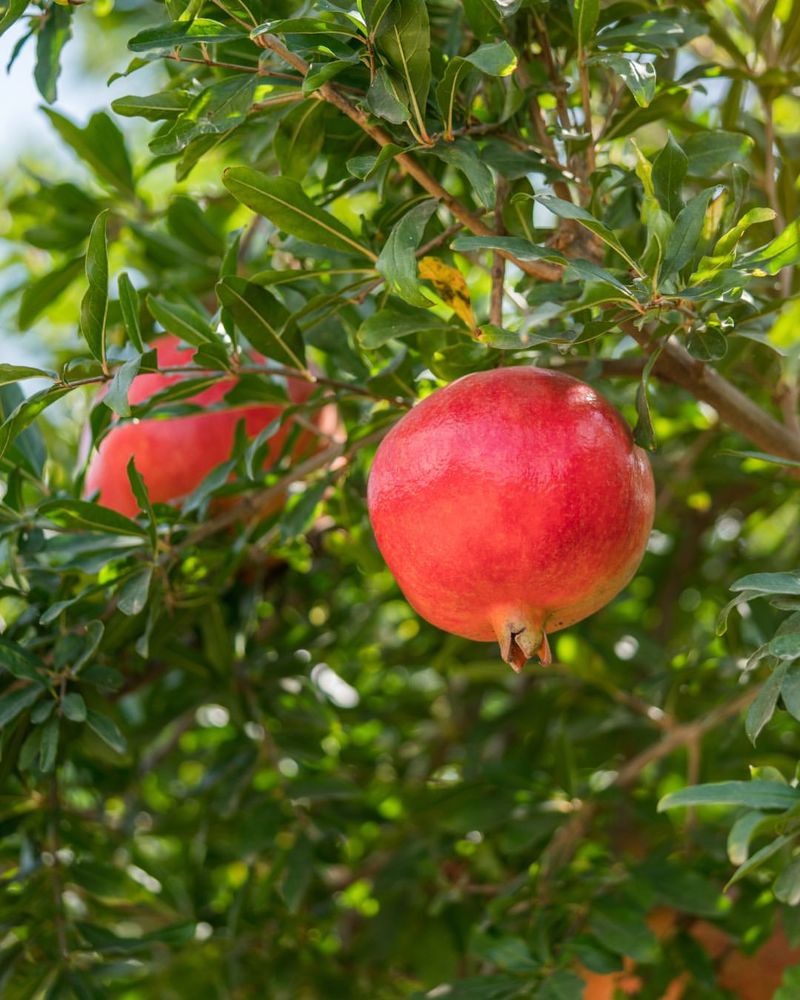
Pomegranates are practically built for Arizona, handling hot, dry summers and alkaline soil without complaint. Once their roots are established, they need minimal water and still produce fruit, which very few trees can match in the desert Southwest.
Wonderful Pomegranate is the most popular variety in Arizona for good reason — it produces large, deeply colored fruit with sweet-tart juice and a long shelf life. Harvest typically runs from September through November, which is perfect timing.
By then, the brutal summer heat has started to ease and you’re rewarded with heavy clusters of fruit after months of patience.
Plant between December and March to give roots time to anchor before summer. Choose a south or west-facing wall if you have one — reflected heat actually helps ripen the fruit more fully.
Water young trees every week or two during the growing season, stretching those intervals as the tree matures. Skip the heavy fertilizing; too much nitrogen pushes leafy growth at the expense of fruit.
Pomegranates in Arizona can reach ten feet tall and wide, so give them space or plan to prune them into a more manageable multi-trunk shrub form. Either way, they deliver.
6. Mexican Lime Produces Fragrant Fruit In Warm Climates
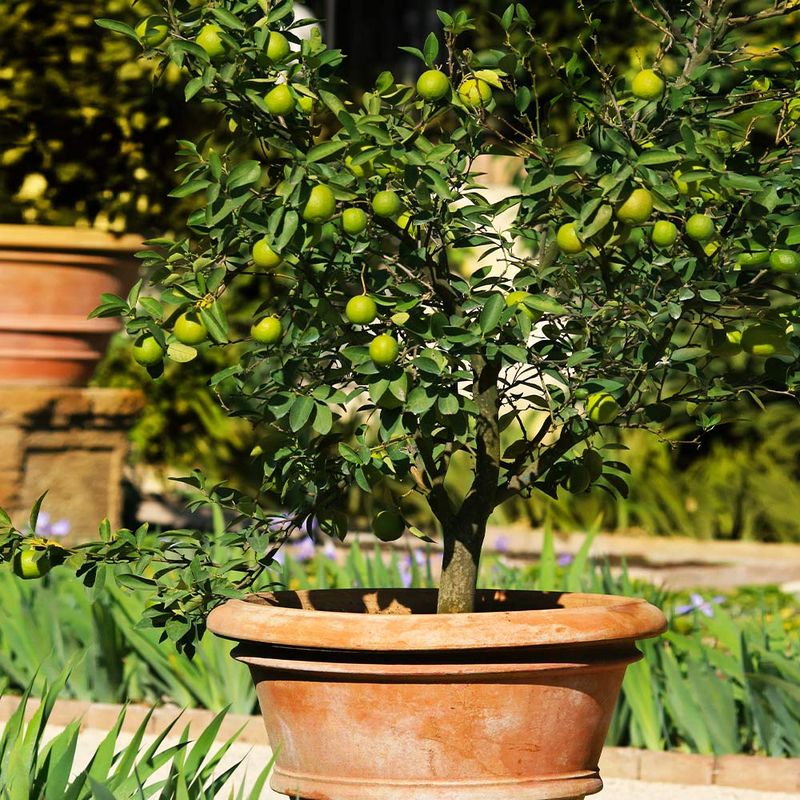
Walk past a Mexican lime tree in bloom and the fragrance stops you in your tracks. It’s one of those backyard moments that reminds you why you got into gardening in the first place.
Beyond the smell, this tree is a workhorse — producing small, intensely flavored limes almost year-round in Arizona’s low desert zones.
Mexican lime, also called Key lime, is more cold-sensitive than other citrus varieties, so it’s best suited for the Phoenix metro area and other low-elevation zones that rarely see frost.
In Tucson or higher elevations, protect young trees during cold snaps with frost cloth.
A south-facing wall or a warm courtyard planting spot can make a real difference in frost protection without any extra effort.
Plant in well-draining soil with full sun exposure. Citrus in Arizona benefits from deep, infrequent watering rather than shallow daily irrigation — train the roots to go deep early on.
Fertilize three times a year with a citrus-specific fertilizer that includes micronutrients like iron and zinc, which are often deficient in Arizona’s alkaline soils. Yellow leaves are usually a sign of nutrient deficiency, not overwatering.
A healthy Mexican lime tree in Arizona can produce fruit nearly ten months out of the year.
7. Loquat Forms Clusters Of Sweet Tangy Spring Fruit
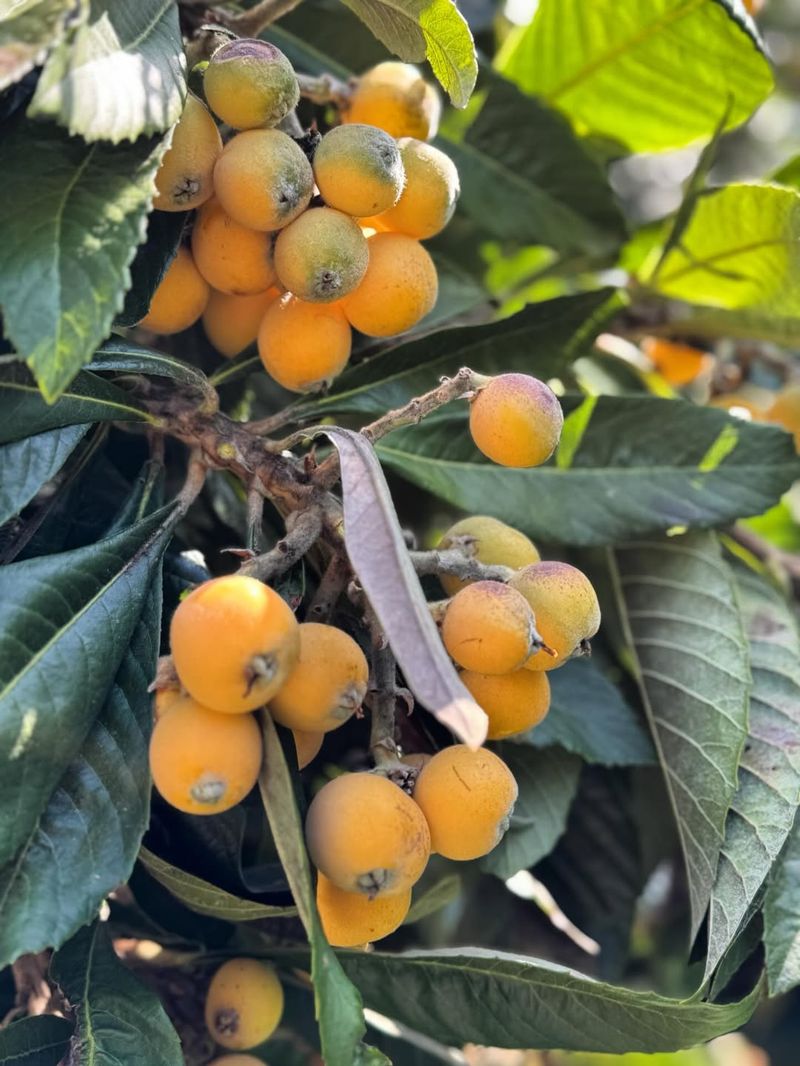
Loquat is one of Arizona’s best-kept gardening secrets. While neighbors are still waiting for their peaches and plums to ripen, loquat trees are already loaded with fruit in late winter and early spring — sometimes as early as February in the Phoenix area.
That off-season harvest timing alone makes it worth planting.
The fruit is small, orange-yellow, and has a flavor somewhere between peach, mango, and citrus. Kids tend to love it straight off the tree.
Loquat trees are also evergreen, which means they add year-round greenery to the yard and provide shade even when they’re not fruiting. That’s a bonus in a state where summer shade is genuinely valuable.
Loquat handles Arizona heat reasonably well, though it appreciates some afternoon shade during the harshest summer months. Young trees especially benefit from shade cloth or a protected east-facing planting spot during their first summer.
Water regularly through the dry spring months when fruit is developing — inconsistent moisture at that stage leads to smaller, less flavorful fruit. Loquats don’t need a ton of fertilizer; a light application in fall and again after harvest is plenty.
In Arizona’s low desert, established trees can reach 15 to 25 feet, so plan your planting location accordingly.
8. Jujube Produces Crisp Apple Like Fruit On Tough Trees
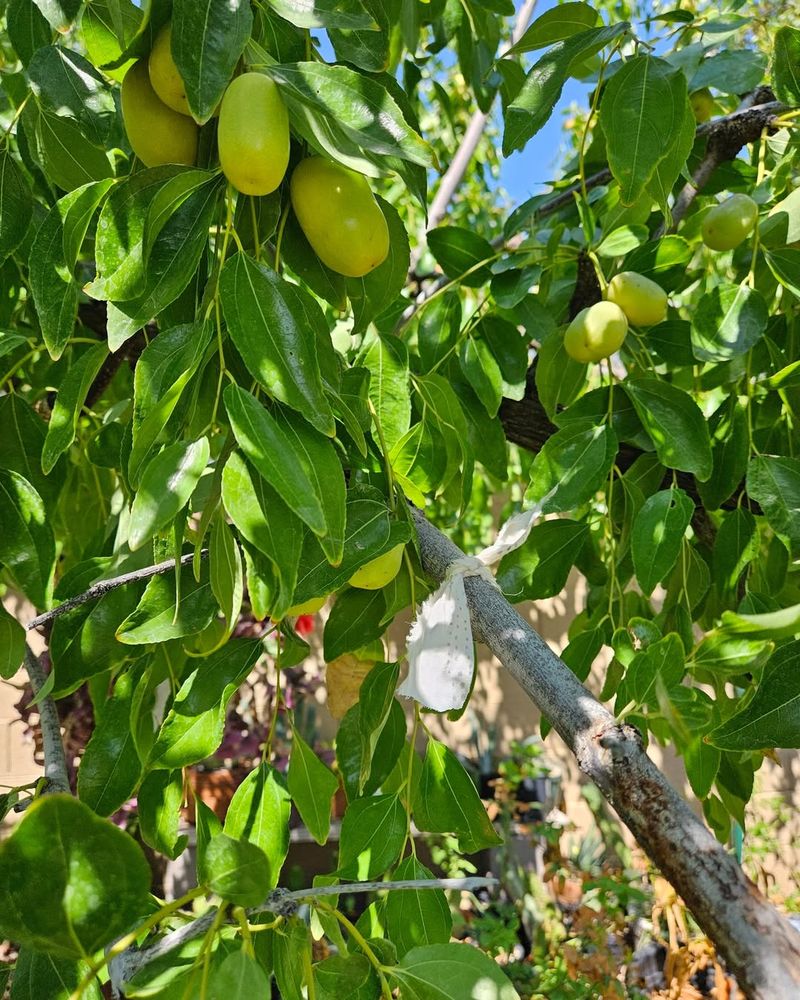
If there’s a fruit tree that seems almost indestructible in Arizona, it’s the jujube. Extreme heat, poor soil, minimal water, alkaline conditions — jujube trees take all of it and still produce a reliable crop of crisp, sweet fruit every fall.
Experienced Arizona gardeners often call it the easiest fruit tree they’ve ever grown.
Jujube fruit starts out green and firm, then turns red and slightly wrinkled as it ripens — at which point the flavor deepens into something almost caramel-like. Eat them fresh, dry them for a chewy snack, or use them in tea.
Li and Lang are two popular varieties that perform particularly well across Arizona’s diverse climates, from the low desert to higher elevation areas like Prescott.
Plant in full sun with decent drainage and step back. Jujubes are not heavy water users once their roots are down — in fact, overwatering is more of a concern than drought.
During the first growing season, water weekly to help roots establish, then gradually reduce frequency. Fertilize lightly in early spring and skip the rest.
These trees don’t need pampering. They bloom in late spring, fruit through summer, and are ready to harvest by September or October in most parts of Arizona.
9. Mulberry Grows Fast And Produces Heavy Crops
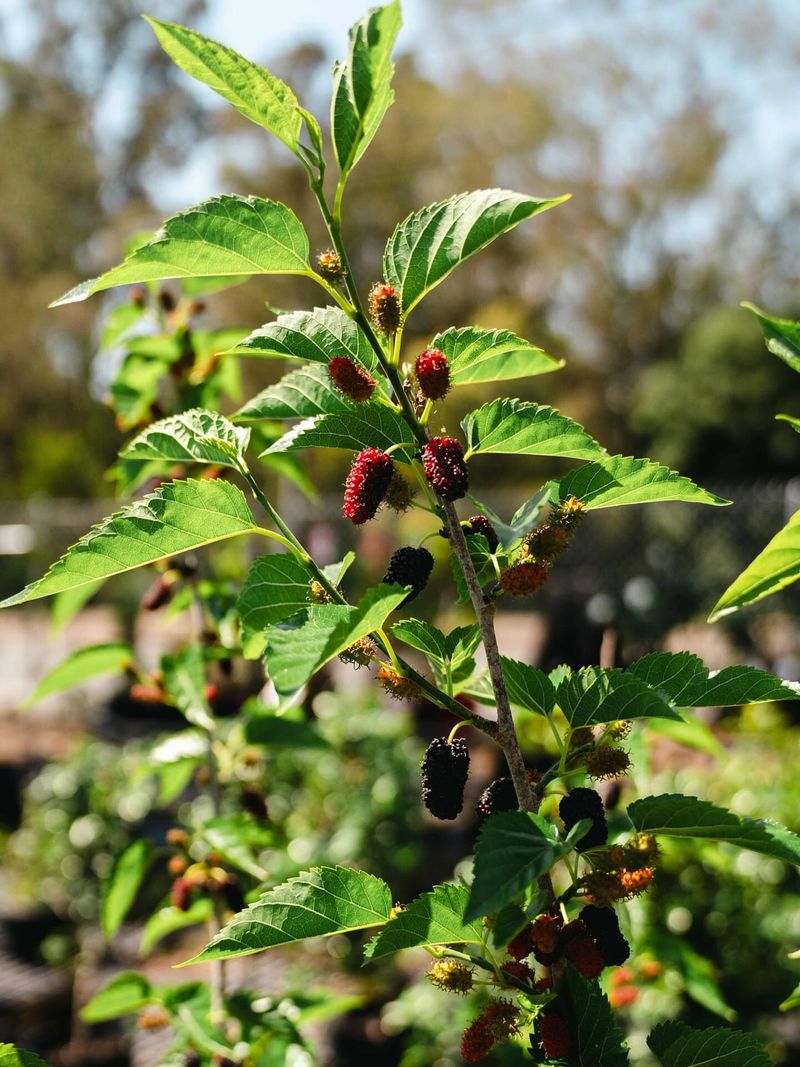
Plant a mulberry tree in Arizona and you’ll be amazed at how fast it takes off. Within a few years, you’re looking at a full-sized shade tree that also drops pounds of sweet, dark berries from May through June.
It’s one of the rare trees that delivers both fruit and meaningful shade — two things Arizona gardeners desperately want.
Fruitless mulberry is actually the more common variety planted in Arizona, but if you want fruit, go with Black or Pakistani mulberry.
Pakistani mulberry in particular produces enormous berries — sometimes two to three inches long — with a rich, sweet flavor that fresh-market fruit can’t touch.
Harvests are heavy, so be ready with a tarp or plan to share with the birds.
Mulberries are not picky about soil and handle Arizona’s alkaline conditions without the leaf-yellowing issues that plague other fruit trees here.
Water consistently through the growing season — especially during fruit development — and cut back significantly in fall.
Prune aggressively in late winter to control size and shape, since these trees put on serious growth each year.
In the Phoenix area and across much of southern Arizona, mulberry trees settle in fast and reward you with more fruit than you’ll know what to do with come late spring.