8 Vegetables You Should Sow In Georgia Gardens This March
March is when many Georgia gardeners start feeling that familiar pull to get back into the garden. The soil begins warming, longer days bring more sunlight, and vegetable beds that sat quiet through winter suddenly feel full of possibility again.
It is the moment when the growing season really begins to wake up.
Sowing the right vegetables this month can make a big difference in how productive a garden becomes later on.
Some crops thrive when planted early in the season, taking advantage of Georgia’s mild spring weather before summer heat starts pushing temperatures higher.
Planting at the right time helps seeds germinate faster, seedlings establish strong roots, and vegetables grow steadily through spring.
With a little planning in March, a garden can quickly fill with healthy plants that are well on their way to producing fresh harvests in the months ahead.
1. Carrots Germinate Well In Cool Early Spring Soil
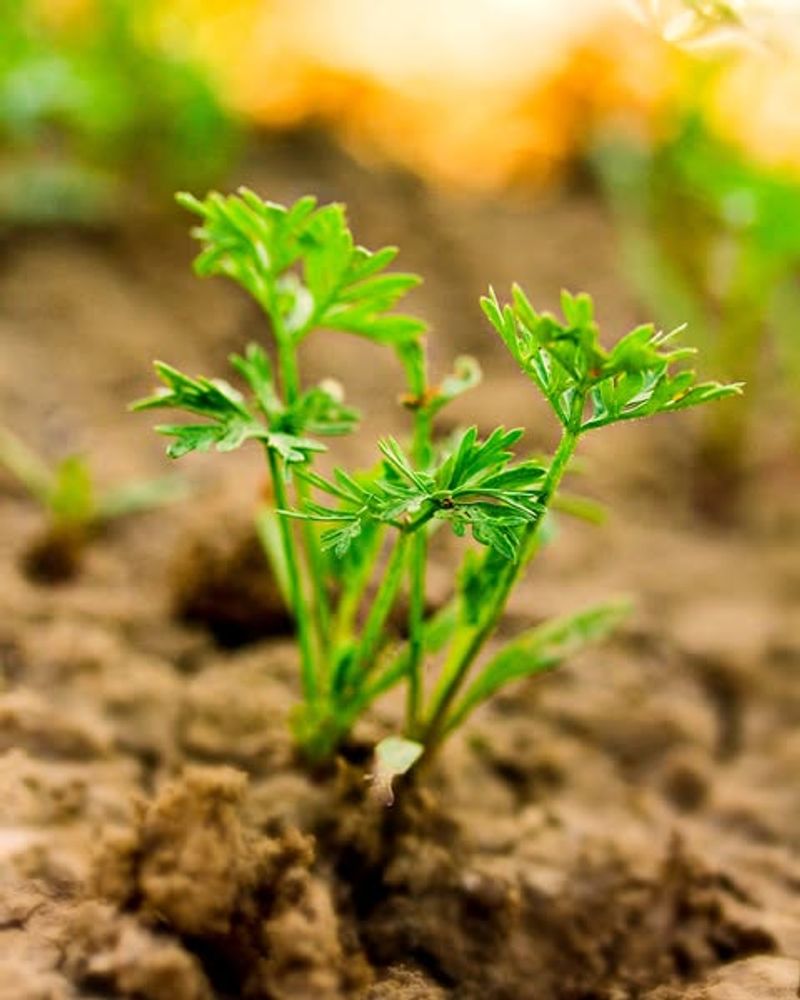
Pull a carrot straight from the ground and you will understand why gardeners keep coming back to them every spring. In Georgia, March gives you exactly the kind of cool, workable soil that carrot seeds need to sprout without drying out too fast.
Soil temperature between 45 and 65 degrees Fahrenheit is the sweet spot, and Georgia gardens hit that range reliably through most of March. Loose, well-draining soil is a must.
Rocky or compacted ground causes roots to fork and twist, so work your bed down at least 10 to 12 inches before sowing.
Varieties like Nantes and Danvers 126 perform really well in Georgia gardens. Sow seeds about a quarter inch deep and roughly two inches apart.
Water gently after planting since carrot seeds are tiny and can wash away easily with a heavy spray.
Germination takes anywhere from 10 to 21 days depending on soil temperature, so patience matters here. Thin seedlings to about three inches apart once they reach two inches tall.
Crowded carrots compete for space underground and end up stunted.
A light layer of compost worked into the soil before planting makes a real difference in flavor and root development. Expect to harvest your first carrots in late May or early June if you sow in mid-March.
2. Lettuce Grows Quickly In Mild Spring Temperatures
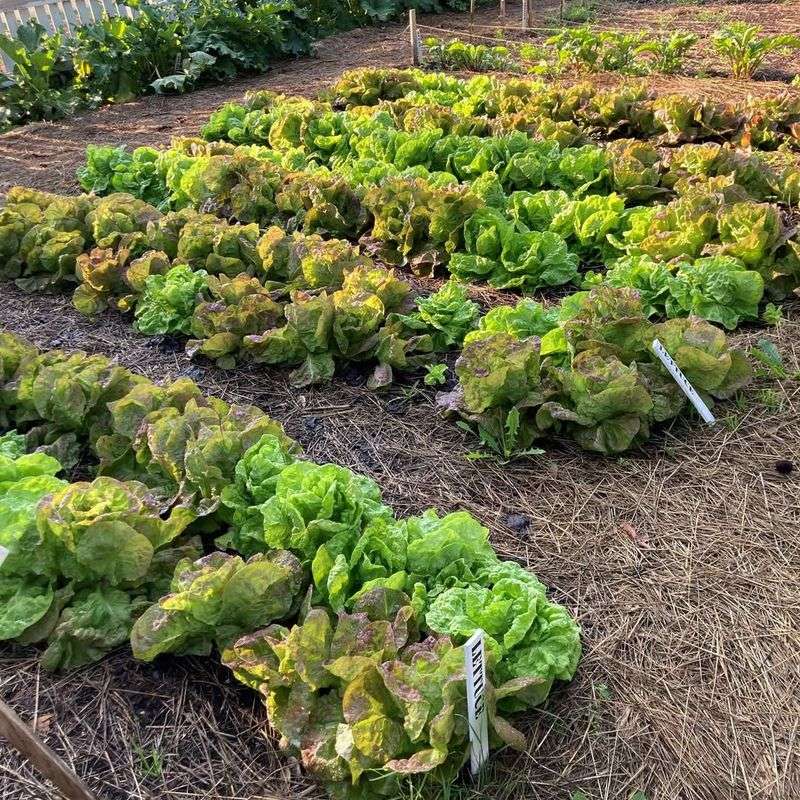
Lettuce is about as forgiving as a vegetable gets, and March in Georgia is practically made for it. Mild days, cool nights, and decent moisture create conditions where lettuce just takes off with very little help from you.
Loose-leaf varieties like Black-Seeded Simpson or Red Sails do especially well when direct-sown in Georgia gardens this time of year. Butterhead types like Boston and Bibb are also solid choices.
Scatter seeds lightly over prepared soil, press them down gently, and keep the bed consistently moist until you see germination, which usually happens within a week.
Lettuce roots are shallow, so you do not need deep beds. A few inches of quality soil or compost is plenty.
Raised beds work great because they warm up faster and drain well after Georgia spring rains.
Cut outer leaves as the plant grows and it will keep producing for weeks. Harvesting this way, rather than pulling the whole plant, stretches your yield significantly through April and into May.
Your Georgia Garden Changes Every Week. Your Plan Should Too.
Gardening in Georgia changes quickly throughout the season. Every Friday you’ll receive a simple weekly plan showing exactly what to plant, prune, fertilize, harvest, and protect so you never miss the right timing.
Once Georgia heat hits consistently above 80 degrees, lettuce will bolt and turn bitter, so enjoy it while conditions are right.
Succession sowing every two weeks through mid-March extends your harvest window. Plant a small patch now, another in two weeks, and you will have fresh salad greens for a solid two months.
3. Spinach Thrives In Cool Weather Before Heat Arrives
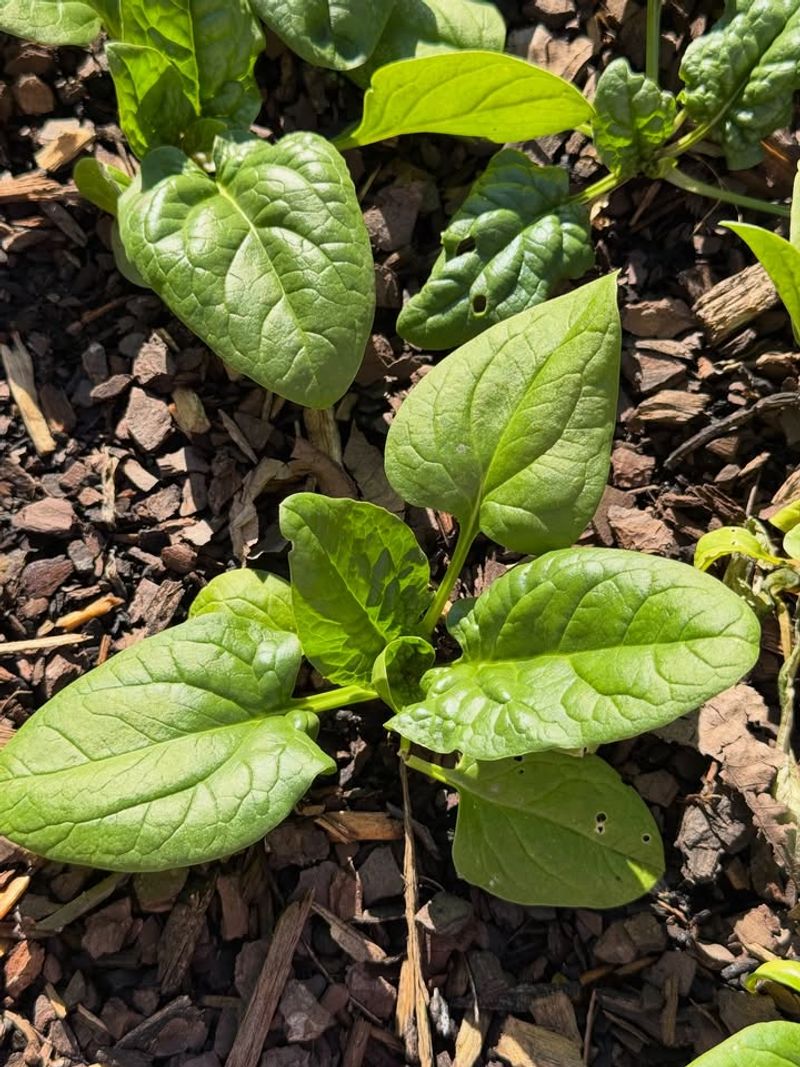
Spinach has a short window in Georgia, and that window opens right now. Sow it in March and you catch the sweet spot between winter cold and summer heat when spinach genuinely flourishes.
Direct sow seeds about half an inch deep and two to three inches apart in rows spaced roughly a foot apart. Georgia’s spring soil in March holds just enough moisture to support strong germination without waterlogging the seeds.
Spinach prefers a slightly alkaline soil, so if your garden tends to run acidic, a light application of lime a few weeks before planting helps.
Bloomsdale Long Standing is a variety worth trying in Georgia. It holds up a bit longer before bolting compared to flat-leaf types, giving you more time to harvest before temperatures climb.
Baby spinach leaves are ready to pick in as little as 25 to 30 days from sowing.
Water consistently but avoid soaking the bed. Spinach does not like sitting in wet soil for extended periods.
If a late cold snap rolls through, do not stress, spinach handles light frost without any fuss.
Harvest outer leaves regularly to encourage new growth from the center. Once you notice the plant starting to send up a tall central stalk, it is bolting.
At that point, pull it and use the leaves right away since they are still perfectly edible.
4. Radishes Mature Fast In Early Spring Gardens
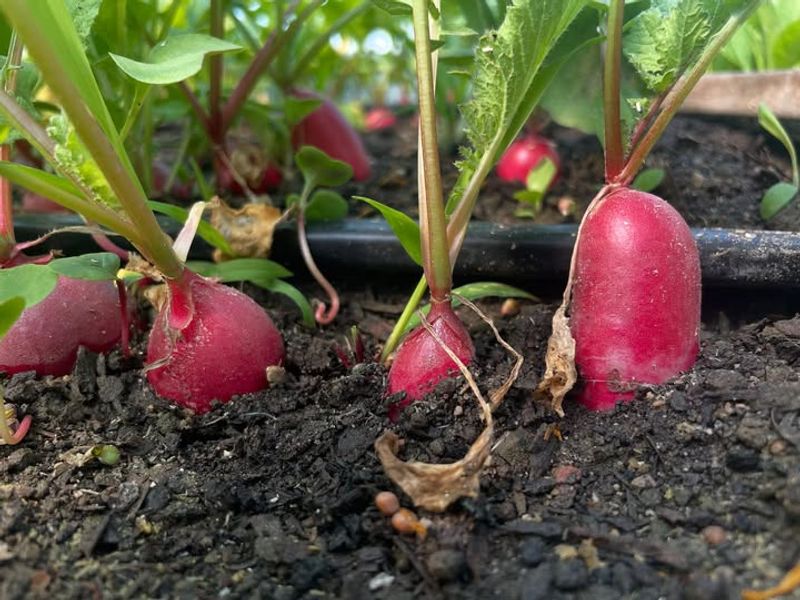
No other vegetable gives you results as fast as a radish. Sow seeds in your Georgia garden today and you could be pulling mature radishes out of the ground in as little as three weeks.
That kind of turnaround is hard to beat.
Cherry Belle and French Breakfast are two varieties that perform consistently well in Georgia’s early spring conditions. Sow seeds about half an inch deep and one inch apart directly in the garden bed.
Thin them to two inches once seedlings are up, because crowded radishes push each other out of the soil and end up weirdly shaped.
Radishes prefer full sun and loose soil. Heavy clay slows root development and causes the roots to become tough and pithy.
If your Georgia soil is heavy, mix in some compost or aged manure before sowing to loosen things up a bit.
Keep soil evenly moist throughout the growing period. Radishes that dry out between waterings tend to split or turn hot and woody.
Consistent moisture produces tender, crisp roots with a mild bite that is actually enjoyable raw.
Harvest promptly once they reach full size, usually about the diameter of a large marble for Cherry Belle types. Leaving them in the ground too long causes them to become hollow and pithy.
Radishes also work well as row markers planted alongside slower-germinating crops like carrots or beets.
5. Beets Grow Well When Planted In Cool Spring Soil
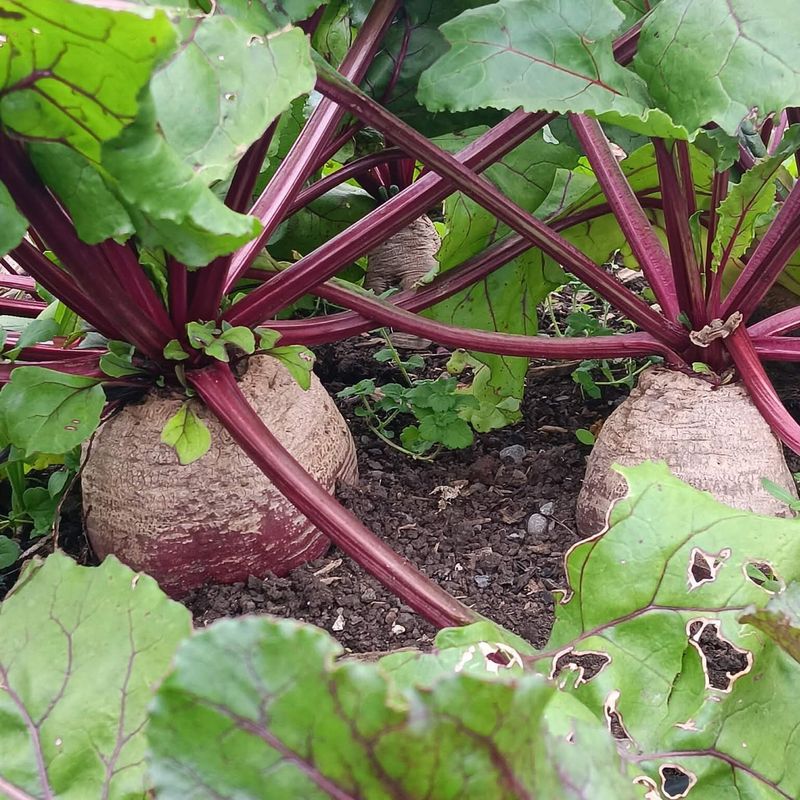
Beets are one of those vegetables that rewards you twice. You get the root, which is sweet and earthy roasted or boiled, and you get the greens, which cook up beautifully just like Swiss chard.
Planting them in March in Georgia takes full advantage of the cool soil temperatures that help beet seeds germinate steadily.
Detroit Dark Red and Red Ace are reliable varieties for Georgia gardens. What looks like a single beet seed is actually a cluster of two to four seeds, so expect multiple seedlings from each planting spot.
Thin to the strongest seedling once they reach about two inches tall, spacing plants roughly three to four inches apart.
Beets prefer loose, well-draining soil with a neutral pH. Boron deficiency is common in Georgia soils and can cause hollow or corky roots, so adding a balanced organic fertilizer before planting helps.
Work it into the top few inches of the bed.
Sow seeds about half an inch deep and keep the soil consistently moist until germination, which takes about five to ten days in March soil temperatures. Beets do not like transplanting, so direct sowing is the way to go.
Expect roots to be harvest-ready in 55 to 70 days from sowing. Pull them when they reach about two to three inches in diameter for the best texture and flavor.
6. Peas Produce Best When Sown Before Warm Weather
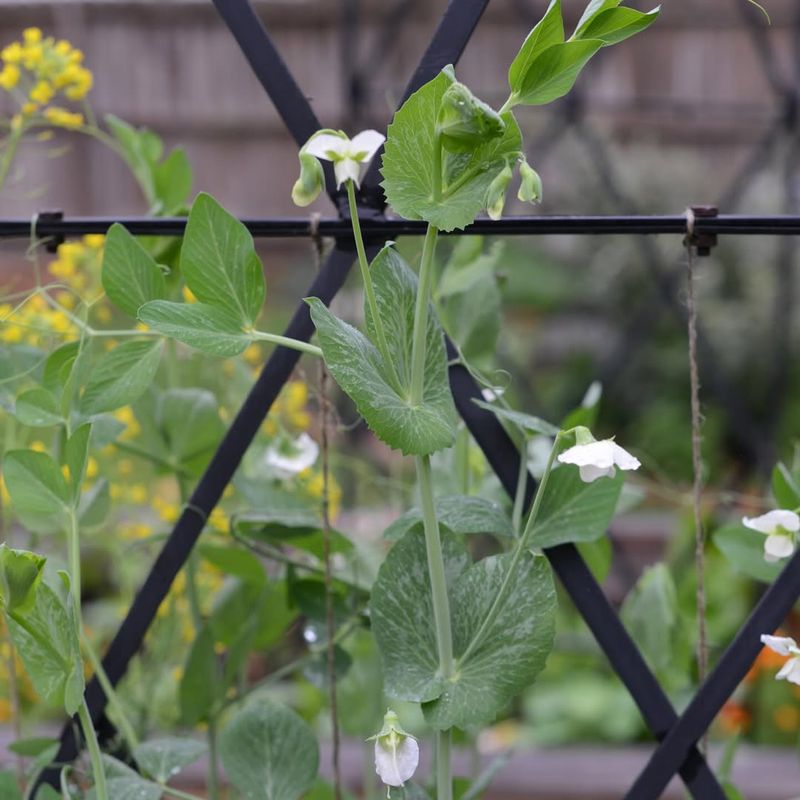
Peas and Georgia springs go together in a way that feels almost intentional. Cool temperatures, moderate moisture, and gradually lengthening days create ideal conditions for pea vines to climb and produce pods before summer shuts them down.
Sow seeds directly in the garden in early to mid-March, about one inch deep and two to three inches apart. Peas do not transplant well, so skipping the seed trays and going straight into the ground is the right move.
Sugar Snap and Little Marvel are two varieties that have a strong track record in Georgia gardens.
Set up your trellis or support structure before the seeds go in, not after. Pea tendrils grab on early and grow fast once temperatures warm slightly in late March and April.
A simple wire fence or bamboo stakes with twine works perfectly fine.
Peas actually fix their own nitrogen from the air with the help of soil bacteria, so you do not need to fertilize heavily. A light application of compost at planting time is usually enough.
Too much nitrogen causes lush vines with fewer pods.
Water consistently during flowering since dry spells during pod set reduce your yield noticeably. Once pods are plump and fill out the shell, pick them promptly.
Leaving pods too long on the vine signals the plant to stop producing, so keep harvesting every few days to extend the season.
7. Swiss Chard Handles Cool Nights And Warmer Days
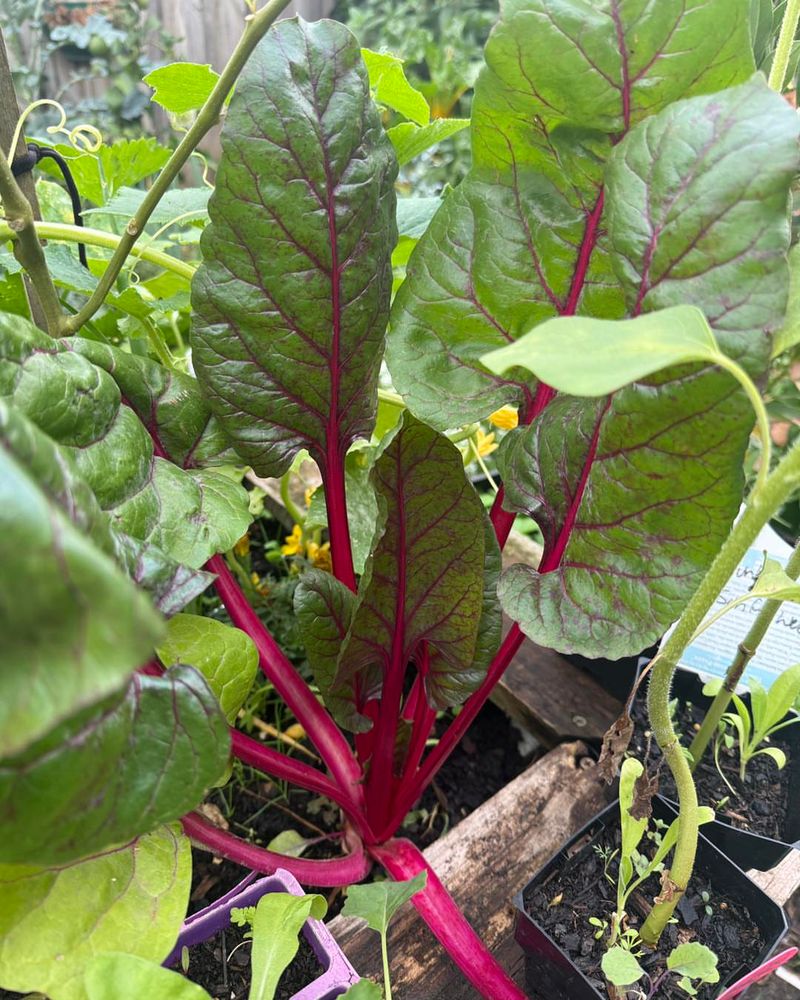
Swiss chard might be the most easygoing green you can grow in a Georgia spring garden. Unlike spinach, which bolts the moment temperatures climb, chard bridges the gap between cool and warm weather without much complaint at all.
Bright Lights is a popular variety that produces stems in red, yellow, orange, and white, and it looks genuinely striking in a garden bed. Rainbow chard is another name you will see on seed packets.
Fordhook Giant is a more traditional green-stemmed type that produces large, thick leaves and handles heat a little better than some of the colorful varieties.
Sow seeds about half an inch deep and four to six inches apart in March. Chard seeds are actually clusters, similar to beet seeds, so thin seedlings once they emerge to give each plant room to develop.
Rows spaced about 12 to 18 inches apart allow good air circulation.
Full sun is ideal, but chard tolerates partial shade better than most vegetables, which is useful in Georgia gardens where trees or structures might create some afternoon shade.
Keep soil evenly moist and apply a layer of mulch to hold moisture during warmer March days.
Start harvesting outer leaves when they reach about eight to ten inches long. New leaves will keep growing from the center for months, making chard one of the longest-producing greens in a Georgia spring and summer garden.
8. Turnips Grow Quickly In Early Spring Conditions
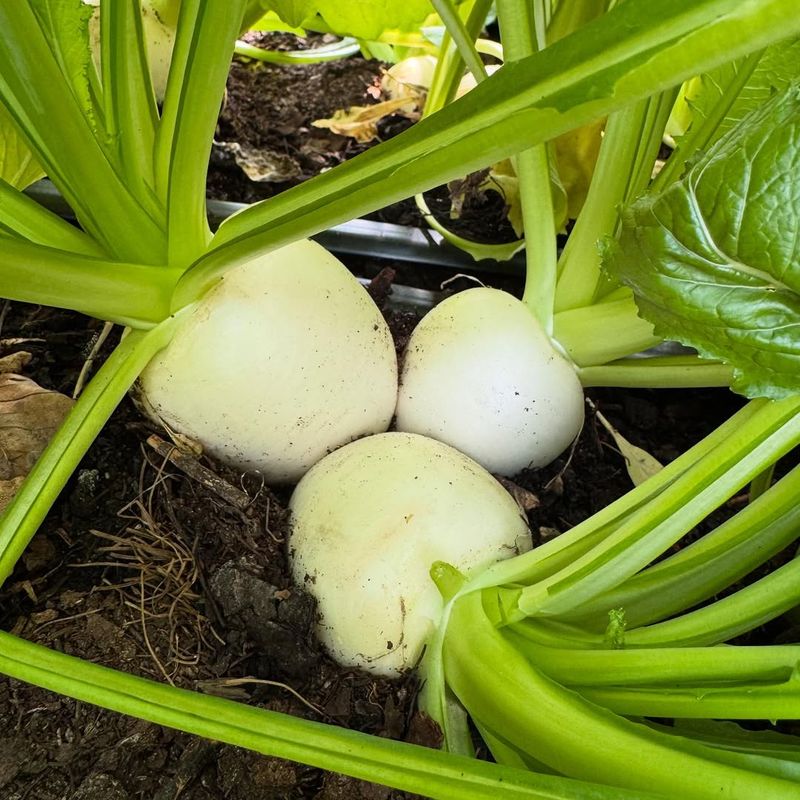
Turnips do not get nearly enough credit in Georgia gardens. They grow fast, use very little space, and give you both edible roots and nutritious greens from the same plant.
Sowing them in March sets you up for a harvest in as little as five to six weeks.
Purple Top White Globe is a classic variety that does well across Georgia. Hakurei is a Japanese salad turnip with a sweeter, milder flavor that has picked up a lot of fans in recent years.
Both handle Georgia’s early spring conditions without any trouble.
Sow seeds directly in prepared soil about a quarter to half an inch deep and one inch apart. Thin seedlings to about four to six inches apart once they are a couple of inches tall.
Crowded turnips produce small, misshapen roots that are frustrating to work with in the kitchen.
Turnips prefer full sun and consistent moisture. Sandy loam soil common in parts of Georgia actually suits them well since roots develop more uniformly in loose ground.
If your soil is compacted, loosen it with a fork and add some compost before sowing.
Harvest roots when they are two to three inches in diameter for the best eating quality. Younger greens are tender and mild, great sauteed with a bit of olive oil and garlic.
Larger roots tend to get a bit pithy, so do not wait too long once they reach full size.