Plant These 8 Cool‑Season Greens In Ohio Before Spring Hits
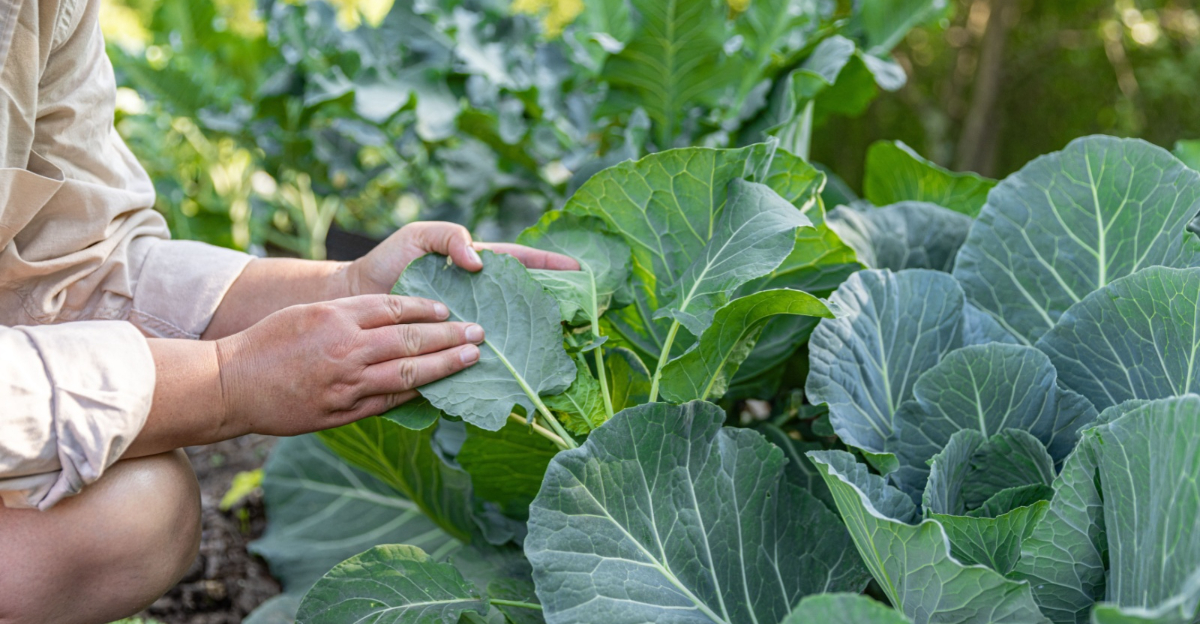
Cold soil still covers much of Ohio, yet the smartest gardeners already head outside with seed packets in hand. Late winter offers a narrow window when cool air and damp ground create the perfect start for fast, hardy greens.
While most gardens still look empty, these early crops push through chilly nights and unpredictable temperatures without complaint. Fresh harvests weeks before spring arrives sound almost too good to be true.
Crisp leaves, vibrant color, and steady growth begin long before tomatoes and peppers even enter the plan. The secret lies in choosing vegetables that thrive in cold soil and short days.
A small patch of ground can transform into a steady source of salads, sautés, and nutrient-packed meals while frost still lingers across the state. Timing makes the difference between a slow garden and an early harvest.
These cold-loving greens deserve a place in every Ohio garden before spring arrives.
1. Start Lettuce Now For Early Salad Greens
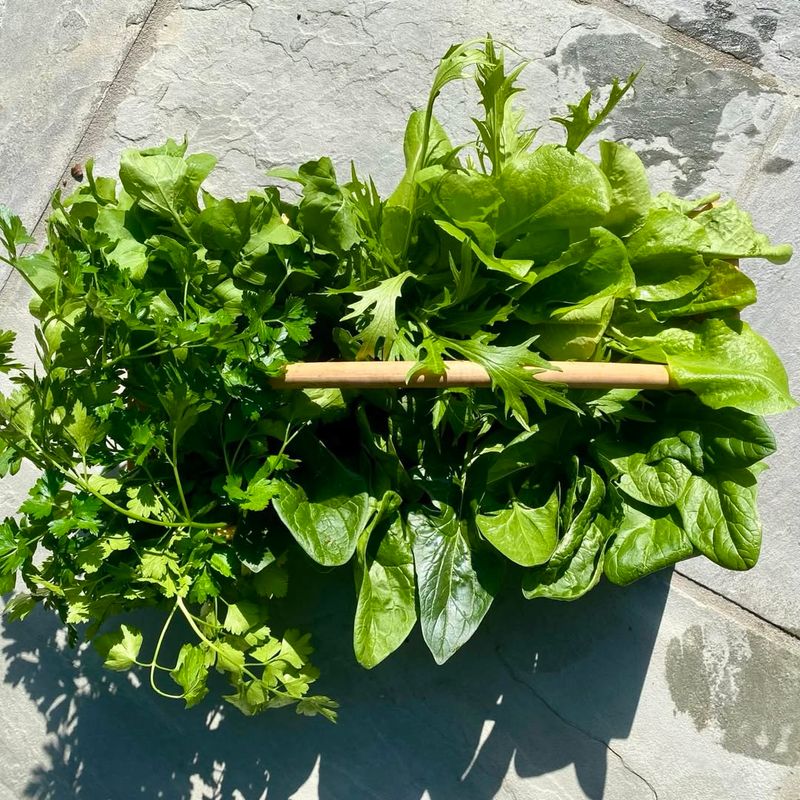
Few things beat the crunch of homegrown lettuce pulled straight from your backyard. Ohio gardeners have a real advantage here because lettuce loves the cool, moist conditions that early spring delivers.
Varieties like romaine, butterhead, and loose-leaf lettuce all perform well in Ohio’s unpredictable March and April weather.
You can start seeds indoors about four to six weeks before your last frost date, which typically falls in mid-April for Central Ohio. Transplant seedlings outdoors once nighttime temperatures stay above 28 degrees Fahrenheit.
You can also direct sow seeds right into prepared garden beds as soon as the soil reaches 40 degrees.
Prepare your bed by loosening soil about six inches deep and mixing in compost to boost nutrients. Lettuce prefers a slightly acidic pH between 6.0 and 7.0.
Space seeds about one inch apart in rows, then thin seedlings to six inches once they sprout. Keep the soil evenly moist because dry spells cause bitterness.
Harvest outer leaves regularly to encourage continuous growth throughout the season. Ohio State University Extension recommends succession planting every two weeks for a steady salad supply all spring long.
2. Sow Spinach Before Ground Warms
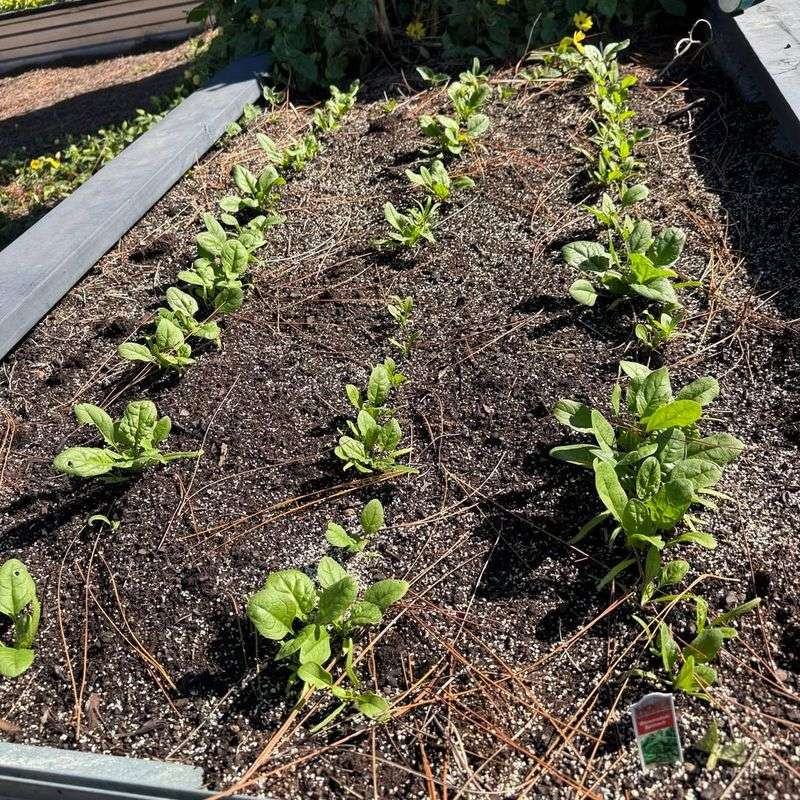
Spinach is practically built for Ohio springs. It germinates in soil as cold as 35 degrees Fahrenheit and can handle light frosts without missing a beat.
According to Ohio State University Extension, mid-March is a prime window for direct sowing spinach in Central Ohio, giving you a head start before warmer crops even get started.
Rich, well-drained soil is key to a strong spinach harvest. Work in two to three inches of compost before planting to give seeds the nitrogen boost they need.
Sow seeds half an inch deep and about two inches apart in rows spaced twelve inches apart. Thin seedlings to four to six inches once they reach two inches tall.
Spinach bolts quickly once temperatures climb above 75 degrees, so timing is everything in Ohio. Planting early means you can harvest before summer heat arrives.
Baby spinach leaves are ready in as little as 25 days, while full-sized leaves take about 40 to 50 days. Water consistently and avoid overhead watering late in the day to reduce disease risk.
Your Ohio Garden Changes Every Week. Your Plan Should Too.
Gardening in Ohio changes quickly throughout the season. Every Friday you’ll receive a simple weekly plan showing exactly what to plant, prune, fertilize, harvest, and protect so you never miss the right timing.
Spinach is loaded with iron, folate, and vitamins A and C, making every leaf worth the effort.
3. Plant Kale For Frost-Friendly Harvests
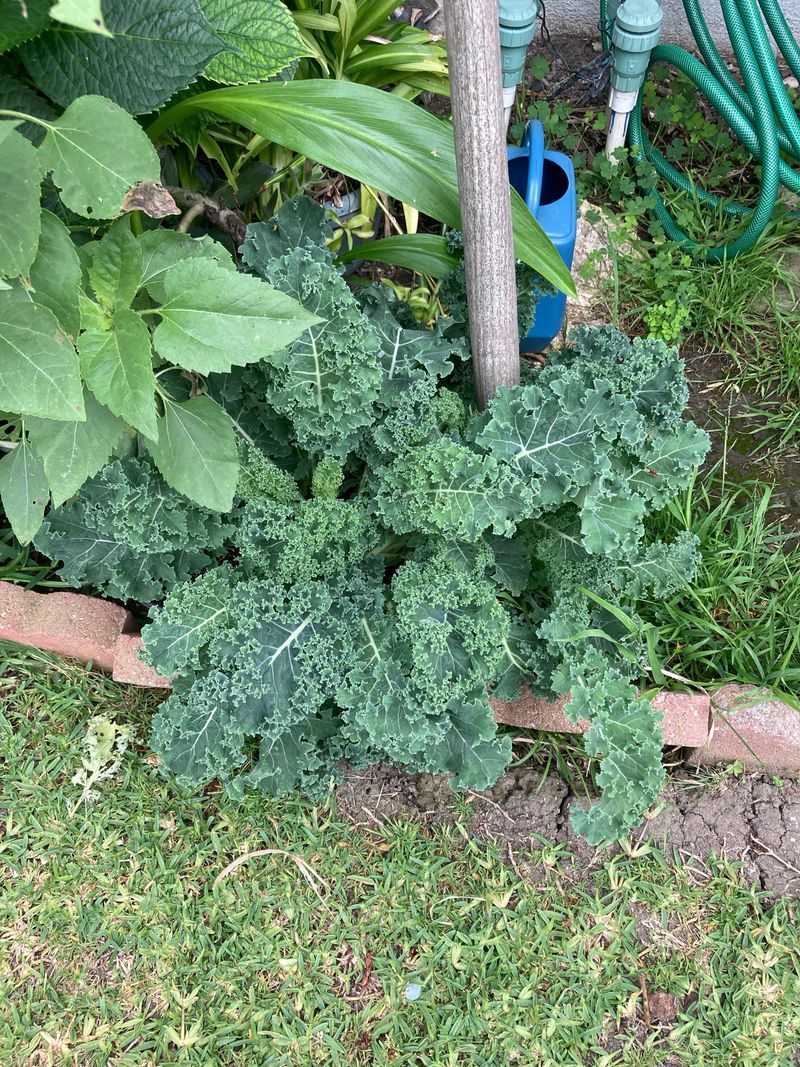
Kale has earned a serious reputation among Ohio gardeners, and for good reason. This leafy powerhouse can survive temperatures as low as 10 degrees Fahrenheit, making it one of the toughest greens you can grow.
A light frost actually improves kale’s flavor by converting starches into sugars, giving leaves a slightly sweet, earthy taste.
Plant kale seeds directly outdoors two to four weeks before your last frost date. In most parts of Ohio, that means getting seeds in the ground by late March or early April.
Space seeds about 18 inches apart so each plant has room to spread its broad leaves. Kale thrives in full sun but tolerates partial shade, which is helpful during Ohio’s unpredictable spring days.
Curly kale, lacinato kale, and Red Russian kale are all excellent choices for Ohio gardens. Amend your soil with compost and ensure a pH between 6.0 and 7.5.
Harvest outer leaves once plants reach eight to ten inches tall, always leaving the center bud intact so growth continues. Kale works beautifully in soups, stir-fries, smoothies, and salads.
Ohio gardeners who plant kale early often enjoy harvests stretching from spring all the way into late fall.
4. Add Mustard Greens For Spicy Crunch
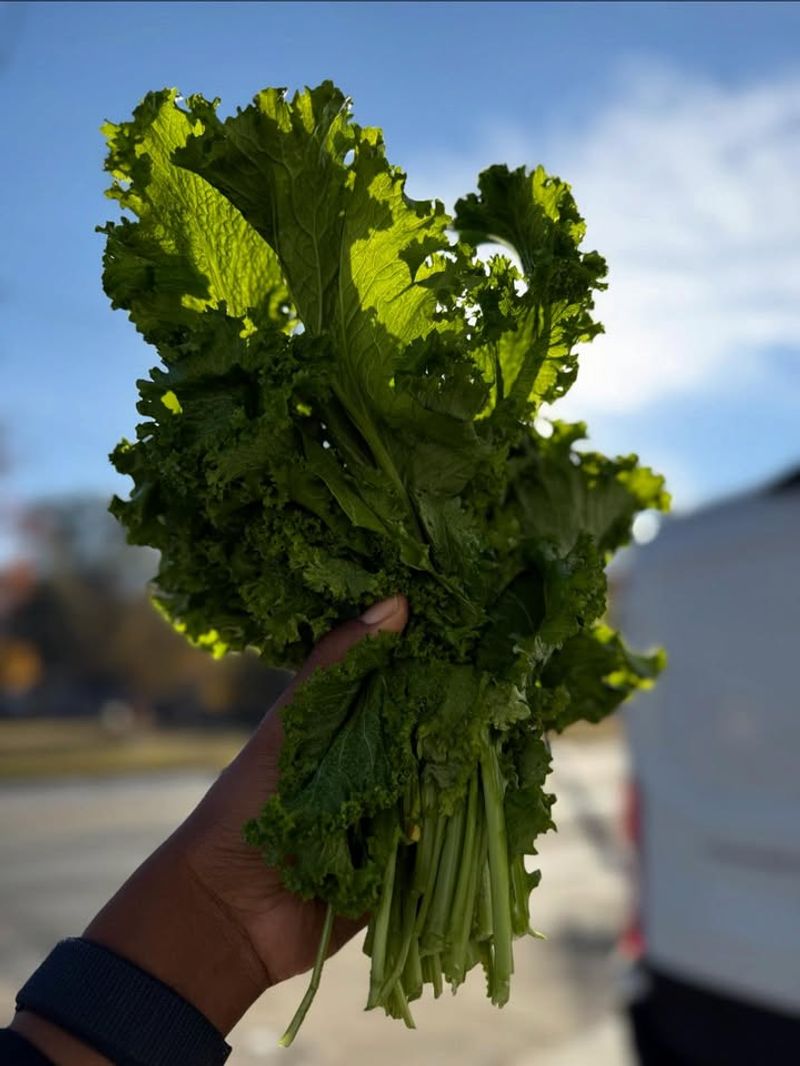
Mustard greens bring something bold to the garden that most other cool-season crops simply cannot match. Their peppery, slightly tangy flavor makes them a standout in salads, stir-fries, and braised side dishes.
Ohio gardeners who have not tried mustard greens are missing out on one of the easiest and most rewarding cool-season crops available.
Direct sow mustard green seeds as soon as the soil becomes workable in early spring, typically late February to early March in southern Ohio and mid-March in northern regions. Sow seeds a quarter inch deep and space rows about 12 to 18 inches apart.
Thin seedlings to six inches once they emerge. Mustard greens prefer full sun and slightly acidic soil with a pH between 6.0 and 6.8.
Succession planting every two to three weeks keeps a steady supply coming throughout spring. Young leaves are milder and great for fresh salads, while mature leaves develop a stronger kick perfect for cooking.
Harvest outer leaves continuously to extend the growing season. Like spinach, mustard greens bolt in summer heat, so focus your Ohio harvest window on March through May.
A single packet of seeds can produce more greens than most families can eat in a season.
5. Grow Swiss Chard For All-Season Leaves
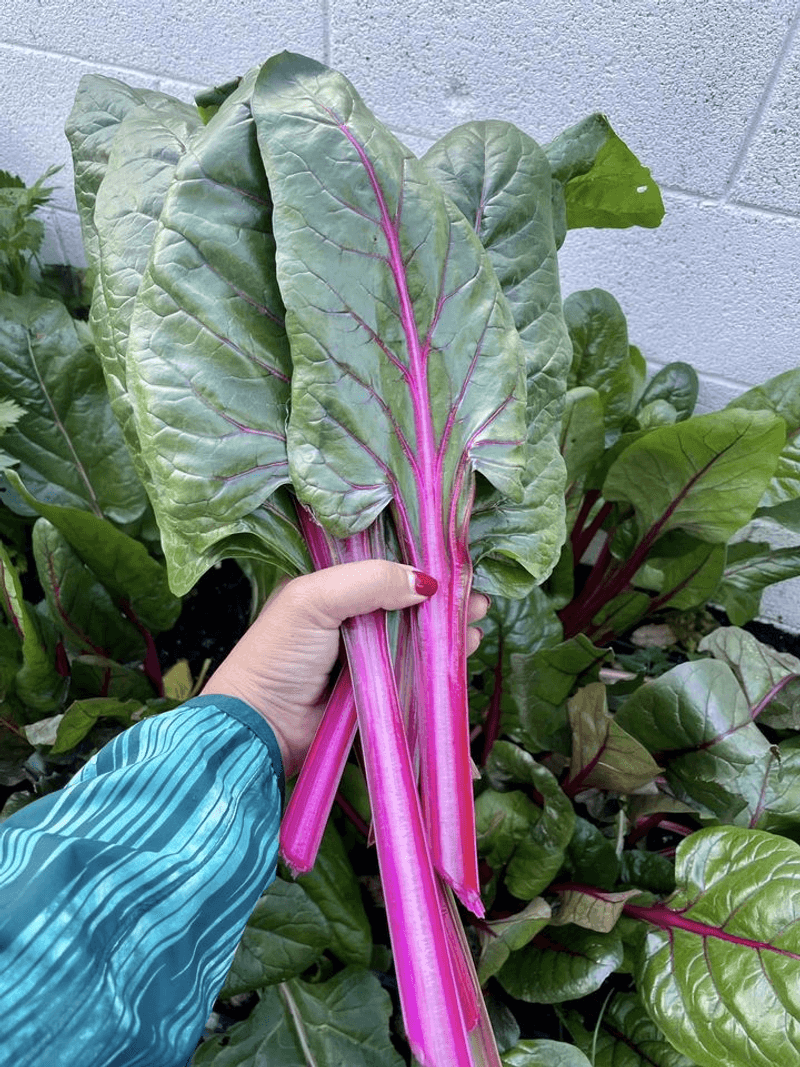
Rainbow Swiss chard is one of the most visually striking vegetables you can grow in an Ohio garden. Stems come in brilliant shades of red, orange, yellow, and white, making garden beds look like living art.
Beyond its good looks, Swiss chard is a nutritional powerhouse packed with vitamins K, A, and C.
Swiss chard tolerates light frost and grows well in Ohio from early April onward. Direct sow seeds about half an inch deep and space them two to three inches apart.
Once seedlings reach three inches tall, thin them to about six inches apart. Swiss chard prefers loose, fertile soil rich in organic matter with a pH between 6.0 and 7.0.
One of the best things about Swiss chard is its incredibly long harvest window. Unlike spinach, it does not bolt quickly in heat, making it a reliable producer from spring through fall in Ohio.
Harvest outer leaves when they reach six to eight inches long, leaving the central leaves to keep producing. Use the leaves like spinach in sautes and soups, and slice the colorful stems into stir-fries.
Consistent moisture and a monthly dose of balanced fertilizer keep plants producing generously throughout the season.
6. Set Out Collards For Big, Tender Greens
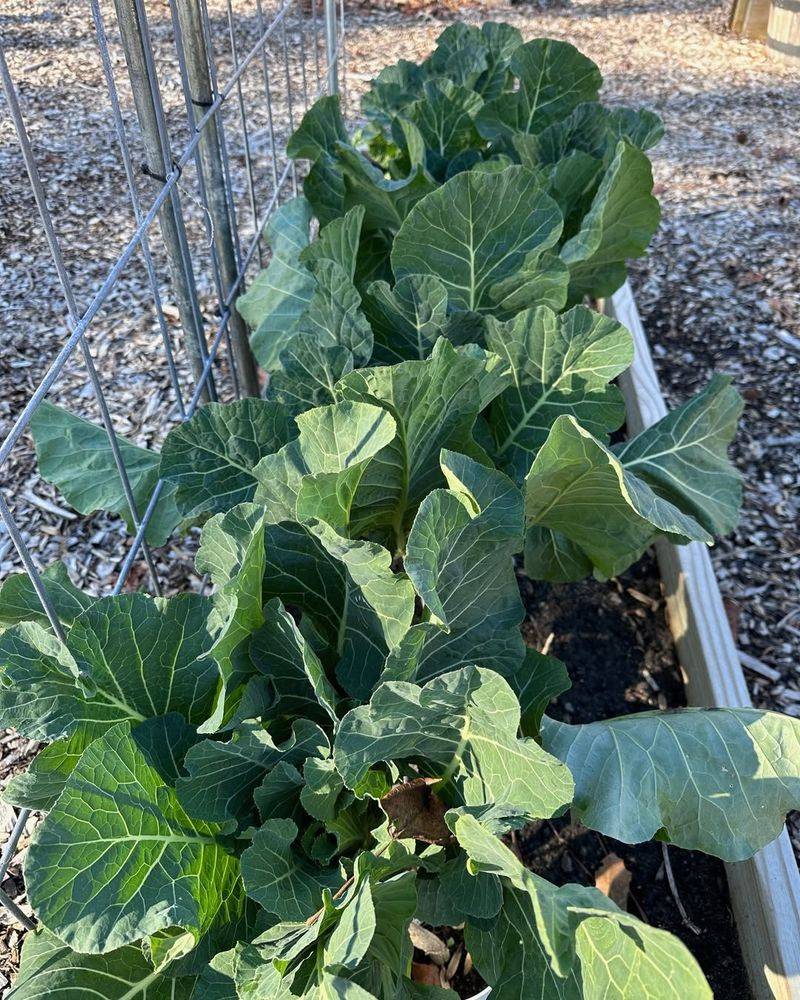
Collard greens have been feeding families for centuries, and Ohio gardeners are discovering just how well they perform in the state’s cool spring climate. These broad, sturdy leaves are loaded with calcium, fiber, and vitamins, and they hold up beautifully in long, slow cooking.
Southern-style braised collards are a classic, but Ohio cooks have found plenty of creative ways to enjoy them.
Start collard seeds indoors four to six weeks before your last frost date, or direct sow outdoors once soil temperatures reach 45 degrees Fahrenheit. Transplant seedlings 18 to 24 inches apart to give each plant plenty of room to spread its wide leaves.
Collards grow best in full sun with well-drained, fertile soil amended with compost. Aim for a soil pH between 6.0 and 6.8 for best results.
Ohio’s cool spring nights actually improve collard flavor, softening bitterness and adding a mild sweetness. Harvest outer leaves starting about 60 to 75 days after transplanting.
Young, smaller leaves are more tender and mild, while larger leaves develop a heartier, more robust taste. Consistent watering and a nitrogen-rich fertilizer applied every three to four weeks support steady, vigorous growth.
Collards are one of the most rewarding greens an Ohio gardener can grow.
7. Direct Seed Beet Greens For Quick Growth
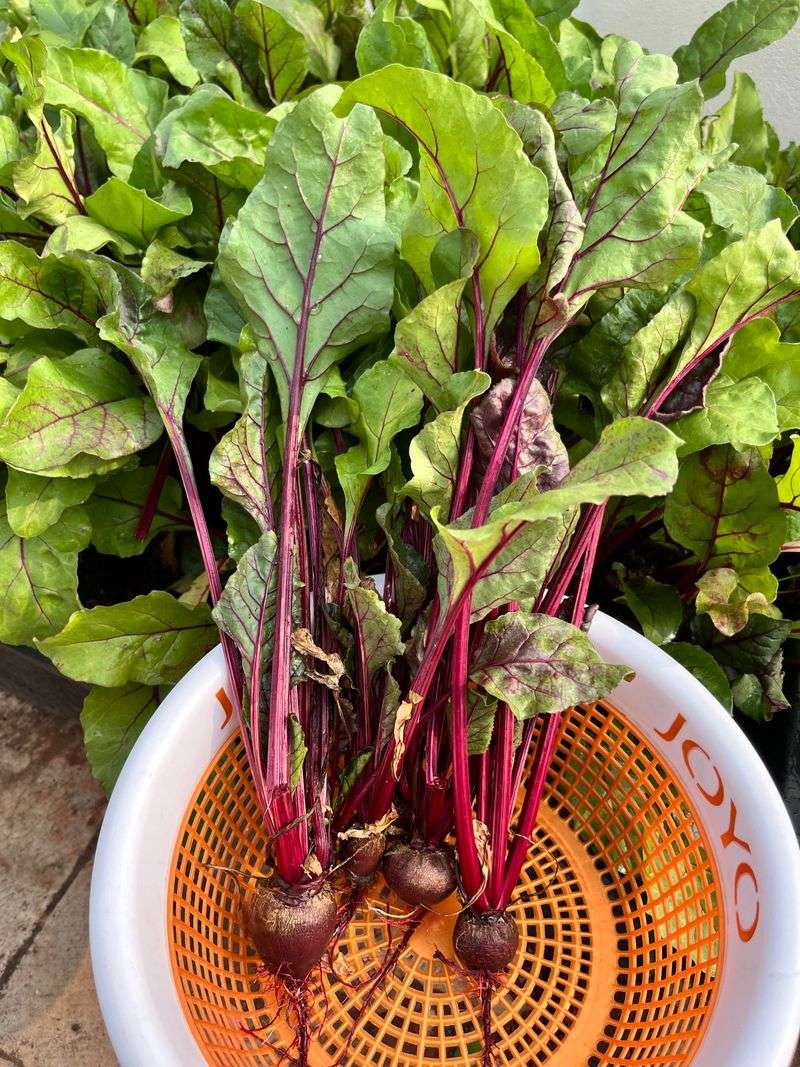
Most people think of beets as a root vegetable, but the greens growing above the soil are just as valuable and even faster to harvest. Beet greens have a mild, earthy flavor similar to Swiss chard, and they are rich in iron, calcium, and antioxidants.
Ohio gardeners who skip the greens are leaving some of the best nutrition in the garden.
Sow beet seeds directly into the garden as soon as soil can be worked in early spring, usually late February to mid-March across most of Ohio. Plant seeds about half an inch deep and one inch apart in rows spaced twelve inches apart.
Beet seeds are actually clusters, so multiple seedlings will emerge from each one. Thin them to three to four inches apart once they reach two inches tall.
Beet greens are ready to harvest in as little as 30 to 40 days, making them one of the fastest cool-season crops available to Ohio gardeners. Snip outer leaves when they reach four to six inches tall, leaving the inner leaves to continue growing.
Beet greens pair beautifully with garlic and olive oil in a quick saute. Companion plant beets near onions or lettuce to maximize your garden space efficiently during Ohio’s short spring window.
8. Toss In Arugula For Peppery, Fast Picks
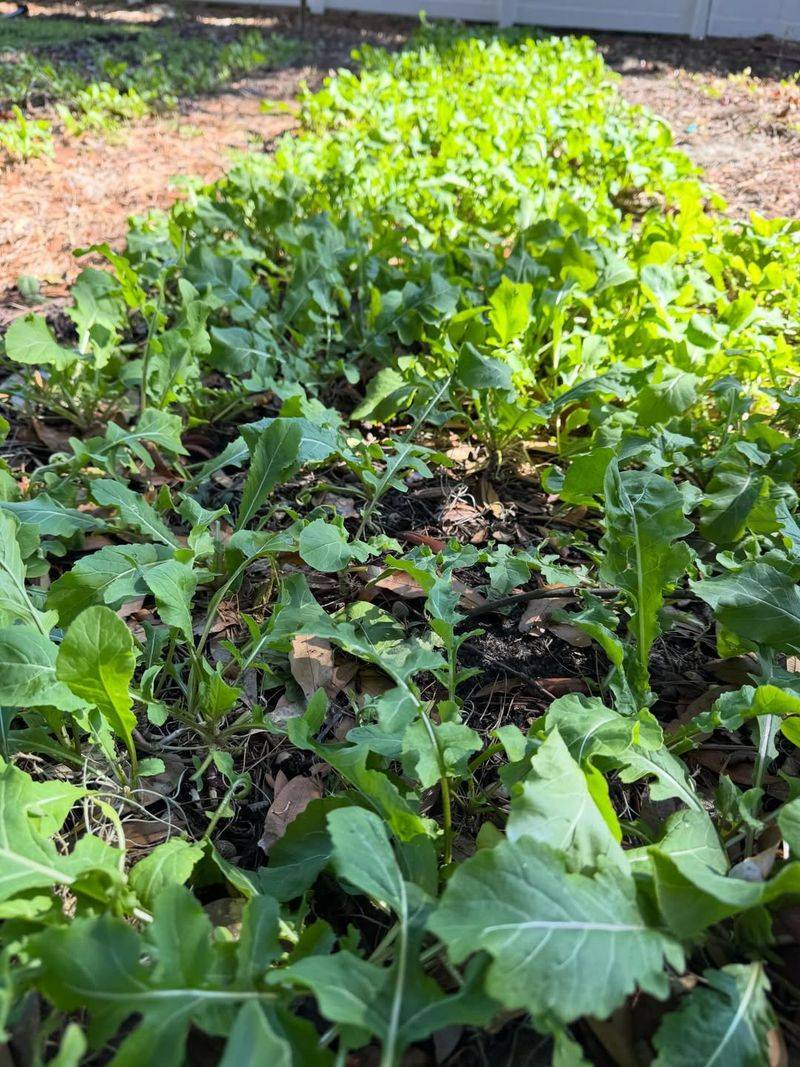
Arugula is the kind of green that surprises people. One bite of its peppery, slightly nutty leaves and suddenly plain salads feel completely different.
Ohio’s cool spring temperatures actually work in arugula’s favor because cold weather softens its natural spiciness, producing leaves with a more balanced, complex flavor than summer-grown arugula ever delivers.
Scatter arugula seeds directly onto prepared soil as early as late February in southern Ohio or early March further north. No need to bury them deep; a light covering of soil about a quarter inch thick is plenty.
Seeds germinate in as little as five to seven days in cool conditions. Thin seedlings to four to six inches apart once they emerge, and expect your first harvest in just three to four weeks.
Succession planting arugula every two weeks from March through April keeps a continuous supply of tender young leaves coming all season. Harvest by snipping leaves at the base when they reach two to three inches long for the mildest flavor.
Larger leaves have a stronger kick great for pizza toppings and pasta dishes. Arugula bolts quickly once Ohio temperatures rise above 65 degrees, so plant early and harvest often to enjoy every bit of this fast-growing, flavorful green.