7 Plants To Buy At Oregon Nurseries Right Now (And 3 To Skip)
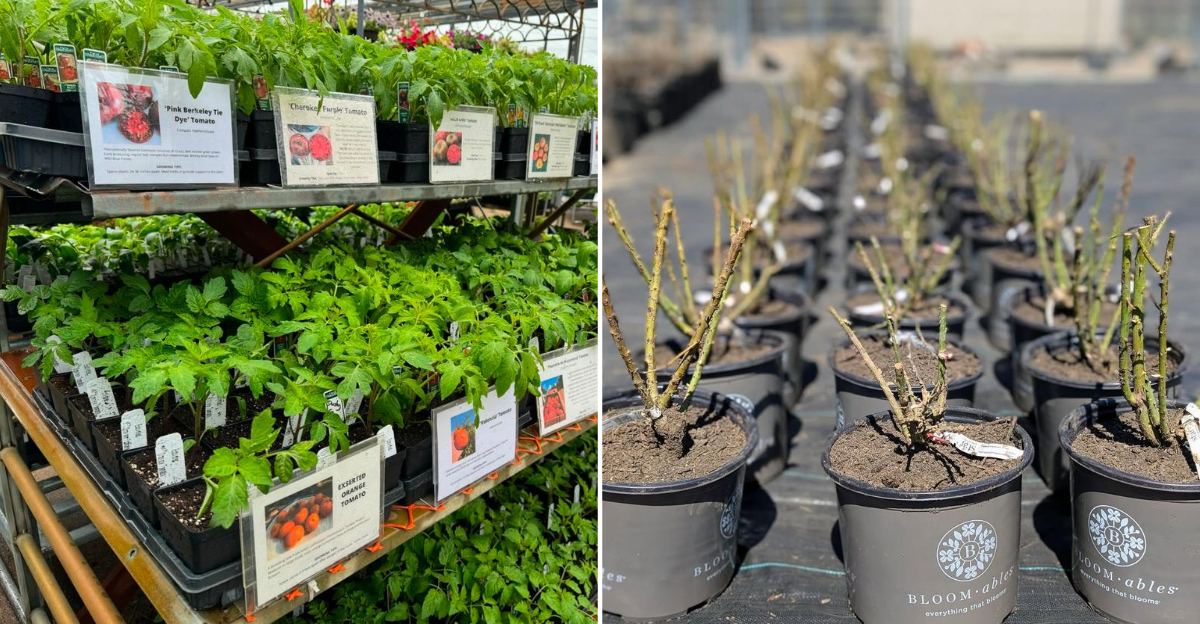
Spring has officially arrived in Oregon, and nurseries are bursting with fresh green life waiting to come home with you.
Walking among the rows of plants, it’s easy to feel excited and a little overwhelmed by all the choices.
Some selections will thrive in your yard, giving you vibrant color, strong growth, and even wildlife benefits. Others look tempting but can turn into a lot of extra work, struggle with the climate, or simply fizzle out before summer even begins.
Knowing what to grab now can save frustration later and make your garden the envy of the neighborhood.
The right plants will reward your care with blooms, berries, or lush foliage that lasts all season, while the ones to skip will save you time, money, and headaches. A smart shopping trip now sets your garden up for months of beauty and enjoyment.
1. Bare-Root Fruit Trees
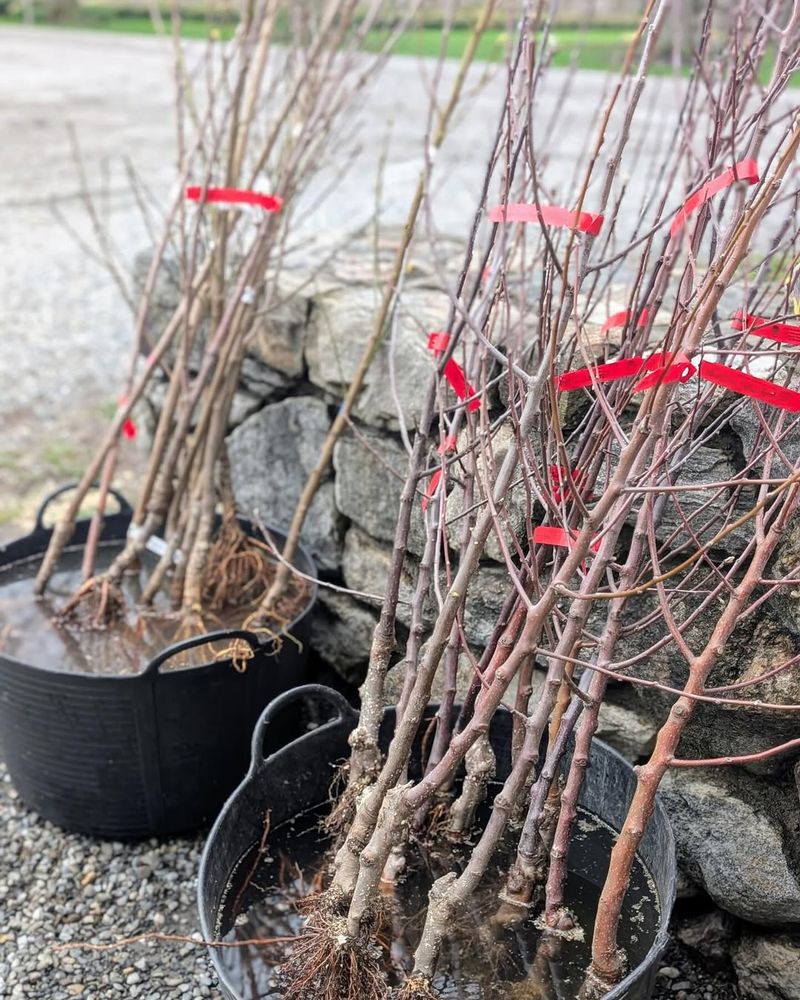
Few things feel more rewarding than planting a fruit tree that will feed your family for decades. Right now, Oregon nurseries are stocked with bare-root fruit trees, and this is honestly the best time to buy them.
Bare-root trees are sold without soil around their roots, which makes them lighter, cheaper, and easier to plant.
Apples, pears, cherries, and plums are all commonly available across Oregon this time of year. Because the tree is dormant, it settles into your soil quickly and gets a strong head start before warm weather arrives.
Oregon’s cool spring temperatures are actually perfect for this transition period.
When you shop, look for roots that are moist and firm, never dried out or slimy. Ask the nursery staff which varieties grow best in your part of Oregon, since the Willamette Valley and the coast have different conditions.
Plant your bare-root tree as soon as possible after bringing it home. Soak the roots in water for a few hours before planting to wake them up.
With a little care, you could be harvesting your own fruit within just a few years.
2. Berry Bushes
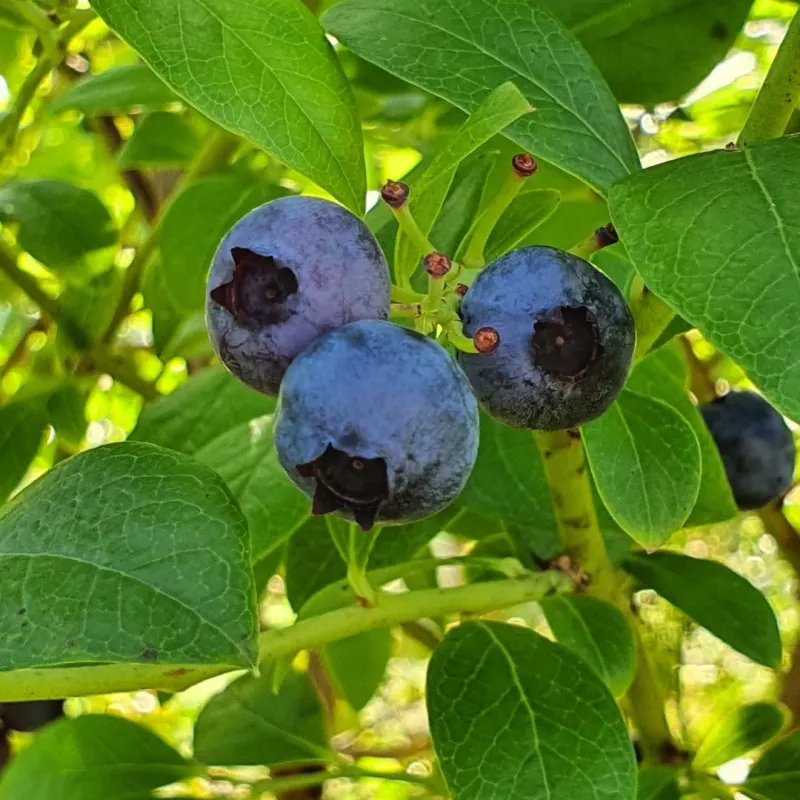
Oregon is basically berry country. The state is one of the top producers of blueberries, raspberries, blackberries, and marionberries in the entire United States.
So it makes perfect sense to grow your own right in your backyard.
Right now is a great time to pick up bare-root or potted berry bushes at your local Oregon nursery. Blueberries love the slightly acidic soil found in many parts of western Oregon, making them a natural fit.
Raspberries and blackberries are incredibly productive and can fill a raised bed or garden row with fruit all summer long.
When buying blueberries, grab at least two different varieties so they can cross-pollinate and produce more fruit. Look for plants that have healthy green buds just starting to swell.
Avoid anything that looks dried out or has no visible signs of new growth. Ask your nursery about varieties suited to your specific Oregon region, whether you are near Portland, Eugene, or the coast.
Berry bushes planted now will establish strong roots before summer heat arrives. Many gardeners are surprised by how much fruit they get in just the first or second season after planting.
Your Oregon Garden Changes Every Week. Your Plan Should Too.
Gardening in Oregon changes quickly throughout the season. Every Friday you’ll receive a simple weekly plan showing exactly what to plant, prune, fertilize, harvest, and protect so you never miss the right timing.
3. Cool-Season Vegetable Starts
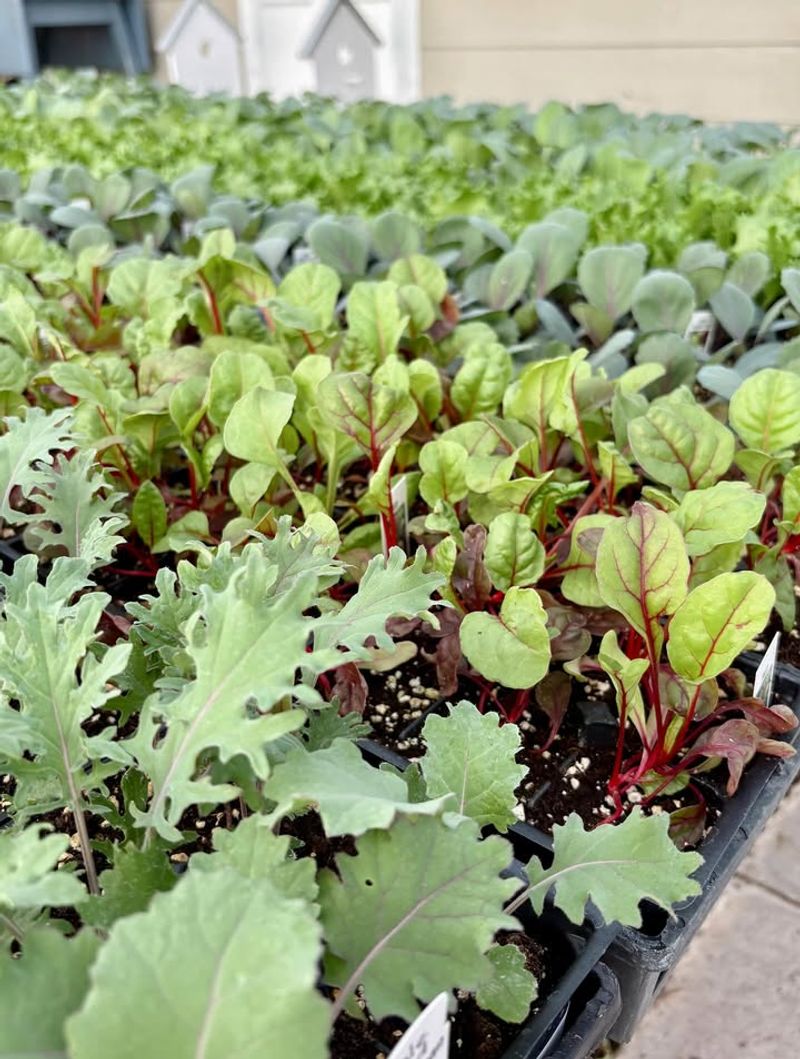
Oregon springs are tailor-made for cool-season vegetables. While other parts of the country are still buried in snow, Oregon gardeners get a head start with crops like lettuce, kale, broccoli, cabbage, and spinach.
These plants actually prefer the cooler temperatures that define an Oregon spring.
Nurseries across the state are loaded with vegetable starts right now. Buying starts instead of seeds saves you several weeks of growing time, which means you could be harvesting fresh salad greens before summer even begins.
Kale is especially popular in Oregon and holds up beautifully in the rain and mild cold.
When picking out your starts, choose plants that are short and stocky rather than tall and leggy. Leggy plants have been stretching for light and may struggle after transplanting.
Check the leaves for any yellowing or spots, which can signal stress or disease. Space your broccoli and cabbage plants well apart since they grow large.
Lettuce and spinach can be planted closer together. Most cool-season crops do best when planted in a spot that gets at least four to six hours of sunlight daily.
Oregon’s overcast skies are not a problem for these tough, productive plants.
4. Pansies And Violas
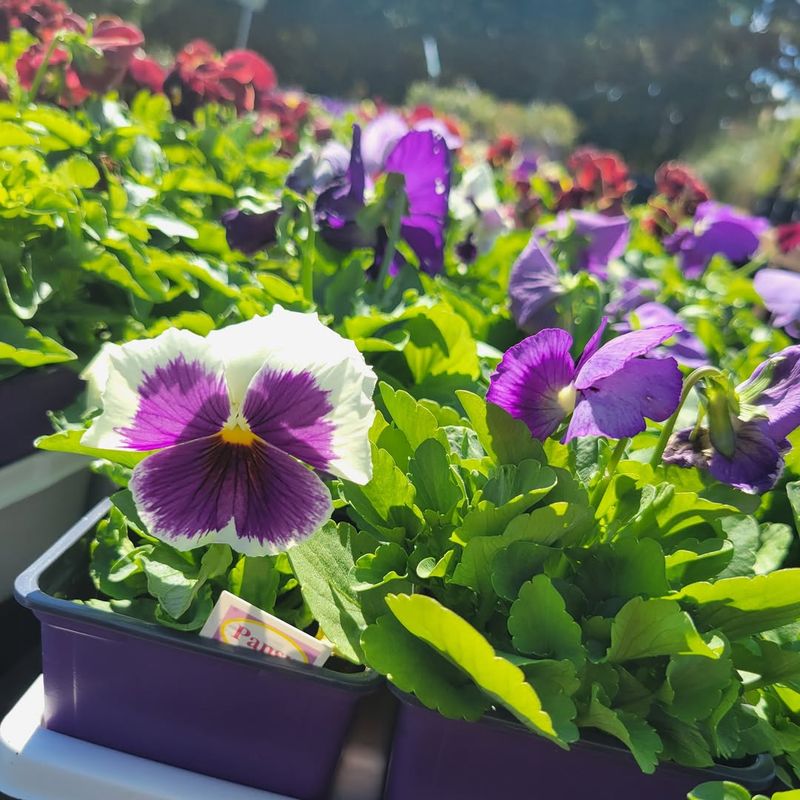
Walk into almost any Oregon nursery right now and you will be greeted by walls of cheerful pansies and violas. These small but mighty flowers are cold-tolerant champs, and they thrive in the cool, damp conditions that Oregon spring delivers in abundance.
They bring instant color to pots, window boxes, and garden beds when not much else is blooming yet.
Pansies come in an almost endless range of colors, from deep purple to bright yellow to soft lavender. Violas are their smaller cousins and tend to bloom even more freely.
Both are edible, which means you can toss a few blossoms into a salad for a fun and colorful touch.
Plant them in well-draining soil and give them a spot with morning sun and some afternoon shade. Oregon’s spring rains will handle most of your watering, but make sure pots do not sit in standing water.
Deadhead spent blooms regularly by pinching them off, and the plant will reward you with even more flowers. Pansies and violas are fantastic for beginners because they are forgiving and easy to manage.
They are also very affordable, making them a smart choice for filling large spaces with color on a budget.
5. Native Shrubs
Tall Oregon Grape, also known as Mahonia aquifolium, is the official state flower of Oregon and one of the best shrubs you can plant in your yard. Its glossy, holly-like leaves stay green all year long, and in early spring it bursts into clusters of bright yellow flowers.
Blue berries follow later in the season, attracting birds and wildlife to your garden.
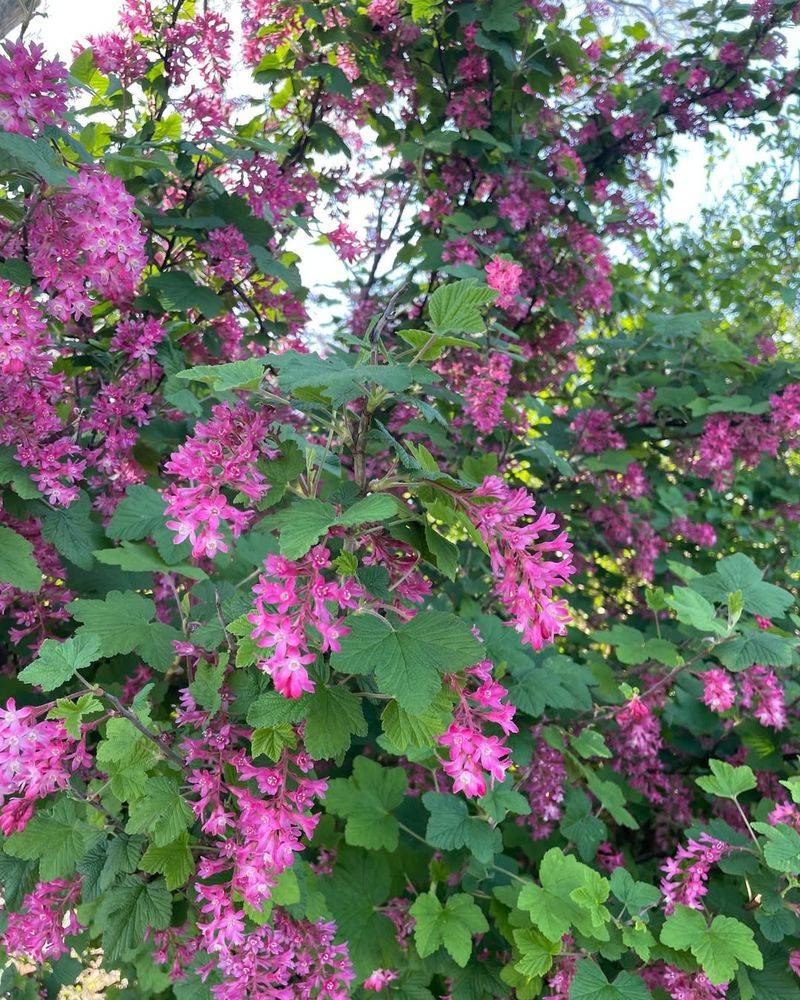
Flowering currant is another native star worth grabbing at Oregon nurseries right now. It blooms in early spring with gorgeous pink or red flower clusters that hummingbirds absolutely love.
Both of these native shrubs are adapted to Oregon’s climate and soil, which means they need very little extra care once established.
Planting native shrubs is one of the smartest moves an Oregon gardener can make. They support local pollinators, require less water than non-native plants, and tend to be resistant to local pests and diseases.
Many Oregon nurseries now carry a wide selection of natives, so ask a staff member to point you toward the native plant section.
Whether you live in Portland, Bend, or a small coastal town, these shrubs will reward you with beauty and wildlife activity season after season.
6. Cold-Tolerant Perennials
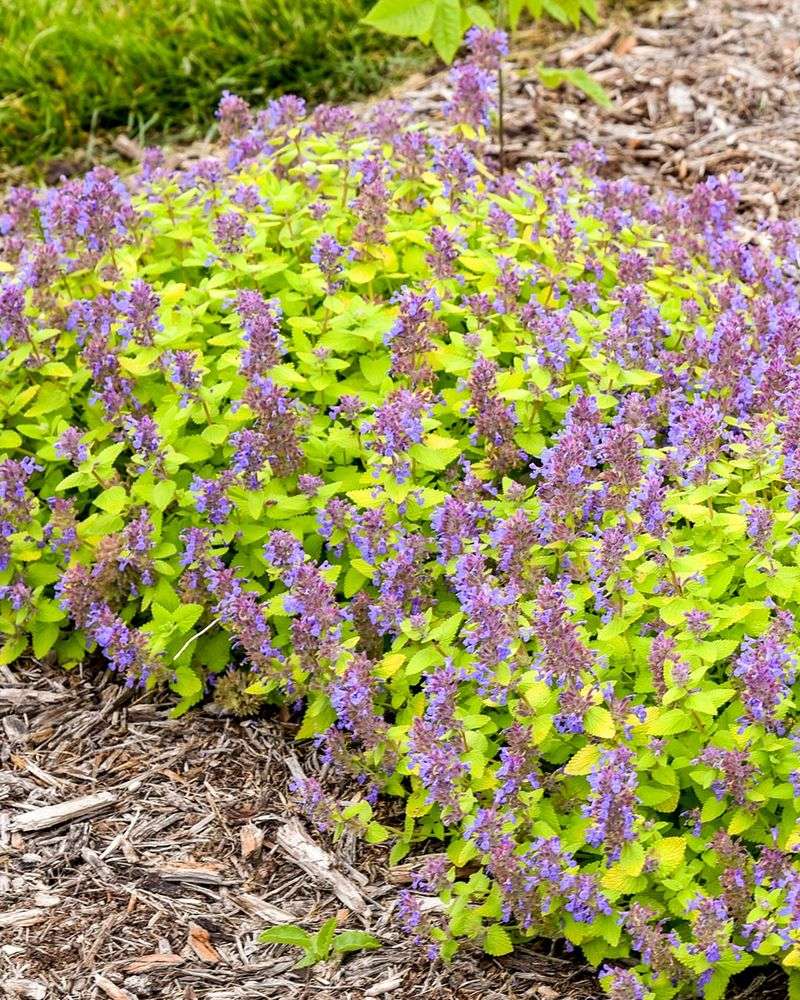
Perennials are a gardener’s best friend because you plant them once and they come back year after year. Right now, Oregon nurseries have a great selection of cold-tolerant perennials that are perfectly suited to the state’s cool spring weather.
Buying perennials in spring gives their roots all season to settle in before next winter arrives.
Western Yarrow is a fantastic choice for Oregon gardens. It produces flat-topped clusters of white or pink flowers and thrives in full sun with well-drained soil.
Red Columbine is another native perennial that brings red and yellow blooms to partly shaded spots while attracting hummingbirds. Both are low-maintenance and long-lived once established.
Look for perennials with healthy green growth just starting to emerge from the crown. Avoid plants that look wilted or have yellowing leaves.
Most cold-tolerant perennials prefer well-drained soil, so if your Oregon garden has heavy clay, consider amending it with compost before planting. Group plants with similar water needs together to make care easier.
Many of these perennials also spread gradually over the years, giving you more plants to divide and share with neighbors. Starting with just a few varieties now can lead to a lush, established garden in just two or three seasons.
7. Bare-Root Roses
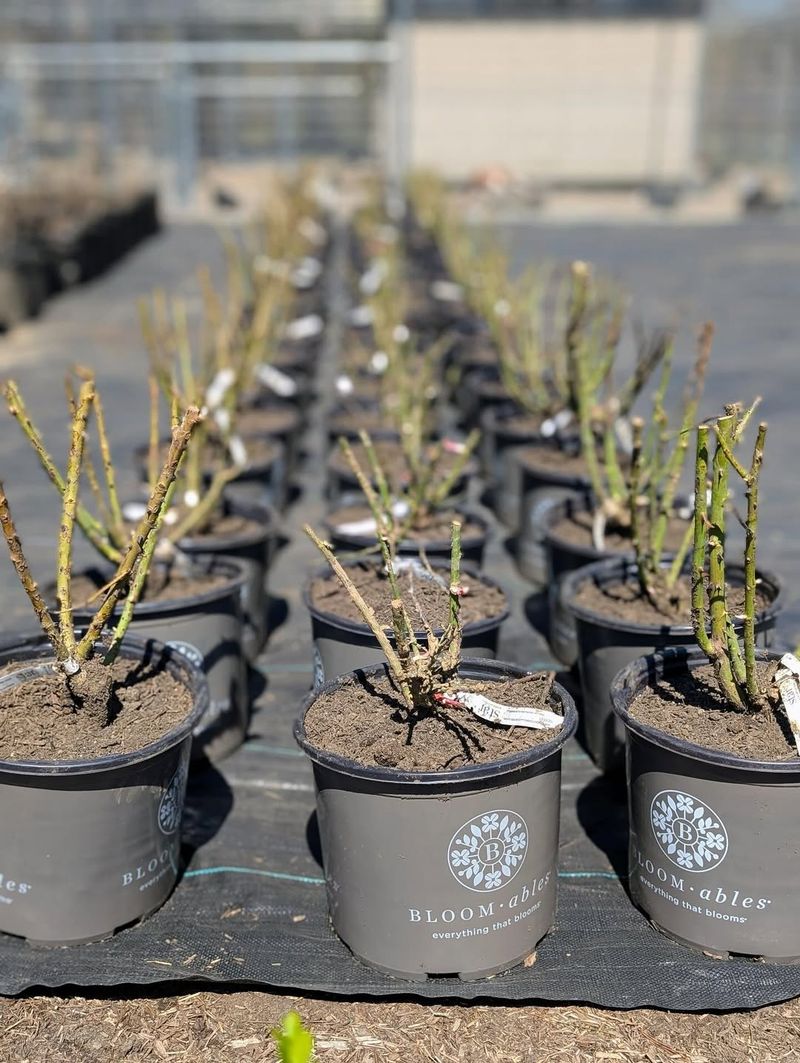
Roses have a reputation for being fussy, but bare-root roses planted in early spring in Oregon can be surprisingly easy to grow. Right now is prime time to find bare-root roses at nurseries across the state.
They cost less than potted roses and establish quickly when planted while the weather is still cool and moist.
Oregon’s mild, wet springs give bare-root roses exactly the slow, steady start they need. The roots have time to spread through the soil before summer heat arrives.
You can find a huge variety of roses in bare-root form, from classic hybrid teas to disease-resistant shrub roses that practically take care of themselves.
When shopping, look for canes that are green and firm, with no signs of shriveling or mold. The roots should feel plump and moist.
Soak the entire plant in a bucket of water for 12 to 24 hours before planting to rehydrate it fully. Choose a planting spot with at least six hours of direct sunlight each day.
Oregon’s rain will help with watering early on, but you will need to water consistently during the dry summer months. With the right variety and a good planting location, roses in Oregon can thrive for many years with minimal fuss.
8. Warm-Season Annuals
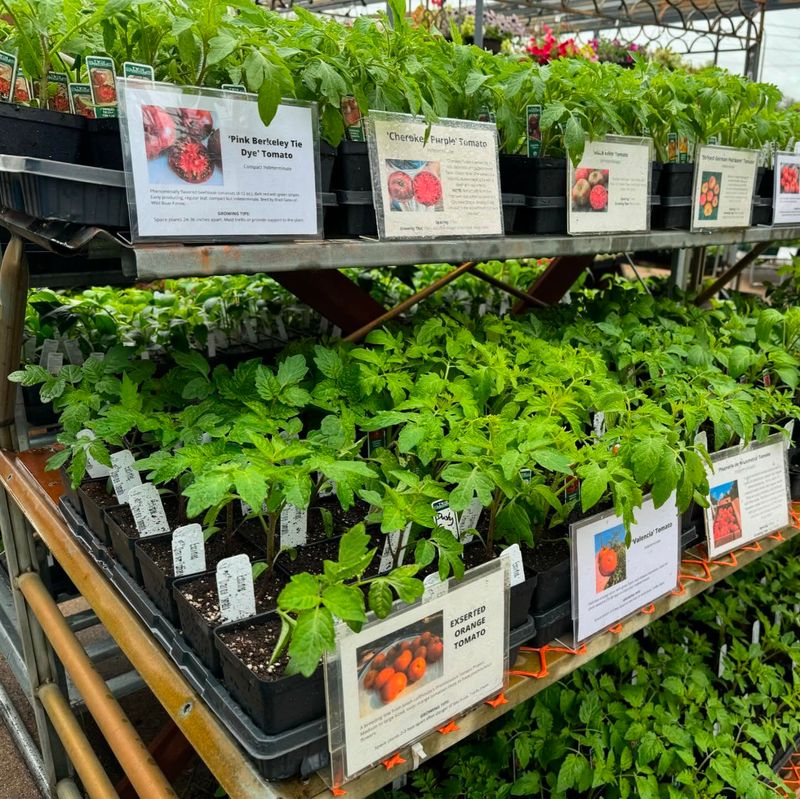
Tomatoes and peppers are two of the most popular plants at any Oregon nursery, and it is easy to see why. Everyone wants a big, juicy homegrown tomato.
But here is the honest truth: buying these plants right now in Oregon is a gamble that often does not pay off.
Oregon springs are cool and often rainy, and tomatoes and peppers are warm-season crops that need consistent warmth to thrive. Soil temperatures below 60 degrees Fahrenheit will slow their growth significantly.
Planting them too early often means they just sit in the ground doing nothing, or worse, they get stressed by cold snaps that are still very common in Oregon through May.
Most experienced Oregon gardeners wait until late May or early June to transplant tomatoes and peppers outdoors. If you plant them now, you risk stunted growth and delayed fruiting.
If you absolutely cannot wait, consider using a cloche, row cover, or cold frame to protect them from temperature swings. Raised beds also warm up faster than in-ground soil, which helps.
The bottom line is that patience pays off with these crops. Waiting just a few more weeks will result in healthier plants and a much bigger harvest come late summer.
9. Tender Tropical Plants
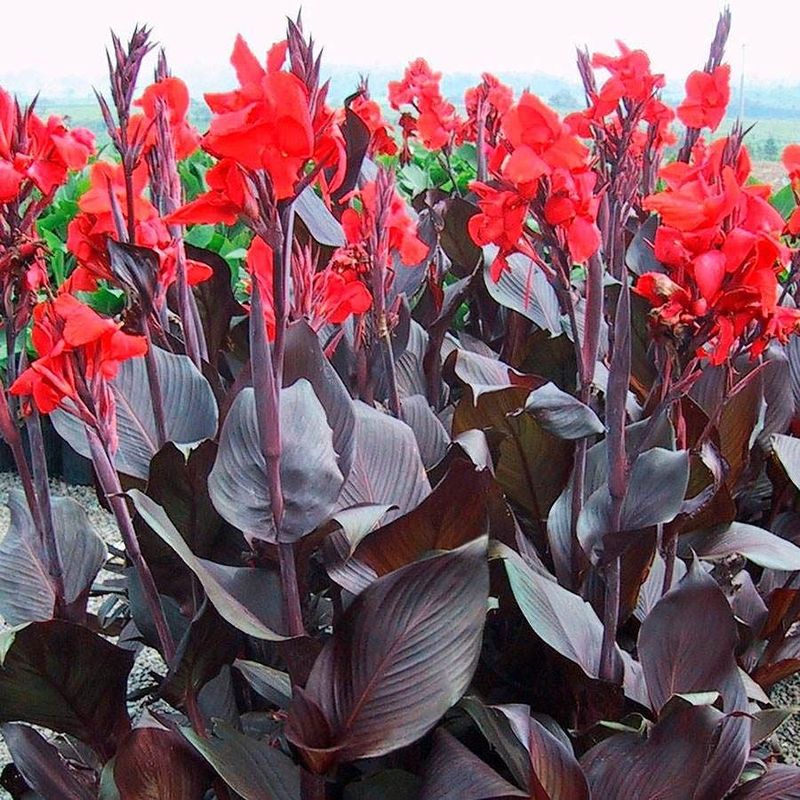
Bright and bold, coleus and cannas are showstoppers in any summer garden. Their vibrant leaves and dramatic height make them hard to resist when you spot them at an Oregon nursery.
The problem is that right now, they are simply not ready to go outside in most parts of Oregon.
Coleus and cannas are tropical plants that have zero tolerance for frost. Oregon springs are unpredictable, and freezing nights can still happen well into April and sometimes May, especially inland and at higher elevations.
Putting these plants outside too soon will damage or completely set back their growth.
Nurseries sometimes stock these plants earlier than they should be planted outdoors, simply because shoppers want them.
If you buy coleus or cannas now, you will need to keep them indoors near a bright window until nighttime temperatures stay consistently above 50 degrees Fahrenheit.
That is extra work and space that many gardeners do not have. A smarter move is to wait until late May or early June when Oregon’s weather truly warms up.
By then, these plants will explode with growth and color. Patience with tropical plants in Oregon always leads to better results in the long run.
10. Newly Shipped Palm Or Banana Plants
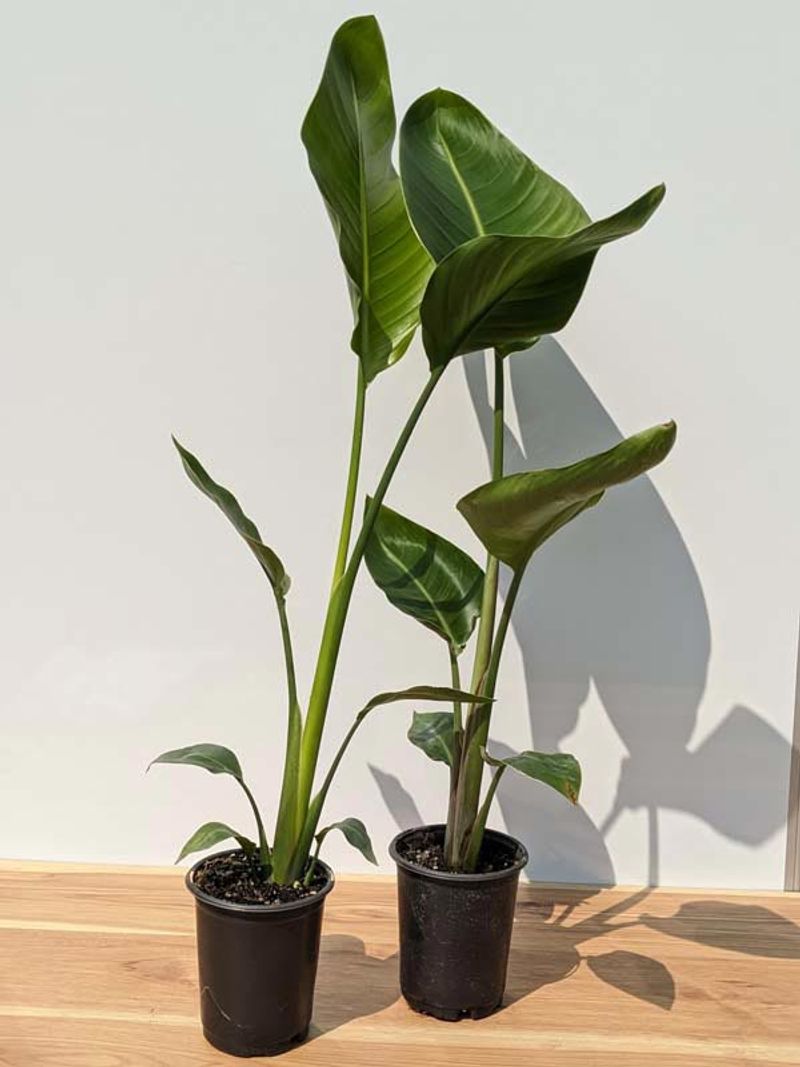
Every spring, Oregon nurseries receive shipments of palms and banana plants, and every spring, eager gardeners snap them up too soon. These plants look incredible and bring a tropical vacation vibe to any yard.
But planting them outdoors in Oregon right now is one of the most common mistakes new gardeners make.
Palm and banana plants need warm soil and warm nights to grow well. Oregon’s spring soil is still cold and wet, which creates stressful conditions for tropical plants that evolved in completely different climates.
Even cold-hardy palm varieties struggle when planted in soggy, chilly Oregon soil before summer truly arrives.
Newly shipped plants are also still adjusting from their growing facility to store conditions. They need time to acclimate before facing the outdoors.
If you buy one now, keep it inside your home or in a greenhouse where temperatures stay warm and light is bright. Do not rush the transition to your garden.
Wait until the soil warms and nighttime temperatures are reliably above 55 degrees Fahrenheit, which in most parts of Oregon means late May at the very earliest.
Being patient with these dramatic plants will save you frustration and give them the best chance of becoming a stunning long-term feature in your Oregon garden.