Best Hard-To-Destroy Ohio Flowers For Beginner Gardeners
Most gardeners in Ohio can remember their first flower bed. You plant with excitement, water carefully, and then a hot week, a surprise frost, or a busy schedule reminds you that gardening does not always go according to plan.
The good news is that some flowers are far more forgiving than others. Ohio’s climate can be unpredictable, but many reliable bloomers handle heat, cool nights, and the occasional missed watering without much fuss.
These are the plants that keep showing up every year and still look good doing it.
A few of them might already be growing in your neighborhood. The rest are the kind of flowers that make beginner gardens look like they have been there for years.
And once you see which ones make the list, it becomes much easier to decide what to plant next.
1. Black-Eyed Susan With Its Bright Summer Glow
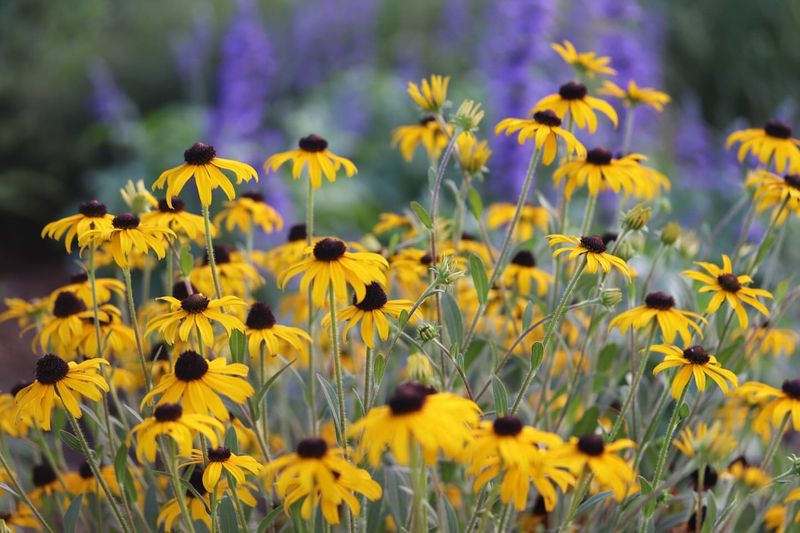
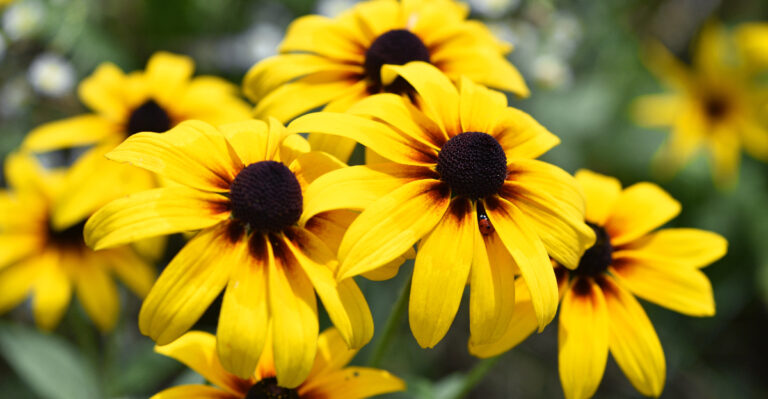
Few flowers announce summer in Ohio quite like the cheerful Black-Eyed Susan. Those bold yellow petals surrounding a dark chocolate-brown center are practically impossible to miss, and they bring instant warmth to any garden bed.
Native to Ohio and much of North America, this tough little flower has been brightening meadows and roadsides long before anyone thought to plant it on purpose.
Black-Eyed Susans love full sun, but they can manage in partial shade without too much complaint. They prefer well-drained soil and, once established, need very little watering.
That makes them a dream flower for beginners who forget to water on a regular schedule.
One of the best things about this flower is that deer and rabbits tend to leave it alone more often than many other garden plants, which is a real bonus for Ohio gardeners dealing with hungry wildlife. The blooms typically appear from mid-summer and stretch well into fall, giving you months of color.
They also attract butterflies, bees, and goldfinches, turning your garden into a lively little ecosystem. You can deadhead spent blooms to encourage more flowers, or simply leave them standing through winter so birds can snack on the seeds.
Black-Eyed Susans also self-seed easily, meaning new plants pop up each year with zero effort on your part.
2. Purple Coneflower That Pollinators Cannot Resist
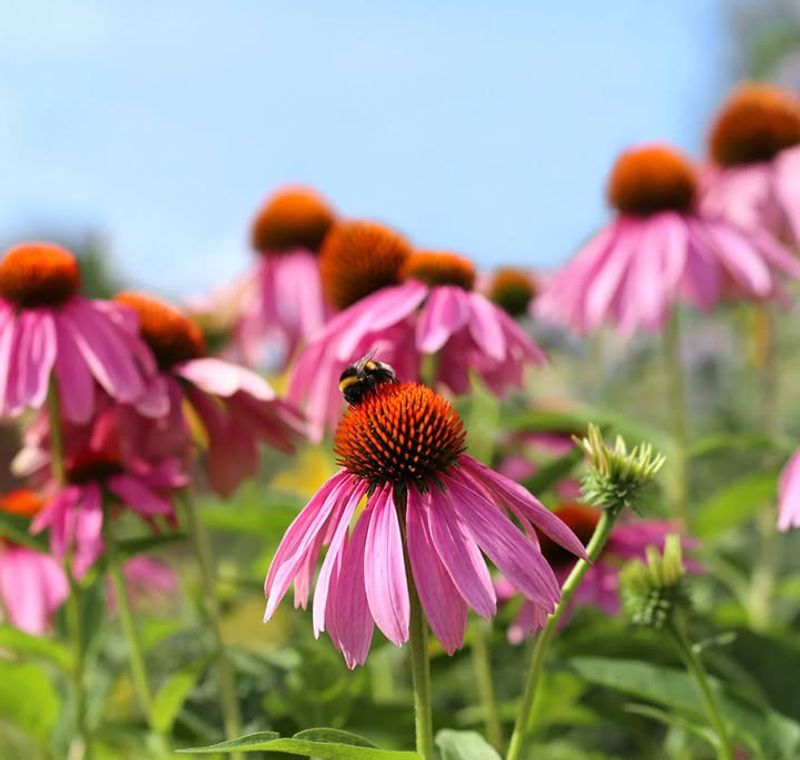
Known to many gardeners as Echinacea, this Ohio garden favorite is basically a superhero in flower form. It is tough, beautiful, and especially useful for pollinators, earning its place in a beginner garden without much fuss.
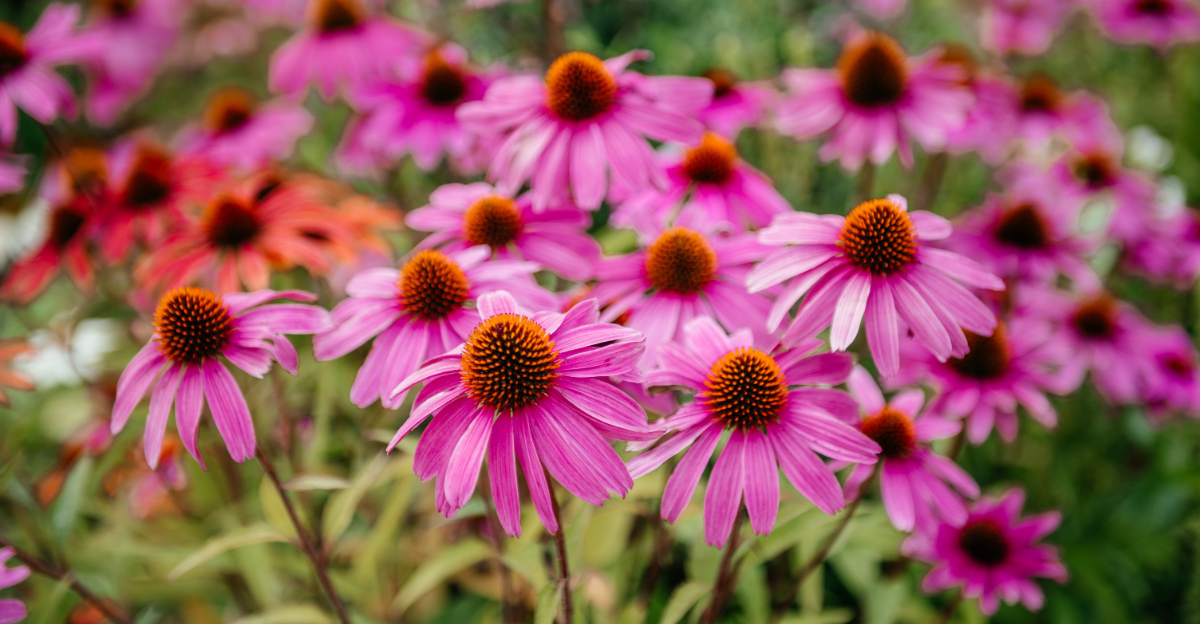
Purple coneflower brings plenty of color, but it also handles itself remarkably well. The rosy-purple petals droop slightly downward from a spiky orange-brown center, giving it a distinctive look that stands out from other garden flowers.
Native to the Midwest, including Ohio, Purple Coneflower is built for the region’s climate. It handles summer heat, occasional drought, and even clay-heavy Ohio soil far better than most flowers.
Plant it in full sun and watch it reward you with blooms from early summer all the way through fall.
Bees, butterflies, and hummingbirds absolutely love Purple Coneflower, making it a fantastic choice for anyone who wants to support local wildlife. After the blooms fade, the spiky seed heads remain on the plant and attract birds like finches throughout the colder months.
Your Ohio Garden Changes Every Week. Your Plan Should Too.
Gardening in Ohio changes quickly throughout the season. Every Friday you’ll receive a simple weekly plan showing exactly what to plant, prune, fertilize, harvest, and protect so you never miss the right timing.
You can cut them back in spring when new growth appears. Another fun fact: Echinacea has been used in herbal medicine for centuries, traditionally believed to support the immune system.
Whether or not you plan to brew any tea with it, Purple Coneflower is a reliable, low-maintenance beauty that practically takes care of itself in Ohio gardens year after year.
3. Daylily With Its Almost Foolproof Growing Habit
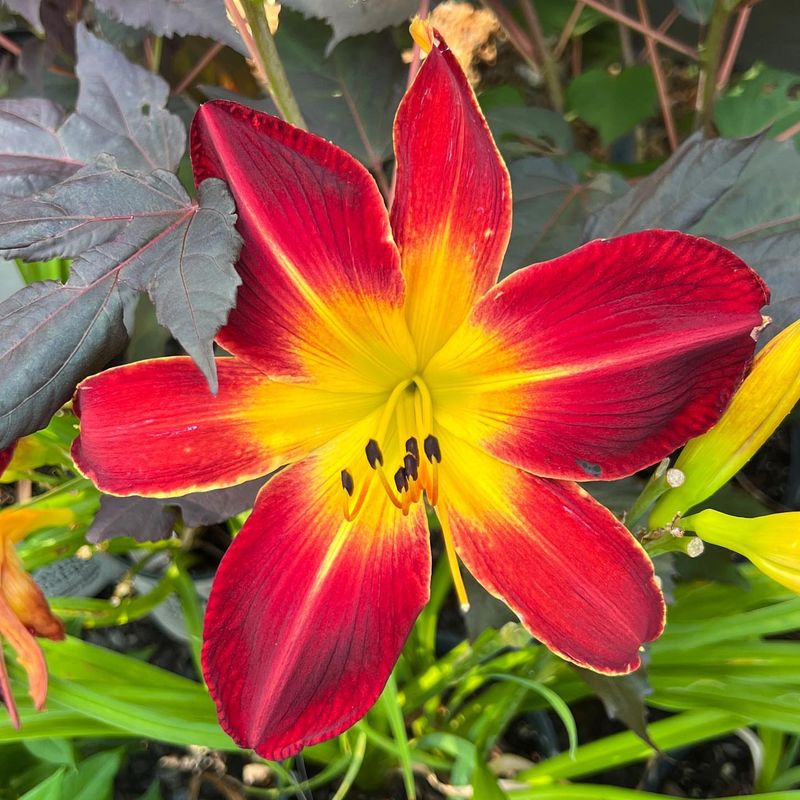
They may be the most forgiving flowers on this entire list. Gardeners across Ohio have planted them along fences, driveways, and hillsides for decades because they grow with almost no help at all.
Daylilies have a long track record of thriving where fussier plants would struggle. Each individual flower lasts only one day, but the plant produces so many buds that the show goes on for weeks without interruption.
What makes daylilies especially great for beginners is their adaptability. They can grow in full sun or partial shade, tolerate a wide range of soil types, and bounce back from drought once they get settled in.
Ohio summers can get dry in spots, but established daylilies handle those stretches without a fuss. You can find them in nearly every color imaginable, from soft peach and lemon yellow to deep burgundy and vibrant orange.
Planting daylilies is straightforward. Dig a hole, place the root clump so the crown sits about an inch below the soil surface, water it in, and walk away.
Over time, clumps spread and multiply, meaning you will have more plants to divide and share with neighbors without spending a single extra dollar. They bloom from early summer to early fall depending on the variety, so mixing a few different types can give you a longer season of color.
For Ohio beginners, daylilies are practically foolproof and endlessly rewarding.
4. Yarrow With Its Rugged Prairie Toughness
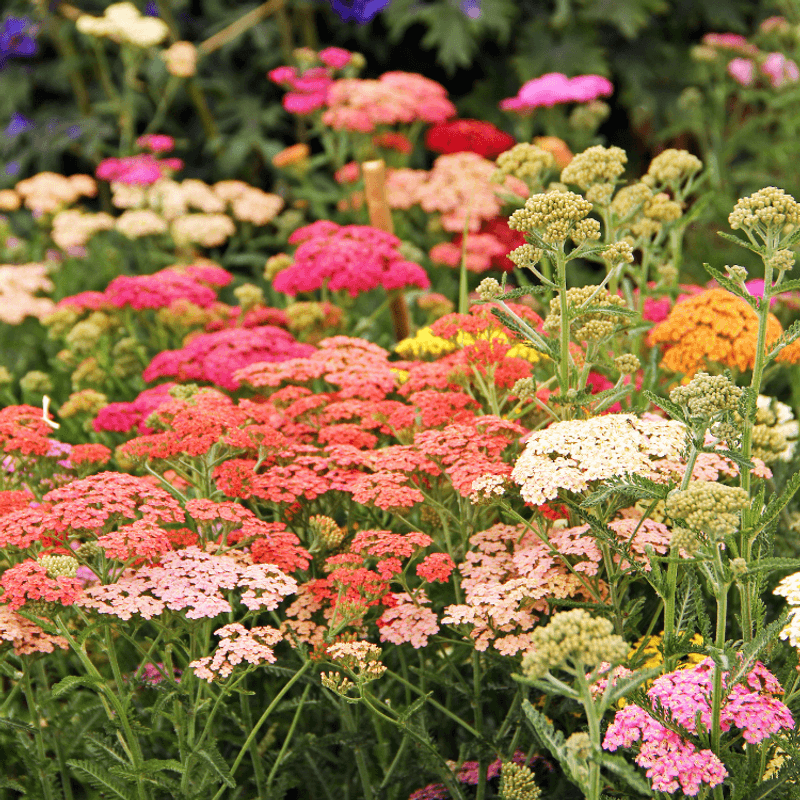
With its no-nonsense attitude and rugged nature, this is the kind of plant experienced Ohio gardeners tend to respect. It has been growing wild in fields and along roadsides for thousands of years, and yarrow brings that same tough energy into backyard gardens.
The flowers grow in flat-topped clusters that come in shades of yellow, white, pink, and red, sitting above feathery, fern-like foliage that smells pleasantly herbal when brushed.
For beginners gardening in Ohio, Yarrow is a brilliant choice because it actually prefers poor soil. Over-fertilizing or over-watering can make the plant floppy and weak, so neglecting it a little is genuinely the right approach.
It loves full sun and handles dry spells better than almost any other perennial on this list.
Beyond its good looks, Yarrow earns bonus points for attracting beneficial insects like ladybugs, lacewings, and parasitic wasps that help control garden pests naturally. Butterflies visit the blooms regularly too, adding movement and life to the garden.
Yarrow blooms from late spring through midsummer, and cutting the spent flower heads back encourages a second flush of blooms later in the season. It also makes a lovely cut flower for indoor arrangements and dries beautifully for crafts.
If you want a plant that rewards minimal effort with maximum results, Yarrow fits the Ohio garden like it was made for it.
5. Garden Phlox With Its Sweet Summer Fragrance
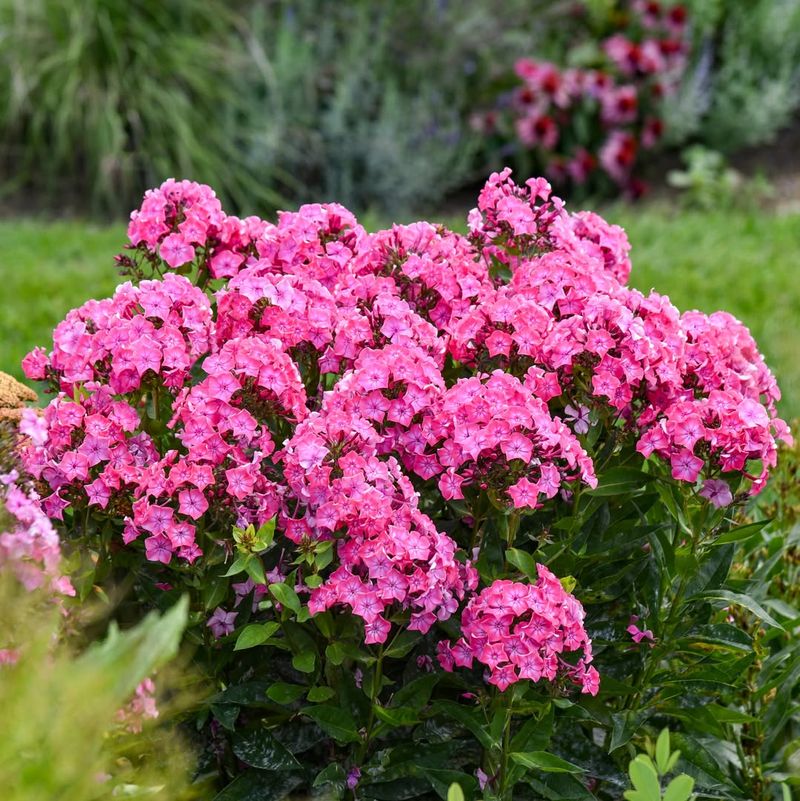
Walk past a Garden Phlox in full bloom and the sweet fragrance will stop you in your tracks. Few flowers deliver such a powerful combination of color and scent, making this perennial a beloved staple in Ohio gardens from Cincinnati to Toledo.
The flower clusters are large, showy, and packed with blooms in shades of pink, purple, white, and red that attract butterflies and hummingbirds all summer long.
Garden Phlox thrives in Ohio’s climate, preferring full sun with some afternoon shade to protect the blooms during the hottest days of summer. It does best in moist, well-drained soil with good air circulation, which helps prevent powdery mildew, the one challenge this plant occasionally faces.
Choosing mildew-resistant varieties like David or Robert Poore makes gardening even easier.
Standing anywhere from two to four feet tall, Garden Phlox creates stunning vertical interest in a flower bed. Plant it toward the back of a border and let shorter plants fill in the front for a layered, professional look without needing a landscape designer.
Deadheading spent flower clusters encourages the plant to push out new blooms, extending the season well into late summer. Dividing the clumps every few years keeps plants vigorous and healthy.
For Ohio beginners looking for a flower with real drama and charm, Garden Phlox delivers every single season.
6. Coreopsis With Its Cheerful Golden Daisy Blooms
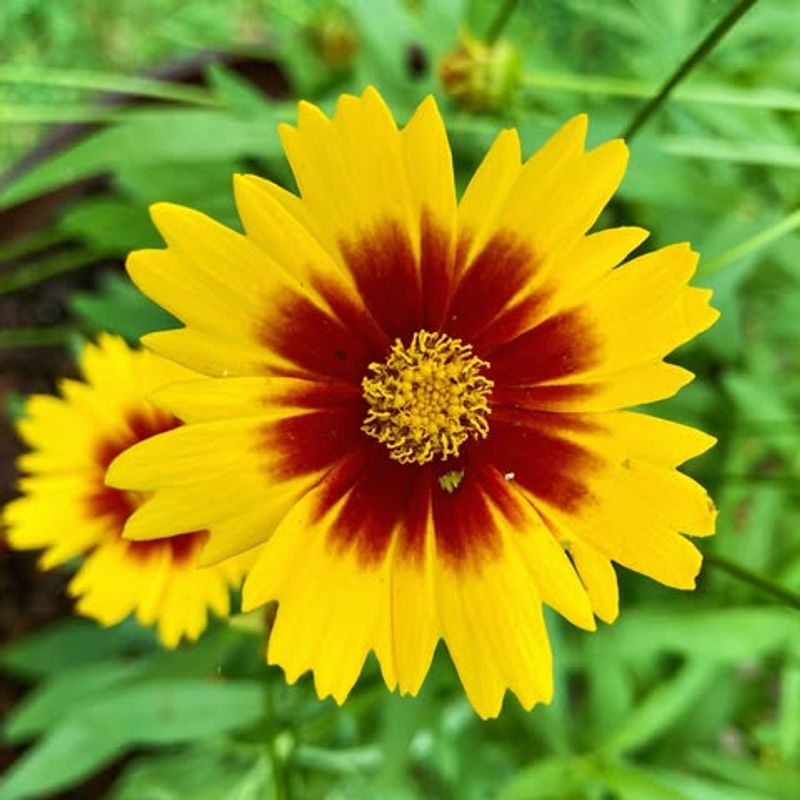
Nicknamed Tickseed, Coreopsis is one of the sunniest, most cheerful flowers you can grow in Ohio. The bright yellow or golden blooms look like tiny daisies and cover the plant so completely in summer that you can barely see the foliage underneath.
It is the kind of flower that makes your garden look like it belongs on a magazine cover, even when you have not done much to earn it.
Coreopsis is incredibly forgiving of tough conditions. It tolerates poor, dry soil, thrives in full sun, and rarely needs fertilizer.
In fact, too much rich soil can cause the plant to grow more leaves than flowers, so keeping things a little lean works in your favor. Once established in an Ohio garden, it is remarkably drought-tolerant and bounces back quickly after dry spells.
Regular deadheading keeps Coreopsis blooming from late spring all the way through fall, giving you one of the longest bloom seasons of any perennial. If deadheading feels like too much work, simply shear the entire plant back by about a third in midsummer and it will rebound with a fresh flush of flowers.
Coreopsis also self-seeds gently, producing new seedlings nearby each year. Pollinators adore it, and birds are attracted to the seed heads in winter.
For a beginner Ohio gardener who wants maximum color with minimal effort, Coreopsis is an easy yes.
7. Shasta Daisy With Its Classic White Petals
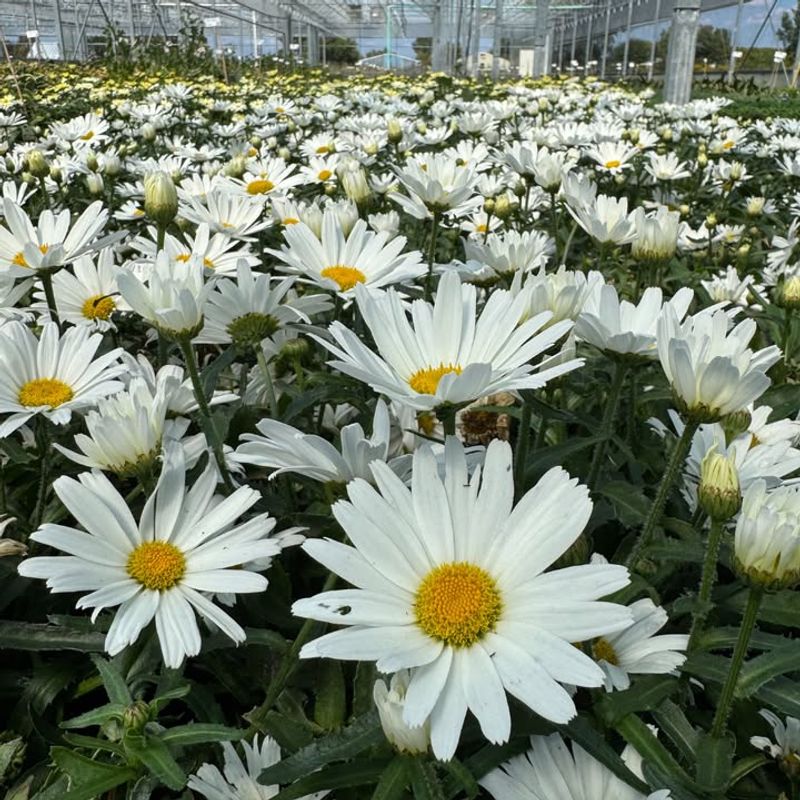
There is something timeless and joyful about a Shasta Daisy. Those crisp white petals surrounding a cheerful yellow center have made this flower a garden classic for generations, and Ohio gardeners have been growing them for good reason.
They are sturdy, reliable, and produce masses of blooms that look beautiful both in the garden and in a vase on the kitchen table.
Shasta Daisies grow best in full sun with well-drained soil, and they handle Ohio summers without much trouble once they get established. They are moderately drought-tolerant and do not need a lot of fertilizer to perform well.
Planting them in a spot with good drainage is the most important step since they dislike sitting in soggy soil, especially during Ohio’s wetter spring months.
Deadheading regularly encourages Shasta Daisies to keep blooming from early summer well into fall. When the flowers finally slow down, cutting the plant back to its basal rosette of leaves helps it conserve energy for the following year.
Every two to three years, dividing the clumps keeps the plants blooming vigorously and prevents the center from dying out. Shasta Daisies also attract butterflies and beneficial insects, adding ecological value to your garden.
For a beginner who wants a classic, clean look with zero fuss, planting a row of Shasta Daisies along a walkway or fence in Ohio is a decision you will not regret.
8. Peony With Its Giant Fragrant Spring Blooms
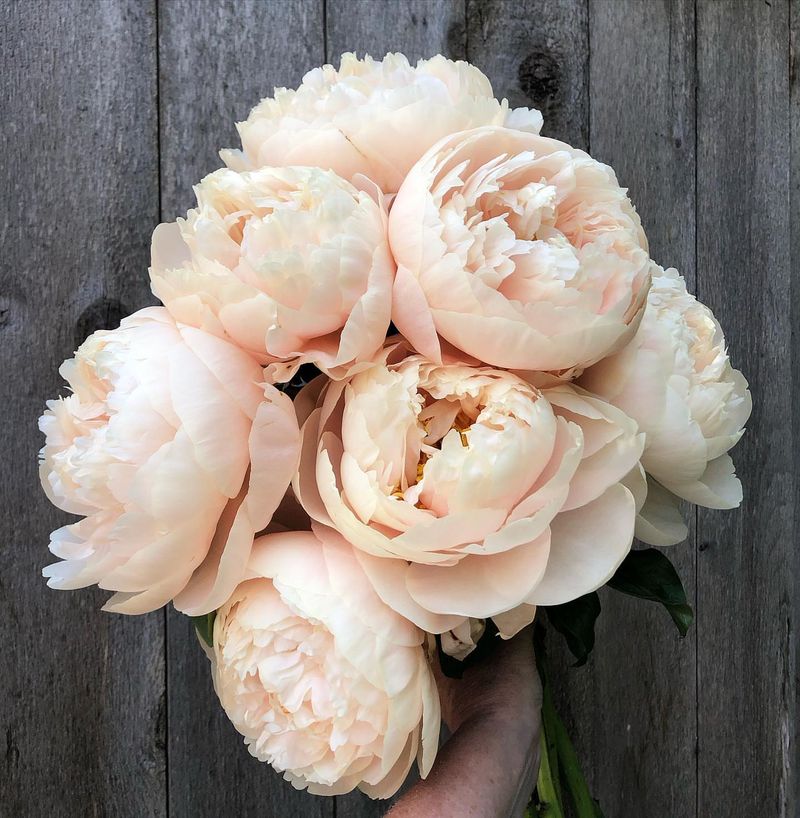
The Ohio spring garden gets one of its biggest moments when those enormous, fragrant blooms open in late May and early June. They are so eye-catching that neighbors sometimes slow down their cars just to take a look.
Peonies have a way of stealing the show without any effort at all. Available in shades of white, pink, coral, red, and deep burgundy, peonies bring a level of elegance that few other flowers can match, and they do it year after year for decades with almost no help.
Ohio’s cold winters are actually a benefit for peonies since they need a period of cold temperatures to set their flower buds properly. Plant them in full sun with well-drained soil, making sure the eyes, which are the pinkish-red buds on the root, sit no more than one to two inches below the soil surface.
Planting too deep is the most common reason peonies refuse to bloom, so depth really matters here.
Once established, peonies are remarkably self-sufficient. They rarely need dividing, tolerate Ohio clay soil better than many flowers, and are generally left alone by deer.
Ants are often spotted crawling on peony buds, which is completely normal because they are attracted to the sweet nectar on the outside of the buds, but the flowers open on their own with or without them. Supporting taller varieties with a peony ring prevents them from flopping after rain.
For a beginner willing to be patient through the first season, peonies become a cherished garden treasure that lasts a lifetime.
9. Catmint With Its Soft Lavender Waves Of Flowers
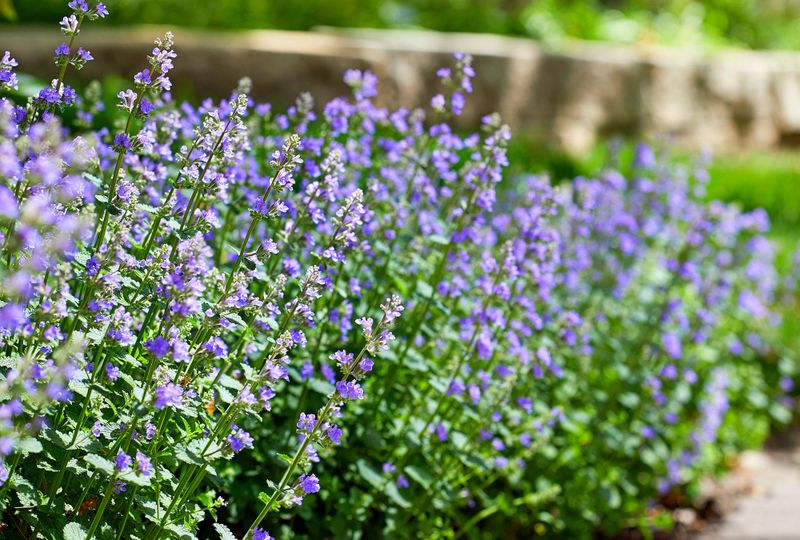
It is the kind of plant that makes experienced gardeners nod with approval the moment they see it in a beginner’s yard. Catmint gives off that reliable, easygoing look that suggests someone made a smart choice from the start.
Soft, silvery-green leaves paired with waves of lavender-blue flower spikes create a romantic, cottage-garden look that seems like it took a lot of skill to achieve. Spoiler: it did not.
Catmint is one of the easiest perennials you can grow anywhere in Ohio.
Full sun is where Catmint truly shines, though it handles partial shade without much fuss. It thrives in average to poor, well-drained soil and is remarkably drought-tolerant once established, making it a great fit for Ohio’s occasional summer dry spells.
Over-watering or planting in heavy clay without amending the soil is the one thing to avoid, as wet roots can cause problems for this plant.
Catmint blooms heavily in late spring and early summer, then takes a brief pause. Shearing the plant back by about half after the first bloom flush triggers a second wave of flowers later in summer, essentially giving you two seasons of color from one plant.
Bees and butterflies are wild about the blooms, and deer tend to leave it alone because of its strong herbal scent. As a bonus, the fragrant foliage releases a pleasant minty aroma when brushed.
Along Ohio garden borders or spilling over walkway edges, Catmint looks absolutely effortless and inviting.
10. Sedum With Its Late-Season Pollinator Power
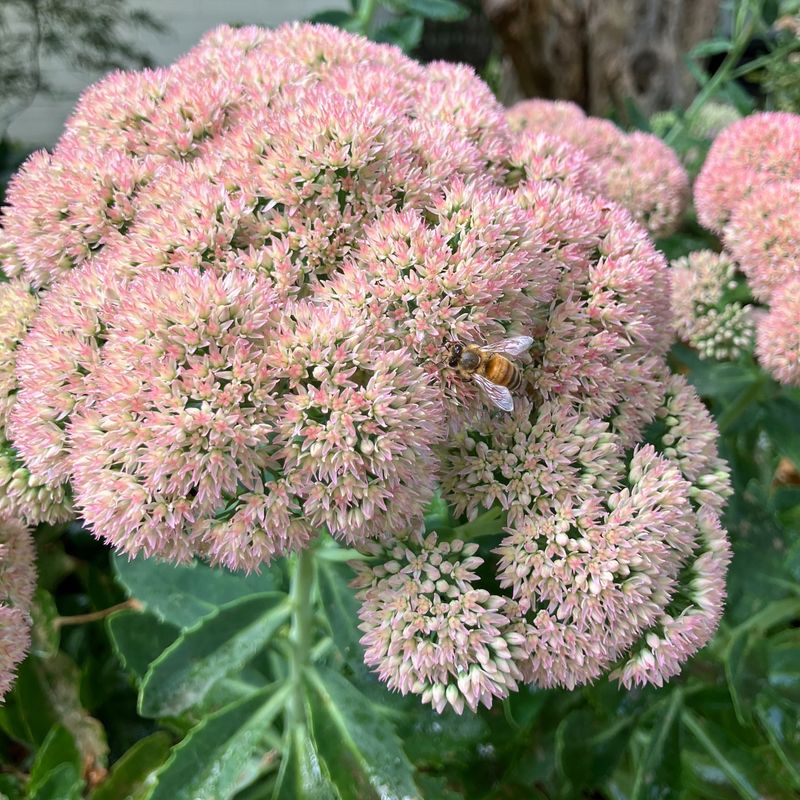
When most Ohio flowers are winding down for the season, Sedum is just getting started. Also known as Stonecrop, this succulent perennial saves its best performance for late summer and fall, producing large, flat-topped flower clusters that start out pale green, transition to dusty rose, and eventually deepen to a rich coppery-red as temperatures drop.
It is one of the most reliable sources of late-season color in the entire state.
Sedum is built for survival. Its thick, fleshy leaves store water, which means it laughs in the face of drought and performs beautifully in Ohio’s driest summers.
Full sun and well-drained soil are its only real requirements. Poor soil is not a problem, and heavy clay can be amended with a little sand or grit at planting time to improve drainage.
Pollinators absolutely swarm Sedum blooms in fall when other nectar sources have dried up, making it a genuinely important plant for bees and butterflies preparing for winter. The flower heads hold their structure even after frost, providing visual interest and food for birds throughout the colder Ohio months.
Cutting the stems back in early spring makes room for fresh new growth. Sedum rarely needs dividing, is ignored by deer, and stays compact without staking.
For a beginner who wants a plant that handles the transition from summer to fall with zero drama, Sedum is the perfect finishing touch to any Ohio garden.