Cover Up Fences And Walls In Oregon Gardens With These Climbing Plants
If you have lived with the same backyard fence for a few years, you probably know the feeling. What once looked fine starts to feel plain, maybe even a little tired, especially once the garden begins waking up in spring.
Many Oregon gardeners solve that problem the old-fashioned way. Instead of replacing the fence or wall, they let plants do the work.
Climbing vines soften hard lines, add flowers and greenery, and turn a plain barrier into something that actually looks like part of the garden.
The trick is choosing climbers that can handle Oregon’s cool, wet winters and mild summers without constant attention.
Some of them grow faster than people expect. And once they start climbing, that empty fence may not stay empty for long.
1. Clematis With Its Endless Flower Colors
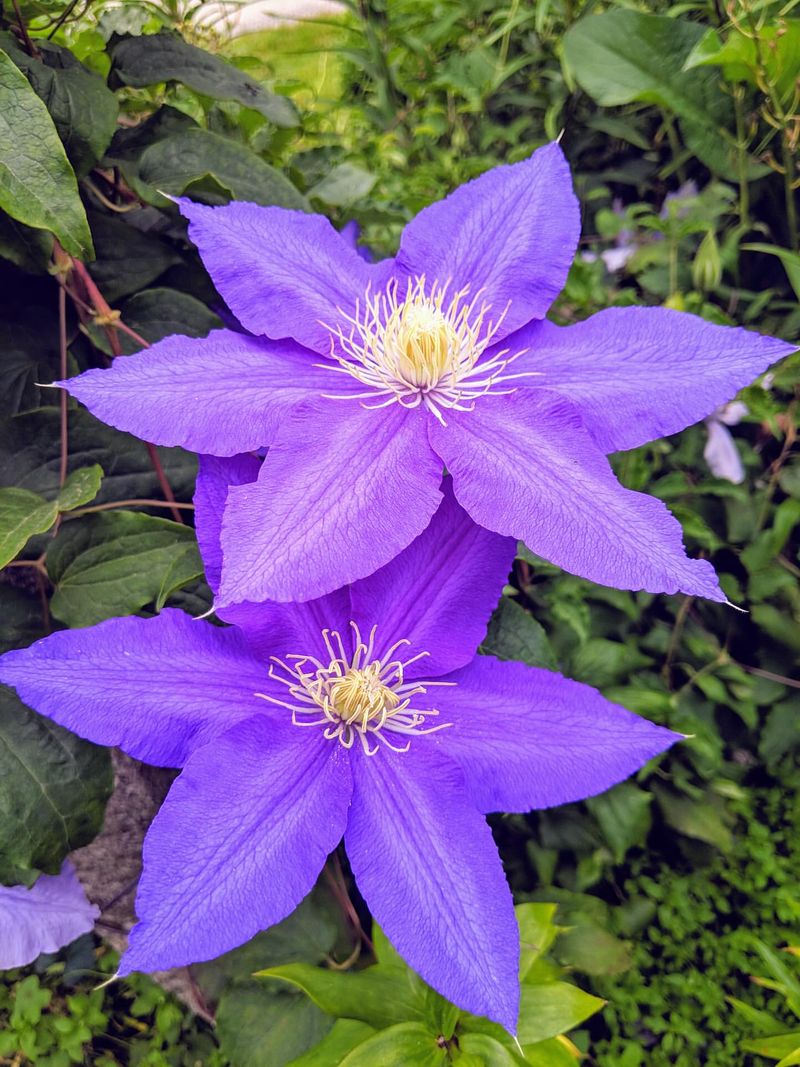
Few flowering vines can match the sheer variety that clematis brings to an Oregon garden. With hundreds of cultivars available, you can find blooms in deep purple, bright pink, creamy white, and rich red.
Some varieties flower in spring, others in summer, and a few even push out blooms twice a season, giving you color for months at a time.
Clematis grows best when its roots are kept cool and shaded while its vines reach up into the sunlight. Planting a low-growing perennial or placing a layer of mulch around the base does the trick nicely.
In Oregon, the mild and moist climate in many regions makes it easy for clematis to establish itself without too much fuss.
One of the best things about clematis is how well it works on fences, trellises, and pergolas. Its twining leaf stems grab onto supports naturally, so you do not need to do much tying or training.
Regular pruning keeps the plant tidy and encourages fresh growth each year. With so many options available at Oregon nurseries, choosing a clematis that fits your garden style is genuinely fun.
Whether you want a bold statement or a subtle splash of color, clematis delivers season after season.
2. Honeysuckle Filling The Air With Sweet Evening Fragrance
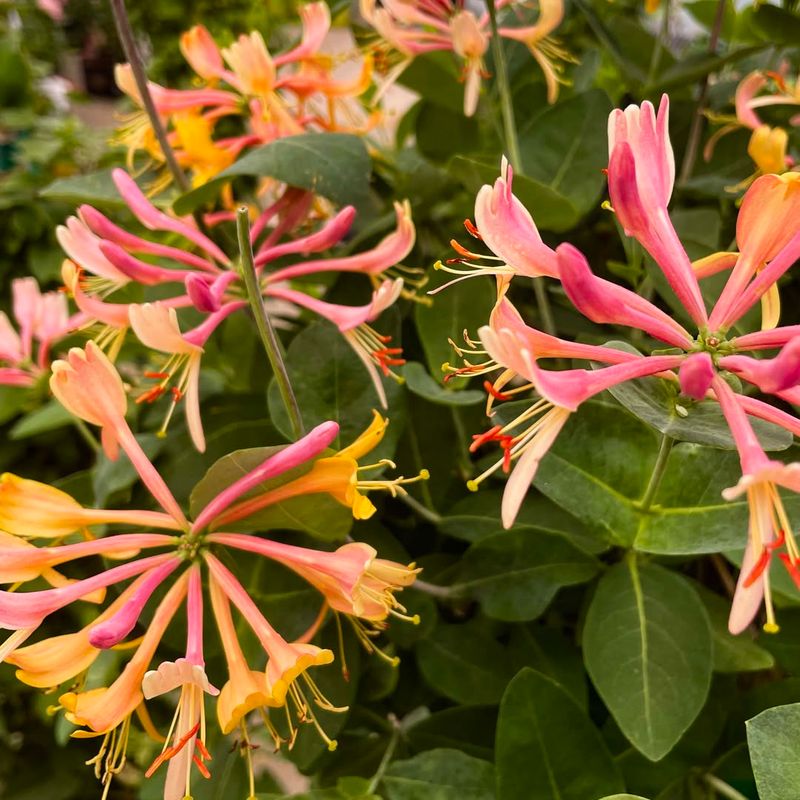
Walk past a honeysuckle vine on a warm Oregon evening and you will understand immediately why gardeners have loved this plant for centuries. The sweet, almost candy-like fragrance drifts through the air and draws in hummingbirds, bees, and butterflies without any effort on your part.
It is one of those plants that does a little bit of everything beautifully.
Honeysuckle is a strong, fast grower that can cover a fence or wall in just a couple of seasons. In Oregon’s mild western valleys, it tends to stay semi-evergreen, meaning you get greenery even through the cooler months.
The tubular flowers come in shades of red, orange, yellow, and white depending on the variety, making it easy to match your garden’s color palette.
Training honeysuckle is straightforward. Simply weave the young stems through a trellis or wire support and let the vine do the rest.
Trim it back after flowering to keep it from getting too wild, since it can spread enthusiastically if left unchecked. Lonicera ciliosa, the native orange honeysuckle, is a fantastic choice for Oregon gardens because it supports local wildlife and feels right at home in the Pacific Northwest climate.
Your Oregon Garden Changes Every Week. Your Plan Should Too.
Gardening in Oregon changes quickly throughout the season. Every Friday you’ll receive a simple weekly plan showing exactly what to plant, prune, fertilize, harvest, and protect so you never miss the right timing.
Planting it near a seating area means you get to enjoy that gorgeous scent up close all season long.
3. Climbing Hydrangea That Slowly Turns Walls Into Living Lace
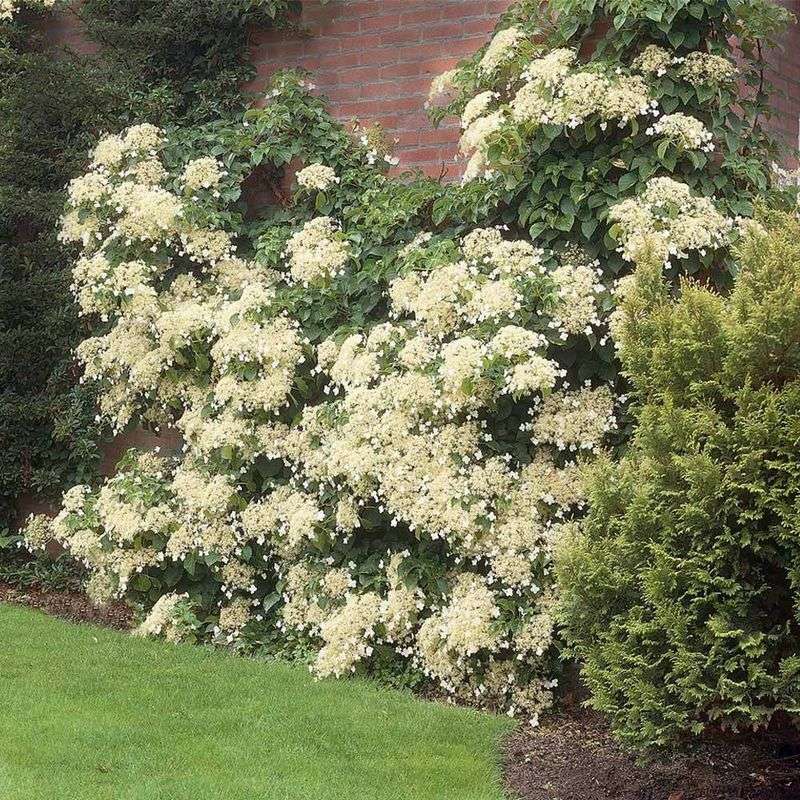
Patience pays off big time with climbing hydrangea. This slow starter takes a few years to really get going, but once it finds its footing, it becomes one of the most jaw-dropping plants in any Oregon garden.
The broad, flat clusters of white flowers that appear in early summer look almost like lace draped across a fence or wall.
What makes climbing hydrangea especially useful in Oregon is its love of shade. Many climbing plants demand full sun, but this one thrives in spots where other vines would struggle.
North-facing walls and areas under large trees are perfect locations. Its aerial rootlets cling directly to surfaces, so it can cover a brick or stone wall without needing a separate trellis or support structure.
Even after the blooms fade, climbing hydrangea stays interesting. The peeling, cinnamon-colored bark adds texture and warmth to walls during the winter months when little else is happening in the garden.
The leaves turn a buttery yellow in fall before dropping. It handles Oregon’s rainy winters without complaint and rarely needs much fertilizer once established.
For gardeners willing to wait a couple of seasons, the reward is a lush, elegant wall covering that practically takes care of itself year after year. It is truly a long-term investment that keeps on giving.
4. Trumpet Vine Bringing A Burst Of Hummingbird Color
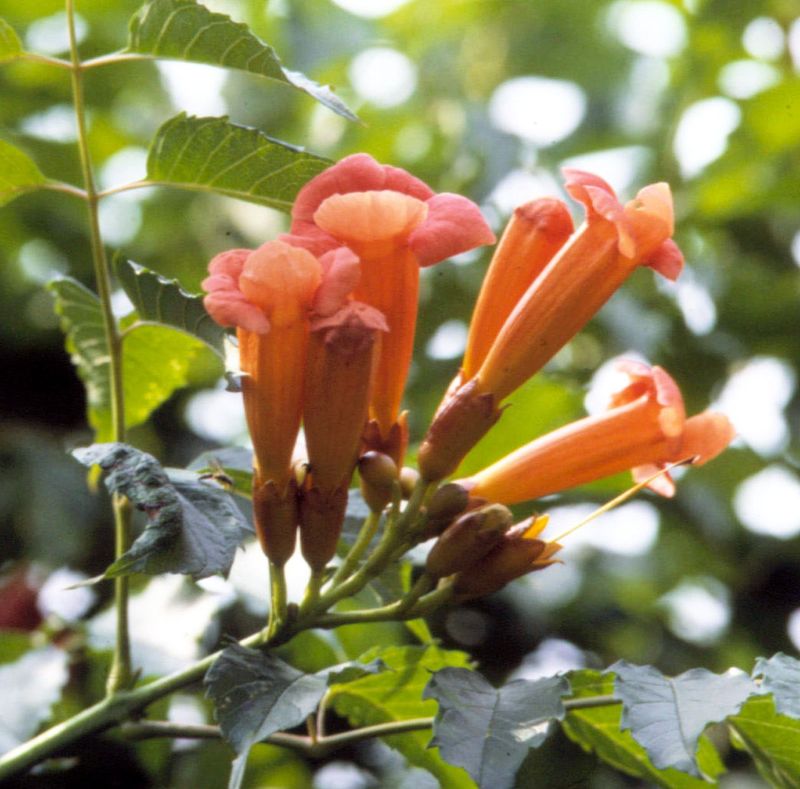
Bold, brash, and absolutely stunning in full bloom, trumpet vine is not a shy plant. The large, flared, orange-red flowers look like something out of a tropical garden, yet this vigorous vine is perfectly at home in Oregon’s warmer inland valleys.
Hummingbirds absolutely cannot resist it, and watching them hover around the blooms is a genuine highlight of the summer garden.
Trumpet vine, known botanically as Campsis radicans, attaches itself to surfaces using small aerial roots, much like ivy. It can scale a fence, wall, or pergola with impressive speed once it settles in.
In Oregon, it performs best in sunnier locations like the Willamette Valley, where summers are warm and dry enough to encourage heavy flowering.
One thing to keep in mind is that trumpet vine is a strong grower and can spread aggressively if you let it go unchecked. Pruning in late winter or early spring can help control its size and encourage fresh growth for the coming season.
Despite its enthusiasm, it is not difficult to manage with a little regular attention. The payoff for that effort is a fence or wall absolutely smothered in brilliant color from midsummer well into early fall.
For a dramatic, wildlife-friendly statement in your Oregon garden, trumpet vine is hard to beat.
5. Evergreen Clematis Blooming When Most Gardens Are Still Sleeping

If you have ever walked past a fence in late winter and caught a whiff of something sweet and unexpected, there is a good chance evergreen clematis was nearby. Clematis armandii, as it is formally known, blooms in late winter to early spring with clusters of small, creamy white flowers that carry a vanilla-like fragrance.
In Oregon, where mild winters are common in many areas, this vine can start flowering as early as February or March.
Unlike most clematis varieties, this one holds onto its glossy, dark green leaves all year long. That makes it an excellent choice for fences or walls where you want coverage and privacy even during the colder months.
The long, strappy leaves give it a bold, architectural look that stands out even when it is not in bloom.
Evergreen clematis grows vigorously and can reach 20 feet or more, so it needs a sturdy fence or trellis to support it. It prefers a sheltered spot with plenty of sun, and the mild climate found in much of western Oregon suits it well.
Prune it lightly right after flowering to keep it tidy and prevent it from becoming too heavy. Once established, it is a reliable, low-maintenance vine that rewards you with fragrance and greenery every single year without much fuss at all.
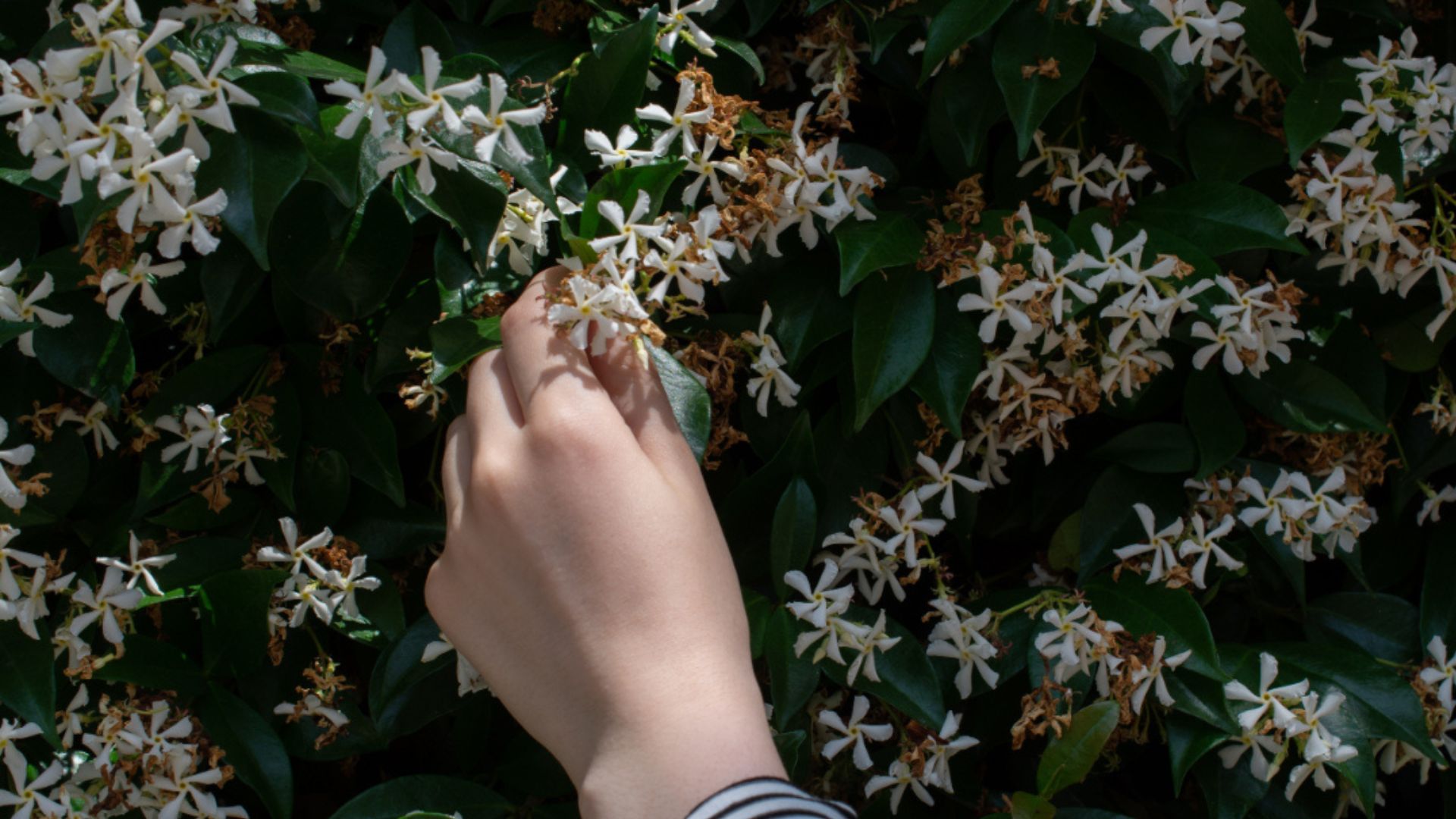
6. Star Jasmine Perfuming Warm Oregon Evenings

Star jasmine is the kind of plant that makes people stop mid-step and look around to figure out where that incredible scent is coming from. The small, pinwheel-shaped white flowers are modest in size but enormous in fragrance, filling the air around them with a rich, sweet perfume that is especially strong on warm evenings.
For Oregon gardeners who love sensory experiences in the garden, this vine is a must-have.
Technically an evergreen twining vine, star jasmine can work beautifully on fences, trellises, and walls in sheltered gardens in Oregon’s mild coastal and western valley regions. It does best in spots that are protected from harsh winter winds, making urban gardens and south-facing walls ideal locations.
The glossy, deep green leaves stay on the plant year-round and create a neat, polished look even when the flowers are not present.
Star jasmine grows at a moderate pace, which means it will not take over your garden but will steadily fill in a fence or wall over a few seasons. It pairs wonderfully with other climbers and can be trained along horizontal wires for a more formal appearance.
In Oregon’s milder coastal and valley regions, it tends to thrive with minimal care beyond occasional trimming and watering during dry summer spells. If you want fragrance, beauty, and year-round greenery all rolled into one plant, star jasmine is an outstanding option worth every bit of garden space it takes up.
7. Wisteria Creating Cascades Of Storybook Blooms

There is something almost magical about wisteria in full bloom. The long, drooping clusters of lilac-blue or purple flowers hang like grape bunches from fences, pergolas, and walls, creating a scene that looks straight out of a fairy tale.
In Oregon, wisteria typically blooms in late spring, and when it does, it stops people in their tracks.
Wisteria is a powerhouse of a vine. It grows fast, gets large, and needs a very sturdy support structure to hold its weight as it matures.
Heavy-duty fences, stone walls, or solid pergolas are the best options. Japanese wisteria and Chinese wisteria are popular, but American wisteria varieties like Wisteria frutescens are less aggressive and a smart choice for Oregon gardeners who want beauty without the battle of controlling an overly enthusiastic spreader.
Getting wisteria to bloom takes a bit of strategy. Young plants focus on leafy growth for the first few years before they start flowering, which can test your patience.
Regular pruning twice a year, once in summer and once in late winter, encourages blooming and keeps the vine in check. Once wisteria finally hits its stride in an Oregon garden, it becomes a breathtaking seasonal showpiece that draws admiring glances from every visitor.
The wait is genuinely worth it, and the cascading blooms make every prior year of patience feel completely justified.
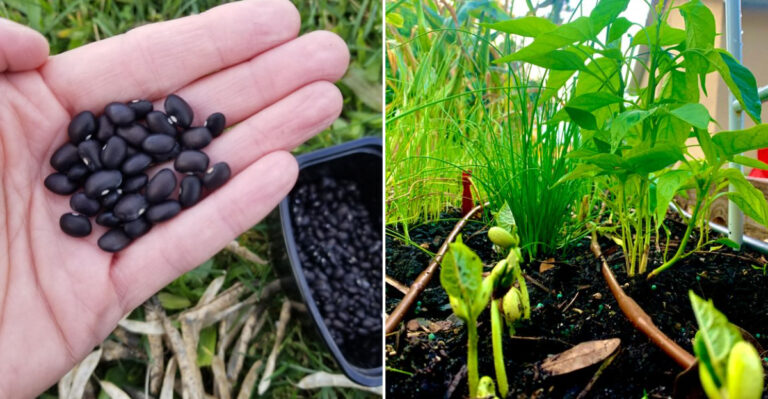
8. Scarlet Runner Bean That Climbs Fast And Feeds The Kitchen

Not every climbing plant is purely ornamental, and scarlet runner bean proves that a vine can be both gorgeous and practical at the same time. The vivid red flowers are a magnet for hummingbirds and bumblebees throughout the summer, while the plant itself produces long, edible beans that are a treat in the kitchen.
It is a true double-duty plant that earns its garden space in more ways than one.
Scarlet runner bean is an annual in most of Oregon, though in frost-free coastal areas it may behave more like a perennial. It grows incredibly fast from seed, often reaching 10 feet or more in a single season.
That rapid growth makes it a fantastic option when you need to cover a fence quickly or fill in a bare wall before summer gets into full swing.
Plant seeds directly in the ground after the last frost date, which varies across Oregon depending on your elevation and location. Give the vines a trellis, fence, or string to climb, and they will get to work almost immediately.
The large, heart-shaped leaves create a lush, tropical look that feels surprisingly exotic for such an easy-to-grow plant. Harvest the beans regularly to keep production going strong all season.
For a fun, fast, and functional addition to your Oregon garden fence, scarlet runner bean is an absolute winner from seed to harvest.
9. Climbing Rose Turning Fences Into Classic Garden Displays

Romantic, timeless, and endlessly beautiful, climbing roses have been gracing garden fences and walls for generations. There is something deeply satisfying about training a rose along a fence and watching it gradually fill in with glossy leaves and spectacular blooms.
In Oregon, the climate in the Willamette Valley is particularly well-suited to growing roses, which is why the state has a rich tradition of rose cultivation.
Climbing roses are not true climbers in the botanical sense since they do not have tendrils or aerial roots. Instead, they produce long, flexible canes that need to be tied to a support structure.
Fanning the canes out horizontally rather than letting them grow straight up actually encourages more flowers, because each horizontal cane produces upward-growing flowering shoots along its length.
Choosing disease-resistant varieties is a smart move in Oregon’s wet climate, where black spot and mildew can be a challenge. Look for varieties labeled as disease-resistant at your local Oregon nursery.
Roses like Zephirine Drouhin, New Dawn, or Fourth of July are popular choices that handle the Pacific Northwest climate well. Feed your climbing rose in spring and after the first flush of blooms to keep it strong and flowering.
With proper support and a bit of seasonal care, a climbing rose can transform a plain fence into a stunning floral display that lasts from late spring well into fall.
10. Chocolate Vine With Its Curious Early Spring Flowers

The name alone is enough to spark curiosity, and chocolate vine does not disappoint once you get up close. Akebia quinata, as it is formally known, produces small, unusual flowers in deep reddish-purple that carry a faint, sweet scent reminiscent of vanilla and spice.
The blooms appear in early spring, often before many other plants have woken up, making it a welcome sight after Oregon’s long, grey winters.
Chocolate vine is a vigorous semi-evergreen climber that holds its attractive, five-leaflet foliage for much of the year in Oregon’s mild regions. It twines readily around fences, trellises, and wire supports, and can cover a large area relatively quickly once it gets established.
The plant tolerates a range of conditions, including partial shade, which makes it useful for spots that do not get full sun all day.
One thing worth knowing is that chocolate vine can spread enthusiastically, especially in the mild, moist conditions found across much of western Oregon. Trim it back after flowering and remove any unwanted shoots to keep it contained within your intended area.
In some parts of the Pacific Northwest the plant has shown a tendency to spread beyond gardens, so checking with local Oregon Extension guidance before planting is a wise step. When managed thoughtfully, though, chocolate vine is a genuinely fascinating and distinctive addition to any garden fence or wall.