What Wildlife Is Up To In Oregon Gardens During March
March is a magical month for Oregon gardens. What looked quiet just weeks ago now hums with activity as wildlife shakes off winter dormancy.
From the misty Willamette Valley to the high desert edges of Central Oregon, gardens become stages for a lively parade of creatures – birds, bees, small mammals, amphibians, and reptiles all resume their routines.
Even a backyard can feel like a mini wildlife sanctuary.
American Robins hop through lawns, mason bees buzz among early blooms, and chipmunks dash through fresh shoots with purpose. Garden ponds and moist corners echo with frog choruses, while sunny rocks host basking lizards.
For gardeners, March offers more than new growth – it’s a chance to witness the pulse of local ecosystems.
Watching these visitors interact with plants and one another is a reminder that even small gardens play a big role in supporting Oregon’s wildlife.
1. Early Birds Begin Their Spring Routines
Long before most Oregonians have finished their morning coffee, birds are already busy reshaping their daily routines across the state. March brings noticeably longer daylight hours, and birds respond to that shift almost immediately.
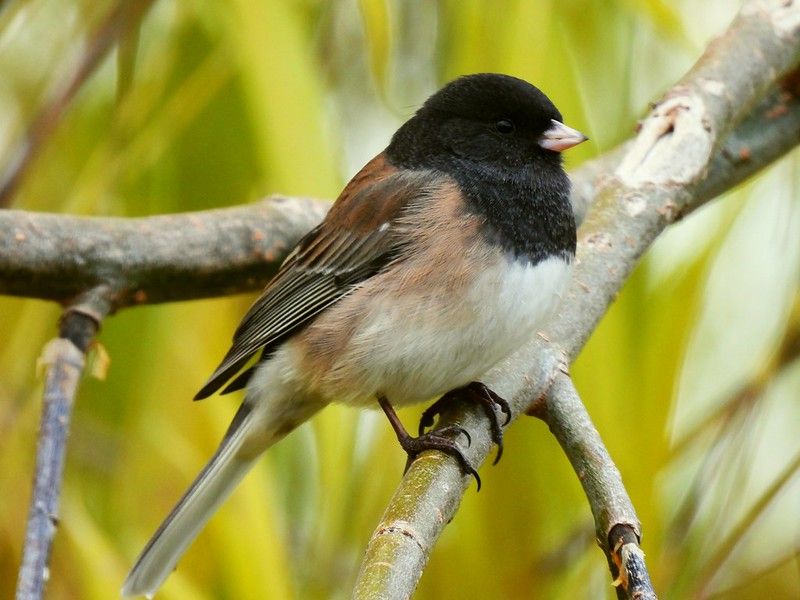
Species like the American Robin, Spotted Towhee, and Dark-eyed Junco become far more visible in Oregon gardens, hopping across lawns and poking through leaf litter in search of earthworms, seeds, and insects.
Robins in particular are a classic sign that spring is picking up in Oregon. They often return to the same garden areas year after year, drawn by open soil, short grass, and reliable water sources.
A simple birdbath kept clean and filled can make your yard a consistent stop for these early risers.
Gardeners in Oregon who leave a section of their yard slightly wild, with fallen leaves or mulched beds, give birds a real advantage when foraging.
The insect activity hidden beneath that organic layer is exactly what early spring birds are hunting for.
Watching them work a garden bed is genuinely rewarding, and keeping a pair of binoculars near a window makes it easy to enjoy the show without disturbing them.
2. Pollinators Wake Up And Scout For Nectar
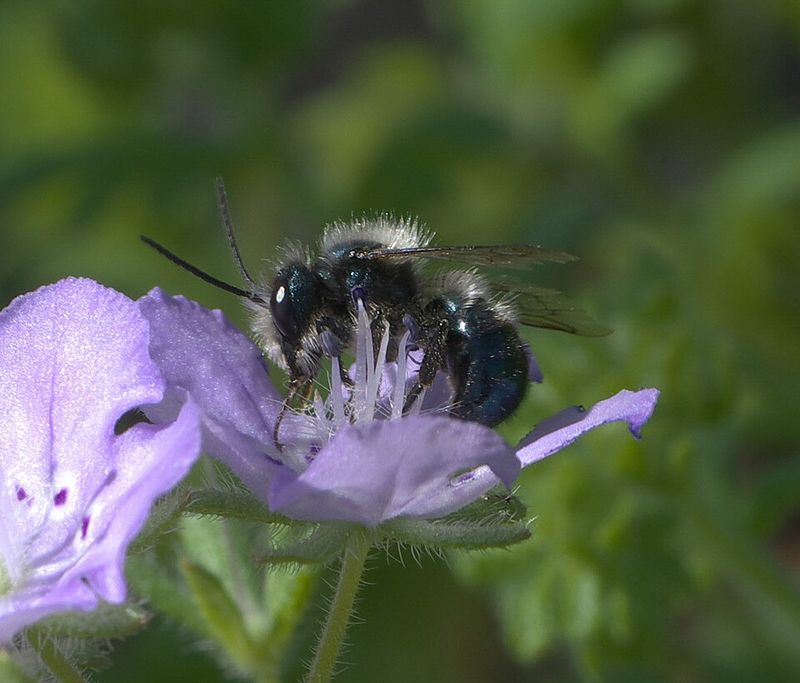
Some of the most important garden visitors in March are also among the smallest.
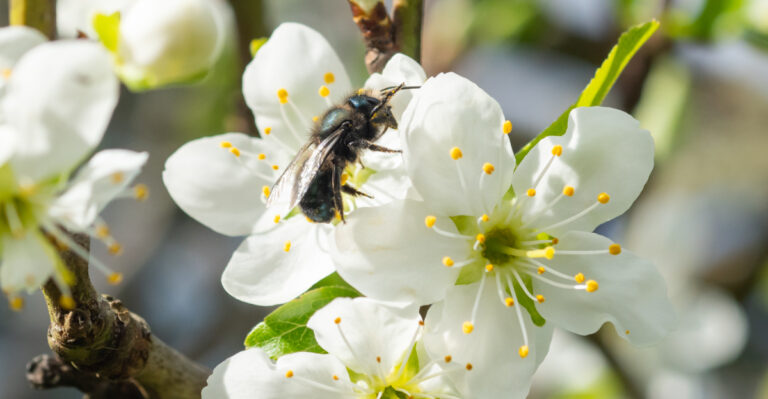
Orchard mason bees, bumblebee queens, and a handful of early native bee species begin appearing in Oregon gardens as soon as temperatures climb above 50 degrees Fahrenheit during the day.
These pollinators are not just passing through. They are actively scouting for the earliest available nectar and pollen sources to fuel their activity after a long winter.
Oregon native plants like Red-Flowering Currant and Oregon Grape are standout early bloomers that pollinators genuinely rely on in March.
Planting even a few of these shrubs can turn an ordinary backyard into a critical refueling stop for native bees before more flowers open up later in spring.
Mason bees are fascinating to observe up close. Unlike honeybees, they are solitary and non-aggressive, which makes them easy and safe to watch.
Your Oregon Garden Changes Every Week. Your Plan Should Too.
Gardening in Oregon changes quickly throughout the season. Every Friday you’ll receive a simple weekly plan showing exactly what to plant, prune, fertilize, harvest, and protect so you never miss the right timing.
Many Oregon gardeners set up simple wooden bee houses or bundles of hollow stems to encourage mason bees to nest nearby.
Providing a small patch of bare, moist soil nearby gives nesting females the mud they need to seal their egg chambers, making your garden a more complete habitat for these quiet but essential visitors.
3. Garden Mammals Resume Their Daily Foraging
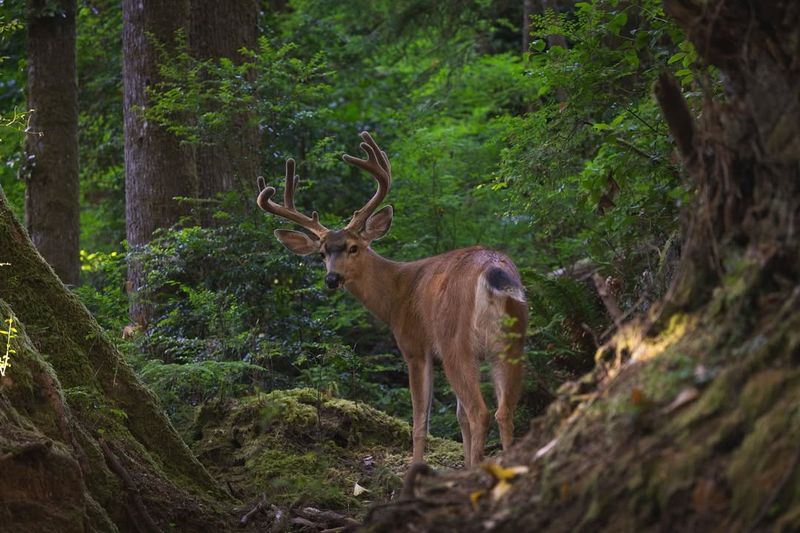
Across much of Oregon, March is the month when mammal activity in and around gardens becomes noticeably more regular.
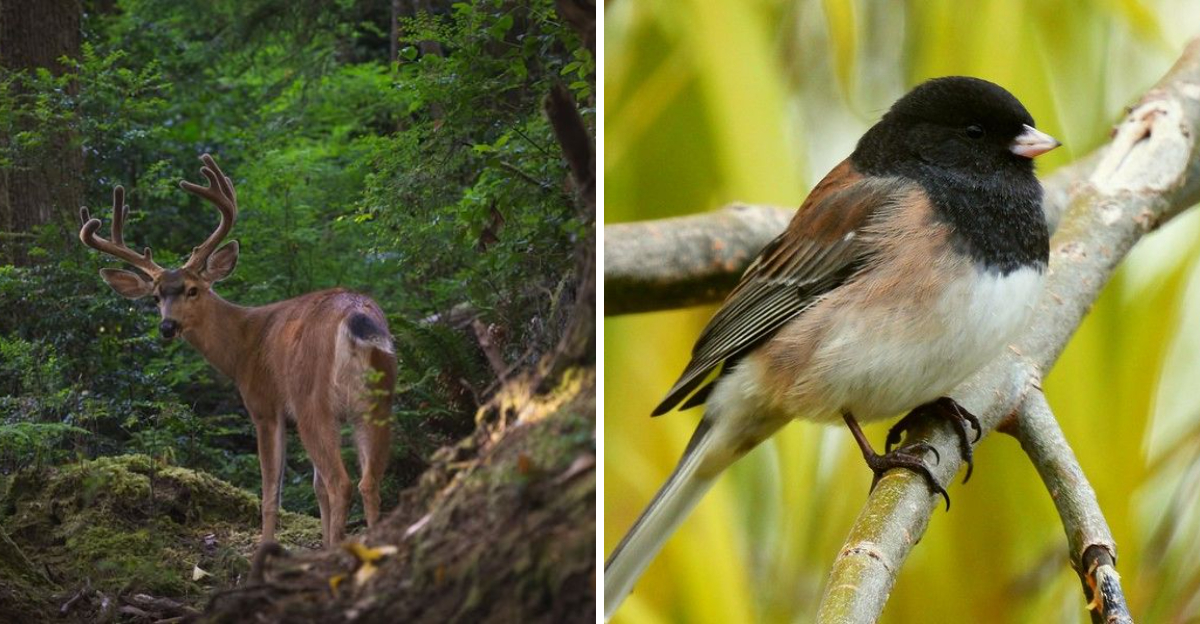
Black-tailed deer, raccoons, opossums, and even the occasional coyote begin moving through neighborhoods and garden edges with more frequency as food sources start to reappear.
These animals spent winter months conserving energy, and early spring plant growth gives them a reason to explore more boldly.
For gardeners, this renewed mammal activity can be a mixed experience. Deer are drawn to newly emerging shoots and tender garden plants, making March a good time to check that protective fencing or netting is in place before vulnerable seedlings get nibbled.
Oregon gardeners in rural and suburban areas especially notice deer pressure picking up in early spring.
Raccoons often investigate compost bins, water features, and low-growing plants during their nightly rounds. Securing compost lids and keeping water features clean can help manage their visits without creating conflict.
Opossums, though sometimes misunderstood, are actually helpful in gardens since they consume slugs, snails, and other pests in notable quantities.
Watching any of these mammals from a respectful distance at dusk or dawn offers a genuine connection to the wild side of Oregon gardening life.
4. Amphibians Emerge From Winter Hiding Spots
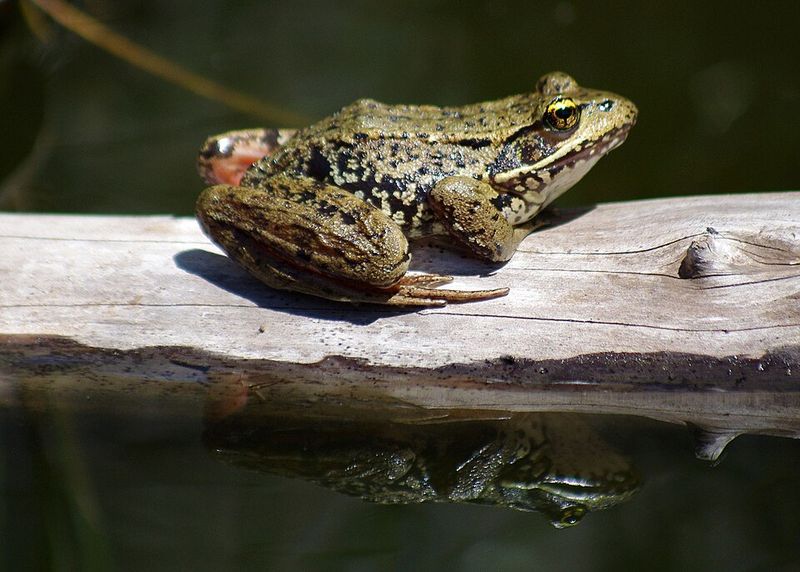
Tucked under logs, buried in leaf piles, and nestled in soft muddy soil, Oregon’s amphibians spend the coldest months in a quiet, slowed-down state. March warm-ups and the state’s characteristic spring rains are often what pull them back into action.
The Oregon red-legged frog, Pacific tree frog, and rough-skinned newt are among the species that become active in gardens during this month, particularly in areas with ponds, boggy patches, or consistently damp soil.
Warm rainy nights in March are prime amphibian movement nights in Oregon. You might find Pacific tree frogs calling from a garden pond or water feature, sometimes in surprisingly loud chorus.
Their calls are a genuine sign that the ecosystem around your garden is healthy and functioning.
Oregon gardeners who maintain small backyard ponds or even shallow water dishes at ground level create valuable habitat for these creatures.
Avoiding the use of synthetic pesticides near water features is important, as amphibians absorb chemicals easily through their skin.
Leaving a section of the garden with natural leaf litter or a small brush pile gives amphibians a safe spot to rest and hide between their active periods, supporting a thriving garden ecosystem.
5. Songbirds Establish Territories And Begin Nesting
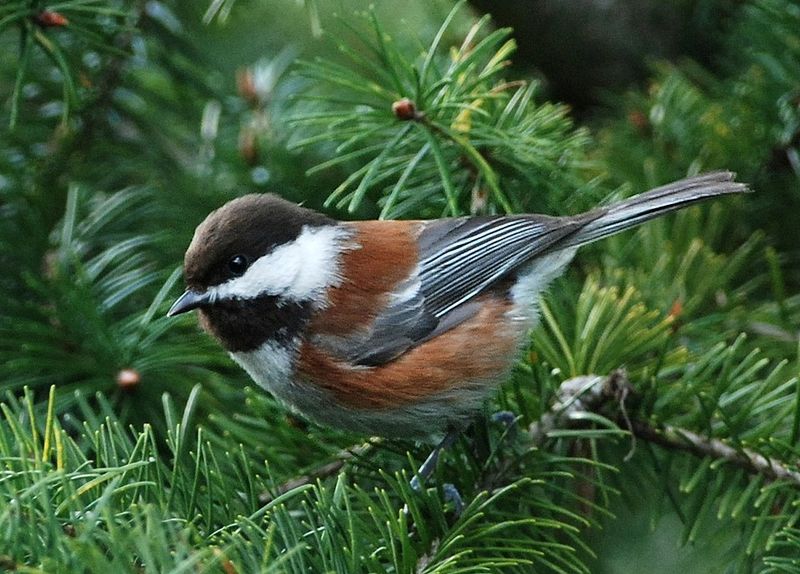
March mornings in Oregon carry a quality of sound that is hard to match at any other time of year. Resident songbirds, energized by longer days and warming temperatures, begin staking out territories with increasing intensity.
The Chestnut-backed Chickadee, Song Sparrow, and Bewick’s Wren are among the species that make themselves heard clearly in Oregon gardens during this month, their calls serving as both courtship signals and territorial warnings to rival males.
Nesting activity often begins quietly and early. Some species start gathering dry grasses, moss, bark strips, and plant fibers in March, tucking them into dense shrubs, nest boxes, or tree cavities.
Oregon gardeners who put up nest boxes in February often find early tenants by mid-March, particularly chickadees and wrens that prefer enclosed spaces.
Leaving native shrubs unpruned through early spring gives nesting birds important shelter and material. Shrubs like Red-Flowering Currant, Osoberry, and native roses offer both cover and early insect habitat that supports nesting pairs.
Watching a pair of Song Sparrows work together to build a nest hidden in a dense garden shrub is one of those quiet Oregon garden moments that stays with you long after the season moves on.
6. Beneficial Insects Return To Support Garden Growth
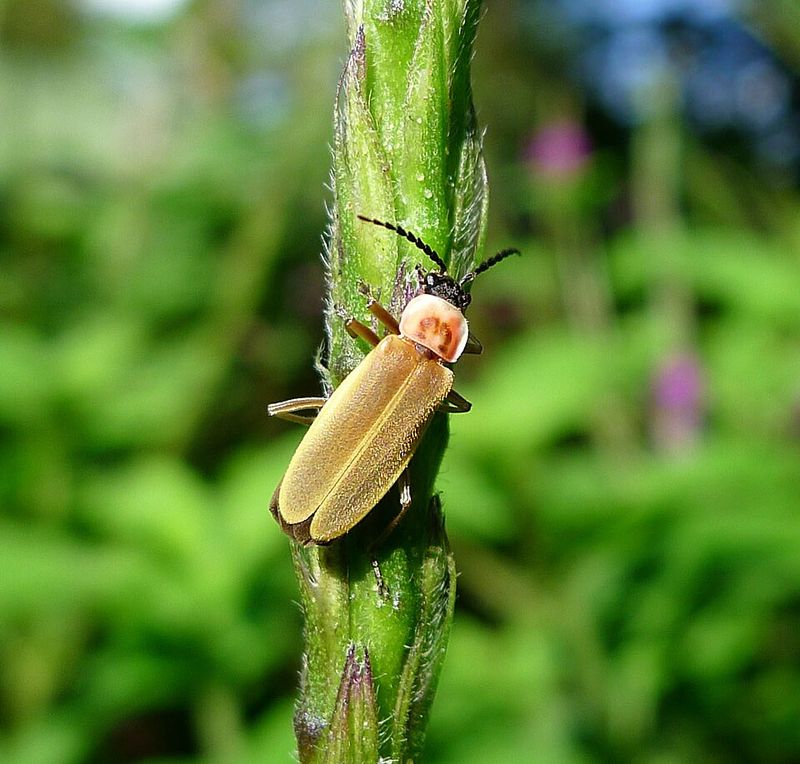
Not every insect that shows up in an Oregon garden in March is there to cause trouble.
Ground beetles, soldier beetles, lacewings, and hoverflies are among the beneficial species that begin reappearing in early spring, quietly going about the business of keeping garden ecosystems in balance.
These insects prey on pest species, pollinate early blooms, and help break down organic matter in ways that directly support plant health.
Ground beetles are especially active in Oregon gardens during March, hunting through soil and mulch layers for slugs, aphid eggs, and other small pests.
They tend to move at night and prefer moist, undisturbed soil, which is why gardens with mulched beds and minimal soil disturbance tend to support stronger populations of these helpful hunters.
Lacewing larvae, sometimes called aphid lions, are voracious predators that hatch from eggs laid on plant leaves. Encouraging adult lacewings by planting nectar-rich flowers and avoiding broad-spectrum insecticides gives their populations a real boost.
Oregon gardeners who resist the urge to spray at the first sign of any insect activity often find that beneficial insect populations naturally manage many common pest problems on their own, creating a more self-sustaining garden over time.
7. Small Mammals Take Advantage Of New Plant Growth
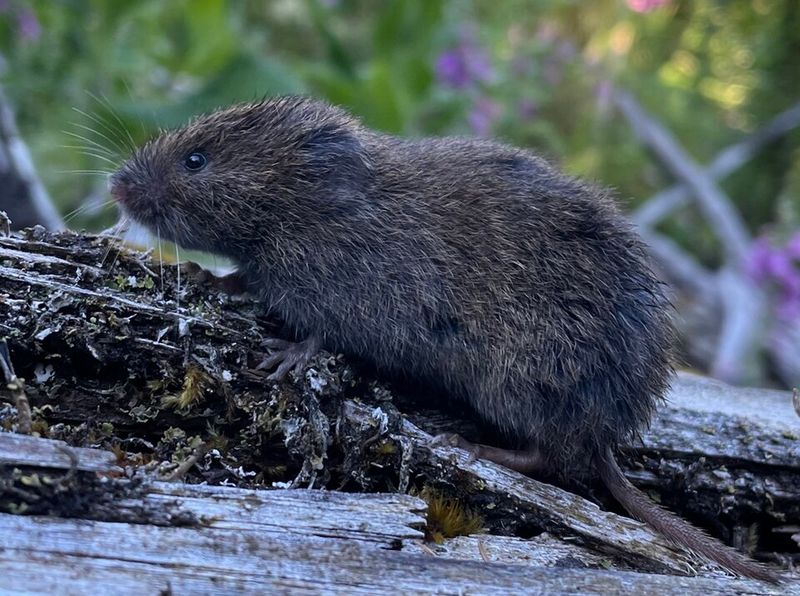
Fresh green shoots pushing up from Oregon garden beds in March are not just exciting for gardeners. They are also a food signal for a range of small mammals that have spent winter relying on stored food or reduced activity.
Voles, meadow mice, and pocket gophers become noticeably more active in gardens during March as new plant material becomes available and soil softens enough for easy burrowing.
Townsend’s voles are one of the most common small mammals affecting Oregon gardens in early spring. They create runway-like paths through grass and low ground cover, feeding on roots, bulbs, and young stems.
Gardeners sometimes notice the damage before they ever spot the animal itself, since voles tend to stay close to ground cover and move quickly when exposed.
Encouraging natural predators like Red-tailed Hawks, Great Horned Owls, and even neighborhood cats can help manage vole activity without intervention.
Installing an owl nesting box on a tall post near a garden is a popular strategy among Oregon gardeners who prefer wildlife-based solutions.
Keeping lawn edges trimmed and reducing dense ground cover near garden beds also makes the area less inviting for small mammals looking for sheltered feeding corridors.
8. Reptiles Start Basking In Warmer Sunlight
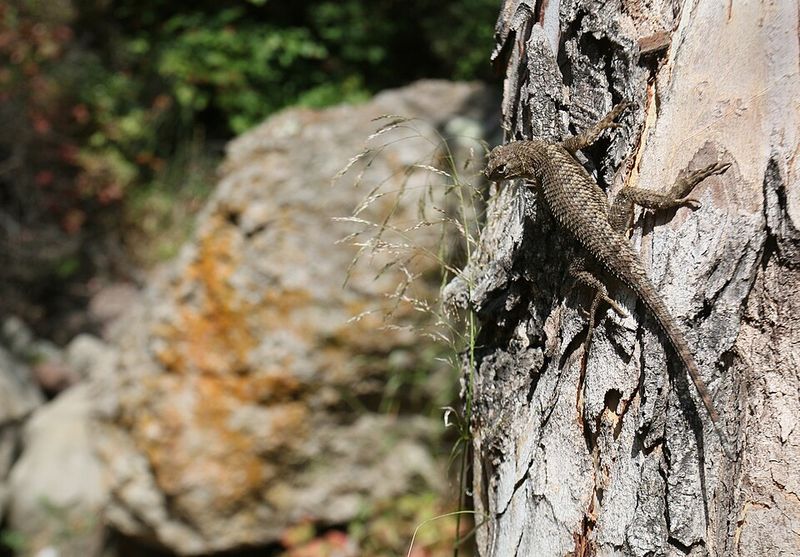
Flat rocks, sunny garden walls, and exposed soil patches become prime real estate in Oregon gardens during March as reptiles emerge to warm themselves in the strengthening spring sun.
The Western fence lizard and the Common garter snake are two of the most frequently spotted reptiles in Oregon gardens at this time of year, both taking advantage of mild afternoon temperatures to raise their body heat after months of inactivity.
Western fence lizards are particularly entertaining to watch. Males do conspicuous push-up displays on rocks and fence posts, showing off the bright blue patches on their bellies as part of territorial and courtship behavior.
Their presence in a garden is a genuinely good sign, as they consume large numbers of insects, including ticks and small beetles, during their active season.
Garter snakes in Oregon gardens are harmless and highly beneficial. They feed on slugs, earthworms, and small rodents, making them natural partners for gardeners dealing with pest pressure.
If you find one curled near a warm rock or garden wall in March, resist the urge to relocate it. Leaving a few flat stones or a small brush pile in a sunny corner of the garden gives reptiles a reliable basking and sheltering spot throughout the season.
9. Chipmunks And Squirrels Scurry Through Early Growth
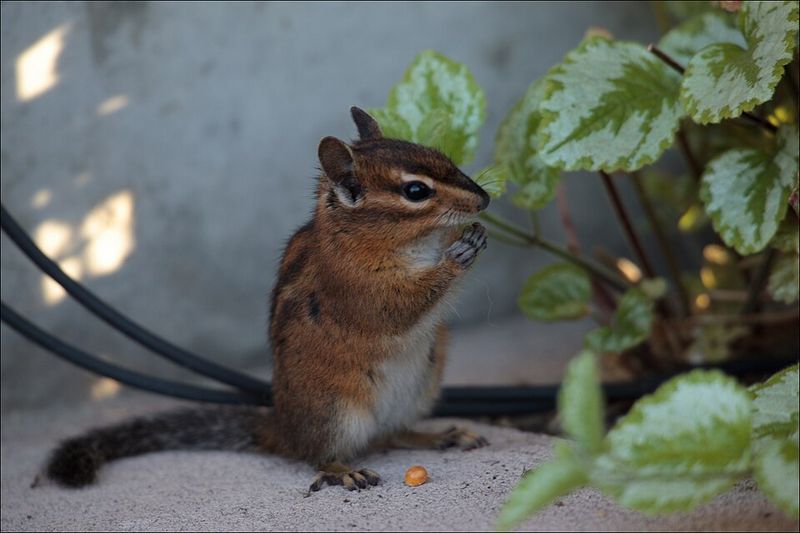
Few garden visitors are as entertaining to watch as chipmunks and squirrels when they shift into full spring mode.
In Oregon, Townsend’s chipmunks and Western gray squirrels are among the most commonly seen small mammals scurrying through garden beds and along fence lines during March.
After spending much of winter in a semi-dormant state, they emerge hungry and energetic, eager to relocate buried caches and take advantage of whatever the garden offers.
Squirrels in Oregon gardens are notorious for digging up bulbs, and March is no exception. Tulip and crocus bulbs planted in fall are sometimes unearthed during squirrel foraging runs.
Placing a layer of wire mesh just below the soil surface over bulb plantings can protect them without harming the animals.
Chipmunks tend to be slightly more cautious than squirrels, darting quickly between cover and open ground as they forage.
They are drawn to birdseed spills beneath feeders and to garden areas with dense low shrubs that offer quick escape routes.
Watching a chipmunk stuff its cheek pouches with fallen seeds before racing back to its burrow is one of those small, genuinely cheerful moments that makes Oregon garden life in March feel full of personality and energy.
10. Frogs And Salamanders Explore Garden Ponds And Moist Areas
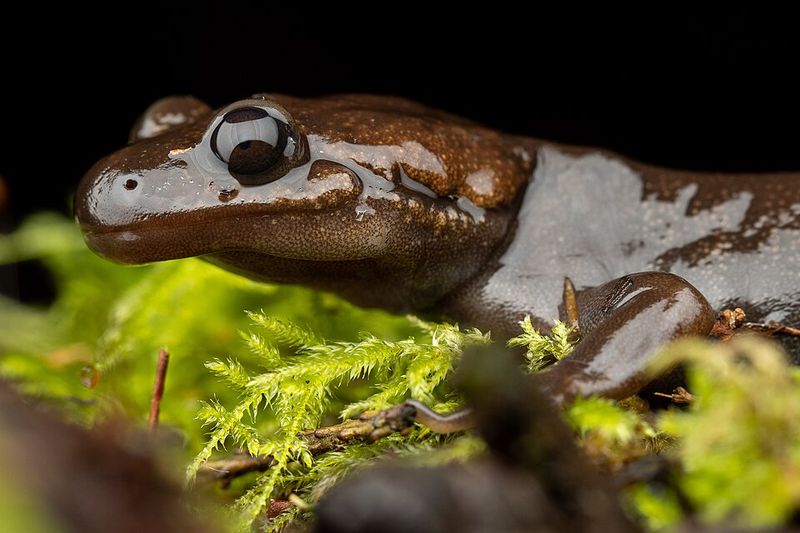
Rain-soaked Oregon nights in March create exactly the conditions that frogs and salamanders have been waiting for all winter.
Garden ponds, seasonal puddles, rain gardens, and boggy lawn corners become hubs of amphibian activity as these animals move, breed, and explore with renewed purpose.
The Pacific tree frog is perhaps the most vocal of Oregon’s garden amphibians, and its chorus on a warm March night can be impressively loud for such a small creature.
Northwestern salamanders and long-toed salamanders also become active in March across many parts of Oregon, particularly in gardens near wooded edges or natural areas.
They move to breeding ponds and temporary pools, often traveling surprisingly long distances from their winter hiding spots under logs and in deep leaf litter.
Oregon gardeners who want to support these species can make meaningful changes with minimal effort. Adding a small, shallow pond with gently sloping sides allows frogs and salamanders to enter and exit safely.
Avoiding the use of slug pellets that contain metaldehyde near water features protects amphibians that rely on those wet areas.
Keeping a patch of the garden consistently moist and covered with natural debris creates a corridor that connects pond habitat to resting areas, giving these fascinating Oregon garden residents the range they need to thrive.