4 Vegetables Michigan Gardeners Can Plant In March And 4 That Are Too Early
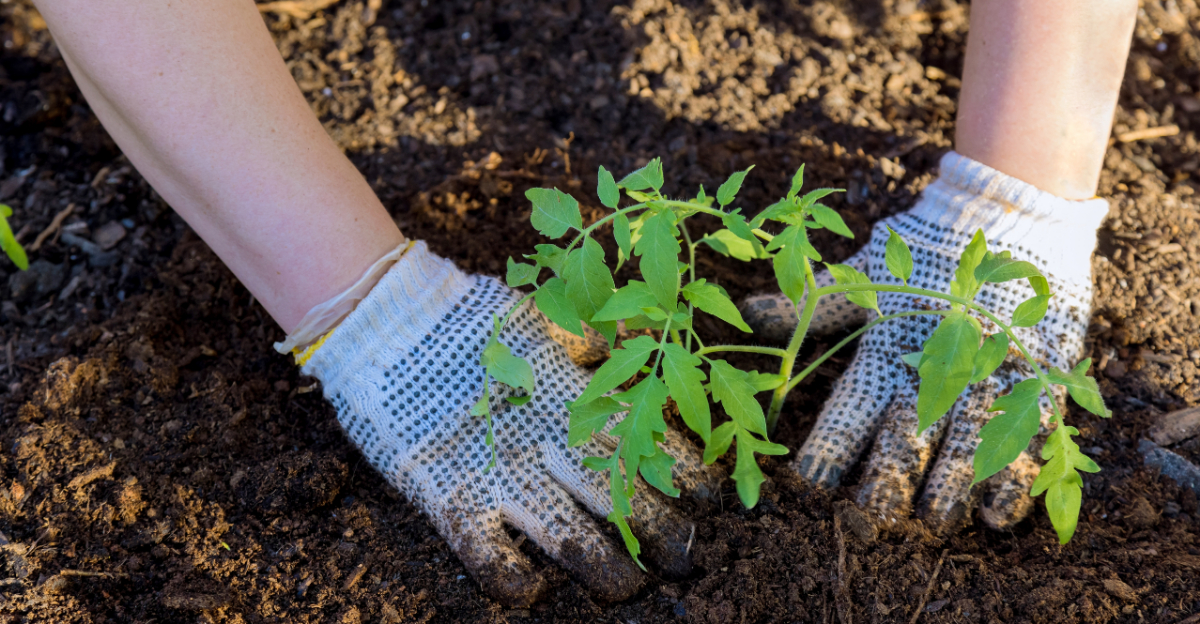
The chill in Michigan’s March mornings is familiar, and yet there’s that little spark when you see the garden beds beginning to thaw.
You’ve shoveled soil and planted enough seeds over the years to know the rhythm – early sun on your hands, the smell of damp earth, and the quiet satisfaction of taking the first steps toward a new season.
Some vegetables are ready to go directly into the soil, while others need a bit more warmth before they thrive.
Knowing which to plant now keeps your garden productive and avoids the disappointment of slow or failed sprouts, fitting neatly into routines you’ve followed for decades.
This March, there’s a chance to get a jumpstart on fresh, homegrown vegetables. A few smart choices can have your garden buzzing with life before the season really takes off, and the first sprouts will hint at what’s just around the corner.
1. Peas That Pop Up Fast
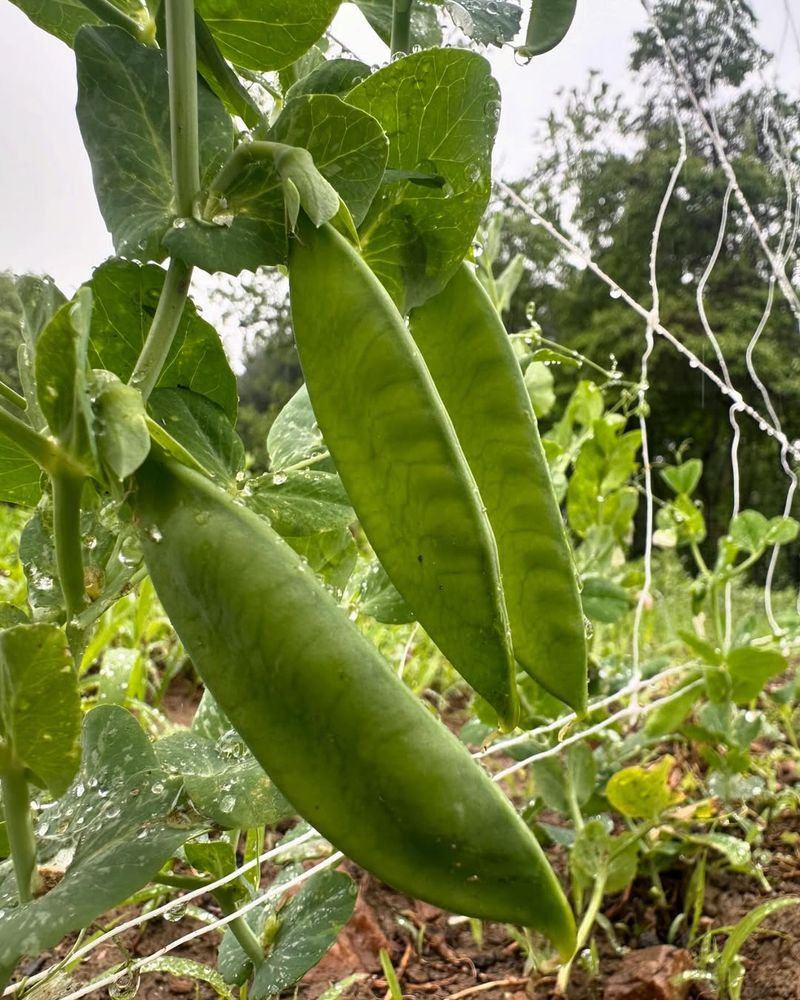
Few things signal the start of spring gardening in Michigan quite like a row of peas pushing up through cool, damp soil. Peas are one of the most cold-tolerant vegetables you can grow, and they actually prefer chilly temperatures over warm ones.
They can sprout in soil as cold as 40 degrees Fahrenheit, which makes them a perfect fit for Michigan’s early March conditions.
In Southern Michigan, peas can often be planted once the soil is workable, which is typically mid to late March, depending on soil temperature and drainage. If you are in Northern Michigan, aim for late March once the soil has started to loosen up and drain properly.
Planting too early in frozen or waterlogged ground can cause the seeds to rot before they ever get a chance to grow.
Peas grow best in a sunny spot with well-drained soil. You can add a little compost before planting to give them a nutrient boost.
Most pea varieties are ready to harvest in about 60 to 70 days, so a mid to late March planting in Michigan usually yields pods in late June rather than May. While peas do not dramatically change soil nitrogen levels, their roots can support soil structure and provide small ecological benefits for future plantings.
Including peas in crop rotation also encourages healthier soil overall and supports local pollinators when flowers appear.
2. Spinach That Loves A Little Frost
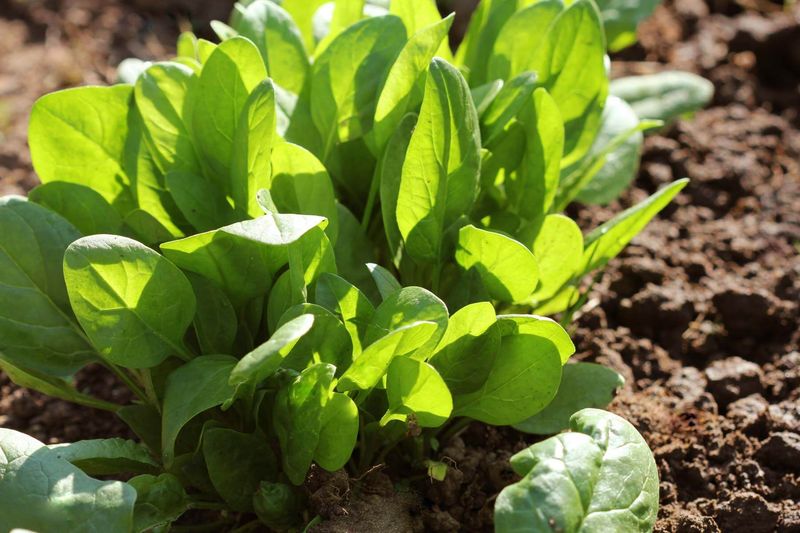
Cold Michigan springs don’t slow this leafy green down; a little frost can even make it taste sweeter and more flavorful – spinach thrives in these conditions. This leafy green thrives in temperatures between 35 and 65 degrees Fahrenheit, which lines up perfectly with what Michigan offers in March.
Michigan gardeners can direct sow spinach seeds once the soil is workable and not waterlogged, usually mid to late March in southern Michigan. You do not need any special equipment or indoor setup.
Just press the seeds about half an inch into the soil, water them in, and wait. Germination usually happens within seven to fourteen days, even in cool conditions.
Your Michigan Garden Changes Every Week. Your Plan Should Too.
Gardening in Michigan changes quickly throughout the season. Every Friday you’ll receive a simple weekly plan showing exactly what to plant, prune, fertilize, harvest, and protect so you never miss the right timing.
Spinach grows quickly and is typically ready to harvest in 45 to 50 days, depending on variety and spring temperatures in Michigan. You can pick outer leaves while leaving the center of the plant intact, which lets it keep producing for several more weeks.
This method of harvesting is called cut-and-come-again, and it stretches your harvest window nicely. Spinach does best in a spot that gets full sun in spring, though a little afternoon shade helps once the weather warms up.
For Michigan gardeners looking to maximize their growing season, spinach is one of the smartest and most rewarding choices you can make in March. Planting spinach near other cool-season crops like lettuce or radishes can also create a productive and visually appealing early spring garden bed.
3. Lettuce That Won’t Mind The Chill
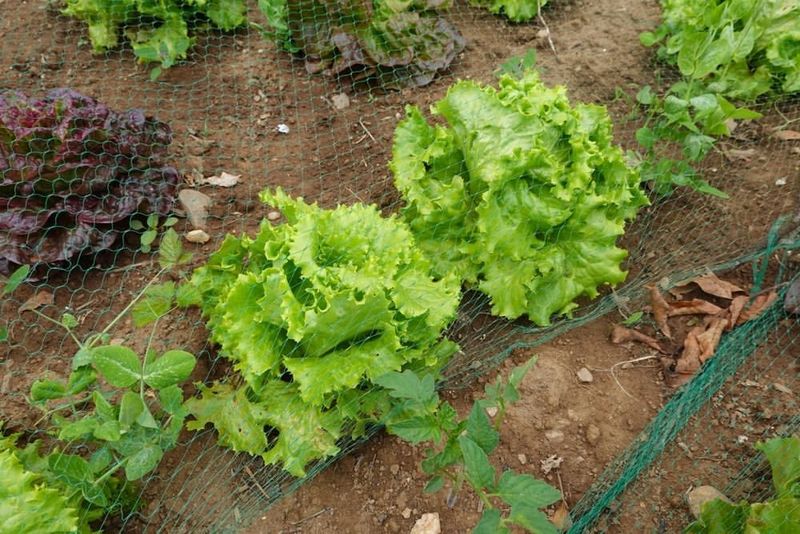
In cool Michigan weather, this vegetable practically begs to be planted. Most varieties handle frost well, though they tend to bolt or turn bitter once summer heat arrives – lettuce thrives in these conditions.
That makes March the ideal window to get a head start on one of the most popular salad greens around.
While some Michigan gardeners wait until April to transplant lettuce seedlings outdoors, March is a great time to start seeds indoors or even directly in the garden if you use a cold frame or row cover for protection. When spacing your plants, give each head of lettuce about six inches of room so they have enough space to fill out properly.
Crowded lettuce plants tend to compete for nutrients and can struggle to develop full, healthy heads.
One of the best things about lettuce is how many varieties are available. Butterhead, romaine, loose-leaf, and crisphead are all popular options that grow well in Michigan.
Mixing a few different types gives you a colorful and flavorful salad bowl right from your own backyard. Lettuce also grows well in containers, which is handy if your Michigan garden space is limited.
With the right timing and a little care, you can enjoy fresh homegrown lettuce from your Michigan garden starting in late April or early May. Planting a succession of seeds every couple of weeks can further extend your harvest and provide a steady supply of tender leaves for salads and sandwiches throughout the spring season.
4. Radishes Ready To Reward
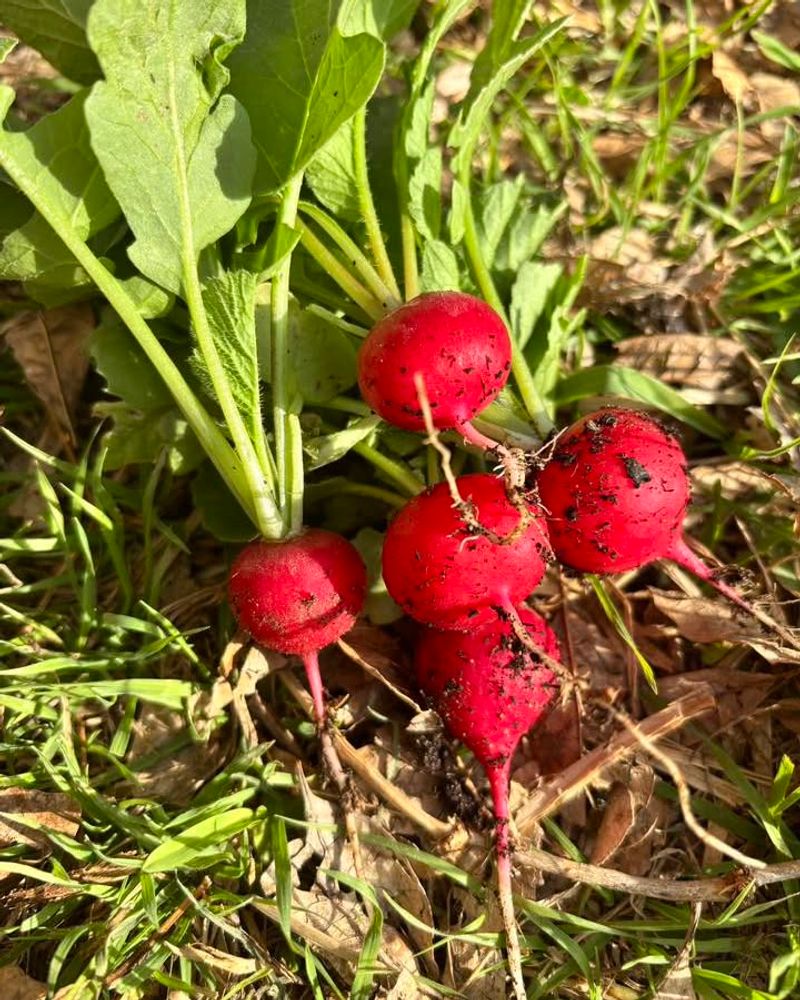
Spring gardens in Michigan have a vegetable that’s especially satisfying to grow. Sprouting fast and maturing quickly, radishes can be ready to pull in just three to four weeks, giving gardeners an early-season reward like almost no other crop.
You can sow radish seeds directly into the ground as soon as the Michigan soil is workable in March. They prefer cool temperatures and actually tend to get pithy or overly spicy if they mature during hot weather.
That is why getting them in early is so important. Sow seeds about half an inch deep and one inch apart, then thin them out once they sprout so each plant has about two inches of space to develop properly.
Radishes come in a surprising range of colors and sizes beyond the classic red globe variety. Watermelon radishes, French breakfast radishes, and white daikon types are all worth trying if you want to add some variety to your Michigan garden.
They also work well as companion plants alongside slower-growing vegetables like carrots, helping to break up the soil and mark your rows while the other crops take their time. Radishes are proof that good things do not always take long to grow.
Planting them in succession every week or two can extend your harvest and keep fresh, crisp radishes coming throughout the spring season, adding both color and flavor to salads and dishes.
5. Tomatoes Waiting For Sunshine
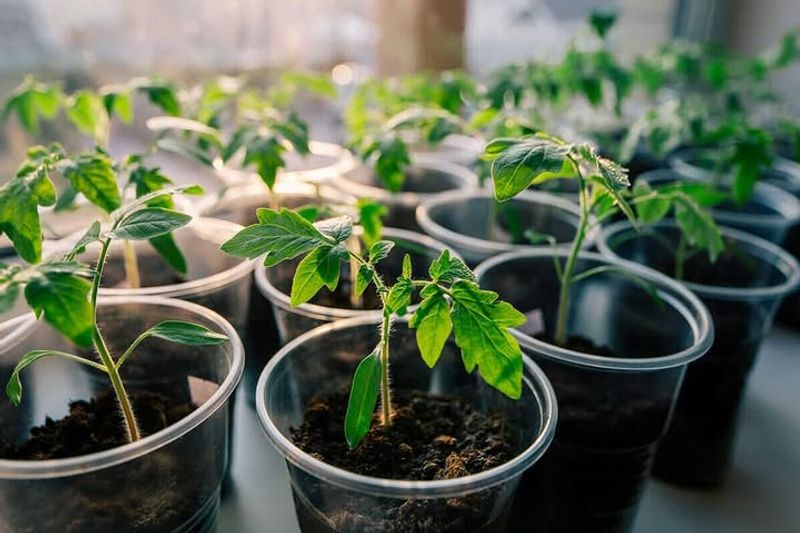
The crown jewel of most Michigan vegetable gardens can turn into a disappointment if planted outdoors in March. As warm-season crops, tomatoes are highly sensitive to cold, and even a light frost can damage young plants, with plenty of frosty nights still ahead in Michigan.
The general rule for Michigan gardeners is to wait until mid-May before transplanting tomatoes outdoors. That timing lines up with the average last frost dates across most of the state.
Planting too early exposes your tomatoes to cold snaps that can stunt their growth or cause serious damage to leaves and stems. Patience really does pay off when it comes to tomatoes in Michigan.
If you want to get a jump on the season, March is actually a great time to start tomato seeds indoors. Use a seed-starting mix, provide plenty of light from a grow lamp or sunny south-facing window, and keep the soil consistently moist.
Most tomato varieties need about six to eight weeks of indoor growing time before they are ready for the garden. Starting them indoors in early to mid-March means your seedlings will be strong and ready to go in the ground right on schedule in May.
Rotating tomato varieties and keeping careful notes on growth can also help Michigan gardeners select the most productive and resilient plants for future seasons. This indoor head start is one of the best habits a Michigan gardener can develop for a productive tomato season.
6. Peppers That Crave Warmth
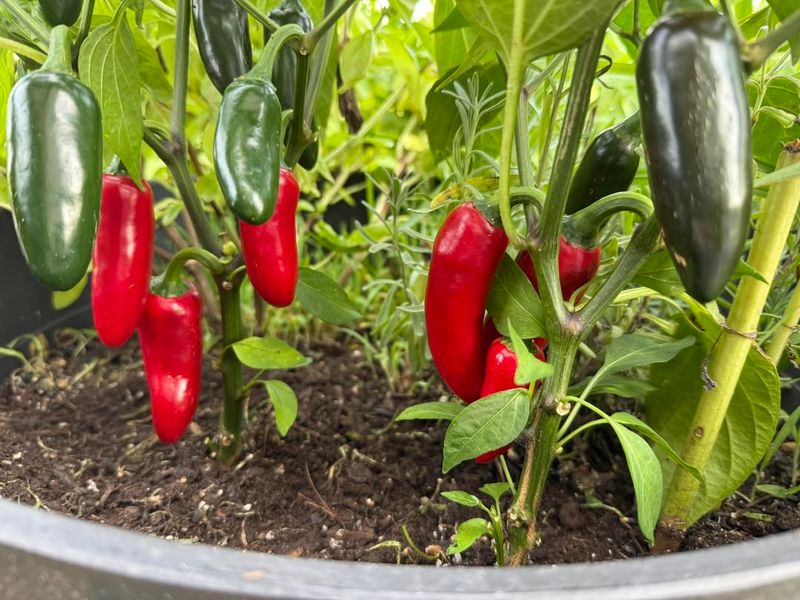
Cold weather and these vegetables simply do not get along. Whether growing sweet bell peppers or spicy jalapenos, peppers need both warm soil and air temperatures to thrive, and putting them outside in Michigan during March leaves them struggling in conditions far too chilly for healthy growth.
Like tomatoes, peppers need to be started indoors well before they go into the garden. In fact, peppers take even longer to mature than tomatoes, which means Michigan gardeners should start pepper seeds indoors in late February or early March.
This gives them the eight to ten weeks of indoor growing time they need before being transplanted outside after the last frost date in mid to late May.
Pepper seeds germinate best when the soil temperature stays consistently between 75 and 85 degrees Fahrenheit. A seedling heat mat placed under your seed trays can make a big difference, especially in a cool Michigan home in early spring.
Once your seedlings are a few inches tall, make sure they get plenty of bright light each day to develop sturdy stems. About a week before transplanting outdoors, start hardening them off by setting them outside in a sheltered spot for a few hours each day.
Gradually increasing exposure over several days helps the plants adjust to outdoor conditions, strengthens stems, and reduces transplant shock, giving Michigan gardeners a better chance at a healthy and productive pepper crop later in the summer.
7. Cucumbers That Can’t Handle Frost
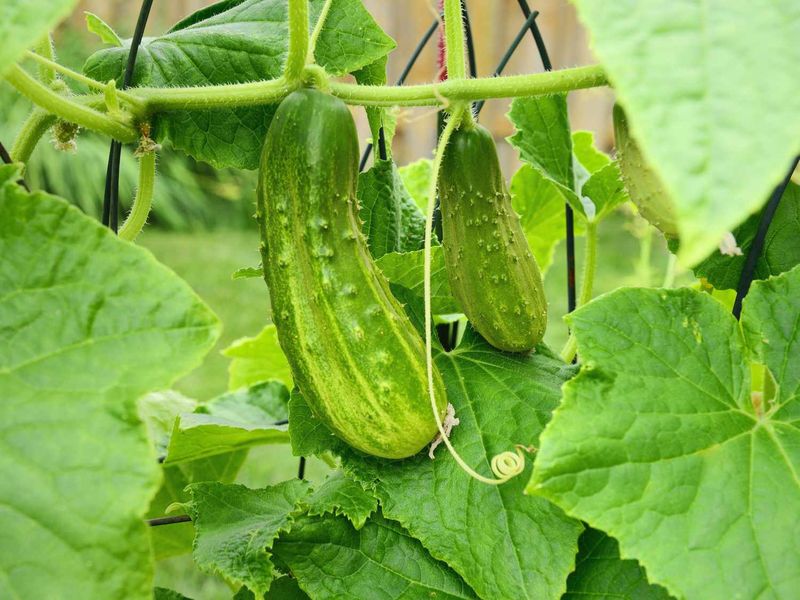
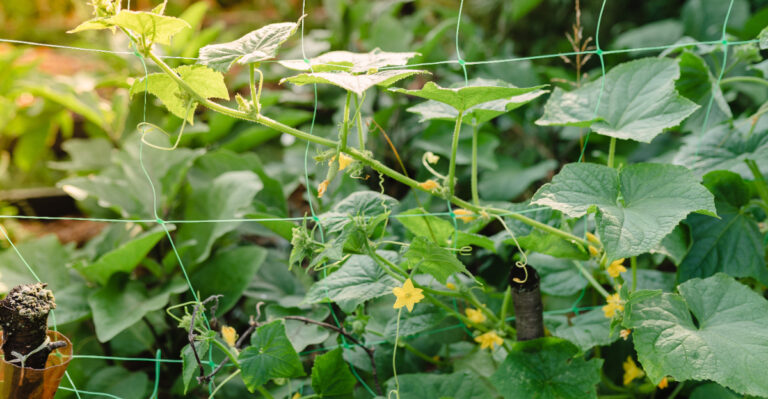
One of summer’s most refreshing vegetables has zero tolerance for cold temperatures. In Michigan, planting cucumbers outdoors in March exposes them to frost and cold soil that can prevent germination.
They need soil temperatures of at least 60 degrees Fahrenheit, which Michigan rarely reaches this early in the season.
The smart move for Michigan gardeners is to wait until late May before transplanting cucumbers outdoors. By that point, the soil has had time to warm up and nighttime temperatures are consistently above 50 degrees.
Cucumbers grow fast once conditions are right, so there is no need to rush them into cold ground. A late May planting can still yield a generous harvest through July and August.
You can start cucumber seeds indoors about three to four weeks before your planned outdoor planting date, which would put indoor sowing right around late April for most Michigan gardeners. Be careful not to start them too early, though, as cucumbers do not like having their roots disturbed and can get rootbound quickly in small containers.
Direct sowing into warm outdoor soil is also a perfectly effective option. Cucumbers grow well on trellises, which saves garden space and keeps the fruit cleaner and easier to spot at harvest time.
Rotating cucumber varieties and monitoring soil moisture carefully can improve growth and help avoid common issues like poor pollination or uneven fruit set. With the right timing, cucumbers can be one of the most productive plants in your Michigan summer garden.
8. Squash That Needs Summer Soil
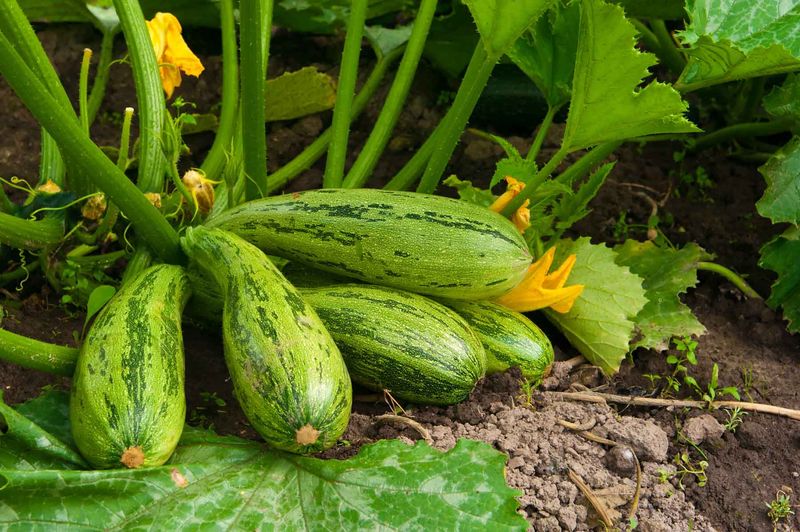
A garden favorite across Michigan belongs firmly in the warm-season category. Both summer types like zucchini and winter varieties like butternut need warm soil and frost-free conditions, so planting squash outdoors in March risks cold soil, frost, and slow or failed germination.
Michigan gardeners should plan to plant squash outdoors after the last frost, usually from mid- to late May in southern Michigan and later in northern regions, once soil temperatures consistently reach at least 60°F. Squash seeds germinate best when soil temperatures reach at least 60 degrees Fahrenheit, and the plants grow fastest when daytime air temperatures are consistently above 70 degrees.
Waiting for those warmer conditions is not a setback; it is simply smart gardening strategy for Michigan’s climate.
Starting squash seeds indoors is an option, but only do so about two to three weeks before your planned outdoor planting date. Squash has sensitive roots and does not love being transplanted, so starting too early can cause more problems than it solves.
Many experienced Michigan gardeners prefer to direct sow squash seeds straight into warm outdoor soil in late May or early June. Squash plants grow vigorously once established, often producing more fruit than a family can eat in a single season.
If you have the garden space, growing a few different squash varieties adds color, flavor, and variety to your Michigan summer and fall table.