Salt-Tolerant Plants That Thrive In North Carolina Coastal Gardens
Gardening along the North Carolina coast can test even experienced growers. Salt carried in ocean breezes, sandy soil that drains quickly, and steady winds can leave many plants stressed or badly damaged.
For gardeners near the Outer Banks, Wilmington, and other coastal communities, the key to success often comes down to choosing plants that naturally handle these conditions. The good news is that many beautiful plants actually thrive in coastal environments.
These tough selections tolerate salty air, shifting sand, and strong breezes while still bringing color, texture, and life to the landscape. Some also attract pollinators and birds, turning a coastal yard into a lively garden space.
With the right plant choices, a coastal garden in North Carolina can be both resilient and stunning. These salt tolerant plants are among the best options for gardens along the state’s shoreline.
1. Sea Oats
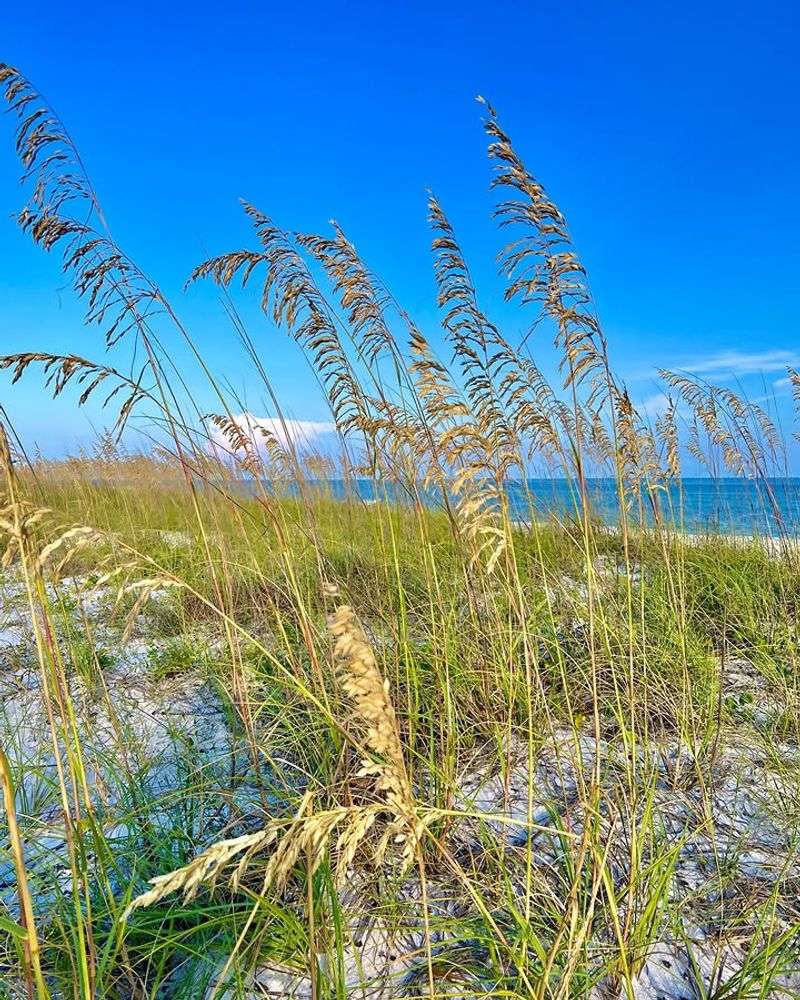
Few plants look as naturally at home on a North Carolina beach as Sea Oats. Swaying gracefully in the coastal breeze, this native grass is both beautiful and incredibly functional.
Uniola paniculata has been stabilizing sandy dunes along the NC shoreline for centuries, and it does the job better than almost anything else out there.
The tall golden seed heads that appear in late summer are striking enough to stop you in your tracks. Growing anywhere from three to six feet tall, Sea Oats thrive in full sun and are built to handle direct salt spray without missing a beat.
Their deep, extensive root systems anchor loose sand and protect coastlines from erosion during storms.
Because Sea Oats are a protected species in North Carolina, you cannot legally harvest them from the wild. Purchase transplants from a reputable native plant nursery and space them about two feet apart for the best coverage.
Once established, they need almost no supplemental watering or fertilizing, making them one of the most low-maintenance plants you can grow on the NC coast.
Pair them with other native coastal grasses for a natural, layered look that supports local wildlife and keeps your dune garden looking effortlessly gorgeous year after year. They are truly a coastal garden essential.
2. Beach Sunflower
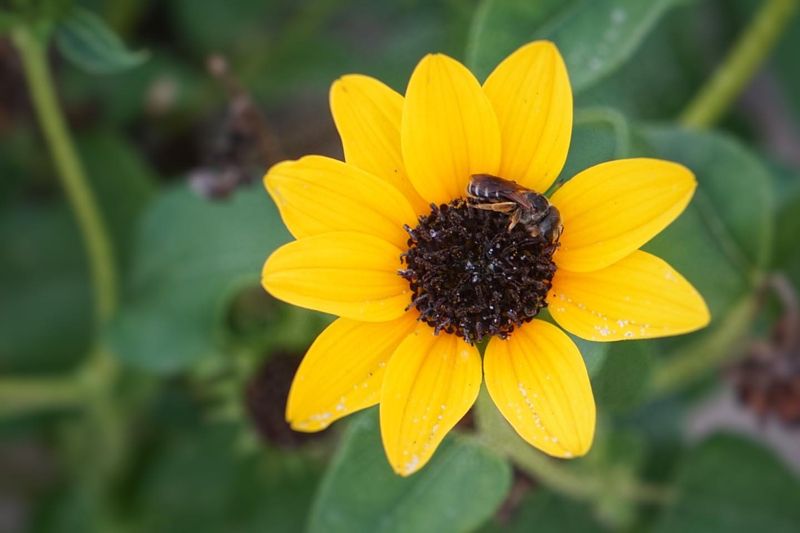
If you want a plant that brings serious sunshine energy to your coastal garden, Beach Sunflower is the one to reach for. Helianthus debilis is a cheerful, fast-growing wildflower that thrives in the sandy, salty soils found all along the North Carolina coast.
Its bright yellow blooms keep going strong from early summer all the way through fall, giving your garden months of color.
One of the most exciting things about Beach Sunflower is how much wildlife it attracts. Bees, butterflies, and even birds flock to its blooms and seeds, turning your garden into a buzzing, fluttering hotspot.
The plant spreads naturally as a low, spreading ground cover, which makes it fantastic for filling in bare sandy patches where other plants struggle to survive.
Beach Sunflower grows best in full sun and actually prefers poor, well-drained sandy soil, so resist the urge to amend the ground too much. Overwatering can cause problems, so let the natural rainfall along the NC coast do most of the work.
Your North Carolina Garden Changes Every Week. Your Plan Should Too.
Gardening in North Carolina changes quickly throughout the season. Every Friday you’ll receive a simple weekly plan showing exactly what to plant, prune, fertilize, harvest, and protect so you never miss the right timing.
Deadheading spent blooms encourages even more flowering, but leaving some seed heads in place feeds local birds through the cooler months.
Plant it along borders, in open dune areas, or anywhere you want reliable, cheerful color with almost zero fuss. It is genuinely one of the easiest plants to love on the coast.
3. Eastern Red Cedar
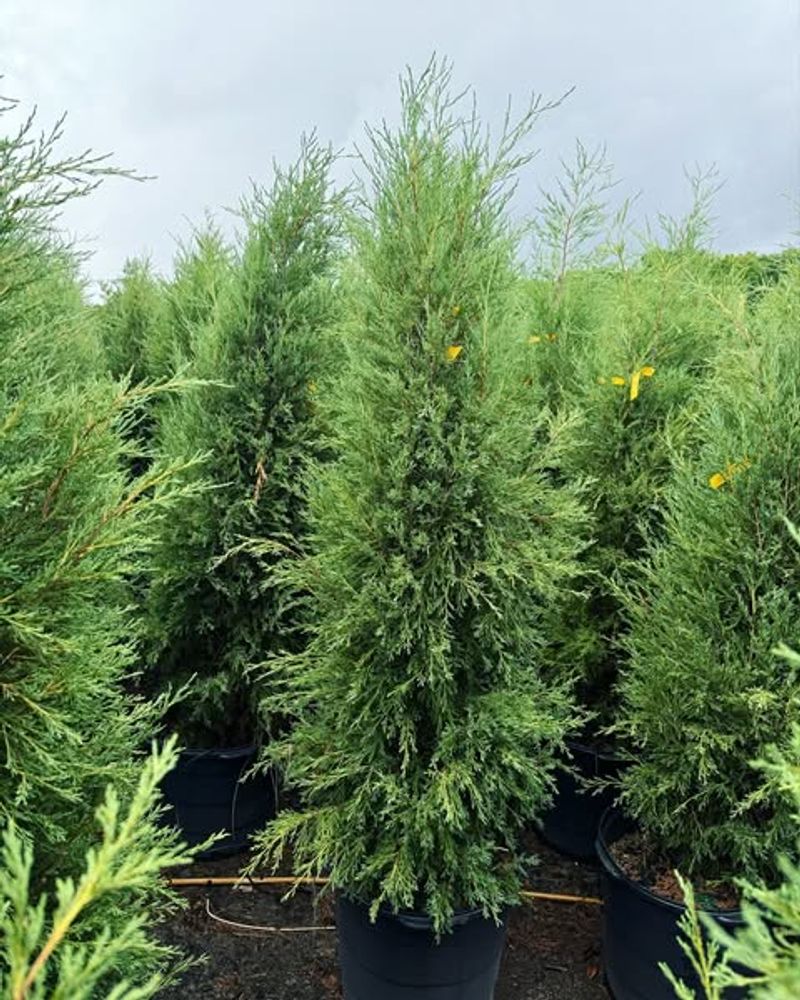
Standing strong against coastal winds and salt spray, the Eastern Red Cedar is one of North Carolina’s most dependable native trees. Juniperus virginiana is an evergreen conifer that looks great year-round and handles tough coastal conditions with impressive ease.
Gardeners along the NC coast have long relied on it for windbreaks, privacy screens, and property borders.
What makes this tree so special is its sheer toughness. It grows well in poor sandy soils, tolerates drought once established, and shrugs off salt spray that would stress or damage most other trees.
The dense, dark green foliage creates a solid barrier against wind, which can be a real game-changer for protecting more delicate plants growing nearby in your coastal garden.
Eastern Red Cedar grows at a moderate pace, typically adding one to two feet per year under good conditions. It can reach heights of 40 to 50 feet at maturity, though regular pruning keeps it compact and hedge-like if that suits your space better.
The small, bluish-gray berries it produces are a favorite food source for cedar waxwings and other birds, adding wildlife value to your landscape.
Plant it on the windward side of your garden to give everything else a fighting chance against those relentless NC coastal breezes. It is a long-lived, hardworking addition to any coastal property.
4. Wax Myrtle
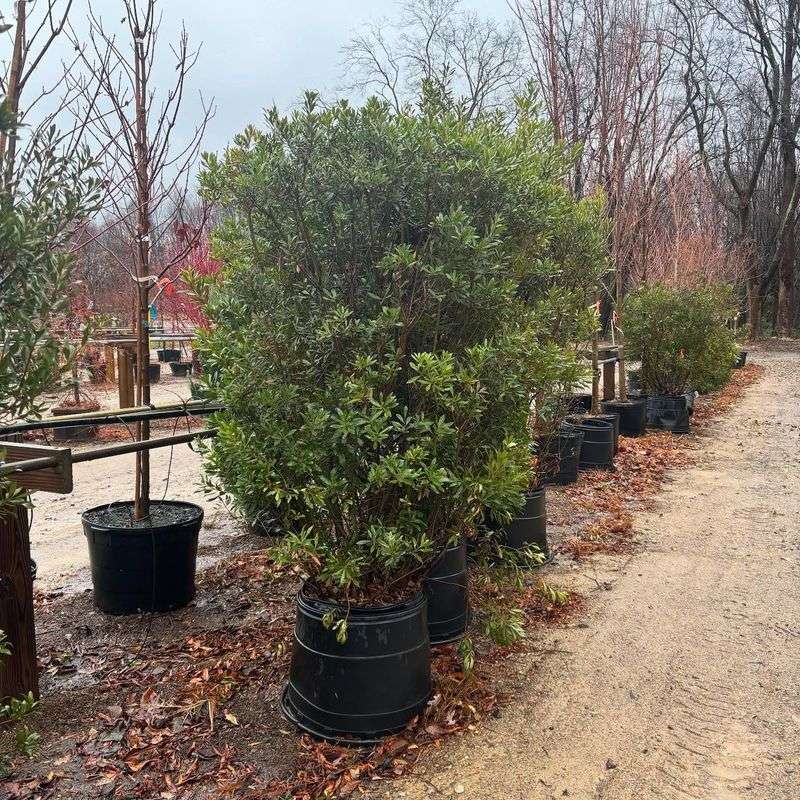
Fast-growing, fragrant, and incredibly adaptable, Wax Myrtle is a coastal gardening superstar in North Carolina.
Morella cerifera can shoot up several feet in a single growing season, quickly filling in gaps and creating lush green privacy screens along NC coastal properties.
Its aromatic leaves release a pleasant, spicy scent when brushed against, making it a sensory pleasure to walk past.
Wax Myrtle handles the tough combination of sandy soil, salt spray, and coastal wind without complaint. It actually thrives in poor soils where most plants would struggle, partly because it can fix nitrogen through a symbiotic relationship with soil bacteria.
That means it improves the ground it grows in over time, which is a huge bonus for coastal gardeners working with nutrient-poor sandy conditions.
The small, waxy gray-blue berries produced by female plants are a major draw for birds, especially yellow-rumped warblers, which rely on them as a key food source during migration.
Wax Myrtle can be grown as a large shrub or pruned into a small tree shape, giving you flexibility in how you use it.
It grows well in both full sun and partial shade, making it one of the most versatile plants available for North Carolina coastal landscapes. Plant it as a hedge, a specimen plant, or a naturalized border and watch it take off with minimal care from you.
5. Seaside Goldenrod
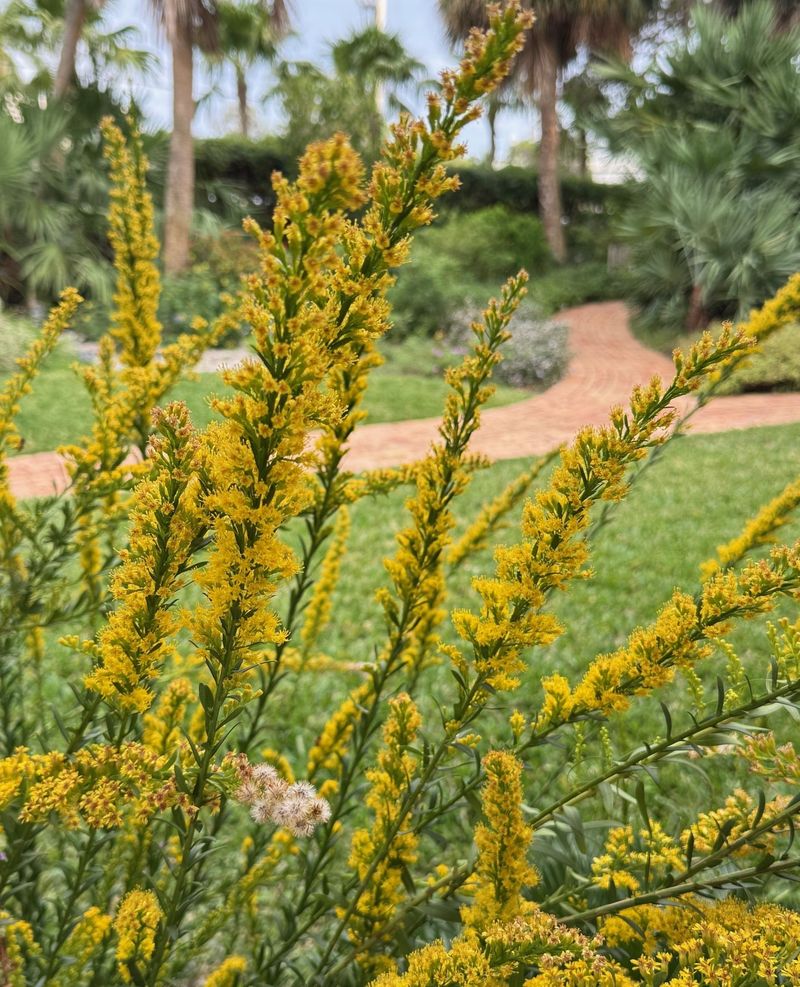
There is something almost magical about watching Seaside Goldenrod burst into bloom along the North Carolina coast in late summer and early fall.
Solidago sempervirens produces dense clusters of brilliant golden-yellow flowers that light up coastal meadows, roadsides, and garden borders at a time when many other plants are winding down.
It is a late-season gift to any coastal garden. Salt tolerance is where this plant truly shines. Seaside Goldenrod handles salt spray, sandy soils, and coastal winds with remarkable resilience, making it a natural fit for NC coastal gardens.
It grows two to five feet tall and spreads gradually through rhizomes, forming attractive colonies that look stunning in naturalized plantings or mixed perennial borders.
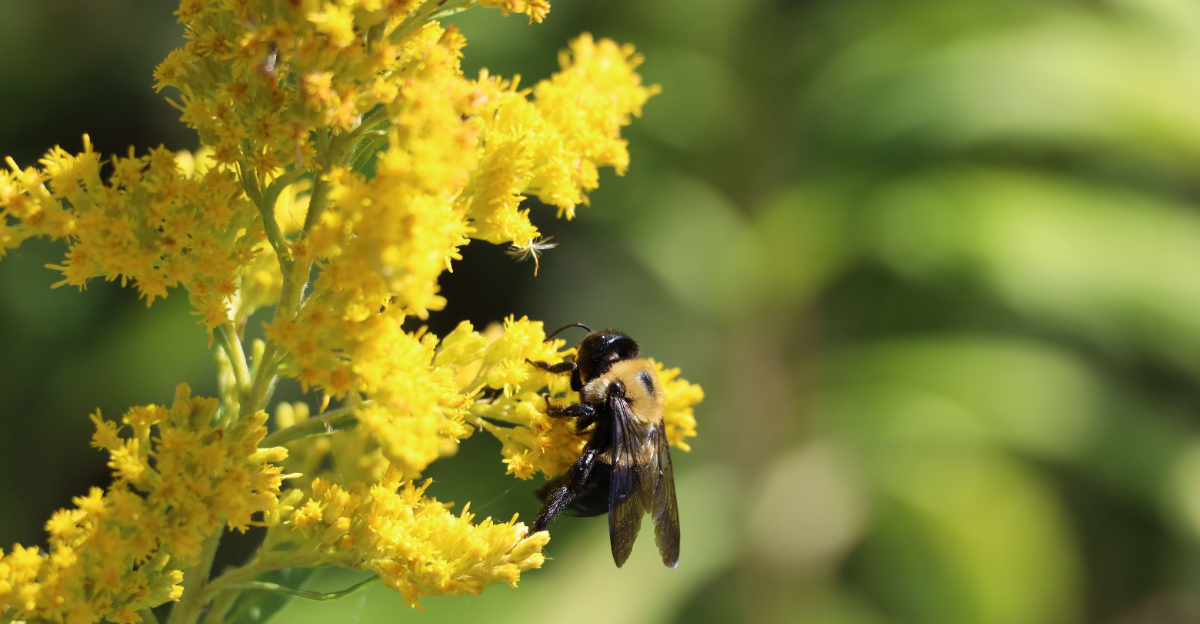
Pollinators go absolutely wild for Seaside Goldenrod. Monarch butterflies, bees, and countless other beneficial insects depend on its late-season blooms as a critical nectar source before winter arrives.
Despite its wild, carefree appearance, it is easy to manage in a garden setting with occasional division every few years to keep it tidy.
Plant it in full sun for the best flowering performance, and avoid overwatering since it naturally grows in dry, sandy coastal conditions.
If you want a plant that feeds wildlife, looks spectacular, and practically takes care of itself along the NC coast, Seaside Goldenrod belongs at the top of your planting list without question.
6. Bayberry
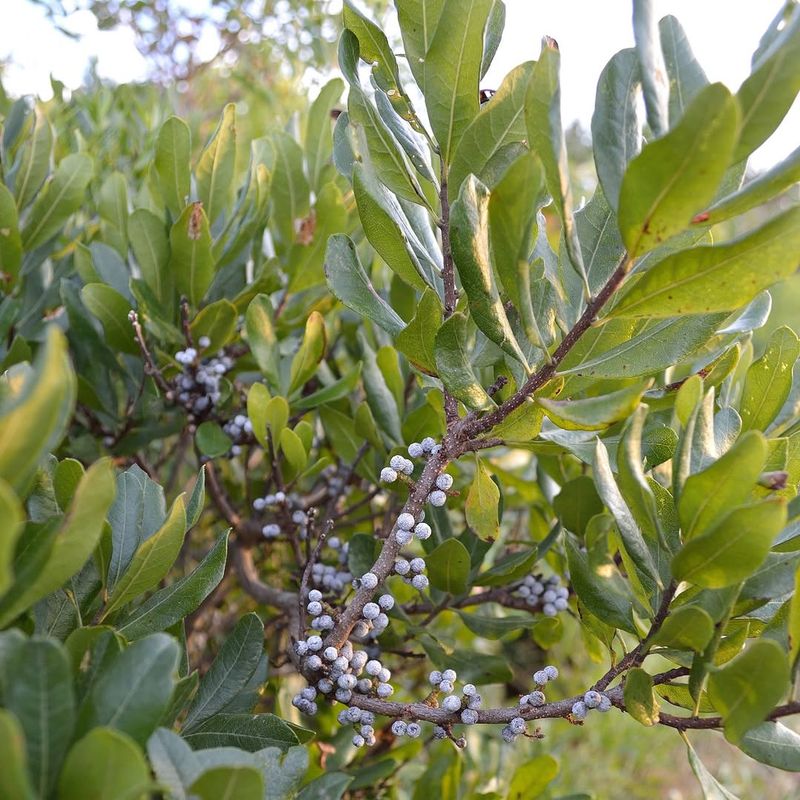
Tough, fragrant, and full of wildlife value, Bayberry is one of those plants that earns its place in a North Carolina coastal garden many times over.
Morella pensylvanica is a hardy deciduous to semi-evergreen shrub that handles coastal wind, salty air, and nutrient-poor sandy soils with a quiet confidence that seasoned coastal gardeners deeply appreciate.
Once it settles in, it asks for very little in return. The waxy, aromatic gray berries that appear on female plants in fall and persist through winter are the stuff of legend for bird enthusiasts.
Yellow-rumped warblers, tree swallows, and other migratory birds rely heavily on Bayberry berries as a high-fat food source during cold months.
Planting both male and female shrubs ensures good berry production, so pick up at least one of each when you visit the nursery.
Bayberry grows four to eight feet tall and spreads gradually through root suckers, forming dense thickets that serve as excellent windbreaks and natural screens along NC coastal properties.
Its foliage carries that familiar, pleasant scent that has been used in candle-making for generations, adding a nostalgic charm to the plant’s appeal.
Full sun to partial shade suits it well, and it actually prefers the lean, sandy soils common along the NC coast rather than rich amended ground. For year-round structure, wildlife support, and low-maintenance beauty, Bayberry is a coastal garden classic worth growing.
7. Dune Grass (Saltmeadow Cordgrass)
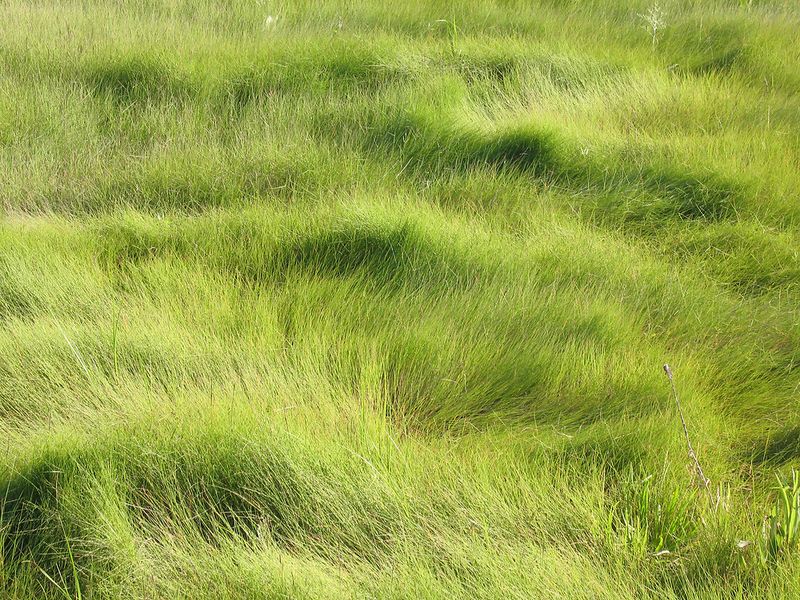
Saltmeadow Cordgrass might not be the flashiest plant in a North Carolina coastal garden, but it is one of the most important.
Spartina patens is a fine-textured native grass that grows in dense, flowing mats along coastal dunes, marshes, and sandy buffer zones throughout the NC coast.
Its ability to hold soil in place makes it an ecological powerhouse in areas where erosion is a constant concern.
This grass is genuinely built for saline conditions. It handles saltwater flooding, salt spray, and the kind of gritty, nutrient-poor sandy soils that would challenge most ornamental plants.
Growing roughly one to three feet tall, it creates a soft, meadow-like texture that moves beautifully in the coastal breeze and adds a naturalistic charm to any landscape planting.
Saltmeadow Cordgrass works especially well as a buffer planting between developed areas and the shoreline, helping to protect properties from storm surge and wind-driven sand.
It spreads through rhizomes and self-seeding, gradually expanding to cover bare sandy areas and stabilize the ground below.
Plant it in full sun for the best results, and avoid planting in areas with prolonged standing freshwater since it strongly prefers well-drained or seasonally saline conditions.
For coastal restoration projects, dune plantings, or naturalized garden areas along the NC coast, Saltmeadow Cordgrass is a practical and ecologically valuable choice that delivers real long-term benefits.
8. Beach Morning Glory
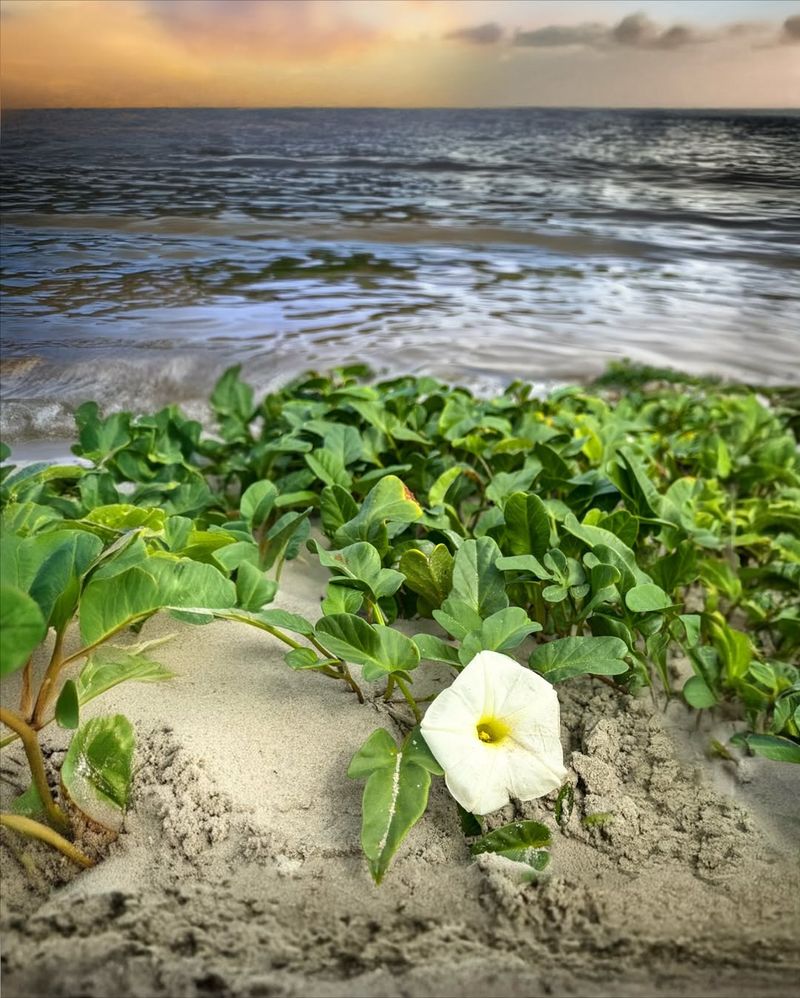
Waking up to a ground full of white and yellow trumpet-shaped blooms is one of the quiet joys of having Beach Morning Glory in your coastal garden.
Ipomoea imperati is a trailing vine that spreads across sandy dunes and beaches with ease, producing fresh flowers each morning that give the plant its charming name.
Along the North Carolina coast, it is one of the most cheerful sights in any naturalized coastal planting.
Beach Morning Glory is impressively well-suited to the harsh conditions of coastal gardening.
It grows directly in dry, salty, sandy soils that most plants would find completely inhospitable, spreading horizontally through long trailing stems rather than climbing upward.
Each stem can extend several feet, weaving through the sand and rooting at nodes to form a dense, attractive ground cover that suppresses weeds naturally.
Because it stays low to the ground, Beach Morning Glory is excellent for covering bare sandy slopes, dune faces, and open areas where erosion is a concern along the NC coast.
It grows best in full sun and requires very little supplemental watering once established, relying on natural rainfall and its deep root system to stay hydrated.
The flowers open in the morning and close by afternoon, creating a daily rhythm that makes checking on your garden feel like a small, pleasant ritual. Plant it where you want ground-level beauty with maximum toughness and minimal maintenance required.
9. Coreopsis (Tickseed)
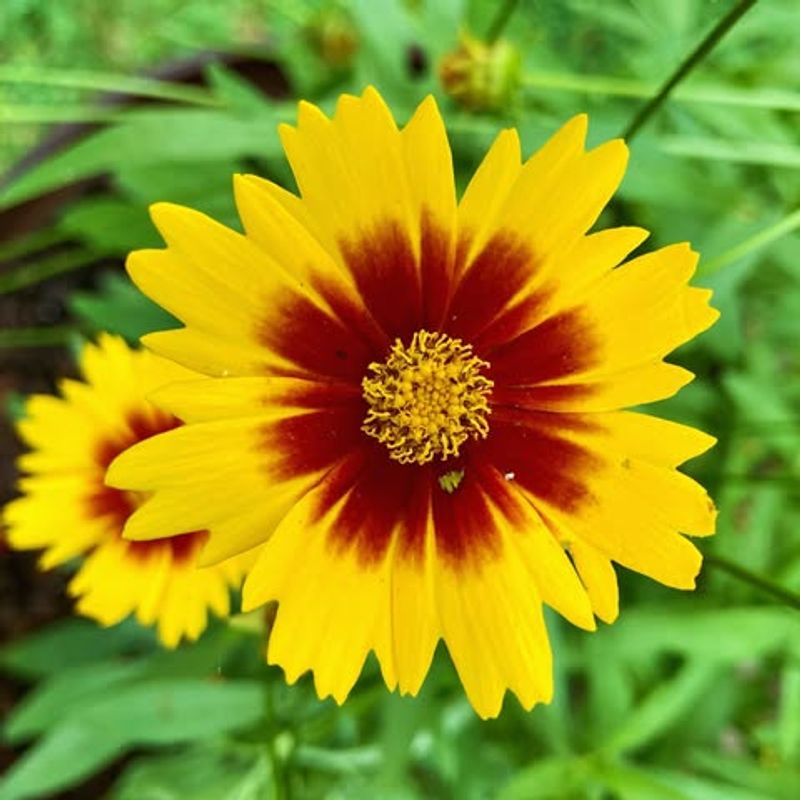
Bold, bright, and nearly impossible to overlook, Coreopsis is one of the most rewarding flowering plants you can grow in a North Carolina coastal garden.
Often called Tickseed, this cheerful perennial produces masses of golden-yellow daisy-like flowers that bloom for months at a stretch.
It thrives in full sun and actually performs better in the lean, sandy soils common along the NC coast than in rich garden beds.
Salt tolerance is a genuine strength of native Coreopsis species. Leavenworthii and other native varieties handle salt spray and coastal winds without showing signs of stress, making them reliable performers in exposed NC coastal garden settings.
They are also impressively drought-tolerant once established, which is a huge advantage in sandy coastal soils that drain quickly and dry out fast between rain events.
Pollinators are absolutely drawn to Coreopsis blooms. Bees, butterflies, and small native insects visit regularly throughout the blooming season, adding lively movement and ecological value to your garden space.
Deadheading spent flowers encourages continuous blooming, but leaving some seed heads in place at the end of the season feeds birds and allows the plant to self-seed naturally.
Coreopsis grows about one to two feet tall and works beautifully in mixed borders, wildflower meadows, or planted in drifts for maximum visual impact along the North Carolina coast. It is a true workhorse plant that makes every coastal garden look effortlessly vibrant.
10. Sweetgrass
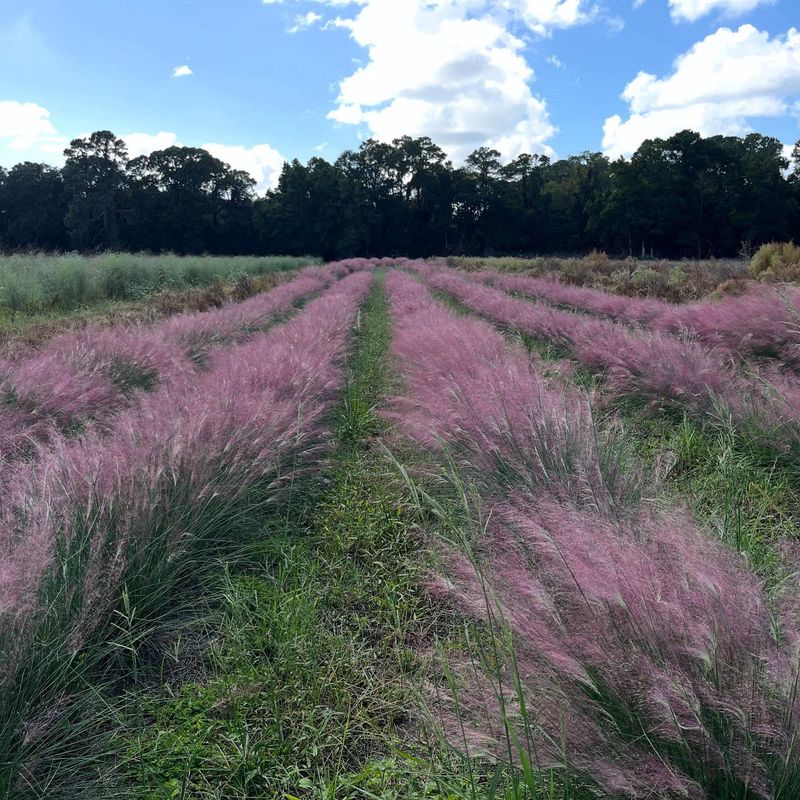
Sweetgrass carries a deep cultural significance along the North Carolina coast that goes far beyond its role as a garden plant.
Muhlenbergia filipes has been harvested and woven into beautiful baskets by Gullah Geechee artisans for hundreds of years, making it one of the most culturally meaningful native grasses in the entire southeastern United States.
Growing it in your coastal garden connects you to that rich living tradition.
From a purely horticultural standpoint, Sweetgrass is a fantastic choice for NC coastal landscapes. It grows naturally in coastal meadows and sandy, saline soils, tolerating the salt exposure and poor drainage conditions that challenge many other ornamental grasses.
In late summer and fall, it produces feathery pinkish-purple plumes that catch the light beautifully and add a soft, airy texture to any planting.
Once established, Sweetgrass is remarkably low-maintenance. It needs very little supplemental water, no fertilizer, and minimal pruning to look its best throughout the growing season.
Full sun brings out the best growth and most abundant plume production, though it tolerates light partial shade reasonably well. Plant it in masses for a sweeping, naturalistic effect, or use individual clumps as accent plants alongside other coastal natives.
Sweetgrass grows two to three feet tall and pairs beautifully with Seaside Goldenrod and Beach Sunflower for a layered, wildlife-friendly coastal garden that celebrates the natural beauty of the North Carolina shoreline every single day.