Texans Regret Planting These Plants Because Deer Love Them
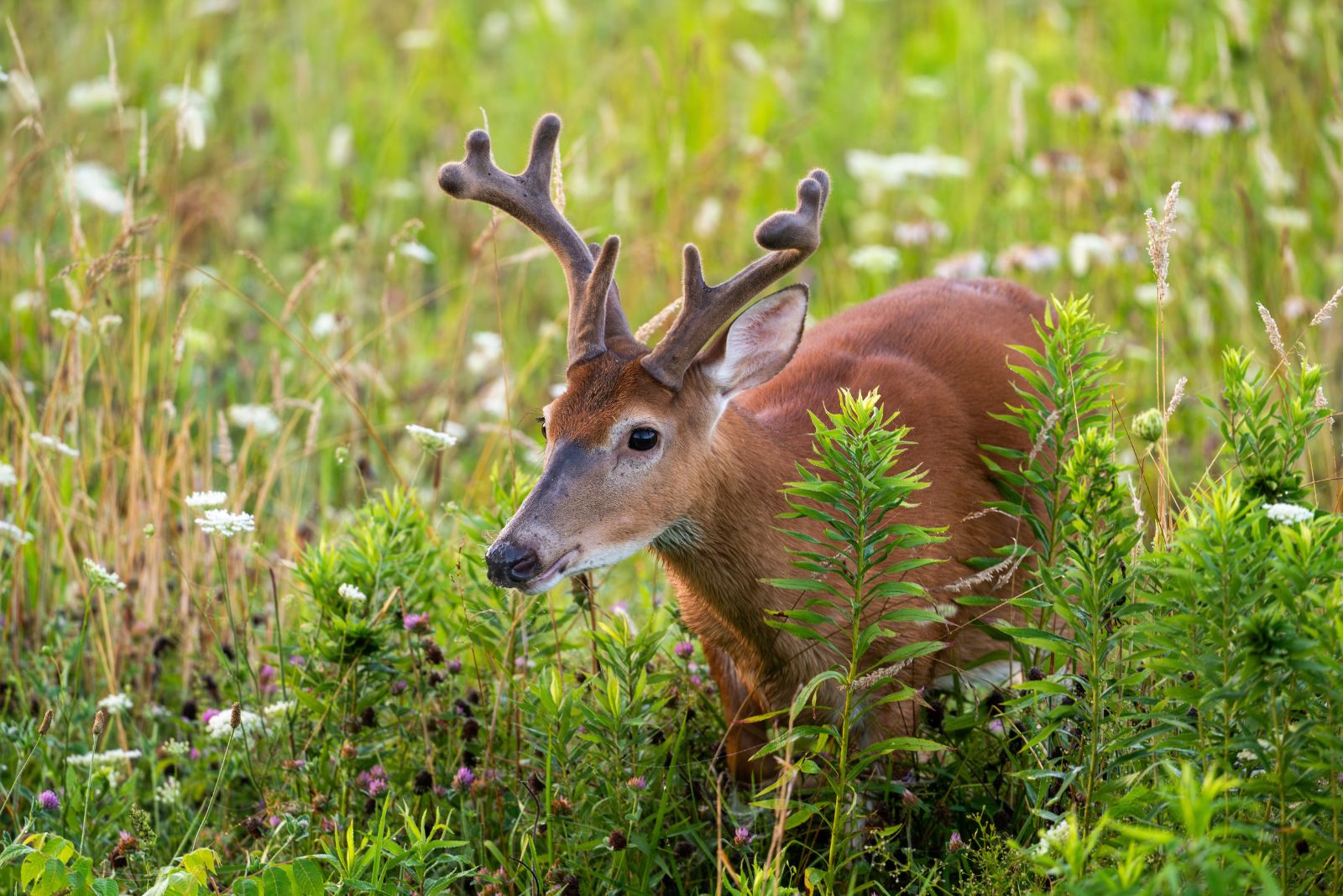
Have you ever planted something beautiful in your yard, only to wake up and find it half eaten the next morning? Many Texas gardeners know that feeling all too well.
Deer may look peaceful wandering through a neighborhood, but when they discover a garden full of tasty plants, they rarely hold back.
Certain plants seem to attract deer more than others. A flower bed that looked full and colorful one evening can quickly turn into a midnight snack stop for local wildlife.
Tender leaves, fresh buds, and young stems are especially tempting, which means some of the most popular garden plants often end up on the deer’s menu.
This is why many Texas homeowners eventually regret planting certain varieties. The plants may look stunning in photos or at the garden center, but they can struggle to survive in areas where deer frequently roam.
Knowing which plants tend to attract them can help gardeners make smarter choices and avoid constant frustration.
1. Daylilies
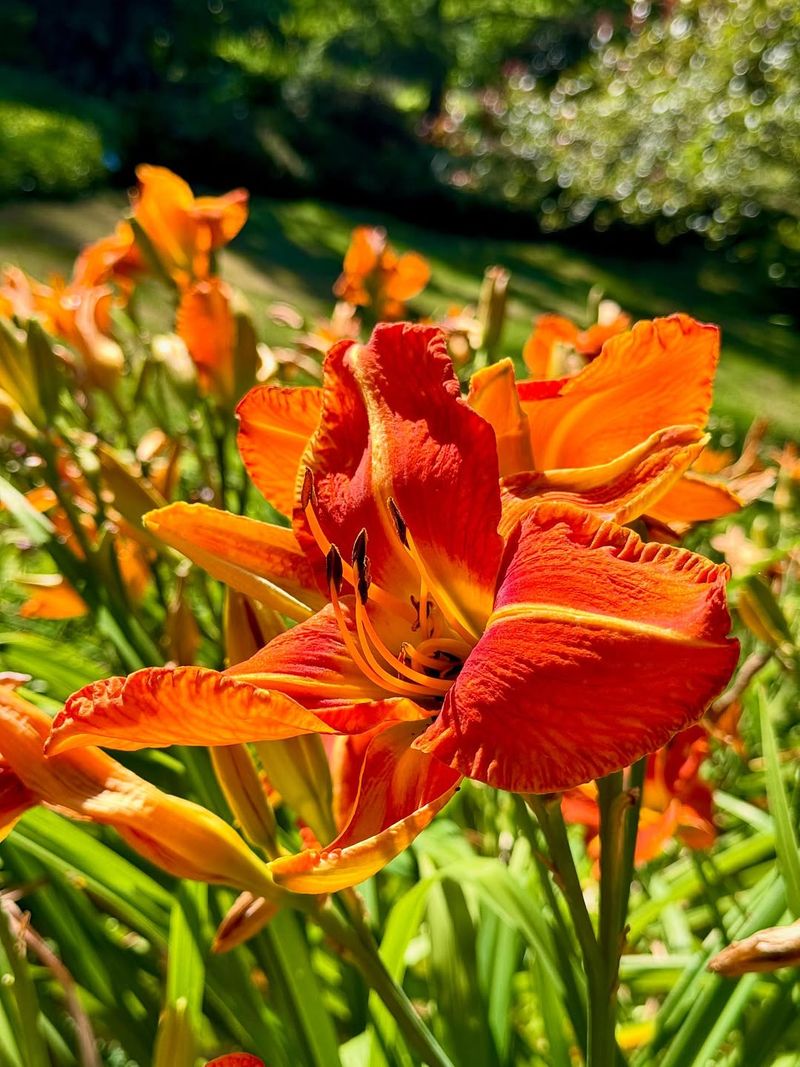
Ask any experienced Texas gardener about daylilies and they will probably smile first, then sigh. These cheerful, colorful flowers are incredibly easy to grow, drought-tolerant, and they come back year after year.
For a hot Texas summer, they seem like the perfect plant. The problem is that deer think so too, and they are not shy about showing it.
Deer eat daylilies from top to bottom. They go after the flower buds first, which is especially frustrating because gardeners wait all season for those blooms.
Then they move on to the foliage, leaving behind ragged, chewed-up stems. In areas of Texas with heavy deer traffic, like neighborhoods near the Guadalupe River or the outskirts of Kerrville, daylilies can be wiped out before they ever have a chance to flower.
One of the trickiest things about daylilies is that they look totally fine during the day. Deer usually feed at dawn, dusk, or during the night, so you might not even realize what is happening until the damage is done.
By the time you notice the missing buds and chewed leaves, a whole group of deer may have already visited your yard multiple times.
Protecting daylilies in Texas takes some effort. Sturdy fencing at least eight feet tall is one of the most reliable solutions.
Scent-based repellents made with garlic or predator urine can also work, though results vary. Some gardeners have had success planting strongly scented herbs like lavender or rosemary nearby to confuse and deter deer from the area.
2. Hostas
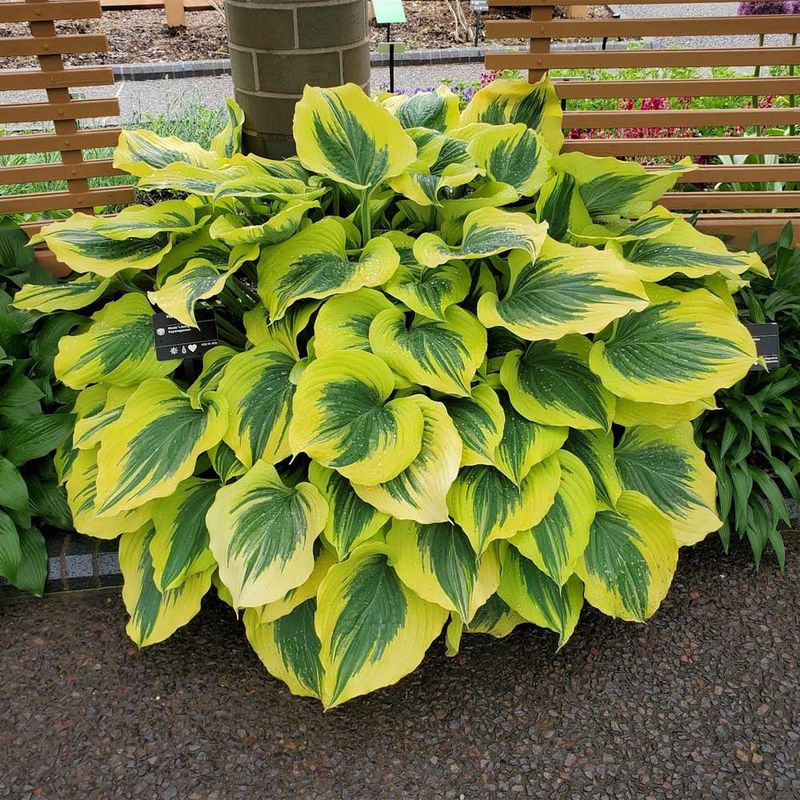
Walk outside one morning and your hostas are gone. Not wilted, not yellowing, just gone. That is the reality many Texas gardeners face after planting these lush, leafy beauties in their shaded garden beds.
Hostas are beloved for their big, bold leaves and their ability to thrive in low-light spots where other plants struggle. But deer love them just as much as gardeners do, and that is a serious problem.
In Texas, deer populations are high in many areas, especially in the Hill Country and suburban neighborhoods that border open land. Hostas are like a salad bar for deer.
The leaves are soft, juicy, and easy to chew, making them one of the most frequently targeted plants in any yard. Deer will often eat an entire plant down to the soil in a single night.
If you already have hostas planted, do not panic just yet. There are some steps you can take to protect them.
Physical barriers like wire cages or fencing can help keep deer away. Deer repellent sprays are another option, though they need to be reapplied regularly, especially after rain.
Some gardeners in Texas also try planting hostas in containers on covered porches or patios where deer cannot easily reach them.
Planting hostas closer to your home or near motion-activated lights can also discourage nighttime visits from deer. If deer pressure in your area is very high, you may want to consider replacing hostas with shade-tolerant plants that deer tend to avoid, like cast iron plant or autumn fern.
3. Roses
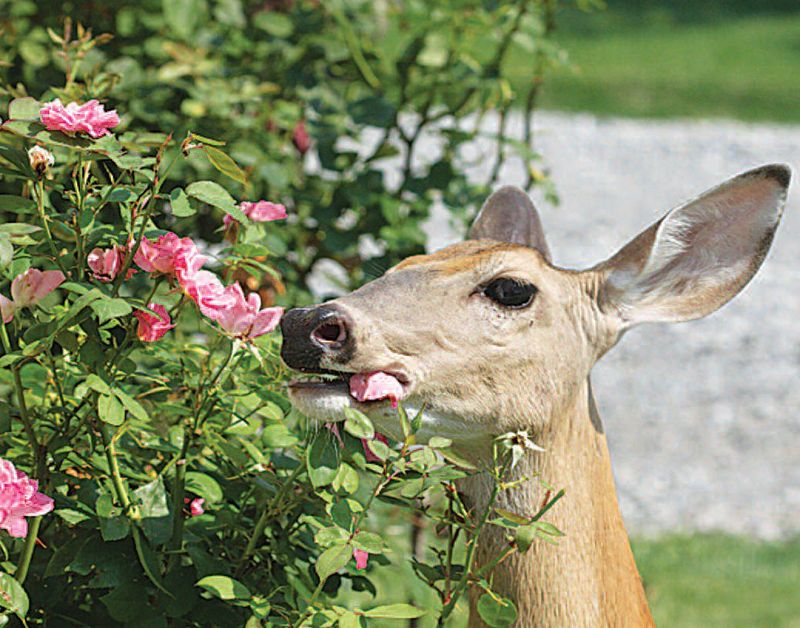
Roses are the crown jewel of many Texas gardens. People spend years nurturing them, pruning them, and watching them bloom into something spectacular.
So imagine stepping outside to find your prize rose bush stripped bare of its tender new growth, buds, and leaves. That is the heartbreak that deer bring to rose lovers across the Lone Star State.
Deer are especially drawn to roses during spring when fresh, tender growth is at its most abundant. The new shoots are soft and full of moisture, making them easy for deer to eat quickly.
Even thorns do not stop a hungry deer. Many Texans are surprised to learn that deer will push right past those sharp spines without much hesitation, especially when food is their main motivation.
In areas like Boerne, Wimberley, and other Texas towns surrounded by natural land, roses are among the most commonly damaged garden plants. Deer can reduce a full, healthy rose bush to a collection of bare sticks in just one or two visits.
The plants may recover over time, but repeated browsing weakens them significantly and reduces blooming.
Protecting roses requires a layered approach. Tall fencing is the most effective barrier, but it is not always practical or affordable for every yard.
Deer repellent sprays applied directly to the plant can help, especially on new growth. Some Texas gardeners wrap individual rose bushes with burlap or mesh during peak deer season.
Choosing rose varieties with stronger fragrance may also help, as overpowering scents can sometimes discourage deer from browsing too close.
4. Tulips
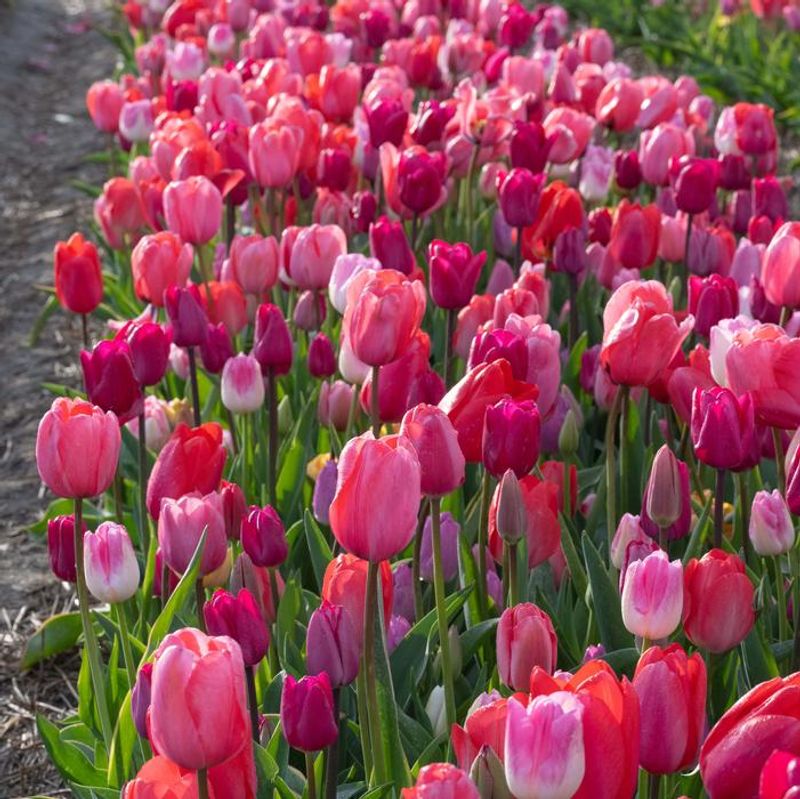
Tulips are the ultimate symbol of spring hope. After a long Texas winter, seeing those bright blooms push up through the soil feels like a celebration.
But for many Texas gardeners, that celebration gets cut short, sometimes literally. Deer have a well-known weakness for tulips, and they tend to eat the flowers right at the most exciting moment, just as the buds are opening.
What makes tulips especially vulnerable is their timing. They bloom in early spring when other food sources for deer are still limited.
Deer are hungry after winter, and a bed of fresh tulips is basically an open invitation. They eat the flower heads first, then the stems, and sometimes the leaves as well.
A tulip bed that looked stunning on Monday can be completely bare by Wednesday morning.
Tulips are already a bit of a challenge to grow in Texas because the climate is warm and the bulbs need a cold period to bloom properly. Many Texas gardeners pre-chill their bulbs in the refrigerator before planting, putting in a lot of extra effort just to get a good display.
Losing those blooms to deer after all that work is especially frustrating and discouraging.
If you are set on growing tulips in Texas, planting them in raised beds with wire mesh underneath and around the sides can help protect the bulbs. Surrounding the bed with deer-resistant plants like alliums or daffodils, which deer tend to avoid, can also create a natural buffer.
Applying deer repellent around the bed perimeter during bloom season adds another helpful layer of protection.
5. Pansies
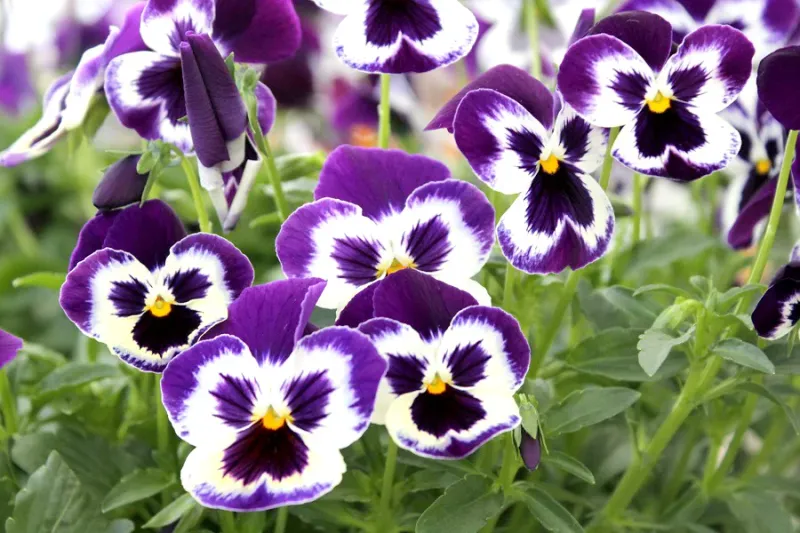
Pansies are a fall and winter favorite for Texas gardeners. When summer heat finally breaks and temperatures cool down, pansies bring a burst of cheerful color to yards all across the state.
They are affordable, easy to find at garden centers, and they brighten up otherwise dull winter landscapes. The catch is that deer love them just as much as people do, maybe even more.
Unlike some plants that deer only eat when food is scarce, pansies are actively sought out. Their soft, tender leaves and colorful blooms make them highly appealing.
Deer seem to have no hesitation about walking right up to a freshly planted pansy bed and helping themselves. In Texas neighborhoods where deer roam freely, a pansy display can disappear within days of being planted.
One frustrating thing about pansy damage is how complete it tends to be. Deer do not just nibble a few flowers and move on.
They eat blooms, leaves, and stems right down to the soil. What is left behind looks like a collection of tiny green stubs.
The plants sometimes recover if the damage is not too severe, but repeated feeding prevents them from ever looking their best.
There are a few ways to give pansies a fighting chance in Texas. Planting them in window boxes, hanging baskets, or elevated containers puts them out of easy reach.
Liquid deer repellents applied every week or two can also reduce damage. Some Texas gardeners report success with motion-activated sprinklers, which startle deer and discourage them from returning to the same spot repeatedly.
6. Hydrangeas
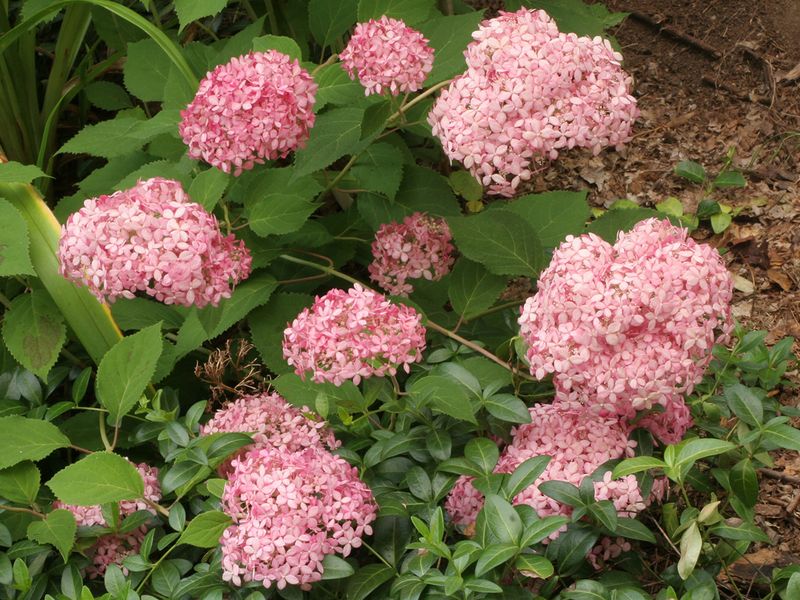
Few plants make a statement in a garden quite like hydrangeas. Their big, fluffy flower clusters in shades of blue, pink, white, and purple are absolutely stunning.
Texas gardeners plant them as focal points, along fences, and in front of porches where everyone can admire them. Unfortunately, deer admire them too, and their appreciation is far more destructive.
Hydrangeas are particularly vulnerable because deer go after both the leaves and the flower buds. The buds are the most devastating loss because that is where all the future blooms come from.
When deer eat the buds in early spring, the entire season’s flower display can be ruined. A hydrangea that should have been covered in gorgeous blooms may produce very few flowers or none at all after heavy deer browsing.
In Texas, hydrangeas already face challenges from the heat and the need for consistent watering. Gardeners in cities like Houston, Dallas, and San Antonio put real effort into keeping hydrangeas healthy through the hot summer months.
Losing that hard work to deer browsing adds an extra layer of frustration that many Texas gardeners know all too well.
Protecting hydrangeas starts with a good fence. A sturdy, tall fence around the planting area is the most reliable way to keep deer out.
For gardeners who cannot install a full fence, individual plant cages made from wire mesh can work well.
Commercial deer repellents that use scent to deter animals are also widely used in Texas, and they can be effective when applied consistently throughout the growing season.
7. English Ivy
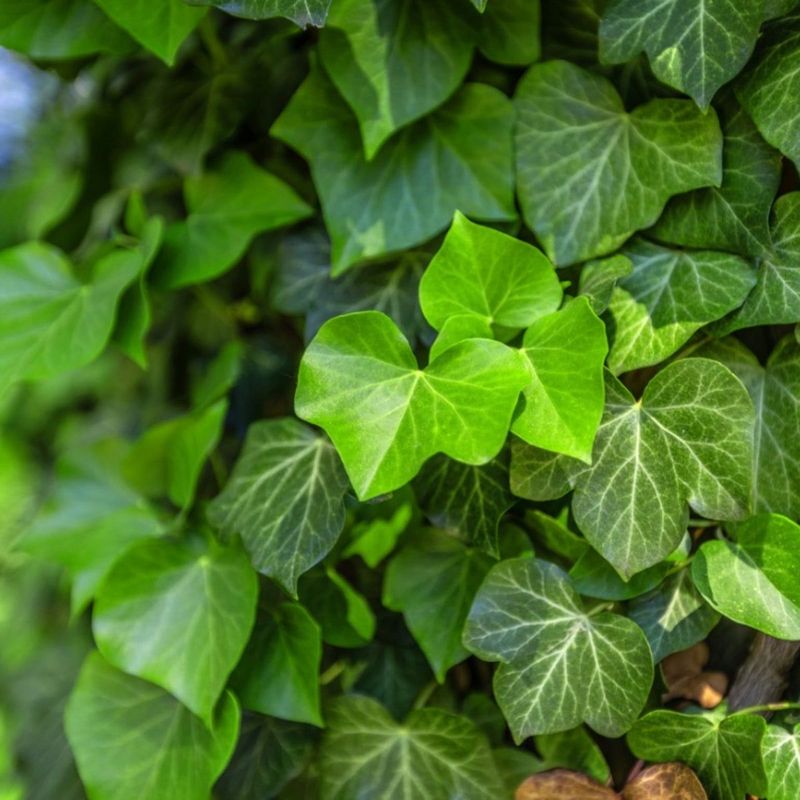
English ivy is one of those plants that seems almost indestructible. It spreads quickly, covers bare ground beautifully, and stays green year-round.
Many Texas homeowners plant it under trees, along slopes, or beside fences where grass will not grow well. It feels like a low-maintenance solution, and for a while, it usually is. Then the deer find it.
Deer tend to eat English ivy more aggressively when other food sources are hard to find. During dry Texas summers or in winter when vegetation is thin, deer will browse groundcovers like ivy that they might otherwise ignore.
Because ivy spreads across large areas, it can be difficult to protect the entire planting, and deer can cause widespread damage in a single night of feeding.
What makes English ivy damage especially noticeable is the patchy look it leaves behind. Deer do not eat evenly across the planting.
They pull and chew in spots, leaving irregular bare patches throughout an otherwise green groundcover. Those bare spots are slow to fill back in, and they can make a yard look messy and neglected for months at a time.
Texas gardeners who want to keep their English ivy have a few options for managing deer pressure. Applying deer repellent spray across the entire groundcover area is one approach, though it requires frequent reapplication over large spaces.
Motion-activated lights or sprinklers near the ivy beds can help deter nighttime visitors. Switching to a deer-resistant groundcover like liriope or Asian jasmine is another smart long-term solution many Texas gardeners have found success with.