4 Fruits You Should Plant In Pennsylvania During March And 3 That Should Wait
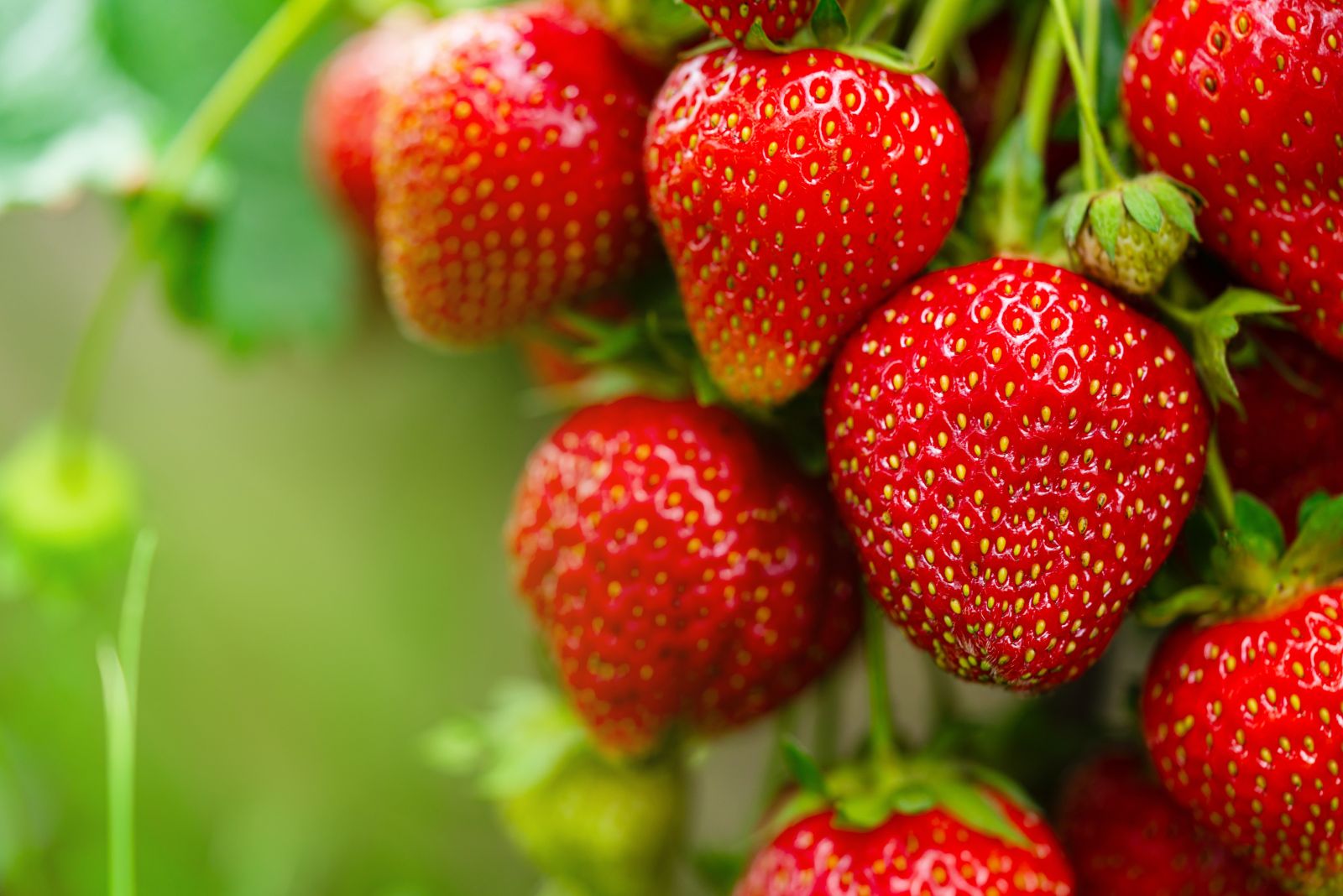
March in Pennsylvania brings that first real hint that winter is finally loosening its grip. The days slowly stretch longer, the soil begins to soften, and many gardeners start thinking about what to plant next.
For anyone dreaming of fresh fruit from their own backyard, this early part of the season can be an exciting time to get started.
Still, not every fruit plant is ready for the ground just yet. Some varieties handle the cool temperatures of early spring without trouble, while others need warmer soil and steadier weather before they can grow properly.
Planting too early can slow their progress or damage young plants before they have a chance to settle in.
Knowing which fruits are suited for March planting can make a big difference in how your garden performs later in the year. With the right timing, you can give certain crops a strong head start while waiting patiently for others that prefer the warmth of late spring.
1. Apple Trees
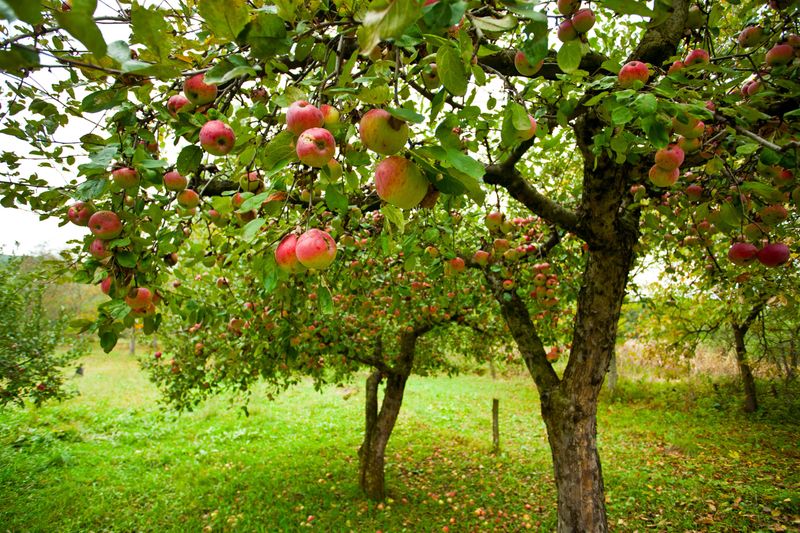
Few things feel more rewarding than watching an apple tree you planted yourself grow into something that feeds your whole family. Apple trees are one of the best choices for Pennsylvania gardeners who want to get outside and start planting in March.
The cool spring temperatures actually help bare-root apple trees settle into the soil without the stress that summer heat can bring.
When planting in March, look for bare-root or container-grown trees that are still dormant. This means the tree has not yet started pushing out new leaves, which makes transplanting much easier on the roots.
Pennsylvania has a climate that apple trees absolutely love, with cold winters and warm summers that help the fruit develop great flavor.
Popular varieties like Gala, Fuji, Golden Delicious, and Jonagold all do well across much of the state. Pick a spot in your yard that gets full sun for at least six to eight hours a day.
Apple trees also need well-drained soil, so avoid low areas where water tends to pool after rain.
One helpful tip is to plant at least two different apple varieties near each other. Most apple trees need a second tree nearby to pollinate properly, which leads to a much better fruit crop.
Dig your hole about twice as wide as the root ball and just as deep. Water the tree well after planting and add a layer of mulch around the base to hold in moisture.
With a little care, your apple tree can produce fruit for decades to come right here in Pennsylvania.
2. Pear Trees
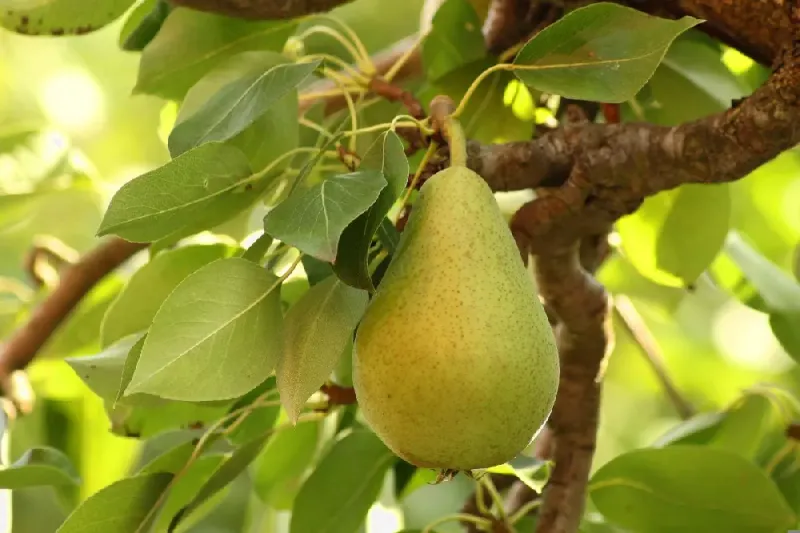
Pear trees have been growing in Pennsylvania for hundreds of years, and there is a very good reason they have stuck around so long. They are tough, reliable, and surprisingly easy to grow once they get established.
March is a fantastic time to get them in the ground, especially once the soil has thawed enough to work comfortably.
Bartlett pears are one of the most popular choices for Pennsylvania growers, known for their sweet, juicy flavor and strong performance in the local climate. Bosc and Anjou varieties also do very well here.
Your Pennsylvania Garden Changes Every Week. Your Plan Should Too.
Gardening in Pennsylvania changes quickly throughout the season. Every Friday you’ll receive a simple weekly plan showing exactly what to plant, prune, fertilize, harvest, and protect so you never miss the right timing.
Like apple trees, pears benefit from being planted while still dormant, so getting them in the ground in early March gives the roots time to spread before the tree wakes up and starts growing.
Choose a planting spot with full sun and good drainage. Pear trees can handle a range of soil types, but they really struggle in soggy ground.
If your yard tends to stay wet after rain, consider planting on a slight slope or raising the planting area a bit to improve drainage.
Spacing is also important. Give each tree at least 15 to 20 feet of room so it has space to grow without crowding neighboring plants.
Most pear varieties also need a second tree for cross-pollination, just like apples. After planting, water the tree deeply and mulch around the base to protect the roots from temperature swings.
Pennsylvania springs can still bring cold snaps, and a good layer of mulch helps buffer those late chills without much extra effort.
3. Raspberry Canes
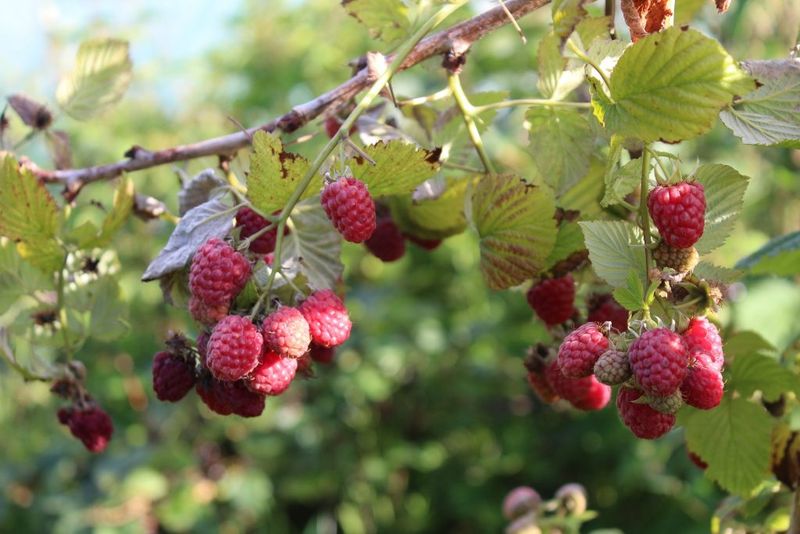
Raspberries are one of those fruits that feel almost magical to grow. You plant what looks like a plain stick in the ground, and by summer, you have a lush, productive plant loaded with bright red berries.
March is the perfect time to plant raspberry canes in Pennsylvania because the cool, moist soil gives the roots exactly what they need to get off to a strong start.
Bare-root raspberry canes are widely available at garden centers and online in late winter and early spring. They look pretty unimpressive at first, but do not let that fool you.
Once the soil warms up and spring truly arrives, those canes spring to life quickly. Heritage and Autumn Bliss are two popular varieties that perform especially well across Pennsylvania, offering big harvests in late summer and fall.
Plant your canes in a spot that gets plenty of sun, at least six hours a day. Raspberries love slightly acidic soil, so it is worth doing a simple soil test before planting.
If your soil is too alkaline, you can adjust it with sulfur or peat moss to bring the pH down to the ideal range of 5.5 to 6.5.
Space canes about 18 to 24 inches apart in rows, and plan to set up a simple trellis or support system as they grow. Raspberries can get tall and floppy without something to lean on.
Water regularly during the first season to help roots develop. Once established, raspberry plants can produce fruit for ten years or more, making them a truly rewarding addition to any Pennsylvania garden.
4. Strawberry Plants
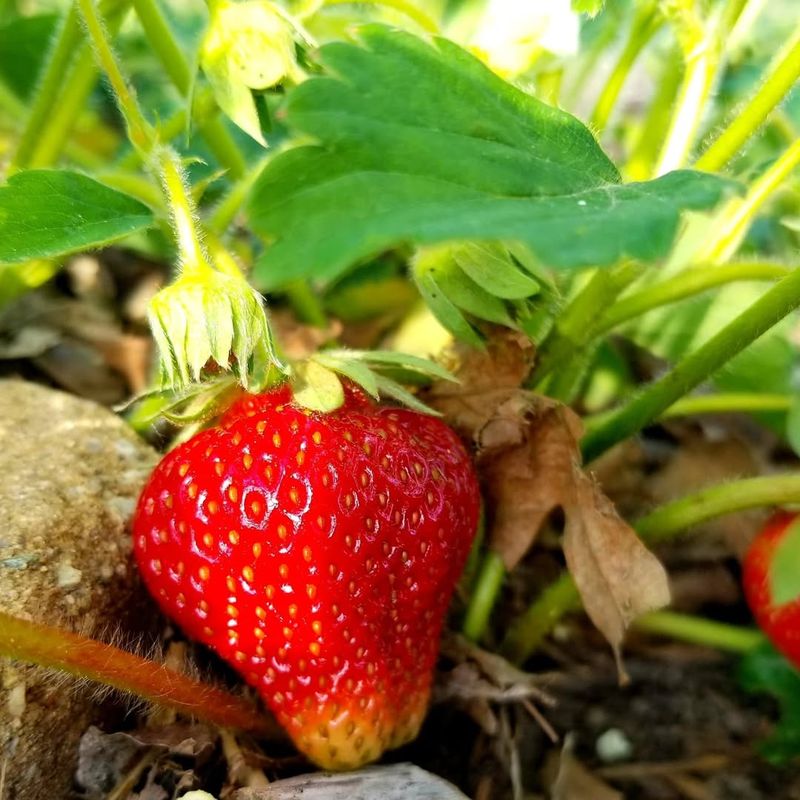
Nothing says summer quite like picking a warm, ripe strawberry straight from the garden. Luckily, getting there starts all the way back in March, when Pennsylvania gardeners can get their strawberry plants in the ground as soon as the soil is workable.
Early planting gives the roots a chance to settle in before the heat of summer arrives. June-bearing strawberries are the most popular type for Pennsylvania, producing one big, beautiful crop each year in early summer.
Everbearing varieties, on the other hand, produce smaller harvests throughout the season, which is great if you want a steady supply of fresh berries from June all the way into fall. Both types can be planted in March with great results.
Strawberries prefer well-drained soil with a slightly acidic pH between 5.5 and 6.5. Pick a sunny spot, since strawberries need plenty of light to produce sweet fruit.
When planting, make sure the crown of each plant sits right at soil level. Planting too deep can cause the crown to rot, while planting too shallow can dry out the roots.
Space plants about 12 to 18 inches apart to give them room to spread. Strawberries send out runners that form new plants, so giving them space keeps things manageable. In the first year, it is actually a good idea to pinch off any flowers that appear.
This might feel counterproductive, but it encourages the plant to put energy into root development instead of fruit, leading to a much bigger and better harvest in year two. Pennsylvania gardeners who follow this tip often see impressive results.
5. Peach Trees
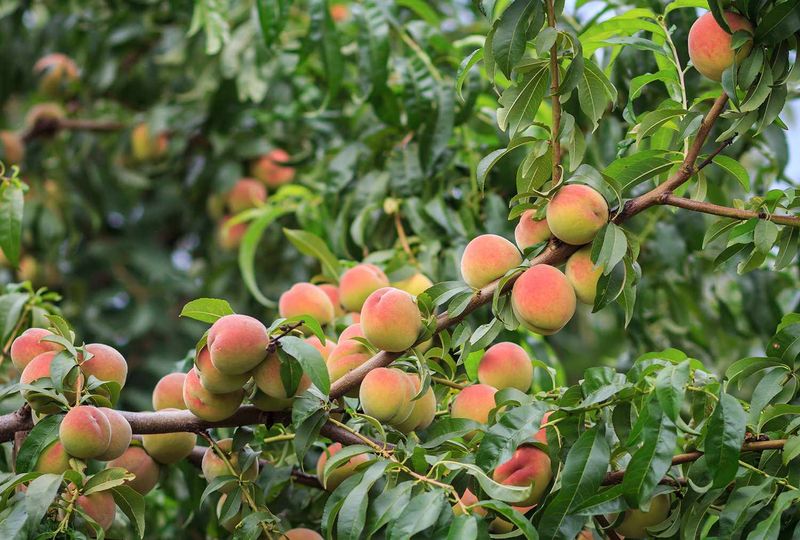
Peach trees are beloved across Pennsylvania, and it is easy to understand why. A ripe, homegrown peach on a hot summer day is one of life’s simple pleasures.
But as tempting as it is to rush out and plant a peach tree in March, this is one fruit that really needs you to wait a little longer before it goes in the ground.
Peach trees are sensitive to late frosts, and Pennsylvania is well known for surprise cold snaps that can roll in well into April. Peach trees bloom early in the season, and those delicate blossoms are extremely vulnerable to freezing temperatures.
If a frost hits while the tree is in bloom, you could lose the entire year’s crop before it even gets started.
Waiting until late April or early May to plant your peach tree gives you a much better chance of avoiding those damaging late frosts.
By that point, the worst of the cold weather has usually passed across most of Pennsylvania, and the tree can bloom and develop fruit without the constant threat of a freeze wiping everything out.
When you are ready to plant, choose a sunny spot with excellent drainage. Peach trees do not tolerate wet feet and will struggle in soil that stays soggy.
Varieties like Reliance, Contender, and Redhaven are all well-suited to Pennsylvania’s climate and have been bred with cold hardiness in mind. Patience pays off with peach trees.
Give them the right timing and the right spot, and they will reward you with baskets of gorgeous fruit every summer for many years.
6. Apricot Trees
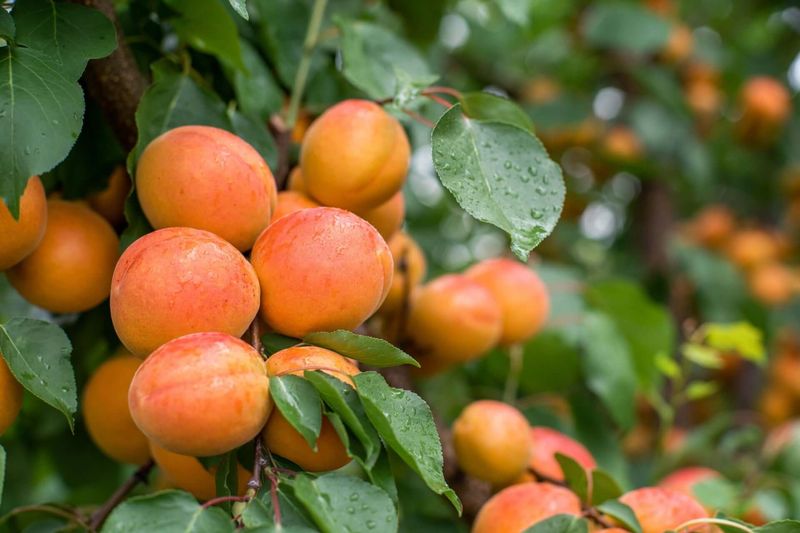
Apricot trees are one of the earliest-blooming fruit trees you can grow, and that is exactly what makes them tricky in Pennsylvania. Their gorgeous orange blossoms appear very early in spring, sometimes even before the last frost has passed.
Planting them in March might seem like a smart head start, but it can actually set you up for a disappointing season.
When apricot blossoms are exposed to freezing temperatures, the flowers get damaged and the tree cannot set fruit properly.
Pennsylvania gardeners have learned this lesson the hard way after planting too early and then watching a late April frost wipe out all the blossoms. The solution is simple: wait until late April or even early May before planting your apricot tree.
By delaying planting by just a few weeks, you give the tree a much safer environment to establish itself. The soil is warmer, the frost risk is lower, and the tree can focus its energy on root growth rather than fighting off cold damage.
Varieties like Harglow and Goldcot were specifically developed with colder climates in mind and hold up better than older varieties when temperatures dip unexpectedly.
When you do plant, pick a location on a slight slope or elevated ground if possible. Cold air tends to settle in low spots, which increases frost risk right around the tree.
Full sun and well-drained soil are non-negotiable for apricots. They also benefit from a layer of mulch around the base after planting to regulate soil temperature.
With the right timing and placement, apricot trees can thrive beautifully across Pennsylvania.
7. Nectarine Trees
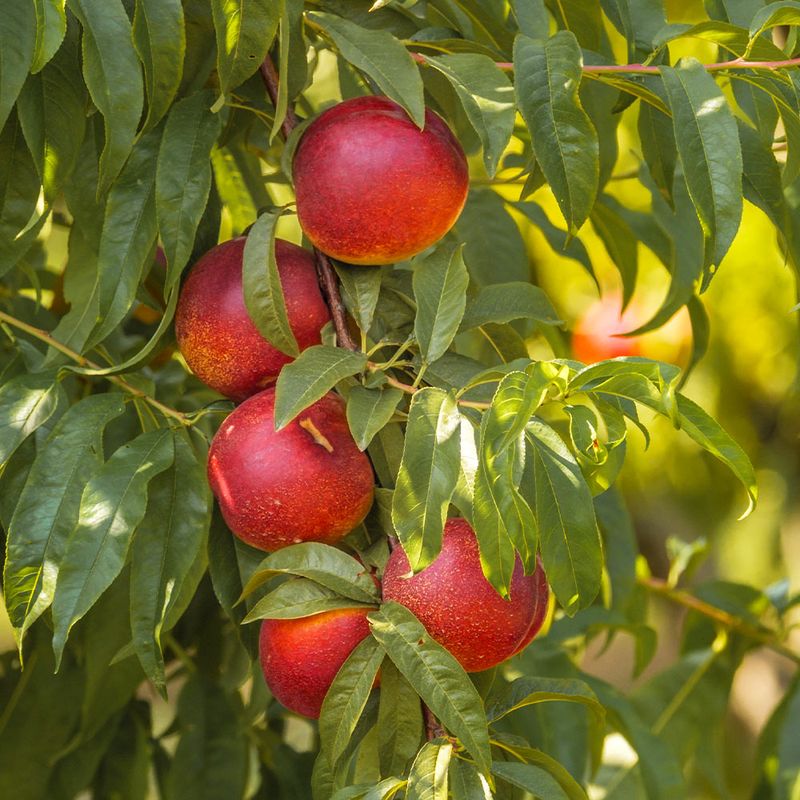
Nectarines are essentially peaches without the fuzzy skin, and they are just as delicious and just as tricky when it comes to early spring planting in Pennsylvania.
If you have been dreaming of growing your own nectarines, the most important thing to know is that March is too early to get them in the ground safely.
Like peach trees, nectarine trees bloom early and are highly sensitive to late frosts. Pennsylvania can experience freezing temperatures well into April, and a single frosty night during bloom time can prevent the tree from producing any fruit that season.
Waiting until late April or early May dramatically reduces that risk and gives your new tree a much more stable environment to settle into.
Nectarine trees need full sun, at least six to eight hours daily, and well-drained soil. They also need good air circulation around the branches to help prevent fungal diseases, which can be a common problem in Pennsylvania’s humid summers.
Spacing trees at least 15 feet apart helps with this considerably.
Varieties like Hardired and Reliance Nectarine were developed to handle colder climates and are smart choices for Pennsylvania growers. When you plant, dig a wide, shallow hole and spread the roots out naturally without bending them.
Water deeply right after planting and add mulch around the base to conserve moisture and moderate soil temperature. Avoid piling mulch directly against the trunk, as this can encourage rot.
With the right timing and a little extra care at planting time, nectarine trees can become a standout feature of any Pennsylvania fruit garden.