8 Plants Pennsylvania Gardeners Regret Planting Because Deer Love Them
Have you ever stepped into your garden in the morning only to find half your plants chewed down overnight? Many Pennsylvania gardeners know that frustrating moment all too well.
Deer may look graceful wandering through the yard, but they can quickly turn a carefully planned garden into their personal buffet.
Certain plants seem especially tempting to hungry deer. You might spend weeks planting, watering, and caring for them, only to discover that local wildlife enjoys them just as much as you do.
By the time the damage is done, those once beautiful flowers or shrubs can look sparse and struggling.
This is why many gardeners eventually learn a tough lesson about plant choices. Some varieties are simply too appealing for deer to ignore, especially in areas where these animals roam freely.
Knowing which plants often attract them can save time, effort, and plenty of disappointment. A little awareness helps create a garden that stays beautiful without constantly feeding the neighborhood deer.
1. Hostas
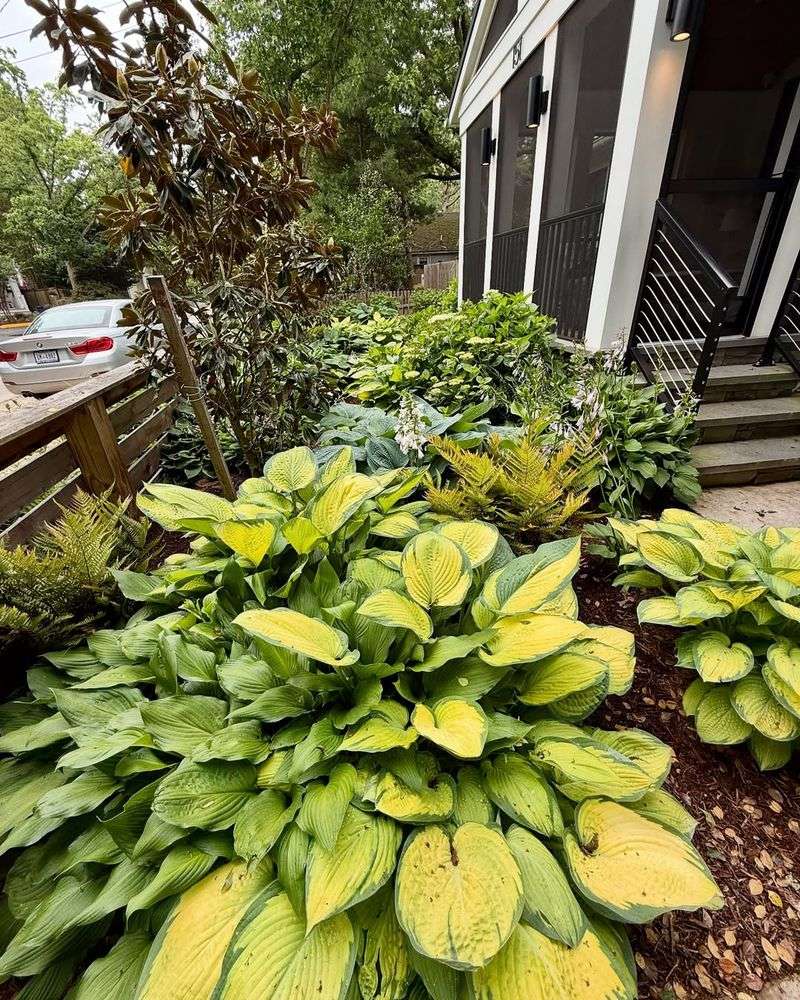
Walk through almost any shaded garden in Pennsylvania and you will likely spot a hosta. These plants are beloved for their bold, leafy looks and their ability to thrive in low-light spots where other plants struggle. But there is a catch. Deer absolutely love them.
Hostas have soft, tender leaves that are easy for deer to chew through. Once a deer finds a hosta in your yard, it will come back again and again.
You might wake up one morning to find your beautiful plant stripped down to bare stems overnight.
Many Pennsylvania gardeners have learned this lesson the hard way after investing time and money into a hosta garden, only to watch it vanish within days. The damage can happen fast, especially during late summer when deer are feeding heavily to prepare for winter.
If you still want to grow hostas, there are a few ways to protect them. Deer repellent sprays applied regularly can help.
Physical barriers like wire cages or fencing around individual plants also work well. Some gardeners mix hostas with strongly scented plants like lavender or Russian sage to confuse and discourage deer from browsing nearby.
It takes effort, but it is possible to enjoy hostas even in deer-heavy areas of Pennsylvania with the right protection plan in place.
2. Daylilies
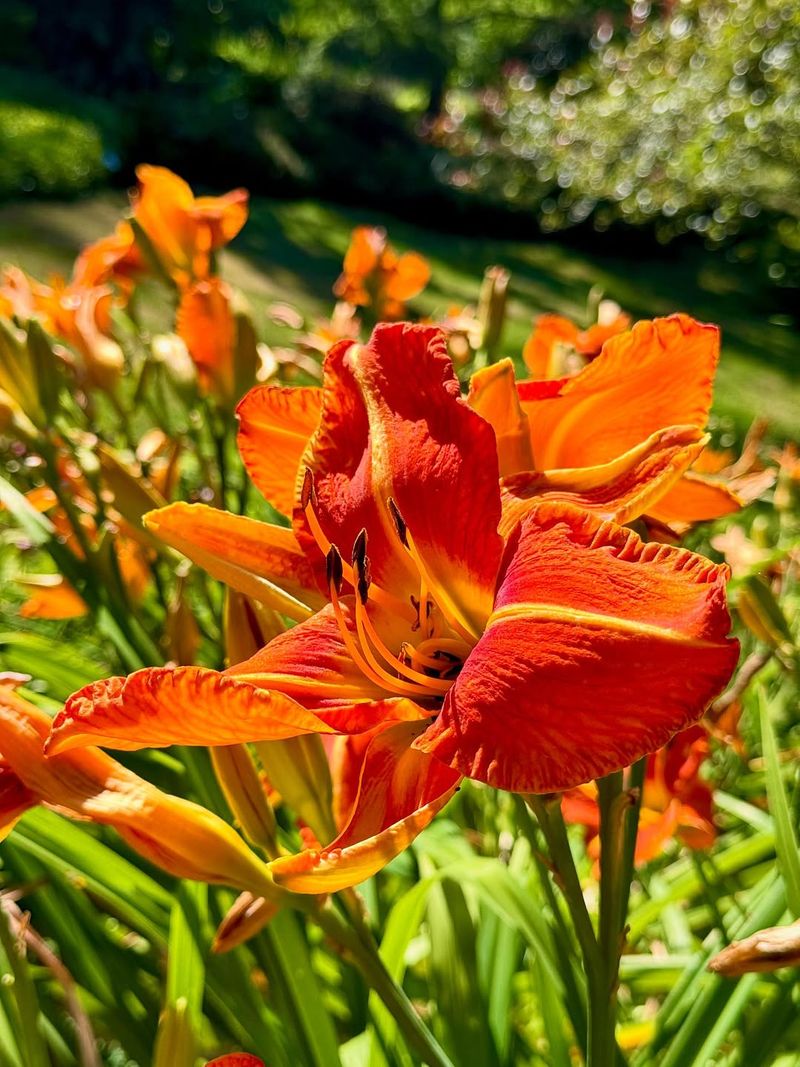
Few plants light up a summer garden quite like daylilies. Their cheerful blooms in shades of orange, yellow, red, and pink make them a popular choice for Pennsylvania gardeners who want color without a lot of fuss.
They spread easily, come back every year, and seem nearly unstoppable. Unfortunately, deer feel the same way about eating them.
Deer tend to target daylilies right when they are about to bloom. They munch on the tender buds and flowers before gardeners even get a chance to enjoy them.
What makes this especially frustrating is that each daylily flower only blooms for a single day, so losing buds to deer means losing the whole show.
Across Pennsylvania, from suburban backyards to rural properties near wooded areas, daylilies are a consistent target. Deer seem drawn to the soft, fleshy stems and the sweet-smelling blooms.
Your Pennsylvania Garden Changes Every Week. Your Plan Should Too.
Gardening in Pennsylvania changes quickly throughout the season. Every Friday you’ll receive a simple weekly plan showing exactly what to plant, prune, fertilize, harvest, and protect so you never miss the right timing.
To keep deer away from your daylilies, try applying a commercial deer repellent spray every few weeks during the growing season. Motion-activated sprinklers can also startle deer away before they settle in for a meal.
Some gardeners report success by planting daylilies close to the house where deer feel less comfortable approaching.
Surrounding them with deer-resistant plants like ornamental grasses or catmint may also reduce browsing and help your blooms survive long enough to enjoy.
3. Tulips
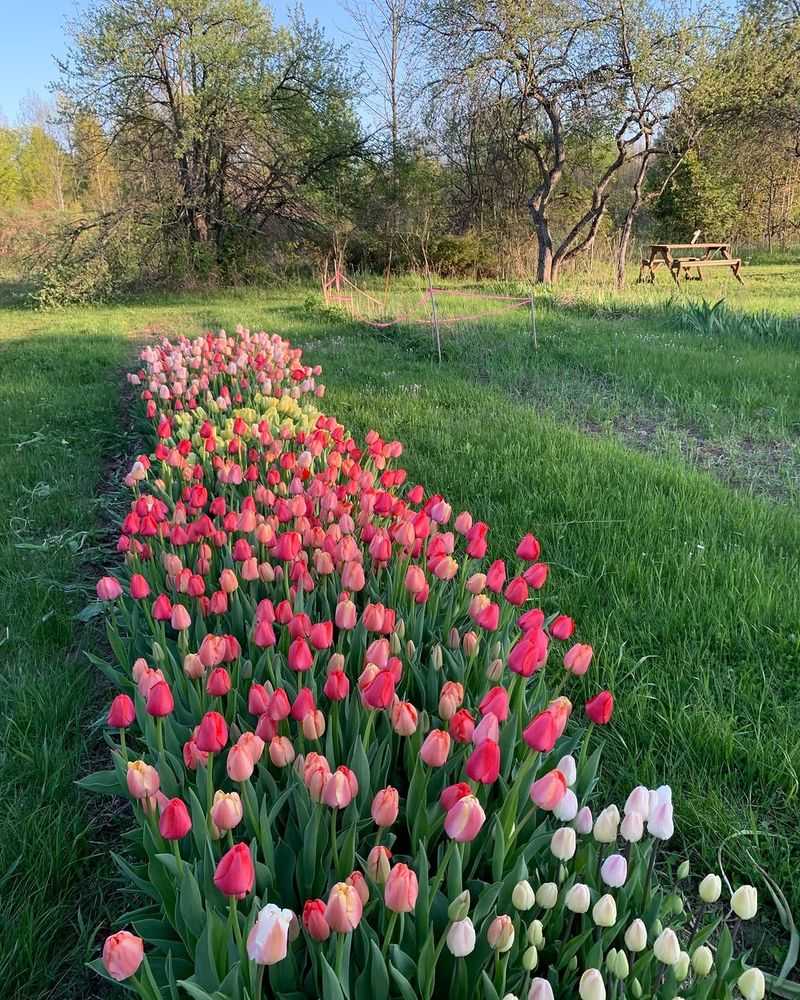
Spring in Pennsylvania means tulips. These classic flowers bring bold pops of color after a long winter, and gardeners eagerly plant bulbs in the fall hoping for a stunning display come April and May.
But deer have a way of ruining that excitement fast. Tulips are one of their absolute favorite spring snacks.
Deer often eat tulip flowers and foliage shortly after they emerge from the ground. The fresh, tender growth is too tempting to pass up.
You might plant dozens of bulbs in October and then watch helplessly as deer mow them down before a single flower fully opens.
This is one of the most common complaints heard from Pennsylvania gardeners, especially those living near parks, forests, or open fields where deer populations are high. The damage usually happens in early morning or at dusk when deer are most active.
One of the best protections for tulips is a physical barrier. Chicken wire laid flat over the planting area can prevent deer from digging or eating the emerging shoots.
Repellent sprays need to be reapplied frequently, especially after rain. Some gardeners in Pennsylvania have switched to planting daffodils alongside tulips since deer tend to avoid them due to their bitter taste.
Mixing deer-resistant bulbs with tulips can help disguise and protect the plants you really want to see bloom each spring.
4. Roses
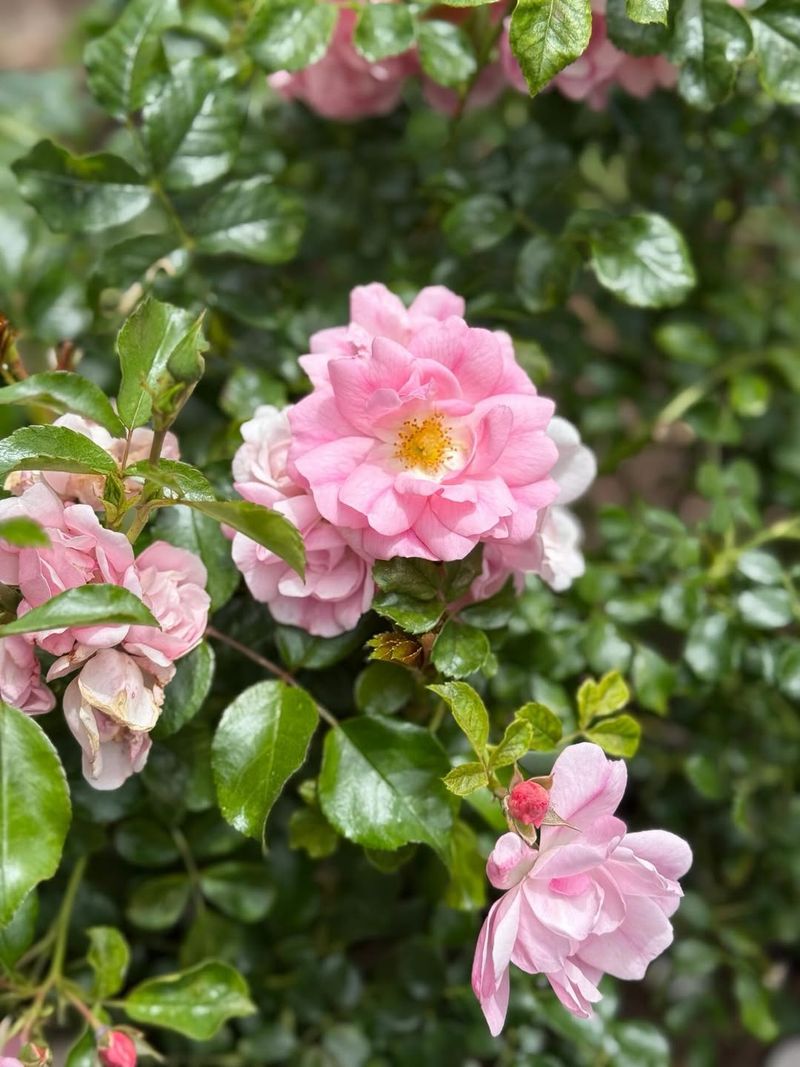
Roses have thorns, but do not count on those to stop a hungry deer. Pennsylvania gardeners who have invested in rose bushes often discover that deer are surprisingly bold when it comes to browsing these plants.
Thorns slow them down very little when fresh new growth and fragrant buds are on the menu.
Deer tend to target roses in early spring when tender new shoots are pushing out. They nibble leaves, bite off buds, and sometimes chew right through young stems. The damage can set a rose bush back significantly, reducing blooms for the entire season.
Roses already require a fair amount of care to grow well in Pennsylvania’s climate, so adding deer pressure on top of regular pruning, fertilizing, and pest management makes them even more demanding.
Many gardeners have given up on roses entirely after repeated deer damage year after year.
If you are committed to growing roses, a few strategies can make a real difference. Deer repellent sprays formulated with strong scents like garlic or rotten egg are particularly effective on roses.
Reapply after every rain. Tall fencing around the garden perimeter is one of the most reliable long-term solutions.
Some Pennsylvania gardeners also use motion-activated lights or noise devices to startle deer before they get close enough to browse. Combining several of these methods together gives your roses the best chance of surviving and thriving through the season.
5. Hydrangeas
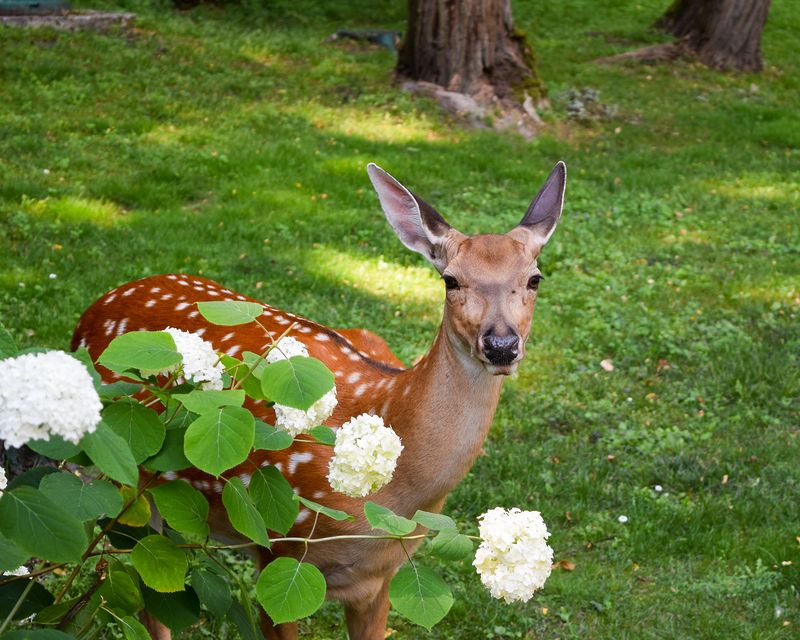
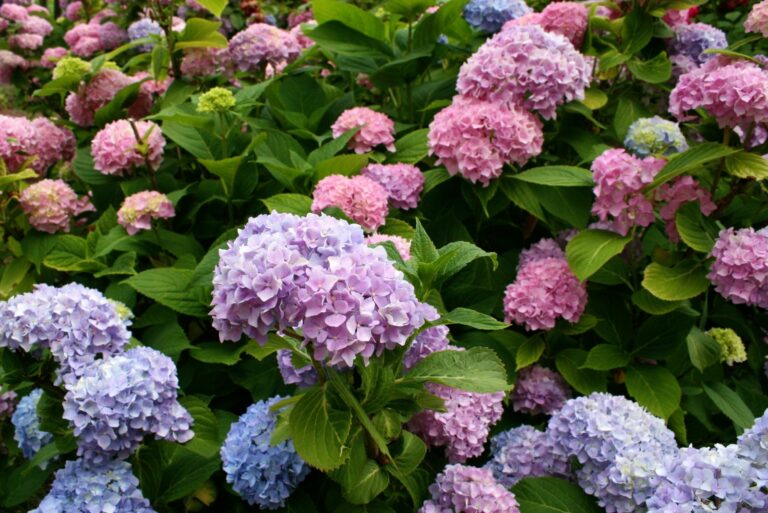
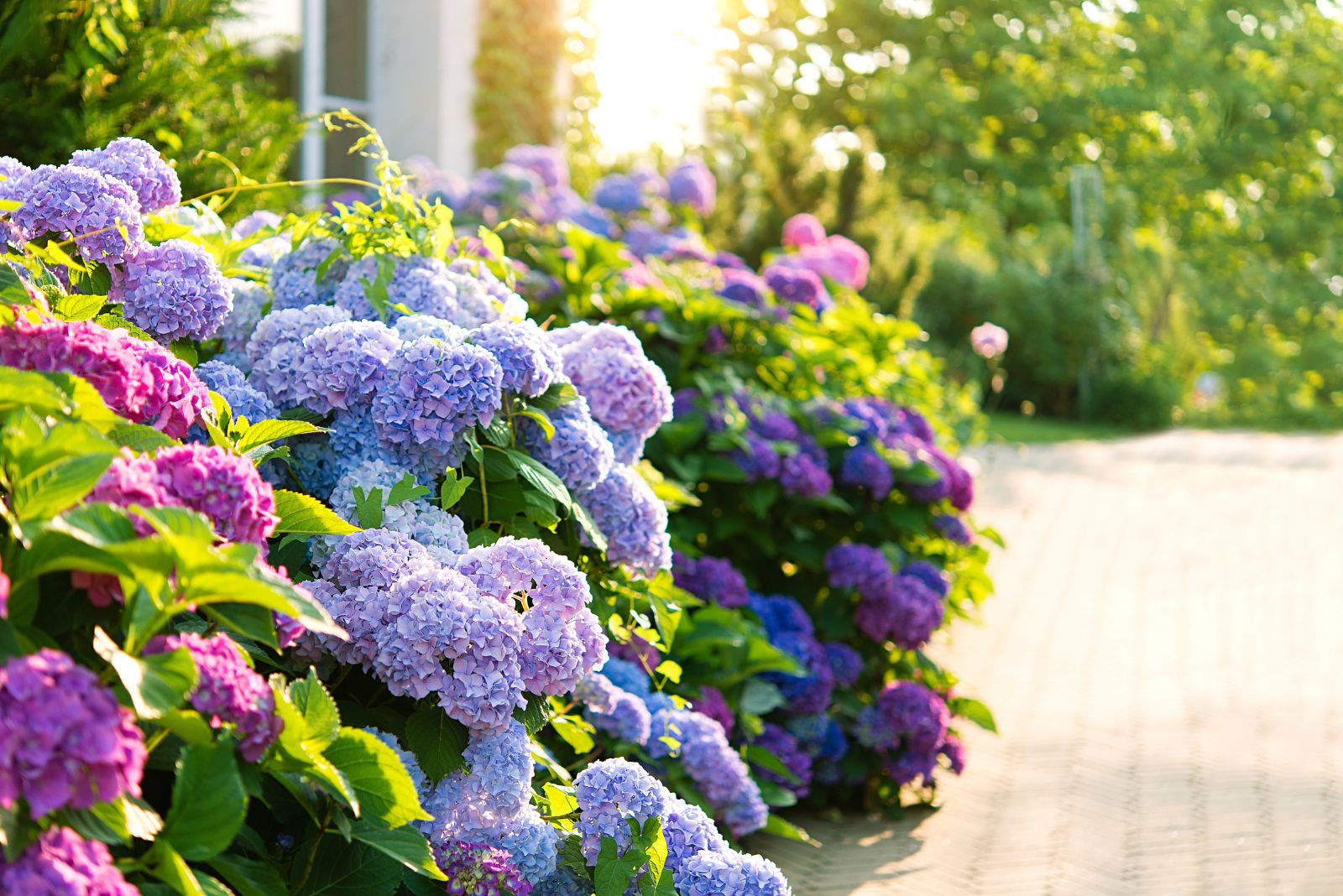
There is something magical about a hydrangea in full bloom. Those big, fluffy flower clusters in shades of blue, pink, and white make them one of the most sought-after shrubs for Pennsylvania gardens.
Sadly, deer seem to find them just as appealing. Hydrangeas are consistently rated among the top deer-damaged plants across the state.
Deer go after the leaves and flower buds with equal enthusiasm. A mature hydrangea shrub can be stripped of its foliage in a single night if a group of deer moves through the yard.
This is especially heartbreaking when it happens just before the plant is ready to bloom after months of patient waiting.
Young hydrangea plants are particularly vulnerable because they have not yet developed thick woody stems that are harder to browse. Newly planted shrubs in Pennsylvania gardens are at high risk during their first few years of growth.
Wrapping young hydrangeas in burlap or wire mesh during peak deer season can offer meaningful protection. Deer repellent sprays work reasonably well but need consistent reapplication throughout the growing season.
Some gardeners find that planting hydrangeas close to the house near a porch or deck helps, since deer are less likely to venture close to human activity.
Pairing hydrangeas with strongly scented herbs like rosemary or sage nearby may also reduce deer interest and help your shrubs finally reach their full, breathtaking bloom potential.
6. Pansies
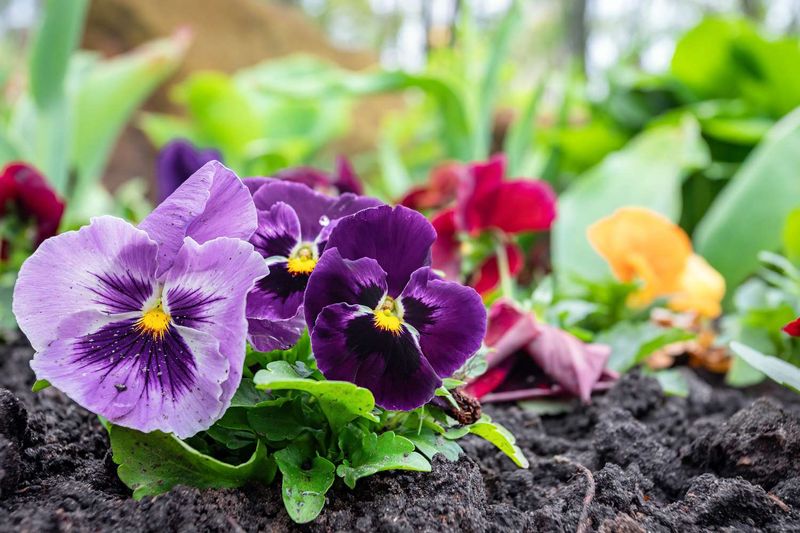
Pansies are one of the first flowers Pennsylvania gardeners reach for when spring arrives. Their cheerful faces in purple, yellow, orange, and white bring life to garden beds and window boxes when almost nothing else is blooming yet.
They are tough little flowers that can handle cool temperatures, but they are no match for hungry deer.
Deer will eat pansies right down to the soil. Because pansies are low-growing and soft, they are incredibly easy for deer to browse quickly.
A whole flat of freshly planted pansies can disappear in one evening visit from a small group of deer moving through a Pennsylvania neighborhood.
What makes pansy damage especially discouraging is that these flowers are typically planted for short-season color in spring and fall. Losing them early means losing most of the display you planned for those months.
Deer repellent sprays applied directly after planting can help establish some protection early on. Reapply every week or two, especially after rain.
Some gardeners create small temporary fences around pansy beds using simple stakes and netting, which works surprisingly well for a low-cost solution.
Planting pansies in containers on a porch or elevated deck is another smart workaround used by many Pennsylvania gardeners who want to enjoy these flowers without constant deer interference.
Snapdragons and dusty miller are deer-resistant alternatives that pair well with pansies and can help fill in gaps left by browsing.
7. Impatiens
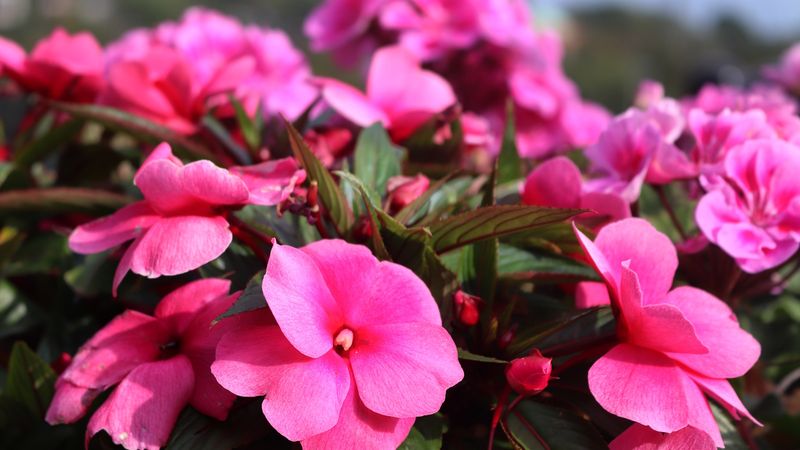
Ask any Pennsylvania gardener what their go-to shade flower is, and impatiens will come up every time. These compact, colorful plants pump out blooms all summer long in spots where most flowers refuse to grow.
They are easy to find at any garden center, simple to plant, and incredibly rewarding. The problem is that deer have figured all of this out too.
Impatiens have soft, fleshy leaves and stems that deer find easy to eat. Once deer discover a bed of impatiens, they tend to return repeatedly throughout the season.
The plants can recover from light browsing, but heavy feeding leaves them looking ragged and sparse for weeks.
In Pennsylvania, where deer populations are dense in many suburban and semi-rural areas, impatiens beds near wooded edges or open green spaces are especially at risk. Gardeners who plant them along shady foundations close to tree lines often report the worst damage.
Switching to New Guinea impatiens is worth considering, as they tend to be less attractive to deer than common impatiens. They also offer larger, showier blooms.
Using a strong-smelling repellent spray consistently is one of the most effective strategies for protecting impatiens through the summer.
Some Pennsylvania gardeners have had great success using solar-powered motion lights near their shade beds to discourage deer from browsing after dark.
Begonias are another solid deer-resistant option for shady spots if deer pressure in your area feels overwhelming.
8. Phlox
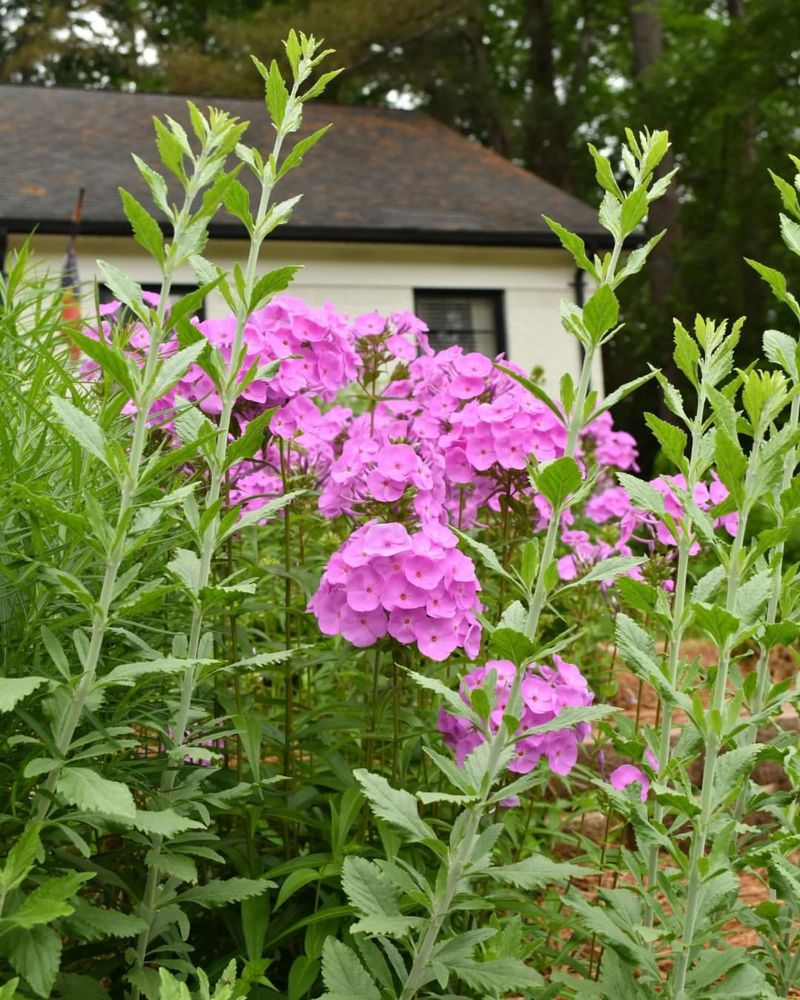
Garden phlox is a Pennsylvania summer classic. Its tall, fragrant flower clusters in shades of pink, purple, white, and red attract butterflies and hummingbirds while filling the yard with a sweet, light scent.
Many gardeners have grown it for years and consider it a staple of the summer border. But deer have a strong fondness for phlox that can quickly turn excitement into frustration.
Deer tend to feed on phlox foliage and buds before the plant reaches full bloom. They often browse the top growth first, which removes the very part of the plant that produces flowers.
This means you can end up with a full-looking plant at the base but no blooms at the top for most of the season.
Garden phlox is also prone to powdery mildew, which means it already needs some extra attention in Pennsylvania’s humid summers. Adding deer damage on top of fungal pressure can really test a gardener’s patience.
Keeping phlox protected requires consistent effort. Deer repellent sprays with strong odors are helpful when applied regularly before deer pressure increases in midsummer.
Staking and caging taller phlox varieties can provide some physical protection for the upper growth where deer browse most. Planting phlox toward the center of a densely packed border, surrounded by less appealing plants, can also reduce access and damage.
Creeping phlox, a low-growing ground cover variety, tends to receive less deer attention and is worth considering as a lower-maintenance alternative for Pennsylvania gardens.