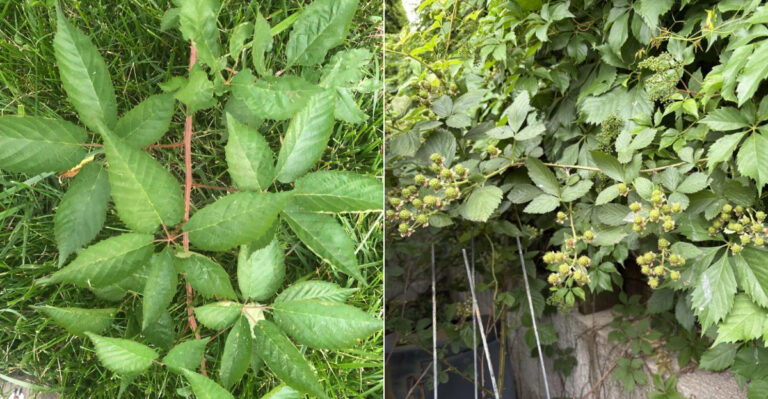
How To Recognize Oregon Weeds Early So You Can Pull Them In Time
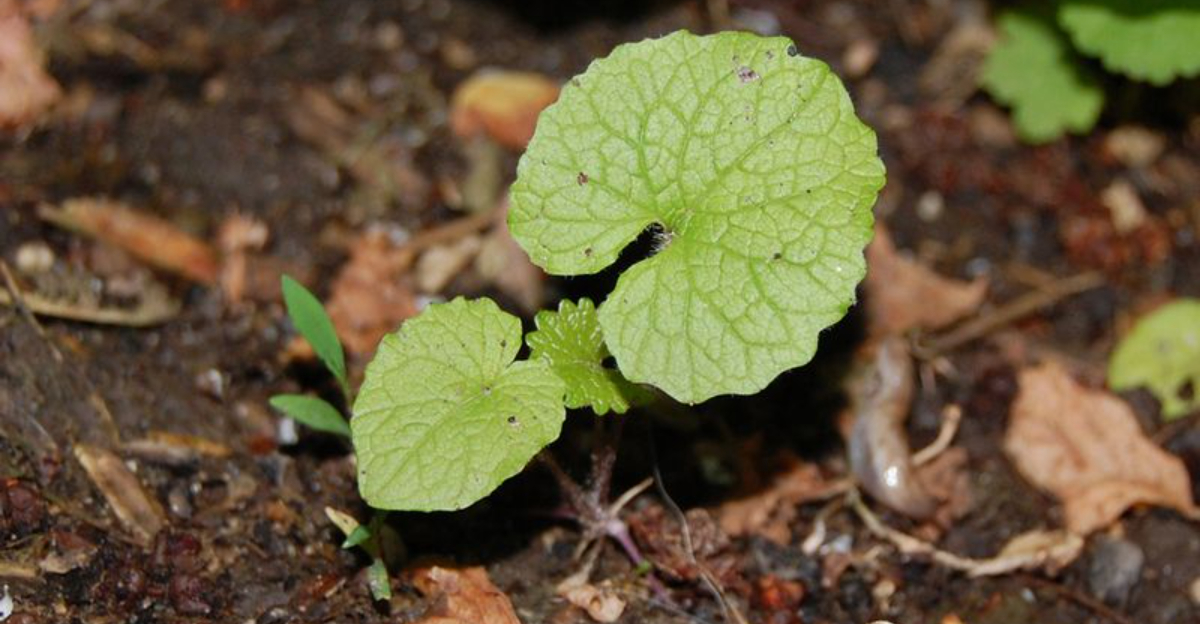
Oregon gardens are full of surprises, and some of them have a stubborn streak. Weeds can appear almost overnight, sneaking into flower beds, vegetable patches, and even cracks in the driveway.
Catching them early keeps plants healthy and gardens looking their best. Learning to recognize the signs, like leaf shapes, growth patterns, and tiny blooms, helps spot trouble before it spreads.
Fast-growing weeds can crowd out flowers, choke seedlings, and leave lawns patchy. Pulling them early saves hours of work later and stops unwanted seeds from taking over.
Once you know what to watch for, controlling weeds becomes quicker and even satisfying. A garden with fewer intruders looks vibrant, productive, and full of the plants you actually want to grow.
Paying attention to weeds early lets your favorite plants thrive all season while keeping surprises to a minimum.
1. Himalayan Blackberry
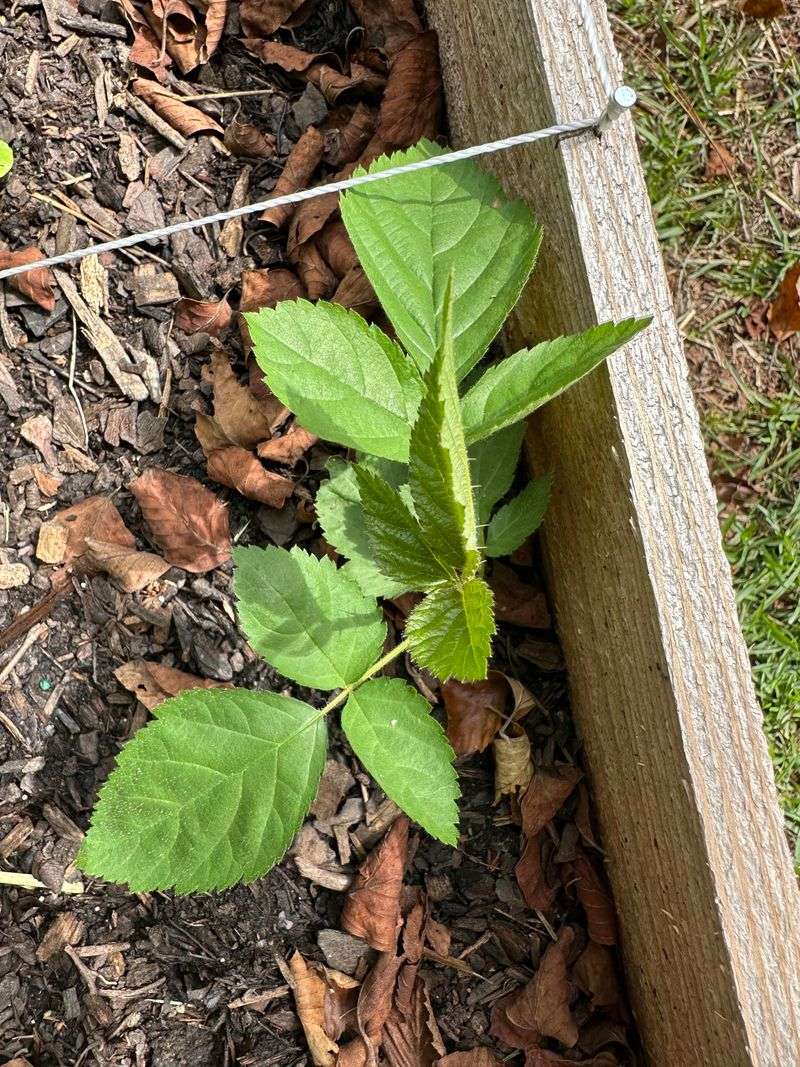
You might think a blackberry plant sounds harmless, but Himalayan blackberry is one of Oregon’s most aggressive invaders. Young canes push up from the ground looking reddish or green, with compound leaves that have sharply toothed edges.
The leaves usually come in groups of three to five leaflets, and even at this early stage, small thorns are already forming along the stems.
Catching it early is key. Once those canes start arching over and rooting at their tips, you are dealing with a dense, tangled thicket that is much harder to clear.
Young shoots are still flexible and have shallow roots, so pulling them out by hand or with a garden tool is much more manageable at this stage.
Across Oregon, Himalayan blackberry invades roadsides, fence lines, stream banks, and neglected garden corners. Check these spots regularly during spring when new growth starts pushing up.
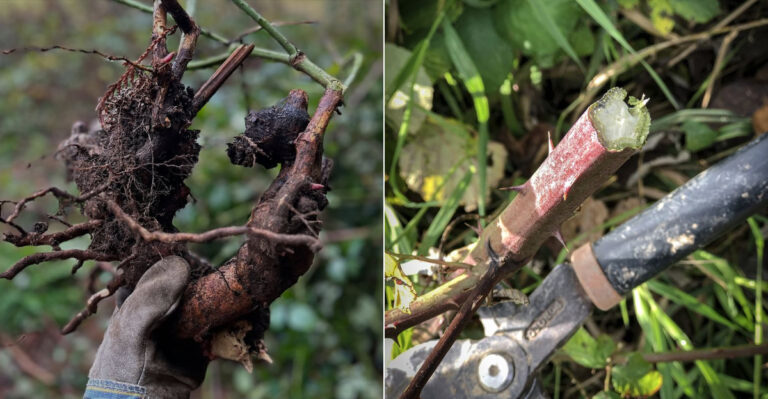
Wear thick gloves because even young canes have thorns. Grab the base of the shoot as low as possible and pull firmly to get as much root as you can.
Stay consistent, because this plant will send up new shoots from roots left behind.
2. Scotch Broom
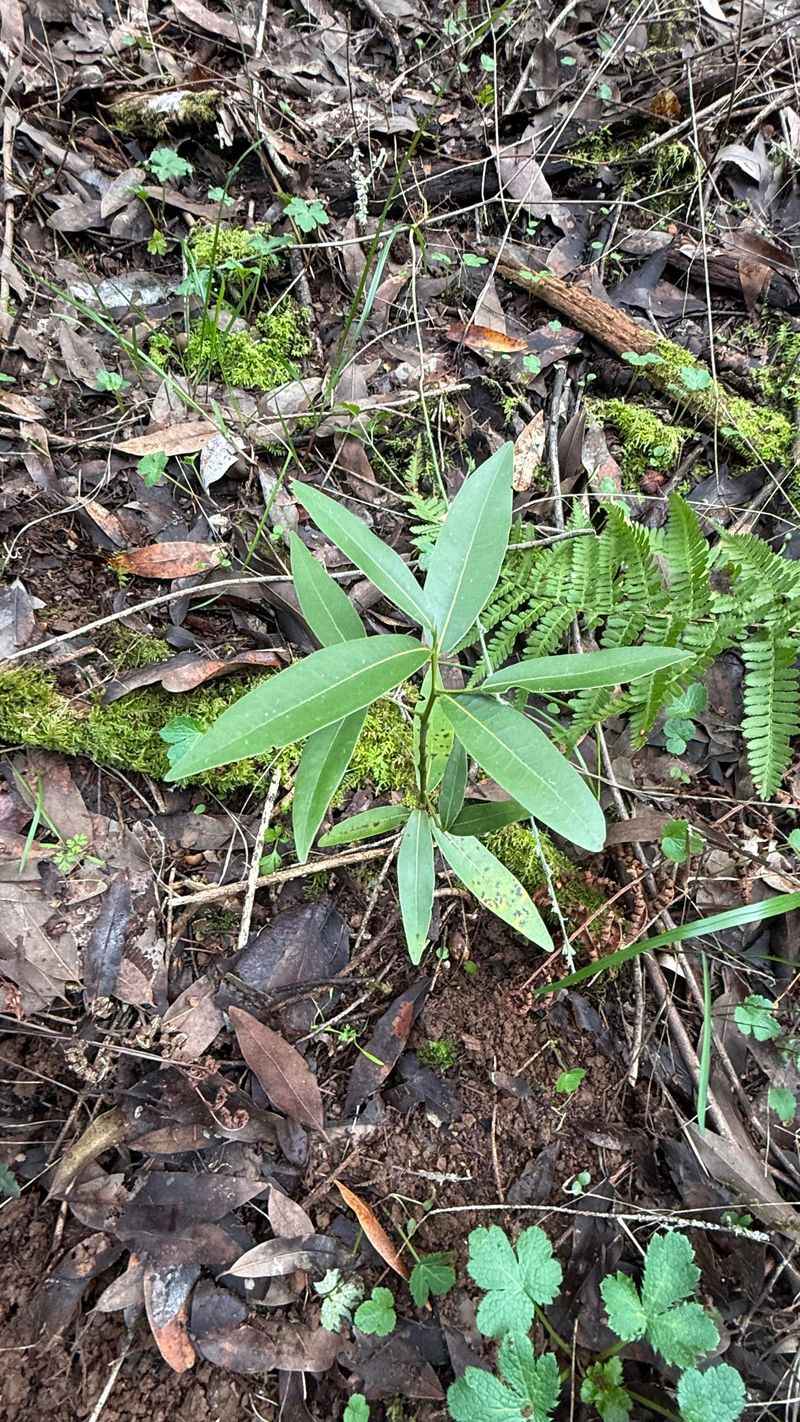
At first glance, young Scotch broom barely stands out. It starts as slender green stems with small, sparse leaves that blend right into weedy corners and disturbed soil.
Nothing about it screams danger at this stage, which is exactly why it catches so many Oregon gardeners off guard. The stems feel slightly ridged if you run your fingers along them, which helps with identification.
Scotch broom spreads aggressively through seeds, and a single mature plant can produce thousands of seeds that stay viable in the soil for decades. Removing plants before they develop woody stems and bright yellow flowers is much easier and stops the seed bank from growing even larger.
Across Oregon, this plant shows up along roadsides, in pastures, and at the edges of forests, especially in Western Oregon. Young plants have relatively shallow roots and can be pulled or dug out with a hoe or hand tool.
Make sure to get the root crown, which sits just below the soil surface. Leaving it behind means the plant can resprout.
Your Oregon Garden Changes Every Week. Your Plan Should Too.
Gardening in Oregon changes quickly throughout the season. Every Friday you’ll receive a simple weekly plan showing exactly what to plant, prune, fertilize, harvest, and protect so you never miss the right timing.
Check back regularly, especially in spring, and remove any new seedlings before they get a foothold.
3. Common Tansy
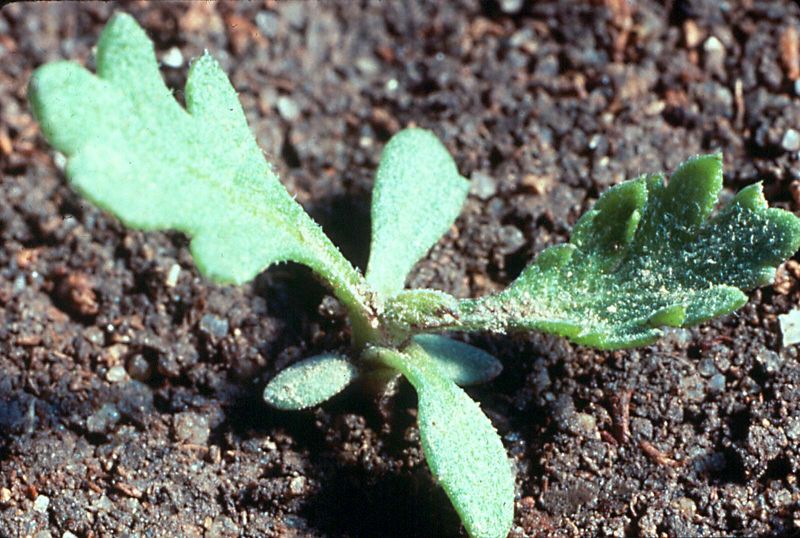
Before common tansy sends up its tall stems and clusters of yellow button flowers, it spends time as a low rosette that is easy to overlook. The leaves are deeply divided and feathery in appearance, almost fern-like, with finely toothed edges.
Rub the leaves and you will notice a strong, sharp herbal smell. That scent is a reliable way to identify this plant even when it is just a few inches tall.
Common tansy spreads both by seed and through an aggressive underground rhizome system. Left alone, it forms thick, spreading clumps that push out native vegetation.
It is found across Oregon in disturbed areas, roadsides, stream banks, and garden borders, and it can be surprisingly persistent once established.
Early rosettes are the easiest stage to address. Use a sharp hand tool to dig down and sever the root as deep as possible.
Because the rhizomes spread laterally, check a wide area around any plant you find for additional growth. Pulling by hand works well for young plants in loose soil.
Bag and trash all plant material, as pieces can resprout. Checking the same spots in late summer and fall, after the main growing season, helps catch any regrowth before it has a chance to spread further across your Oregon property.
4. Canada Thistle
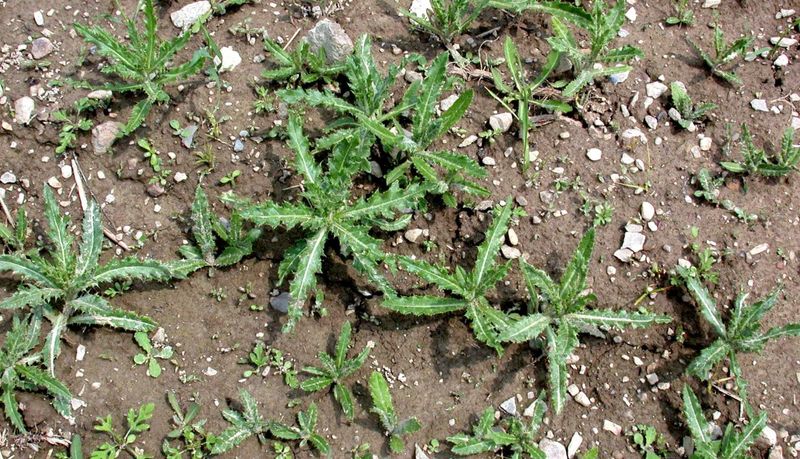
Few weeds are as sneaky as Canada thistle in its early stages. It starts out as a small, flat rosette of deeply lobed leaves sitting close to the ground.
The leaf edges are lined with small spines that can prick your fingers if you are not careful. At this point, the plant looks almost harmless, but underground, a creeping root system is already spreading outward.
That root network is what makes Canada thistle so difficult to manage once it gets established. New shoots can sprout from root fragments left in the soil, so early removal before the plant matures is critical.
In Oregon, this weed shows up in farm fields, roadsides, and garden beds, especially in areas with disturbed soil.
Spotting the rosette stage in early spring gives you the best chance of getting ahead of it. Use a hand trowel or weeding fork to dig down and remove as much root as possible.
Do not just snap off the top, because the roots will send up new growth quickly. Bag and discard what you pull rather than composting it, since root pieces can still sprout.
Stay on top of it with repeat checks every few weeks through the growing season.
5. Japanese Knotweed
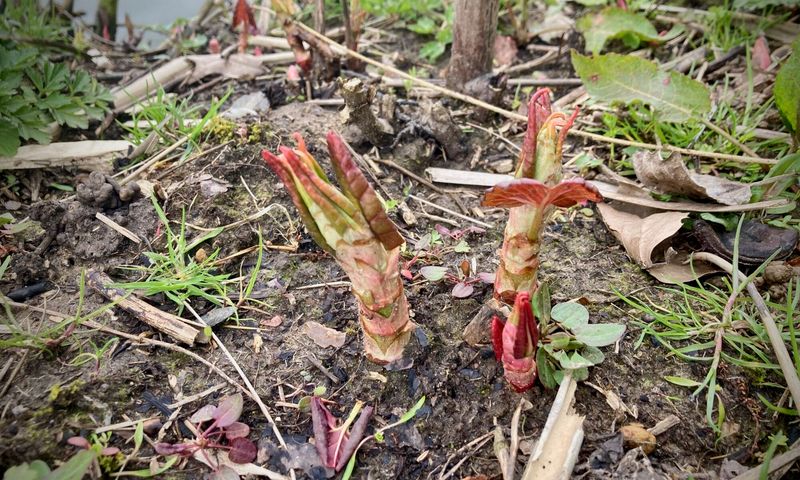
There is something almost prehistoric about Japanese knotweed shoots emerging from the ground. They push up fast and thick, often reddish or bright green, with a slightly speckled surface.
At this early stage, the shoots look a bit like asparagus crossed with bamboo, which makes them fairly distinctive once you know what to look for. The leaves start tightly rolled and then unfurl into broad, heart-shaped blades.
Speed is this plant’s superpower. Japanese knotweed can grow several inches in a single day under the right conditions, and it does not take long before those shoots become towering, dense stands that smother everything around them.
Oregon gardeners and landowners near waterways and disturbed areas need to watch carefully in early spring.
The earliest stage, when shoots are just a few inches tall, is your best window for action. Young shoots can be cut at ground level repeatedly to exhaust the root system over time.
Digging out the rhizomes is also effective but requires thoroughness, since any fragment left behind can resprout. Never compost this plant or move soil that may contain root pieces.
Report large infestations to your local Oregon county weed board, as this plant is considered a serious threat to native ecosystems statewide.
6. Purple Loosestrife
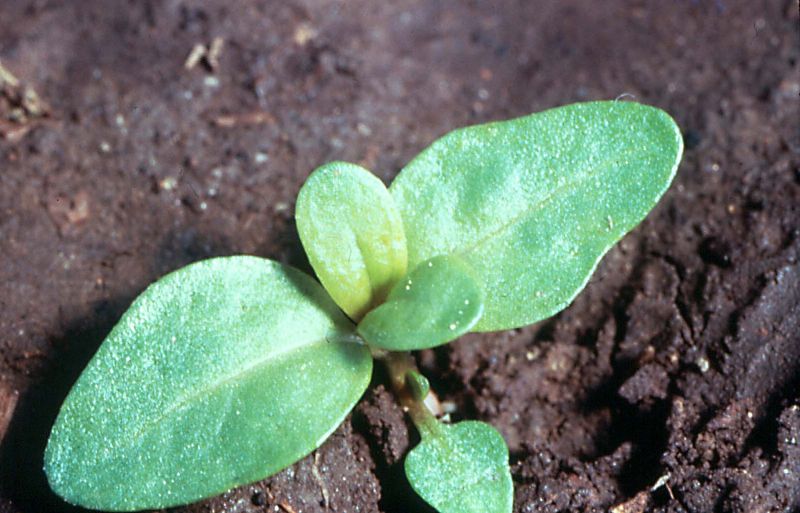
Wet spots and marshy areas in Oregon need a watchful eye, especially in spring when purple loosestrife seedlings start emerging. Young plants form small, compact rosettes of narrow, lance-shaped leaves that sit close to the ground.
The leaves have smooth edges and a slightly fuzzy texture, and the stem is slightly square in cross-section, which is a helpful identification clue even at this early stage.
Purple loosestrife is famous for transforming wetlands into dense monocultures. A single mature plant can produce over a million seeds per year, and it also spreads through root fragments.
Once it establishes in an area, native wetland plants like cattails and sedges get completely crowded out, reducing habitat for birds, insects, and other wildlife.
Oregon lists purple loosestrife as a Class B noxious weed, and early control is strongly encouraged. Small seedlings and young plants can be hand-pulled or dug out when the soil is moist.
Getting the full root system out is important. For larger patches, contact your local Oregon county weed management program for assistance.
Never move soil, water, or plant material from an infested area, as this spreads seeds and root fragments to new locations. Acting fast at the seedling stage makes a real difference in the long run.
7. Garlic Mustard
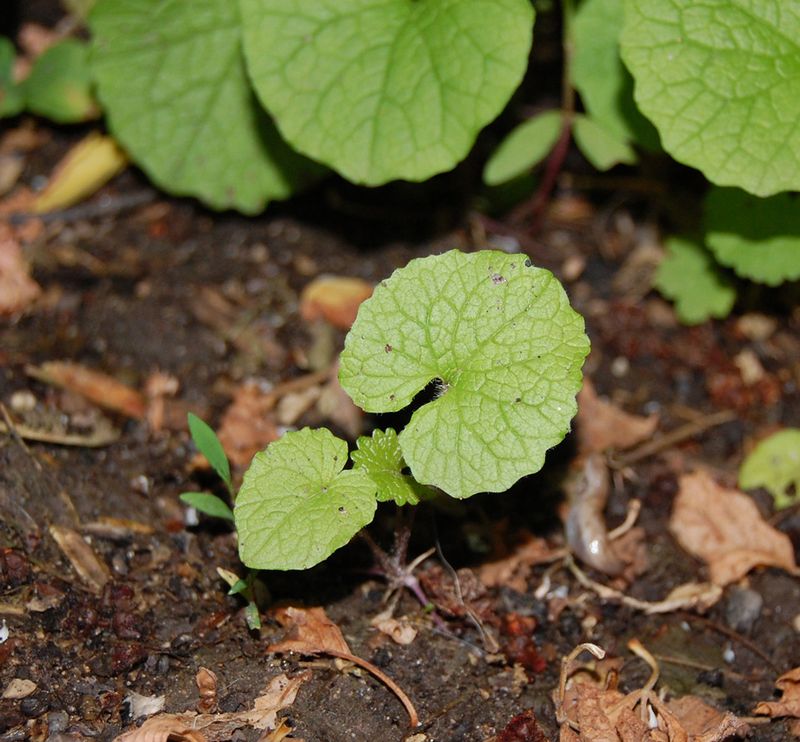
Crush a leaf between your fingers and you will immediately smell garlic. That is the easiest way to confirm you are dealing with garlic mustard, even in its earliest stage.
During its first year, the plant forms a low rosette of heart-shaped leaves with scalloped, wavy edges lying flat against the soil. The leaves are a medium to dark green and have a slightly wrinkled texture.
Garlic mustard is a biennial, meaning it spends its first year as a rosette before sending up a flowering stalk in year two. First-year rosettes are easy to miss because they hug the ground and blend in with other low-growing plants.
But removing them at this stage stops the plant from producing seeds the following spring.
In Oregon, garlic mustard tends to show up in shaded woodland areas, along trails, and in garden beds near natural areas. A single plant can produce hundreds of seeds that spread easily.
Pull rosettes by hand in early spring or fall, making sure to get the taproot. Even leaving a small piece of root can allow regrowth.
Check the same area again the following season, since seeds already in the soil will continue to sprout for several years after the parent plants are removed.
8. Spurge Laurel
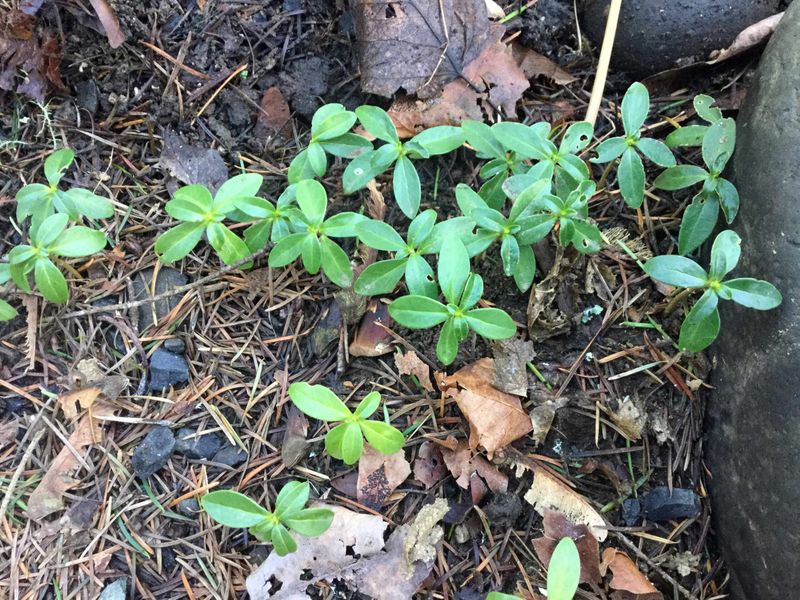
Glossy, dark green leaves that stay on the plant year-round make spurge laurel look like it belongs in a tidy shade garden. Young plants form tight clusters of thick, leathery leaves near the tips of short stems, giving them a neat, almost decorative appearance.
This is part of what makes spurge laurel so tricky. People often plant it intentionally or overlook it because it looks intentional.
Spurge laurel spreads underground through roots and also by seeds spread by birds that eat the small black berries. Once it gets going in a shaded garden bed or woodland edge, it forms a dense groundcover that shades out native plants.
In Oregon, it is a particular problem in the Willamette Valley and along the coast where mild winters allow it to thrive year-round.
Wear gloves when handling spurge laurel since all parts of the plant can cause skin irritation. Young plants with smaller root systems are easier to remove.
Use a hand trowel to dig around the base and work the roots free from the soil. Check surrounding soil for seedlings, which can be tiny and easy to miss.
Dispose of the plant material in sealed bags in the trash, not the compost. Early detection in Oregon gardens is essential before it spreads to natural areas.
9. Oxeye Daisy
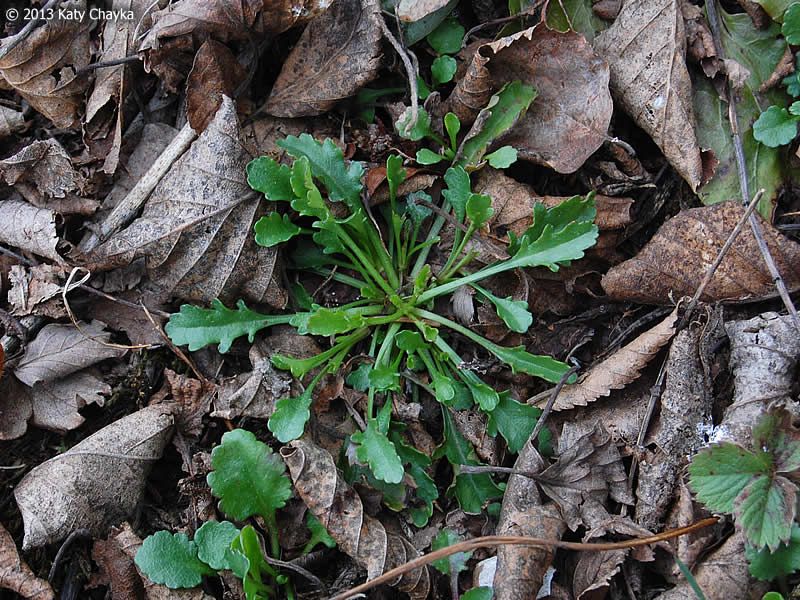
Pretty as it looks when it blooms, oxeye daisy is one of those plants that earns its spot on Oregon’s noxious weed list quickly once you see how fast it spreads.
In its earliest stage, it forms a small, flat rosette of spoon-shaped leaves with slightly wavy edges and a faint coating of soft hairs.
The leaves are a medium green and grow outward from a central point close to the soil surface.
Oxeye daisy spreads primarily by seed, and each plant can produce a large number of seeds that travel easily on the wind or on clothing and animal fur. It thrives in open, sunny areas including garden beds, roadsides, meadows, and disturbed ground throughout Oregon.
Once a patch establishes, it can quickly crowd out native grasses and wildflowers.
Removing the rosettes before they bolt and flower is the most effective approach. Young plants have a taproot that can be loosened with a hand fork and pulled free from moist soil.
Try to get the full root to prevent regrowth. If you spot flowering plants, deadhead them immediately to stop seed dispersal before you can remove the whole plant.
Keep an eye on the same area in following seasons, since seeds already in the soil will continue producing new rosettes for several years.
10. Yellow Flag Iris
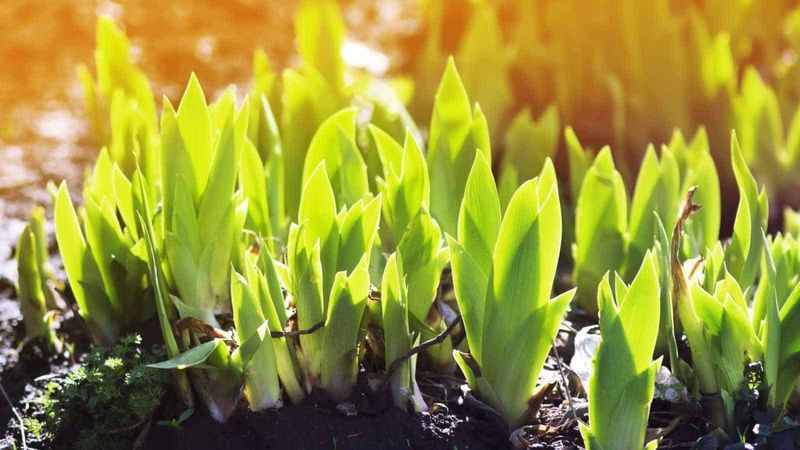
Standing upright like a small fan of green blades, yellow flag iris looks almost ornamental when it first appears. The leaves are long, flat, and sword-shaped, emerging in neat clusters from wet soil, pond edges, or drainage ditches.
Many Oregon homeowners actually mistake it for a garden plant because of how tidy and attractive the early growth looks. Do not be fooled by the appearance.
Yellow flag iris spreads both by seed and through a thick underground rhizome system. Once established in a wet area, it forms dense mats that crowd out native wetland plants and reduce habitat for wildlife.
The roots can be incredibly tough and tangled, making removal much harder once the plant is mature.
Early spring, before flowering begins, is the ideal time to remove it. Wear gloves and long sleeves since all parts of the plant contain compounds that can irritate skin.
Dig down carefully to get as much of the rhizome as possible, working in sections if the patch is large. Bag the material and dispose of it in the trash rather than composting.
In Oregon, yellow flag iris is a listed noxious weed, and local conservation districts can offer guidance and support for larger removal projects near water bodies.