These 11 Rain-Loving Weeds Explode In Oregon Spring, Pull Them Now
Oregon spring can feel magical, but all that rain brings more than flowers and green grass. Some plants arrive with a mission: take over your yard.
Fast-growing, thirsty weeds appear seemingly overnight, crowding gardens and stealing nutrients from the plants you actually want. A little attention now saves hours of frustration later.
Knowing what to watch for lets you act before these weeds spread seeds everywhere. Many of these invaders thrive in wet soil, and ignoring them can turn a tidy yard into a tangled mess.
Pulling them early keeps lawns neat, flower beds intact, and vegetables thriving. Your garden looks fresher, healthier, and more inviting.
Once you recognize the usual suspects, controlling them becomes almost satisfying. Rain-loving weeds can make spring feel like a battle, but a smart gardener wins the war and keeps Oregon gardens flourishing with the plants that matter most.
1. Chickweed
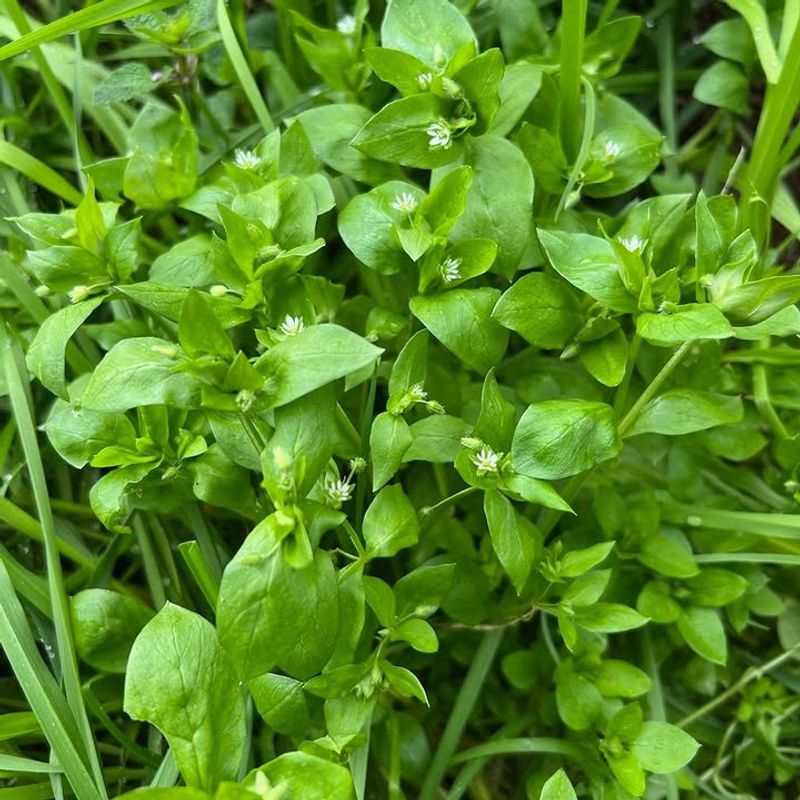
You might mistake it for something harmless, but chickweed is one of the sneakiest weeds in Oregon gardens. It forms thick, low-growing mats that spread fast across moist soil.
The small, oval leaves and tiny white star-shaped flowers look almost pretty, but do not let that fool you.
Chickweed loves cool, wet weather, making Oregon spring its absolute favorite time of year. It can produce thousands of seeds before you even realize it has taken hold.
Each plant sets seed quickly, so timing your removal early is everything.
The good news is that chickweed pulls out easily by hand, especially after rain softens the soil. Grab it close to the base and pull up the whole mat, roots and all.
Drop it in a yard waste bag right away, not the compost, because seeds can still spread.
Check your garden beds weekly during March and April in Oregon. Mulching bare soil after pulling helps block new seeds from sprouting.
Staying consistent with removal every couple of weeks will keep chickweed from coming back strong.
2. Creeping Charlie (Ground Ivy)
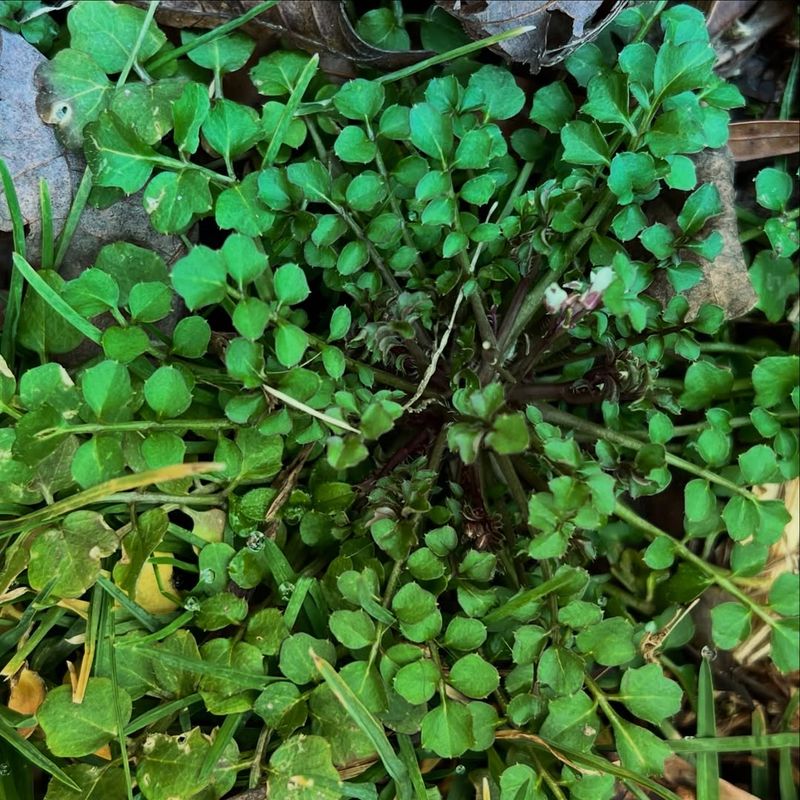
Once Creeping Charlie moves into your yard, it does not leave quietly. This low-growing vine spreads along the ground using long stems called stolons, rooting at every node it touches.
Oregon’s rainy spring season gives it exactly the wet conditions it needs to spread fast across lawns and garden beds.
The leaves are rounded with scalloped edges, and the small purple flowers look almost charming. But do not be charmed.
Creeping Charlie, also called Ground Ivy, can choke out grass and crowd out garden plants if left unchecked.
Hand-pulling works best when the soil is moist after Oregon rain. Use a hand fork to loosen the roots before pulling, because leaving root pieces behind means it will regrow.
Work slowly and carefully to get as much of the root system as possible.
Bag everything you pull and put it in the trash, not your compost pile. Improving drainage in your yard can also help, since this weed struggles in drier conditions.
Repeating removal every few weeks through spring gives you the best shot at keeping it under control.
Your Oregon Garden Changes Every Week. Your Plan Should Too.
Gardening in Oregon changes quickly throughout the season. Every Friday you’ll receive a simple weekly plan showing exactly what to plant, prune, fertilize, harvest, and protect so you never miss the right timing.
3. Shepherd’s Purse
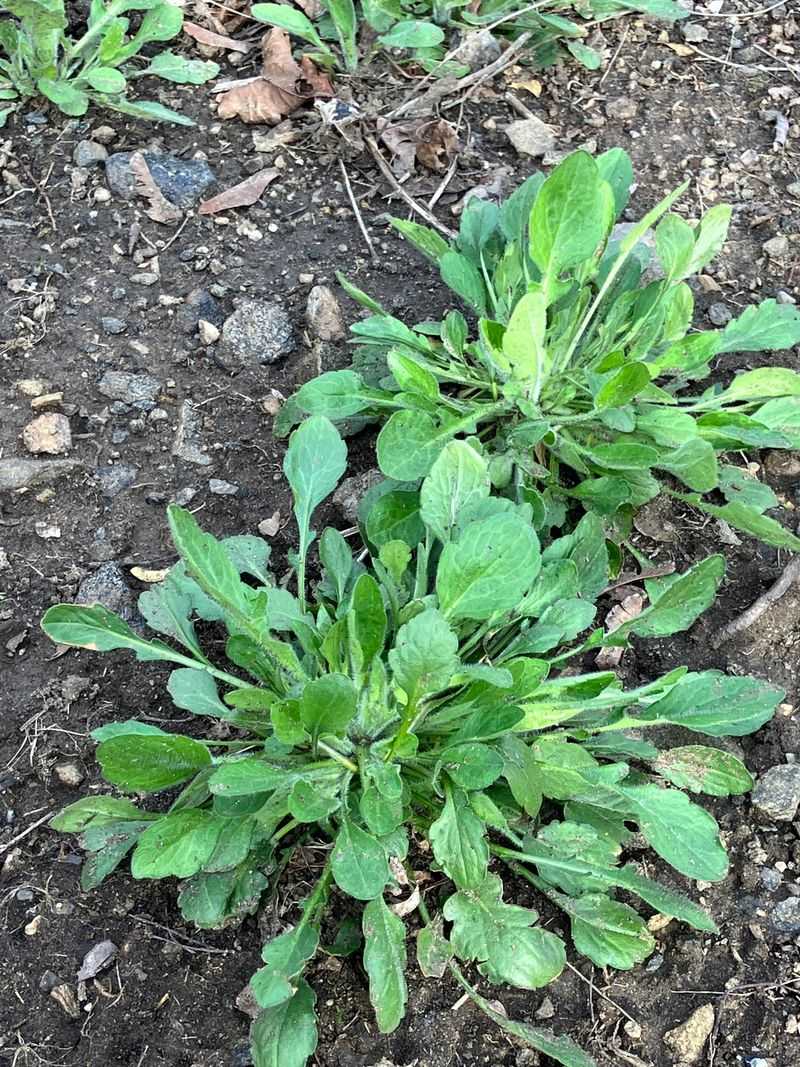
Named for the tiny heart-shaped seed pods that look like old-fashioned purses, Shepherd’s Purse is a weed that moves fast in Oregon’s wet spring conditions. It starts as a flat rosette of jagged leaves close to the ground.
Then it shoots up a stem covered in small white flowers and those distinctive seed pods.
Each plant can produce thousands of seeds, and those seeds can stay in the soil for years waiting to sprout. That makes early removal in Oregon especially important.
If you wait until it flowers, you are already behind.
Pull plants out by the root before they flower. The taproot is not very deep, so hand-pulling after rain is usually effective.
A hand weeder tool also works well to get the whole root out cleanly without breaking it off.
Shepherd’s Purse grows fast in disturbed soil, so watch vegetable beds and garden paths closely. After pulling, apply a layer of mulch to discourage new seedlings from taking hold.
Checking your Oregon garden weekly from late February through April is the smartest way to stay on top of this one.
4. Speedwell
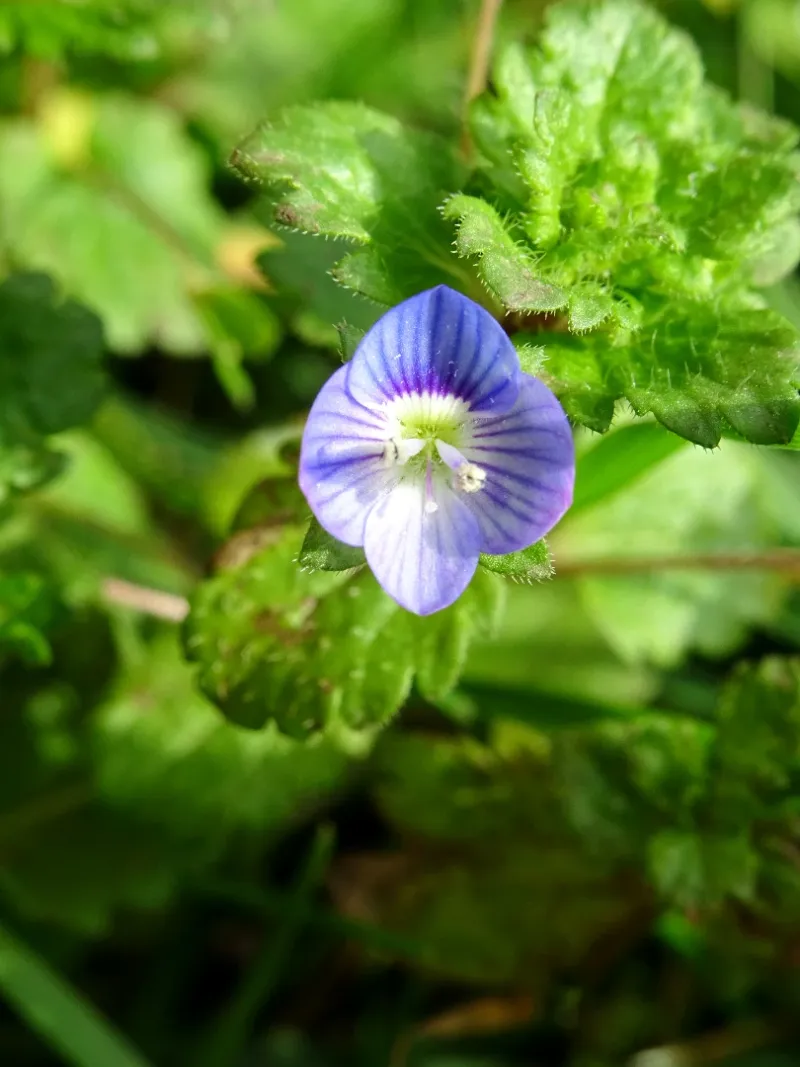
Speedwell is one of those weeds that sneaks up on Oregon gardeners every spring. The tiny blue or purple flowers might look sweet scattered across your lawn, but underneath those pretty blooms is a fast-spreading plant that loves wet conditions.
It creeps along the soil surface and roots itself as it grows.
There are several types of Speedwell, and most of them thrive in the cool, rainy weather that Oregon gets from February through May. They spread through both seeds and creeping stems, which makes them tricky to fully clear out.
One missed patch can quickly become a large mat.
Hand-pulling works best on Speedwell when the soil is damp. Try to grab the plant at the base and pull up the roots along with the stems.
A hand fork can help loosen the soil around the roots without leaving pieces behind.
Avoid letting Speedwell flower, because once seeds form, you will be fighting a much bigger problem next season. After clearing an area, mulch it right away to block new growth.
Staying on top of Speedwell removal every couple of weeks during Oregon spring is the most effective long-term strategy.
5. Common Hairy Bittercress
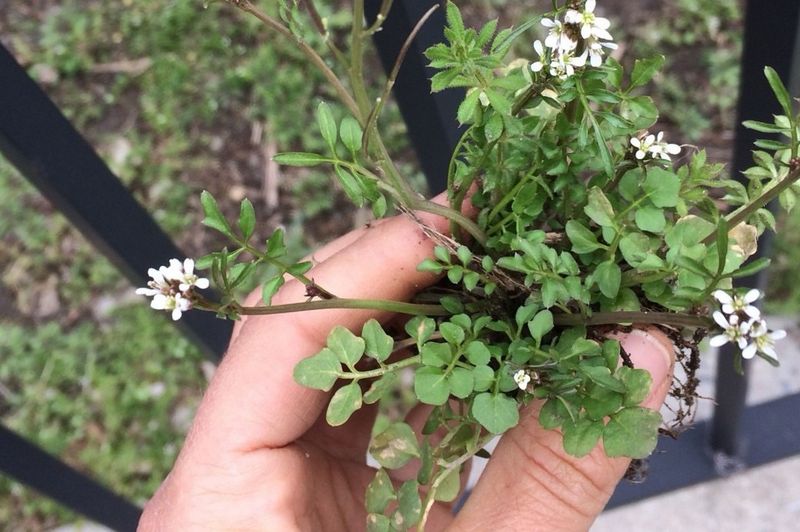
Few weeds are as sneaky as Common Hairy Bittercress. It starts small, barely noticeable as a flat rosette of rounded leaflets.
Then suddenly it shoots up a thin stem, flowers, and launches seeds several feet away before you even think about pulling it. That seed-launching trick is what makes it such a problem in Oregon gardens.
Oregon’s wet spring weather helps Bittercress grow at an impressive speed. It can complete its entire life cycle, from sprout to seed, in just a few weeks.
This means one plant can become dozens in a single season if you are not paying close attention.
Pull plants out the moment you spot them, ideally before any flowers open. The roots are shallow and come out easily from moist Oregon soil.
Be careful not to shake the plant too much when pulling, or you might trigger early seed release.
Place pulled plants directly into a bag rather than leaving them on the soil surface. Even a plant that has been pulled can still release seeds if the pods are mature.
Checking your garden beds weekly in early spring is the best defense against this surprisingly fast-moving little weed.
6. Curled Dock
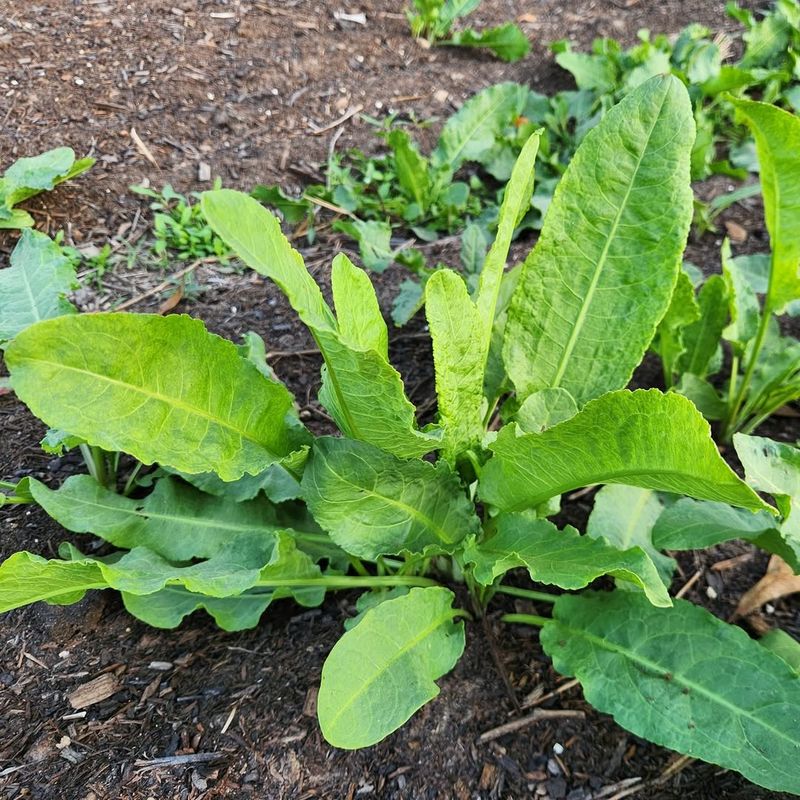
Curled Dock is a tough one. It has a thick, deep taproot that can reach far into the soil, making it one of the more stubborn weeds Oregon gardeners deal with in spring.
The long, wavy-edged leaves are easy to spot, and the plant can grow quite tall if left alone through the rainy season.
The roots of Curled Dock store a lot of energy, which means even if you cut off the top growth, the plant can regrow from what is left underground. This is why getting the whole root out matters so much.
Partial removal just slows it down temporarily.
Use a long, narrow digging tool or a dandelion fork to loosen the soil around the root before pulling. Work the tool down deep, at least six to eight inches, before levering the root up.
Moist Oregon spring soil makes this job much easier than dry summer ground.
Young plants are far easier to remove than established ones, so check your yard early in the season. Once Curled Dock sends up its tall seed stalk in late spring, removing it becomes urgent to prevent hundreds of seeds from spreading across your Oregon property.
7. Oxalis (Wood Sorrel)
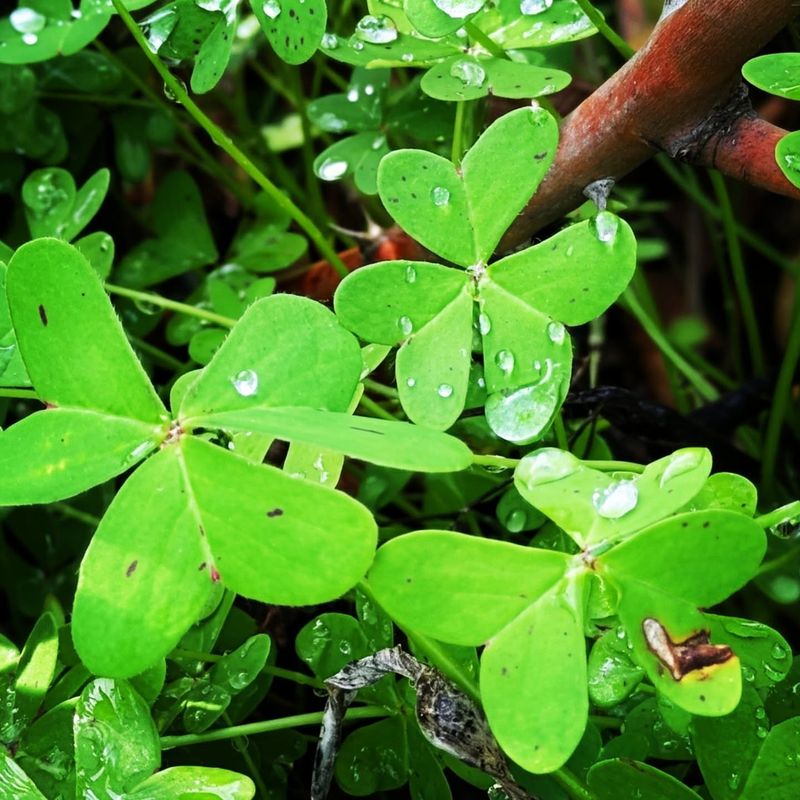
At first glance, Oxalis looks like clover, and many Oregon gardeners let it go thinking it is harmless. The heart-shaped leaflets and cheerful yellow flowers are actually quite attractive.
But Oxalis spreads aggressively through both seeds and underground bulblets, making it one of the more persistent spring weeds in Oregon gardens.
The bulblets are the real problem. When you try to pull Oxalis out, the tiny bulbs break off and stay in the soil, sprouting into new plants.
This is why removal needs to be done carefully and consistently, especially during Oregon’s wet spring months when the plant is actively growing.
Try to remove Oxalis before it flowers to reduce seed spread. Use a hand fork to loosen the soil and carefully lift the whole root system, including any small bulbs you can see.
Sifting the soil around the root zone can help find stray bulblets.
Repeat removal every few weeks because some bulblets will always be left behind. Improving light and drainage in shaded, moist garden areas can help reduce Oxalis pressure over time.
Staying patient and persistent through Oregon spring is the key to getting the upper hand on this tricky little plant.
8. Cleavers (Stickyweed)
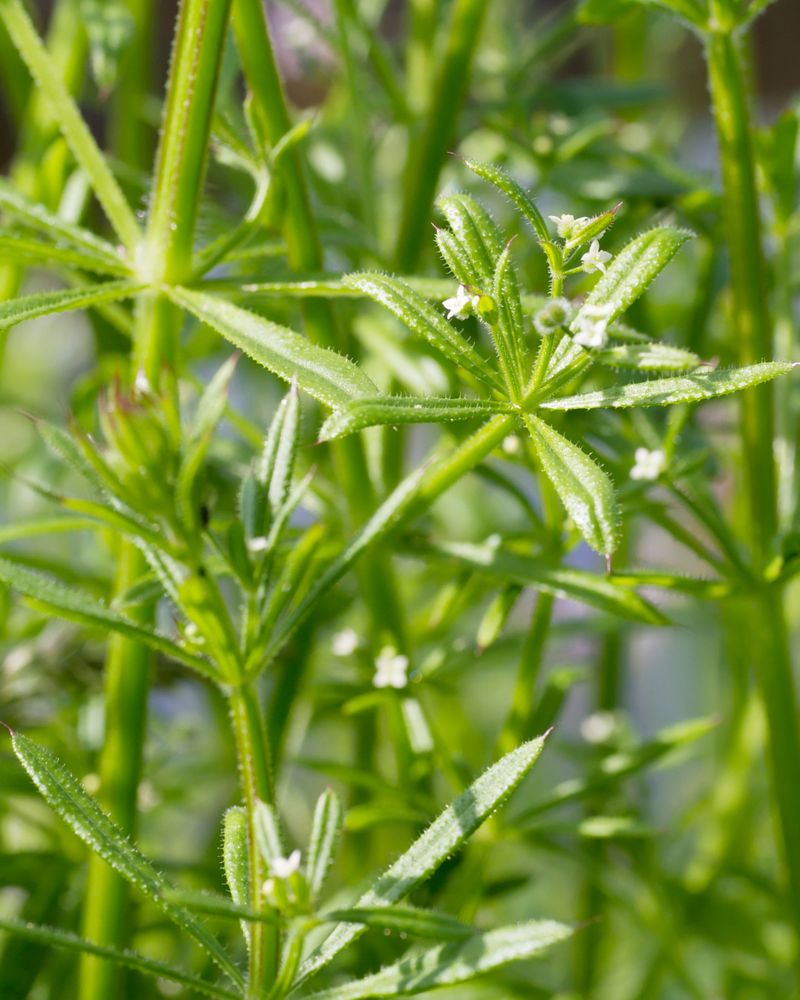
If you have ever walked through a garden and found a plant sticking to your clothes, you have probably met Cleavers. Also called Stickyweed, this fast-growing annual scrambles over other plants using tiny hooked hairs that cling to almost anything.
Oregon’s rainy spring gives it the moisture it needs to shoot up several feet in just weeks.
Cleavers can smother low-growing plants and garden vegetables if left to spread. The stems are weak on their own, so the plant relies on other plants for support as it climbs.
This makes it especially sneaky in vegetable beds and along garden borders in Oregon.
Young Cleavers plants pull out easily by hand, especially when soil is moist. Grab them near the base and pull slowly to get the root out cleanly.
Wear gloves because the sticky stems can irritate sensitive skin and make handling messy.
Remove Cleavers early in spring before they flower and set their round, sticky seed balls. Those seeds cling to animals, clothing, and garden tools, which is how they spread so effectively across Oregon yards.
After clearing an area, check back weekly since new seedlings sprout quickly after spring rains in the Pacific Northwest.
9. Buttercup
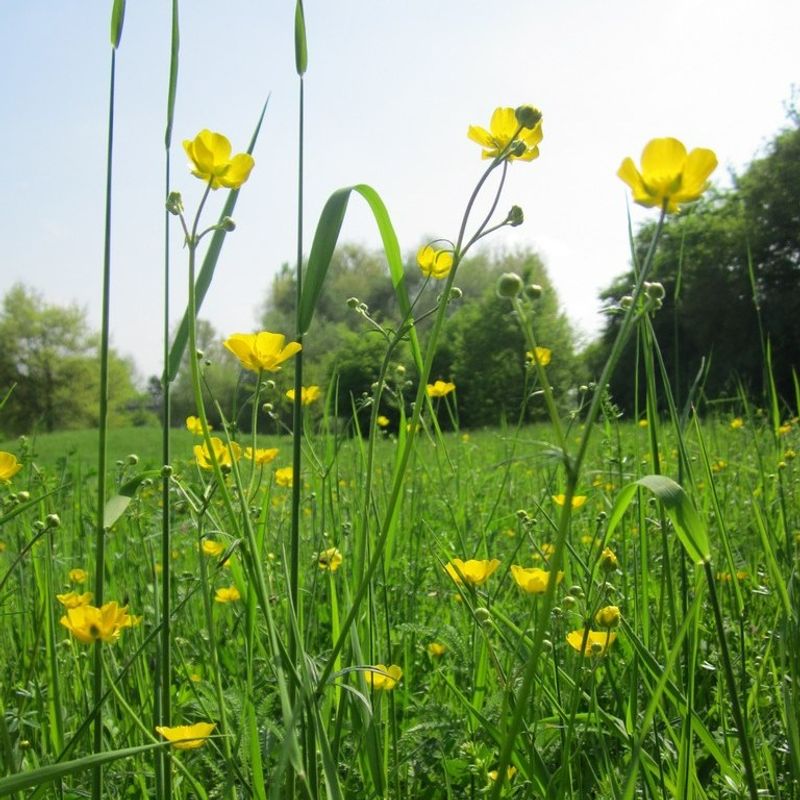
Bright yellow and cheerful-looking, Buttercup might seem like a welcome visitor in your Oregon yard. But Creeping Buttercup is actually one of the most aggressive lawn and garden weeds in the Pacific Northwest.
It spreads by runners that root wherever they touch the ground, forming dense patches that crowd out grass and other plants.
Oregon’s wet spring soil is ideal for Buttercup to establish new roots along its creeping stems. Each runner can produce multiple new plants, and the process happens fast during rainy weather.
A small patch in February can become a large mat by May if nothing is done.
Removing Buttercup requires pulling up both the main plant and all of its runners. A hand fork works well for loosening the shallow root system before lifting.
Try to trace each runner back to its connection point and pull the whole thing up together.
Repeat removal every few weeks throughout Oregon spring because any roots left behind will regrow. Improving lawn health by overseeding thin patches can help grass compete better against Buttercup over time.
Keeping soil from staying waterlogged also reduces the conditions this weed loves most in Oregon gardens.
10. Henbit
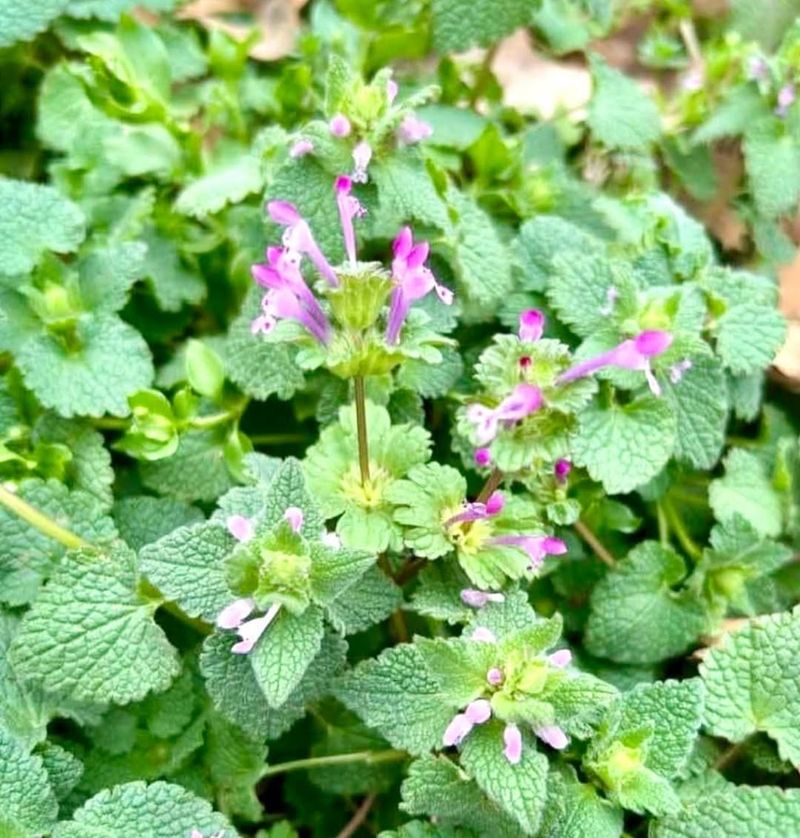
Henbit is one of the earliest weeds to show up in Oregon each year. It often starts growing in late winter, taking full advantage of cool, wet conditions before most gardeners are even thinking about weeding.
By the time spring is in full swing, Henbit can already be flowering and setting seed.
The square stems and rounded, scalloped leaves are easy to identify once you know what to look for. The small purple tubular flowers are actually pretty, but each one produces seeds that spread across your Oregon garden.
Henbit spreads quickly through disturbed soil, making vegetable beds and bare garden areas especially vulnerable.
Hand-pulling is effective for Henbit because the roots are shallow and fibrous. After rain softens the Oregon soil, grab the plant near the base and pull it up cleanly.
Pulling before flowers open is ideal, but even removing flowering plants helps reduce seed production.
Bag pulled plants and put them in yard waste rather than compost. Henbit seeds can still mature on pulled plants if they are left sitting on the soil.
Mulching bare garden beds after removal is one of the smartest ways to prevent Henbit from returning to your Oregon yard next season.
11. Annual Bluegrass
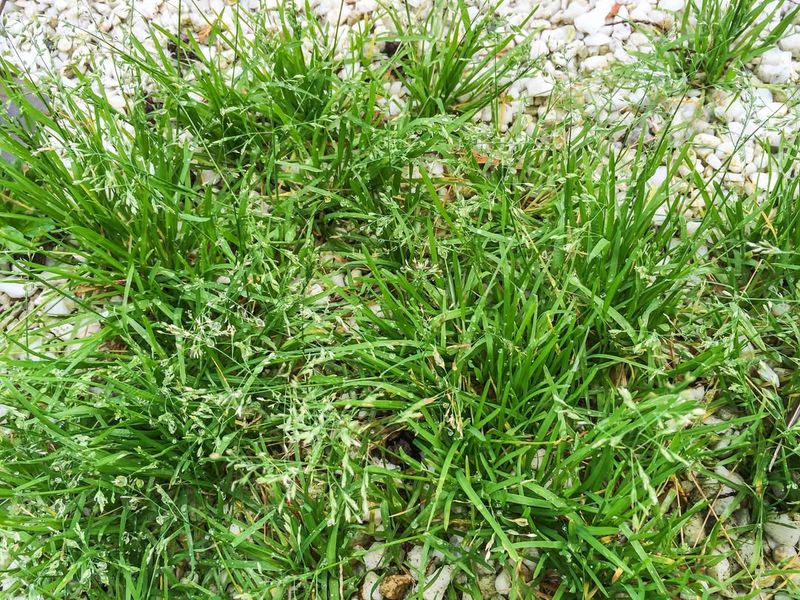
Annual Bluegrass, known by plant people as Poa annua, is a cool-season grass weed that thrives in Oregon’s wet spring climate. It looks similar to regular lawn grass, which makes it easy to overlook until it starts producing its pale, feathery seed heads.
By then, it has often already spread widely through a lawn or garden path.
Each plant produces a huge number of seeds, and those seeds germinate quickly in cool, moist conditions. Oregon winters and early springs are practically perfect for Annual Bluegrass to get established.
It often fills in thin or bare patches of lawn where regular grass struggles to compete.
Hand-pulling small patches works well when the soil is soft after Oregon rain. Use a hand fork to loosen clumps before pulling to avoid leaving root pieces behind.
Removing plants before seed heads mature is the most important step in preventing further spread.
Improving lawn density through overseeding with competitive grass varieties helps crowd out Annual Bluegrass over time. Avoiding overwatering and improving drainage can also make your Oregon lawn less inviting to this weed.
Checking garden paths and lawn edges regularly through spring gives you the best chance of catching it early.