9 Fast-Growing Fruit Trees Georgia Gardeners Can Plant Now
If you’ve been thinking about adding fruit trees to your Georgia garden, now is the perfect moment to act. The soil is warming, the days are getting longer, and a few carefully chosen trees can take off quickly once planted.
Fast-growing fruit trees can change a landscape in just a few seasons, bringing shade, structure, and a bounty of fresh fruit sooner than you might expect. Choosing the right tree now gives it a head start before the heat and busier growing months arrive.
Planting at the right time sets the stage for strong roots and healthy growth, and it gives you a chance to enjoy the rewards without waiting years for results.
Even if space is limited, the right trees can thrive in your yard, adding beauty, productivity, and a sense of accomplishment as they quickly fill in.
This spring, the right choices can make your Georgia garden more fruitful than ever.
1. Fig Trees Establish Quickly And Mature Fast
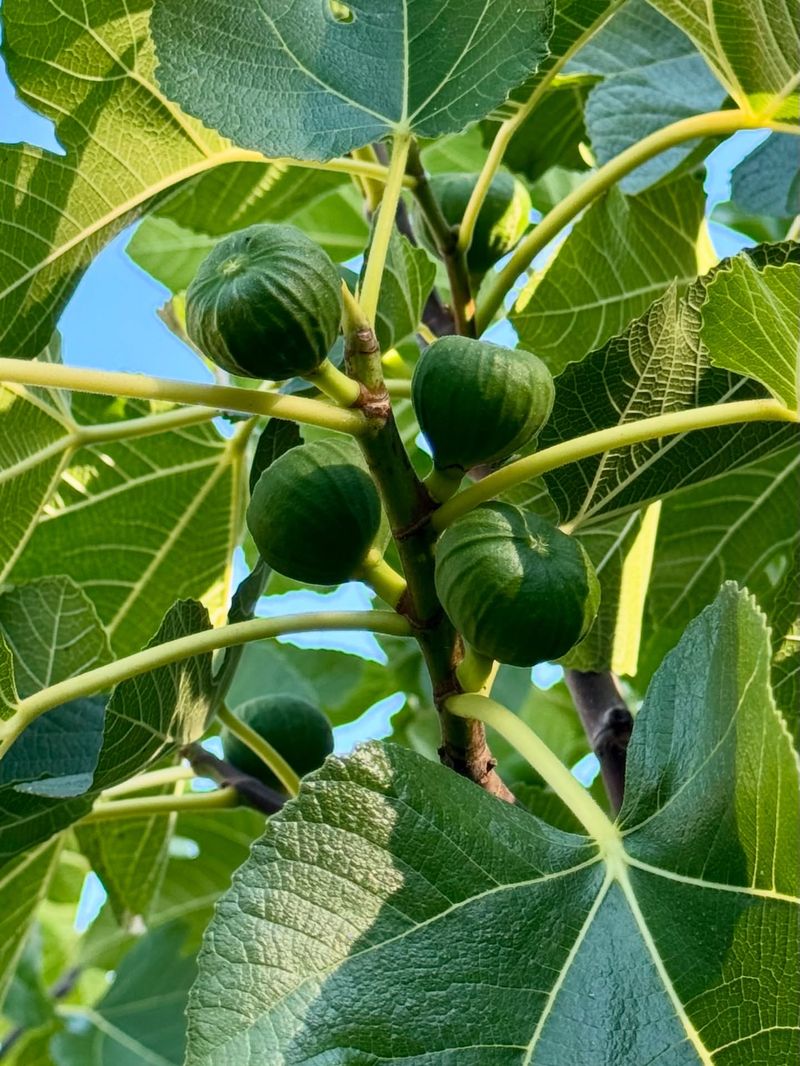
Few fruit trees settle into Georgia soil as naturally as the fig. Brown Turkey and Celeste are the two varieties you will see most often across the state, and for good reason.
Both handle Georgia’s heat well and can start producing fruit as early as the first or second season after planting.
Figs are not picky about soil type, but they strongly prefer good drainage and at least six hours of direct sun each day. Plant them against a south-facing fence or wall if you are in north Georgia, where occasional hard freezes can damage young wood.
A little mulch around the base in late fall goes a long way toward protecting the root zone.
No pollinator trees needed here. Fig trees are self-fertile, which makes them a practical choice for small yards.
Pruning is straightforward since you mainly want to remove crossing branches and any winter-damaged wood. Celeste tends to produce smaller, sweeter fruit and ripens a bit earlier than Brown Turkey.
Either way, once a fig gets established in Georgia soil, it can produce for decades. Fresh figs off the tree on a hot August morning are genuinely hard to beat.
2. Mulberry Trees Grow Rapidly With Heavy Crops
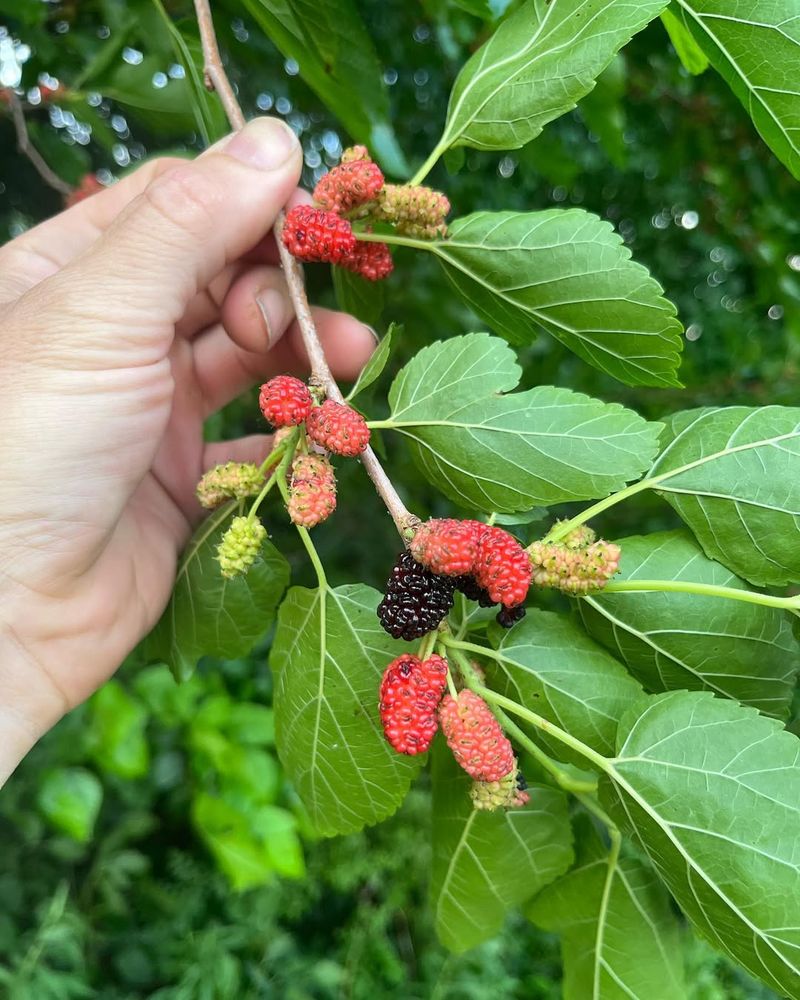
Mulberry trees grow at a pace that surprises most Georgia gardeners. Put one in the ground in spring, and by the following summer you might already be picking handfuls of dark, sweet berries.
Few fruit trees move this fast from planting to harvest, which makes mulberry a standout choice for anyone who wants results without a long wait.
Both red and black mulberry varieties perform well across Georgia. Red mulberries are actually native to the eastern United States and handle humid summers and clay-heavy soils without much fuss.
Black mulberries tend to produce larger, richer-tasting fruit, though they can be a bit slower to get going in the first year.
One thing to plan for is the mess. Ripe berries drop fast and stain anything underneath them, so avoid planting directly over a driveway or patio.
Your Georgia Garden Changes Every Week. Your Plan Should Too.
Gardening in Georgia changes quickly throughout the season. Every Friday you’ll receive a simple weekly plan showing exactly what to plant, prune, fertilize, harvest, and protect so you never miss the right timing.
Birds absolutely love mulberries too, so a net over the canopy during peak ripening will save you a good portion of your harvest. Mulberry trees are not heavy feeders, but a light application of balanced fertilizer in early spring helps push strong new growth.
Minimal pruning is needed beyond keeping the shape manageable.
3. Peach Trees Grow Quickly And Begin Bearing Early
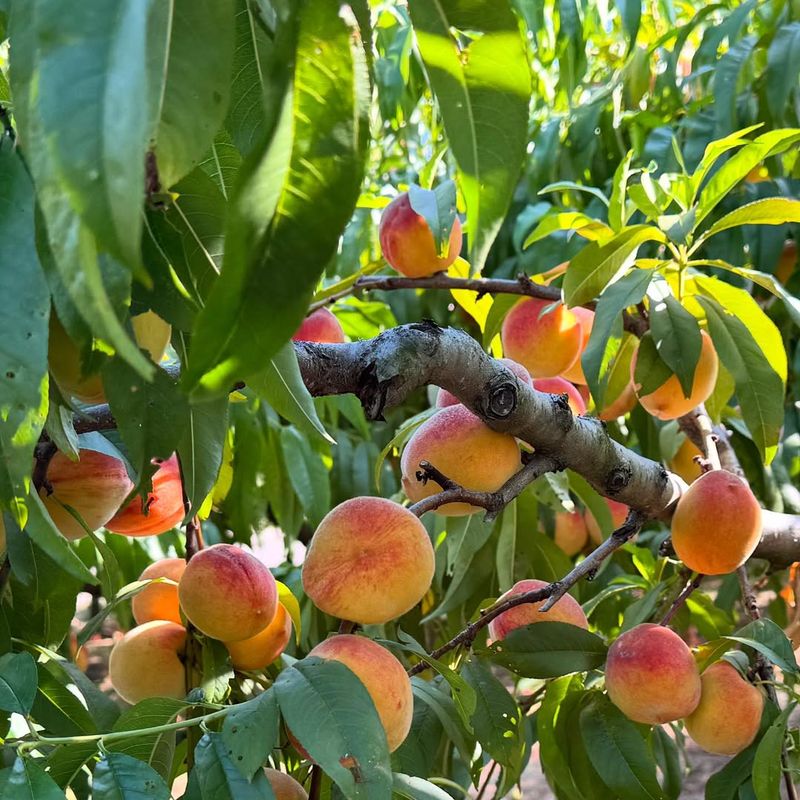
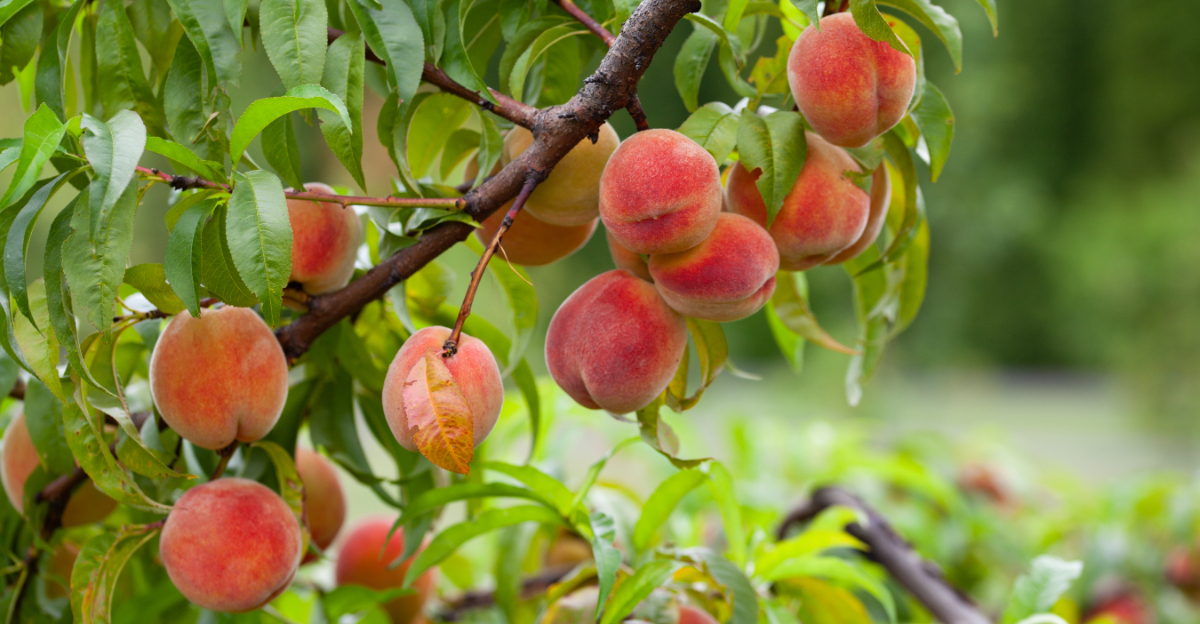
Georgia did not earn the nickname “The Peach State” by accident. Peach trees absolutely thrive here, and they are one of the fastest fruit trees you can put in the ground and actually see results from quickly.
Plant a young tree in well-drained soil with full sun, and you could be picking fruit within two to three years.
Varieties like Elberta, Redhaven, and Georgia Belle are proven performers across the state. Elberta is especially popular in middle and north Georgia because it handles late spring cold snaps better than some of the softer varieties.
Redhaven ripens early in the season, which means you get fruit before the summer heat peaks.
Peaches need about 800 to 1,000 chill hours depending on the variety, so always check the chill hour requirements before buying. Pruning every winter keeps the canopy open and the fruit production strong.
Feed with a balanced fertilizer in early spring, and thin the fruit clusters so each peach gets enough size. Sandy loam soil with good drainage gives you the healthiest trees and the juiciest fruit year after year.
Peaches are self-pollinating, but planting more than one variety can improve fruit size and yield. Protect young trees from late frosts with frost cloths or covers to prevent damage to blossoms.
4. Low-Chill Apple Trees Adapt Well To Warmer Climates
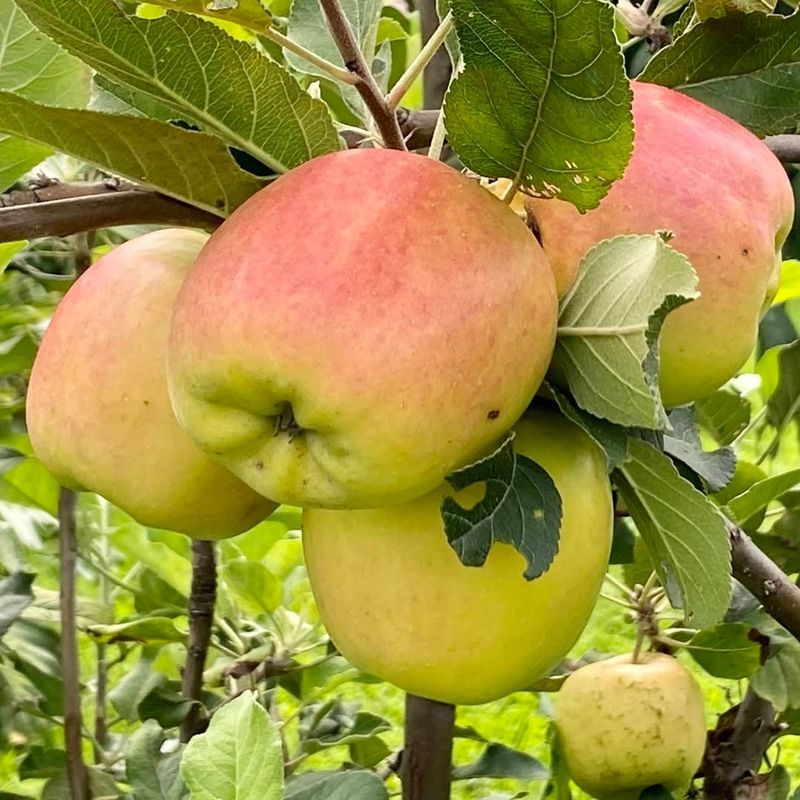
Apples in Georgia sound tricky until you learn about low-chill varieties. Standard apple trees need cold winters to break dormancy and flower properly, but Georgia winters do not always cooperate.
Low-chill varieties like Anna, Dorsett Golden, and TropicSweet were bred specifically for warmer climates and perform reliably across much of the state.
Anna is probably the most widely planted low-chill apple in Georgia. It produces crisp, slightly tart fruit that ripens in early summer, well ahead of most other apple types.
Dorsett Golden is a good companion variety because it blooms around the same time as Anna, which helps with cross-pollination and leads to better fruit set on both trees.
Plant your apple trees in a spot with full sun and soil that drains well. Georgia’s red clay can hold too much moisture if the site is low-lying, so raised beds or mounded planting rows help.
Most low-chill apples start bearing within three to four years. Annual pruning during dormancy keeps the tree open and productive.
Spray programs for fungal issues like cedar-apple rust are worth following, especially in wetter parts of the state where humidity stays high through spring.
5. Pear Trees Establish Easily And Yield Consistently
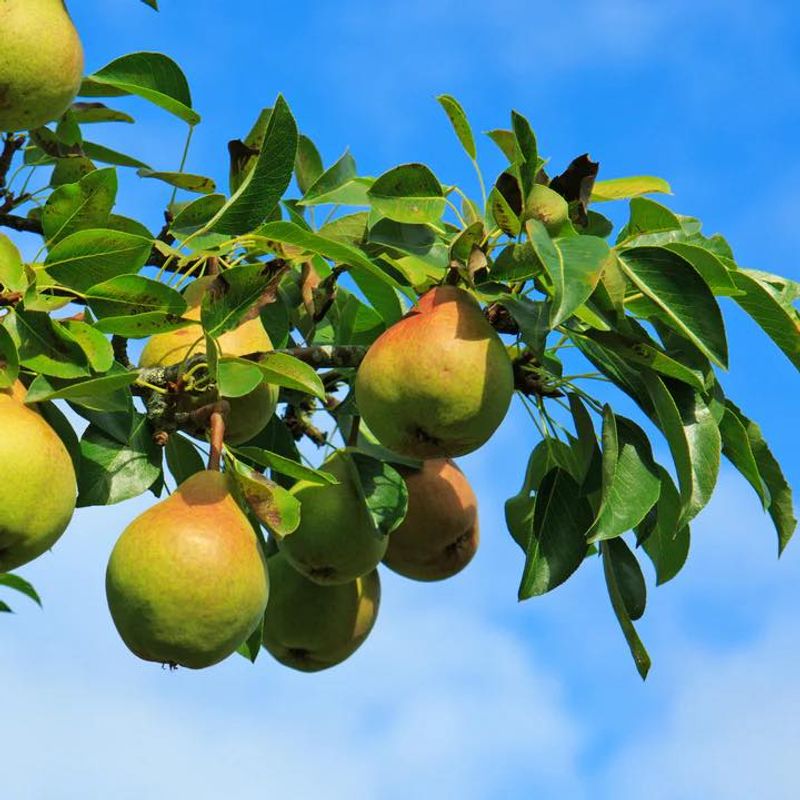
Pear trees might be the most underrated fruit tree in Georgia home gardens. They establish quickly, handle a range of soil conditions better than many other fruit trees, and produce reliable harvests year after year without demanding constant attention.
Orient and Kieffer are two of the most popular varieties in middle and north Georgia, while Hood and Floradahome perform better in the warmer southern parts of the state.
Fire blight is the main disease concern with pears in Georgia, and it can spread fast during warm, wet springs. Choosing resistant varieties like Orient or Moonglow dramatically reduces that risk.
Avoid heavy nitrogen fertilization, which pushes soft, lush growth that fire blight loves to attack. A light feeding in early spring is usually enough.
Most pear varieties are not self-fertile, so plant at least two different types nearby for cross-pollination. Trees typically begin producing fruit within three to five years.
Kieffer pears are best used for canning and preserves since they are gritty when eaten fresh, but Orient pears are good enough to eat right off the branch.
Harvest pears before they fully soften on the tree and let them ripen indoors for the best texture and flavor.
6. Japanese Plum Trees Grow Fast And Ripen Early
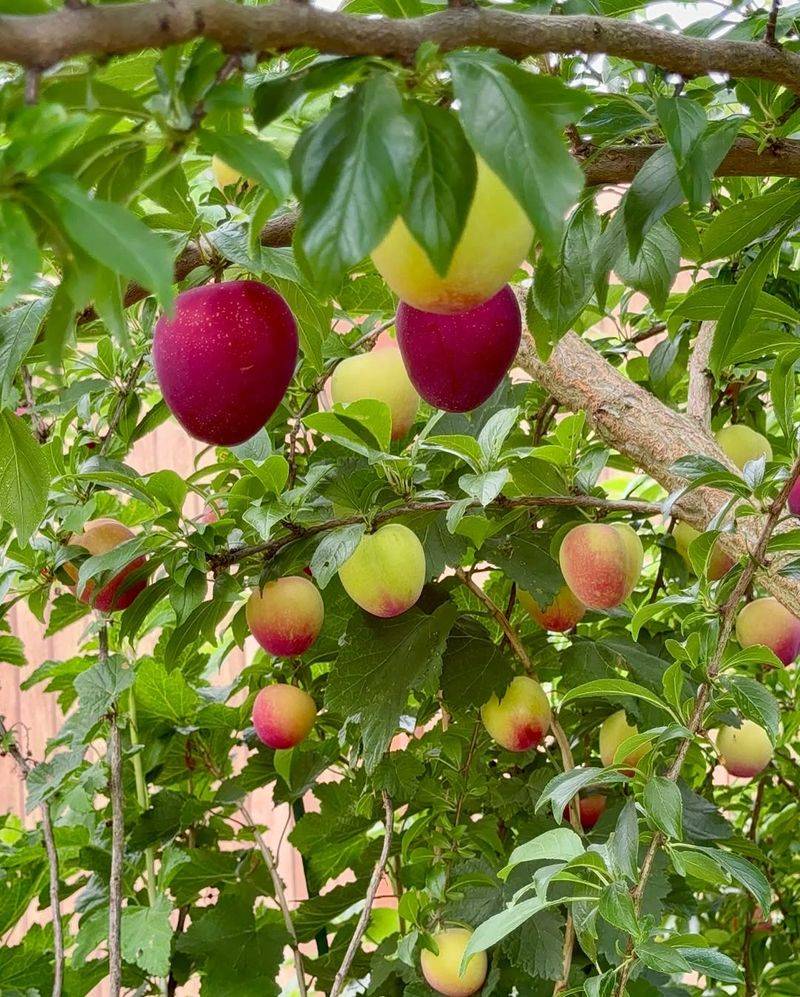
Japanese plums hit their stride faster than almost any other stone fruit you can plant in Georgia. Methley is one of the best options for home gardeners across the state because it is self-fertile, ripens early, and produces a heavy crop of dark red, juicy plums.
AU Rubrum and AU Producer, both developed at Auburn University, are also strong performers in Georgia’s climate.
Planting in full sun with good air circulation around the canopy makes a real difference. Plum trees are vulnerable to brown rot and bacterial spot, both of which spread quickly in humid conditions.
Spacing trees properly and keeping the center of the canopy open during pruning helps reduce moisture buildup and disease pressure.
Spring Satin is worth considering if you want a slightly later-ripening variety to extend your harvest window. Plant a second variety nearby if your chosen type is not self-fertile, which most Japanese plums require for the best fruit set.
Young trees can begin producing fruit in as little as two to three years after planting. Thin the fruit clusters in late spring to reduce branch breakage from heavy loads and to push each plum to a better size at harvest time.
7. Loquat Trees Thrive In Mild Southern Winters
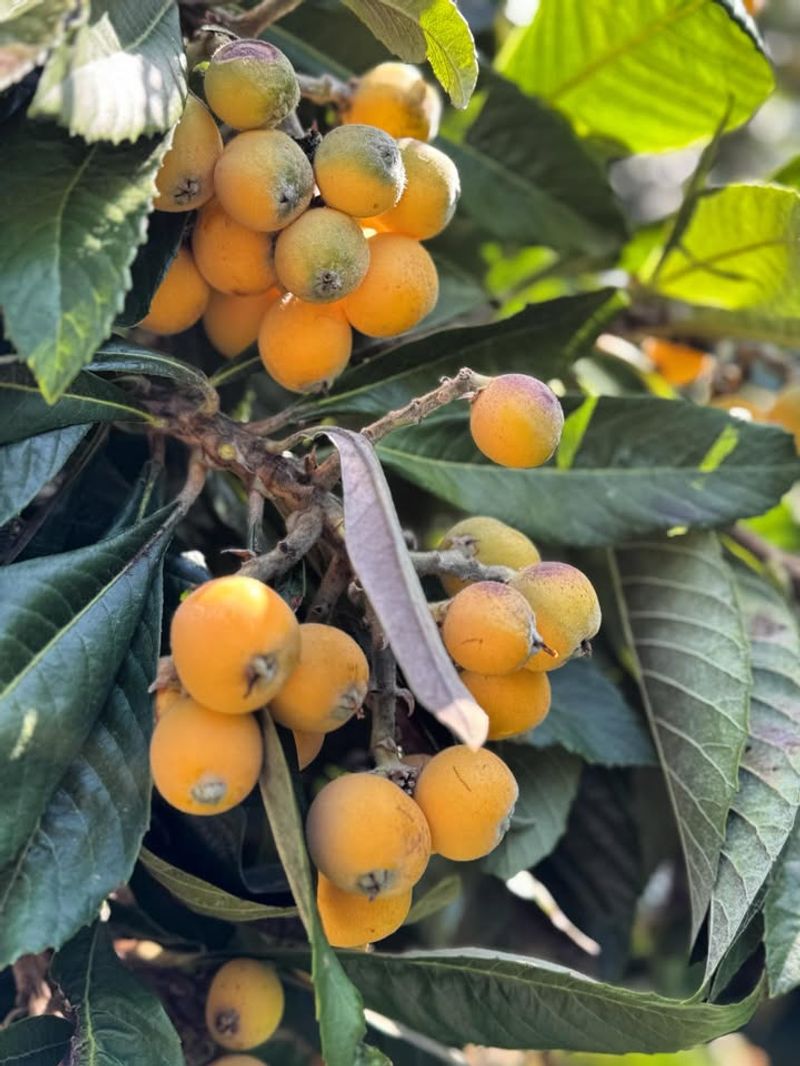
Loquat is one of those trees that quietly does its own thing while everything else in the garden is still waking up from winter. It flowers in fall or early winter and ripens fruit in late winter to early spring, which is the complete opposite of most other fruit trees.
That unusual timing alone makes it worth growing in Georgia.
Coastal and south Georgia gardeners have the easiest time with loquats since hard freezes below about 12 degrees Fahrenheit can damage developing fruit.
In central Georgia, planting near a south-facing wall or in a sheltered corner of the yard offers enough protection in most winters.
North Georgia gardeners should treat loquat more like a borderline-hardy ornamental that occasionally produces fruit.
Loquat trees grow at a moderate pace and can reach 15 to 25 feet if left unpruned, though most home gardeners keep them around 8 to 10 feet for easier harvesting. Full sun produces the most fruit, but partial shade is tolerated.
Sandy or loamy, well-drained soil works best. Fruit is sweet, slightly tangy, and excellent fresh or made into jam.
Birds compete heavily for ripe loquats, so harvesting as soon as the fruit turns golden-orange is the smartest move.
8. Persimmon Trees Develop Strong, Long-Lived Growth
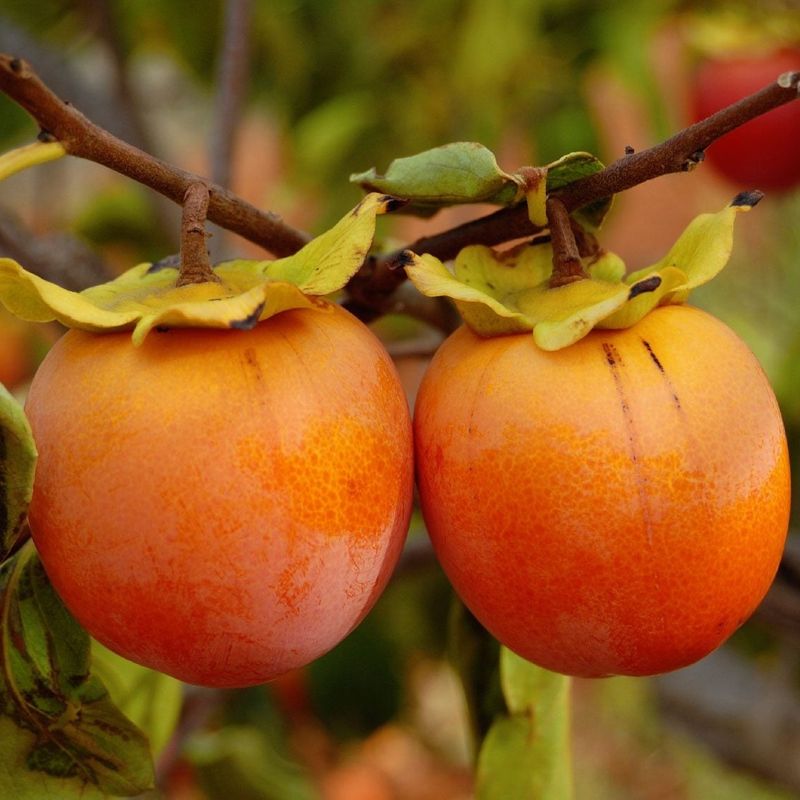
Walk past a persimmon tree in late October or November and you will stop in your tracks. The fruit hangs like bright orange ornaments on nearly bare branches, and the sight is genuinely striking in a Georgia fall landscape.
Beyond looking great, persimmons are remarkably productive trees that need very little from you once they get settled.
Fuyu and Jiro are two non-astringent Asian varieties that work well across Georgia. Non-astringent means you can eat them while still firm, like an apple, without that mouth-puckering experience you get from unripe traditional persimmons.
American persimmons are also native to the Southeast and handle Georgia’s soil and climate naturally, though the fruit is smaller and best after a frost or two soften it up.
Persimmon trees tolerate clay soils better than most fruit trees, which is a genuine advantage in parts of Georgia where heavy red clay makes growing other fruits difficult. Full sun is preferred but they manage in partial shade.
Fruit production typically begins within three to five years. Pruning needs are minimal compared to peaches or plums.
One caution: persimmon roots do not like being disturbed, so choose your planting location carefully from the start.
9. Mayhaw Trees Suit Warm, Wet Southern Landscapes
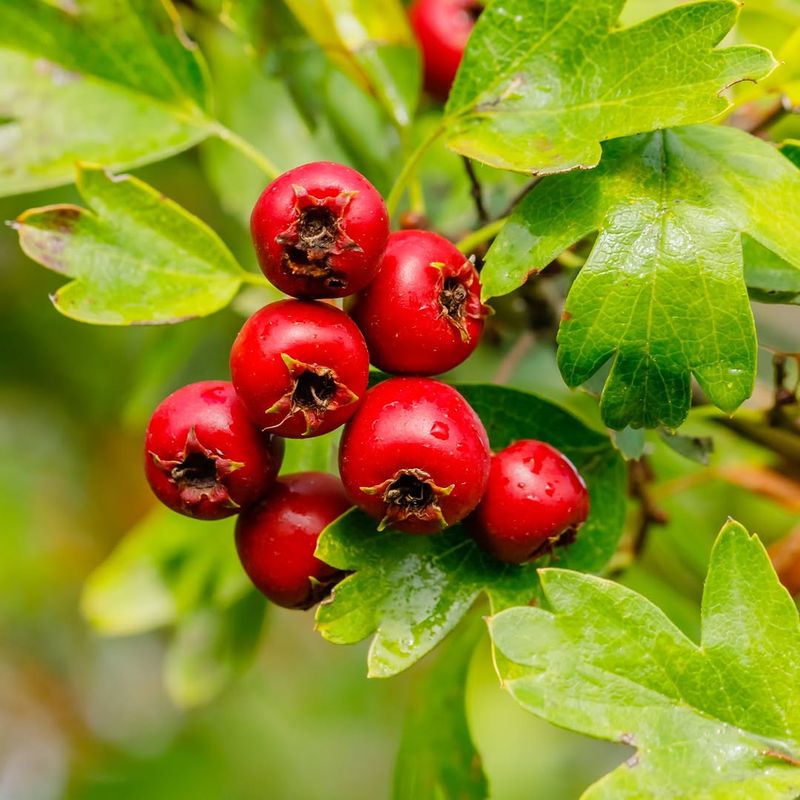
Mayhaw is not a tree most people outside the Deep South have ever heard of, but ask any old-timer in south Georgia about mayhaw jelly and you will get a very enthusiastic response.
Mayhaw trees produce small, tart, cranberry-red fruit every spring, and the jelly made from them is a genuine regional treasure that you simply cannot find in most grocery stores.
What makes mayhaw special for Georgia gardeners is how well it handles wet, low-lying ground.
Most fruit trees struggle or fail outright in poorly drained areas, but mayhaw naturally grows along creek banks and wet bottomland throughout south Georgia and the Florida panhandle.
If you have a spot in your yard that stays soggy after rain, mayhaw might be exactly what belongs there.
Trees are moderate growers and typically begin producing fruit within three to four years. They bloom in late winter, sometimes as early as February in south Georgia, and fruit ripens in April and May.
Plant at least two varieties for good cross-pollination and heavier fruit set. Fruit drops or is shaken off the tree at harvest and traditionally collected from the water surface, which is a uniquely satisfying way to pick your crop.
Full sun gives the best yields.