This Natural Trick Helps Roses Bloom Longer In Georgia
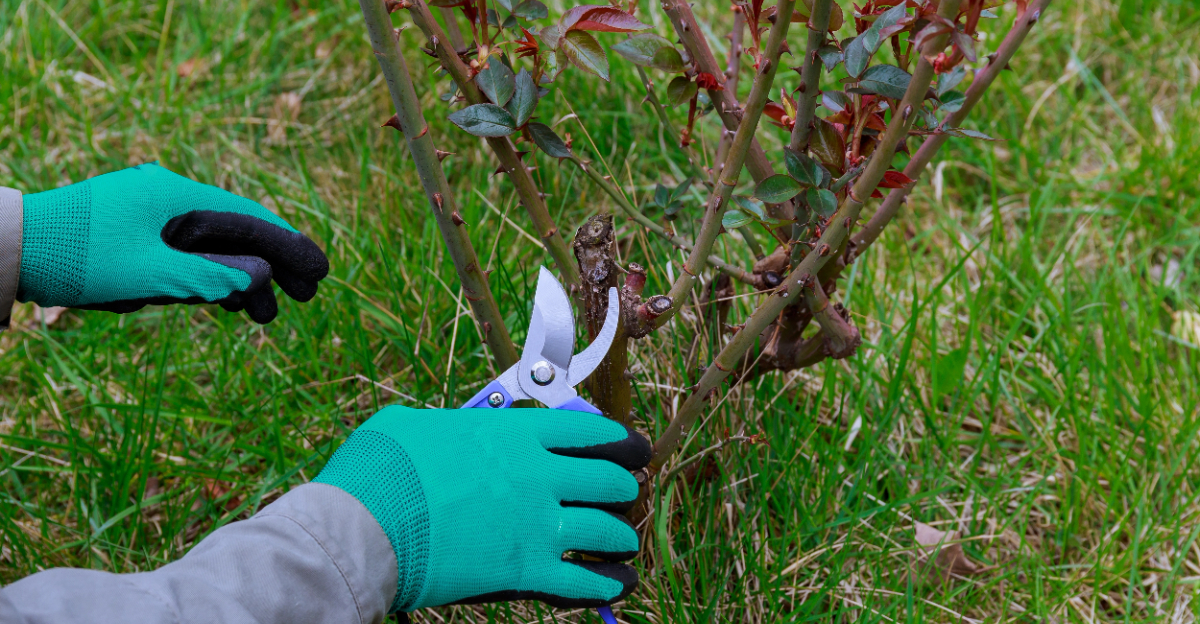
Roses in Georgia can be stunning, but getting them to bloom longer often feels like a challenge. One simple, natural approach can make a noticeable difference without complicated care or extra products.
Timing, attention, and a few small adjustments help roses focus their energy on producing more flowers for a longer period. When applied correctly, this method encourages healthier growth and keeps blooms coming well into the season.
It’s a small change with a big impact, letting roses look fuller, fresher, and more vibrant throughout spring and summer.
With a little care, your rose bushes can stay productive, making the garden more colorful and enjoyable for weeks longer than usual.
This natural approach works with Georgia’s climate, helping roses thrive in heat, humidity, and variable spring weather while giving you blooms that last.
1. Deadheading Spent Roses Encourages New Blooms To Form Faster
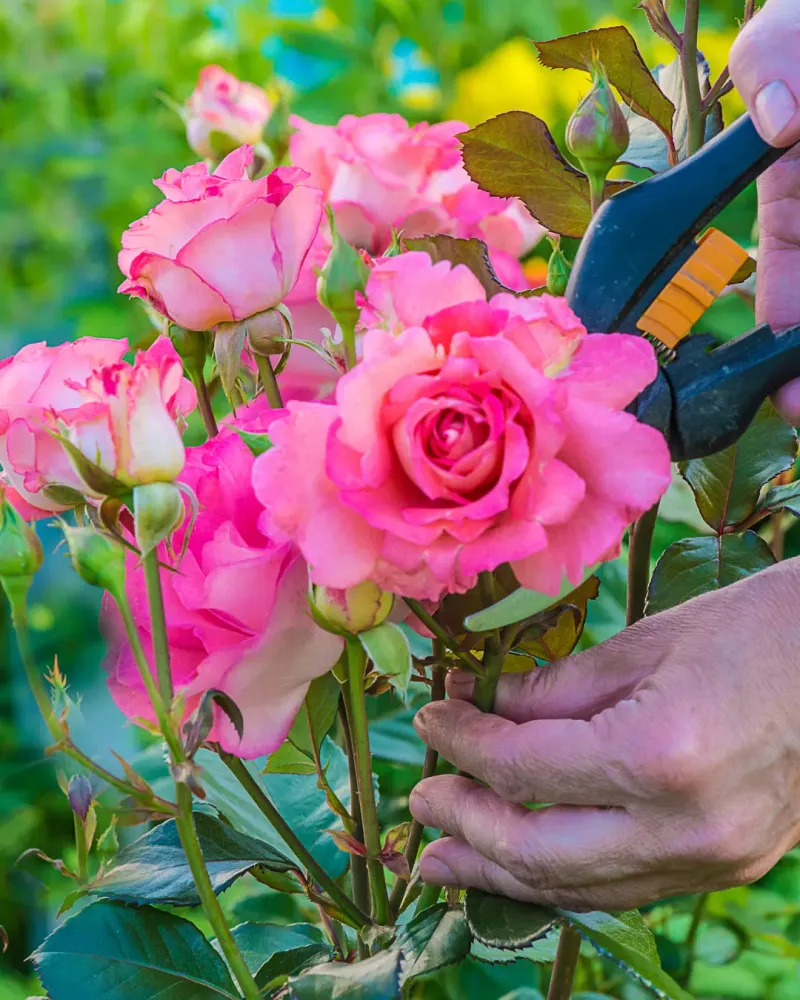
Roses are not done after the first flush of flowers, not even close. Deadheading is the simple act of removing blooms that have already peaked, and it sends a clear signal to the plant to start producing again.
Without it, roses focus their energy on forming seeds rather than pushing out new buds.
Georgia summers are long, which actually works in your favor here. Because the growing season stretches well into fall, a rose bush that gets deadheaded regularly can go through multiple bloom cycles between spring and October.
That’s a lot of extra color for very little effort.
Start deadheading as soon as a flower begins to look tired, droopy, or starts losing petals on its own. You don’t need to wait until it looks completely ragged.
Catching blooms early in their decline means the plant redirects energy sooner, which shortens the wait between flowering rounds.
Consistent deadheading also keeps your rose bushes looking neat and well-tended throughout the season. Nobody wants a garden full of brown, papery flower heads hanging off otherwise healthy canes.
Removing them regularly keeps the whole plant looking fresh and encourages strong, upward growth from the center.
For Georgia gardeners dealing with the heat and humidity of July and August, deadheading is especially valuable.
Hot weather can shorten how long individual blooms last, so staying on top of spent flowers keeps the plant working efficiently even when conditions get tough.
2. Cut Just Above The First Five-Leaflet Leaf For Stronger New Buds
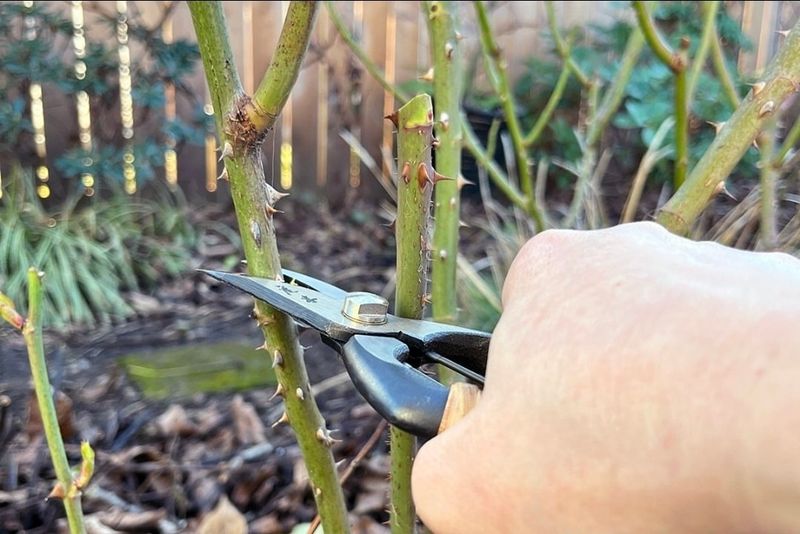
Most gardeners know to remove faded blooms, but where exactly you make the cut matters more than people realize.
Snipping randomly or cutting too close to the flower head can leave behind weak, stubby stems that struggle to push out healthy new growth.
Cutting in the right spot changes everything.
Look down the stem from the spent flower until you find the first leaf cluster that has five leaflets. That’s your target.
Make your cut at a slight angle, about a quarter inch above that leaf node, angling away from the bud eye that sits at the base of the leaf stem.
Bud eyes are the small, slightly raised bumps you’ll notice where the leaf meets the cane. Cutting just above one of these activates it, and that’s where your next bloom will originate.
Your Georgia Garden Changes Every Week. Your Plan Should Too.
Gardening in Georgia changes quickly throughout the season. Every Friday you’ll receive a simple weekly plan showing exactly what to plant, prune, fertilize, harvest, and protect so you never miss the right timing.
A clean cut at the right height gives the new bud the best possible start, especially during Georgia’s warm growing months.
Avoid cutting too low on the stem in early to mid-season. Lower cuts can produce blooms, but they take longer to develop and can sometimes weaken the overall structure of the bush.
Mid-stem cuts tend to produce the fastest and most reliable repeat blooms through summer and into fall.
Getting comfortable with this technique takes one or two tries, but after that it becomes automatic.
3. Remove Faded Flowers Before They Start Forming Rose Hips
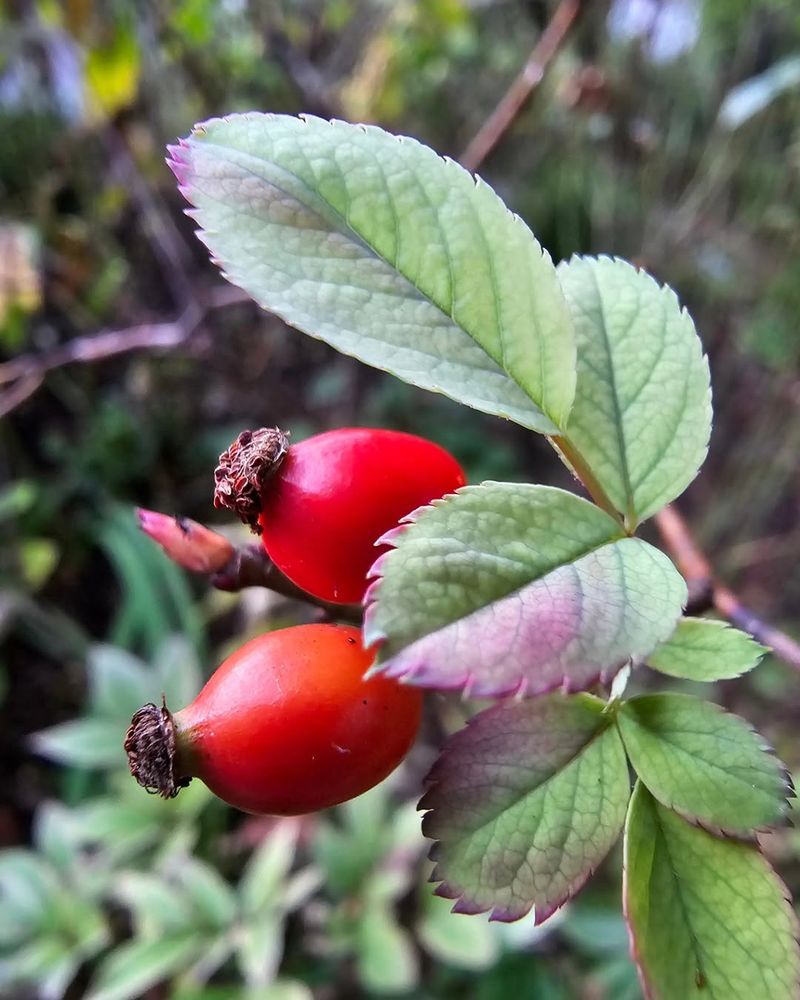
Rose hips are the small, round, fruit-like structures that develop after a flower has been pollinated and begins to form seeds. They’re beautiful in their own right, and some gardeners actually grow roses specifically for their hips.
But if extended blooming is your goal, hips are your biggest obstacle.
Once a rose plant starts putting energy into developing a hip, it essentially switches gears. Flowering becomes a lower priority because, from the plant’s perspective, it has already done its job.
Seed production takes over, and new buds become slower to form and often smaller in size.
In Georgia’s climate, this transition can happen surprisingly fast. Warm temperatures accelerate the plant’s biological processes, so a bloom that’s been sitting on the bush for too long can begin hip formation within days of fading.
Staying ahead of this cycle is key to keeping the blooms coming.
Walk your rose beds every two to three days during peak season and look for flowers that are dropping petals or showing the swollen base that signals hip development has begun. Remove these immediately, cutting back to that five-leaflet leaf as described.
Early removal is always more effective than late.
Gardeners in Atlanta, Augusta, and other parts of Georgia who make this a regular habit consistently report longer blooming seasons compared to those who only deadhead occasionally.
Small, frequent check-ins beat one big monthly cleanup every single time when it comes to keeping roses in continuous flower.
4. Use Clean, Sharp Pruners To Avoid Damaging Healthy Stems
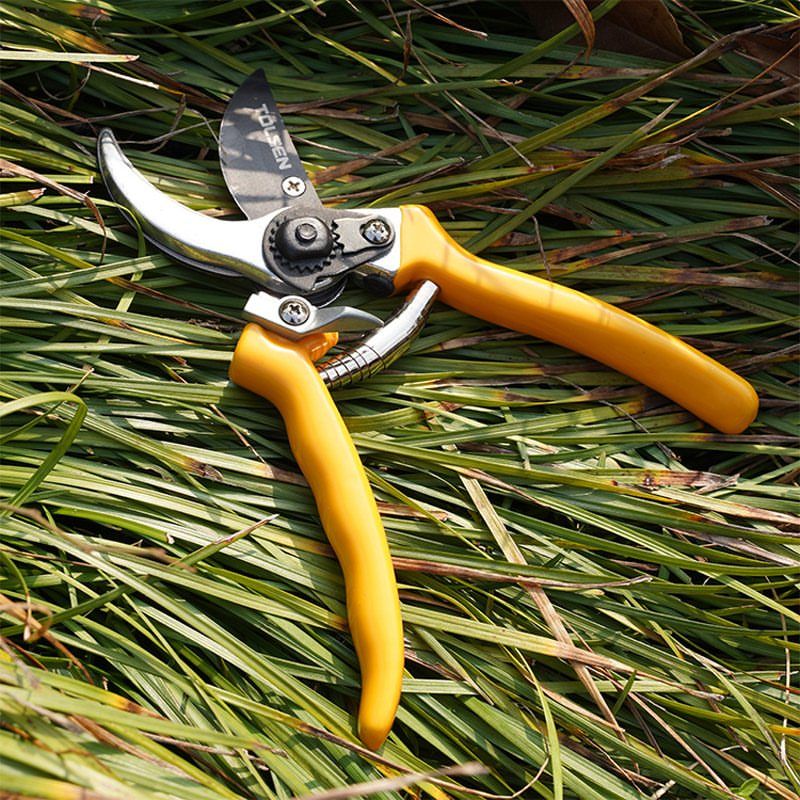
Dull blades crush stems instead of cutting them cleanly. That might sound like a minor detail, but crushed or torn stem tissue is an open invitation for fungal problems and bacterial infections, both of which thrive in Georgia’s humid summers.
Your tools matter as much as your technique.
Bypass pruners, the type with two curved blades that pass each other like scissors, are the right choice for rose work. Anvil-style pruners, where a single blade presses against a flat surface, tend to crush soft green stems.
Stick with bypass pruners and keep them sharp by touching up the blade with a sharpening stone a few times each season.
Cleaning your pruners is just as important as sharpening them. Wipe the blades with a cloth dampened with rubbing alcohol between plants, especially if you notice any signs of disease on one bush before moving to the next.
Cross-contamination between plants is a real risk that’s easy to prevent.
A light coat of oil on the pivot point and blade after cleaning keeps the pruners moving smoothly and prevents rust. Hanging them in a dry spot rather than leaving them in the garden bed will extend their life significantly.
Good pruners that are properly maintained can last many years.
Investing in a decent pair of pruners is worth every penny. Cheap tools that go dull quickly make the whole job harder and can actually set back your roses rather than help them.
A reliable pair makes deadheading faster, cleaner, and genuinely more satisfying every time you head out to the garden.
5. Check Rose Bushes Every Few Days During Peak Bloom Season
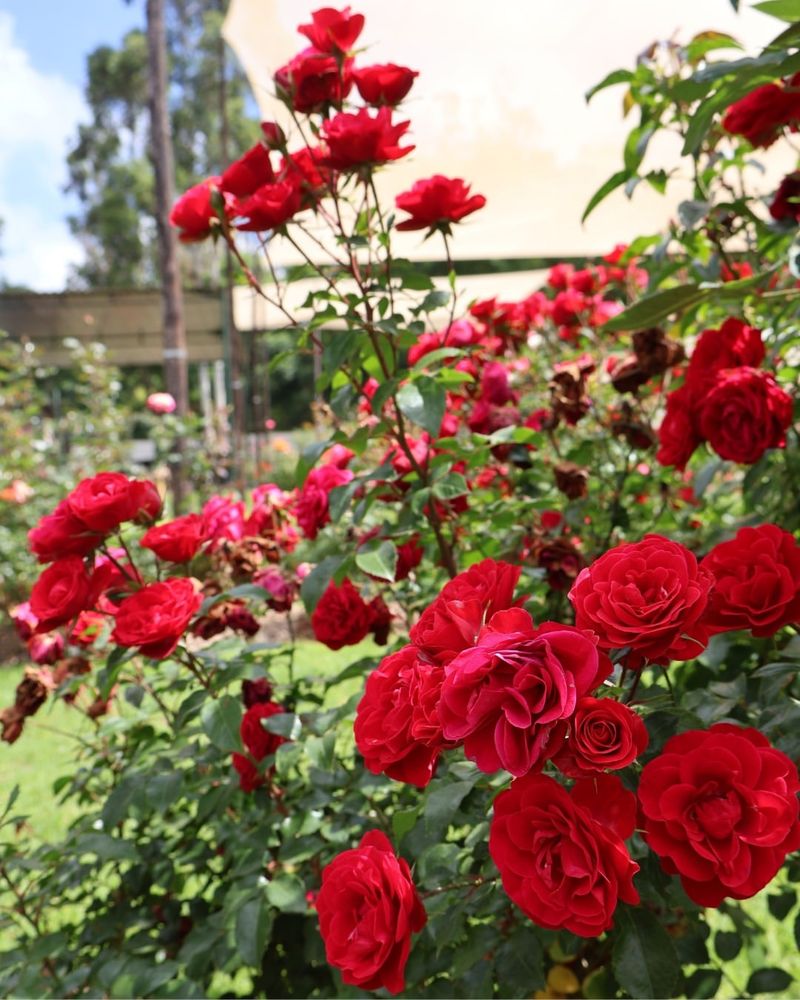
Waiting until you notice a problem from across the yard usually means you’ve already lost valuable time.
Roses during peak bloom season in Georgia move fast, and what looks like a healthy bud one day can be an overripe, declining flower three days later if temperatures are running high.
Building a quick inspection routine into your schedule makes a noticeable difference. Early morning is ideal because the light is good, the air is cooler, and you can spot issues before the heat of the day sets in.
A five-minute walk through the rose beds every two to three days is all it takes.
Look for blooms that are past their prime, stems that seem soft or discolored, and any leaves showing signs of black spot or powdery mildew. Georgia’s humidity creates the right conditions for fungal issues, so catching them early keeps them from spreading.
Deadheading and disease management often go hand in hand.
Keep a small pair of pruners in your pocket during these check-ins so you can deal with spent blooms on the spot rather than making a second trip. That small habit alone can save significant time over the course of a season and keeps you from putting the task off.
Gardeners who treat rose inspection as part of their regular yard routine rather than a separate chore tend to have healthier, more productive plants.
Regular attention builds familiarity with each bush, and familiarity makes it easier to notice when something is off before it becomes a bigger issue.
6. Light Feeding Helps Roses Produce The Next Round Of Flowers
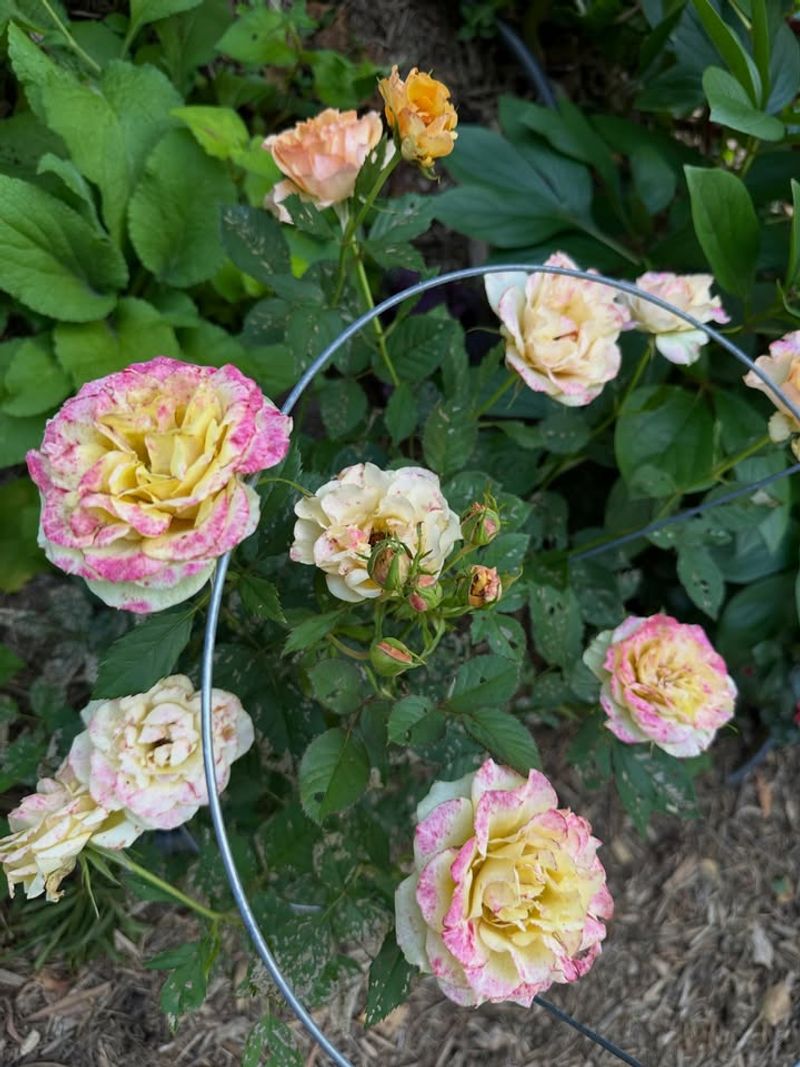
Deadheading tells the plant what to do, but feeding gives it the fuel to actually do it.
Roses that are pushing out repeated bloom cycles through Georgia’s long growing season are working hard, and they burn through soil nutrients faster than many gardeners expect.
A little supplemental feeding goes a long way.
After each round of blooming, a light application of a balanced rose fertilizer helps replenish what the plant has used. Granular fertilizers applied around the drip line of the bush, followed by thorough watering, release nutrients steadily over several weeks.
This steady supply supports consistent bud development without pushing excessive leafy growth.
Avoid heavy doses of high-nitrogen fertilizer during summer. Too much nitrogen in Georgia’s heat can push soft, lush growth that’s more vulnerable to fungal disease and insect pressure.
Balanced formulas that include phosphorus and potassium alongside nitrogen support flower production and root strength more effectively.
Stop feeding roses in late summer, typically by mid-August in most parts of Georgia. Encouraging new growth too late in the season can leave tender shoots vulnerable when cooler fall temperatures arrive.
Letting the plant slow down naturally at the end of the season is better for its long-term health.
Organic options like fish emulsion, composted manure, or worm castings are worth considering for gardeners who prefer to avoid synthetic products. They feed more slowly and gently, which suits roses well.
Mixed into the soil around established bushes in spring and again after the first bloom flush, they provide steady, reliable nutrition throughout the season.
7. Regular Watering Keeps Plants Strong For Continuous Blooming
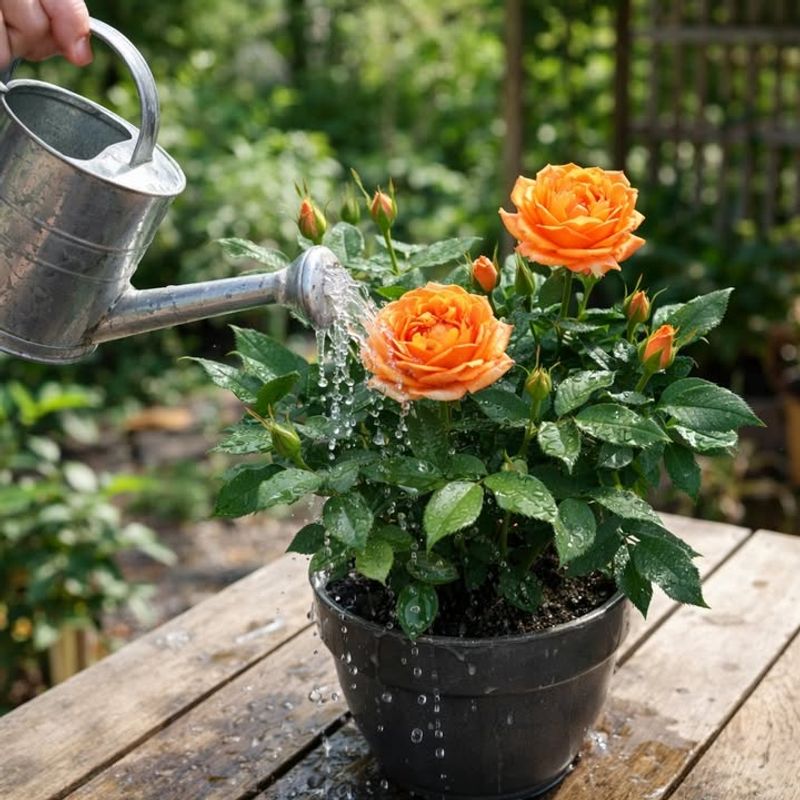
Water stress shuts down flowering faster than almost anything else. A rose bush that isn’t getting enough moisture will conserve energy by halting bud production, and in Georgia’s summer heat, that can happen within just a few dry days.
Consistent watering is not optional if you want continuous blooms.
Aim for about two inches of water per week during the growing season, delivered slowly and deeply rather than in quick, shallow sprinkles. Deep watering encourages roots to grow downward, which makes plants more resilient during hot, dry stretches.
Shallow watering keeps roots near the surface where they’re more exposed to heat.
Water at the base of the plant rather than overhead. Wet foliage in Georgia’s humidity is a recipe for fungal problems, especially black spot, which is one of the most common rose diseases in the region.
A soaker hose or drip irrigation system keeps water where it belongs and off the leaves entirely.
Morning is the best time to water. Any moisture that does splash onto leaves has time to evaporate before evening, reducing fungal risk.
Evening watering leaves foliage wet overnight, which is exactly the condition that fungal spores love most in humid Georgia summers.
Mulching around your rose bushes helps retain soil moisture between waterings, which means you’re not fighting constant evaporation in July and August heat.
A two-to-three-inch layer of shredded bark or pine straw around the base of each bush keeps roots cooler, conserves water, and reduces how often you need to run the hose.