Don’t Prune These 9 Plants Yet In California
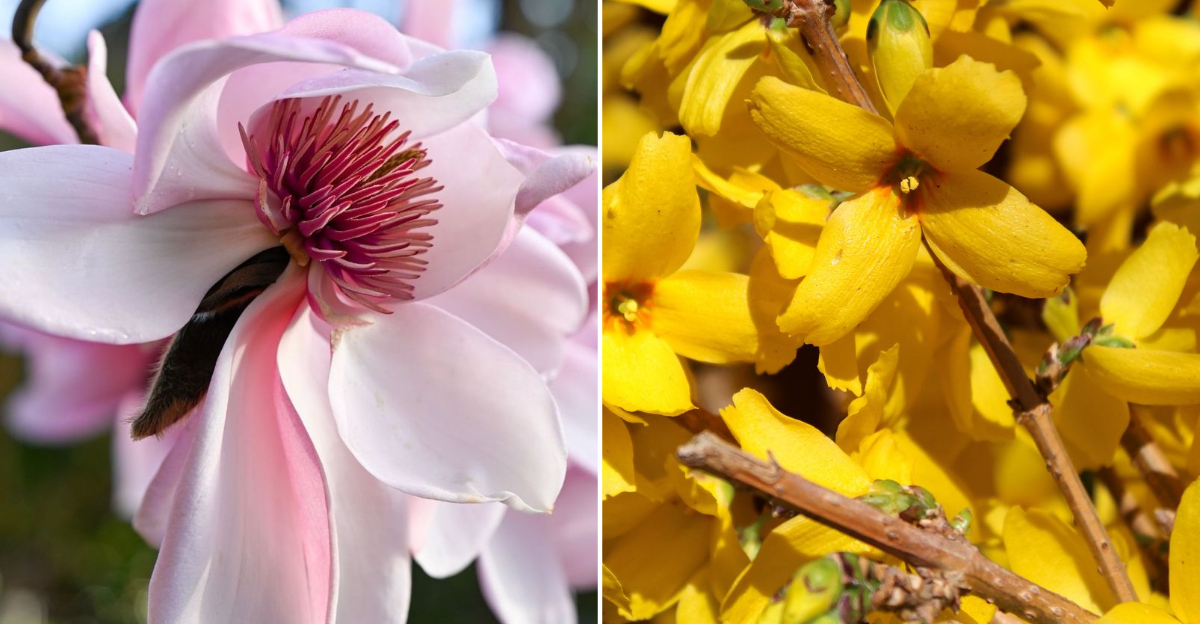
Spring sunshine has many California gardeners reaching for their pruning shears. After months of winter growth, it’s tempting to start trimming everything back and tidying up the garden.
A quick prune can make plants look neater and feel like a fresh start for the season.
But here’s the catch. Some plants really don’t appreciate an early spring haircut.
Prune them too soon and you could accidentally remove this year’s flower buds, slow down healthy growth, or even stress the plant just as it’s getting ready for the growing season.
Timing matters more than most gardeners realize. A little patience now can mean bigger blooms, healthier plants, and a much better show later in the season.
Before you start snipping away, it helps to know which plants are better left alone for a little while longer. Holding off on pruning the wrong plants right now can make a huge difference in how your California garden performs this year.
1. Azaleas
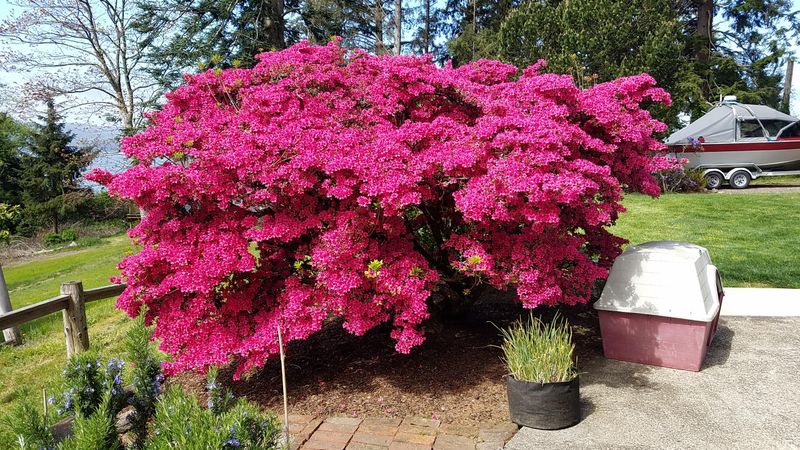
Few things in a California garden are as breathtaking as a fully bloomed azalea in spring. Those ruffled, colorful flowers seem almost too beautiful to be real.
But here’s the thing: if you prune azaleas before they bloom, you’re cutting off all that color before it even gets a chance to show up.
Azaleas set their flower buds in the summer and fall of the previous year. That means the buds you see right now have been growing since last season.
Snipping branches in late winter or early spring removes those buds completely, leaving you with a green shrub and zero flowers.
The best time to prune azaleas in California is right after they finish blooming, usually in late spring. That gives the plant plenty of time to grow new branches and set fresh buds for next year.
A light trim is usually all they need. Focus on removing dead or crossing branches, and keep the shape natural.
Azaleas don’t respond well to heavy cutting, so less is always more with these beauties.
2. Rhododendrons
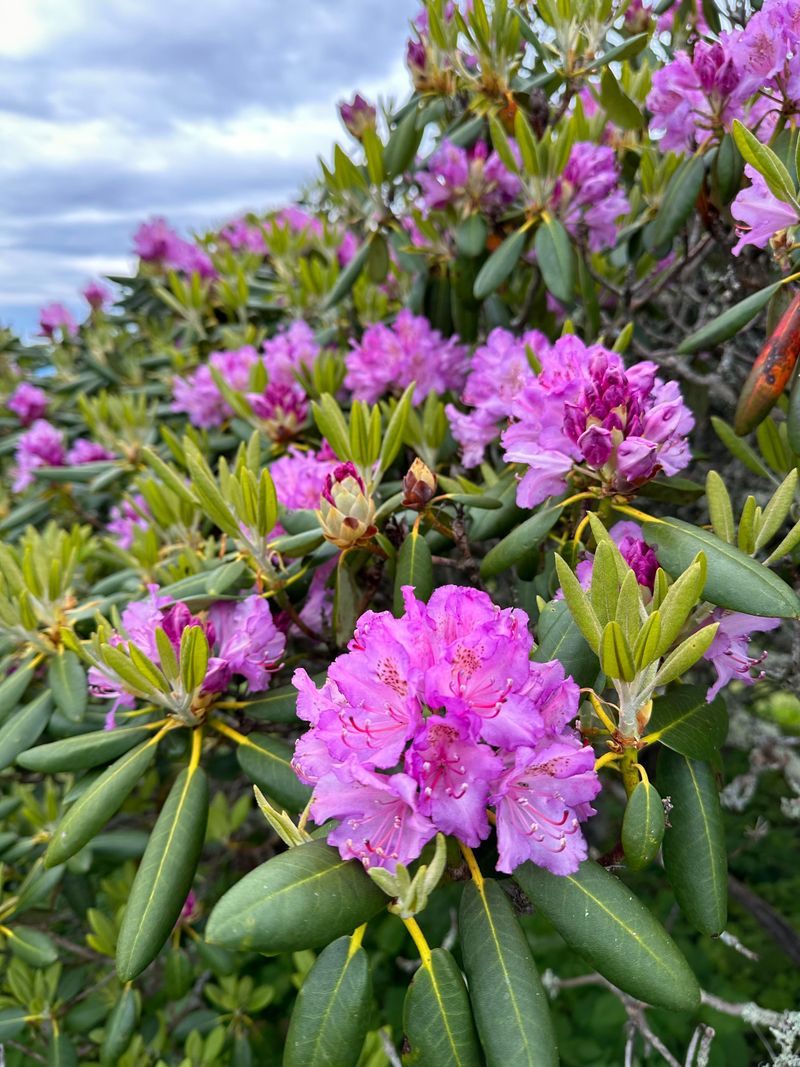
Rhododendrons are the showstoppers of the spring garden, and they deserve a little patience from their owners. These large, leafy shrubs produce spectacular clusters of flowers that can range from white and pink to deep purple and red.
The catch is that they bloom on old wood, meaning the buds were formed last year.
Pruning a rhododendron too early in California, especially before it blooms, strips away all those carefully formed buds. You’ll end up waiting another full year to see flowers again.
That’s a long time to wait when all it takes is a little restraint right now.
Wait until the blooms have fully faded before reaching for your pruners. Once flowering is done, usually by late spring or early summer, you can trim back any overgrown or wayward branches.
Always cut just below a spent flower cluster and above a set of leaves. This encourages bushy new growth without sacrificing next year’s blooms.
Your California Garden Changes Every Week. Your Plan Should Too.
Gardening in California changes quickly throughout the season. Every Friday you’ll receive a simple weekly plan showing exactly what to plant, prune, fertilize, harvest, and protect so you never miss the right timing.
Rhododendrons in California’s cooler coastal and mountain regions tend to thrive with minimal pruning, so keep cuts light and purposeful rather than aggressive.
3. Camellias
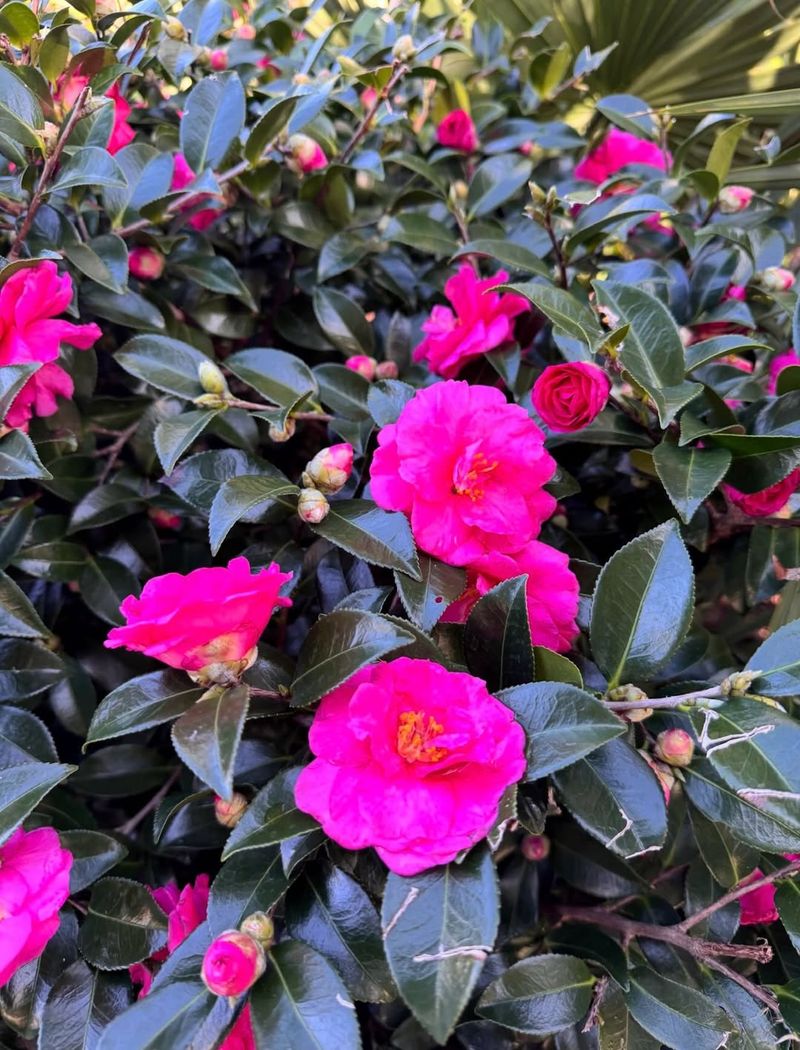
Walk past a camellia in full bloom and it’s almost impossible not to stop and stare. These elegant shrubs produce rose-like flowers in shades of red, pink, and white, often blooming during the cooler months when most other plants are resting.
That’s what makes them so special in California gardens.
Camellias bloom on wood that grew during the previous season. If you prune them now, before they’ve finished flowering, you’re removing the very branches carrying those gorgeous buds.
It’s a common mistake, especially for newer gardeners eager to tidy things up after winter.
The right move is to wait until the blooms have dropped naturally. For most camellia varieties in California, that happens between late winter and early spring.
Once flowering is completely done, a light shaping trim is all that’s needed. Remove any dead, weak, or crossing branches to improve airflow through the plant.
Avoid cutting back healthy green growth unless it’s truly out of place. Camellias are slow growers, so heavy pruning sets them back significantly.
Treat them gently, and they’ll reward you with a stunning floral show every single year without fail.
4. Forsythia
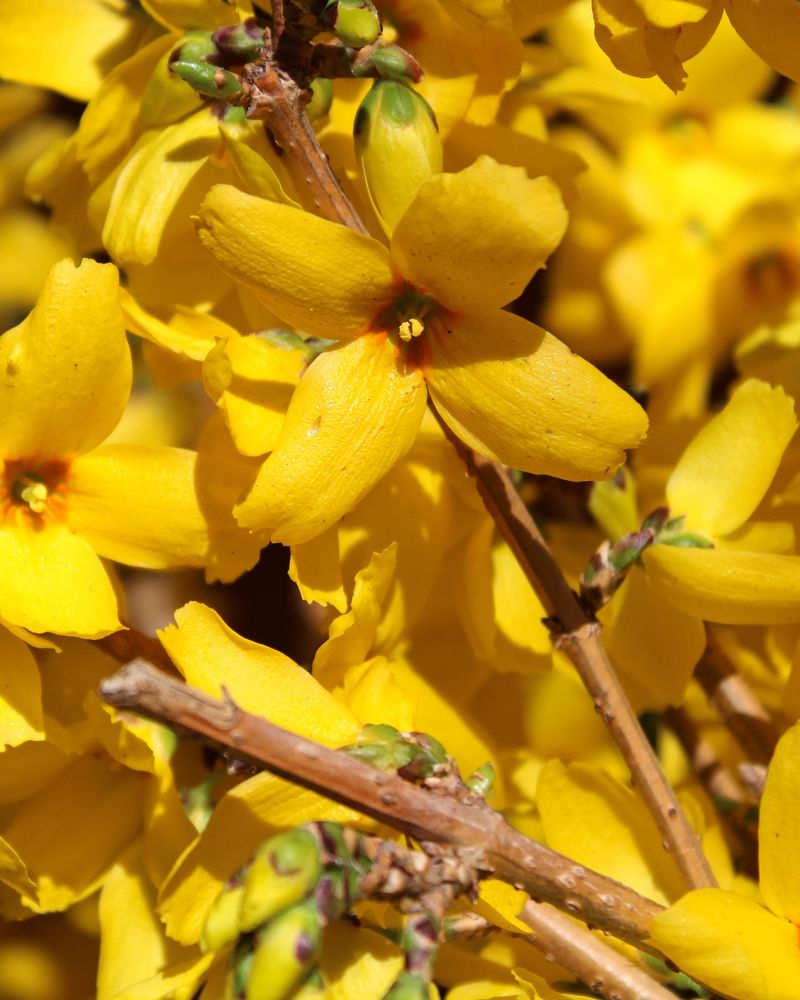
There’s something genuinely cheerful about forsythia. Those bright yellow flowers burst open in late winter or very early spring, often before the leaves even appear.
It’s like the plant is waving a yellow flag to announce that warmer days are finally on their way.
Forsythia blooms on old wood, just like many other spring-flowering shrubs. Pruning it in late winter or early spring, right when the buds are about to open, means you’ll lose the entire floral display for that year.
Many California gardeners make this mistake when doing their early-season garden cleanup.
Hold off on pruning until the flowers have completely faded. That usually happens by mid-spring in most parts of California.
After blooming, you can trim the shrub back by about one-third to keep it manageable and encourage fresh, vigorous new growth. Older, woodier stems can be cut down closer to the base to rejuvenate the plant over time.
Forsythia grows quickly, so don’t worry about being too cautious with post-bloom cuts. Just never prune it in fall or winter, because that’s when next year’s flower buds are quietly forming along every branch.
5. Lilacs
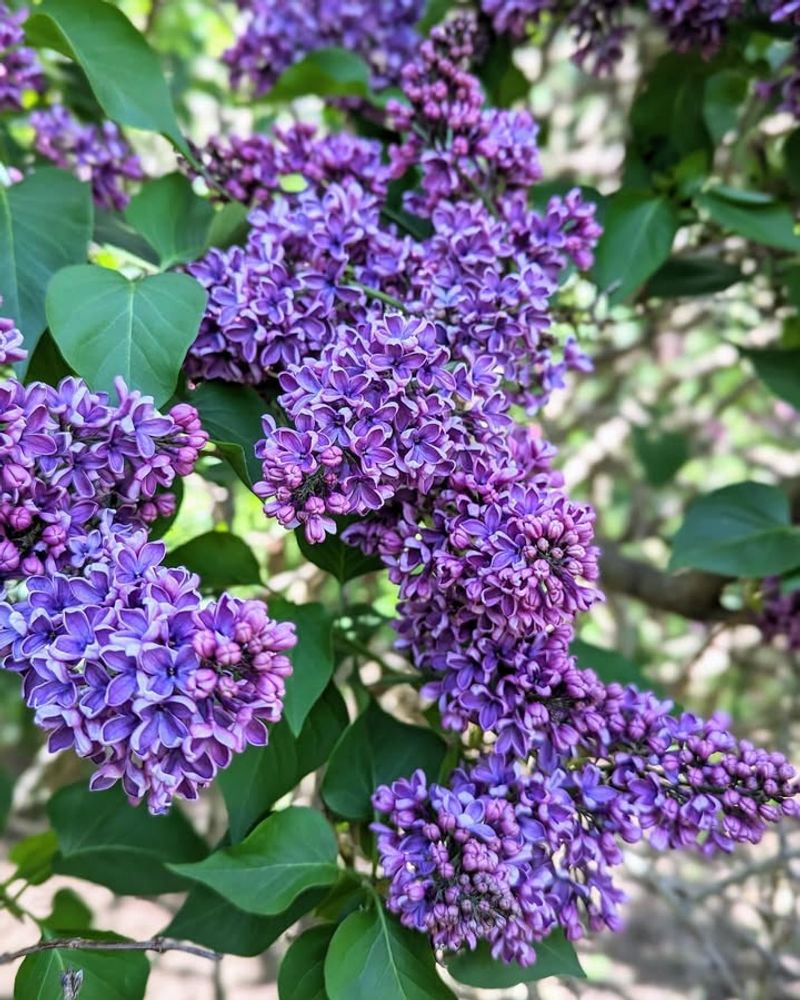
The scent of lilacs in bloom is one of those things that people genuinely remember for years. It’s sweet, floral, and a little nostalgic all at once.
Growing lilacs in California takes some patience, especially in warmer inland areas where chill hours can be limited, but when they bloom, it’s absolutely worth it.
Lilacs bloom on old wood. The flower buds are set in late summer and fall, which means any pruning done in winter or early spring removes next season’s blooms before they ever open.
This is one of the most common reasons California gardeners end up with a leafy lilac shrub and no flowers.
The window for pruning is short but important. Wait until the flowers have completely faded, then prune within a few weeks.
Cutting back too late in the growing season risks removing the new buds already forming for next year. Remove spent flower heads, trim any suckers growing from the base, and cut back a few of the oldest stems to encourage fresh growth.
Lilacs in cooler California regions like the Sierra Nevada foothills tend to perform best with consistent post-bloom pruning rather than neglect or heavy off-season cutting.
6. Magnolias
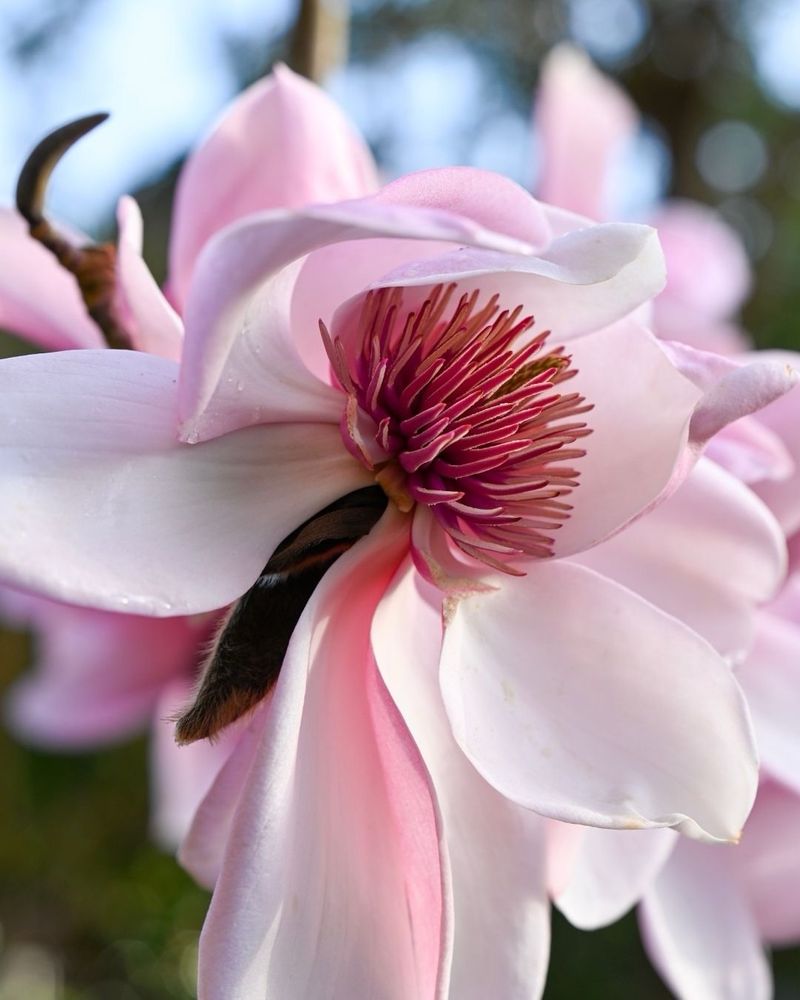
Magnolias have a kind of ancient, dramatic beauty that few other trees can match. Some species bloom before a single leaf appears, covering the bare branches in massive, cup-shaped flowers.
It’s one of the most striking sights in any California garden during late winter or early spring.
Most magnolias bloom on old wood or on growth from the previous season. Pruning in late winter, right before bloom time, cuts away those buds and ruins the floral display you’ve been waiting all year to enjoy.
Even a small trim at the wrong time can reduce flowering noticeably.
For deciduous magnolias, the best time to prune is right after flowering ends in spring. For evergreen varieties, late spring or early summer works well.
Always use clean, sharp tools because magnolias are prone to disease entering through rough cuts. Limit pruning to removing dead, damaged, or crossing branches.
Magnolias don’t need heavy shaping and actually do best when left to grow in their natural form. In California’s warmer regions, keeping pruning minimal also helps the tree conserve moisture during dry summer months, which is always a smart move.
7. Hydrangeas (Bigleaf And Oakleaf)
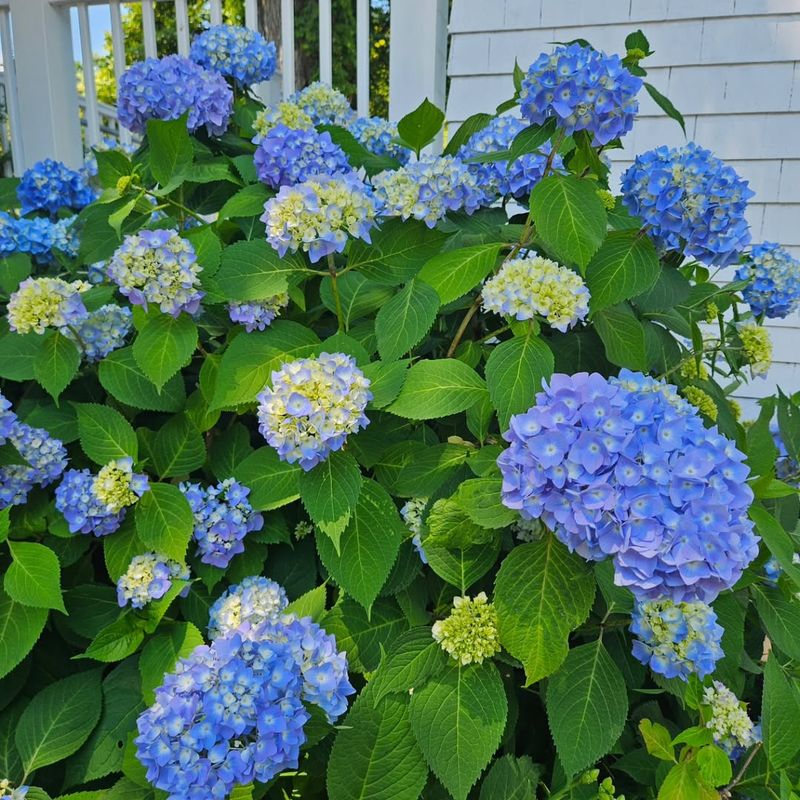
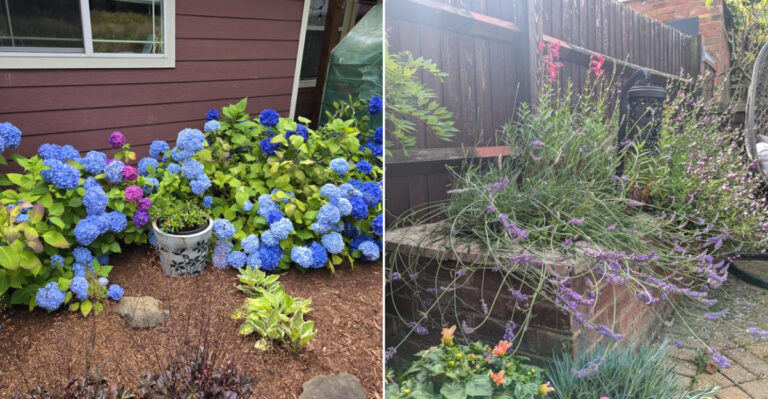
Not all hydrangeas follow the same pruning rules, and getting them mixed up is one of the easiest ways to end up with a shrub full of leaves and zero flowers. Bigleaf hydrangeas, the classic mophead and lacecap types, and oakleaf hydrangeas both bloom on old wood.
That’s the key thing to remember.
Pruning these varieties in fall, winter, or early spring removes the buds that are already set and waiting to bloom.
California gardeners sometimes cut them back hard during winter cleanup, not realizing they’re removing next summer’s entire flower show in one quick session.
For bigleaf and oakleaf hydrangeas, the safest approach is to avoid major pruning until after they bloom. If you must tidy things up, only remove clearly dead or broken stems.
After blooming in summer, you have a short window to do light shaping before new buds begin forming again. Oakleaf hydrangeas are especially worth protecting because they also offer stunning fall foliage and attractive peeling bark in winter.
In California’s mild climate, both types tend to hold their old wood well through winter, making it even more important to leave them alone until the right time arrives.
8. Wisteria
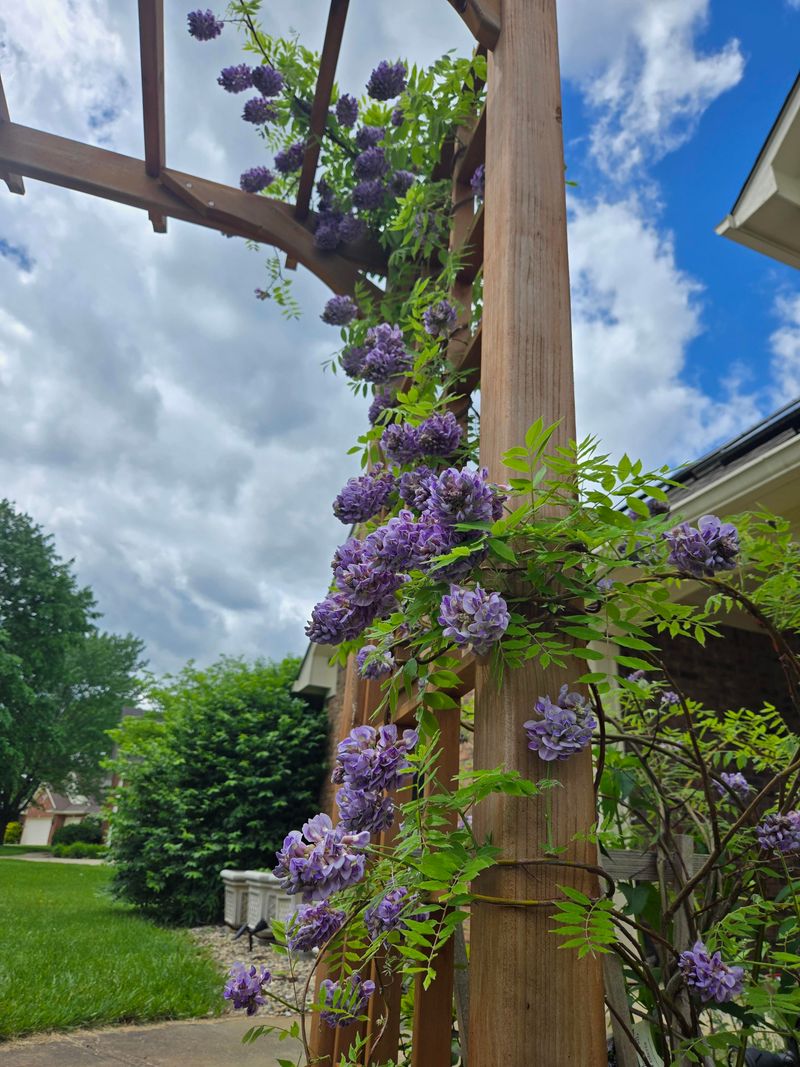
Wisteria in full bloom is one of those jaw-dropping garden moments that stops people in their tracks. Those long, cascading clusters of purple or white flowers draping over a fence or pergola look like something out of a painting.
But getting wisteria to bloom reliably takes knowing exactly when not to prune it.
Wisteria blooms on short spurs that grow from older wood. If you trim the long, whippy shoots in spring before blooming, you risk removing the flowering spurs.
Many California gardeners struggle with wisteria that grows aggressively but never blooms, and mistimed pruning is often part of the reason.
Wisteria actually benefits from two pruning sessions per year. The first happens in summer, after flowering, when you cut back the long new shoots to about five or six leaves.
The second happens in late winter, when you shorten those same shoots again to just two or three buds. But right now, in late winter to early spring, leave the flowering spurs completely untouched.
Let the blooms open fully before you touch anything. In California’s warmer inland valleys, wisteria can bloom a little earlier than in coastal areas, so keep a close eye on your specific plant’s timing.
9. Spring-Flowering Fruit Trees (Cherries, Apricots)
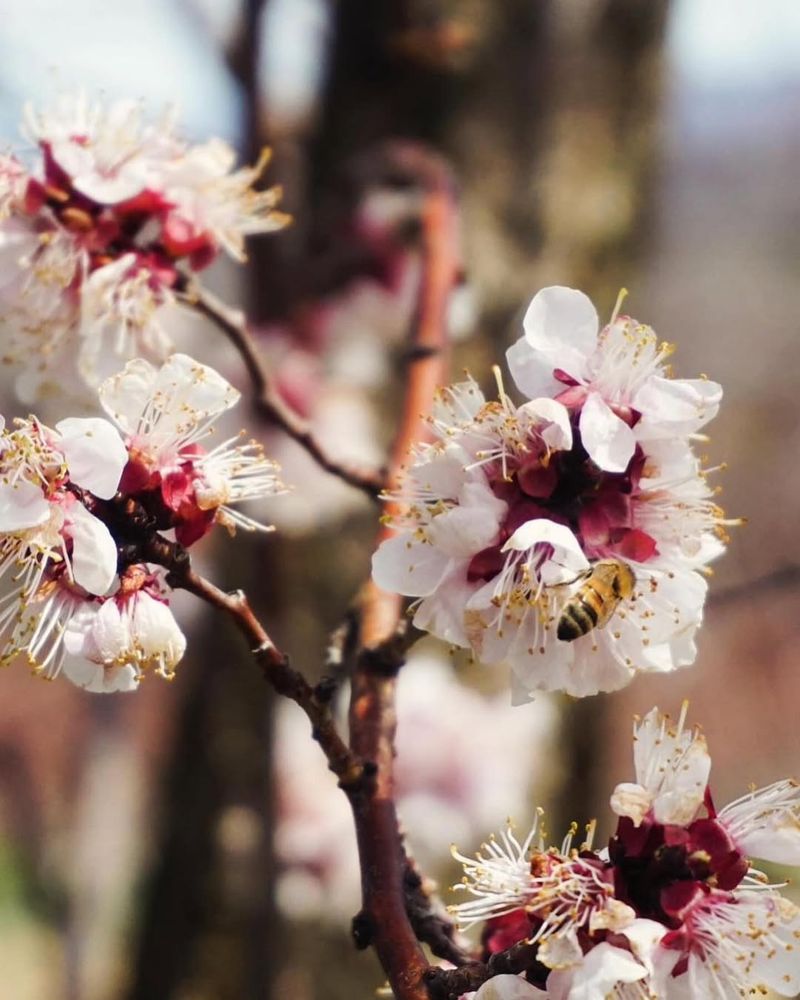
Few sights are more purely joyful than a cherry or apricot tree exploding in pink and white blossoms in early spring. In California, these trees often bloom quite early, sometimes as soon as February in warmer regions.
That early bloom is exactly why timing your pruning carefully matters so much.
Both cherries and apricots bloom on one-year-old wood and on older spurs. Pruning in late winter, right before blossom time, removes those flower-bearing branches and significantly reduces your fruit crop for the season.
It also leaves fresh cuts exposed to rain, which increases the risk of fungal diseases like brown rot and canker.
The best time to prune apricots in California is actually in late spring or early summer, after the fruit has set, when dry conditions lower disease risk. Cherries can be pruned after harvest in summer.
Right now, let those blossoms open fully and enjoy every moment of the show. Once the petals fall and tiny fruits begin to form, you’ll know the bloom period is safely behind you.
Light thinning of crowded branches is fine post-bloom, but save any major structural pruning for the recommended dry-season window to keep your trees healthy and productive for years ahead.