This Is The Best Way To Plant Blueberries In Washington This March (Plus Top Varieties)
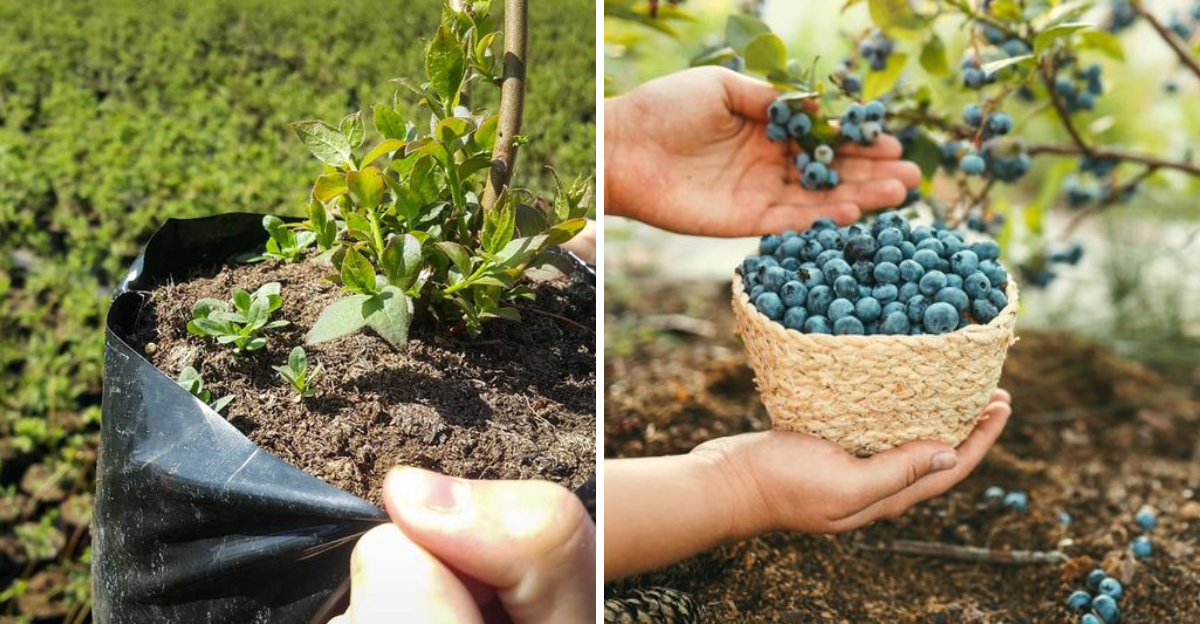
Blueberries thrive in Washington like nowhere else!
Thanks to the cool rainy climate and naturally acidic soil, these bushes grow quickly and reward you with juicy berries. March is the perfect time to plant, giving them a head start before the growing season kicks in.
And the best part? You don’t need much space to grow blueberries.
A few plants in containers, raised beds, or a small garden can produce bowl after bowl of berries all summer.
Plant now and set yourself up for a sweet and fruitful season.
March Is When Washington Gardens Come To Life
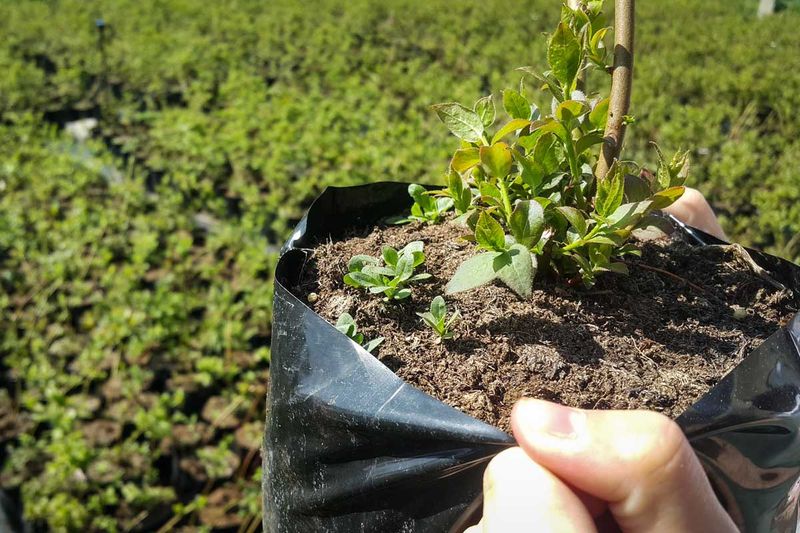
March hits different for Washington gardeners. The ground has thawed just enough, the rains are still coming, and your blueberry plants get to settle in without the stress of summer heat beating down on them.
Planting in March gives roots time to establish before the warmer months arrive. Blueberries planted too late struggle through their first summer, but March plantings have a head start that makes a real difference in long-term growth.
Washington’s cool spring temperatures are actually ideal for young blueberry plants. They prefer a slow, steady warm-up rather than a sudden jump into heat, which is exactly what the Pacific Northwest delivers.
Another bonus of March planting is moisture. Washington’s natural rainfall does a lot of the watering work for you during the first critical weeks.
Less work for you, happier plants overall.
Nurseries in Washington also stock their freshest bare-root and potted blueberry plants in late winter and early spring. Shopping in March means you get the best selection of healthy, young plants before the popular varieties sell out for the season.
Choose The Right Blueberry Variety For Washington’s Climate
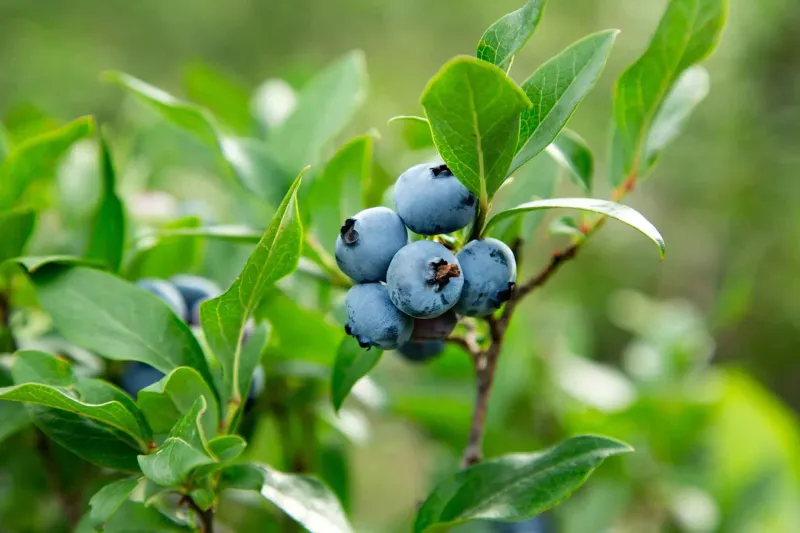
Not all blueberries are created equal, and picking the right variety can make or break your harvest. Washington’s climate favors certain types that thrive in its cool, moist conditions and acidic soil.
Highbush blueberries are the most popular choice for Washington gardeners. Varieties like Bluecrop, Duke, and Chandler perform exceptionally well across western Washington and produce large, sweet berries that are hard to resist straight off the bush.
If you live in eastern Washington, where summers are hotter and drier, half-high varieties like Northblue or Polaris handle the temperature swings much better. They stay compact, making them great for smaller spaces too.
Planting at least two different varieties is always a smart move. Cross-pollination between compatible plants boosts berry production significantly, often doubling your yield compared to growing just one variety alone.
Evergreen and Legacy are two other top performers worth considering. Both are well-adapted to Washington’s western lowlands, produce generous crops, and hold up well in wet spring conditions without developing disease issues.
Choosing wisely from the start saves you a lot of frustration later.
Soil Prep That Makes Your Blueberries Go Crazy
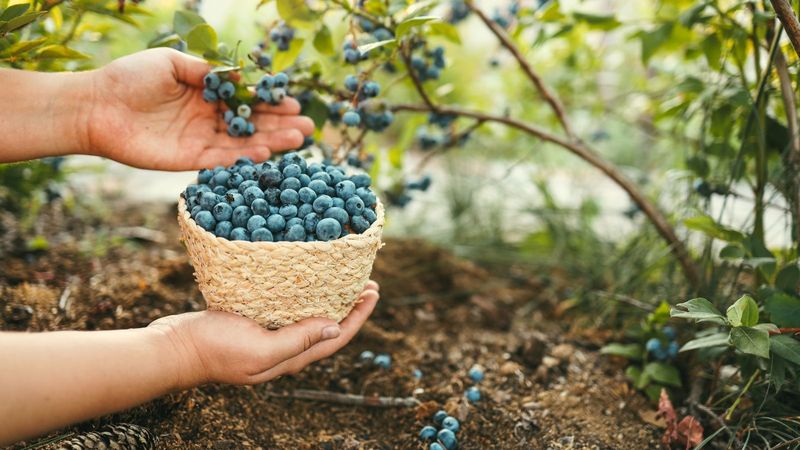
They tell you right away when the soil isn’t right. Get it sorted before planting, and everything else becomes much easier.
Your Washington Garden Changes Every Week. Your Plan Should Too.
Gardening in Washington changes quickly throughout the season. Every Friday you’ll receive a simple weekly plan showing exactly what to plant, prune, fertilize, harvest, and protect so you never miss the right timing.
These bushes need acidic soil with a pH between 4.5 and 5.5. Western Washington’s soil tends to lean acidic, but testing is still smart.
Cheap soil test kits are available at most garden centers.
If your soil is too alkaline, mix in elemental sulfur a few weeks before planting. It takes time to work, so starting in late February or early March gives it a head start.
Adding peat moss or well-aged compost improves drainage and boosts organic matter. Blueberries hate waterlogged soil, so loose, well-draining ground is key for healthy roots.
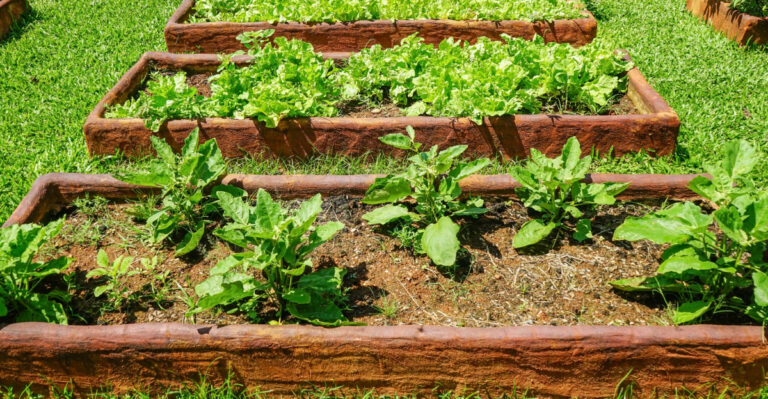
Raised beds are perfect for gardeners with heavy clay. Fill them with a custom acidic mix and you control pH and drainage from day one.
Space And Plant At The Right Depth
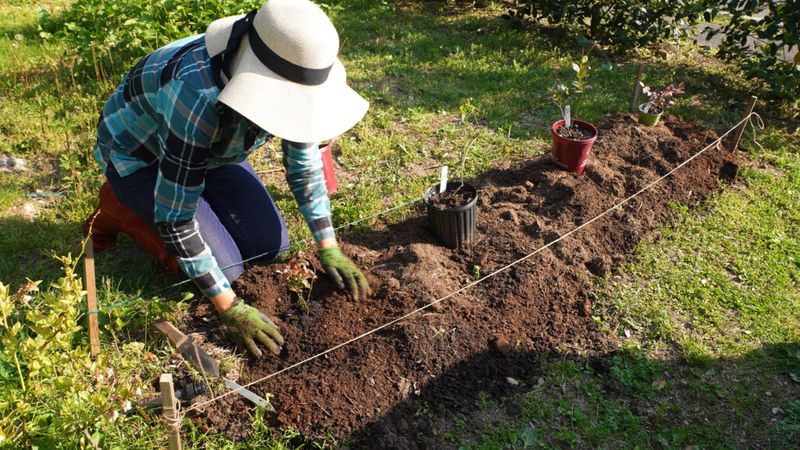
Planting blueberries seems simple, but a few small mistakes during this step can set your plants back by an entire growing season. Getting the spacing and depth right from the start is worth slowing down for.
Most highbush blueberry varieties need about four to six feet of space between plants. Crowding them cuts off airflow, which encourages fungal problems that Washington’s wet spring weather already makes more likely.
When planting, set the root ball so the crown of the plant sits about one inch above the soil surface. Planting too deep is one of the most common mistakes new growers make, and it can seriously slow down root establishment.
After placing the plant, gently backfill with your amended soil mixture and firm it down lightly around the roots. Avoid packing the soil too tightly, since blueberry roots need oxygen to grow well and spread out properly.
Water the plant thoroughly right after planting to settle the soil and remove any air pockets around the roots. A good deep soak at planting time helps your blueberry bush transition into its new home with as little stress as possible.
Mulch Like A Pro To Lock In Moisture And Warmth
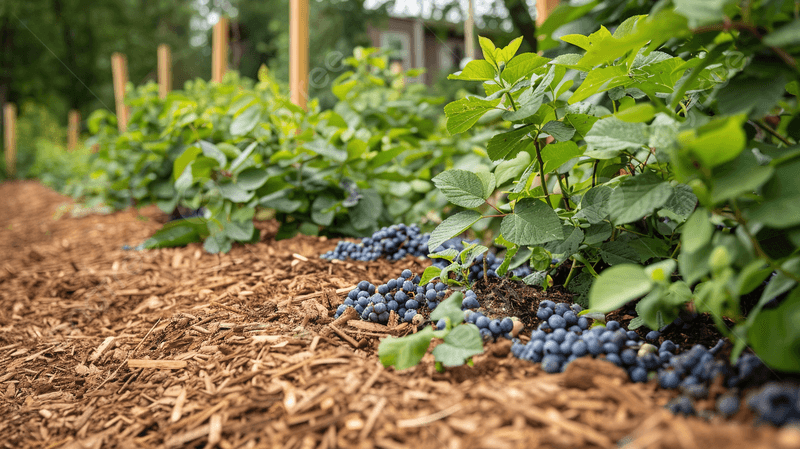
Mulch is one of the most underrated tools in a blueberry grower’s toolkit. A good layer of the right mulch does more for your plants than almost any other single step you can take after planting.
Sawdust, wood chips, and pine bark are the best mulch options for blueberries in Washington. These materials break down slowly, help maintain soil acidity, and keep moisture locked in during the drier stretches of the growing season.
Apply mulch in a layer about three to four inches deep around the base of each plant. Keep the mulch a few inches away from the main stem to prevent moisture from sitting directly against the bark, which can cause rot over time.
Mulching also suppresses weeds, which is a huge benefit since blueberries have shallow roots that do not compete well with aggressive weeds. Fewer weeds mean less stress on your plants and less work for you throughout the season.
Refresh your mulch layer each spring to keep it at the right depth. As it breaks down over the year, it feeds the soil and improves its texture, making each growing season better than the one before it.
Water Smart In Washington’s Unpredictable Spring
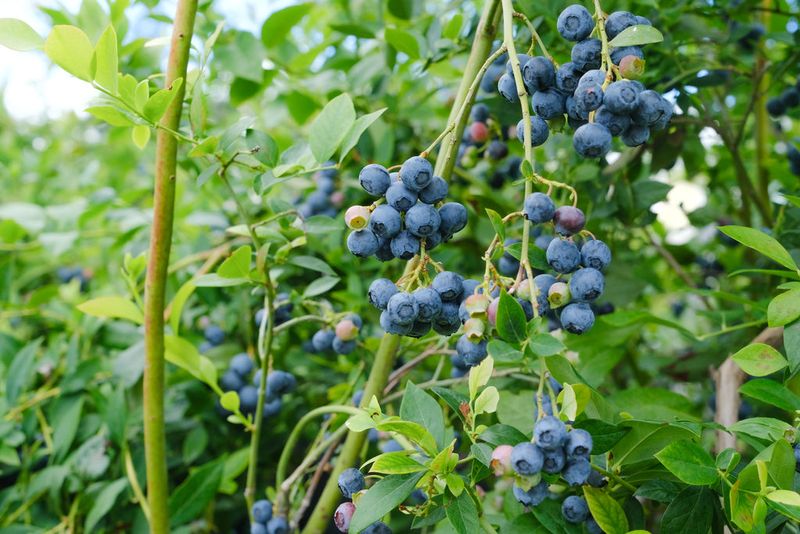
Washington’s spring weather can fool you. One week brings steady rain, and the next is surprisingly dry, leaving new blueberry plants struggling without enough moisture at a critical growth stage.
Newly planted blueberries need consistent moisture, especially during their first few weeks in the ground. The goal is to keep the soil evenly moist but never waterlogged, which is a balance that requires a little attention early on.
Drip irrigation is the most efficient watering method for blueberries in Washington. It delivers water directly to the root zone, reduces the chance of foliar diseases caused by wet leaves, and saves a lot of water compared to overhead sprinklers.
Check soil moisture by sticking your finger two inches into the ground near the plant. If it feels dry at that depth, it is time to water.
If it still feels damp, give it another day before checking again.
During dry spells in late March or early April, plan on watering one to two inches per week. Container-grown blueberries dry out faster than those in the ground, so they need checking more frequently, sometimes every other day during warmer stretches.
Fertilize Young Blueberry Plants Without Overdoing It
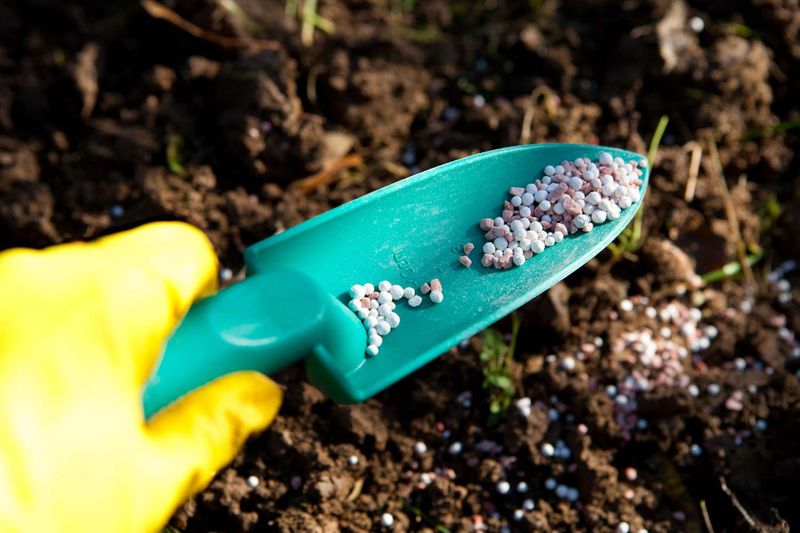
Fertilizer is like seasoning for your garden. Just the right amount makes everything thrive.
Too much, and you can ruin your plants. Blueberries are especially sensitive, especially when they are new.
Hold off on feeding your bushes for the first four to six weeks. New plants need time to settle their roots before handling extra nutrients.
Too soon, and fertilizer burn can set them back.
When it’s time to start, pick an acidic fertilizer made for blueberries, azaleas, or rhododendrons. These are designed for low-pH soils and won’t throw off your garden’s balance.
Apply a small amount around the drip line, not right against the stem. Scratch it lightly into the top inch of soil and water well.
This helps the nutrients reach the roots where they are needed most.
In Washington, a second light feeding in late spring or early summer gives plants a boost for their first real growth spurt. Stop by July to avoid soft late-season growth that may not harden off.
Protect New Plants From Washington’s Late Frost Surprises
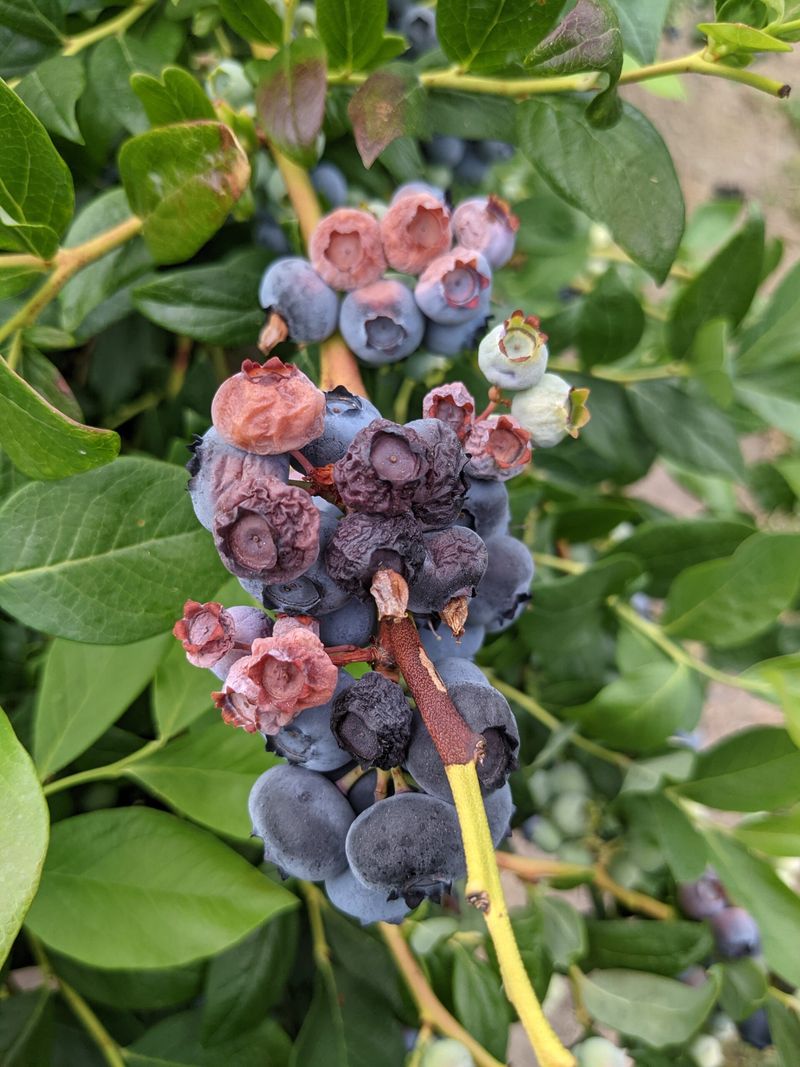
March in Washington can feel like spring one day and full-on winter the next. Late frosts are a real threat to newly planted blueberry bushes, and a little preparation goes a long way toward keeping them safe.
Blueberry flower buds are especially vulnerable once they start to swell in early spring. A hard frost hitting at the wrong moment can wipe out an entire season’s worth of blossoms before they even get a chance to open.
Keep a supply of lightweight row cover fabric on hand throughout March and into April. When frost is in the forecast, drape it over your plants in the evening and remove it in the morning once temperatures rise above freezing again.
Planting in a slightly elevated spot or on a gentle slope helps cold air drain away from your plants naturally. Cold air settles in low spots, so avoiding frost pockets in your yard is a simple but effective strategy that costs nothing.
Potted blueberry plants can simply be moved into a garage or shed overnight when frost threatens. This flexibility is one of the underappreciated advantages of growing at least a couple of your blueberry plants in containers.
Top Blueberry Growth Tips Straight From Washington Growers
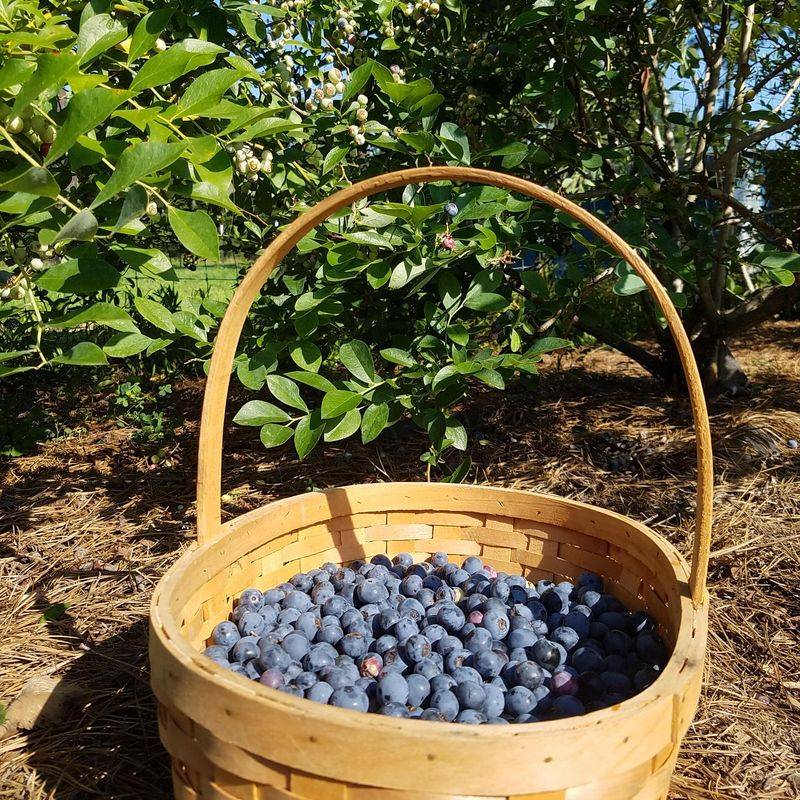
Washington has a long tradition of growing blueberries and local gardeners know a few tricks that really work. Learning from their experience can save you a lot of mistakes.
Many growers swear by adding a small handful of coffee grounds around their plants. They add a little acidity and organic matter.
Use them as a supplement, not a replacement for good soil.
Pruning in the first year might feel strange but it helps. Remove any flower buds so the plant can focus on roots instead of fruit.
Strong roots mean bigger harvests in the years ahead.
Birds love blueberries and Washington has plenty. Put up netting before the berries ripen to protect your crop.
Joining a local gardening club or extension program is a smart move. Experienced growers know the quirks of your area.
Their tips are priceless when you are just getting started.