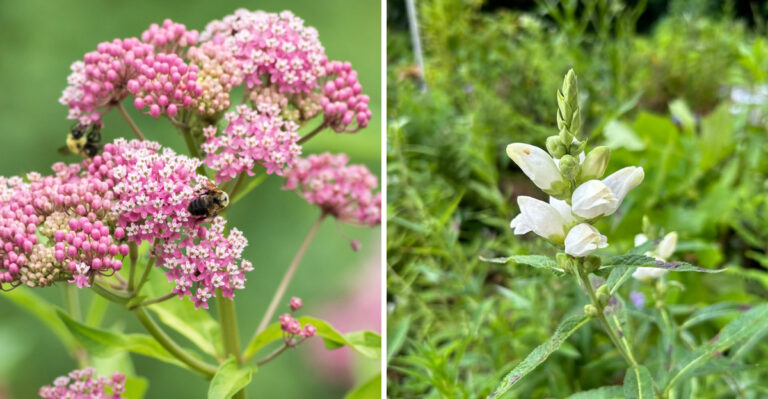
4 Heat-Tolerant Annuals Pennsylvania Gardeners Should Start In March (And 4 To Wait On)

March in Pennsylvania is a masterclass in mixed signals. One afternoon begs for patio furniture, only for a biting frost to snap the yard back into winter by dusk.
That meteorological mood swing makes indoor seed-starting feel like the ultimate act of optimism: a vibrant tray of green sprouts on your windowsill while the garden outside remains stubbornly asleep. A head start certainly pays off, but success hinges on timing.
While some heat-loving annuals crave an indoor boost to hit the ground running, others grow with such vigor – or resent transplanting so deeply – that direct sowing into warming Pennsylvania soil produces much sturdier results.
The strategy is simple: avoid the trap of babying lanky seedlings indoors, only to force them into cold, damp earth that stalls their growth.
A little restraint this month guarantees a much smoother, more brilliant bloom when the true spring finally arrives.
1. Marigold Brings Bright Blooms And Handles Summer Heat

On a gray March Saturday in Pennsylvania, few seeds feel more satisfying than marigolds. Starting marigolds indoors about six to eight weeks before the average last frost gives transplants a real head start for early summer color.
Last frost timing varies a lot across the state. Some southeastern areas warm up earlier, while northern and higher-elevation spots can stay frosty well into May.
Aim your indoor start for mid-to-late March in many parts of Pennsylvania, then adjust earlier or later based on your county and elevation.
Marigolds belong to the genus Tagetes and come from warmer regions of the Americas. Once established in Pennsylvania beds, they usually handle summer heat and humidity well and keep blooming through muggy stretches.
French marigolds tend to stay compact for borders and containers, while taller African types can make a stronger statement along fences or at the back of beds.
Plant seeds about a quarter inch deep in moist seed-starting mix and give them strong light. Warm soil helps germination, and steady moisture matters more than soaking.
Marigolds may help with certain soil issues when used thoughtfully, but it’s best to treat them as a great flower first, not a one-plant pest solution.
2. Globe Amaranth Adds Round Flowers And Holds Color In Heat

Globe amaranth is a smart pick for Pennsylvania gardeners who want color that holds up when summer gets hot. The clover-like blooms keep their look through heat and humidity, and the plant tends to stay tidy in sunny beds.
Starting seeds indoors about six to eight weeks before the last frost gives seedlings enough time to size up before transplanting. Germination can run slower than many common annuals, so patience helps.
Some gardeners soak seeds before sowing, and when soaking is used, it’s often done overnight rather than for just a couple hours.
Use a well-draining seed-starting mix, keep it evenly moist, and provide warmth plus bright light. Once plants move outside after frost risk passes, globe amaranth usually does best in full sun and soil that drains well.
Your Pennsylvania Garden Changes Every Week. Your Plan Should Too.
Gardening in Pennsylvania changes quickly throughout the season. Every Friday you’ll receive a simple weekly plan showing exactly what to plant, prune, fertilize, harvest, and protect so you never miss the right timing.
Constantly soggy beds can hold it back.
Bloom colors commonly range through pink, purple, magenta, white, and warmer tones depending on the variety. The flowers also dry well, so it’s easy to steal a few stems for simple arrangements without feeling like you’re ruining the bed.
3. Moss Rose Spreads Low Color And Likes Hot Sun
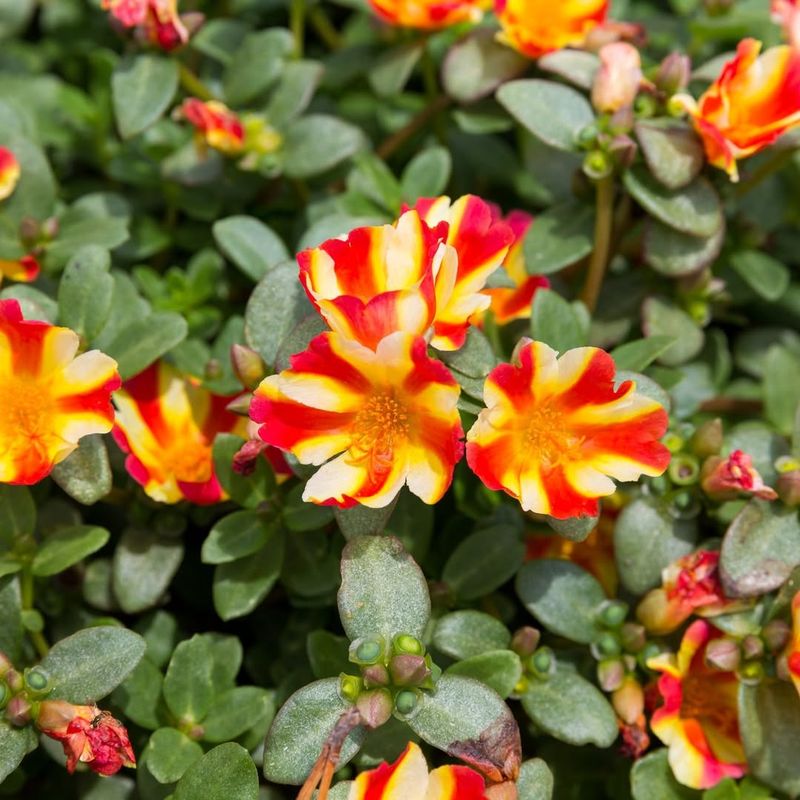
Moss rose earns its reputation in Pennsylvania once summer turns bright and dry. Thick, succulent-like leaves store water, and the plant spreads low in sunny places where other annuals can struggle.
Starting moss rose indoors in March can work, but it doesn’t require an extra-long indoor runway. A moderate indoor start can be enough, and direct sowing also works once soil and weather have warmed.
The bigger issue is temperature outside, since moss rose is frost tender and hates cold, wet conditions.
Hold off on planting outdoors until frost risk has passed and the bed has warmed up. Nights can still dip in Pennsylvania during late spring, so timing based on your local forecast helps more than chasing one exact number.
For sowing indoors, press the tiny seeds onto the surface of moist mix and avoid burying them deeply. Light supports germination, and steady warmth helps.
Keep moisture on the light side, since soggy conditions cause more trouble than slightly dry mix. Once established outdoors, moss rose often needs less attention than most annuals, especially in well-drained soil and full sun.
Flowers typically open in bright sun and close during cloudy weather or at night.
4. Celosia Adds Bold Flowers And Keeps Going In Humid Heat

When Pennsylvania turns sticky in July, celosia often keeps its confidence. It handles warmth well once established and adds bold texture that looks great in beds, borders, and containers.
Starting celosia indoors in late March, around six weeks before your local last frost, can produce sturdy transplants for late spring. Celosia dislikes cold, so planting out too early can slow it down.
Wait until frost risk has passed and outdoor conditions have warmed, especially nighttime temperatures.
Celosia comes in plume types, cockscomb types, and wheat celosia with upright spikes. All can do well in full sun with decent drainage, and many varieties also perform nicely as cut flowers.
Color ranges from deep red and burgundy to gold, orange, pink, and softer creams.
Sow seeds on the surface of moist mix and press them in lightly rather than burying them. Bright light and warm conditions support faster, more even sprouting.
Seedlings can grow quickly, so potting up once before transplanting can help them avoid becoming cramped. Outdoors, give plants space for airflow, especially during humid Pennsylvania stretches.
5. However, Sunflower Grows Best From Direct Sowing In Warm Soil

Sunflowers make it tempting to rush spring, but they often perform best when seeded right into the garden. The main reason is the taproot, which can resent disturbance once it gets going.
A plant that starts in place usually builds a straighter stem and a more settled root system. That stability can matter in Pennsylvania when spring winds show up right as seedlings are trying to stand up.
Direct sow after frost risk passes and the soil has warmed. In Pennsylvania, that timing can land anywhere from late April to late May depending on county and elevation.
A simple trick is checking how the soil feels in your hand: cold and sticky usually means wait a bit longer. Warmer soil tends to bring faster, more even sprouting, which helps seedlings size up before summer heat hits.
Sow seeds about an inch deep in full sun. Taller types shine as a backdrop along fences, while branching or shorter varieties tuck into mixed beds and large containers.
Birds and squirrels sometimes notice fresh planting areas, so a light cover like garden fabric for a few days can help. Starting sunflowers in larger pots can work in some cases, but planting them out early and carefully tends to matter more than an indoor head start.
A steady watering routine during the first couple weeks can help them root deeply.
6. Zinnia Brings Big Color And Likes Warm Soil
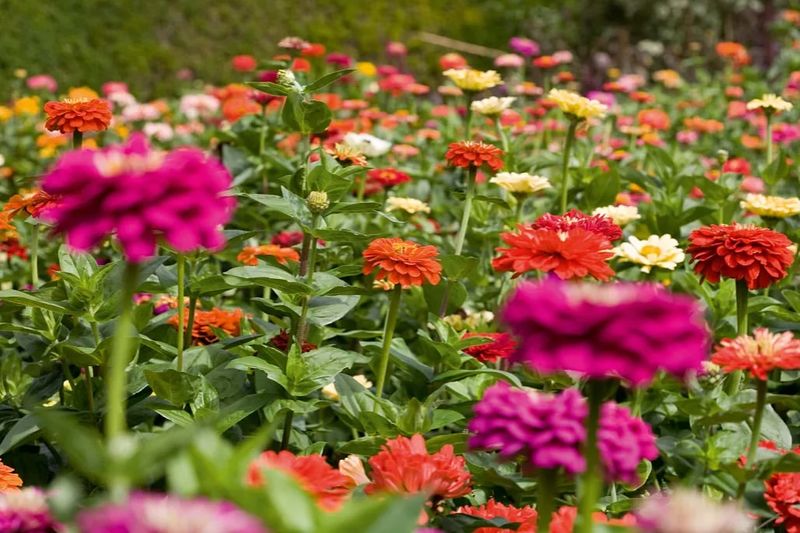
Zinnias are a Pennsylvania summer staple because they bloom hard and keep going in heat. They also sprout quickly once the soil warms, which makes direct sowing a popular, low-fuss option.
Warm nights help them settle in and start growing with confidence. That early momentum can lead to sturdier plants that branch well and flower longer.
Indoor starts can be done, but March is often too early for Pennsylvania because seedlings can outgrow their pots before conditions outside cooperate. Crowded seedlings stretch toward light and can feel flimsy when they finally move outdoors.
A later start often matches the weather better and reduces transplant stress. Waiting until after the last frost usually produces simpler, sturdier results, especially for gardeners who do not want to babysit trays for weeks.
Sow seeds about a quarter inch deep in a sunny spot with good drainage. Space plants to encourage airflow, since humid summers can bring powdery mildew pressure.
Many gardeners lean on series known for strong performance, then mix in taller varieties for cutting. For steady bloom, deadhead regularly and avoid overfeeding, which can push leafy growth instead of flowers.
A quick morning watering at the base can help keep foliage drier than overhead sprinkling.
7. Cosmos Adds Light Blooms And Sprouts Better In Late Spring

Cosmos looks delicate, but it’s tough once established and often prefers a straightforward start outdoors. In Pennsylvania, early indoor sowing can lead to tall, floppy seedlings that feel ready weeks before the garden truly is.
Those leggy starts can bend in wind and need extra staking, which defeats the easygoing charm of cosmos. A later sowing usually produces stockier stems that handle summer weather better.
Direct sow after the last frost, once the soil has warmed. Cosmos germinates and grows quickly under warm conditions, so a later start still leads to midsummer blooms.
Leaner soil often suits cosmos just fine, so heavy fertilizer is rarely the move. Rich soil can sometimes push lush foliage with fewer flowers, especially in beds that already run fertile.
A light raking and a simple seed scatter can be enough for a cheerful patch.
Give cosmos full sun for the best flowering. The feathery foliage and airy stems make it a great softener behind shorter annuals or mixed into a meadow-style planting.
Deadheading can keep blooms coming, though some gardeners leave a few flowers to set seed for a looser, late-season look. Taller varieties may appreciate a little support in windy sites, even if it’s just a few discreet stakes.
Cosmos can also play nicely with ornamental grasses, which help hold the planting upright.
8. Morning Glory Climbs Fast And Prefers Warmer Nights

Morning glory can turn a plain fence into a show, but it often prefers being sown outdoors once Pennsylvania has truly warmed. The roots can be sensitive to disturbance, and seedlings can become rootbound fast indoors.
When that happens, the vine may pause after transplanting instead of taking off. Direct sowing often gives it a smoother start and a cleaner climb.
Wait until after the last frost and until the soil has warmed well. Warm nights help it move faster, so late spring often beats an early start that sits still in cool weather.
A protected spot near a wall or fence can warm earlier than an open bed, which can slightly improve early growth. Pennsylvania weather still throws cold surprises, so watching the forecast around planting week is worth it.
The goal is steady warmth, not one random warm weekend.
Soaking seeds for 12–24 hours can speed germination, and some gardeners also lightly nick the seed coat. Plant seeds about a quarter inch deep, keep the soil lightly moist until sprouting, and give the vine a sturdy support from day one.
Full sun tends to produce heavier flowering. Blooms open in the morning and fade later in the day, which makes it a fun plant for coffee-on-the-porch season.
Vines can get enthusiastic by midsummer, so a quick trim now and then can keep them from smothering nearby plants.