Vegetables That Perform Better In North Carolina Mountains Than In The Piedmont
Summer mornings in the mountains feel cooler, with a crispness that makes tending the garden almost a pleasure rather than a chore. Maybe you’ve planted in the Piedmont before, only to find some crops struggling under hotter, more humid conditions.
Those mountain breezes make a noticeable difference for certain vegetables, and seasoned gardeners can feel it right under their fingertips.
Growing conditions, frost dates, and daily temperature swings all play a role in which crops flourish where you plant them.
For families who enjoy fresh produce at the table or preserving favorites for the winter, knowing where each vegetable performs best is practical and rewarding.
Learn which vegetables respond beautifully to mountain conditions and how planting in the right spot can turn a routine garden into a season of full, flavorful harvests.
1. Lettuce Growing Crisp And Full Of Morning Freshness
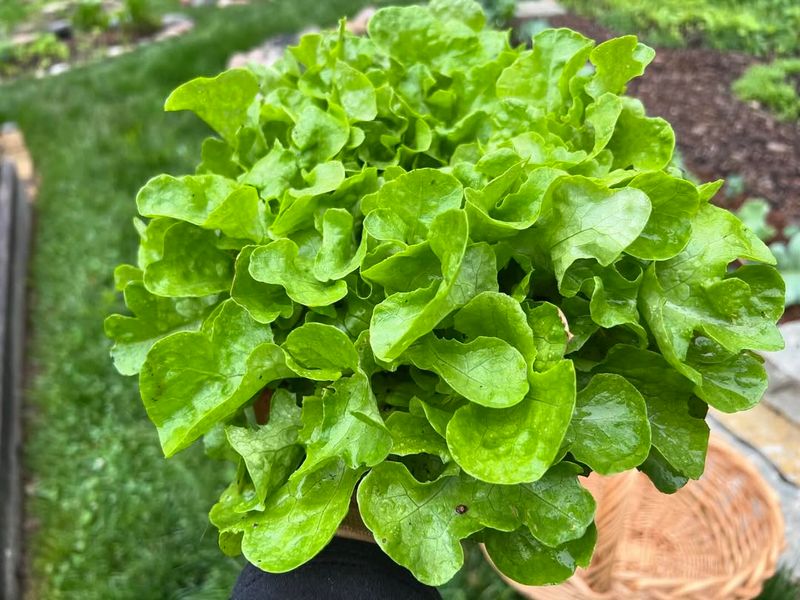
Cool weather is basically lettuce’s best friend, and the North Carolina mountains deliver exactly that. In the Piedmont, summer heat arrives quickly and stays long, causing lettuce to bolt, turning it bitter and tough before you even get a good harvest.
Up in the mountains, though, the season stretches longer on both ends, giving lettuce plenty of time to grow big, tender, and flavorful.
Lettuce can be grown in the North Carolina mountains from early spring into fall, but success depends on careful variety selection, shade management, and frost protection, and Piedmont gardeners may still grow lettuce with appropriate timing and care. The cooler nights keep the leaves crisp, while the moderate daytime temperatures encourage steady, healthy growth.
Even during summer months at higher elevations, lettuce can survive with a little afternoon shade.
Loose-leaf varieties like Black Seeded Simpson and Buttercrunch perform especially well in mountain gardens. Starting seeds indoors a few weeks before the last frost date gives you a head start.
Once temperatures begin to drop in late summer, you can plant a second round and enjoy a fresh fall harvest. The mountain soil, often rich in organic matter, also helps lettuce develop deep roots and strong, leafy growth that Piedmont gardeners would envy.
2. Spinach Popping Up With Nutritious Energy
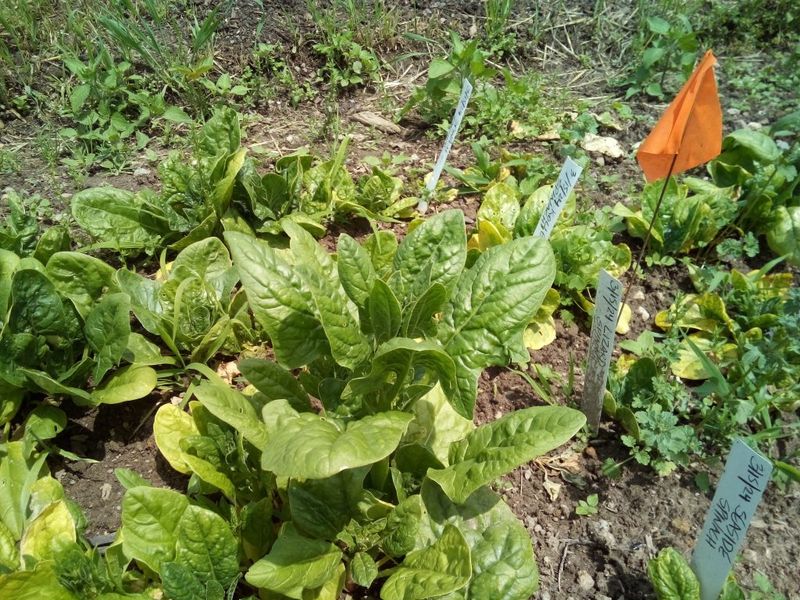
In the cooler climate of the North Carolina mountains, spinach thrives and practically begs for cold weather. At higher elevations, the long, cool springs and chilly falls create a perfect window for spinach to thrive.
In contrast, the Piedmont warms up fast, and spinach planted there often bolts before gardeners can harvest more than a handful of leaves.
Spinach can be planted in the North Carolina mountains in early to mid-March depending on frost risk, and germination is best in soil that is cool but not frozen. The crop can also be grown again in late summer for a fall harvest, giving mountain gardeners two productive seasons in one year.
That kind of double-season opportunity is much harder to pull off in the warmer Piedmont.
Varieties like Bloomsdale Long Standing and Tyee do especially well in mountain conditions. Spinach needs well-drained but consistently moist soil, which mountain regions often naturally provide.
Your North Carolina Garden Changes Every Week. Your Plan Should Too.
Gardening in North Carolina changes quickly throughout the season. Every Friday you’ll receive a simple weekly plan showing exactly what to plant, prune, fertilize, harvest, and protect so you never miss the right timing.
Adding a layer of compost before planting boosts nutrients and helps retain just enough moisture without waterlogging the roots. Harvesting outer leaves regularly encourages the plant to keep producing, so you can enjoy fresh spinach for weeks on end.
The cool mountain air also helps the leaves develop a richer, more complex flavor compared to spinach grown in warmer climates.
3. Kale Flexing Its Leafy Strength
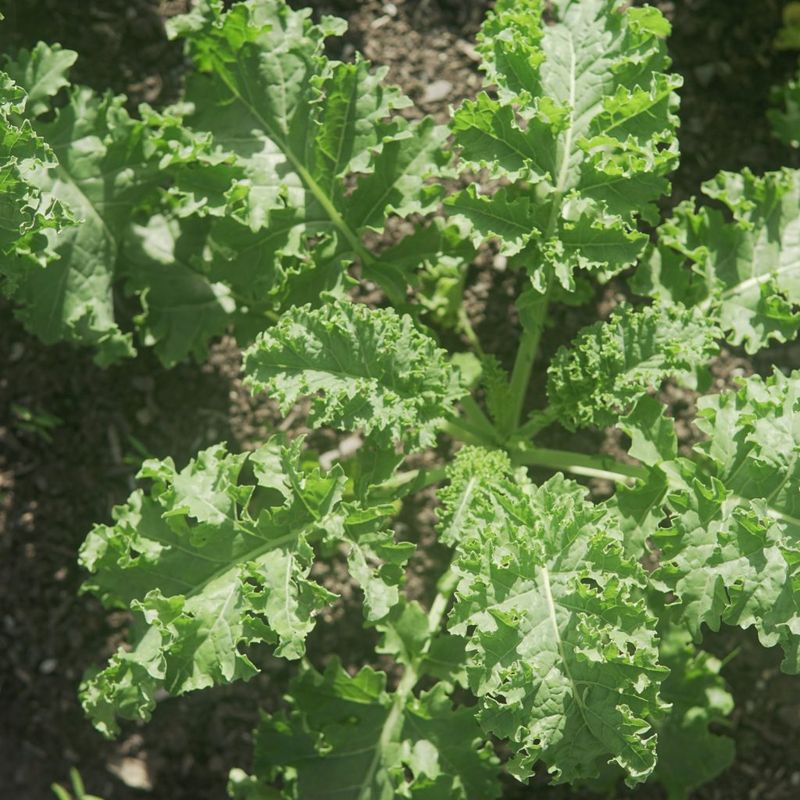
Few vegetables are as well-suited to mountain life as kale. Known for its toughness, kale actually improves in flavor after being touched by frost, developing a sweeter, nuttier taste that raw summer heat can never produce.
In the North Carolina mountains, kale can be planted in both spring and late summer, giving growers two full seasons of hearty harvests.
In the Piedmont, summer temperatures regularly climb high enough to stress kale plants, causing them to become tough and bitter. Mountain elevations in NC naturally keep temperatures lower, meaning kale stays tender and productive far longer.
Kale may continue producing later into the fall at higher elevations, but frost and early winter conditions can limit harvest, and production into December is not guaranteed.
Lacinato kale, also called dinosaur kale, is a standout performer in mountain gardens because of its deep blue-green leaves and exceptional cold tolerance. Red Russian kale is another favorite, offering a slightly more tender texture that works great in salads.
Kale grows best in soil enriched with compost and benefits from regular deep watering. Planting in raised beds helps with drainage, which is key to preventing root rot in areas with heavy mountain rainfall.
Whether you steam it, saute it, or toss it raw into a salad, mountain-grown kale from North Carolina is hard to beat.
4. Collards Dancing With Deep Green Flavor
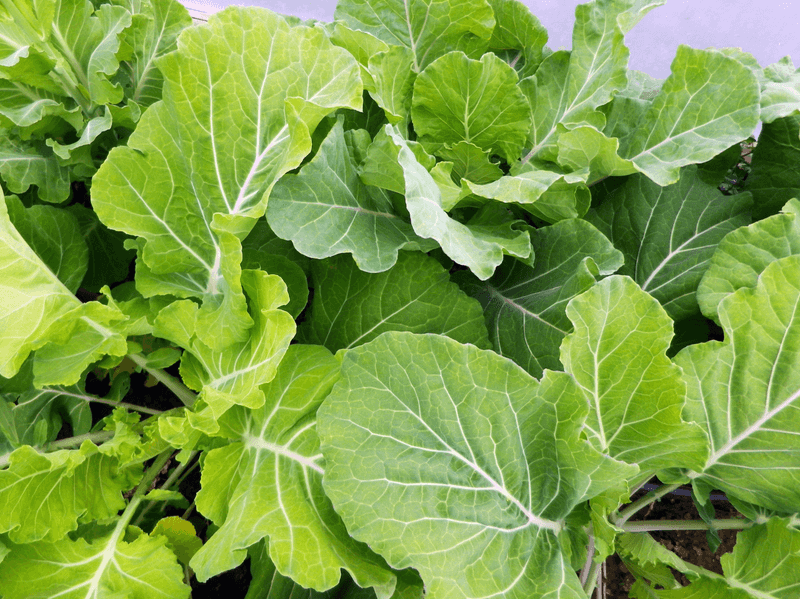
With deep roots in Southern food culture, collards grow even better in the North Carolina mountains than in the Piedmont, though many gardeners don’t realize it. While collards can handle some heat, they truly shine in cooler conditions where their leaves grow large, dark, and packed with nutrition.
A light frost, far more common in the mountains, actually sweetens the flavor of collard leaves in a way no warm-weather garden can replicate.
Mountain growers in North Carolina benefit from a longer cool season that keeps collard plants productive from early spring through late fall. In the Piedmont, intense summer heat can stress collard plants and make the leaves tough and sometimes overly bitter.
At mountain elevations, that extreme heat rarely settles in long enough to cause serious problems for a well-established collard patch.
Georgia Southern and Vates are two popular varieties that perform reliably well in mountain gardens. Collards prefer deep, fertile soil with good drainage, and they respond well to a generous application of compost at planting time.
Regular harvesting of the lower leaves encourages continued growth from the top of the plant, extending your harvest window considerably. Collards are also relatively low-maintenance once established, making them an excellent choice for beginning mountain gardeners in North Carolina who want a reliable, nutritious crop with minimal fuss.
5. Broccoli Standing Tall And Ready For Harvest
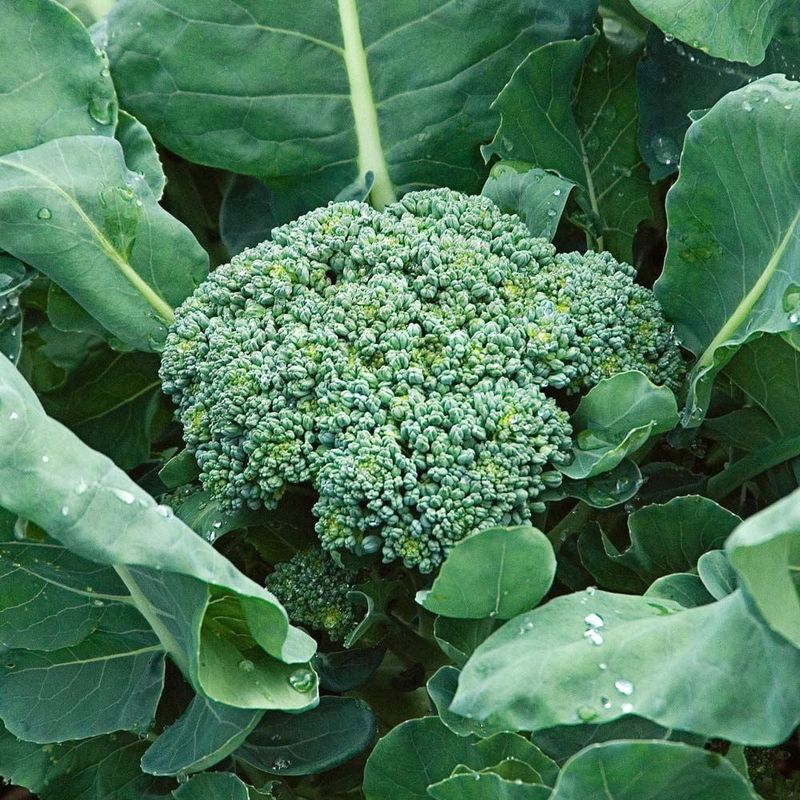
Thriving as a cool-season superstar, broccoli finds the growing conditions it craves in the North Carolina mountains. Broccoli needs steady, moderate temperatures to form tight, dense heads.
When temperatures spike, as they regularly do in the Piedmont, broccoli heads can bolt quickly, turning yellow and flowering before they are ready to harvest. Mountain gardeners rarely face that problem to the same degree.
In western NC, spring arrives more gradually at higher elevations, giving broccoli transplants time to establish strong root systems before heading season begins. The cooler nights at mountain elevations help the plant channel its energy into producing large, firm heads rather than rushing toward flowering.
Fall is also an excellent season for mountain broccoli, with plants often producing right up until the first hard freeze arrives.
Varieties like Belstar, Calabrese, and Premium Crop are well-adapted to mountain growing conditions in North Carolina. Starting transplants indoors about six weeks before the last expected frost gives you the best head start.
Broccoli is a heavy feeder, so working a balanced fertilizer or rich compost into the soil before planting is essential. Keeping the soil consistently moist but never waterlogged helps prevent stress on the plants.
Side shoots continue producing smaller florets after the main head is cut, so one planting can provide multiple rounds of fresh broccoli all season long.
6. Cabbage Rolling Out Sweet Crunch
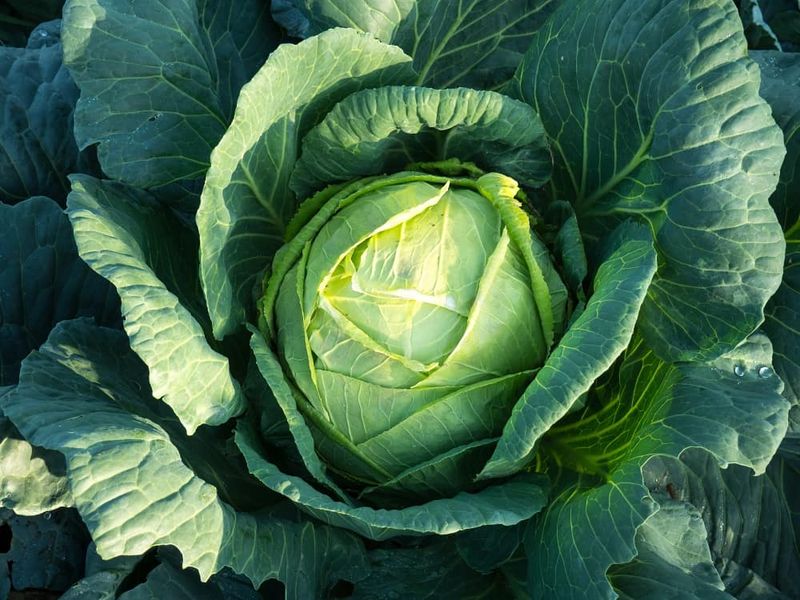
Mountain gardeners in North Carolina can grow cabbage with real confidence. The cool, moist climate of the NC mountains is practically tailor-made for cabbage, which needs a long, steady cool season to form tight, heavy heads.
In the Piedmont, the window for growing cabbage is narrower, and the heat that sets in by late spring can cause heads to crack or fail to fill out properly.
At mountain elevations, cabbage planted in early spring has weeks of cool growing weather ahead of it, allowing heads to develop slowly and evenly. Fall planting is also very productive in the mountains, with some varieties maturing right through the first light frosts of October and November.
Fall conditions in the Piedmont are generally warmer, which can shorten cabbage harvest windows, but careful planting and variety choice can still yield productive crops.
Early Jersey Wakefield and Stonehead are reliable cabbage varieties for mountain gardens in North Carolina. Cabbage grows best in fertile, well-drained soil with a slightly alkaline pH.
Adding lime to acidic mountain soils before planting can make a noticeable difference in head size and overall plant health. Consistent watering is important because irregular moisture leads to cracked heads.
Watching for cabbage worms and using row covers early in the season can help protect your crop without the need for heavy chemical treatments, keeping your harvest clean and delicious.
7. Cauliflower Showing Off Snowy Heads
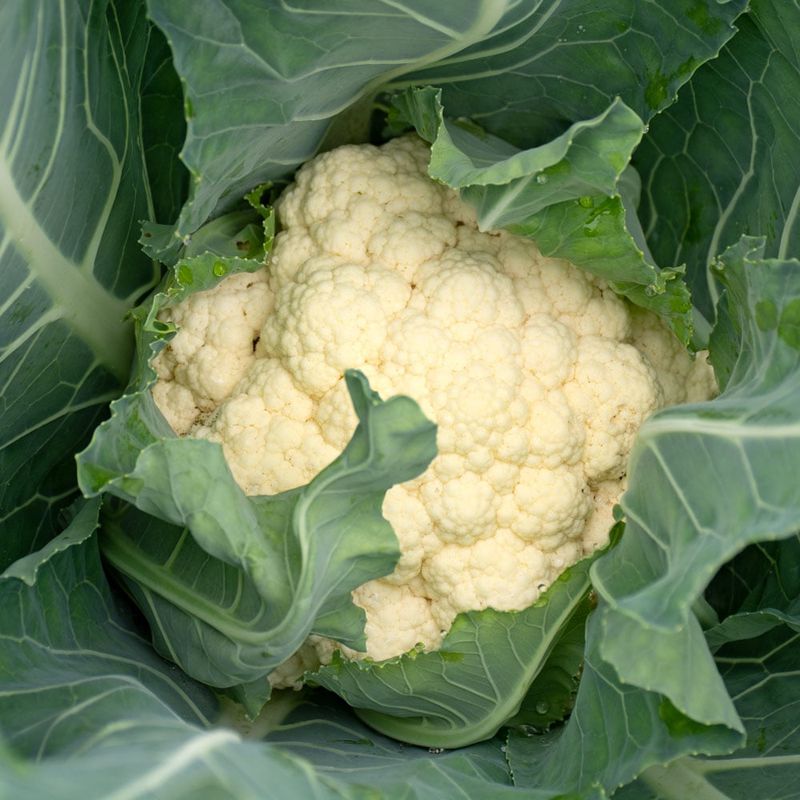
Known for being one of the trickier vegetables to grow, cauliflower is especially sensitive to temperature swings. Too much heat at the wrong time and the heads button up, discolor, or fail to form at all.
In the North Carolina mountains, the naturally cooler and more stable temperatures create conditions that give cauliflower a real fighting chance that Piedmont gardeners rarely experience.
Mountain elevations in NC keep temperatures from spiking too high during the critical heading stage, which is when cauliflower is most vulnerable. The consistent cool weather allows heads to develop slowly and evenly, producing large, white, firm curds that are exactly what every gardener hopes for.
Heat can affect cauliflower head development in the Piedmont, but impacts vary by planting date, variety, and protective measures.
Snowball and Amazing are two cauliflower varieties that adapt well to the NC mountain climate. Transplants should go in the ground about four to six weeks before the expected last frost for a spring crop.
For fall growing, count back from the first expected frost by about ten weeks to time your planting right. Blanching the heads by tying the outer leaves over them as they develop protects them from sunlight and keeps them a bright, appealing white.
Mountain-grown cauliflower from North Carolina can be truly impressive in size and flavor when given the right care.
8. Kohlrabi Hiding Sweet Surprises Underground
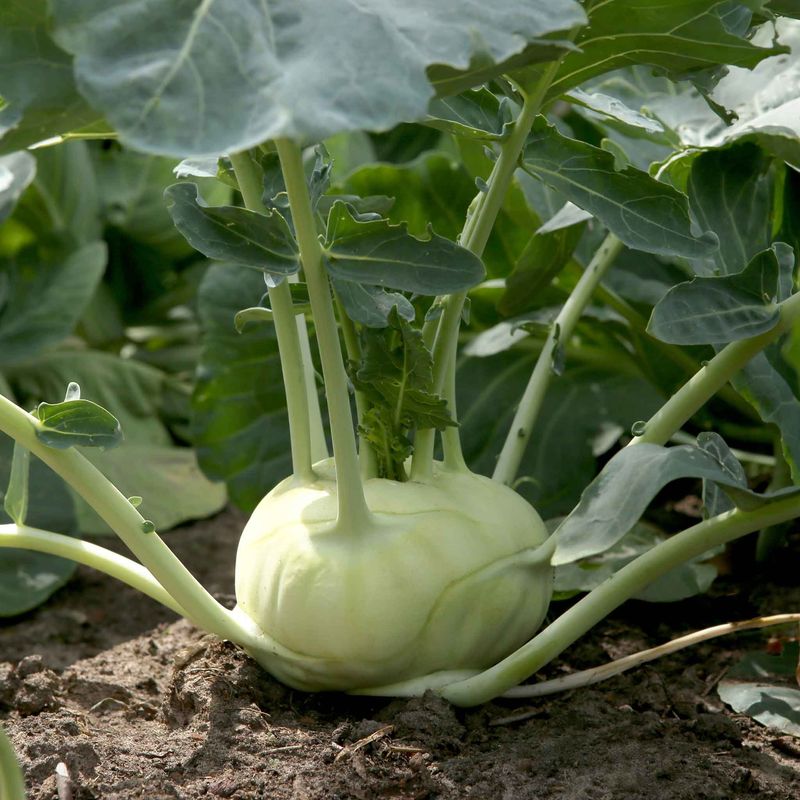
Not every gardener has tried kohlrabi, but those who grow it in the North Carolina mountains often become big fans fast. Kohlrabi is a cool-season crop related to cabbage and broccoli, and it shares their love of chilly weather and rich, well-drained soil.
The mountain climate of western NC gives kohlrabi exactly what it needs to develop its signature crisp, mild-flavored bulb without the stress of premature bolting.
Kohlrabi can grow successfully in the Piedmont with timely planting and proper soil management, though rapid warming may increase the risk of bolting in some years. In the mountains, the slower seasonal transition gives kohlrabi bulbs time to swell up properly, often reaching the ideal harvest size of two to three inches across before the heat ever becomes an issue.
Grand Duke and Kolibri are two kohlrabi varieties that do particularly well in mountain gardens. Kohlrabi can be direct-seeded or transplanted, and it grows surprisingly fast, often ready to harvest in just forty-five to sixty days from planting.
For best results in North Carolina mountain gardens, plant in early spring or late summer for a fall crop. The bulbs are excellent eaten raw in salads, sliced into sticks for dipping, or roasted with olive oil.
Kohlrabi is also rich in vitamin C and fiber, making it a nutritious addition to any mountain garden lineup.
9. Brussels Sprouts Sprouting Tiny Bundles Of Goodness
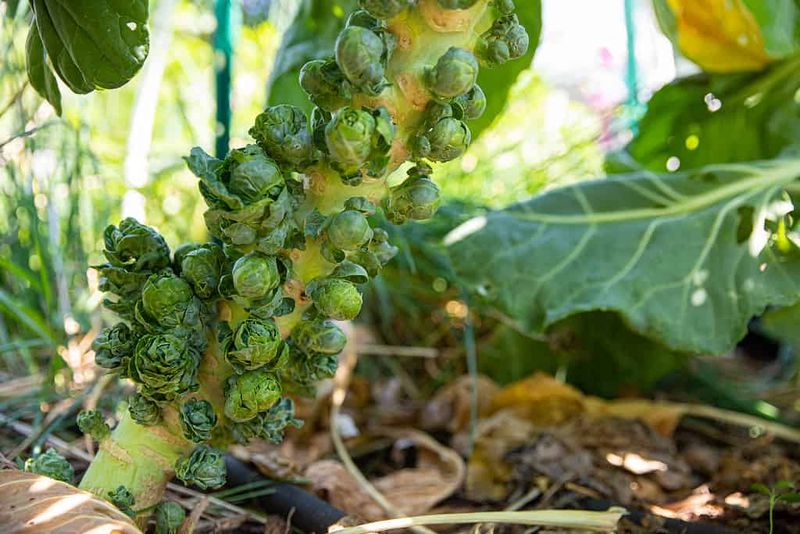
Mountain growing conditions in North Carolina may benefit Brussels sprouts more than any other vegetable. They need a long, cool growing season to develop the firm, flavorful sprouts that make them such a beloved fall and winter vegetable.
In the Piedmont, the shorter cool season and warmer fall temperatures make it genuinely difficult to grow Brussels sprouts that size up properly before conditions turn unfavorable.
Mountain elevations in western NC provide the extended cool period that Brussels sprouts need. Planted in midsummer, they have the entire fall season to mature slowly, with the cold nights actually improving the flavor of the sprouts significantly.
Just like kale and collards, Brussels sprouts taste sweeter after exposure to frost, and mountain gardeners get plenty of that naturally as autumn settles in across the higher elevations.
Jade Cross and Long Island Improved are dependable varieties for NC mountain gardens. Brussels sprouts are slow growers, often taking ninety days or more from transplant to harvest, so planning your planting schedule carefully is important.
They need fertile, well-drained soil and benefit from a stake or support as they grow tall. Regular feeding with a balanced fertilizer encourages strong stalk development and good sprout formation.
Removing yellowing lower leaves as the season progresses helps the plant focus its energy upward. Harvesting sprouts from the bottom of the stalk first while letting upper ones continue to mature extends your picking season nicely.
10. Carrots Digging Deep For Sweet Rewards
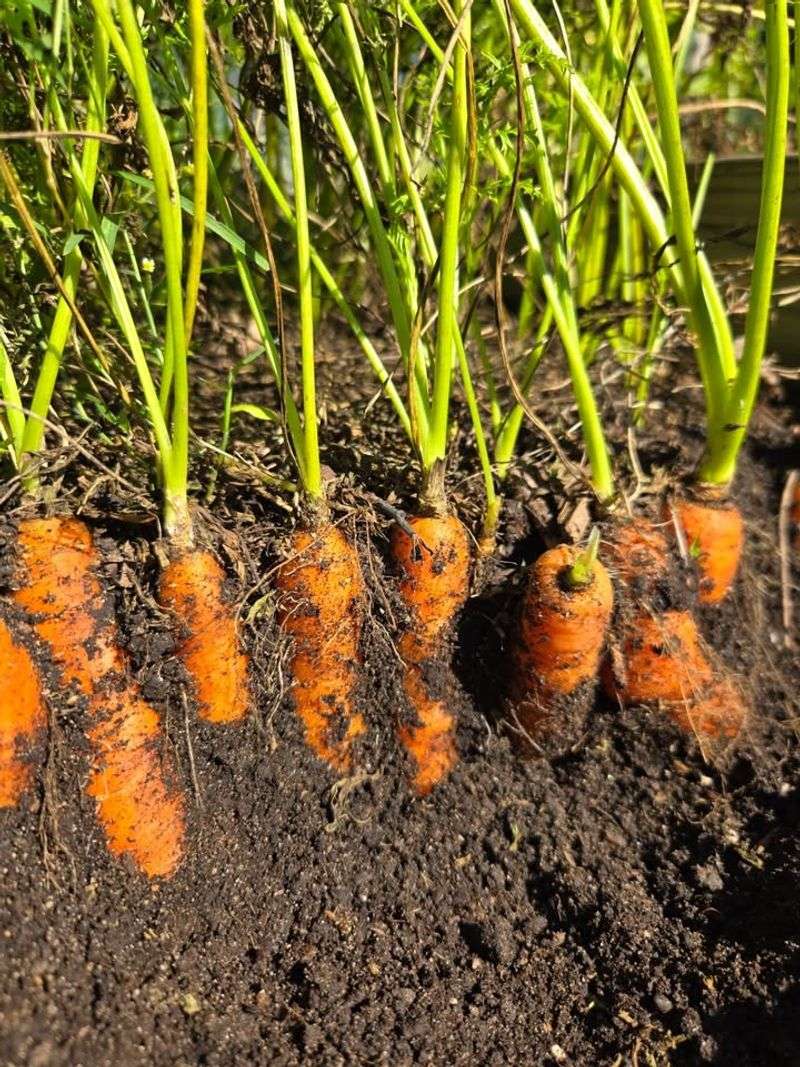
Loose, deep, cool soil is perfect for carrots, and the mountain regions of North Carolina often provide all three naturally. The well-drained, loamy soils found at higher elevations in western NC allow carrot roots to grow long and straight without hitting compacted layers or becoming misshapen.
In the Piedmont, heavy clay soils and warmer summer ground temperatures can cause carrots to fork, crack, or develop an unpleasant woody texture.
Mountain gardeners in NC can plant carrots in early spring and again in late summer for a fall harvest. The fall crop is often the better of the two, because the cooling soil temperatures in autumn actually cause the carrots to convert starches into sugars, making them noticeably sweeter.
Cooler autumn soil can enhance carrot sweetness at higher elevations, and Piedmont gardeners can also achieve similar results with fall plantings and proper soil care.
Danvers 126, Scarlet Nantes, and Chantenay Red Core are all excellent carrot varieties for North Carolina mountain gardens. Preparing the soil deeply before planting, at least ten to twelve inches, is the single most important step for growing straight, full-sized carrots.
Adding sand or compost to heavy soils improves drainage and root penetration significantly. Thinning seedlings to about two to three inches apart early on prevents crowding and encourages larger roots.
With a little patience and proper soil prep, mountain-grown carrots from North Carolina can be some of the sweetest and most satisfying vegetables you will ever pull from the ground.