Why Pennsylvania Gardeners Still Use These Aggressive Native Plants
Every gardener in Pennsylvania eventually meets a plant that seems a little too enthusiastic. You plant it in one corner of the yard, and before long it begins popping up in places you never expected.
These aggressive native plants have a reputation for spreading quickly, filling beds, and sometimes testing a gardener’s patience.
Even so, many Pennsylvania gardeners continue planting them year after year. The reason is simple.
These plants are tough, reliable, and perfectly adapted to local soil and weather. While some garden varieties struggle with pests, drought, or cold winters, native plants often grow with very little trouble.
They also play an important role in supporting wildlife. Many aggressive natives provide food and shelter for pollinators, birds, and beneficial insects that help keep gardens balanced.
With the right planning and a bit of control, these energetic growers can become valuable parts of a thriving landscape rather than unwanted invaders.
1. Common Milkweed (Asclepias Syriaca)
Ask any Pennsylvania gardener about monarch butterflies, and chances are the conversation will quickly turn to Common Milkweed.
This bold, fast-spreading native plant is the only host plant that monarch butterflies use to lay their eggs. Without it, monarch populations would struggle far more than they already do.
Common Milkweed spreads through underground rhizomes and also drops seeds that drift on the wind. It can pop up several feet away from where you originally planted it.
In a Pennsylvania garden bed with neat borders, this can feel like a headache, but in a meadow-style planting or a wilder corner of the yard, it is a dream come true.
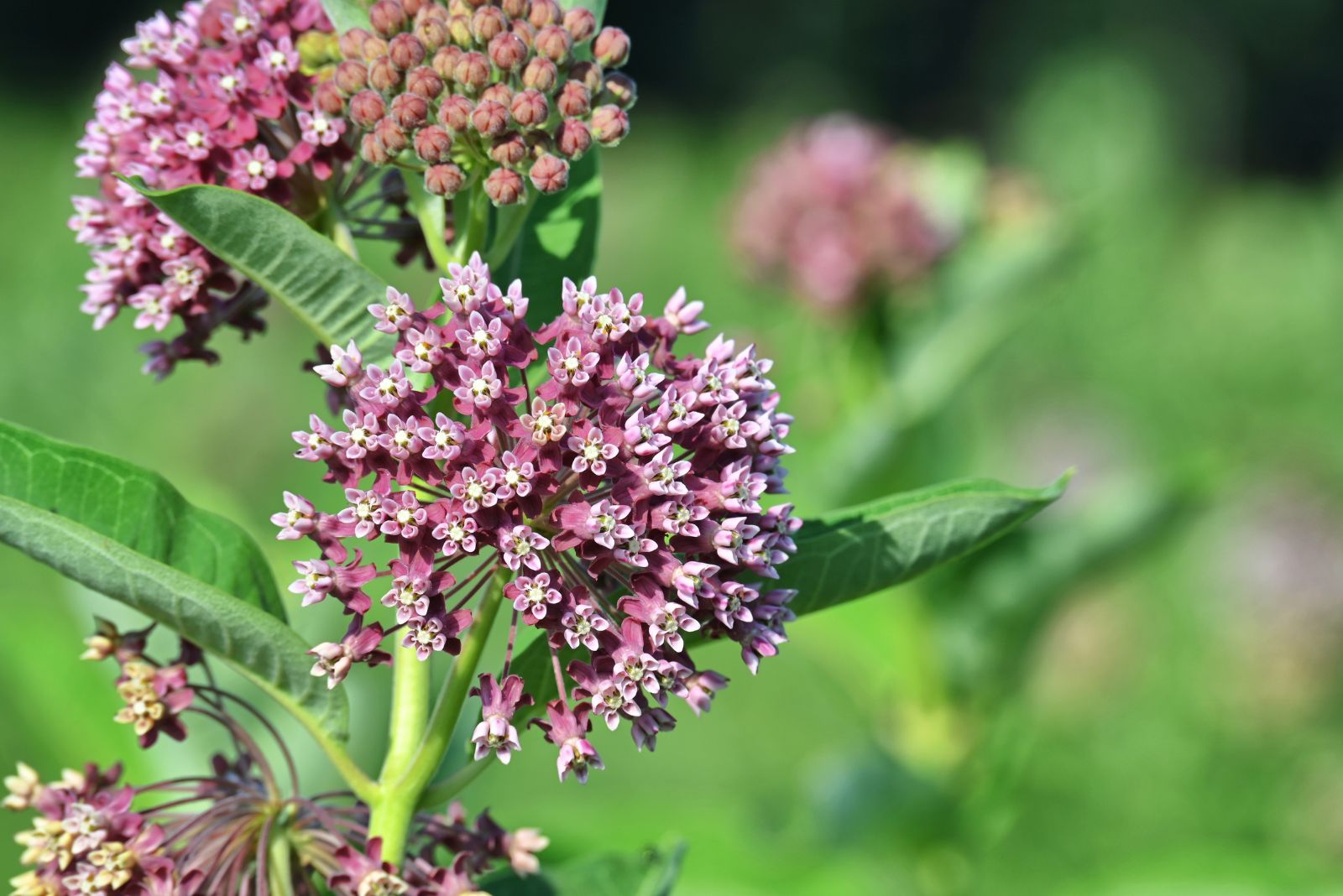
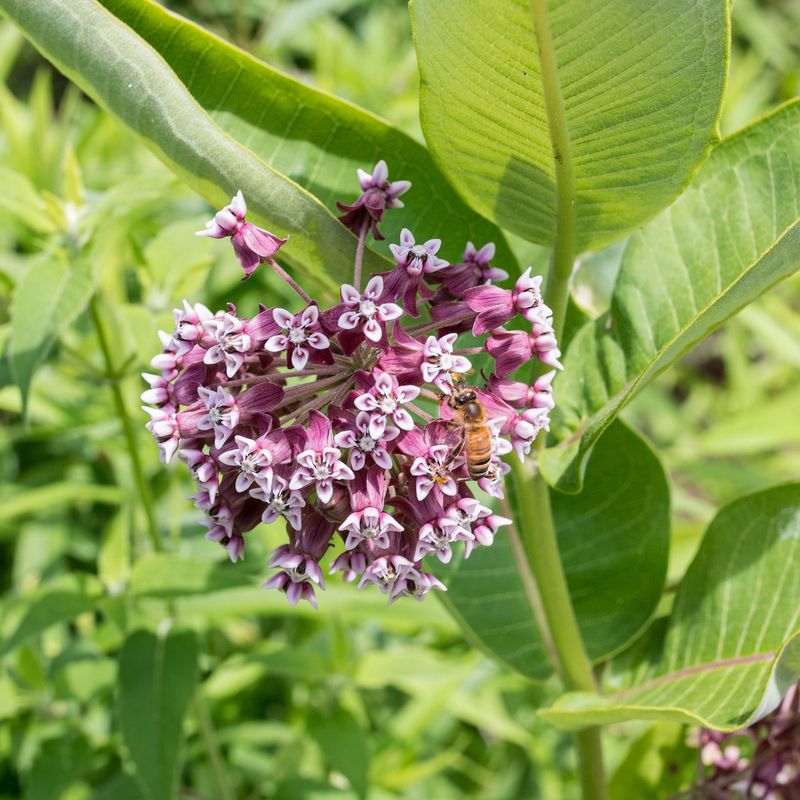
The plant grows three to five feet tall and produces clusters of sweet-smelling pink and purple flowers in midsummer.
Those blooms attract not just monarchs but dozens of other pollinators, including bees and beetles. The fragrance alone is enough to make you stop and stand still for a moment.
Managing its spread is easier than most people think. Simply mow or pull new shoots that appear where you do not want them.
Many Pennsylvania gardeners dedicate a specific section of the yard to milkweed and let it do its thing there freely.
Planting Common Milkweed is one of the most meaningful things a Pennsylvania homeowner can do for local ecology. Supporting monarch migration is a real and tangible contribution, and this plant makes that possible right in your own backyard.
2. Canada Goldenrod (Solidago Canadensis)
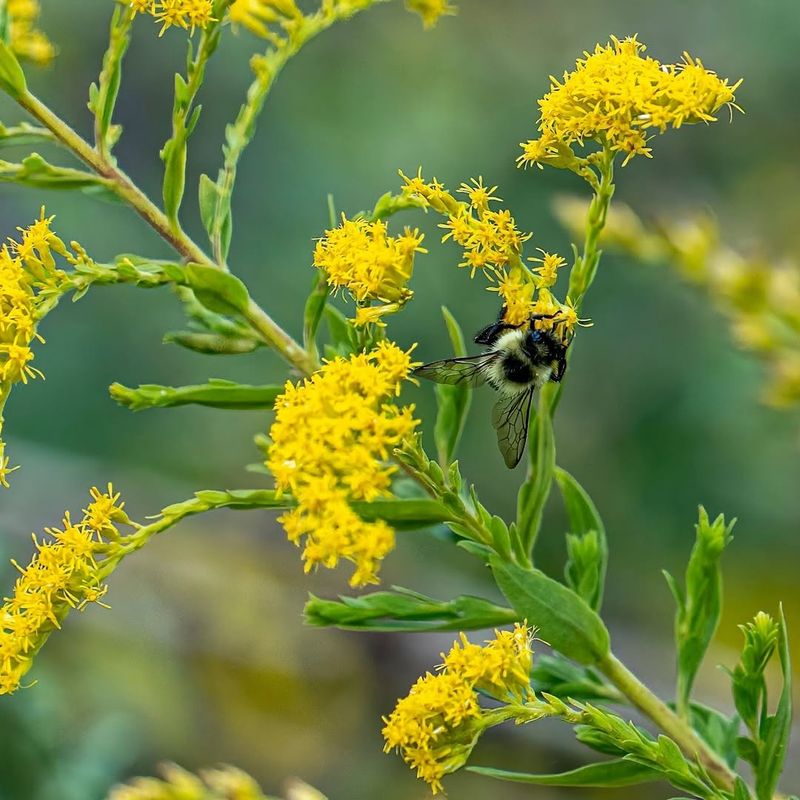
Canada Goldenrod gets a bad reputation, and honestly, most of it is undeserved. For years, people blamed it for hay fever, but that honor actually belongs to ragweed, which blooms at the same time. Goldenrod just happens to look flashier and gets the blame unfairly.
In Pennsylvania, Canada Goldenrod is one of the most ecologically valuable plants you can grow. It blooms in late summer and early fall, which is a critical window when many other flowers have already faded.
Pollinators like bees, wasps, and butterflies depend on its nectar to fuel up before cooler temperatures arrive.
The plant spreads through both rhizomes and self-seeding, which means it can form large, dense colonies fairly quickly. In a traditional flower bed, this can be overwhelming.
Your Pennsylvania Garden Changes Every Week. Your Plan Should Too.
Gardening in Pennsylvania changes quickly throughout the season. Every Friday you’ll receive a simple weekly plan showing exactly what to plant, prune, fertilize, harvest, and protect so you never miss the right timing.
But Pennsylvania gardeners who use it wisely, say in a rain garden or along a property edge, find that it fills space beautifully while doing serious ecological work.
One smart trick is to plant Canada Goldenrod in containers sunk into the ground. This limits rhizome spread while still letting the plant grow tall and bloom freely. You get all the pollinator benefits without sacrificing your whole garden.
The bright yellow flower plumes are also genuinely stunning in late-season arrangements. Cut a few stems and bring them inside for a burst of fall color.
Pennsylvania gardeners who give this plant a fair chance rarely regret it, especially when they see how alive their garden becomes in September and October.
3. Bee Balm (Monarda Didyma)
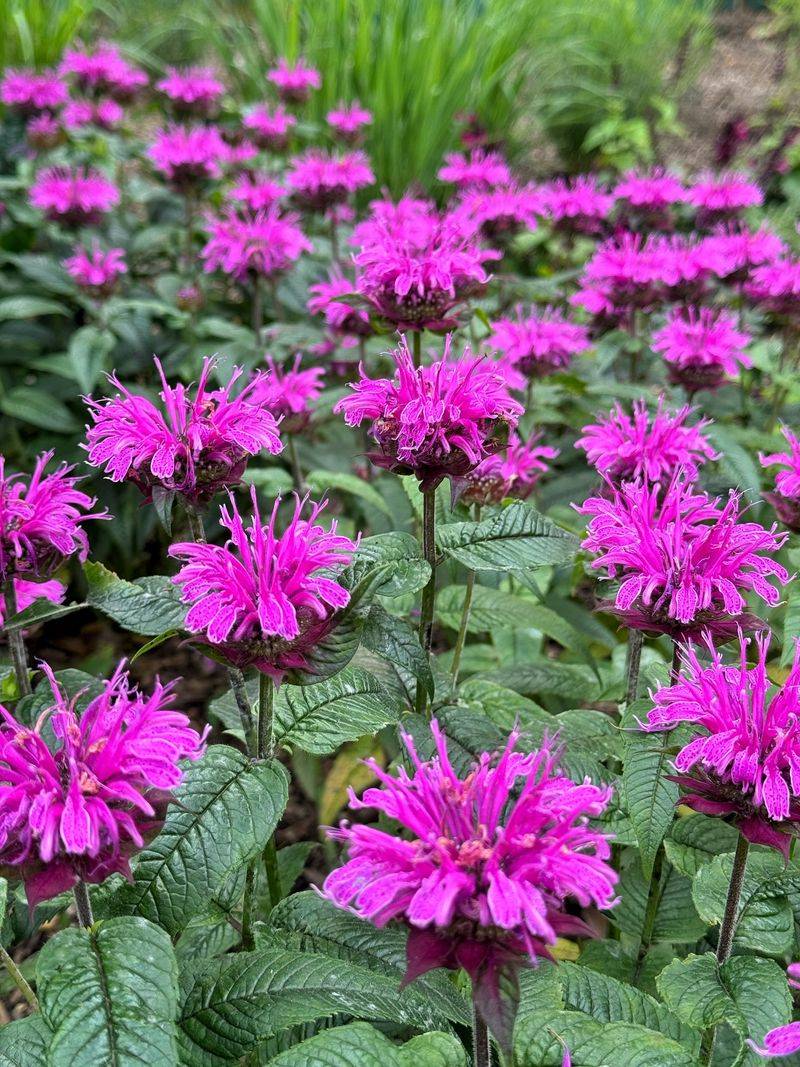
Few plants put on a show quite like Bee Balm. The flowers look like little fireworks frozen in place, bursting outward in shades of red, pink, and purple.
It is one of those plants that stops people in their tracks when they walk past a garden in midsummer.
Native to eastern North America, including Pennsylvania, Bee Balm spreads through underground runners and forms expanding clumps that get wider each year.
Left unchecked, a single plant can take over a decent-sized section of a flower bed within a few seasons. But gardeners across Pennsylvania keep planting it anyway, and for very good reason.
Hummingbirds absolutely love it. The tubular red flowers are perfectly shaped for hummingbird feeding, and if you plant a clump near a window or patio, you will get front-row seats to some incredible wildlife watching.
Bees and butterflies are regulars too, making Bee Balm one of the most pollinator-friendly plants in the Pennsylvania native plant toolkit.
The key to managing its spread is simple: divide the clumps every two to three years. Pull out the outer sections and either compost them or share them with neighbors.
This also keeps the plant healthier and more disease-resistant, since Bee Balm can be prone to powdery mildew when it gets too crowded.
The leaves are also edible and have a pleasant minty, oregano-like flavor. Pennsylvania gardeners have been using them in teas and salads for generations, which adds a fun and practical bonus to this already impressive plant.
4. Blue Mistflower (Conoclinium Coelestinum)
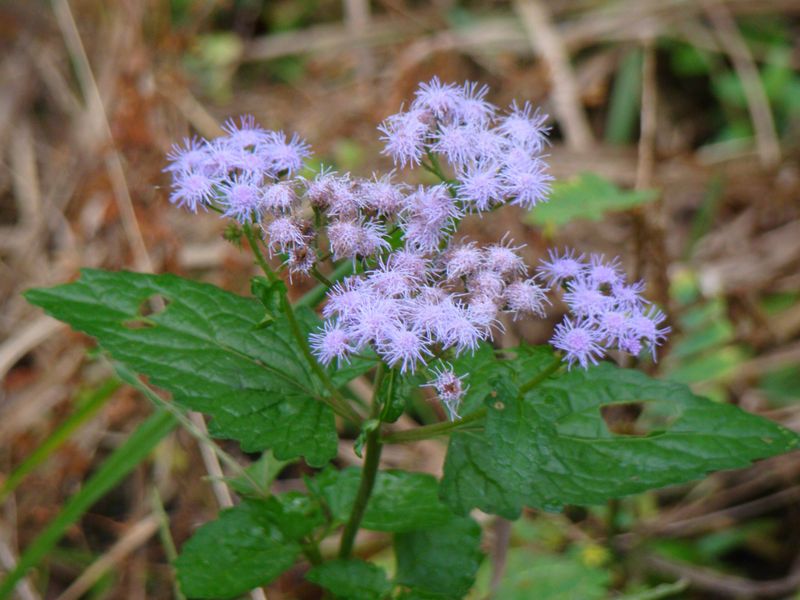
Blue Mistflower is one of those plants that sneaks up on you. You plant a small clump in a corner of the garden, and by the following summer, it has quietly expanded into a lush, wide patch of soft blue-purple blooms. Surprise is part of its charm.
This native perennial is one of the last plants to bloom in Pennsylvania before the season winds down. Its fluffy, ageratum-like flowers open in late summer and persist well into fall, providing a critical late-season food source for migrating butterflies.
Painted ladies, sulfurs, and skippers are frequent visitors, and on a warm September afternoon, a patch of Blue Mistflower can look like it is alive with wings.
The aggressive part comes from its rhizomes, which spread steadily underground. In a moist, partly shaded spot, which is exactly where Blue Mistflower thrives, it can fill a large area surprisingly fast.
Pennsylvania gardeners who plant it near streams, ponds, or in low-lying areas often find it naturalizes beautifully without much intervention.
For those who want to keep it contained, regular edging and dividing in early spring does the job well. The divisions transplant easily and make great additions to other parts of the yard or gifts for fellow gardeners.
What makes Blue Mistflower especially appealing in Pennsylvania landscapes is how well it handles wet conditions. Many native plants struggle in poorly drained spots, but this one thrives there.
It is a practical and beautiful solution for those tricky wet corners that other plants simply refuse to grow in.
5. Obedient Plant (Physostegia Virginiana)
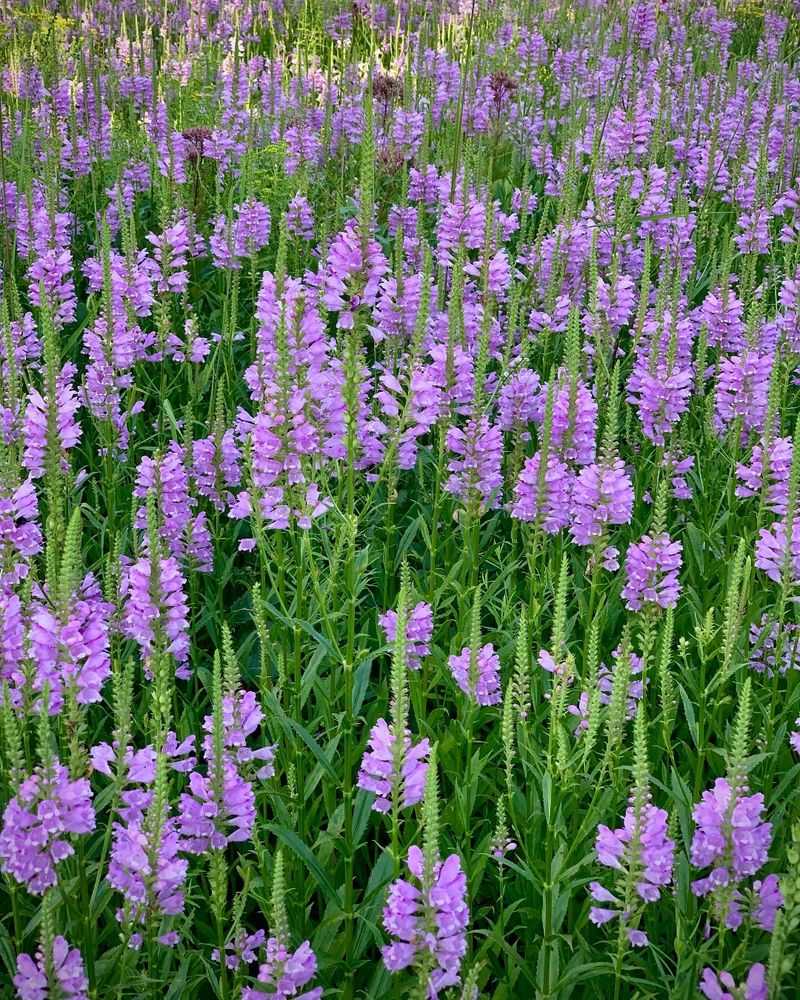
The name is a bit of a joke among Pennsylvania gardeners. Obedient Plant is anything but obedient.
The name actually refers to a quirky feature of the individual flowers: if you push them to one side on the stem, they stay in that position. The plant itself, however, has its own agenda entirely.
Physostegia virginiana spreads aggressively through rhizomes and can form dense colonies within just a couple of growing seasons. In rich, moist soil, it moves especially fast.
Pennsylvania gardeners who have planted it near a flower border without any containment have often returned the following spring to find it several feet beyond where it started.
So why keep planting it? The tall, elegant spikes of pink to lavender flowers are genuinely beautiful, and they bloom in late summer when many other perennials have already peaked.
Hummingbirds, bees, and butterflies all visit the blooms regularly. For a Pennsylvania garden designed to support wildlife through the full growing season, Obedient Plant fills a valuable late-summer role.
Managing it is straightforward. Plant it inside a buried root barrier, or grow it in a spot where spreading is not a problem, like along a fence line or at the edge of a meadow planting.
Dividing it every spring also slows the spread and keeps the clumps vigorous and full of blooms.
Gardeners in Pennsylvania who embrace its wandering habits and give it room to roam often find it becomes one of the most reliable and rewarding plants in the late-summer garden, bold, tall, and buzzing with life.
6. Woodland Sunflower (Helianthus Divaricatus)
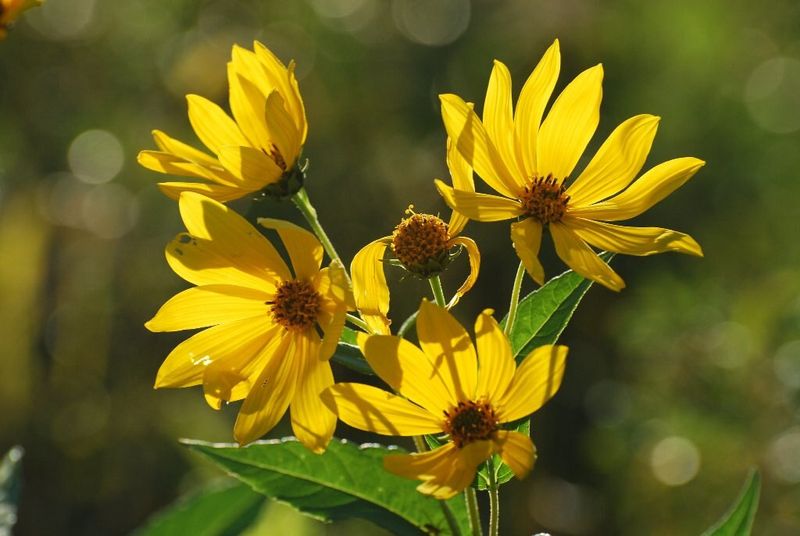
Most sunflowers demand full sun and open space, but Woodland Sunflower breaks that rule with confidence. This tough native thrives in partial shade and dry soil, conditions that make many other flowering plants struggle.
For Pennsylvania gardeners dealing with shady spots under trees, it can feel like a small miracle.
Helianthus divaricatus spreads through rhizomes and creates wide patches of cheerful yellow flowers in midsummer.
The blooms are smaller than typical garden sunflowers but appear in generous numbers, creating a bright and lively display even in low-light corners of the yard.
In Pennsylvania woodlands and shaded backyards, this plant earns its place every single summer.
The ecological value is significant. The seeds are a favorite food source for birds, especially goldfinches and chickadees, who visit the spent flower heads in late summer and fall.
The flowers themselves attract native bees and other pollinators who need resources in shaded areas where other flowers are scarce.
Like many native spreaders, Woodland Sunflower benefits from regular management. Pulling unwanted shoots in spring keeps the patch from overtaking neighboring plants.
Some Pennsylvania gardeners use it as a ground cover substitute under trees where grass refuses to grow, which is a clever and ecologically sound solution.
One thing to appreciate about this plant is its toughness. Drought, shade, poor soil, it handles all of these without complaint.
In a state like Pennsylvania where gardens range from sunny open fields to dense shaded lots, having a tough and beautiful native like this one in your toolkit is genuinely valuable.
7. Virginia Creeper (Parthenocissus Quinquefolia)
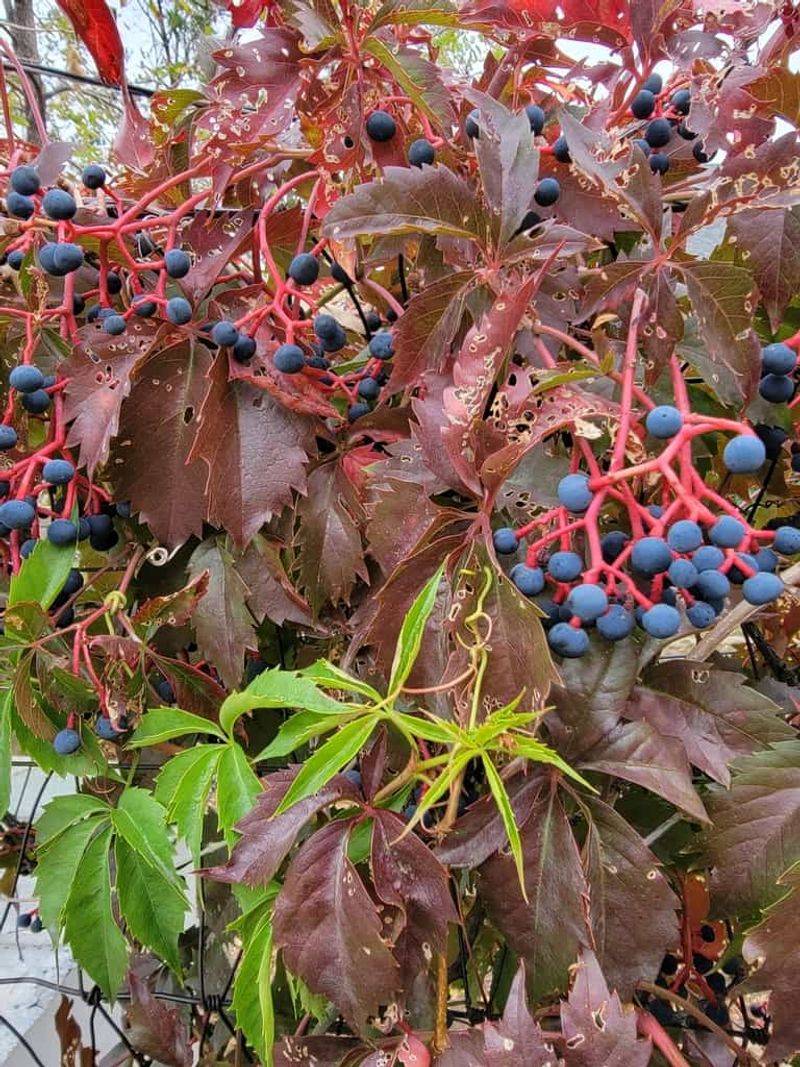
Every fall, Virginia Creeper puts on one of the most spectacular color shows in the entire Pennsylvania landscape.
The five-leafed vine transforms from deep green to a blazing mix of red, orange, and purple almost overnight when temperatures drop. Neighbors stop to stare, and gardeners feel quietly smug about their plant choices.
Virginia Creeper is a vigorous native vine that climbs fences, walls, trees, and trellises using tiny adhesive pads. It spreads through runners and self-seeding and can cover a large surface in just a few growing seasons.
On an old stone wall or a wooden privacy fence, it looks absolutely magnificent. On a house with wood siding, it needs more careful management.
The wildlife value is outstanding. The small blue-black berries ripen in late summer and are eaten by more than 35 species of birds in Pennsylvania, including bluebirds, robins, and woodpeckers.
The dense foliage provides excellent nesting and shelter habitat. If supporting local wildlife is a priority, few plants deliver as much as this one does.
Managing Virginia Creeper mostly means deciding where you want it and where you do not, and then staying consistent with trimming.
It responds well to hard pruning and can be trained onto structures with a little guidance in the early years. Once established, it largely takes care of itself.
Pennsylvania gardeners who use it on pergolas, arbors, or along property fences get a four-season plant that offers summer shade, brilliant fall color, winter berry interest, and spring greenery. That kind of year-round performance is hard to find in any single plant.