Have You Started Your Oregon Spring Projects? 8 Tasks To Tackle Today
March in Oregon acts like a master reset for the landscape. With mist lifting and soil warming, those extra minutes of daylight give you all the permission you need to get your hands dirty.
From the rain-drenched coast to drier inland foothills, your backyard becomes a playground of possibilities.
Now is the golden window to give your garden a head start.
By tackling key projects – pruning dormant fruit trees or prepping beds – you can swap future headaches for a season of easier growth.
Whether aiming for quick wins or long-term strategy, this is the time to transform your space before the spring rush begins.
1. Shape Your Fruit Trees And Berries For Success
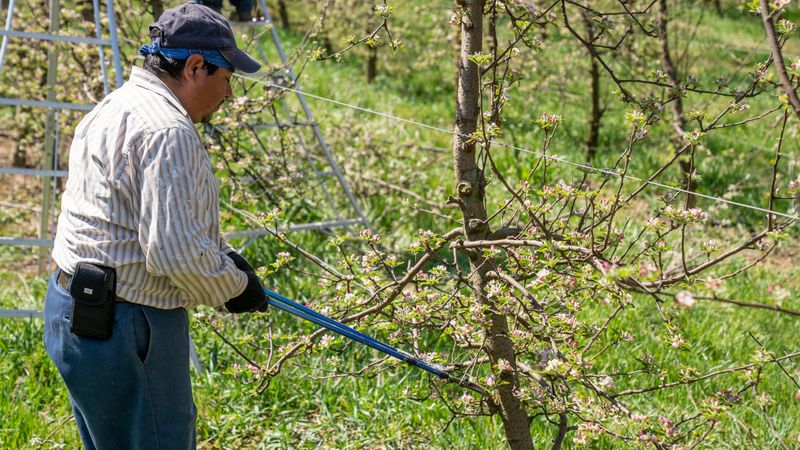
Late winter is one of the best windows of the year to prune fruit trees and berry bushes in Oregon, and most gardeners who skip this step end up regretting it by midsummer.
While trees are still dormant, you can clearly see the branch structure without leaves in the way.
This makes it much easier to spot crossing branches, deadwood, or anything growing toward the center of the tree.
Oregon State University Extension recommends pruning apples and pears before buds begin to swell, which in the Willamette Valley often means working through February and into early March.
Blueberries benefit from removing older, thicker canes to encourage fresh, productive growth.
Raspberries and blackberries need canes from last year cut back so new ones have room to thrive.
Sharp, clean cuts heal faster and reduce the chance of introducing disease into your plants. Use bypass pruners for small branches and a pruning saw for anything thicker than your thumb.
Disinfecting tools between plants with rubbing alcohol is a smart habit, especially if fire blight has been an issue in your area. A little time spent shaping now pays off with bigger harvests later in the season.
2. Kickstart Veggies Indoors

Starting vegetables indoors in early March gives Oregon gardeners a real advantage, especially for crops that need a long growing season.
Tomatoes, peppers, eggplant, and celery all benefit from being started 8 to 10 weeks before your last expected frost date.
In the Willamette Valley, that last frost typically falls somewhere between mid-March and late April depending on your exact location.
A sunny south-facing window can work for starting seeds, but a basic grow light setup produces stronger, stockier seedlings that handle transplanting much better.
Leggy seedlings stretch toward weak light and often struggle once they hit the garden.
Keeping your light source just a few inches above the tops of your seedlings makes a noticeable difference in plant quality.
Use a quality seed-starting mix rather than regular potting soil, since it drains well and stays light enough for young roots to push through easily.
Keep the mix consistently moist but not soggy, and use a seedling heat mat to maintain soil temperatures around 70 to 75 degrees Fahrenheit.
Label everything as you go because seedlings look surprisingly similar when they are tiny. Oregon’s unpredictable spring weather makes indoor starting a reliable strategy for getting ahead of the season.
Your Oregon Garden Changes Every Week. Your Plan Should Too.
Gardening in Oregon changes quickly throughout the season. Every Friday you’ll receive a simple weekly plan showing exactly what to plant, prune, fertilize, harvest, and protect so you never miss the right timing.
3. Clear Away Winter’s Leftovers
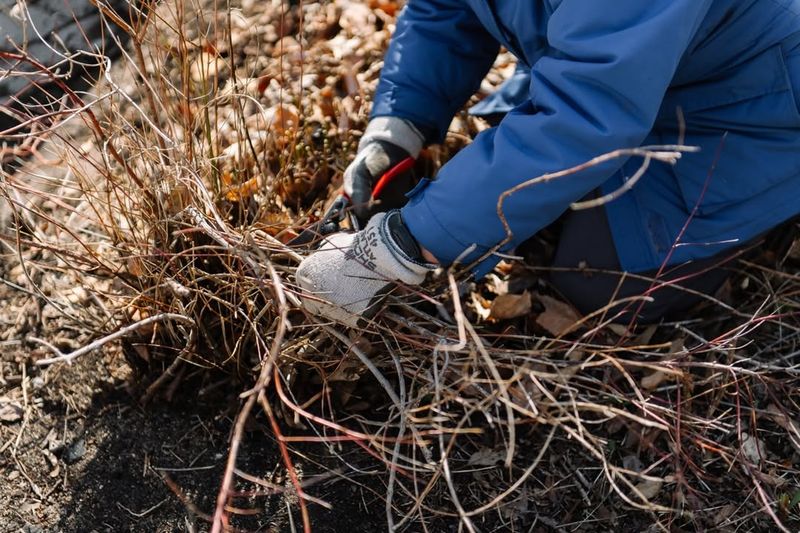
Walking through the garden after a long Oregon winter can feel a little overwhelming. Dead foliage, fallen branches, matted leaves, and soggy plant debris seem to be everywhere, and it is tempting to put off the cleanup for another weekend.
However, clearing this material early in March gives your garden beds a fresh start and removes hiding spots for slugs, fungal spores, and overwintering pests that thrive in wet, decaying matter.
Pull out any annuals that did not survive the cold, and cut back perennial stalks that you left standing for winter interest or wildlife habitat.
Oregon’s slug population is legendary, and removing their favorite daytime hideouts under debris piles can reduce their numbers noticeably before they cause real damage to emerging seedlings.
Collect the cleared material in a compost pile if it is disease-free, or bag it for yard waste pickup if you suspect any fungal issues.
This is also a good time to check on any mulch you applied in fall. If it has compacted into a thick, wet mat, rake it back slightly from plant crowns to improve air circulation and help the soil warm up faster.
Clean beds simply look more inviting and give you a clear picture of what survived the winter in good shape.
4. Feed Perennials And Shrubs

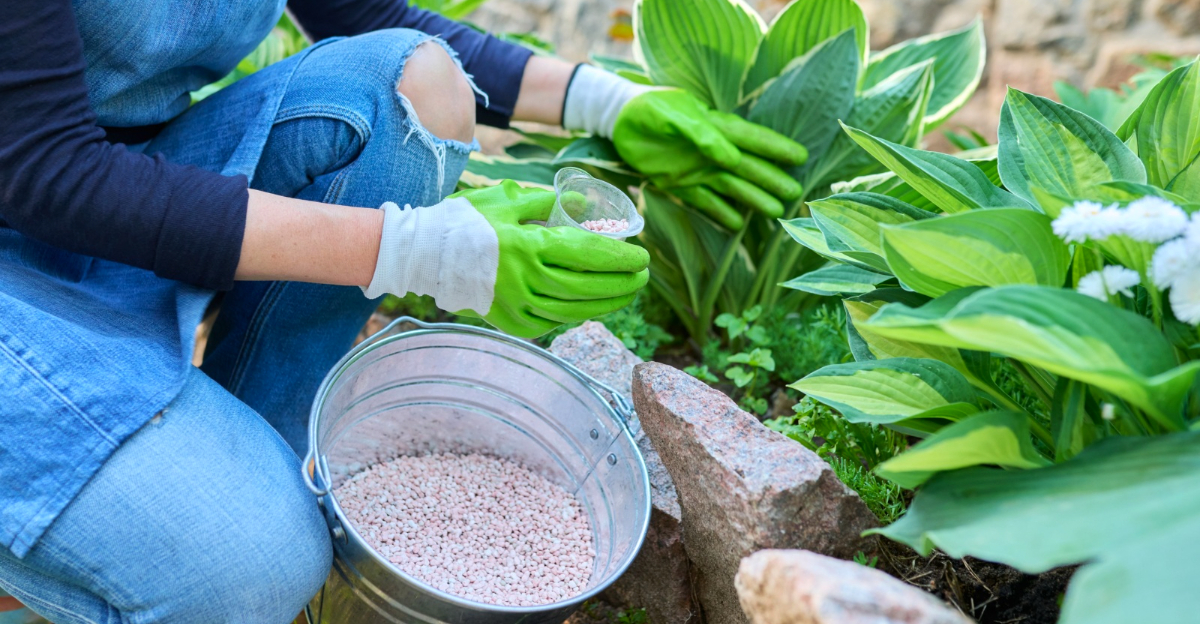
Perennials and shrubs that have been dormant all winter are hungry and ready to grow the moment soil temperatures start climbing.
Feeding them in early March, just as new growth begins to emerge, gives roots exactly the nutrients they need to push out healthy foliage and strong stems.
Oregon soils, particularly in the Willamette Valley, tend to be naturally acidic, which affects how well plants can absorb certain nutrients.
Before applying any fertilizer, a soil test through Oregon State University Extension or a local garden center can tell you exactly what your soil is lacking.
Guessing at fertilizer applications often leads to over-feeding with nitrogen, which encourages lots of leafy growth at the expense of flowers and root development.
For most ornamental shrubs and perennials, a balanced slow-release granular fertilizer works well and feeds plants steadily over several weeks.
Acid-loving plants like rhododendrons, azaleas, and blueberries appreciate a fertilizer formulated specifically for them, along with a top dressing of acidic compost or pine bark. Scratch fertilizer lightly into the soil surface and water it in well after applying.
Avoid piling fertilizer directly against plant stems or crowns, since direct contact can cause irritation to tender new growth just starting to emerge in early spring.
5. Divide And Conquer Overgrown Perennials

Some perennials are quietly taking over your garden beds right now, and you might not even realize it until spring growth explodes.
Hostas, daylilies, ornamental grasses, coneflowers, and many other popular Oregon garden plants spread outward over time and begin to lose vigor at their centers.
Early March, when the soil is workable but plants have not yet pushed out significant new growth, is one of the most practical times to tackle division.
Dig up the entire clump with a garden fork rather than a spade to reduce root damage. Once the clump is out of the ground, you can use a sharp spade, a hori-hori knife, or even two garden forks pressed back-to-back to separate it into smaller sections.
Each division should have a healthy set of roots and a few visible growth buds. Discard the worn-out center portion and replant the vigorous outer sections.
Dividing perennials accomplishes several things at once. It refreshes the plant, controls its spread, and gives you free plants to fill in other spots in the garden or share with neighbors.
Water divisions thoroughly after replanting and keep an eye on them during any dry spells in March and April.
Oregon’s spring rains usually help, but a dry week right after division can stress newly separated roots more than expected.
6. Sharpen And Prep Your Tools
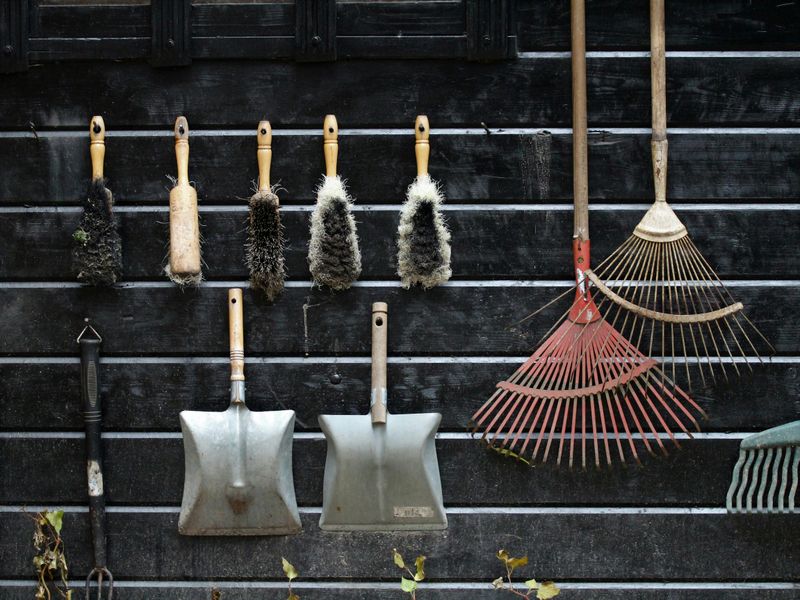
There is something satisfying about starting the gardening season with tools that are actually sharp and clean. Dull pruners crush stems rather than cutting them cleanly, leaving ragged wounds that invite disease.
A blunt hoe bounces off the soil surface instead of slicing through it efficiently. Taking an hour or two in early March to sharpen, clean, and oil your hand tools pays off every single time you use them throughout the season.
Use a flat mill file or a diamond sharpening stone to restore edges on hoes, spades, and loppers. Pruner blades can be sharpened with a small whetstone or a dedicated pruner sharpening tool.
After sharpening, wipe metal surfaces with a lightly oiled rag to prevent rust, especially important in Oregon’s famously wet spring climate. Linseed oil rubbed into wooden handles keeps them from cracking and splintering over time.
Check hose connections and soaker hoses for cracks that developed during freezing temperatures over winter. Inspect your wheelbarrow for flat tires or rusted hardware.
Replace any broken handles now rather than mid-season when you are deep in planting mode and cannot afford the interruption.
Well-maintained tools simply make every task easier, faster, and more enjoyable, which means you are more likely to get out in the garden regularly throughout Oregon’s spring growing season.
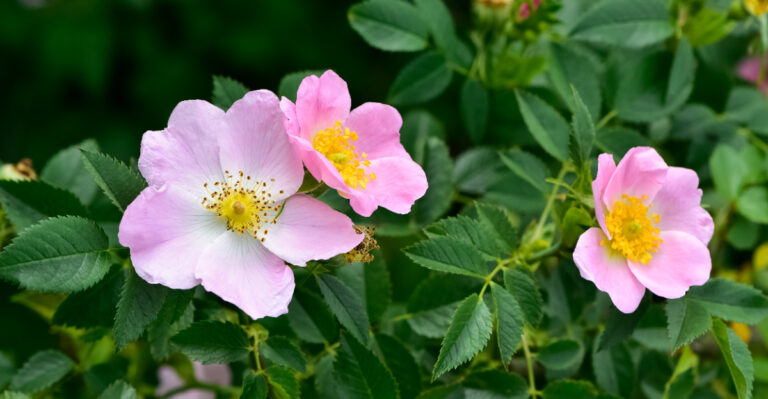
7. Plant Bare-Root Trees And Roses
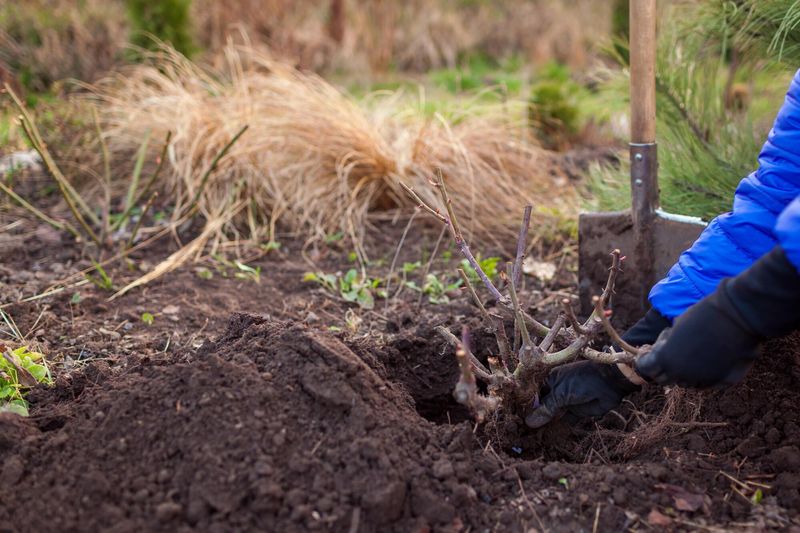
Bare-root season is one of the best-kept secrets in Pacific Northwest gardening.
From late January through early March, many Oregon nurseries carry bare-root fruit trees, roses, shade trees, and berry plants at prices that are noticeably lower than containerized options.
These plants have been dug while dormant and stored without soil around their roots, which sounds alarming but is actually a very natural state for a dormant woody plant.
Planting bare-root stock while it is still dormant gives the roots time to establish in the soil before the plant has to support leaf and flower growth.
This head start often results in stronger first-year growth compared to planting the same species from a container in late spring.
Oregon State University Extension advises soaking bare roots in water for several hours before planting to rehydrate them after storage.
Dig a wide, shallow planting hole and create a small cone of soil in the center to drape the roots over naturally.
The graft union on roses and fruit trees should sit just at or slightly above the soil line, depending on your specific Oregon location and frost risk.
Backfill with native soil, firm it gently, and water deeply. Mulch around the base to retain moisture and moderate soil temperature as March weather shifts between sun and rain.
8. Prepare Soil And Plan New Beds
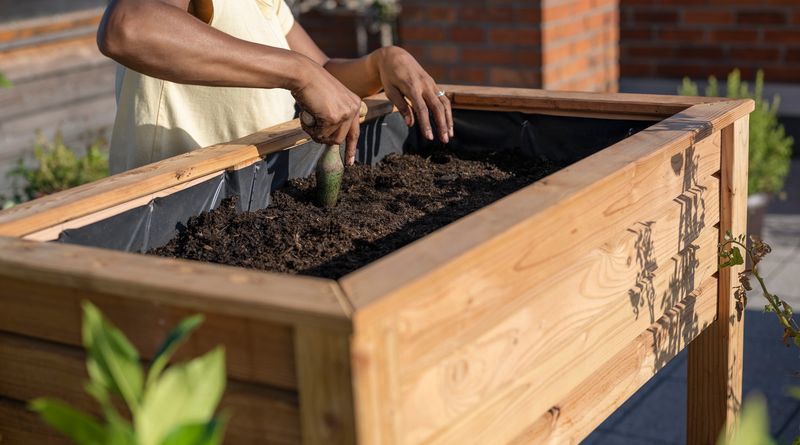
Building a new garden bed in early March might feel ambitious, but the timing actually works in your favor. Oregon’s winter rains have kept the soil moist and relatively easy to work, and you have a few weeks before planting season shifts into high gear.
Starting a bed now gives the soil time to settle and integrate any amendments before you are ready to put seeds or transplants in the ground.
Sheet mulching is a low-effort method that works well for establishing new beds over grass or weeds. Layer cardboard directly over the area, wet it thoroughly, and pile 4 to 6 inches of compost on top.
Over the coming weeks, the cardboard suppresses existing vegetation while the compost builds up organic matter right where you need it.
By mid-spring, the bed is ready for planting without heavy digging.
If you prefer to dig, incorporate compost generously into native Oregon soil, which in many parts of the Willamette Valley can be clay-heavy and slow to drain.
Raised beds with a mix of compost, topsoil, and a small amount of coarse sand drain more reliably and warm up faster in spring.
Sketch out your planting plan on paper now so that when warm weather arrives, you already know exactly what goes where and can hit the ground running.