9 Small Trees Pennsylvania Gardeners Can Grow Without Overwhelming Their Yards
Anyone who’s spent decades tending a Pennsylvania yard knows the thrill – and the stress – of choosing a new tree. You want beauty, shade, maybe even a splash of color in the fall, but nobody wants a towering giant turning the backyard into a forest overnight.
Small trees are the perfect solution. They bring structure, flowers, and seasonal interest without crowding flower beds or blocking sunlight.
Whether you’re edging a patio, framing a view, or adding a quiet focal point, the right small tree makes the yard feel complete.
We’ve rounded up ten options that stay manageable, thrive in local soil, and offer something special for every spot. You’ll spot a few surprises that might just fit right where you’ve been wishing for a little green lift.
1. Eastern Redbud Bursting With Spring Color
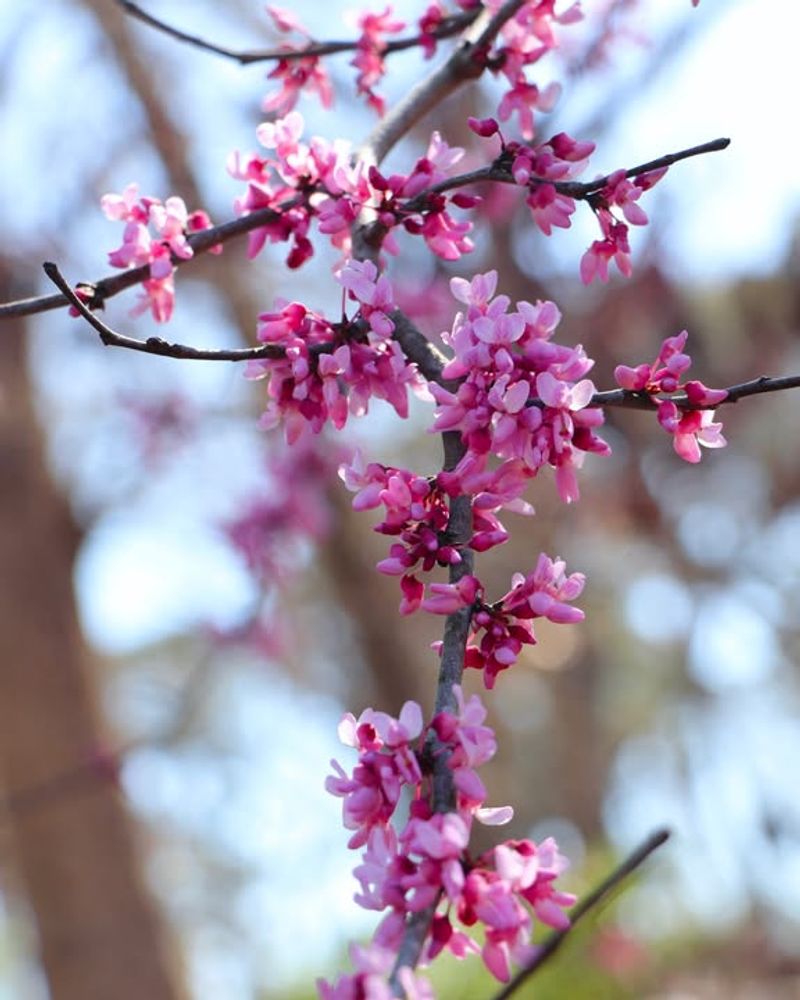
Few sights in a Pennsylvania spring garden are as jaw-dropping as an Eastern Redbud bursting into bloom. Before a single leaf appears, the bare branches explode in clusters of vivid pink and purple flowers, turning the whole tree into a living fireworks display.
It is one of the most cheerful signs that warm weather has finally arrived.
Native to Pennsylvania and much of the eastern United States, this tree is a natural fit for local soil and weather conditions. It typically grows between 20 and 30 feet tall, making it perfectly sized for small to medium yards without crowding nearby plants or structures.
The heart-shaped leaves that follow the spring blooms add a soft, lush look through summer.
Eastern Redbud handles a range of soil types, tolerating both acidic and slightly alkaline ground, which is great news for Pennsylvania gardeners dealing with variable soil conditions. It does well in full sun or partial shade, so placement is flexible.
In fall, the foliage turns a warm golden yellow before dropping.
Birds and pollinators often visit this tree, making it a good option for gardeners who want to support local wildlife. Plant it near a patio or window where you can enjoy the spring show up close.
With minimal pruning needed, it is as low-maintenance as it is beautiful.
2. Japanese Maple Showing Off Lacy Leaves All Year
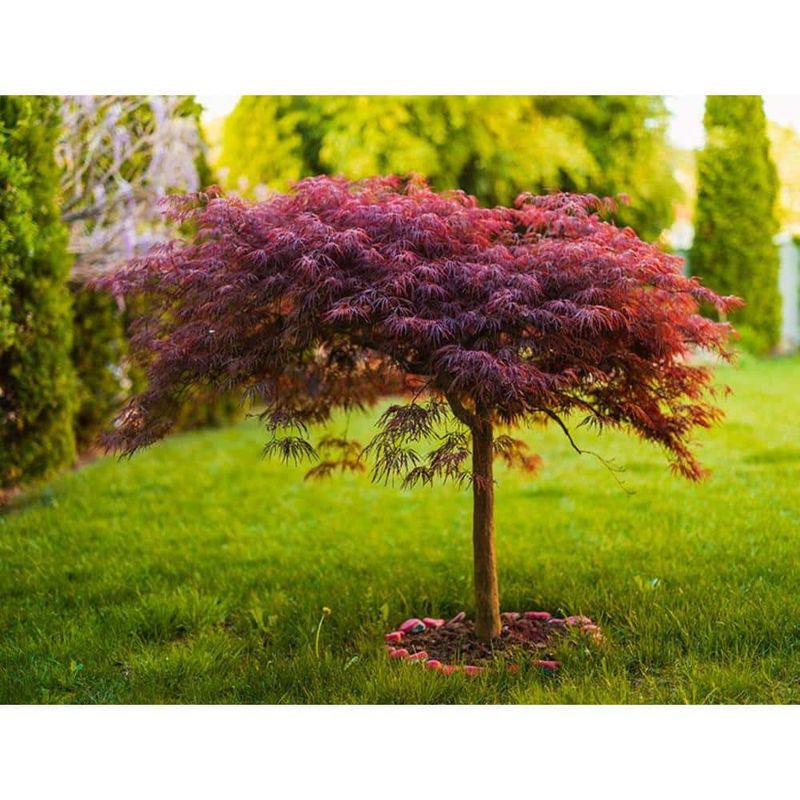
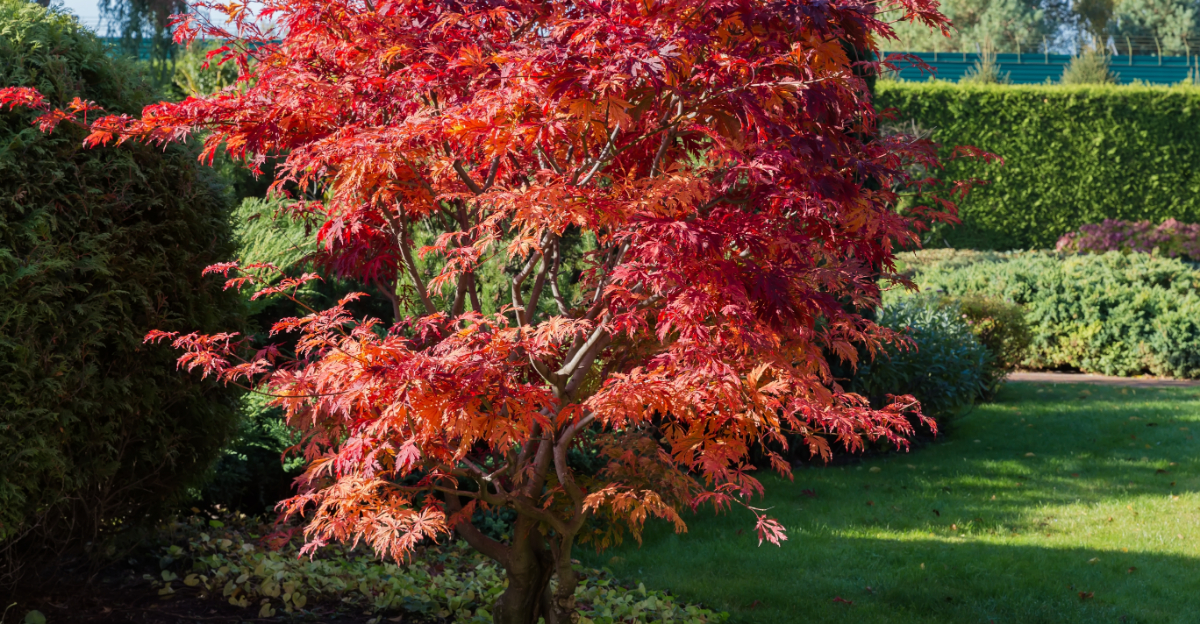
If there is one tree that makes neighbors stop and stare, it is the Japanese Maple. With its intricate, lacy leaves in shades of deep red, burgundy, orange, and green, this tree looks like a living piece of art no matter the season.
It brings a calm, elegant energy to any Pennsylvania yard.
Japanese Maples are compact growers, usually reaching between 10 and 25 feet tall depending on the variety. That manageable size makes them ideal for smaller Pennsylvania properties where every inch of space counts.
Many varieties also have a graceful, weeping or rounded shape that adds structure to garden beds and borders without overwhelming them.
Spring brings fresh new leaf color, summer keeps things lush and cool-toned, and fall delivers a breathtaking finale of fiery reds and oranges. Even in winter, the sculptural branch structure adds visual interest to the yard.
Your Pennsylvania Garden Changes Every Week. Your Plan Should Too.
Gardening in Pennsylvania changes quickly throughout the season. Every Friday you’ll receive a simple weekly plan showing exactly what to plant, prune, fertilize, harvest, and protect so you never miss the right timing.
Few small trees provide noticeable year-round interest in foliage, blooms, and structure.
Plant Japanese Maple in a spot with morning sun and afternoon shade for the best leaf color and to protect it from Pennsylvania’s summer heat. Well-drained, slightly acidic soil keeps it thriving.
It is also a great container tree for decks and patios, giving small-space gardeners even more flexibility. Once established, it needs very little attention beyond occasional shaping.
3. Serviceberry Blooming Early With Sweet Rewards
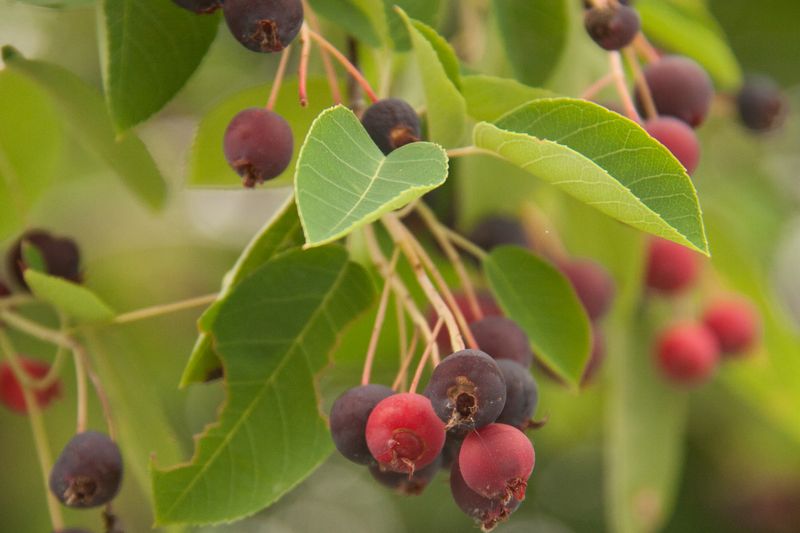
Serviceberry is one of those trees that earns its keep every single season, and Pennsylvania gardeners who plant one rarely regret the decision. In early spring, it covers itself in delicate white flowers that look almost like a snowfall against the still-bare landscape.
The timing is early enough that it often blooms before most other trees have even woken up.
Growing between 15 and 25 feet tall, Serviceberry fits comfortably into yards of many sizes. It handles full sun to partial shade and adapts to a wide range of soil types found across Pennsylvania, from the clay-heavy soils of the Piedmont region to the sandier ground in other parts of the state.
That flexibility makes it a suitable choice in many Pennsylvania gardens, though local conditions may affect performance.
After the flowers fade, small edible berries ripen in early summer, attracting cedar waxwings, robins, and other birds in impressive numbers. The berries taste similar to blueberries and can even be used in pies and jams if you beat the birds to them.
Fall brings another reward with leaves turning shades of orange, red, and gold.
Serviceberry is a native tree, which means it supports local ecosystems naturally. It requires very little maintenance once established and rarely suffers from serious pest problems.
For a tree that truly gives back to both the gardener and the environment, Serviceberry is hard to beat.
4. Purple Prince Crabapple Stealing The Spotlight
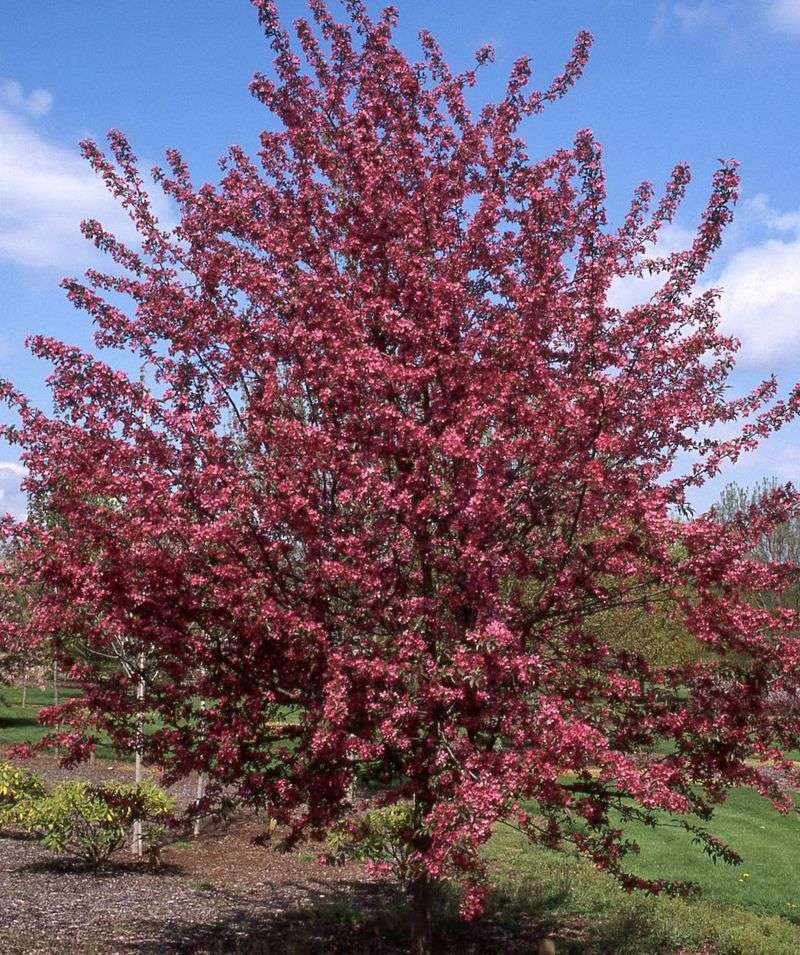
Bold, colorful, and full of personality, the Purple Prince Crabapple brings a dramatic flair to Pennsylvania yards that few other small trees can match. Its deep reddish-purple foliage holds that rich color throughout the entire growing season, unlike some trees that only show off in fall.
The spring flower display, packed with rosy-pink blooms, is absolutely stunning against that dark leaf backdrop.
Purple Prince grows to about 20 feet tall with a rounded, symmetrical shape that looks tidy without much pruning. That clean silhouette works well in formal garden designs or as a standalone focal point in a lawn.
Pennsylvania gardeners with smaller properties appreciate how it delivers big visual impact without spreading too wide or growing too fast.
After the flowers drop, small dark red crabapples develop and hang on the branches well into winter. Those persistent fruits are a food source for birds during the colder months, which is a real bonus for wildlife-friendly Pennsylvania yards.
The combination of colorful foliage, spring blooms, and winter fruit makes this tree a four-season performer.
Purple Prince prefers full sun and well-drained soil, and it shows good resistance to common crabapple diseases like fire blight and scab. Plant it where it gets at least six hours of direct sunlight daily for the best foliage color and flower production.
Watering during dry spells in the first couple of years helps it get well established.
5. Star Magnolia Lighting Up Early Spring Days
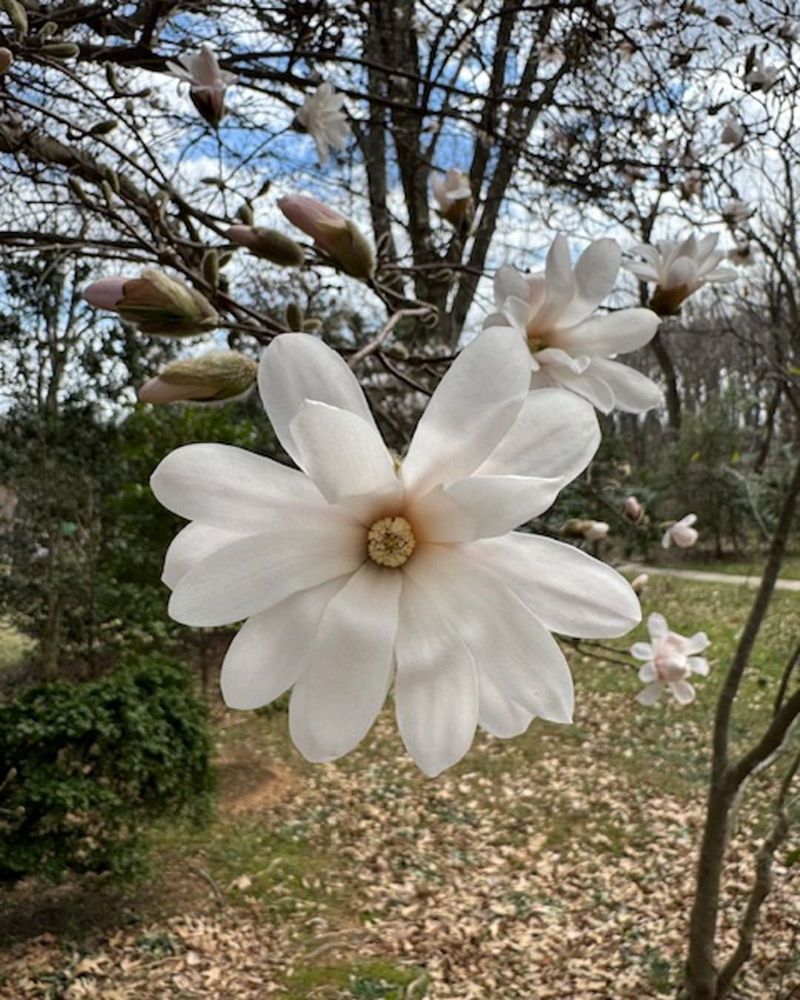
The first time you see it in bloom, this Star Magnolia has a way of stopping you in your tracks. In late winter or very early spring, before any leaves appear, it erupts in large, star-shaped white flowers with strap-like petals that glow against the pale sky.
For Pennsylvania gardeners who crave an early-season showstopper, this tree delivers in a big way.
Star Magnolia is a relatively compact magnolia, usually growing 15 to 20 feet tall with a rounded, multi-stemmed form. That restrained size makes it a natural fit for smaller Pennsylvania properties where a full-sized Saucer Magnolia would simply be too large.
It works beautifully as a specimen tree near an entryway or alongside a patio.
The flowers have a gentle, sweet fragrance that drifts through the early spring air, making the blooming period feel especially luxurious. One thing to keep in mind is that late frosts in Pennsylvania can occasionally damage the earliest blooms, so planting in a sheltered spot helps protect the flowers.
Choosing a north-facing or east-facing location can delay bloom time just enough to avoid the worst frost risk.
Star Magnolia prefers moist, well-drained, slightly acidic soil and does well in full sun to partial shade. It is generally low-maintenance and does not need heavy pruning.
Once established in a Pennsylvania yard, it rewards gardeners with reliable, breathtaking blooms year after year.
6. Pagoda Dogwood Stacking Beauty Layer By Layer
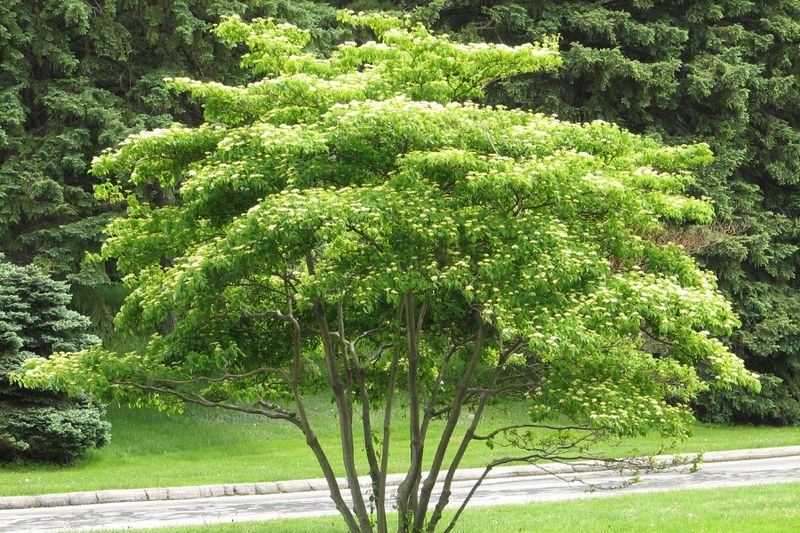
There is something almost architectural about the Pagoda Dogwood. Its branches grow in distinct horizontal layers, one above the other, giving the tree a tiered, pagoda-like silhouette that looks like it belongs in a carefully designed landscape.
Even without flowers or leaves, the branch structure alone makes it a standout in a Pennsylvania yard.
Native to Pennsylvania and much of the eastern United States, Pagoda Dogwood thrives in the state’s natural conditions. It grows 15 to 25 feet tall and does especially well in partial shade, making it an excellent choice for spots under larger trees or along the north side of a house where other trees might struggle.
The shade tolerance is a real advantage for Pennsylvania yards with limited sunny space.
In late spring, flat-topped clusters of creamy white flowers cover the branches, attracting pollinators including native bees and butterflies. By late summer, small dark blue berries ripen on bright red stems, creating a striking color contrast that birds find irresistible.
The berries are a favorite of migratory songbirds passing through Pennsylvania in fall.
Fall foliage turns a lovely reddish-purple before the leaves drop, adding one more seasonal highlight to an already impressive tree. Pagoda Dogwood prefers moist, well-drained soil and does not handle drought well, so watering during dry stretches is important.
Mulching around the base helps retain soil moisture and keeps the roots cool during hot Pennsylvania summers.
7. Japanese Tree Lilac Blooming In Summer Surprise
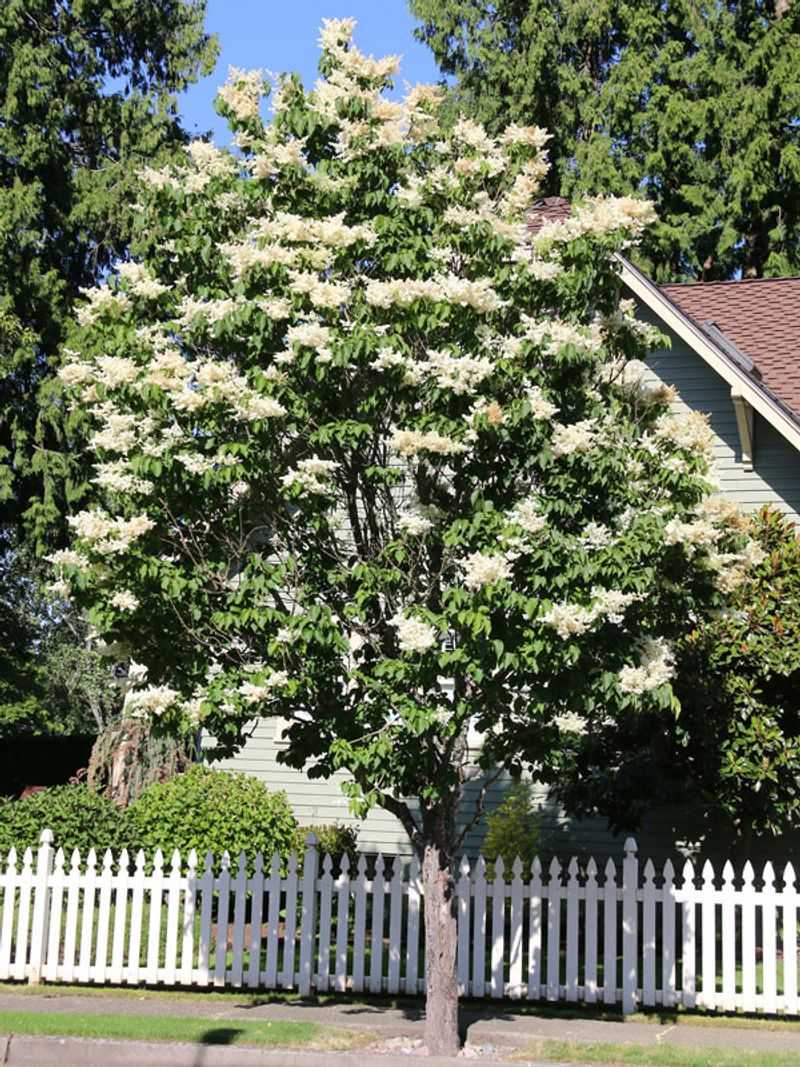
Most people think of lilacs as shrubs, so discovering that there is a tree-form lilac that blooms in early summer rather than spring feels like uncovering a hidden gem. Japanese Tree Lilac produces enormous, showy clusters of creamy white flowers in June and July, long after most flowering trees have finished their display.
For Pennsylvania yards that need a summer-blooming anchor, this tree fills that gap beautifully.
Growing 20 to 30 feet tall with an upright, oval shape, Japanese Tree Lilac is one of the tidier small trees you can plant in a Pennsylvania landscape. It does not spread aggressively or send up suckers the way shrub lilacs often do.
That well-behaved growth habit makes it easy to place near walkways, patios, or garden borders without worrying about it taking over.
The flowers carry a light, sweet fragrance that attracts butterflies, bees, and other pollinators during the summer months. Even after the blooms fade, the reddish-brown bark and cherry-like fruit clusters add textural interest through fall and winter.
It can provide seasonal interest throughout much of the year when well-placed in the landscape.
Japanese Tree Lilac thrives in full sun and well-drained soil, which is easy to provide across most of Pennsylvania. It is notably resistant to common lilac diseases and tolerates urban conditions like pollution and compacted soil better than many ornamental trees.
Once established, it is a very low-maintenance addition to any Pennsylvania property.
8. Witch Hazel Popping Up With Winter Magic
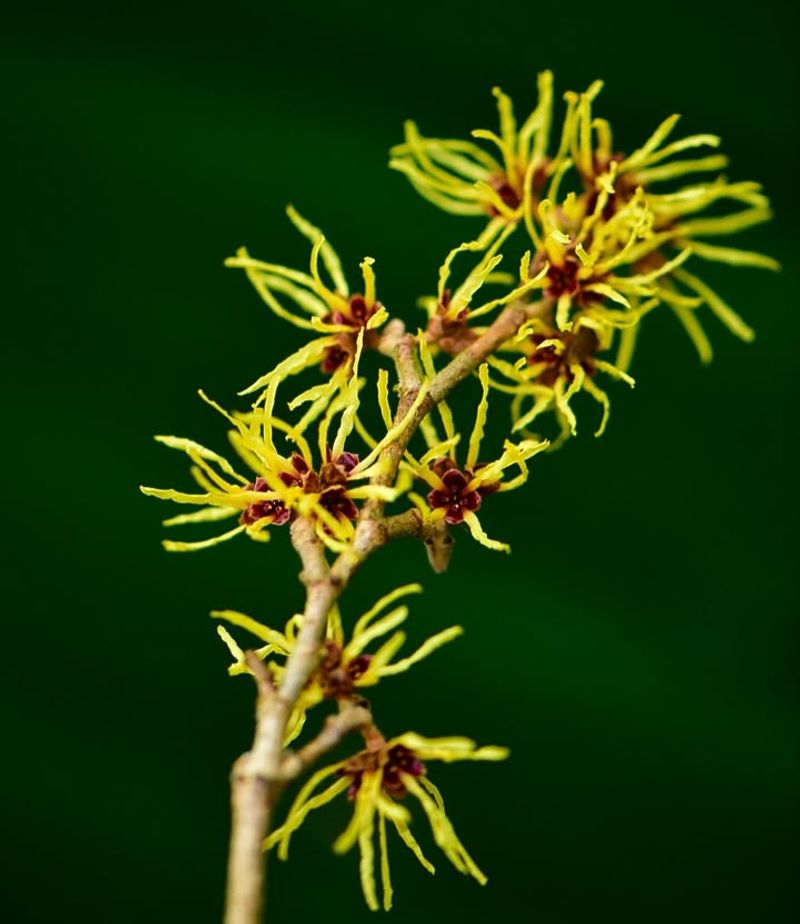
Blooming in the middle of winter, Witch Hazel has a superpower that almost no other tree in Pennsylvania can claim. When every other tree is dormant and the yard looks gray and lifeless, Witch Hazel pushes out spidery, ribbon-like flowers in shades of yellow, orange, and red.
Those bright blossoms can appear in winter, adding visual interest during the colder months.
Native species like American Witch Hazel grow naturally across Pennsylvania woodlands, and they adapt easily to garden settings. The tree usually reaches 15 to 20 feet tall with a spreading, multi-stemmed form that looks relaxed and natural rather than stiff or formal.
It works especially well at the edge of a woodland garden or as a backdrop for smaller perennials and shrubs.
The flowers have a spicy, sweet fragrance that carries on the cold winter air, a detail that surprises most people who have never smelled it before. Fall foliage turns a warm yellow to orange before the leaves drop, and the timing often overlaps with the earliest flower buds, creating an unusual display of simultaneous fall and winter interest.
Witch Hazel prefers partial shade to full sun and moist, slightly acidic, well-drained soil, conditions that are easy to find in many Pennsylvania yards. It is generally low-maintenance, though gardeners should monitor for common pests and diseases as needed.
For gardeners who want something truly different, Witch Hazel brings a sense of wonder to the winter yard that nothing else quite replicates.
9. Flowering Crabapple Putting On A Spring Spectacle
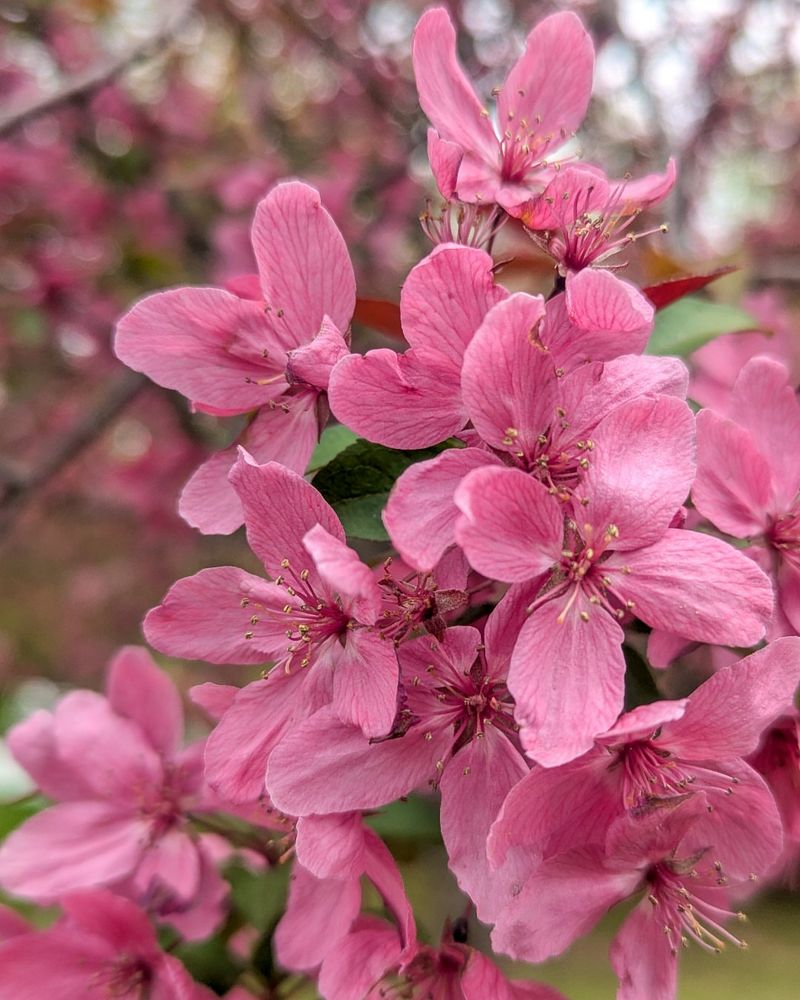
Walk through almost any Pennsylvania neighborhood in May and chances are good you will spot a Flowering Crabapple putting on an unforgettable show. The tree covers itself so completely in pink, white, or rosy-red blossoms that the branches nearly disappear beneath the flowers.
It is a popular spring-blooming tree in the region due to its flowers and manageable size.
Flowering Crabapples come in a wide range of sizes, with many compact varieties staying between 15 and 25 feet tall. That size range makes them workable for small to medium Pennsylvania yards where a larger shade tree would feel out of scale.
The rounded or spreading canopy provides light dappled shade under which groundcovers and shade-tolerant perennials can thrive.
After the spring flower display, small crabapples develop in summer and ripen by fall. Depending on the variety, the fruits range from deep red to golden yellow and often persist on the branches well into winter, feeding robins, waxwings, and other birds during the colder months.
Choosing a disease-resistant variety is key to keeping the foliage looking clean through the growing season.
Flowering Crabapple grows best in full sun and well-drained soil, both of which are easy to provide across most of Pennsylvania. Water deeply during dry spells in the first two years to encourage strong root development.
Once established, it is a resilient, rewarding tree that brings color and wildlife activity to the yard across multiple seasons.