Cold Climate Companion Planting Ideas Michigan Gardeners Need To Try
Michigan gardeners know how quickly the growing season can pass. With late spring frosts and weather that can shift from warm to chilly overnight, getting the most out of every garden bed becomes especially important.
That is why many gardeners across the Upper and Lower Peninsulas rely on companion planting to help their crops grow stronger and produce more.
Companion planting is the practice of growing certain plants together so they support each other.
Some combinations help repel pests, others improve soil conditions, and many simply make better use of limited space in the garden. In Michigan’s shorter season, these small advantages can make a noticeable difference.
When the right plants share the same bed, gardens often become healthier and more productive with less effort.
These ten companion planting ideas work especially well in Michigan’s climate and can help your garden thrive from early spring through harvest.
1. Carrots And Onions
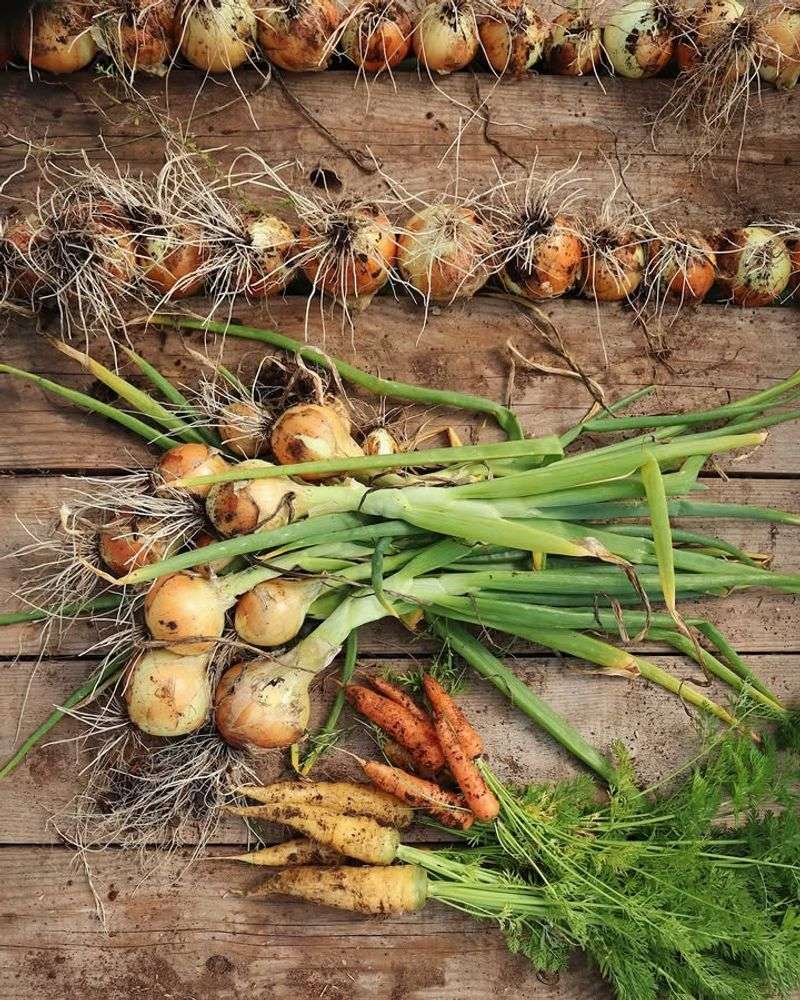
Few plant pairings are as smart or as time-tested as growing carrots alongside onions. In Michigan, where cool spring temperatures can slow early growth, this duo works together in a way that benefits both crops from the very start of the season.
Carrot root flies are a real headache for gardeners across the state, and onions are one of nature’s best natural deterrents against them.
The strong scent of onions confuses and repels the carrot root fly, making it much harder for those pests to locate your carrot rows.
At the same time, carrot roots naturally aerate the surrounding soil as they grow downward, which helps onion bulbs develop in looser, better-drained ground.
It is a quiet, underground teamwork that pays off when harvest time comes around. Michigan gardeners can plant this combination as soon as the soil is workable, usually in late April or early May depending on your zone.
Alternate rows of each plant for the best pest-deterring coverage. Both crops are cold-hardy enough to handle late frosts without much fuss.
Keeping rows close but not overcrowded gives each plant room to grow while still maintaining that protective scent barrier.
This pairing is beginner-friendly, low-maintenance, and genuinely rewarding for anyone working with Michigan’s cool spring climate.
2. Lettuce And Radishes

Radishes are one of the fastest-maturing vegetables you can grow, and that speed makes them an incredibly useful partner for slow-growing lettuce.
In Michigan, where the window between cold soil and summer heat can feel narrow, pairing these two crops together helps you squeeze maximum productivity out of every planting bed.
Radishes typically mature in just 20 to 30 days, while lettuce takes 45 to 60 days to reach full size.
Planting radishes between lettuce rows serves several helpful purposes at once. They mark your rows clearly so you know exactly where your slower lettuce seeds are germinating.
As radish roots push into the soil, they naturally break up compacted ground, making it easier for lettuce roots to spread out and absorb nutrients.
Cool Michigan soils in early spring are ideal for both crops, since neither performs well in summer heat anyway.
Your Michigan Garden Changes Every Week. Your Plan Should Too.
Gardening in Michigan changes quickly throughout the season. Every Friday you’ll receive a simple weekly plan showing exactly what to plant, prune, fertilize, harvest, and protect so you never miss the right timing.
Once your radishes are ready to pull, harvesting them opens up valuable space just as your lettuce plants begin to fill out and spread.
You get two harvests from the same patch of ground without any extra effort or additional soil prep. Michigan gardeners in zones 5 and 6 can start this combination as early as mid-April under a light row cover.
It is a clever, space-saving strategy that makes cold-season gardening feel genuinely satisfying and productive.
3. Cabbage And Dill
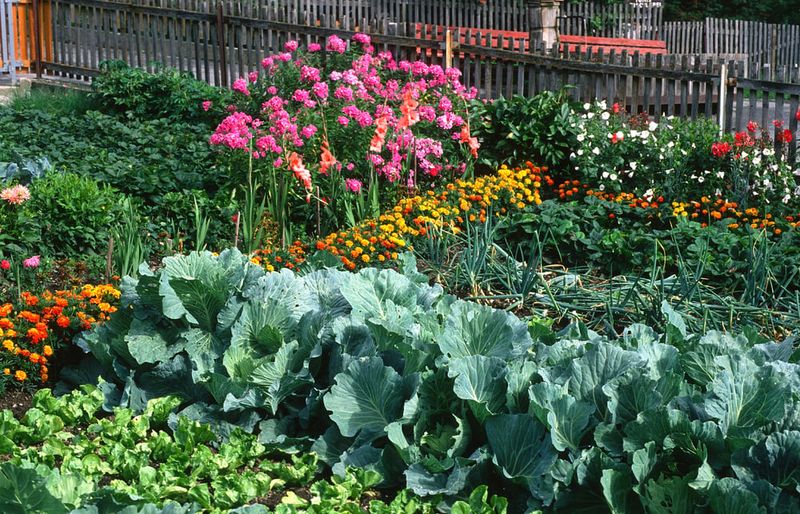
Cabbage worms are among the most frustrating pests Michigan gardeners face each spring, chewing through leaves almost overnight.
Planting dill nearby is one of the most effective organic strategies for keeping these pests under control.
Dill attracts beneficial predatory insects, including parasitic wasps and lacewings, which actively hunt and feed on cabbage worms and their eggs. The relationship between dill and cabbage goes beyond just pest control.
Dill is a flowering herb, and when it blooms, it draws in a wide range of pollinators and helpful insects that improve the overall health of your garden ecosystem.
In Michigan’s cool spring conditions, both plants establish well early in the season, making them a natural pairing for April and May plantings.
Dill grows quickly enough to be blooming right when early cabbage pests start appearing. One thing to keep in mind is that mature dill can actually inhibit cabbage growth if planted too close, so keep dill plants at least 18 inches away from your cabbage heads.
Young dill is perfectly safe and beneficial at closer range, so timing your planting matters. Michigan gardeners who grow cabbage for summer or fall harvest will find that a border of dill around the bed creates a living pest barrier that is both attractive and functional.
It is a simple, natural approach that genuinely works season after season.
4. Spinach And Strawberries

Strawberries and spinach might not be the first combination that comes to mind, but Michigan gardeners who have tried it often become instant believers.
Spinach is one of the most cold-hardy leafy greens available, tolerating temperatures well below freezing when properly established.
Planting it around strawberry crowns in early spring puts that toughness to excellent use while delivering a second crop from the same bed.
Spinach acts as a living mulch between strawberry plants, covering bare soil and helping the ground retain moisture during Michigan’s often dry early spring weeks.
This ground cover also suppresses weeds naturally, reducing the amount of time you spend pulling unwanted plants from around your strawberry crowns.
The spinach does not compete heavily with strawberries because its shallow roots occupy a different soil layer than the deeper strawberry roots.
Both plants thrive in cool weather, which makes them perfectly suited to Michigan’s spring climate in zones 5 and 6.
You can start harvesting spinach leaves as early as late April while your strawberries are still flowering and setting fruit.
By the time summer heat arrives and spinach starts to bolt, your strawberries will be hitting peak production and filling in the space naturally.
It is a beautifully timed double harvest that rewards gardeners who think creatively about using every inch of their growing space wisely.
5. Peas And Carrots

Peas and carrots are not just a classic dinner combination. In the garden, they are also one of the most productive cold-climate pairings Michigan gardeners can plant.
Peas are nitrogen-fixing plants, meaning their roots work with soil bacteria to pull nitrogen from the air and convert it into a form that other plants can absorb.
Carrots are heavy feeders that benefit enormously from that extra nitrogen boost right at their root level.
Michigan’s cool spring soils, often still cold from winter well into April, are actually ideal for both of these crops.
Peas germinate best in soil temperatures between 45 and 75 degrees Fahrenheit, and carrots prefer similar cool conditions for strong root development.
Planting them together in late April allows both crops to establish at the same time and begin supporting each other naturally through the soil. Another bonus of this pairing is vertical space efficiency.
Peas climb upward on a trellis or support structure, while carrots grow downward into the soil, so the two plants occupy completely different growing zones without competing for light or root space.
Michigan gardeners with smaller raised beds will especially appreciate how much production they can get from one compact planting area.
By midsummer, you will have sweet, tender peas ready to pick and well-developed carrot roots enriched by the nitrogen left behind in the soil.
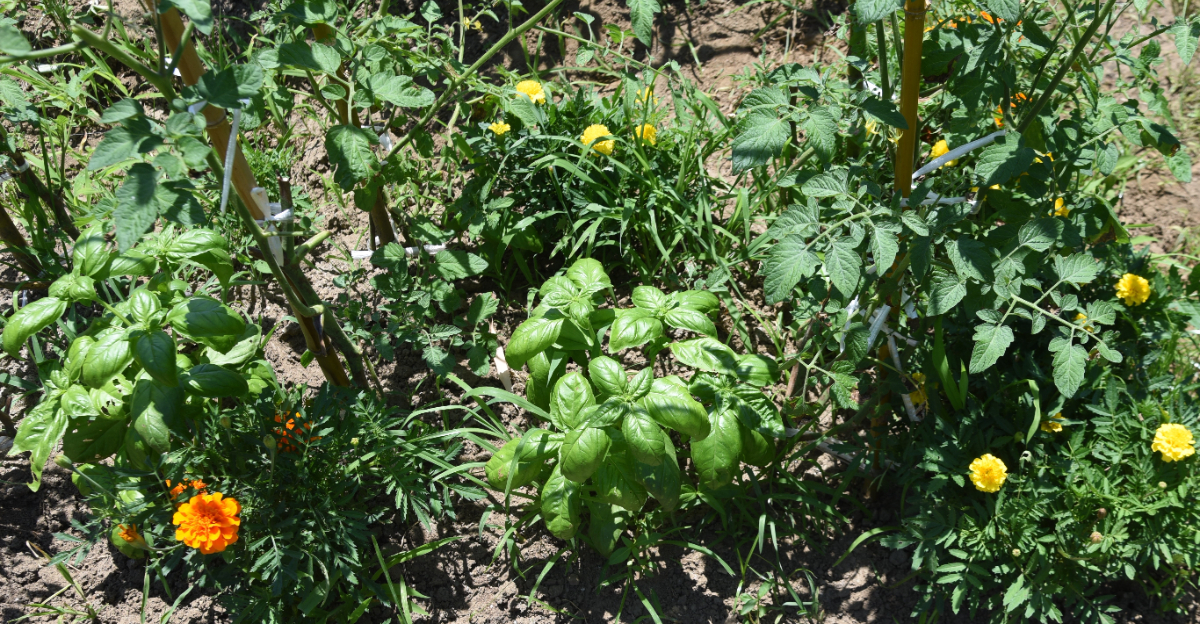
6. Tomatoes And Basil

Basil and tomatoes belong together in the kitchen, and as it turns out, they are just as compatible in the garden.
For Michigan growers who start tomatoes early in a greenhouse or cold frame before the last frost date, planting basil nearby offers real pest protection during those vulnerable early weeks.
Basil contains volatile compounds that repel aphids, whiteflies, and other soft-bodied insects that tend to target young tomato transplants.
Research from Michigan State University Extension has noted that aromatic herbs planted alongside vegetables can create a less hospitable environment for common garden pests.
Basil fits this role perfectly because it is strongly aromatic and grows quickly enough to be useful right from the transplant stage.
Even in cool greenhouse conditions, basil establishes well and begins releasing those protective scent compounds within days of planting.
Michigan gardeners typically wait until after Memorial Day to move tomatoes and basil outdoors due to the state’s frost risk, but the indoor pairing during April and May is where this combination really shines.
Keep basil plants close but not crowding the tomato stems, aiming for about 10 to 12 inches of spacing.
You get the added benefit of having fresh basil ready to harvest right alongside your first tomatoes of the season.
It is a practical, flavorful, and genuinely smart pairing for any Michigan gardener working through the cool early months.
7. Beans And Marigolds

Marigolds have earned a legendary reputation in the gardening world, and pairing them with beans in Michigan is one of the smartest moves you can make for a healthy crop.
Root-knot nematodes are microscopic soil pests that attack bean roots and reduce yields significantly.
Marigolds, particularly the French variety, release a natural compound called alpha-terthienyl from their roots that has been shown to suppress nematode populations in surrounding soil.
Beyond nematode control, marigolds are excellent pollinator magnets. Beans require pollination to set pods, and having a steady stream of bees and beneficial insects visiting your marigolds means more activity around your bean plants too.
Michigan summers can get warm enough for beans to produce abundantly, but getting those plants established well in cooler early-season conditions is where the marigold partnership really adds value.
Plant marigolds along the edges or borders of your bean rows rather than mixing them in randomly.
This creates a strong protective perimeter while keeping the planting visually organized and easy to manage.
French marigolds work better than African varieties for nematode suppression, so look for that distinction when buying seeds or transplants.
Michigan gardeners who have struggled with poor bean yields despite good soil often find that adding marigolds to the equation makes a noticeable difference.
The bright blooms also make your garden look vibrant and cheerful all season long, which is always a welcome bonus.
8. Kale And Nasturtiums

Kale is one of Michigan’s most reliable cold-season crops, pushing through early spring frosts with ease and producing nutritious leaves over a long harvest window.
The challenge is that kale, like most brassicas, is a favorite target for aphids, which can arrive in large numbers during warm spring days.
Nasturtiums offer one of the most creative and colorful solutions to this common problem. Nasturtiums work as trap crops, meaning aphids strongly prefer them over kale and will colonize the nasturtium plants first.
Instead of spreading across your entire brassica bed, aphid populations tend to concentrate on the nasturtiums, where you can easily spot and manage them.
This keeps your kale leaves clean and undamaged during the critical early growth period when plants are most vulnerable to pest pressure.
Nasturtiums are also edible and add a peppery flavor to salads, making them a doubly useful addition to any Michigan kitchen garden.
They establish quickly from seed, even in cool April soil, and begin flowering within six to eight weeks.
Plant nasturtiums around the edges and between kale rows for the best trap crop coverage.
Michigan gardeners who grow kale for late fall and early winter harvests will find nasturtiums especially valuable because they extend that protective benefit through the entire growing season.
Colorful, practical, and surprisingly tough, nasturtiums are a cold-climate companion worth growing every year.
9. Radishes And Cucumbers

Cucumber beetles are one of the most destructive pests Michigan gardeners deal with during the growing season, spreading bacterial wilt and causing serious damage to young plants.
Radishes planted alongside cucumbers have been shown to deter cucumber beetles effectively, acting as a natural repellent that reduces beetle pressure on your main crop.
It is a simple, low-cost strategy that makes a real difference in garden health. The timing of this pairing works out beautifully for Michigan’s growing season.
Radishes mature in as little as three to four weeks, so you can sow them alongside your cucumber transplants or seeds in late May or early June and harvest them before the cucumbers even start vining heavily.
This frees up soil space naturally without any replanting effort, which is especially valuable in raised beds where every inch matters during Michigan’s relatively short summer season.
Radishes also help break up compacted soil with their roots as they grow, improving drainage and aeration around young cucumber plants that need loose soil to establish quickly.
After harvesting the radishes, the channels left by their roots allow water and air to move more freely through the bed.
Michigan gardeners who struggle with cucumber beetles year after year will find this pairing refreshingly effective.
It requires almost no extra work, costs very little, and delivers pest protection while simultaneously producing a quick bonus harvest of crisp, fresh radishes early in the season.
10. Lettuce And Chives

Chives are one of the most underrated companion plants in the Michigan gardener’s toolkit.
Their strong onion-like scent naturally repels aphids, which are among the most common early-season pests targeting lettuce.
Planting chives in and around your lettuce beds creates a scent barrier that makes it much harder for aphids to locate and settle on your leafy greens during cool spring months.
Beyond pest deterrence, chives contribute to soil health in subtle but meaningful ways. Their root systems improve microbial activity in the surrounding soil, which helps lettuce roots access nutrients more efficiently.
Chives are also perennial in Michigan’s climate, meaning once you plant them, they return reliably every spring without any replanting effort.
That makes them an incredibly low-maintenance companion that keeps on giving season after season.
Lettuce and chives both thrive in cool temperatures, which makes them an ideal match for Michigan’s April and May planting windows.
You can harvest chive leaves regularly throughout the season without harming the plant, giving you a steady supply of fresh herbs while your lettuce matures alongside them.
Interplant chives every few feet within your lettuce rows for the most consistent aphid-repelling coverage.
Michigan gardeners who grow lettuce in cold frames or hoop houses will find this combination especially effective for extending the harvest season well into late fall.
It is a simple pairing that delivers genuine, season-long value with very little effort required.