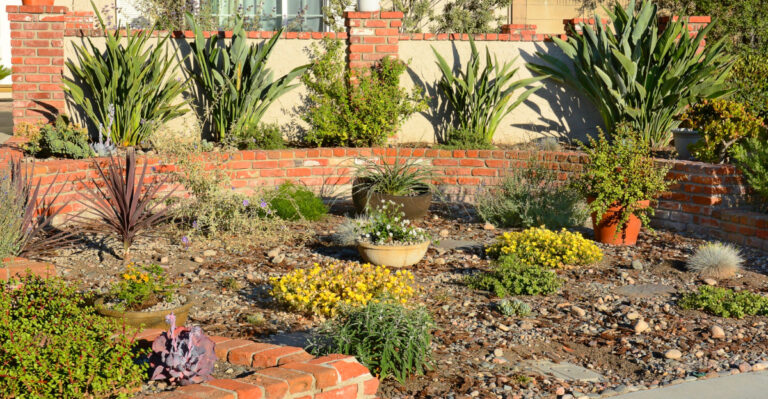
California Gardeners Are Planting These Shrubs To Attract Hummingbirds This Spring
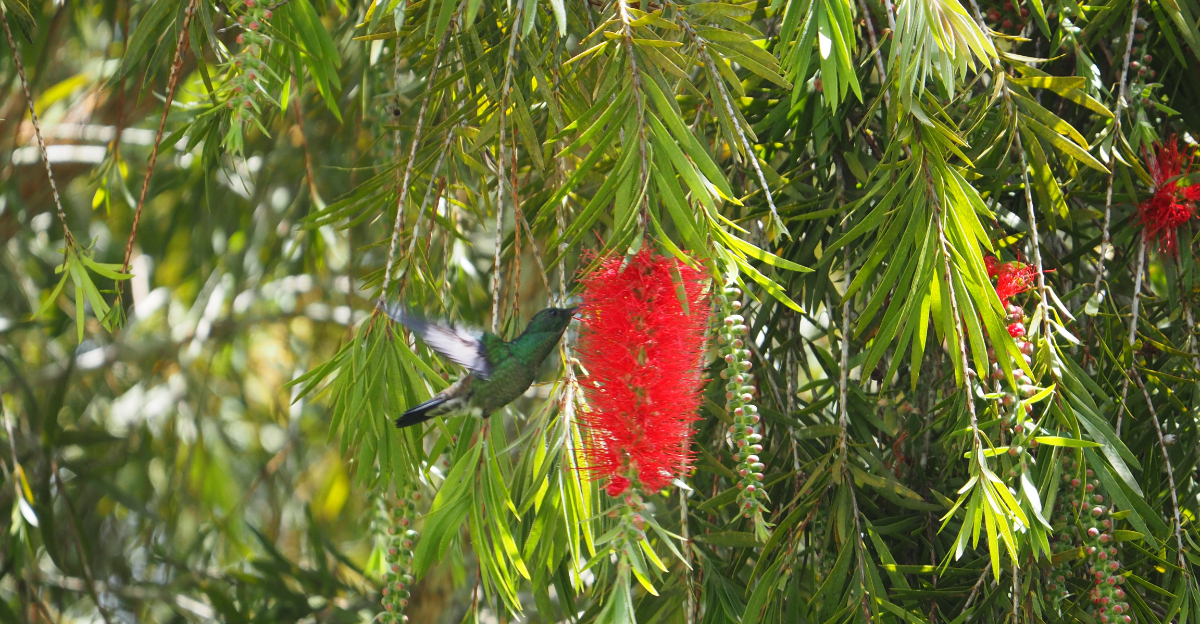
Spring in California brings a burst of activity in the garden, and one of the most exciting visitors to return is the hummingbird.
These tiny, fast-moving birds are always searching for nectar rich flowers, and the right shrubs can turn an ordinary yard into their favorite feeding stop.
Many California gardeners are starting to plant shrubs specifically designed to attract hummingbirds. The secret is choosing plants with bright, tubular flowers that hold plenty of nectar.
Hummingbirds are especially drawn to red, orange, and pink blooms, which signal an easy energy source for their high speed wings.
Native shrubs are particularly popular because they thrive in California’s climate while providing a reliable food source for local wildlife. Plants like monkeyflower, hummingbird sage, and chuparosa produce nectar filled blooms that hummingbirds visit again and again throughout the season.
With the right shrubs planted this spring, your garden can quickly become a lively hub of color, movement, and nonstop hummingbird visits.
1. California Fuchsia
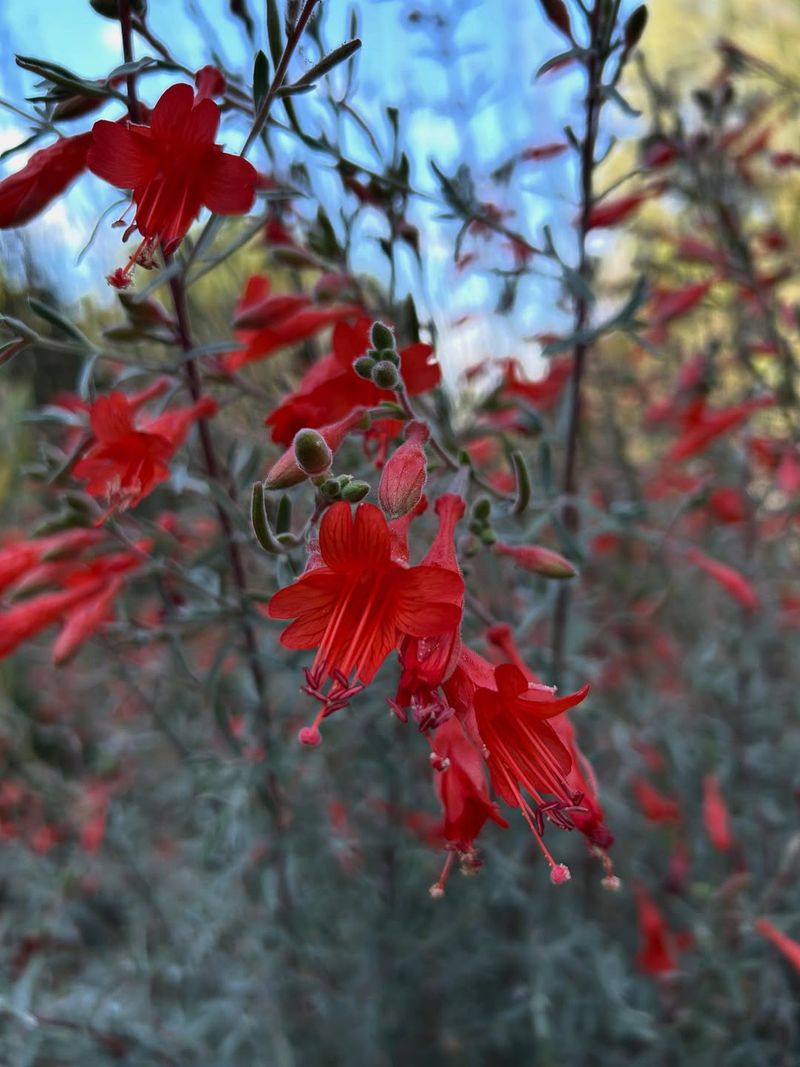
Few plants put on a show quite like California Fuchsia when hummingbirds are searching for late-season fuel. Its vivid red-orange tubular flowers are practically designed for a hummingbird’s long beak.
This low-growing perennial blooms from late summer into fall, filling a gap when most other plants have already finished flowering.
California Fuchsia thrives in full sun and handles dry conditions like a champ. Once established, it needs very little water, making it a fantastic choice for drought-conscious California gardeners.
You can find it growing naturally across hillsides and open slopes throughout the state.
Plant it along borders, in rock gardens, or on slopes where water runoff is a problem. It spreads gradually to form a nice groundcover.
Trim it back in late winter to encourage fresh, full growth in spring. Hummingbirds in California have come to rely on this plant, and once you add it to your yard, you will quickly see why it earns such loyal visitors every single year.
2. Flowering Currant
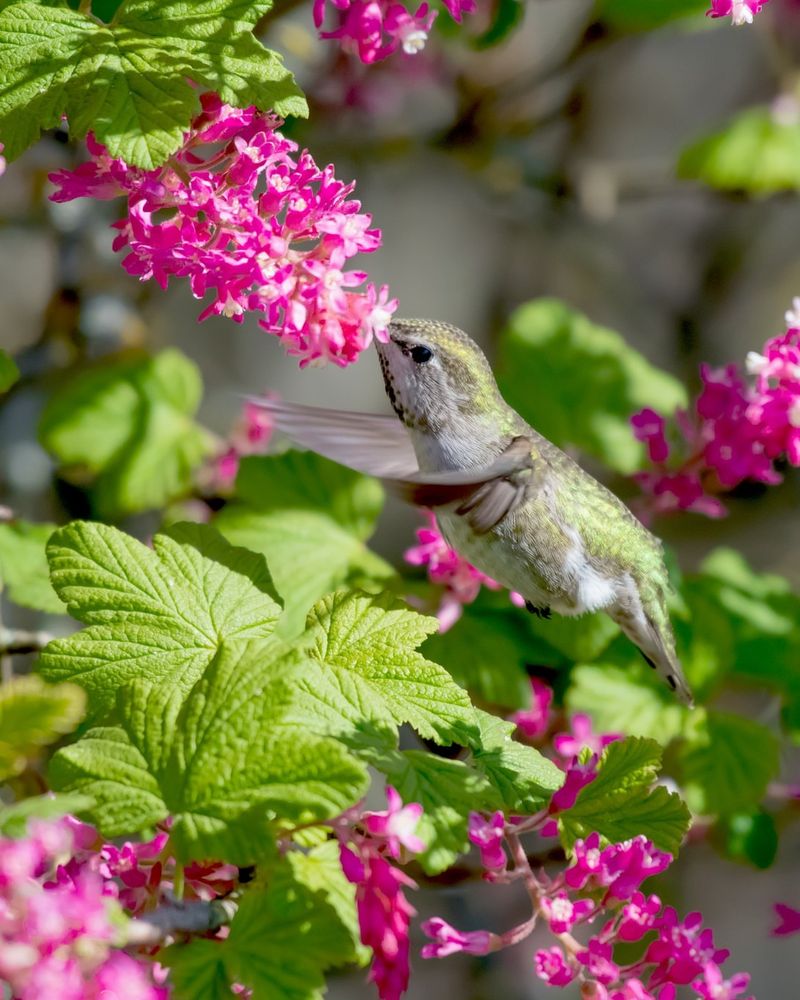
Every spring in California, Flowering Currant puts on one of the most reliable nectar displays in the garden. Clusters of deep pink to red tubular flowers hang in graceful bunches, almost like tiny chandeliers.
Hummingbirds notice them immediately, and so will you.
This shrub blooms early in the season, often before many other plants have even woken up. That timing makes it incredibly valuable because hummingbirds returning from their winter range need food fast.
Planting Flowering Currant gives them exactly what they need right when they arrive.
It grows well in full sun to partial shade, which means it fits into many different California garden setups. It can reach six to eight feet tall, so give it room to spread.
The foliage has a pleasant, slightly spicy scent that many gardeners love. After the flowers fade, small blue-black berries appear, which attract birds of other kinds too.
Water it occasionally during its first summer, and after that it handles California’s dry summers with ease. It is a true workhorse shrub that rewards you with beauty and wildlife activity season after season.
Your California Garden Changes Every Week. Your Plan Should Too.
Gardening in California changes quickly throughout the season. Every Friday you’ll receive a simple weekly plan showing exactly what to plant, prune, fertilize, harvest, and protect so you never miss the right timing.
3. Manzanita

There is something almost sculptural about Manzanita. Its smooth, reddish-brown bark twists into striking shapes, and in late winter to early spring, it covers itself in clusters of tiny urn-shaped flowers.
Those little blooms are packed with nectar, and hummingbirds absolutely flock to them.
California is home to dozens of Manzanita species, so you have plenty of options depending on your region and garden size. Some varieties stay low and compact, perfect for small yards.
Others grow into large, dramatic shrubs that become real focal points in the landscape.
Manzanita is one of the most drought-tolerant shrubs you can grow in California. Once established, it rarely needs supplemental watering.
It prefers well-drained soil and full sun, and it strongly dislikes having wet roots in summer. Avoid overwatering once it is settled in.
The berries that follow the flowers are also attractive to wildlife, giving this shrub extra value beyond the spring bloom.
If you want a plant that looks stunning year-round, supports hummingbirds, and practically takes care of itself in the California climate, Manzanita belongs at the top of your planting list.
4. California Lilac
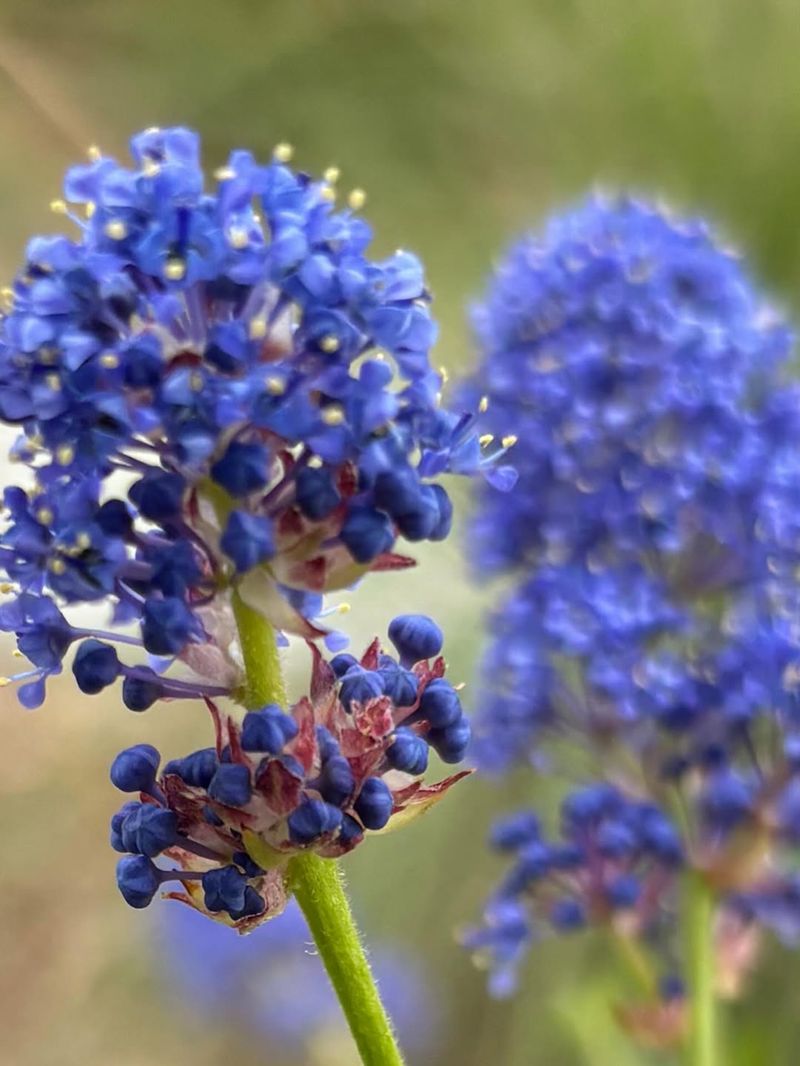
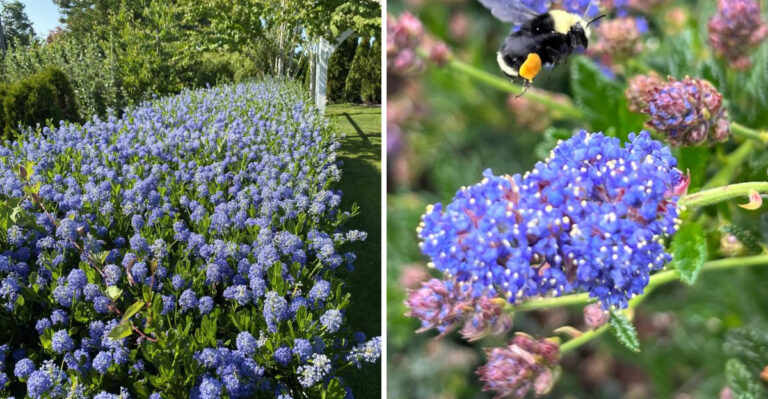
Walk past a Ceanothus in full bloom and you will stop in your tracks. The dense clusters of flowers range from soft lavender to deep electric blue, and the whole shrub practically hums with activity.
Hummingbirds, bees, and butterflies all compete for a spot among the blossoms.
California Lilac is one of the most beloved native shrubs in the state, and for good reason. It blooms heavily in spring, often covering itself so completely in flowers that the leaves nearly disappear.
The show can last for weeks, giving hummingbirds a long window to feed and return.
There are many Ceanothus varieties available, from low groundcover types to large upright shrubs reaching fifteen feet or more. Choose a variety that suits your space and soil.
Most types prefer full sun and fast-draining soil. Once established, they are extremely drought-tolerant, which fits California’s water-smart gardening goals perfectly.
Avoid planting them in heavy clay or watering them heavily in summer, as they prefer dry conditions once settled. A well-placed Ceanothus can anchor a native garden beautifully while giving hummingbirds one of their favorite spring feeding stations in California.
5. Shrub Sage
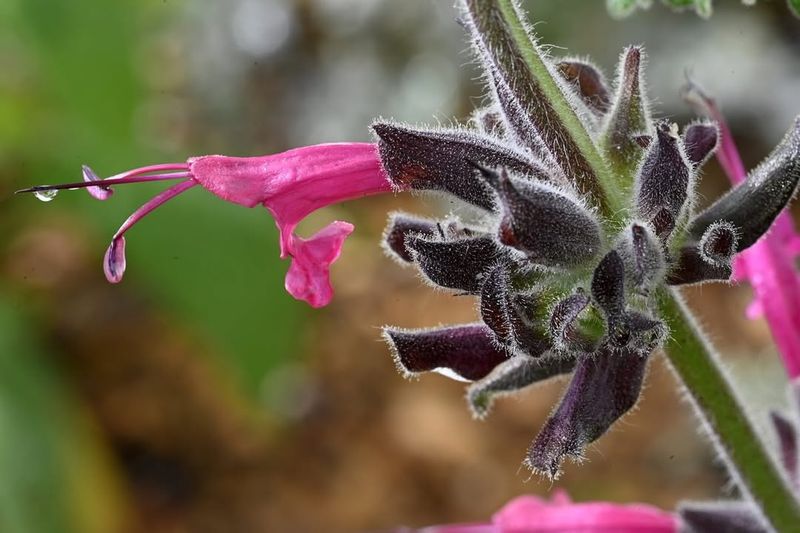
Salvia greggii, commonly called Autumn Sage or Shrub Sage, is one of those plants that earns its keep in a California garden all year long. It blooms in spring, takes a short summer break, and then comes roaring back in fall with another flush of color.
Hummingbirds track its bloom cycles with impressive precision.
The tubular flowers come in red, pink, coral, and even white, depending on the variety. Red-flowered types tend to be the biggest hummingbird magnets.
Hybrids of Salvia greggii have expanded the color palette even further, giving California gardeners lots of fun options to mix and match.
This shrub stays relatively compact, usually reaching two to four feet tall and wide. That makes it easy to tuck into borders, containers, or mixed plantings.
It loves full sun and handles heat well, which suits many California microclimates nicely. Water it occasionally during the first season, and then let it mostly fend for itself.
Trim spent flower stems to encourage fresh blooms. Few shrubs offer this much hummingbird appeal with this little maintenance, making Shrub Sage a must-have for any California garden focused on wildlife.
6. Grevillea

Originally from Australia, Grevillea has found a devoted fan base among California gardeners, and hummingbirds are fans too. The flowers are unlike anything else in the garden.
They look almost like tiny fireworks frozen in place, with long curved stamens that hold pools of rich nectar.
Grevillea blooms for an unusually long season. Depending on the variety, it can flower from late fall all the way through spring, which fills critical gaps in the nectar calendar.
California hummingbirds that overwinter in the state depend on plants like this to stay fueled through the cooler months.
Most Grevillea varieties prefer full sun and well-drained soil. They are highly drought-tolerant once established, fitting right into California water-wise gardening.
Sizes range from small, low-spreading groundcovers to large shrubs and even small trees. Popular varieties like Grevillea Noellii and Grevillea Moonlight have proven especially reliable in California landscapes.
One thing to keep in mind is that some people have skin sensitivities to Grevillea foliage, so wear gloves when pruning. Beyond that, it is an incredibly low-maintenance plant that delivers spectacular color and consistent hummingbird traffic season after season.
7. Toyon

Toyon holds a special place in California history. Some historians believe that Hollywood got its name from the abundance of Toyon shrubs, once called California Holly, that covered the hills of Los Angeles.
Today, this native shrub remains one of the most versatile and wildlife-friendly plants you can grow in the state.
In late spring and early summer, Toyon produces large clusters of small white flowers that draw hummingbirds in for nectar. By winter, those flowers transform into bright red berries that feed thrushes, waxwings, and other birds.
It is a year-round gift to California wildlife.
Toyon grows into a large, rounded shrub or small tree, reaching six to fifteen feet tall depending on conditions. It handles full sun to partial shade and is very drought-tolerant once established.
It thrives in the dry, rocky hillside conditions found across much of California. Planting Toyon in your garden connects you to the native landscape in a meaningful way.
It also requires very little care once settled. Just give it room to grow, keep irrigation minimal in summer, and let it do what it does naturally: feed and shelter the wildlife that makes California gardens so alive.
8. Baja Fairy Duster
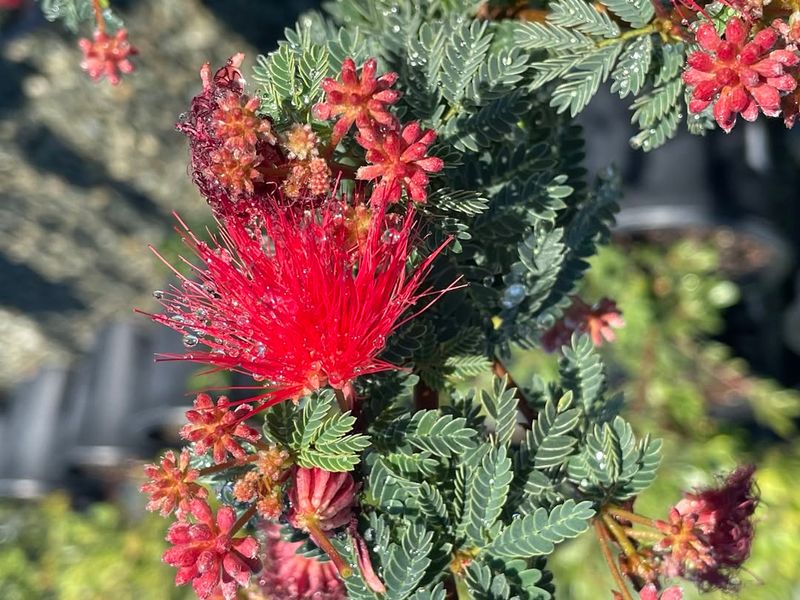
If a plant could look like it was designed specifically to delight hummingbirds, the Baja Fairy Duster might be it. The flowers are clusters of long, silky red stamens that form soft, brush-like puffs.
They look almost too whimsical to be real, yet hummingbirds treat them with complete seriousness, visiting again and again for nectar.
This shrub is native to Baja California and thrives in the warm, dry conditions found throughout Southern California. It blooms heavily in spring and often produces scattered flowers through summer and fall.
That extended bloom season makes it especially useful for gardeners who want to keep hummingbirds around as long as possible.
Baja Fairy Duster grows three to five feet tall and wide, fitting nicely into most garden spaces. It loves full sun and needs excellent drainage.
Once established, it is remarkably drought-tolerant, which makes it a natural fit for water-conscious Southern California landscapes. Pair it with other drought-tolerant bloomers for a layered, colorful garden that feels lush without demanding lots of irrigation.
It is one of those plants that makes you wonder why every California gardener does not already have one growing in their yard.
9. Cape Honeysuckle
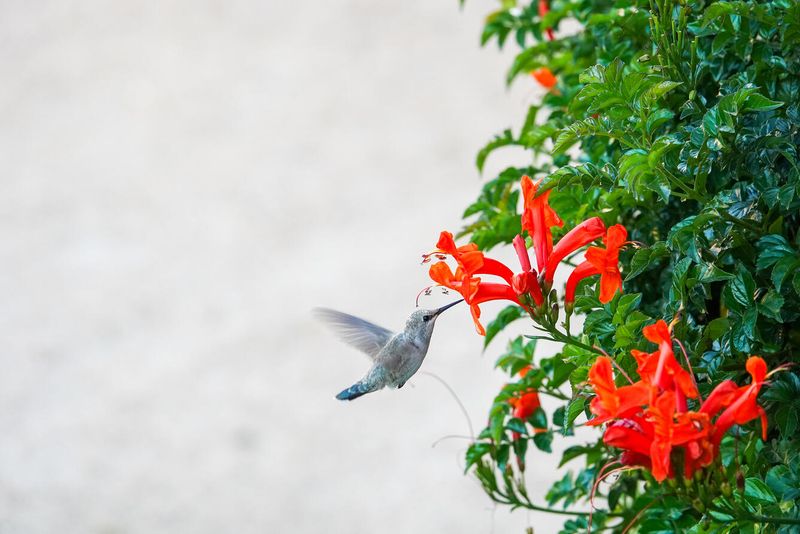
Bold, fast-growing, and absolutely loaded with hummingbird-ready blooms, Cape Honeysuckle earns its popularity in California gardens quickly.
The clusters of bright orange tubular flowers practically glow in the sun, and hummingbirds seem to spot them from a remarkable distance. Once they find it, they come back regularly.
Cape Honeysuckle originally comes from South Africa, but it has adapted beautifully to Southern California’s warm, dry climate. It can be trained as a sprawling shrub, a hedge, or even a vine climbing over a fence or wall.
That flexibility makes it useful in many different garden situations.
It blooms most heavily in fall and winter in California, which is exactly when many other nectar sources are scarce. This timing gives resident hummingbirds a critical food source during the cooler months.
The plant grows vigorously and can reach ten feet or more if left unpruned. Regular trimming keeps it bushy and encourages fresh blooms.
It prefers full sun and tolerates drought once established. It can be sensitive to hard freezes, so in colder inland California areas, plant it against a south-facing wall for extra protection.
Overall, it is a showstopper that hummingbirds love unconditionally.
10. Bottlebrush
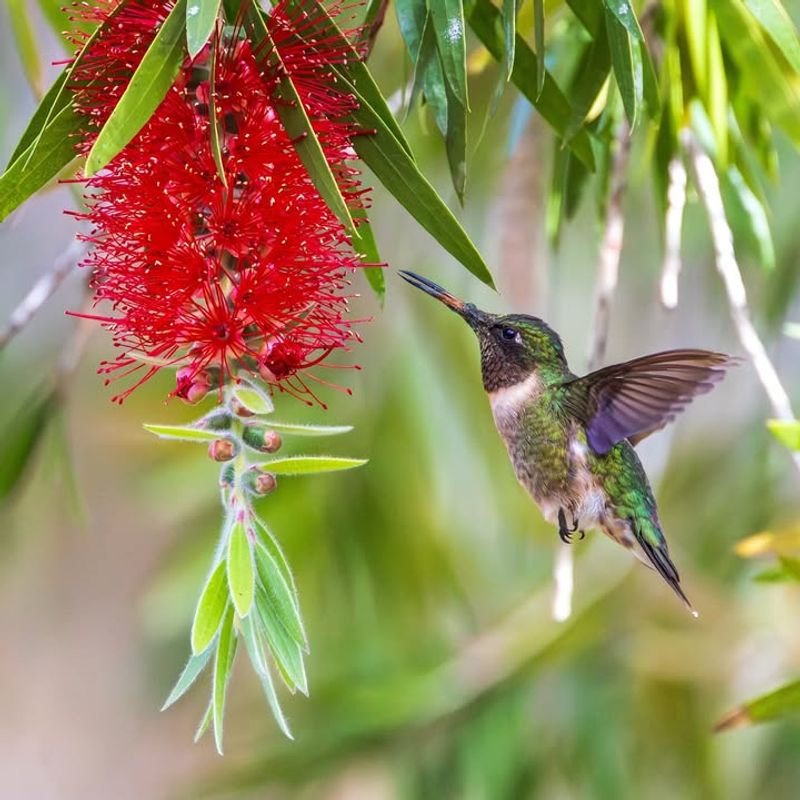
The name says it all. Bottlebrush flowers look exactly like the brushes used to clean bottles, with long red stamens radiating out from a central stem in a dense, cylindrical spike.
They are eye-catching, unusual, and completely irresistible to hummingbirds. Watching a hummingbird work its way along a Bottlebrush bloom is one of the great small pleasures of California gardening.
Bottlebrush is another Australian native that has made itself completely at home in California. It blooms primarily in spring and summer, with some varieties producing flowers at other times of year too.
That long bloom window gives hummingbirds plenty of feeding opportunities.
Most Bottlebrush varieties prefer full sun and well-drained soil. They handle heat and drought well once established, which suits California’s warm, dry summers.
Sizes range from compact shrubs around three feet tall to large specimens reaching fifteen feet or more. The weeping Bottlebrush, Callistemon viminalis, is a popular choice for California yards because of its graceful, arching branches.
Prune lightly after flowering to keep the shape tidy and encourage new growth. With minimal care, Bottlebrush rewards California gardeners with vivid color and steady hummingbird visits for many seasons to come.