What Experienced California Gardeners Do Before March Ends
March moves quickly in California gardens. One minute it still feels like late winter, and the next the sun is stronger, plants are waking up, and the growing season is suddenly in full swing.
Experienced gardeners know this short window before April is one of the most important moments of the year.
Instead of waiting for peak spring, seasoned gardeners use the final weeks of March to get ahead. They prepare soil, plant fast growing crops, and tackle small tasks that make a huge difference once temperatures begin to climb.
A little planning now can mean healthier plants, earlier harvests, and far less scrambling later.
It’s also the perfect time to set the garden up for success before the heat and dry weather of late spring arrive. A few smart moves before the month ends can help plants establish strong roots, conserve water, and grow with far fewer problems as the season unfolds.
1. Finish Pruning Roses And Fruit Trees
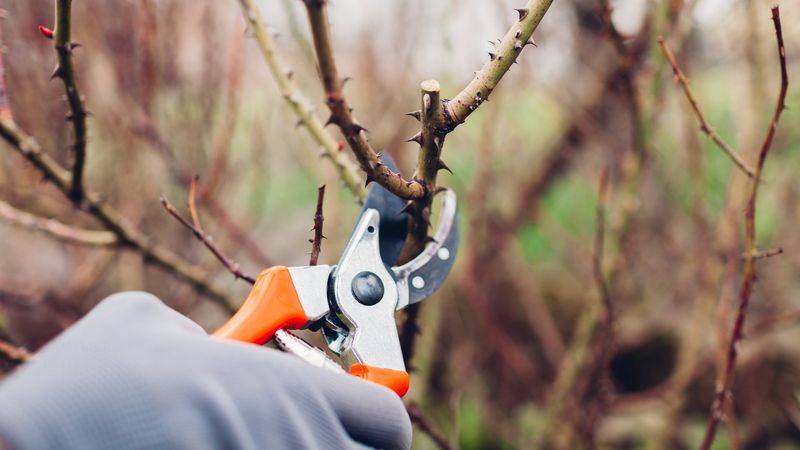
Sharp shears and a clear game plan make all the difference when it comes to late-winter pruning. In California, March is your last real chance to prune roses and fruit trees before new growth takes off.
If you wait too long, you risk cutting off buds that are already forming. For roses, cut back canes to about 18 to 24 inches. Remove any dead, crossing, or weak stems.
Make clean cuts at a 45-degree angle just above an outward-facing bud. This encourages the plant to grow outward and allows better airflow through the center.
Fruit trees like peaches, plums, and apples also benefit from a solid late-February or early-March pruning. Removing dead or crowded branches helps sunlight reach the fruit and reduces the chance of disease spreading.
Gardeners in the Sacramento Valley and the San Joaquin Valley are especially familiar with this routine. A well-pruned fruit tree is not just healthier.
It produces bigger, better fruit. Use clean, disinfected tools every time to avoid spreading any pathogens from one plant to another. This one task pays off all season long.
2. Apply Fresh Mulch Before Spring Heat
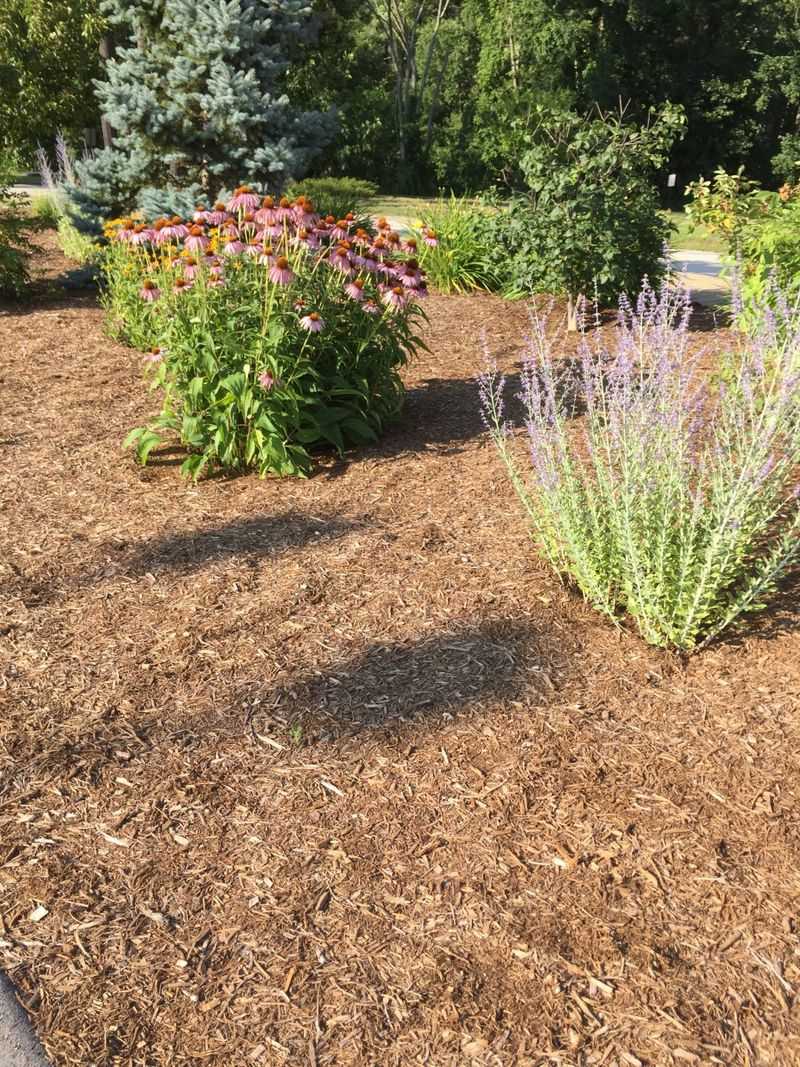
Before the California sun really cranks up the heat, smart gardeners reach for a bag of mulch. Applying a fresh 2 to 3-inch layer around garden beds is one of the best things you can do before spring turns into summer.
It keeps moisture locked in the soil, which means less watering later on.
Mulch also keeps soil temperatures steady. In Southern California especially, soil can heat up fast and stress plant roots.
A good layer of wood chips, straw, or shredded bark acts like a blanket, protecting roots from sudden temperature swings.
Beyond moisture and temperature, mulch slows down weed growth by blocking sunlight at the soil surface. That means fewer weeds competing with your vegetables, flowers, and shrubs for nutrients.
Pull any existing weeds before you lay down the mulch so you are not trapping them underneath. Organic mulches like bark and straw break down over time and actually improve the soil beneath them.
Your California Garden Changes Every Week. Your Plan Should Too.
Gardening in California changes quickly throughout the season. Every Friday you’ll receive a simple weekly plan showing exactly what to plant, prune, fertilize, harvest, and protect so you never miss the right timing.
Gardeners in areas like the Inland Empire and the Bay Area rely on mulch heavily because water conservation is always a priority. A little effort in March means a much easier summer ahead.
3. Start Warm-Season Seeds Indoors
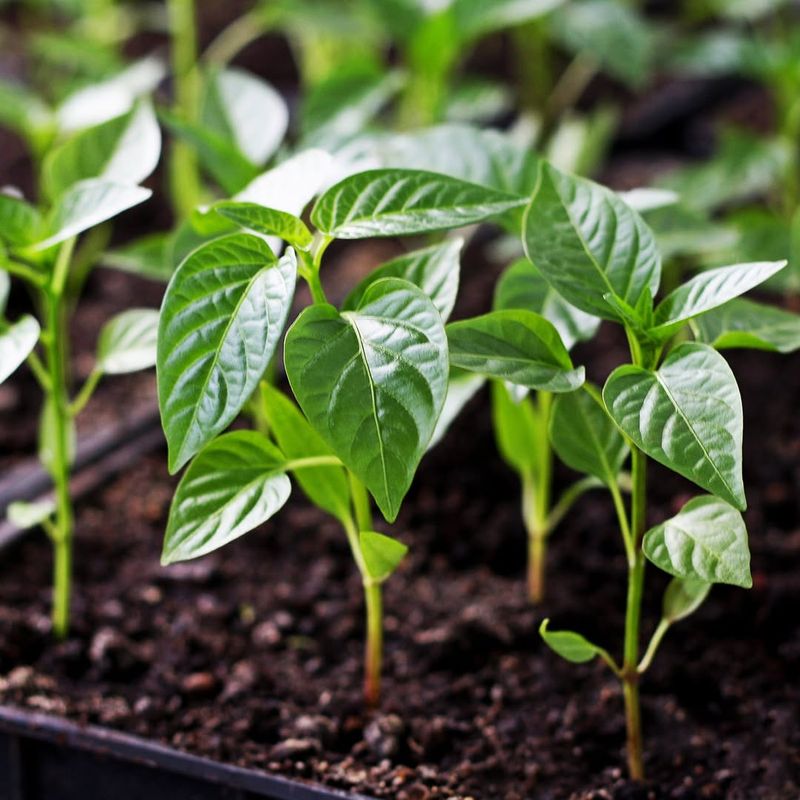
Tomatoes, peppers, and eggplants need a long growing season to really shine. Starting them indoors in March gives them a serious head start before outdoor temperatures are warm enough for transplanting.
Most of these warm-season crops need 6 to 8 weeks of indoor growing time before they are ready to go outside.
Fill small seed trays or cell packs with a good seed-starting mix. Plant seeds about a quarter inch deep and keep the soil consistently moist but not soggy.
Place the trays near a sunny south-facing window or under a grow light. Warmth matters a lot here.
A seedling heat mat can really speed up germination, especially for peppers which love warm soil.
Once seedlings have their first set of true leaves, it is time to start fertilizing lightly with a diluted liquid fertilizer. Keep them in strong light so they grow sturdy and straight, not leggy.
Gardeners throughout California, from Fresno to Ventura County, know that the plants they start indoors in March become the heavy producers by July and August.
Labeling each tray clearly saves a lot of confusion later when everything starts looking alike on the potting bench.
4. Direct Sow Cool-Season Crops
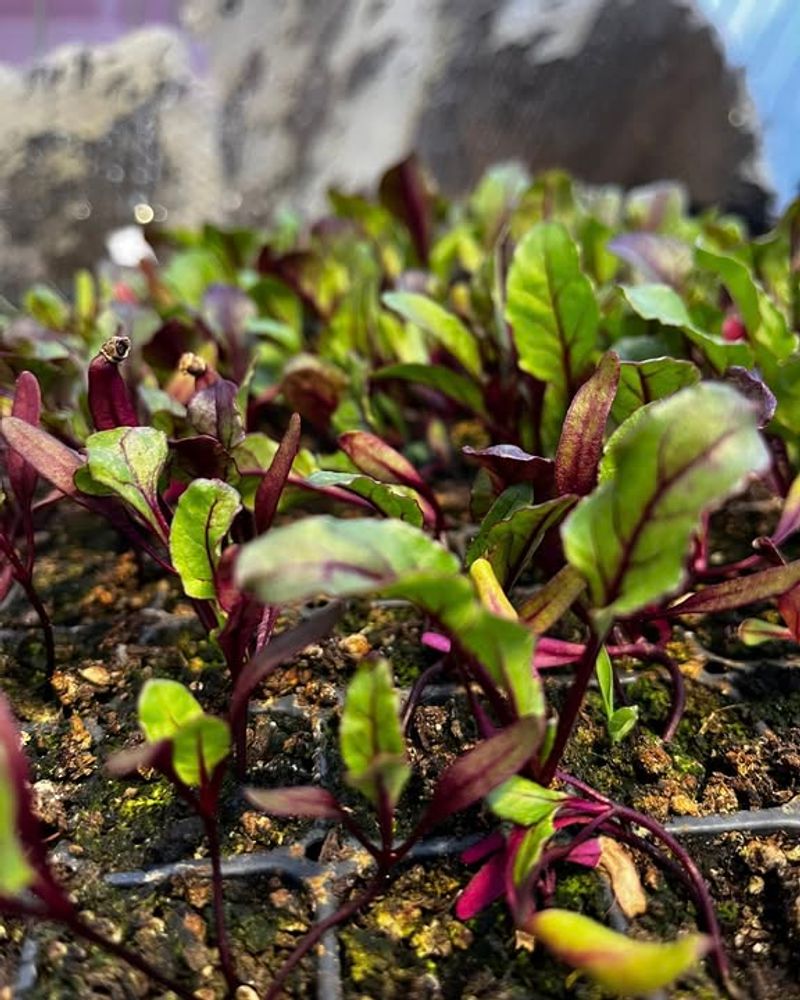
Not everything needs to start indoors. Plenty of cool-season crops actually prefer being sown directly into the garden soil, and March is the sweet spot for doing exactly that in most parts of California.
Carrots, beets, radishes, spinach, and lettuce all do wonderfully when sown right where they will grow.
Loose, well-amended soil makes direct sowing much easier. Break up any clumps, rake the surface smooth, and make shallow rows according to your seed packet instructions.
Water gently after sowing so you do not wash the seeds away. Keep the soil lightly moist until germination happens, which usually takes 5 to 14 days depending on the crop and temperature.
One great thing about direct-sown cool-season crops is how fast they grow. Radishes can be ready to harvest in as little as 25 days.
Lettuce and spinach are ready to start picking in about 30 to 45 days. In Northern California and coastal regions where spring stays mild longer, gardeners can keep sowing every two weeks for a continuous harvest.
This technique is called succession planting, and it is one of those tricks experienced gardeners swear by. Fresh salads from your own backyard in April are a very real and delicious reward.
5. Fertilize Citrus And Early Feeders
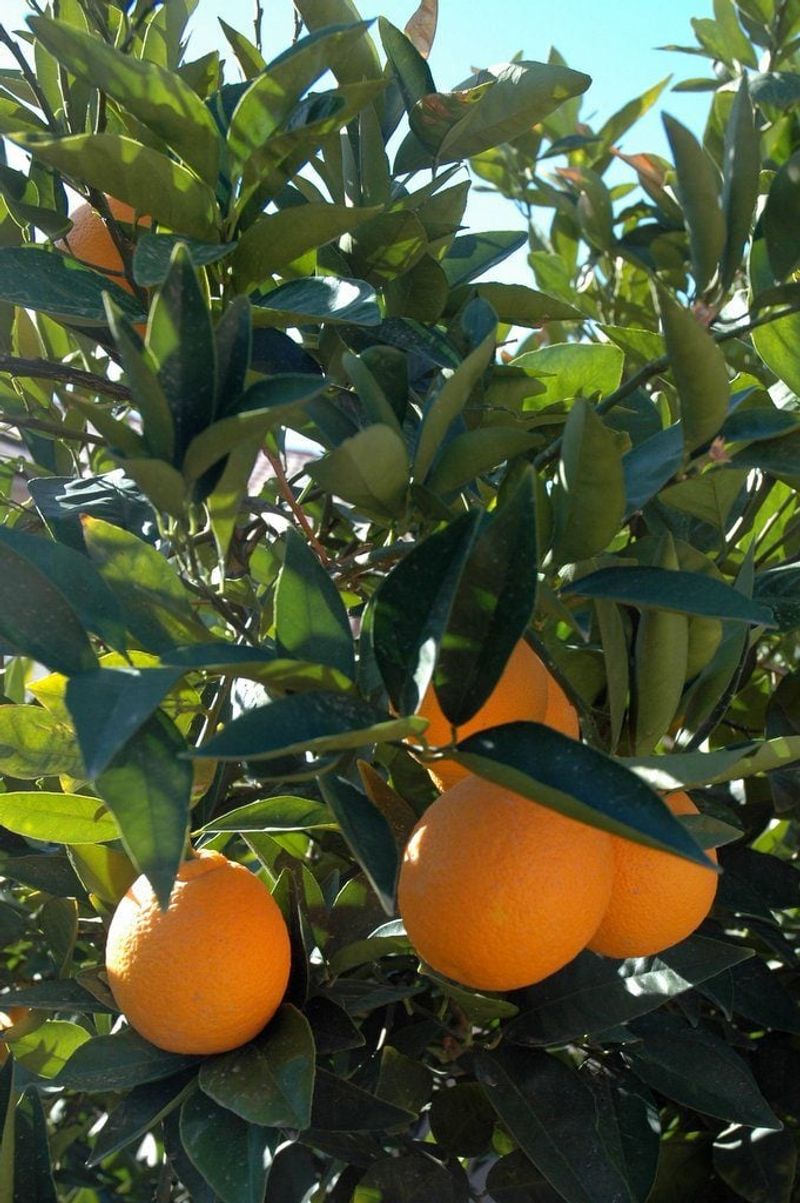
Citrus trees in California are hungry feeders, and March is exactly when they want their first meal of the year.
As new growth begins to push out, giving your orange, lemon, lime, or grapefruit tree a good dose of fertilizer sets it up for a strong season of flowering and fruiting.
Use a fertilizer specifically formulated for citrus. These blends typically contain higher levels of nitrogen along with micronutrients like iron, zinc, and manganese that citrus trees need to stay healthy and green.
Broadcast the granules evenly under the canopy, starting a few inches away from the trunk and spreading out to the drip line. Water it in well after applying.
Beyond citrus, other early feeders like roses, camellias, and established perennials also appreciate a light feeding in March.
Gardeners across the Central Coast and the San Gabriel Valley know that a timely fertilizer application in early spring produces noticeably better results than waiting until late spring.
Avoid over-fertilizing though. Too much nitrogen pushes leafy growth at the expense of flowers and fruit.
Follow the label directions, and if you are unsure, start with half the recommended amount and see how your plants respond before adding more.
6. Divide Overcrowded Perennials
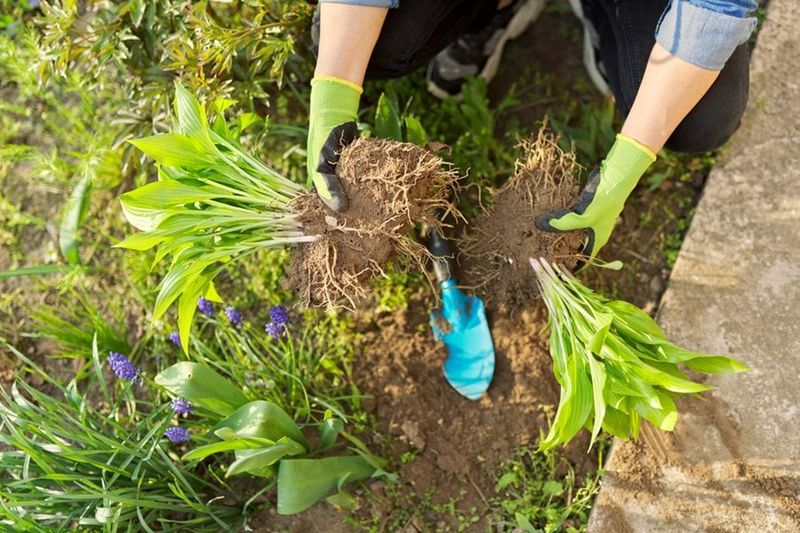
Perennials are some of the hardest-working plants in a California garden, but over time they get crowded and start to lose their vigor.
March is the ideal time to grab a garden fork, dig up those overgrown clumps, and divide them into fresh new sections ready for replanting.
You will know a perennial needs dividing when the center of the clump looks bare or woody, the plant blooms less than it used to, or it has spread far beyond its original spot.
Common candidates include agapanthus, coneflowers, daylilies, ornamental grasses, and salvias.
Dig up the entire clump and gently pull or cut it into sections, making sure each division has healthy roots and several growing shoots.
Replant the divisions right away so the roots do not dry out. Water them in thoroughly and keep the soil moist for the first couple of weeks while they settle in.
Dividing perennials does more than just control their size. It genuinely rejuvenates them, and divided plants often bloom more abundantly than the original crowded clump.
Gardeners in the East Bay and throughout the Sacramento area often use this technique to multiply their favorite plants for free. Extra divisions also make wonderful gifts for neighbors and friends who love gardening.
7. Check And Repair Irrigation Systems
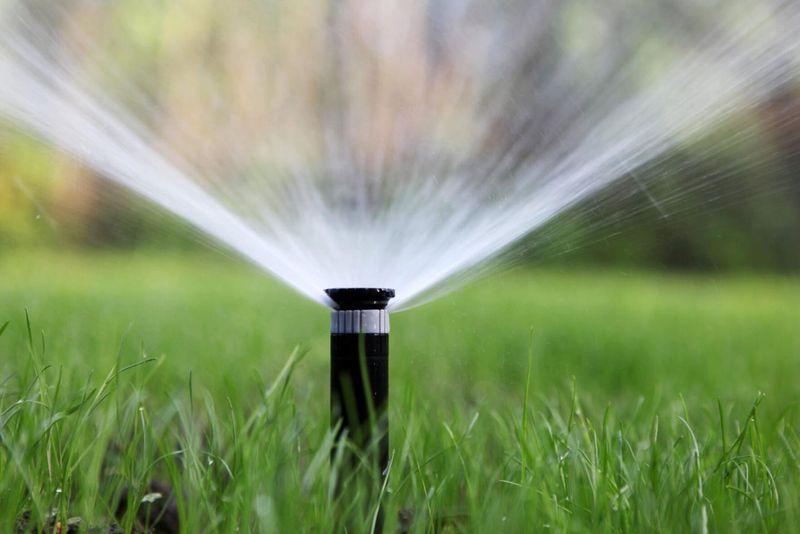
California gardeners know that water is precious. Before the dry season arrives in full force, March is the perfect time to walk your yard and give your entire irrigation system a thorough inspection.
Problems that went unnoticed over winter can waste hundreds of gallons once the system starts running regularly again.
Turn on each zone one at a time and watch closely. Look for broken sprinkler heads, clogged drip emitters, cracked tubing, or areas where water is pooling or not reaching at all.
Check that sprinkler heads are aimed correctly and that drip emitters are actually delivering water to the base of the plants they are meant to serve. Small adjustments now prevent big problems later.
Also check your controller or timer settings. The watering schedule that worked in winter is not the right schedule for spring and summer.
Gradually increase run times as temperatures climb and plants become more active. Smart irrigation controllers that adjust automatically based on weather data are becoming popular throughout Los Angeles and San Diego counties.
They can save a significant amount of water over the course of a season. A little time spent on your irrigation system in March is one of the smartest investments you can make for a water-wise California garden.
8. Remove Winter Weeds Early
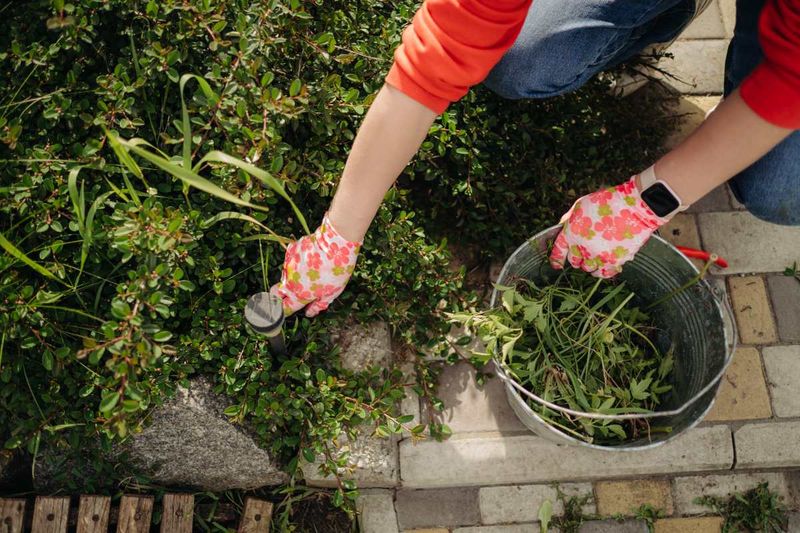
Winter rains bring green grass to the hills of California, but they also bring a flush of weeds into every garden bed. Getting rid of those weeds in March, before they set seed, is one of the smartest moves an experienced gardener makes.
One weed that goes to seed can scatter hundreds of seeds across your beds.
The soil is still soft and moist from winter rain, which makes pulling weeds surprisingly satisfying right now. Common culprits include chickweed, oxalis, hairy bittercress, and annual bluegrass.
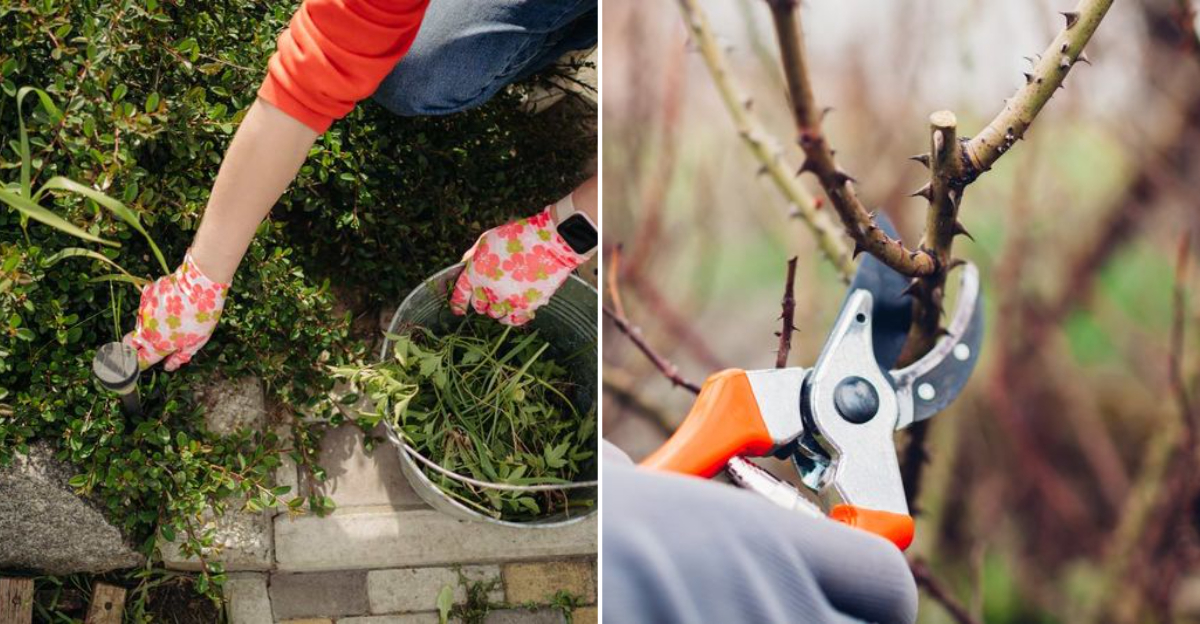
For shallow-rooted weeds, a quick pull by hand is all it takes. For taprooted weeds like dandelions or dock, use a narrow weeding tool to get the root out completely.
Leaving the root behind just means the weed comes right back.
Work through your beds systematically so you do not miss any patches. After weeding, adding a layer of mulch right away makes it much harder for new weed seeds to germinate.
Gardeners throughout the Central Valley and the Monterey Peninsula make early spring weeding a regular Saturday morning ritual.
It is genuinely easier to stay ahead of weeds than to play catch-up in May when they have already taken over. Consistency is the real secret weapon here.
9. Add Compost To Garden Beds
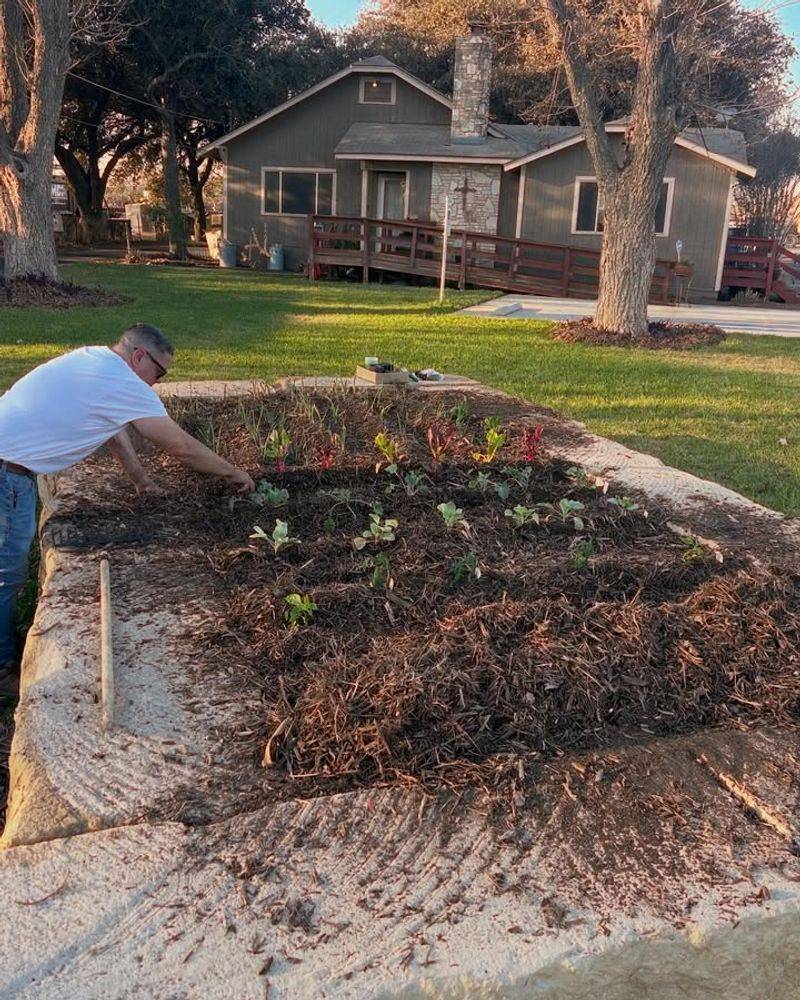
Healthy soil is the foundation of every thriving California garden. Adding compost to your beds in March is one of the simplest and most effective things you can do to improve what is already there.
Compost feeds the soil food web, improves drainage in clay soils, and helps sandy soils hold more moisture.
Spread a 2 to 3-inch layer of finished compost over the surface of your garden beds and lightly work it into the top few inches of soil. You do not need to dig it in deeply.
Earthworms and soil microbes will pull it down over time. If you have a compost pile at home, March is a great time to turn it and check if the bottom layer is ready to use.
Dark, crumbly, earthy-smelling compost is fully finished and ready to go.
Bagged compost from a garden center works just as well if you do not make your own. Look for products made from yard waste or food scraps with no added fillers.
Gardeners in the Napa Valley and throughout the Bay Area have long known that consistent compost applications year after year build genuinely rich, productive soil.
Plants growing in well-composted beds need less water, fewer fertilizer applications, and tend to be noticeably more resistant to pests and disease. Starting this habit early in the season pays off in a big way.