This Common Mistake Stops Bougainvillea From Blooming In California
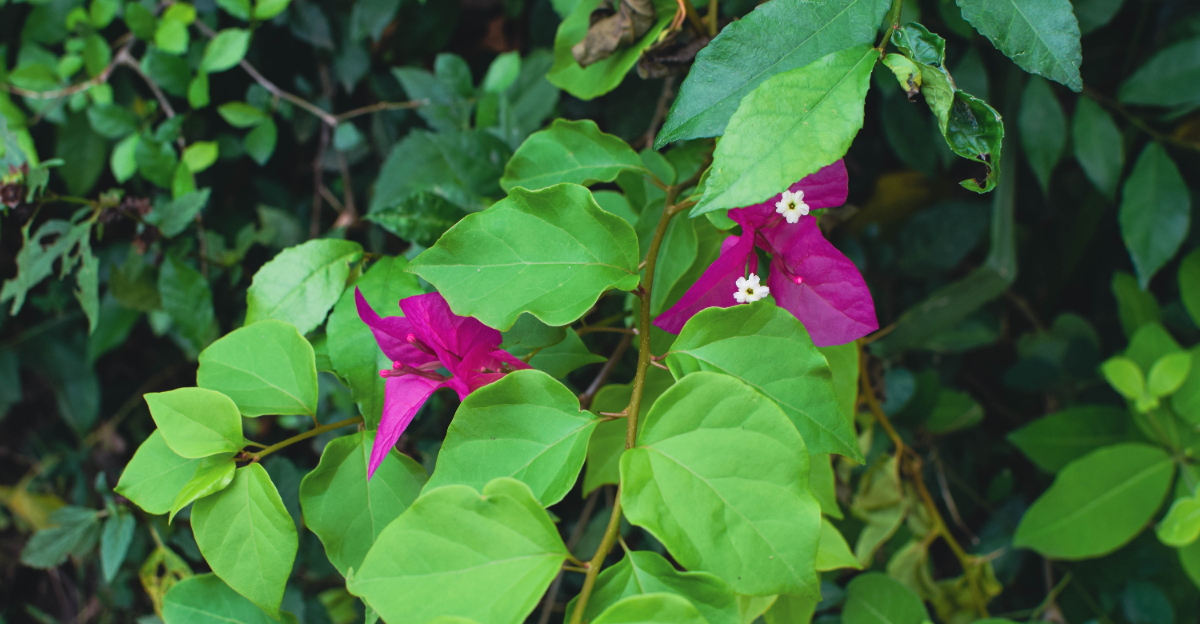
Bougainvillea is one of the most eye-catching plants you can grow in a California garden. When it’s happy, it bursts into vibrant color and can cover fences, walls, and trellises with waves of pink, purple, red, or orange blooms.
It’s the kind of plant that instantly makes a yard feel bright, warm, and full of life. But many gardeners run into the same confusing problem. The plant grows long vines and plenty of green leaves, yet those famous colorful blooms never show up.
For a plant that’s supposed to thrive in California’s sunny climate, that can be pretty frustrating.
In many cases, the issue comes down to one very common mistake: overwatering. It’s something plenty of gardeners do with good intentions, but bougainvillea actually prefers a very different approach when it comes to water.
Why Overwatering Stops Bougainvillea Blooms
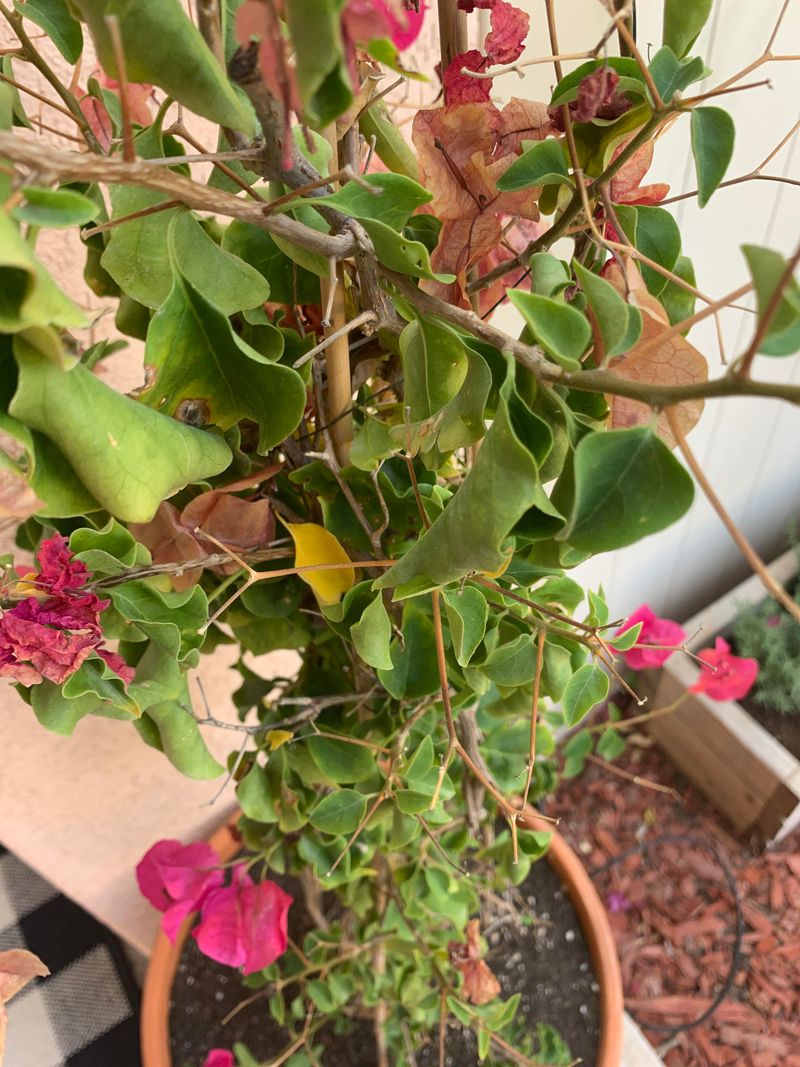
Most people love their plants so much that they water them constantly. With bougainvillea, though, too much love through watering is actually the biggest reason it stops blooming.
This plant comes from dry, tropical regions, and it is built to handle tough, dry conditions with ease.
When you give bougainvillea too much water, it sends a signal to the plant that everything is comfortable and easy. The plant then focuses all its energy on growing big, green leaves instead of producing flowers.
It basically gets too relaxed to bloom.
In California, where the weather is already warm and mostly dry, bougainvillea does not need as much water as you might think.
Many gardeners treat it like other garden plants and water it on a regular daily or weekly schedule. That habit is what gets in the way of those gorgeous blooms you are hoping for.
Understanding why overwatering causes this problem is the first step. Once you recognize that water stress actually encourages bougainvillea to bloom, everything starts to make sense.
Pulling back on watering is not neglect; it is exactly what this plant needs to put on a show.
Bougainvillea Likes Dry Soil

Here is something that surprises a lot of California gardeners: bougainvillea actually prefers dry soil. Not bone-dry all the time, but definitely on the drier side between waterings.
This plant evolved in climates similar to California’s, where rain is not always reliable and soil dries out quickly.
Dry soil signals stress to the plant. And for bougainvillea, a little stress is a good thing.
When the roots sense that water is scarce, the plant shifts its energy toward reproduction, which means producing flowers to attract pollinators. That is the blooming response you want to trigger.
Think of it this way: bougainvillea blooms are the plant’s way of saying it is working hard to survive and spread. Comfortable, wet soil removes that urgency completely.
The plant just keeps growing leaves and never gets around to flowering.
In California’s warm, sunny climate, the soil dries out faster than in cooler states, which is actually great news for bougainvillea growers. You can use this natural advantage by simply resisting the urge to water too often.
Your California Garden Changes Every Week. Your Plan Should Too.
Gardening in California changes quickly throughout the season. Every Friday you’ll receive a simple weekly plan showing exactly what to plant, prune, fertilize, harvest, and protect so you never miss the right timing.
Let the soil dry out fully between waterings and watch your plant reward you with color.
Too Much Water Means More Leaves

Walk up to a bougainvillea that never blooms, and you will almost always notice the same thing: it is covered in thick, dark green leaves. The plant looks healthy on the outside, but it is not doing what you want it to do.
Overwatering is usually the reason behind all that leafy growth.
Plants make a choice between growing leaves and growing flowers. When water is plentiful, bougainvillea puts its resources into vegetative growth, meaning stems and leaves.
It does not feel the need to bloom because it is not under any pressure to reproduce.
Nitrogen-rich fertilizer combined with frequent watering makes this problem even worse. The plant gets a double dose of encouragement to grow green, leafy material instead of flowers.
Many California gardeners accidentally create this situation without realizing it.
If your bougainvillea looks lush and green but has no blooms, take a close look at your watering schedule. Chances are you are watering too often or too generously.
Cutting back on water will slowly shift the plant’s priorities from leaf production to flower production. It takes a little patience, but the colorful results are absolutely worth the wait.
Poor Drainage Hurts Roots

Even if you do not water your bougainvillea too often, poor drainage can create the same problem. If the water that you do give your plant has nowhere to go, it just sits around the roots and causes trouble.
Roots that stay wet for too long cannot absorb oxygen properly, and that weakens the whole plant.
California has many different soil types. Some areas have sandy soil that drains quickly, which is perfect for bougainvillea.
But other parts of the state have heavy clay soil that holds water for a long time. If you are gardening in a clay-heavy area, your bougainvillea may be struggling even if you water it carefully.
Roots that are sitting in soggy soil become stressed in a bad way. Unlike the mild stress from dry soil that encourages blooming, waterlogged roots cause real damage.
The plant cannot function properly, and flowering becomes impossible when the root system is compromised.
Fixing drainage is easier than most people think. You can mix perlite or coarse sand into your soil to help water move through faster.
Raised beds and well-draining pots also work great. In California, improving drainage can make a dramatic difference in how well your bougainvillea blooms each season.
How Often To Water Bougainvillea

Getting the watering schedule right is one of the most important things you can do for your bougainvillea in California. There is no single perfect answer that works for every yard, but there are some solid guidelines that most experts agree on.
During the hot summer months in California, watering once every seven to ten days is usually enough for an established plant. In cooler months or during the rainy season, you can stretch that out even further.
The key rule is simple: always let the soil dry out completely before watering again.
New plants need a bit more water to get established during their first growing season. Once the roots settle in and the plant matures, you can gradually reduce how often you water.
Many experienced California gardeners water their bougainvillea even less than they expect to and still get beautiful results.
A simple way to check if it is time to water is to stick your finger about two inches into the soil near the plant’s base. If it still feels even slightly moist, wait a few more days.
If it feels completely dry, go ahead and water deeply. Deep, infrequent watering encourages strong root growth and better blooming overall.
Signs Of Overwatering
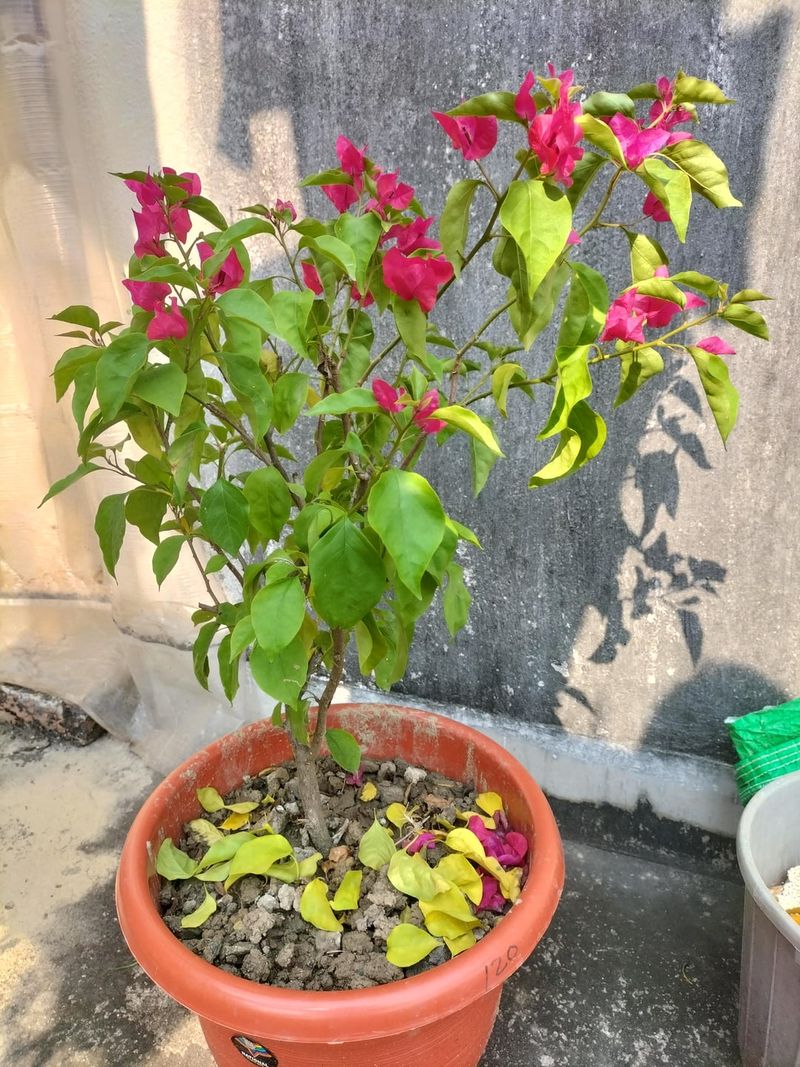
Spotting overwatering early can save your bougainvillea before the problem gets serious. Luckily, the plant gives you some pretty clear signals when it is getting too much water.
Learning to read these signs makes you a much better gardener.
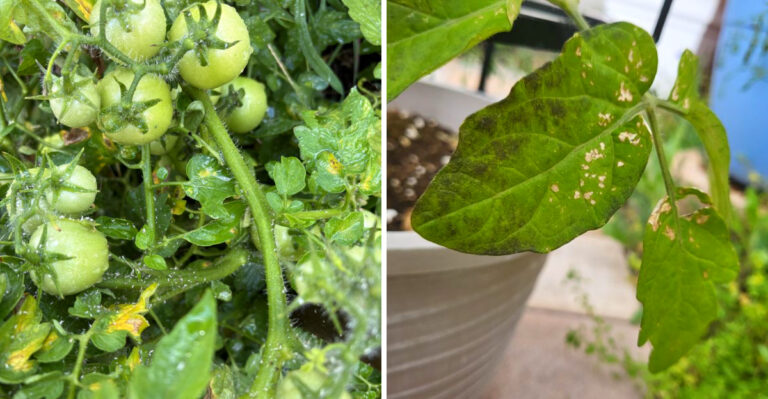
Yellow leaves are one of the most common signs of overwatering. You might notice the lower leaves turning yellow and dropping off, even though the plant looks like it has plenty of water.
That is actually the root system struggling, not the plant being too dry.
Soft, mushy stems near the base of the plant are another red flag. Healthy bougainvillea stems are firm and woody.
When they start to feel soft or look dark and discolored, root rot may already be setting in. In California’s warm climate, this can happen faster than you might expect.
Wilting is another tricky sign. Most people assume a wilting plant needs more water, but overwatered bougainvillea can also wilt.
The roots are so damaged that they cannot move water up to the leaves properly, even though the soil is wet. If your plant is wilting but the soil is moist, overwatering is likely the culprit.
Stop watering right away and let the soil dry out.
How To Fix Overwatering

Finding out your bougainvillea has been overwatered can feel discouraging, but the fix is very manageable. The most important thing you can do first is stop watering immediately and let the soil dry out as much as possible.
Give the roots a chance to breathe again.
If the plant is in a pot, check the drainage holes. Blocked drainage holes are a very common cause of waterlogged roots.
Clear them out and make sure water can flow freely every time you water. You might also consider repotting into a mix that includes perlite or coarse sand for better drainage.
For bougainvillea planted in the ground in California, you can improve drainage by working perlite or gritty sand into the surrounding soil. If the area consistently stays wet after rain or watering, you might want to consider moving the plant to a raised bed or a better-draining spot in your yard.
After you fix the drainage and reduce watering, be patient. It can take several weeks for the plant to recover and start showing signs of new growth.
Once it does, you will likely notice flower buds forming soon after. California’s sunny weather helps speed up the recovery process, giving your bougainvillea the warmth it needs to bounce back strong.
Why Drier Soil Encourages Blooms

There is something almost magical about the way bougainvillea responds to dry conditions. Pull back on the water, let the soil get dry, and suddenly the plant explodes with color. It sounds counterintuitive, but there is real science behind why this works so well.
When bougainvillea experiences mild water stress, it triggers a survival response. The plant senses that conditions are tough and shifts its energy toward reproduction.
Producing flowers is how plants reproduce, so the blooms are basically the plant’s way of ensuring its future. Dry soil flips that biological switch.
California’s natural climate is actually perfect for encouraging this response. The long, dry summers and abundant sunshine create exactly the kind of environment bougainvillea thrives in.
Many California gardeners find that their plants bloom most beautifully during the driest stretches of the year, which makes a lot of sense once you understand the plant’s biology.
Keeping the soil consistently on the dry side between waterings is the single most effective thing you can do to encourage more blooms.
Pair that with full sun exposure, good drainage, and minimal fertilizer, and your bougainvillea will put on a show that stops people in their tracks. Dry soil is not neglect; it is the secret to a spectacular display every single season.