The Unusual Weather Pattern Changing California Gardens In 2026
We’ve already talked about the possible Superbloom that could happen in Southern California. But have you wondered what conditions make this even possible?
And more importantly, what does it mean for our every day gardens and backyards? Well, as it turns out it’s quite a hot mess!
Plants are waking up earlier in some areas, spring growth feels slightly out of sync, and the usual seasonal patterns don’t seem to be following their normal schedule.
It’s subtle, but many gardens across the state are reacting to a shift in the weather. Some plants are growing faster than expected, while others seem confused by the changing conditions.
Bloom times, watering needs, and even pest activity are starting to look a bit different compared to a typical California spring.
Behind the scenes, an unusual weather pattern is influencing the growing season in ways many gardeners are only beginning to notice.
As the year unfolds, this shift could change how California gardens grow, bloom, and behave throughout the season.
The Weather Pattern Reshaping California Gardens
Something unexpected has been happening across California in 2026, and gardeners are noticing it in a big way. The usual rhythm of the seasons has shifted.
Winters that used to bring steady rain and cool temperatures are now showing up warm and dry, while sudden storms roll in out of nowhere and then disappear just as fast.
This kind of back-and-forth weather is not just annoying. It is actually changing the way plants grow and behave throughout the state.
In Southern California cities like Los Angeles and San Diego, January temperatures climbed into the 80s this year. That is not normal for winter, and plants responded by blooming weeks ahead of schedule.
The National Weather Service even issued warnings about a major pattern change in February 2026, predicting heavy rain, strong winds, and possible flooding after weeks of dry warmth. For gardeners, that kind of sudden shift is hard to prepare for.
California has always had a varied climate, but 2026 feels different. Gardeners are paying closer attention than ever before, trying to figure out how to keep their plants healthy when the weather refuses to follow any predictable pattern.
Warmer Winters Are Changing Plant Growth
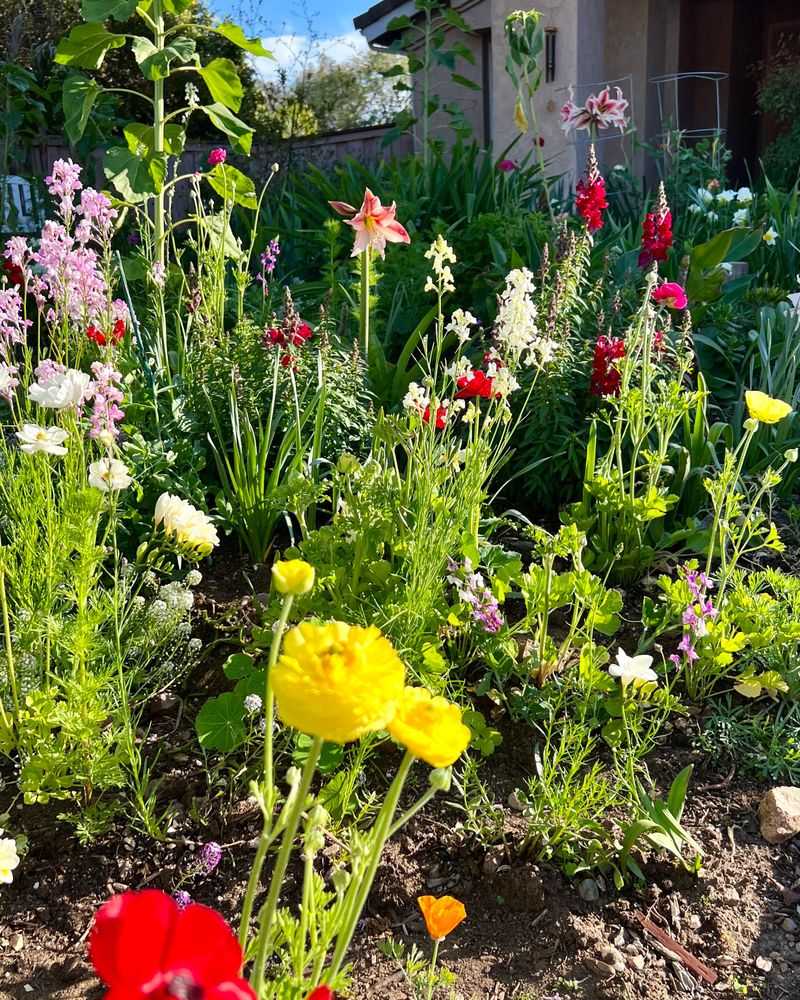
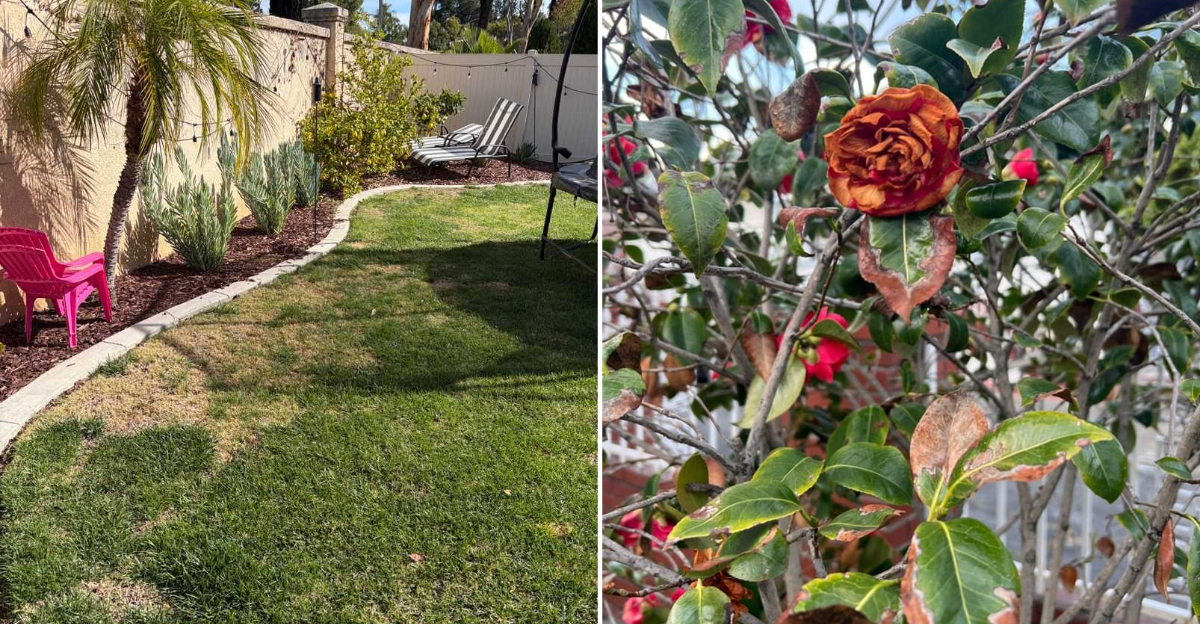
Roses blooming in January. Fruit trees budding before February even starts. Across California, warmer winters in 2026 have pushed plants into growth cycles that are weeks ahead of normal.
That might sound exciting at first, but early blooming comes with real risks that gardeners need to understand.
When temperatures stay warm through December and January, plants get a signal that spring has arrived. They start using energy to produce flowers and new growth.
But if a cold snap shows up later, which it often does, that fresh growth can get seriously damaged. The plant wasted valuable energy on growth that could not survive.
In Northern California, gardeners in cities like Sacramento are seeing similar trends. Soil is warming up earlier, which speeds up root activity and pulls plants out of their natural rest period too soon.
Your California Garden Changes Every Week. Your Plan Should Too.
Gardening in California changes quickly throughout the season. Every Friday you’ll receive a simple weekly plan showing exactly what to plant, prune, fertilize, harvest, and protect so you never miss the right timing.
This disrupts the balance that many plants depend on to stay strong all year long.
The good news is that gardeners can adapt. Paying attention to local forecasts, delaying fertilizing until weather stabilizes, and choosing plant varieties that handle temperature swings better are all smart moves.
Warmer winters are becoming the new normal in California, and adjusting your gardening habits early can make a real difference.
Sudden Heat Waves Stress Garden Plants
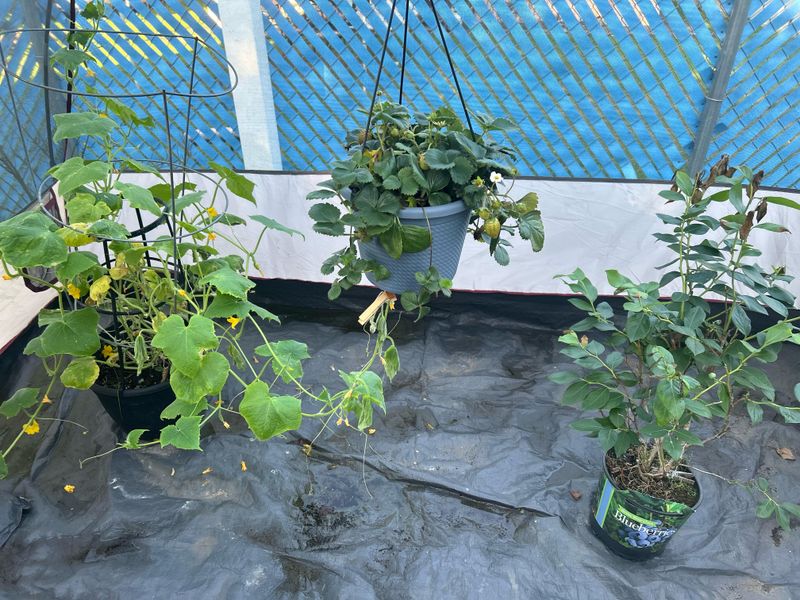
Few things are harder on a garden than a heat wave that arrives without much warning. In 2026, California has seen several of these sudden temperature spikes, and they are hitting plants hard from the Central Valley all the way down to San Diego.
When temps jump 20 degrees in just a couple of days, plants do not have time to adjust.
Heat stress shows up in some pretty clear ways. Leaves curl inward to reduce moisture loss.
Flowers drop before they can turn into fruit. Roots struggle to pull enough water from the soil even when the ground is not completely dry.
Tomatoes, peppers, and lettuce are especially sensitive to these sudden spikes.
One of the best things you can do during a heat wave is water deeply in the early morning. This gives plants a good supply of moisture before the hottest part of the day hits.
Adding a layer of mulch around the base of plants also helps keep soil cooler and slow down water evaporation.
Shade cloth is another tool worth trying. Lightweight fabric covers can block a portion of direct sunlight without cutting off airflow.
California gardeners who plan ahead for heat waves tend to have much better results than those who react after the damage is already done.
Heavy Rain Followed By Dry Spells
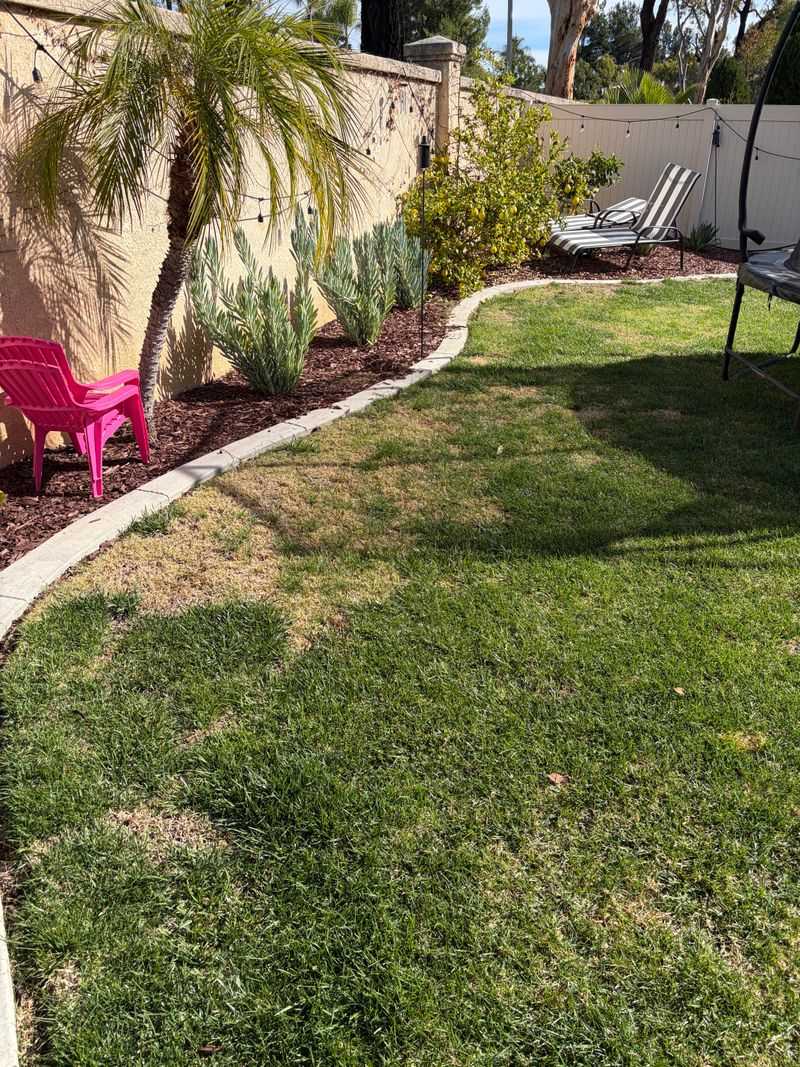
One of the most challenging patterns hitting California gardens in 2026 is the cycle of heavy rain followed quickly by long dry spells. It sounds like the garden should be getting plenty of water, but that is not quite how it works.
When rain comes down hard and fast, much of it runs off before the soil can absorb it properly.
After that burst of rain, dry conditions move back in and the soil dries out faster than expected. Plants that soaked up water during the wet period suddenly find themselves stressed again within just a week or two.
This kind of stop-and-go moisture cycle confuses plant root systems and makes it harder for them to stay stable.
The February 2026 storm warnings for cities like San Francisco and Los Angeles were a perfect example of this pattern. Heavy rain was forecast after weeks of dry warmth, setting up exactly the kind of whiplash that gardeners across California are learning to deal with.
Raised garden beds with good drainage can help manage this problem. So can improving your native soil by mixing in compost, which helps it hold moisture better during dry stretches while also draining well during heavy downpours.
Watching the forecast and adjusting your watering schedule around it is also a smart habit to build.
Why Soil Is Drying Out Faster
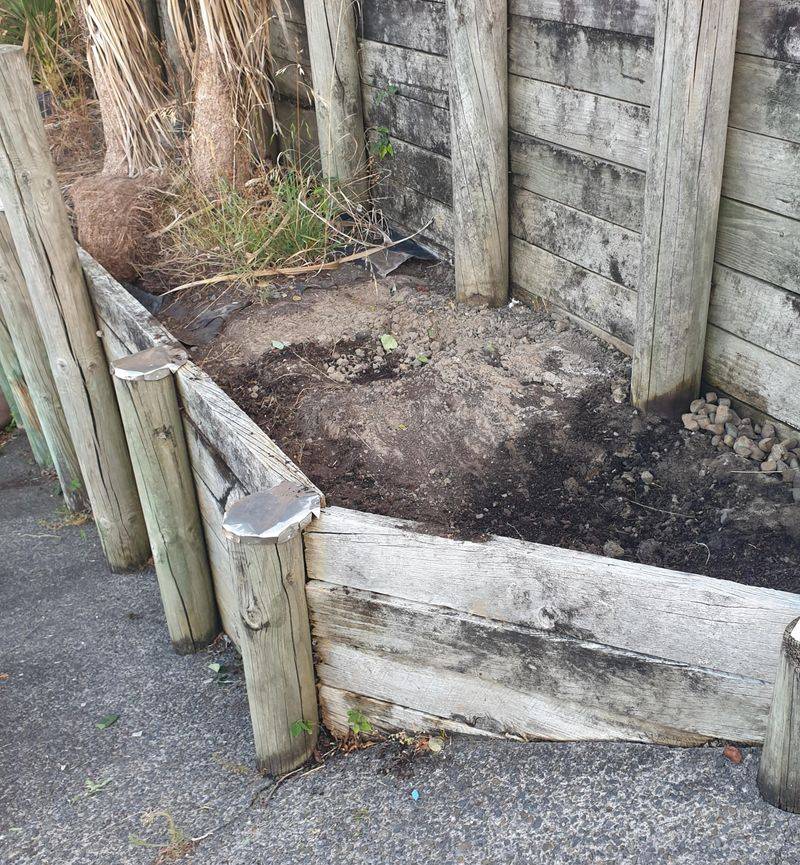
You might water your garden and notice the soil looks dry again just a day or two later. That is not your imagination.
Soil across California is drying out faster in 2026 than many gardeners are used to, and there are a few reasons why this is happening.
Higher temperatures cause water to evaporate from the soil surface more quickly.
When warm spells stretch for weeks at a time, as they did in parts of Southern California this past January and February, the ground loses moisture at a faster rate than normal rainfall or irrigation can replace it.
Wind also plays a role by pulling moisture out of both soil and plant leaves.
The shift in the Pacific Decadal Oscillation, a large ocean temperature pattern, has also been influencing California weather.
When this pattern shifts to a cool phase, it can delay the rainy season and reroute storms away from the state, leaving the ground even drier for longer stretches.
Adding organic matter like compost to your garden beds is one of the best ways to fight this problem. Compost improves the soil structure so it holds onto water longer.
Using drip irrigation instead of sprinklers also delivers water directly to roots, cutting down on surface evaporation and helping your garden stay hydrated even when the weather is working against you.
Plants Struggling With Weather Swings
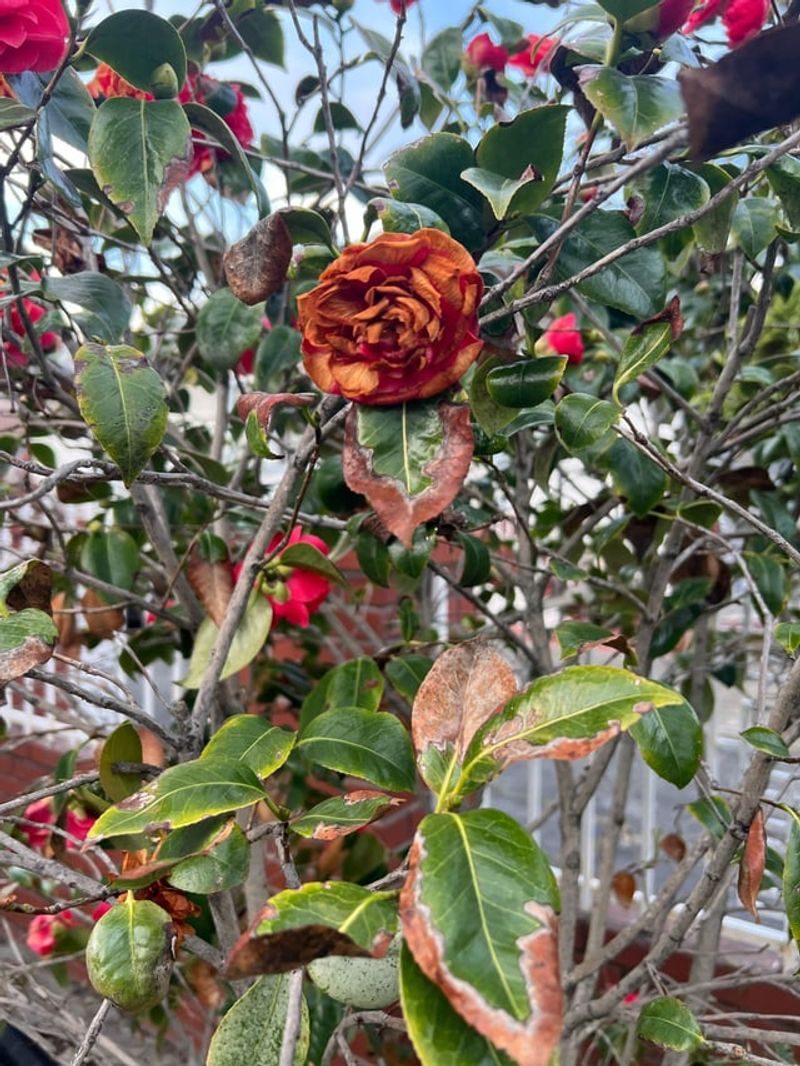
Back-and-forth weather is tough on people, but it is even harder on plants. In 2026, California gardens are seeing a wide range of stress symptoms caused by unpredictable temperature and moisture swings.
Some plants that looked healthy in January are now showing signs of serious trouble just a few months later.
Yellowing leaves, stunted growth, and flowers dropping before they fully open are all signs that a plant is struggling to keep up with changing conditions. When temperatures swing from cool and wet to hot and dry in a short time, plants cannot adapt fast enough.
Their internal systems, which control water movement and energy use, get thrown off balance.
Citrus trees in Southern California have been particularly affected. They prefer steady warmth and consistent watering.
When rain floods the soil and then hot dry air follows quickly, citrus roots can suffer. Similar problems are showing up in vegetable gardens throughout the state, especially with crops like squash and beans.
Keeping a garden journal can be surprisingly helpful during times like these. Tracking what the weather does and how your plants respond helps you spot patterns over time.
That information makes it easier to decide when to water, when to fertilize, and which plants are worth replanting versus replacing with something more weather-tolerant.
How Gardeners Are Adapting In 2026
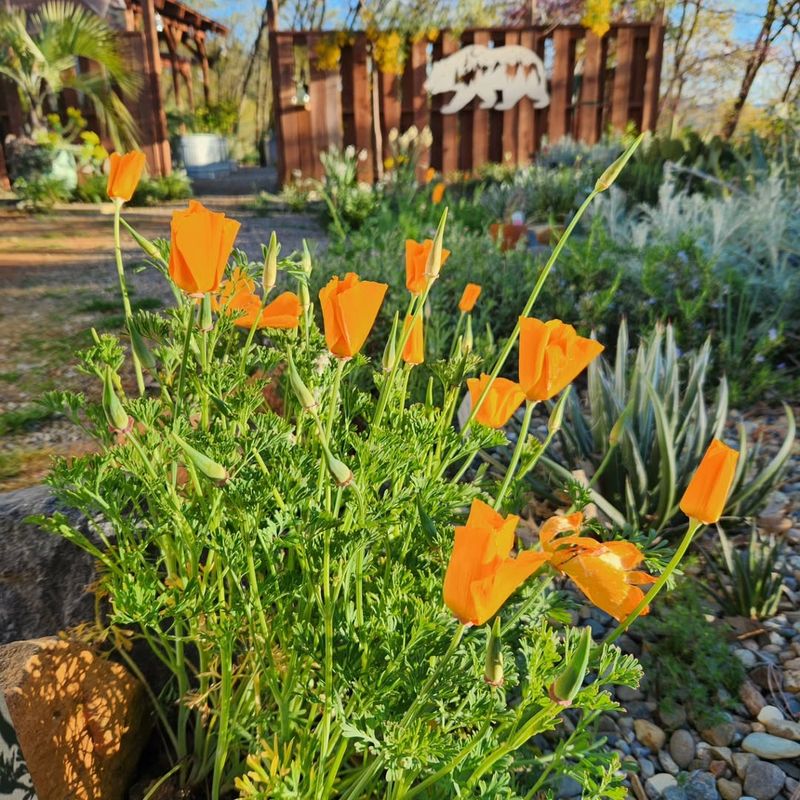
Across California, gardeners are not just sitting back and watching the weather cause problems. They are getting creative and finding smart ways to protect their gardens from the unusual patterns showing up in 2026.
From small backyard plots in San Jose to larger community gardens in Fresno, people are changing how they approach the growing season.
Water-saving tools are more popular than ever. Drip irrigation systems are being installed in more California gardens because they deliver water right to the roots and cut down on waste.
Rainwater collection barrels are also making a comeback, helping gardeners store water during heavy rain events so they have it ready during the dry stretches that follow.
More gardeners are also shifting their planting schedules. Instead of following the traditional calendar, many are watching local weather forecasts and waiting for conditions to stabilize before putting new plants in the ground.
This flexible approach has helped reduce losses caused by late cold snaps or sudden heat spikes.
Community gardening groups in cities like Sacramento and Oakland are sharing tips and resources to help members adapt together.
Swapping seeds for drought-tolerant varieties, pooling tools, and sharing soil improvement techniques are all part of how California gardeners are building more resilient growing spaces in the face of a less predictable climate.
Smart Plant Choices For Unpredictable Weather
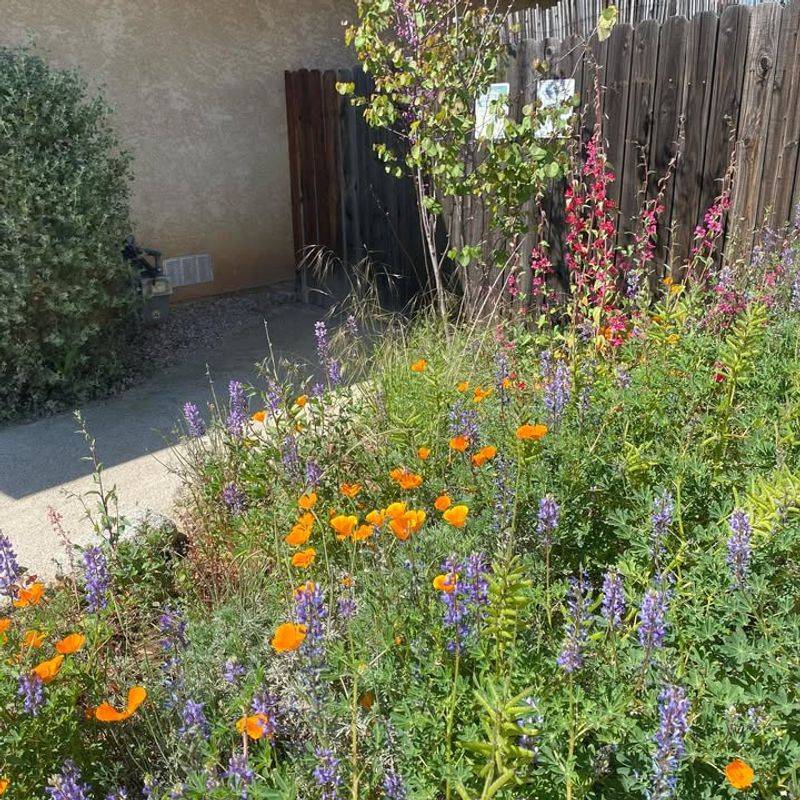
Choosing the right plants might be the single most powerful thing a California gardener can do in 2026.
When the weather is unpredictable, plants that are naturally tough and adaptable have a much better chance of thriving.
Native California plants are a great place to start because they evolved to handle the state’s naturally dry summers and variable winters.
Lavender, agave, California poppy, and native grasses are all solid options for gardens across the state. They do not need a lot of extra water once they are established, and they hold up well during both heat waves and surprise cold snaps.
Many of them also attract pollinators, which keeps the whole garden healthier.
Succulents are another smart choice, especially in Southern California cities like Los Angeles and San Diego. They store water in their leaves, which means they can handle dry spells much better than most traditional garden plants.
Just make sure they have good drainage, since heavy rain can cause root problems if water sits too long.
Mixing in some edible drought-tolerant plants like rosemary, thyme, and certain varieties of kale can also give your garden both beauty and function.
Starting with strong, weather-adapted plants means less stress for you and a much more resilient garden all year long, no matter what California weather decides to do next.