Flowers You Can Plant Now In Ohio Without Worrying About Frost
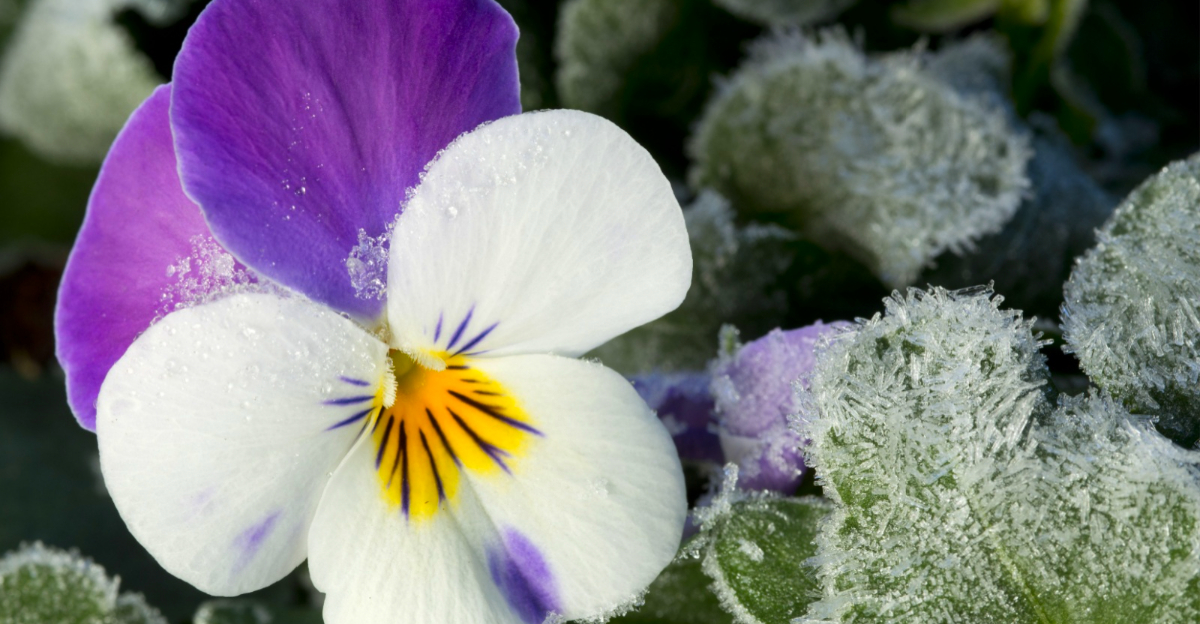
Ohio gardeners know the feeling well – that restless urge to get outside and start planting the moment late winter loosens its grip.
The trouble is, Ohio spring weather has a mind of its own, and a sunny week in March can quickly give way to a frosty night that catches new plantings off guard.
Fortunately, some flowers handle cool temperatures and even light frost far better than others, making it possible to add real color to Ohio yards well before the official last frost date.
Choosing the right cold-tolerant bloomers means less waiting, more color, and a head start on the season – though keeping an eye on local Ohio forecasts is still a smart habit no matter which flowers you choose.
1. Why Ohio Frost Timing Still Matters In Early Spring
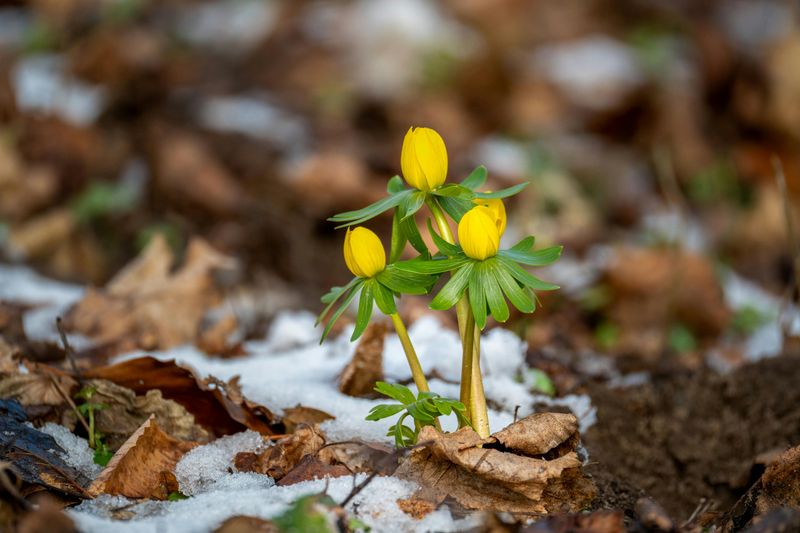
A bright March afternoon can make the whole yard feel farther along than it really is. The soil softens, the birds get louder, and the urge to start planting kicks in fast.
In Ohio, though, spring warmth often arrives in bursts rather than as one steady climb, which is why frost timing still deserves serious attention before any flowers go into the ground.
Different parts of the state warm up at different speeds. Southern Ohio often moves ahead of northern counties, and low spots, exposed yards, and open rural sites can stay colder than nearby sheltered areas.
That means a gardener in Cincinnati may be working with a different planting window than someone in Cleveland, and even two yards in the same town may not behave exactly the same way. Air temperature matters, but soil condition matters too.
Cold, wet soil slows root growth and makes it harder for young transplants to settle in, even if the days feel mild.
Paying attention to your own site gives you a better read than any single statewide date. Light frost near freezing is not the same thing as a hard freeze, and knowing that difference helps you decide when to plant, when to wait, and when to keep a cover handy just in case.
2. The Difference Between Frost-Tolerant And Frost-Proof Flowers
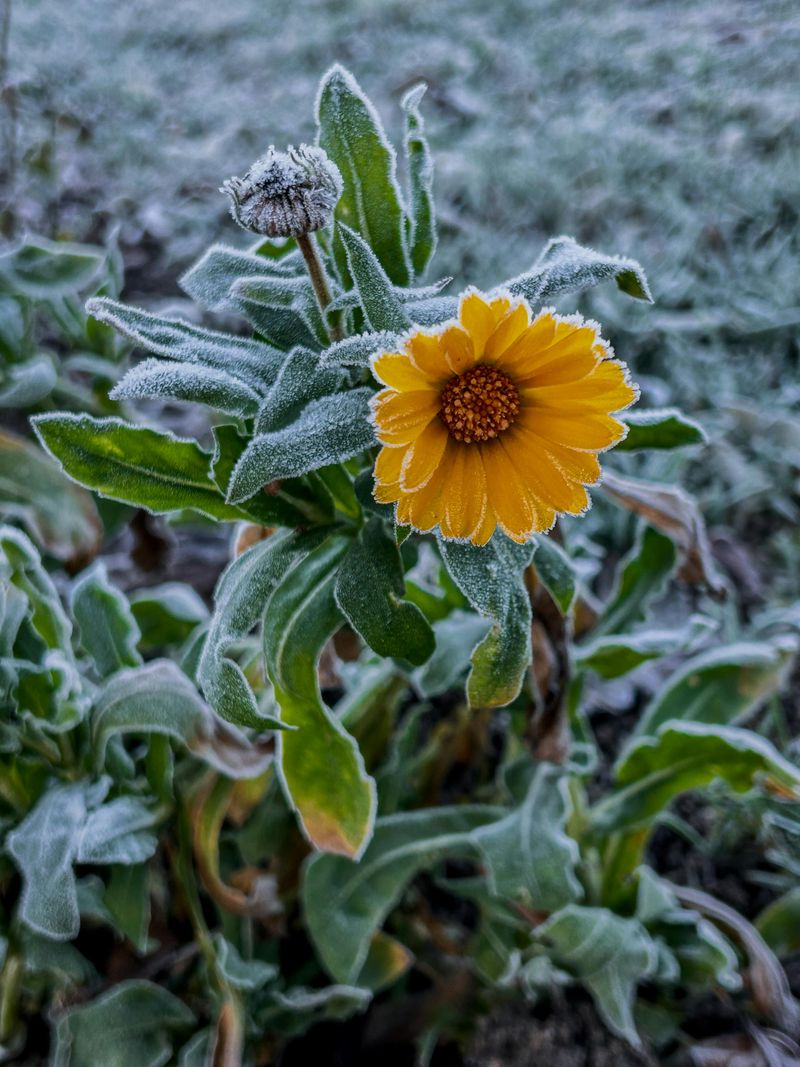
Cold tolerance sounds reassuring until a rough spring night proves that it still has limits. That is where many gardeners get tripped up.
A flower described as frost-tolerant is not the same thing as a flower that can shrug off every kind of cold without damage. In practical garden terms, frost-proof is not really a category worth trusting.
Frost-tolerant flowers are the ones that can usually handle chilly nights, cool soil, and a light frost better than tender bedding plants. They are built for a slower, cooler start to the season, and that makes them useful in Ohio’s unpredictable early spring.
Tender warm-season flowers, on the other hand, often react badly even to a brief dip near freezing. Their leaves soften, growth stalls, and recovery can be slow even when the plant survives.
That distinction matters because it shapes expectations. The flowers in this article are better choices for early spring planting, but they are not invincible.
Your Ohio Garden Changes Every Week. Your Plan Should Too.
Gardening in Ohio changes quickly throughout the season. Every Friday you’ll receive a simple weekly plan showing exactly what to plant, prune, fertilize, harvest, and protect so you never miss the right timing.
A sudden hard freeze, strong wind, or a cold pocket in the yard can still cause setbacks. Hardening off transplants before planting helps quite a bit.
Giving young plants a few days of gradual outdoor exposure before they move into the garden improves their ability to handle Ohio’s spring swings and usually leads to stronger, steadier performance once they are in the ground.
3. Pansies Bring Early Color And Cold-Season Charm
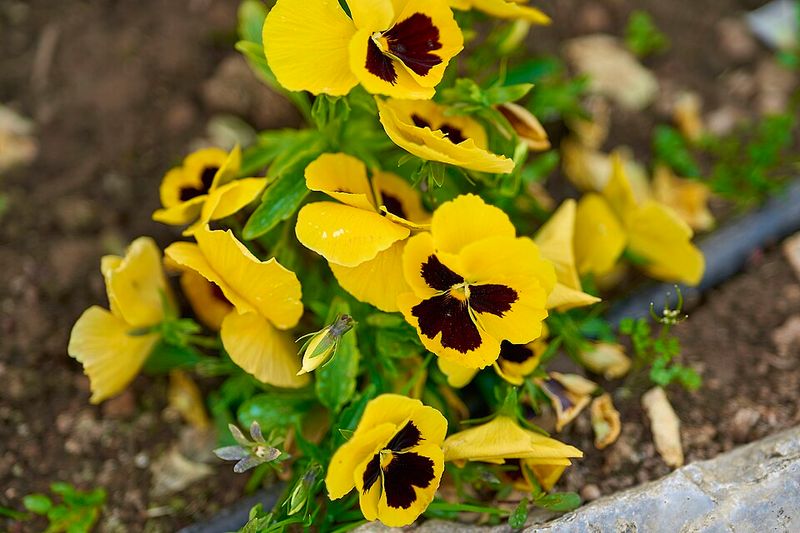
Nothing makes an Ohio porch, border, or front bed feel more like spring than a patch of pansies coming into bloom. Their faces are cheerful, their colors are easy to mix, and they handle cool weather better than many flowers that show up later in the season.
That combination is exactly why pansies are often one of the first bedding plants to appear at garden centers as winter begins to loosen its grip.
Pansies perform best in the cool stretch of spring, when daytime temperatures are mild and nights still carry a chill. They are a strong fit for early containers, entry beds, mailbox plantings, and small border gaps that need color before summer annuals are ready.
Full sun to partial shade works well, especially in Ohio’s early season when the sun is gentler than it will be in June. In heavier soil, drainage is worth watching because wet roots can create trouble faster than cool air does.
Steady moisture keeps pansies looking fresh, but soggy ground can wear them down. Removing spent blooms helps the plants keep producing flowers instead of shifting energy into seed.
A light mulch layer can help even out moisture and soften temperature swings around the root zone. They may slow down once real heat arrives, but for early Ohio color, few flowers earn their place more easily.
4. Violas Add Small Blooms And Reliable Spring Color
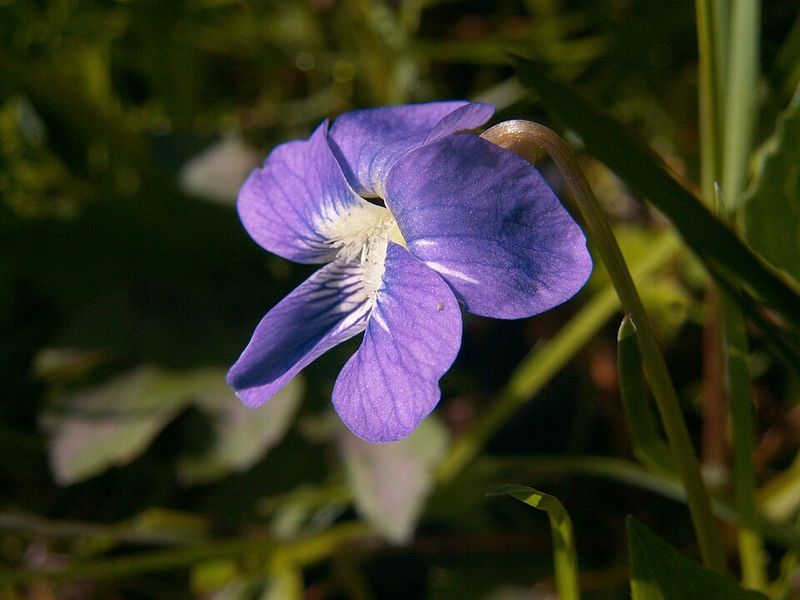
A bed of violas has a way of looking lively even on a gray spring morning. Their blooms are smaller than pansies, but they tend to appear in generous numbers, which makes each plant feel full and bright for its size.
That dense little display gives violas a practical edge in Ohio gardens where early color needs to look good up close and still hold together through chilly, unsettled weather.
These cool-season flowers fit beautifully into window boxes, containers, edging, and the front line of mixed borders. Because the plants stay compact, they are easy to tuck into tight spaces without crowding other spring bloomers.
Morning sun with some afternoon relief works especially well once the season begins to warm, though early in spring they can handle a sunnier spot than many gardeners expect.
Like pansies, violas appreciate evenly moist soil that drains well and does not stay heavy or waterlogged after rain.
One of their nicest qualities is how steady they can be. While the flowers are small, the plants often produce plenty of them, and that gives beds a softer, more abundant look.
In some Ohio gardens, violas may even reseed and return in unexpected places the following year. That extra bit of persistence makes them feel like an easy, low-drama choice when spring is still sorting itself out.
5. Snapdragons Produce Upright Flowers And Early Season Interest
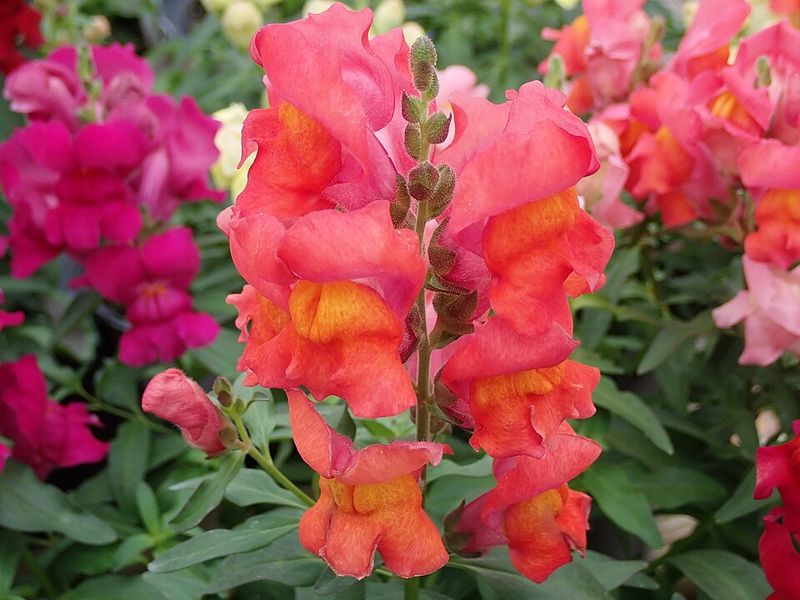
Flat spring beds start looking a lot more interesting once a few vertical flowers enter the picture. That is where snapdragons earn their keep.
Their upright spikes bring structure to planting areas that might otherwise stay low and mounded in early spring, and that shape makes them especially useful in mixed beds where height and rhythm matter just as much as color.
Snapdragons enjoy the same cool, crisp weather that makes pansies and violas so appealing in Ohio’s early season.
They are often planted from transplants rather than direct sowing in home landscapes, and once hardened off, they can handle light frost better than tender annuals meant for warmer weather.
Full sun gives them the strongest performance, especially in well-drained soil that does not stay soaked after late winter rain. Pinching young plants can encourage fuller growth, which often leads to more flowering stems later on.
They also bring a little versatility to the garden. Snapdragons look good in beds, borders, and containers, and they pull double duty as cut flowers for indoor arrangements.
Their bloom period often slows once summer heat settles in, but in many Ohio gardens they can perk back up when temperatures ease again later in the season.
That cool-weather preference makes them a smart addition when gardeners want more than just a low carpet of early spring color.
6. The Best Spots In The Yard For Early Spring Flowers
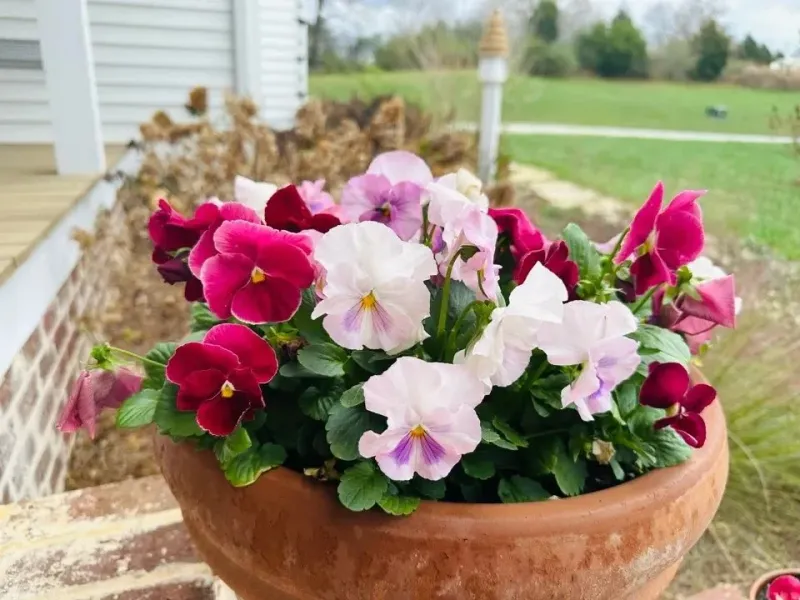
Some places in the yard seem to wake up ahead of everything else, and those are the spots worth noticing when early flowers are part of the plan. In Ohio, a few feet can make a real difference in how cold a planting area stays overnight.
Beds near a house foundation, especially those with southern or western exposure, often warm up faster and hold heat a little longer than wide-open parts of the yard.
That extra warmth can give early-season flowers a better start. Raised beds and containers also tend to warm sooner than flat in-ground beds, though containers may cool off faster on frosty nights, so placement matters.
A sheltered porch, patio edge, or wall-facing corner can offer some useful protection from wind while still giving plants enough sun to grow well. On the other hand, low-lying areas where cold air settles are often the worst places to gamble on early flowers.
A bed can look sunny by day and still turn into a frost pocket overnight.
Drainage is just as important as exposure. Early spring soil in Ohio can stay wet from snowmelt and rain, and flowers planted in soggy ground often struggle to root in.
Working compost into annual flower beds before planting can help improve structure, while choosing naturally well-drained spots gives early flowers a much better shot at settling in quickly.
7. How To Protect Early Flower Plantings During Cold Nights
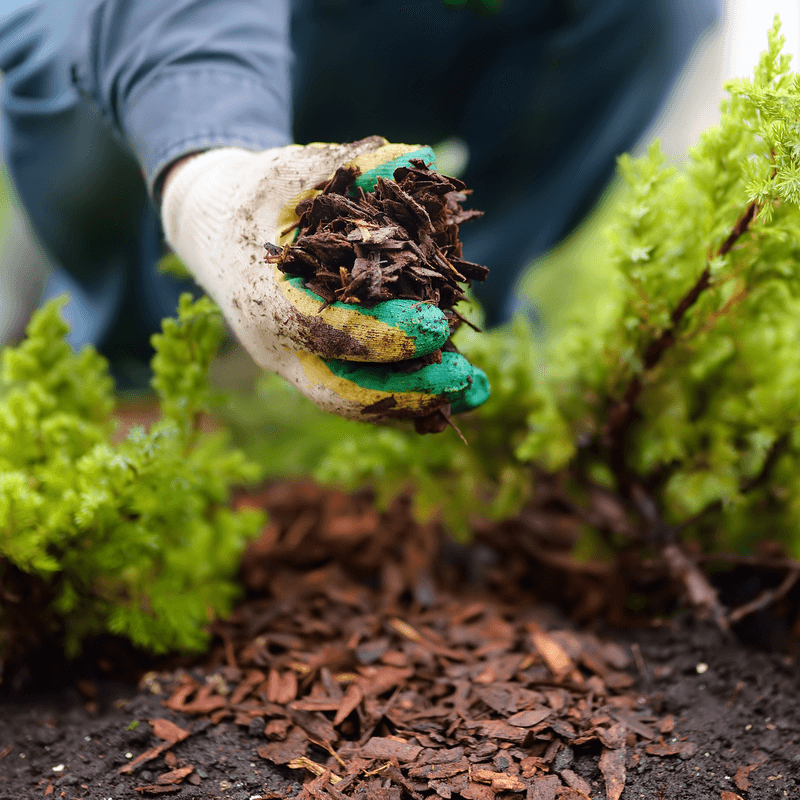
A little preparation can save a lot of frustration when Ohio spring decides to turn cold again overnight. Even hardy early flowers appreciate some backup when the forecast dips toward freezing, especially if they were planted recently or are growing in containers.
The goal is not to treat them like tender tropicals. It is simply to reduce stress during those borderline nights that can undo a lot of early-season enthusiasm.
Frost cloth is one of the most useful tools to keep around. It traps a bit of heat from the soil while still allowing air circulation, which makes it practical for repeated spring use.
Old sheets, lightweight blankets, and even upside-down boxes can help with small plantings when the temperature is expected to dip for a few hours. If possible, use hoops, stakes, or another support so the cover is not pressing heavily on blooms and foliage.
Then remove it in the morning once temperatures rise.
Moist soil also helps hold heat a little better than very dry soil, so watering earlier in the day before a cold night can be useful when conditions are dry. Mulch helps too by buffering root temperature swings.
Most of all, keep an eye on your local forecast rather than relying on a broad regional app. In Ohio, one neighborhood can stay slightly warmer than another, and those small differences can matter.
8. What To Avoid Planting Too Early In Ohio
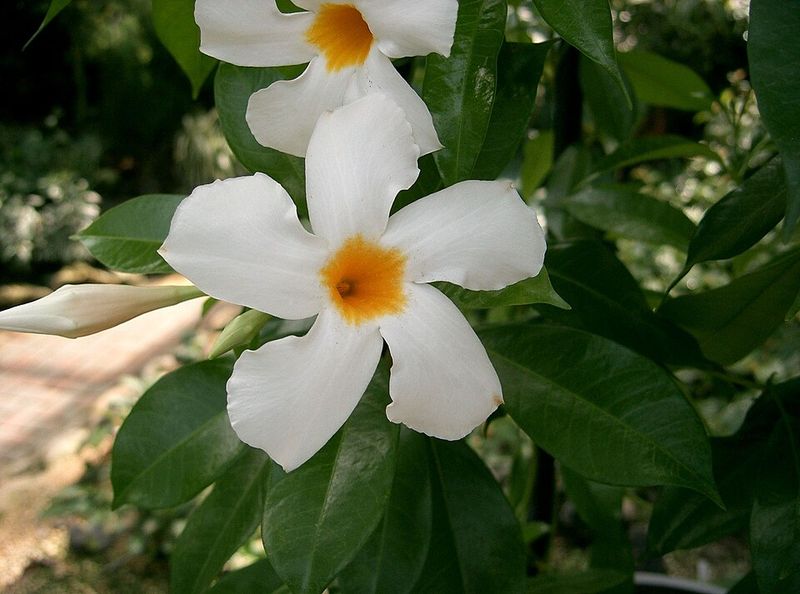
The hardest part of spring gardening is often not finding something to plant. It is resisting all the flowers that look tempting but are still better off waiting.
Ohio garden centers may start filling with color long before true warm-season planting weather arrives, and that can make it easy to bring home flowers that are not well suited to cold nights or chilly soil.
The most obvious ones to hold back are tender annuals such as impatiens, wax begonias, caladiums, mandevilla, coleus, and other heat-loving plants that want steady warmth. Marigolds and zinnias also belong later in the season, even though they are such common summer favorites.
Put into cold spring soil too soon, they often sit still, fade, or struggle instead of taking off.
Petunias are a little tougher than the most tender annuals, but they are still not the strongest choice for the very earliest Ohio planting when frost remains part of the picture.
Waiting does not really slow the garden down as much as it seems. In many cases, plants set out at the proper time catch up quickly and look better than the ones pushed out too early.
Early spring is better spent on flowers that truly suit the season. That way, when warm weather finally settles in, your summer annuals can step into beds that are ready for them instead of trying to recover from a rough start.