5 Flowers To Plant In Arizona During March And 4 That Should Wait

March can feel like the perfect moment to start planting flowers in Arizona. The days are warming up, garden centers are filling with colorful blooms, and it is tempting to plant everything at once.
But desert gardening does not always follow the same rules as cooler climates.
Some flowers handle early spring planting beautifully, while others struggle if they go into the ground before the soil and night temperatures warm up a bit more.
Arizona’s spring can shift quickly from mild to intense heat, especially in low desert areas like Phoenix and Tucson. That short window means choosing the right flowers for March planting really matters if you want strong growth and long-lasting color.
Some varieties settle in easily during March and start putting on a show before summer arrives. Others are better left for later in spring when the soil is warmer and more stable.
Knowing the difference can save time, money, and a lot of frustration in the garden.
1. Zinnias Grow Quickly Once Spring Temperatures Rise

Few flowers put on a show quite like zinnias do in an Arizona spring garden. Plant them in March and you will be amazed at how fast they take off once daytime temps settle above 60 degrees.
They do not need babying, and they absolutely love full sun, which Arizona has no shortage of.
Direct sow zinnia seeds right into your garden bed after your last frost risk has passed, which in most low-desert Arizona areas happens well before March ends. Cover the seeds lightly with soil and water them in.
Germination usually happens within a week, sometimes faster when the soil is already warm.
Space them about 6 to 12 inches apart depending on the variety. Crowded plants tend to get powdery mildew, especially as humidity ticks up in the monsoon months.
Keep air flowing between plants and deadhead spent blooms regularly to keep fresh flowers coming all the way into fall.
Zinnias also come in an incredible range of colors, from bright reds and oranges to soft pastels, which makes it easy to mix them into almost any Arizona garden style.
Once they start blooming, they keep producing new flowers nonstop, giving the yard steady color through the long warm season.
2. Cosmos Start Easily From Seed In Warming Soil

Cosmos are one of those flowers that almost seem too easy to grow, especially in Arizona. Scatter the seeds, scratch them into the soil a little, water them once, and step back.
They sprout fast and do not need rich soil or heavy fertilizing to look great.
March is the sweet spot for planting cosmos in the low desert. Soil temperatures are creeping upward, and cosmos seeds respond well to that warmth.
They also handle the occasional cool night that March can still bring without much fuss, which makes them a reliable early spring choice.
Cosmos grow tall quickly, sometimes reaching three to four feet, so plan for that when choosing your planting spot. They work well along fences or at the back of a border where their height adds something interesting without blocking shorter plants.
Your Arizona Garden Changes Every Week. Your Plan Should Too.
Gardening in Arizona changes quickly throughout the season. Every Friday you’ll receive a simple weekly plan showing exactly what to plant, prune, fertilize, harvest, and protect so you never miss the right timing.
Once blooming starts, you will get flowers in shades of pink, white, and deep magenta that keep going for months. Arizona gardeners who skip cosmos are genuinely missing out on one of the easiest and most rewarding warm-season flowers available.
Cosmos also attract plenty of pollinators, so bees and butterflies will start showing up not long after the first blooms open.
Once established, they tolerate Arizona’s dry conditions surprisingly well and often keep flowering right through the hottest stretch of the season.
3. Marigolds Establish Fast In Early Spring Gardens

Marigolds are practically built for Arizona. They love heat, tolerate dry conditions better than most annuals, and start producing blooms fast after planting.
Pop them in the ground during March and they will reward you with color before you know it.
You can start marigolds from transplants or from seed directly in the soil. Seeds germinate quickly in warm Arizona soil, usually within five to seven days when conditions are right.
Transplants from a nursery give you a head start if you want blooms sooner rather than later.
One practical reason to grow marigolds is their reputation for discouraging certain garden pests. Plant them near vegetable beds and they may help keep aphids and whiteflies at bay, which is a genuine bonus in a desert garden where pests can still be a real problem.
Water marigolds at the base rather than overhead to keep the foliage dry and healthy.
As temperatures climb into the high 90s and beyond during Arizona summers, marigolds may slow down, but they often bounce back beautifully when monsoon rains arrive and cool things off slightly in late July and August.
4. Sunflowers Thrive When Planted In March

Planting sunflowers in March in Arizona is one of the smartest moves you can make in the garden. By the time summer heat peaks, your sunflowers will already be tall, established, and blooming rather than trying to push through scorching soil as seedlings.
Sunflower seeds go directly into the ground, no starting indoors needed. Push each seed about an inch deep, water it in, and let the Arizona sun do the rest.
They sprout within a week or two and grow surprisingly fast once they get going. Full sun and decent drainage are really the only things they ask for.
Choose your variety based on space. Giant types like Mammoth can reach ten feet tall, which is stunning but needs room.
Shorter branching varieties work better in smaller yards and actually produce more flowers per plant over time. Sunflowers also attract pollinators like crazy, which benefits every other plant in your garden.
After blooming, leave a few seed heads standing for birds. In Arizona, finches especially go after sunflower seeds in late summer and early fall, turning your garden into a lively little wildlife stop.
5. Gomphrena Handles Heat And Starts Well In Spring

If you want a flower that laughs at Arizona summers, gomphrena is your answer. Plant it in March and it will be well-rooted and ready to handle whatever heat comes next.
Most flowers start struggling once temperatures hit triple digits, but gomphrena keeps right on blooming.
Also called globe amaranth, gomphrena produces round little flower heads in shades of purple, pink, magenta, and white. They look almost like tiny clover puffs, and they hold their color even as cut flowers or when dried.
If you have ever wanted to make dried flower arrangements from your own garden, gomphrena is one of the best options Arizona has to offer.
Start gomphrena from seed or transplant in March for the best results. Seeds can be a little slow to germinate, sometimes taking two to three weeks, so patience helps.
Transplants from a local Arizona nursery speed things up considerably. Water consistently until the plants settle in, then back off to a more moderate schedule.
Once established in your garden, gomphrena needs surprisingly little water for how impressive it looks, which is a big deal in a state where water conservation really matters.
6. Vinca Needs Consistently Warm Soil Before Planting

Vinca is a powerhouse summer flower for Arizona, but it has one non-negotiable requirement: warm soil. Plant it too early in March and it will just sit there looking sad, refusing to grow until conditions suit it.
Patience pays off with this one.
Soil temperature below 65 degrees slows vinca down significantly, and anything under 60 can actually set it back rather than help it along. In most Arizona low-desert areas, soil does not consistently hold that warmth until late April or early May.
Rushing the planting date is one of the most common mistakes Arizona gardeners make with vinca every single year.
Wait until nighttime temperatures stay reliably above 55 degrees before putting vinca in the ground. Once soil conditions are right, it takes off fast and handles heat that would flatten most other flowers.
Full sun, decent drainage, and moderate water are all it needs to thrive through a long Arizona summer. Available in a wide range of colors from bright red to soft lavender, vinca is worth the wait.
Jumping ahead of the calendar with this one almost always leads to disappointing results and wasted transplants.
7. Celosia Prefers Hotter Late Spring Temperatures
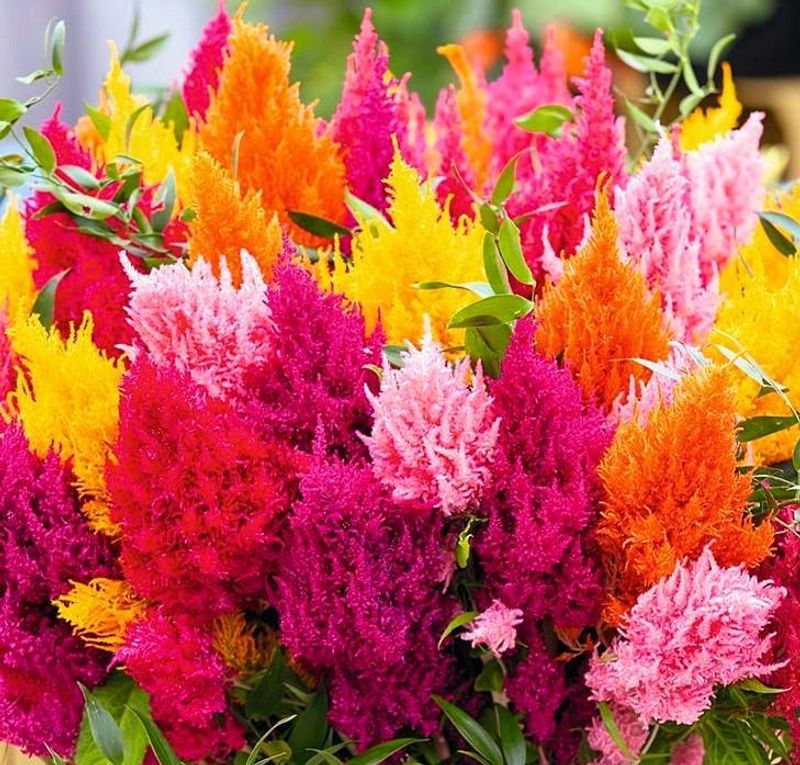
Celosia is a stunning flower, no question about it. Those feathery plumes and brain-like crested blooms in electric reds, oranges, and yellows are hard to ignore.
But plant it in March in Arizona and you are setting yourself up for frustration rather than flowers.
Cold soil stunts celosia badly. It is a tropical plant at heart, and it wants warmth all the way through, not just in the air but in the ground too.
Arizona soil in March can still dip low enough at night to stress celosia seedlings and slow root development to a crawl. Waiting until May gives you much better odds.
When the timing is right, celosia grows fast and blooms heavily through the hottest months of the year. It actually performs better in heat than almost any other annual you can grow in Arizona.
Plant it in full sun with well-draining soil and water it consistently until it gets established. After that, it is fairly forgiving about occasional dry spells.
The blooms also dry beautifully on the plant, which gives your garden a rich, textured look that carries well into fall. Skip the early planting temptation and let the season warm up properly first.
8. Portulaca Performs Best Once The Soil Is Very Warm

Portulaca, sometimes called moss rose, is one of the most heat-tolerant flowers you can grow in Arizona. But it has a stubborn streak when it comes to cold soil.
Try to plant it in March and it will barely move, sitting dormant until conditions finally meet its standards.
Soil temperatures of at least 70 degrees are what portulaca really wants before it gets going. In Arizona low-desert areas, that typically means waiting until late April at the earliest, and May is even safer.
The extra wait is genuinely worth it because once portulaca gets going in warm conditions, it spreads quickly and blooms nonstop.
Portulaca is ideal for spots where other plants struggle, including areas with poor soil, reflected heat from walls or pavement, or very limited irrigation. It thrives in exactly the conditions that challenge most other flowers in Arizona yards.
Flowers open in full sun and close at night or on cloudy days, which is just a quirky trait rather than a problem.
Available in single and double-bloom forms in nearly every warm color imaginable, portulaca adds a carpet of cheerful color to tough spots all summer long without asking for much in return.
9. Tithonia Grows Better When Planted Later In Spring

Tithonia, often called Mexican sunflower, is a bold and dramatic plant that produces vivid orange blooms on tall stems. It sounds like the perfect Arizona flower, and it absolutely is, just not in March.
Putting tithonia in the ground before conditions are right leads to slow, weak growth that never quite recovers.
Tithonia is native to warm climates and needs heat from the start to develop properly. Cool nights and cool soil in March slow its root system down when it should be pushing hard.
Waiting until late April or May gives tithonia the running start it needs to reach its full potential, which can mean plants five to six feet tall covered in blooms.
When planted at the right time in Arizona, tithonia grows aggressively and requires very little extra attention. It handles drought reasonably well once it has size on it, and it attracts butterflies and hummingbirds in impressive numbers throughout the summer.
Give it plenty of room because it spreads wide, and plant it where you want height and drama rather than in tight spots.
Arizona gardeners who discover tithonia for the first time often wonder why they waited so long to try it, as long as they let the season warm up before planting.