8 Arizona Plants You Should Never Cut Back In Early Spring
Early spring is when many Arizona gardeners feel the urge to grab the pruners and start cleaning up the yard. After winter, some plants can look messy, sparse, or uneven, so cutting them back seems like the quickest way to refresh the garden.
But in the desert, timing matters more than it might in cooler climates, and trimming certain plants too early can actually do more harm than good.
Many Arizona plants rely on their existing growth to protect new buds, support spring blooms, or shield themselves from sudden temperature swings.
Cutting them back before the growing season fully begins can remove flower buds, slow new growth, or expose tender stems to late cold snaps that occasionally hit desert areas.
Before making those early spring cuts, it helps to know which plants prefer to be left alone a little longer. Giving them extra time can lead to healthier growth, better flowering, and a stronger plant through Arizona’s long, hot season.
1. Texas Sage Loses Flower Buds If Pruned Too Early
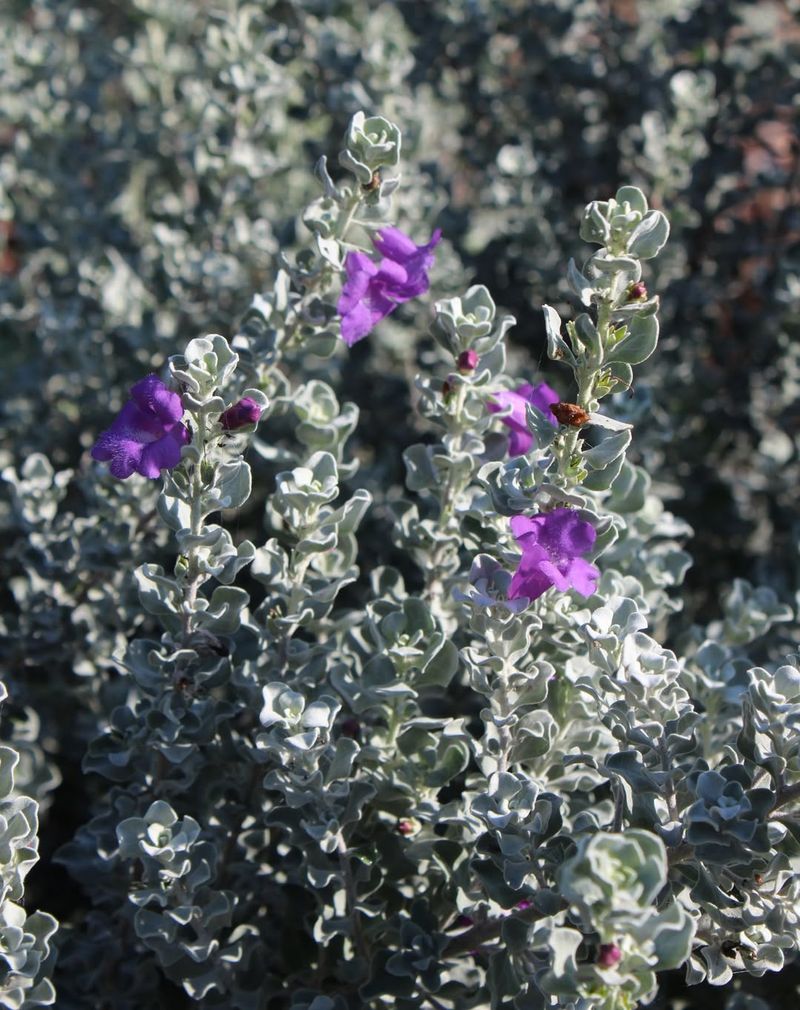
Cutting into Texas Sage before it has a chance to wake up from winter is one of the fastest ways to lose your entire spring bloom.
Known across Arizona as the barometer bush, this silver-leafed shrub sets its flower buds on the previous season’s growth, not on brand-new stems.
Snip those older stems in early spring and you are removing the very wood that holds next season’s purple flowers.
Many Arizona homeowners see the faded look of Texas Sage in late winter and assume it needs a hard trim. Actually, that slightly rough appearance is just the plant resting.
It will bounce back on its own once temperatures warm and humidity shifts, often bursting into a wave of lavender-purple blooms almost overnight.
If your Texas Sage has become overgrown or leggy, wait until after it finishes its first bloom cycle, usually late spring or early summer. Light shaping at that point encourages the plant to fill out more naturally without sacrificing flowers.
Across the Phoenix and Tucson areas, this shrub is a standout in desert landscapes precisely because it blooms in response to monsoon moisture. Respect its natural rhythm and you will get far more color out of it every single year.
2. Oleander Can Lose Its First Flush Of Blooms
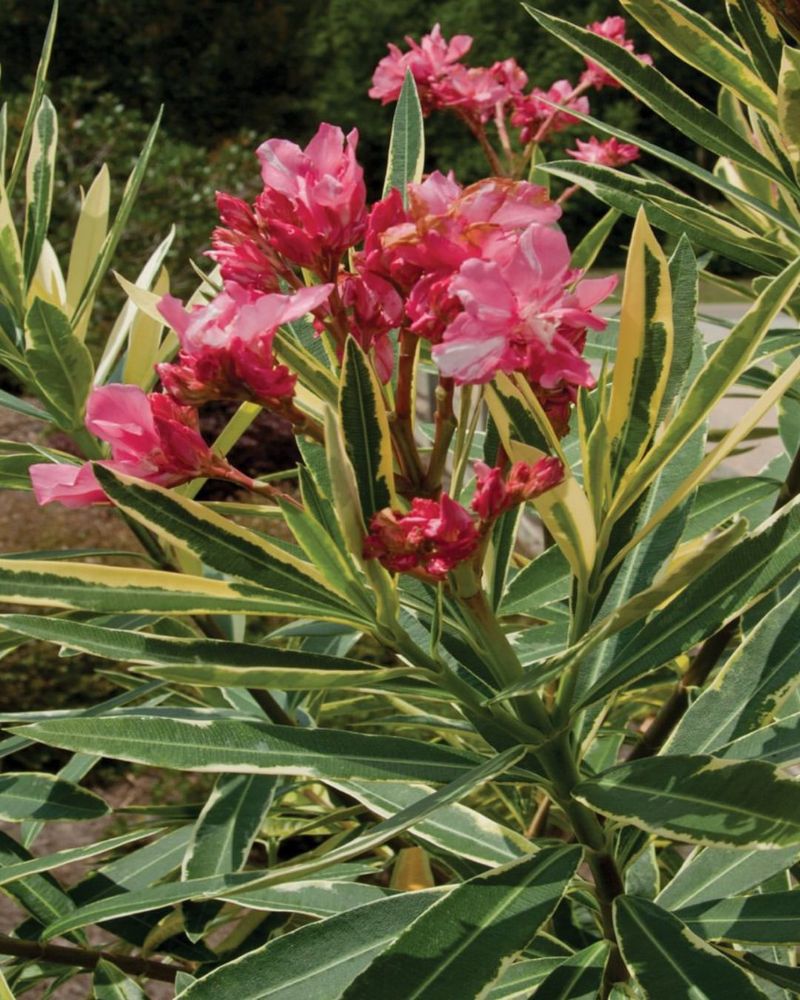
Oleander is tough, heat-tolerant, and one of the most common flowering shrubs you will spot lining roads and fences all over Arizona. What surprises a lot of people is how sensitive its bloom timing can be when you prune at the wrong moment.
Cut it back in early spring and you may be removing the stem tips that carry this season’s first round of flowers.
Blooms on Oleander form at the tips of branches that grew during the previous year. Early spring pruning removes those tips before they ever get to open, which pushes the plant into producing new stems first.
That delays flowering by weeks, sometimes pushing the color show all the way into summer heat when conditions are less than ideal for a full display.
Your Arizona Garden Changes Every Week. Your Plan Should Too.
Gardening in Arizona changes quickly throughout the season. Every Friday you’ll receive a simple weekly plan showing exactly what to plant, prune, fertilize, harvest, and protect so you never miss the right timing.
Around Scottsdale, Mesa, and other warmer Arizona communities, Oleander typically begins setting buds in late February and March. Waiting until after that first bloom cycle finishes gives you a much better outcome.
A post-bloom trim also encourages branching, which means more tips, more buds, and a fuller plant heading into the monsoon season. If you need to do any shaping, do it lightly in late fall or hold off entirely until the first wave of flowers has come and gone.
Your patience will be obvious when neighbors start asking what you are doing differently.
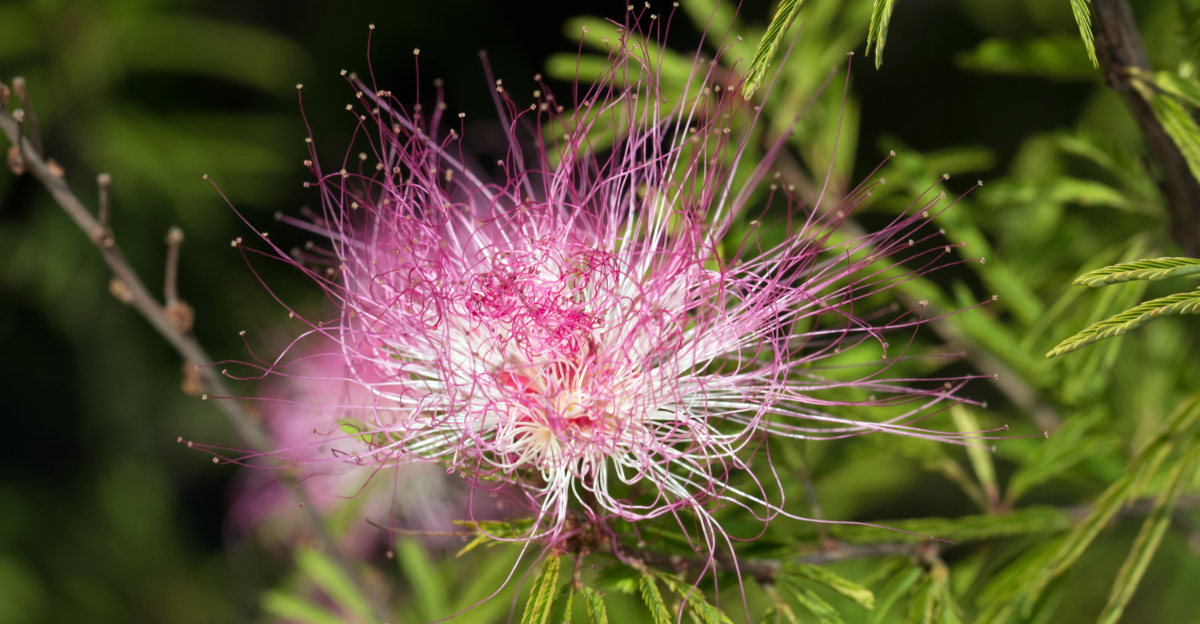
3. Fairy Duster Blooms On Growth That Early Pruning Removes
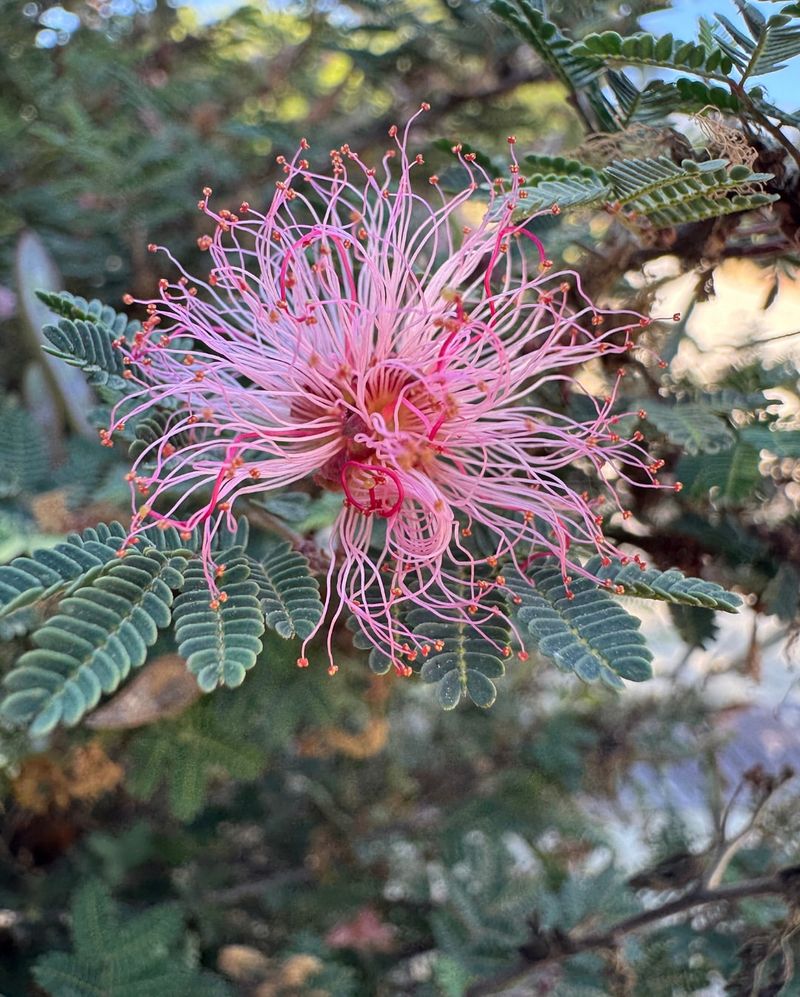
Few plants look as delicate as Fairy Duster, with its soft, feathery blooms that look almost like something out of a tropical garden. But do not let that delicate appearance fool you into thinking it needs constant attention.
Fairy Duster is a tough Arizona native that blooms on wood it produced the prior growing season, which means early spring pruning cuts away exactly what the plant needs to flower.
In places like Tucson and the Sonoran Desert corridor, Fairy Duster starts pushing out those fluffy pink and red blooms as early as late winter. If you trim the plant before those flowers open, you are essentially removing the bloom before it even begins.
The plant will recover and produce new growth, but that first beautiful flush of color will be gone for the year.
Letting Fairy Duster do its thing without interference in early spring also benefits local wildlife. Hummingbirds and native bees rely on those early blooms as an important food source during a time when not much else is flowering in the desert.
After the plant finishes blooming, a light cleanup trim is all it really needs. Remove any damaged or crossing branches, but avoid cutting back into healthy green wood.
Keeping the pruning minimal and well-timed means you get the full show every single year without setbacks.
4. Firecracker Penstemon Should Be Cut Back After Flowering
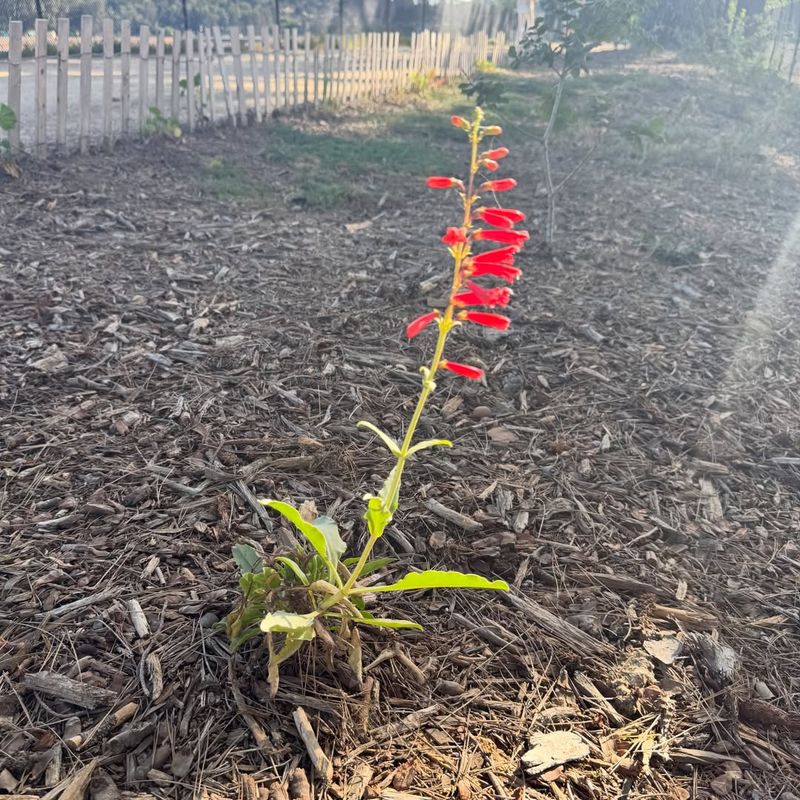
Bright red tubular flowers shooting up like fireworks on long, slender stalks — that is exactly what Firecracker Penstemon delivers every spring across Arizona yards and natural areas.
Cutting those stalks down in early spring, before the plant flowers, wipes out the whole display before it even starts.
Arizona gardeners who have made that mistake once rarely make it twice.
Firecracker Penstemon blooms on stems that are already present when spring arrives. Removing them early means the plant has to start over from scratch, pushing out new growth that will not flower until much later in the season, if at all.
In the meantime, you lose weeks of hummingbird activity and color that would have been completely free had you just left the plant alone a little longer.
After the blooms finish and start to dry out, that is your signal to get in there with the shears. Cutting back spent flower stalks at that point encourages fresh basal growth and keeps the plant looking tidy without sacrificing next year’s performance.
In the Sonoran Desert region, Firecracker Penstemon is a genuinely valuable plant for pollinators, and timing your pruning correctly is the simplest way to support that.
Healthy clumps left unpruned through early spring will reward you with weeks of vivid red color that no artificial plant can replicate.
5. Brittlebush Is Best Trimmed After Its Spring Bloom
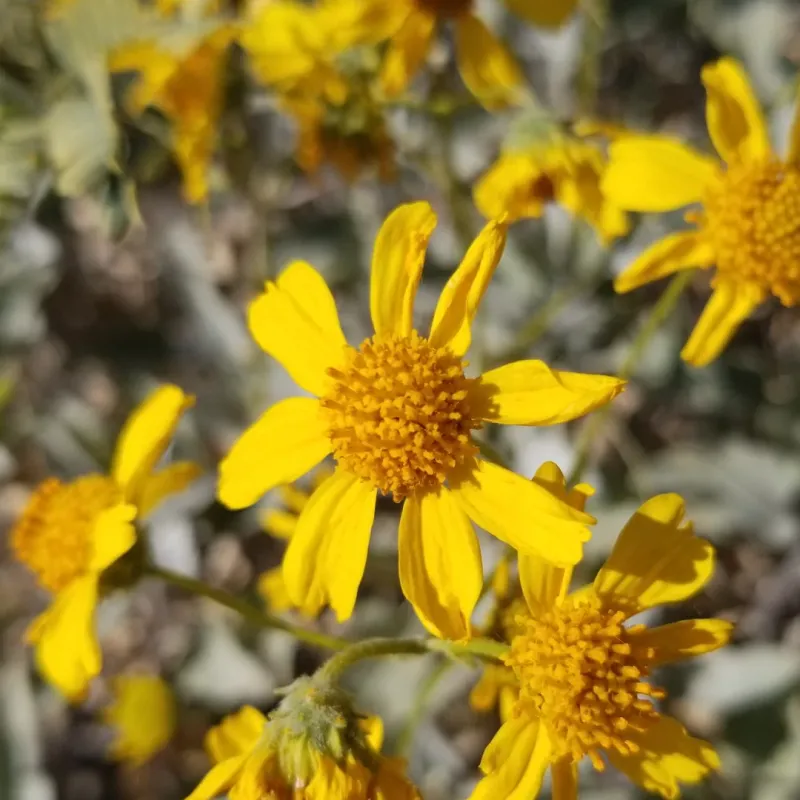
Walk through almost any Arizona hiking trail in late winter and you will spot Brittlebush putting on a show with its cheerful yellow flowers rising above silvery gray foliage.
It is one of the desert’s most recognizable plants, and it times its bloom perfectly with the mild temperatures of late winter and early spring.
Cutting it back before that bloom cycle finishes means losing the color that defines Arizona roadsides and natural desert landscapes for months.
Brittlebush is not a fussy plant at all, but it does have opinions about when it should be pruned.
Early spring trimming removes the flower stems before they finish their cycle, cutting short a bloom that pollinators, especially native bees, depend on heavily during that window.
Skipping the early trim costs you nothing and gives the plant time to complete what it started.
Once the flowers fade and dry up, which usually happens by late April or May in the Phoenix and Tucson areas, go ahead and cut the plant back by about a third.
That light pruning helps prevent the woody base from getting too leggy and encourages fresh growth heading into summer.
Brittlebush tends to look a little rough after it blooms, so the post-bloom trim is genuinely satisfying. Just hold off until it has had its moment in the spotlight first, because that yellow bloom is absolutely worth the wait.
6. Valentine Bush Blooms On Stems That Should Not Be Cut In Early Spring
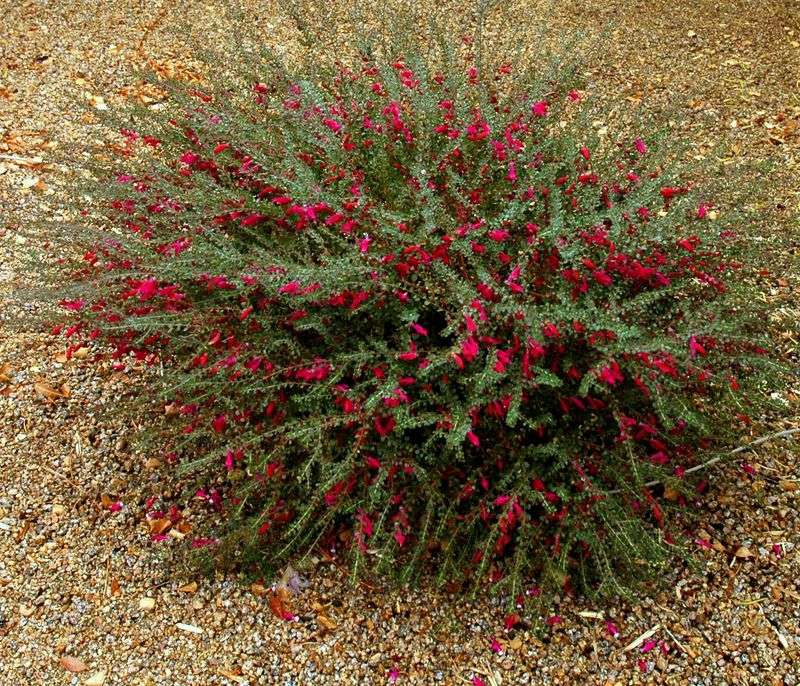
Named for the time of year it tends to burst into bloom, Valentine Bush is one of the most striking plants you can grow in an Arizona desert garden.
Those vivid magenta flowers appear on bare stems before the leaves even fully emerge, creating a dramatic pop of color against the dry winter landscape.
Pruning those stems in early spring removes the exact wood the plant uses to produce that stunning display.
Valentine Bush sets its flower buds on older wood, which means any aggressive trimming done before or during the bloom period directly reduces the number of flowers you will see.
It is a plant that rewards hands-off management during early spring more than almost anything else in the Arizona garden palette.
Let it bloom, enjoy the color, and let the hummingbirds work through it before you even think about touching it with pruning shears.
After flowering finishes, usually by late February or early March depending on elevation and location, a moderate trim helps shape the plant and encourages new branch development.
In warmer Arizona communities like Yuma and the lower Sonoran Desert zone, Valentine Bush can be quite vigorous, so post-bloom pruning keeps it from getting out of hand.
Keep cuts clean and avoid going back into old, woody stems. Consistent post-bloom trimming over the years builds a fuller, better-structured plant that delivers more flowers each season.
7. Ocotillo Should Not Be Cut Back Like A Typical Shrub
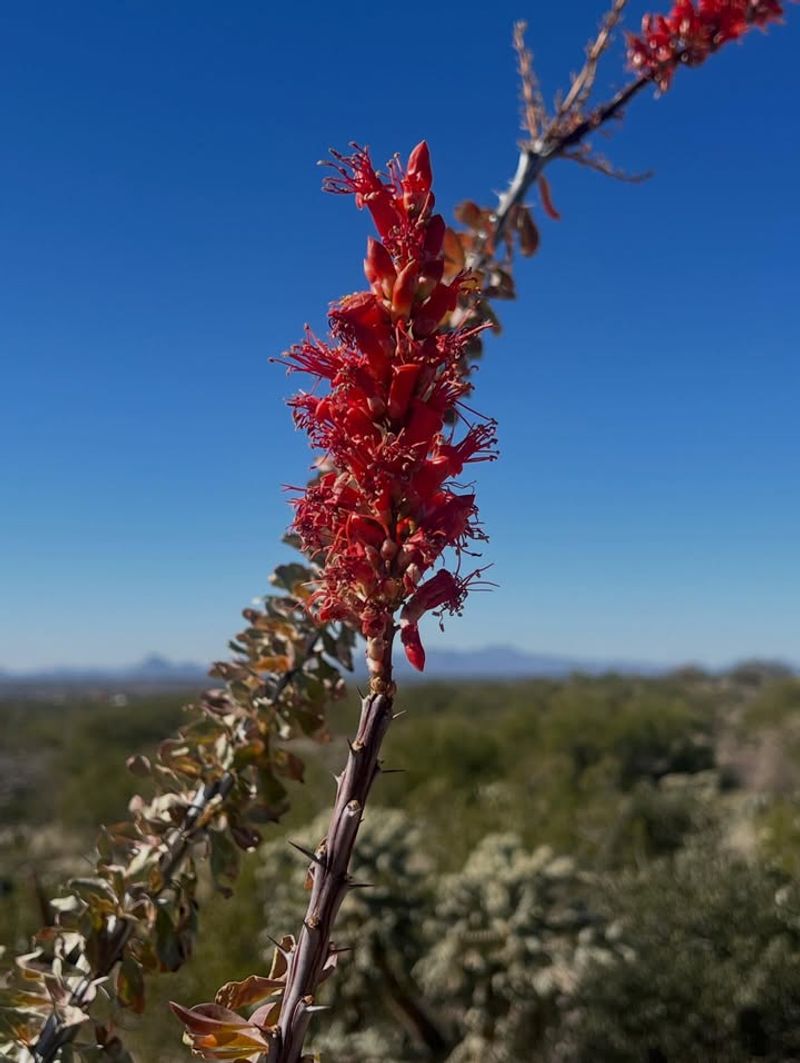
Ocotillo does not follow the rules of ordinary shrubs, and treating it like one is where most Arizona gardeners go wrong.
Cutting them back in early spring, especially before the red flower clusters appear at the tips, disrupts the plant’s natural cycle in ways that can take years to recover from.
Each cane on an Ocotillo is essentially its own flowering unit. The brilliant red blooms that appear at the tips in spring are one of the most iconic sights in the Sonoran Desert, and they are timed perfectly to coincide with the northward migration of hummingbirds.
Remove those cane tips early and you pull the welcome mat right out from under one of nature’s most reliable partnerships.
Ocotillo rarely needs pruning at all. If a cane is damaged, broken, or clearly not producing any leaves after a good rain, you can remove it at the base.
But routine trimming the way you might shape a desert shrub is simply not appropriate for this plant.
Across Arizona, from Tucson to Wickenburg and beyond, Ocotillo is best managed by planting it in a spot with enough room to reach its full height and spread naturally.
Give it space, skip the shears, and let it do what it has been doing in this desert for thousands of years.
8. Chuparosa Produces Flowers That Early Cutting Removes
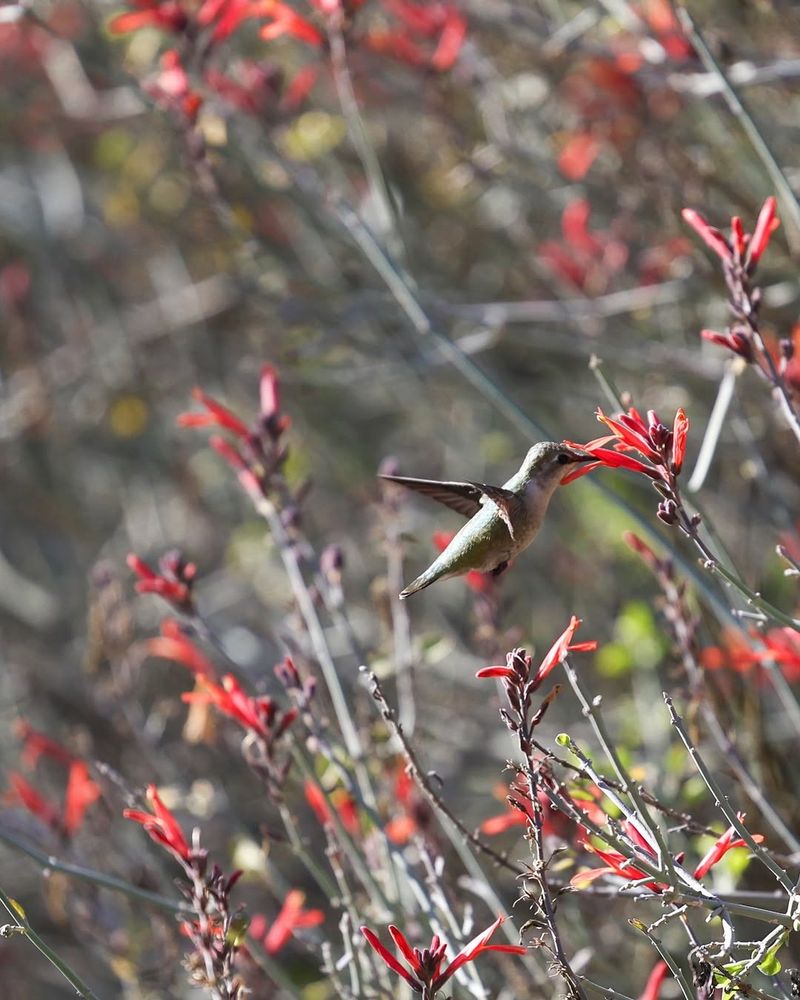
Chuparosa is not the flashiest plant in the Arizona desert, but ask any hummingbird and it will tell you this shrub is essential.
Those small, bright red tubular flowers start appearing in late winter and continue right through spring, providing reliable nectar during a period when food sources are still limited across the desert.
Cutting the plant back in early spring strips away the very branches carrying those blooms.
Unlike some shrubs that bounce back quickly from an early trim, Chuparosa takes its time recovering. Aggressive pruning in early spring can set the plant back significantly, delaying new growth and reducing overall flowering for the rest of the season.
Along desert washes and naturalized areas in southern Arizona, Chuparosa growing without interference consistently outperforms pruned specimens when it comes to bloom density and wildlife activity.
If your Chuparosa has gotten a bit rangy or is spreading into a walkway, the best move is to wait until after the main spring bloom finishes before doing any shaping. A light trim at that point, removing no more than a third of the plant’s overall size, is plenty.
Avoid cutting back into bare, leafless wood since Chuparosa does not always regenerate well from old stems.
In Tucson and the surrounding Sonoran Desert communities, this plant is genuinely irreplaceable as an early-season nectar source, so protecting its spring bloom is well worth a few extra weeks of patience.