The Best Way To Prevent Crabgrass In Georgia Before It Appears
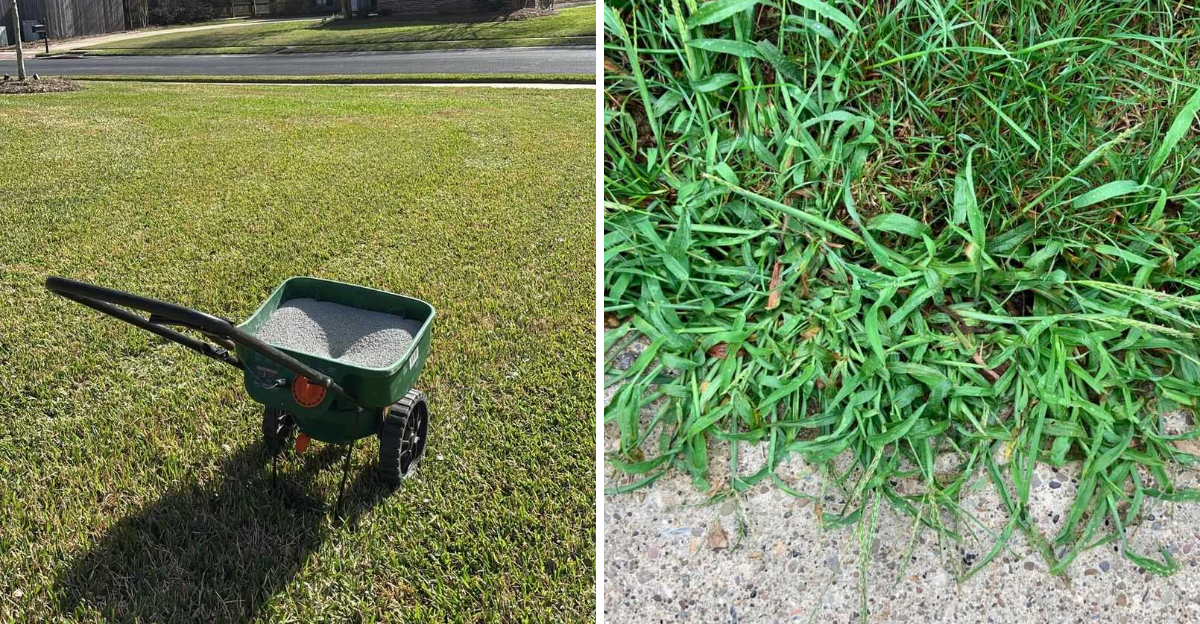
Crabgrass has a way of showing up exactly where Georgia gardeners do not want it. One season the lawn looks thick and healthy, and the next spring those wiry, fast-spreading patches start creeping through the grass.
By the time crabgrass becomes easy to see, it has often already taken hold and started spreading across the lawn.
The tricky part is that stopping crabgrass usually has to happen before it ever appears. This weed grows from seeds that wait quietly in the soil through winter and begin sprouting once temperatures start warming in early spring.
If nothing interrupts that process, thousands of new plants can emerge almost overnight.
That is why prevention is so important in Georgia lawns.
Taking the right steps early in the season can stop crabgrass seeds from ever establishing, helping the lawn stay thicker, healthier, and far less likely to be overtaken by this stubborn weed later in the year.
1. Apply A Pre Emergent Herbicide Before Seeds Germinate
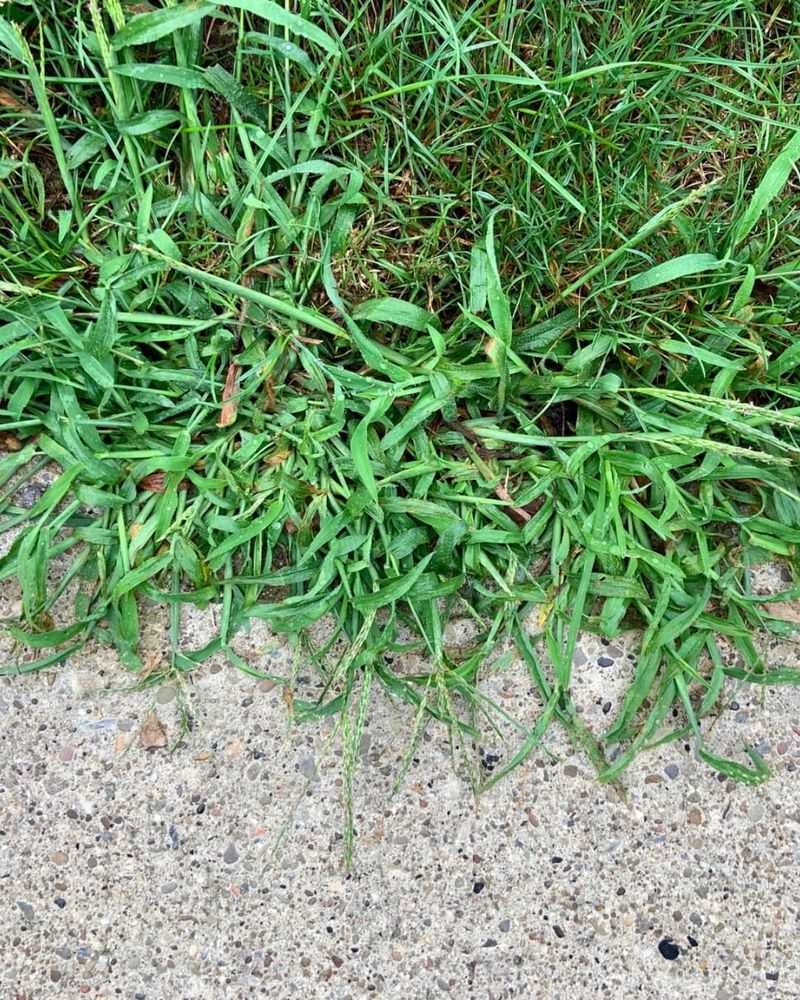
Stopping crabgrass starts with one simple idea: block it before it ever gets a chance to sprout. Pre-emergent herbicides work by forming a chemical barrier in the soil that stops crabgrass seeds from completing germination.
Once that barrier is in place, seeds that were just waiting for warm weather never make it out of the ground.
Products containing prodiamine, dithiopyr, or pendimethalin are solid choices for Georgia lawns. You can find them at most garden centers in both granular and liquid forms.
Granular is usually easier to apply evenly across a large yard, especially if you already own a broadcast spreader.
Timing is everything with pre-emergent. If you apply it too late, some seeds may have already started germinating, and the product will not stop those.
Apply it too early, and the barrier may break down before peak germination season arrives. You want that barrier active right when soil temps start climbing.
Check that the pre-emergent you choose is labeled safe for your specific grass type. Bermuda, zoysia, and centipede are all common across Georgia, and not every product is safe for all three.
Read the label before you buy, not after. A wrong product choice can set your lawn back more than the crabgrass would have.
Pre-emergent will not fix bare patches or improve lawn density on its own. Think of it as your first line of defense, working alongside healthy lawn habits to keep crabgrass from ever getting a foothold in your yard.
2. Watch Soil Temperatures Instead Of The Calendar
Forget circling a date on the calendar. Crabgrass does not care what month it is.
What actually triggers germination is soil temperature, and that number can vary by several weeks depending on where you are in Georgia and what kind of winter the state had.
Crabgrass seeds start germinating when soil temps consistently hit around 55 degrees Fahrenheit at the top two inches of soil. In South Georgia, that can happen as early as mid-February.
Up in North Georgia, you might not see those temps until mid-March or even a little later. Treating both regions the same way is a mistake a lot of people make.
Your Georgia Garden Changes Every Week. Your Plan Should Too.
Gardening in Georgia changes quickly throughout the season. Every Friday you’ll receive a simple weekly plan showing exactly what to plant, prune, fertilize, harvest, and protect so you never miss the right timing.
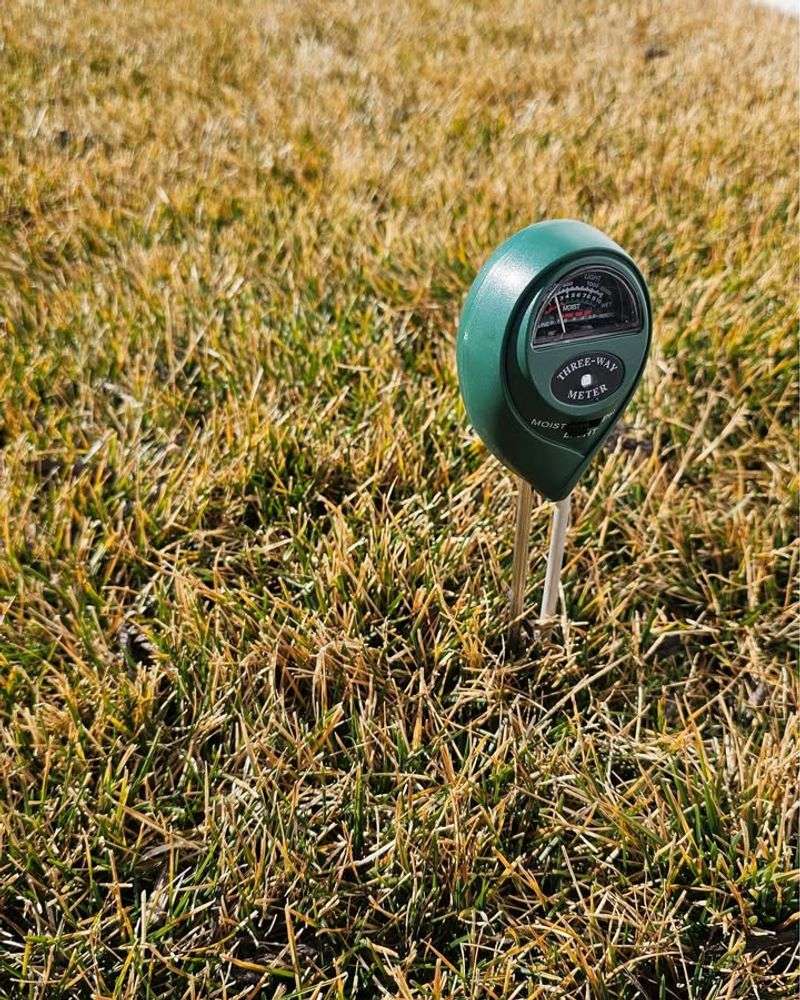
A basic soil thermometer costs less than ten dollars at most hardware stores and takes the guesswork completely out of the equation. Check your soil temperature in the morning for a few days in a row.
Once it holds steady near 50 to 53 degrees, start getting your pre-emergent ready to go. You want it down before that 55-degree threshold is crossed.
Weather apps and local extension services sometimes track soil temps, which is genuinely helpful if you do not want to check yourself every day.
The University of Georgia Cooperative Extension is a solid resource for Georgia-specific timing guidance throughout the season.
Relying on soil temperature rather than a fixed date gives you a real advantage.
You stop reacting to the calendar and start responding to what is actually happening in your yard, which is exactly how experienced Georgia gardeners approach crabgrass season every year.
3. Apply Treatment In Late Winter Or Very Early Spring
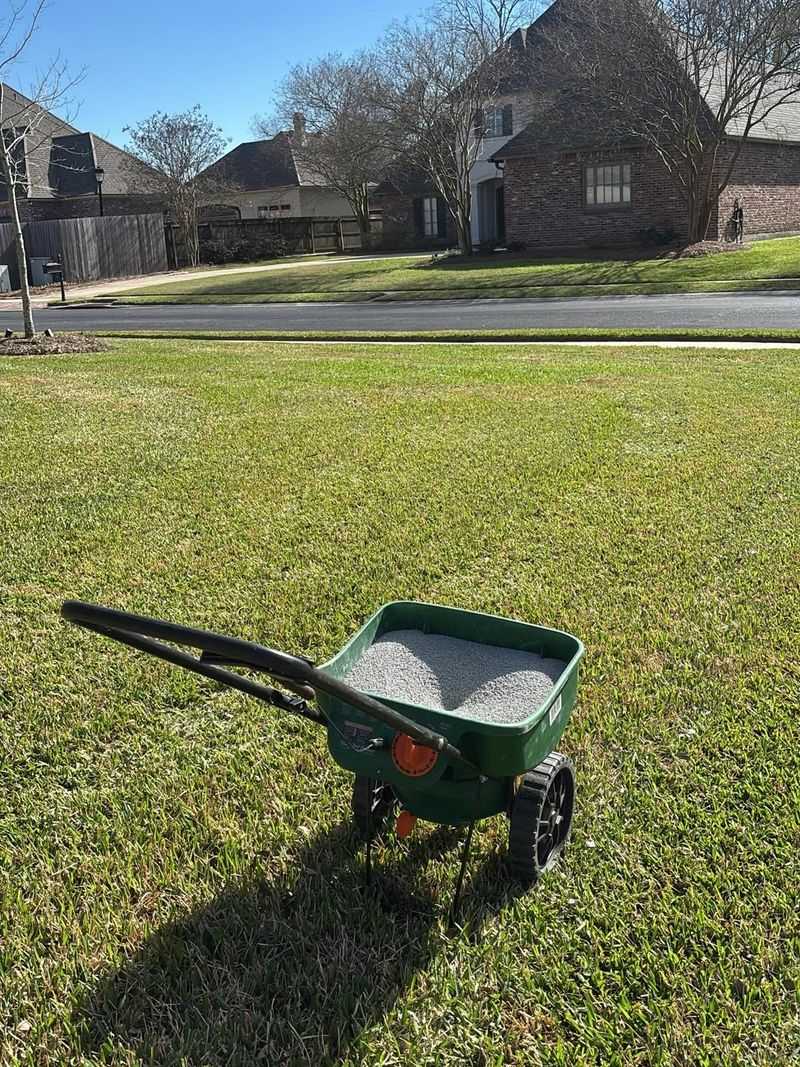
Late winter feels like an odd time to think about lawn care, but for crabgrass prevention in Georgia, it is actually the most important window you have.
Getting pre-emergent down during this period means the barrier has time to settle into the soil before seeds ever think about waking up.
For South Georgia homeowners, the target window runs roughly from February 15 through March 15. If you are in North Georgia, aim for March 1 through March 20.
These are not hard rules, but they give you a solid range to work with based on typical seasonal patterns across the state.
One thing that trips people up is waiting until they actually see weeds before acting. Pre-emergent does not work on crabgrass that has already sprouted.
By the time you spot green shoots in your lawn, that window has already closed. Early action is the whole point.
A cool, overcast day with mild temperatures is actually perfect for applying pre-emergent. You are not fighting the heat, the product stays more stable before watering it in, and you can work across the yard without rushing.
Early spring in Georgia can be unpredictable, so keep an eye on the forecast and plan your application day accordingly.
If you missed the ideal window last year and dealt with heavy crabgrass all summer, let that be the motivation to get out there early this time around.
One well-timed application in late winter can make the entire growing season in Georgia dramatically easier to manage.
4. Cover The Lawn Evenly For Full Protection
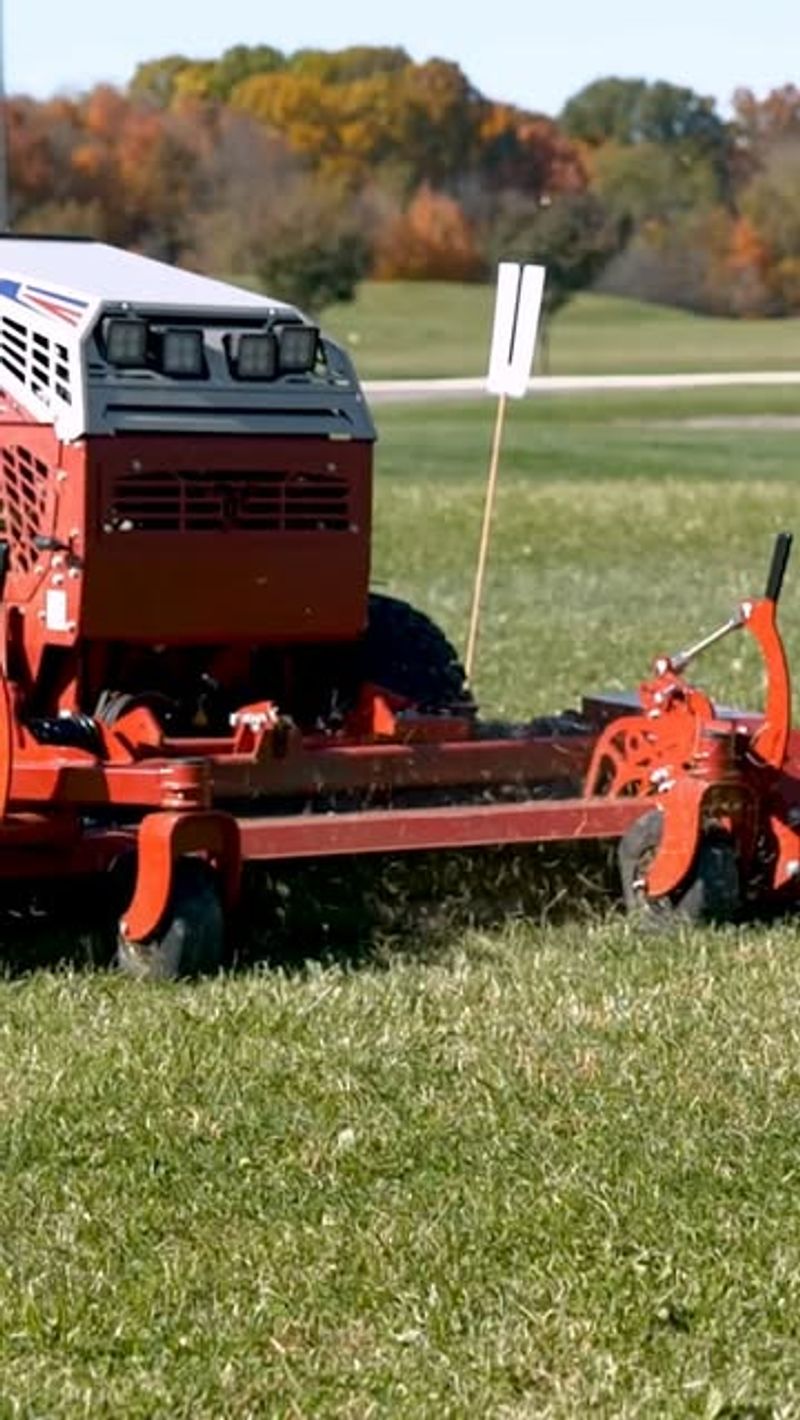
An uneven application is one of the most common reasons pre-emergent fails, and it is completely avoidable. If you apply too much product in one area and skip another, crabgrass will find those gaps and move right in.
Full coverage across every square foot of your lawn is what makes the barrier actually work.
Walk at a steady, consistent pace when using a broadcast spreader. Overlapping your rows slightly helps avoid missed strips.
A lot of people rush this part, especially on a warm day, but taking your time here pays off for the entire season. Uneven coverage shows up fast once Georgia summer heat kicks in.
Corners, edges along driveways, and spots near garden beds are easy to shortchange. Those areas tend to get less coverage because people turn the spreader off too early or skip the edges entirely.
Crabgrass absolutely exploits those thin border zones, so give them the same attention you give the open lawn.
For liquid pre-emergent, use a tank sprayer and keep the wand at a consistent height as you move. Varying your height or speed changes the application rate, which leads to the same uneven results you get with a poorly calibrated spreader.
Consistent motion matters just as much as the product itself.
After applying, walk back over the lawn and look for any dry or obviously missed spots. Better to catch it now than to wonder in July why one section of your Georgia yard is full of crabgrass while the rest looks clean.
A few extra minutes spent checking coverage saves a lot of frustration later.
5. Avoid Disturbing Soil After Applying Pre Emergent
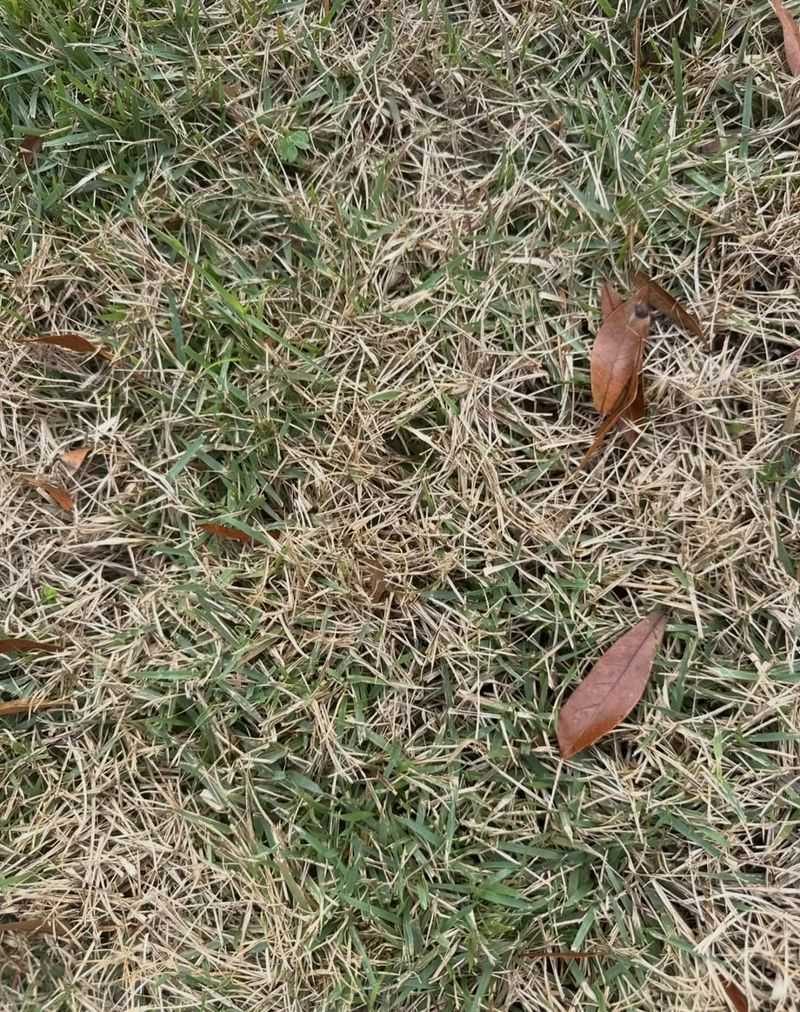
Pre-emergent herbicide works by forming a barrier in the top layer of soil. That barrier is surprisingly easy to break, and once it is disrupted, you lose protection in that spot.
Digging, heavy raking, aerating, or even aggressive foot traffic right after application can punch holes in that protective layer.
Hold off on any lawn projects that involve turning or disturbing soil for at least several weeks after applying pre-emergent. This includes planting grass seed, edging aggressively along beds, or doing any kind of grading work.
Every time you break the soil surface, you create an opening where crabgrass seeds can germinate without interference.
Aeration is actually one of the biggest conflicts homeowners run into. Core aeration in spring is great for compacted Georgia lawns, but it physically pulls plugs of soil out of the ground, which tears right through any pre-emergent barrier you just put down.
If you plan to aerate, do it before applying pre-emergent, not after.
Pets running the same path repeatedly, kids playing in one area, or even dragging a hose across the lawn can wear down the soil surface over time. It is not something to obsess over, but being aware of it helps you protect the areas most likely to see heavy traffic.
If you do accidentally disturb a section of soil after treatment, spot-treat that area as soon as you can. Reapplying to a small disturbed patch is much easier than dealing with a crabgrass outbreak in that spot come midsummer.
A little attention now keeps your Georgia lawn looking sharp all the way through fall.
6. Water Lightly To Activate The Herbicide Barrier
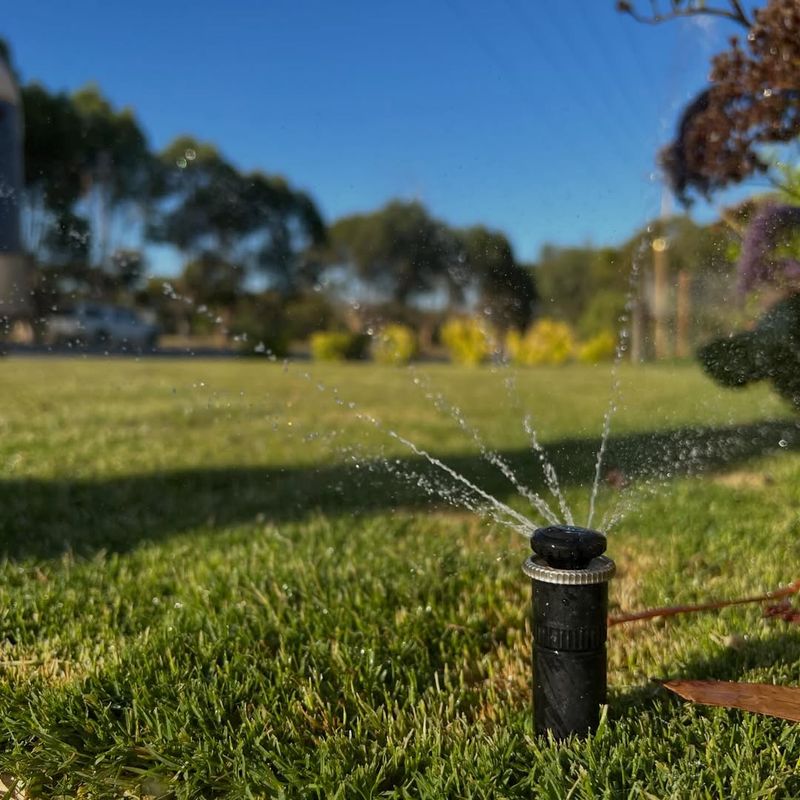
Granular pre-emergent does not activate the moment it hits the ground. It needs water to move down into the soil and form that protective barrier.
Without moisture, the product just sits on top, exposed to sunlight and air, and starts breaking down before it ever does its job.
A light watering right after application is usually all it takes. You are aiming for about a quarter to a half inch of water, just enough to push the granules into the soil without washing them off the lawn entirely.
Heavy watering or a strong rainstorm right after application can actually move the product away from where you want it.
Checking the weather forecast before you apply is a smart habit. If rain is expected within a day or two, you can let nature handle the activation step for you.
But if dry conditions are coming, plan to water manually the same day or the following morning. Waiting too long after application reduces effectiveness.
Liquid pre-emergent also benefits from light watering after application, though some products are formulated to bind to soil particles on contact. Always check the product label for specific instructions because application requirements vary between brands and active ingredients.
Georgia springs can be unpredictable with rainfall patterns shifting quickly from wet weeks to dry stretches. Keeping an eye on conditions after you apply helps you make sure the barrier actually formed correctly.
A simple rain gauge near your lawn is a surprisingly useful tool for confirming you got adequate moisture after treatment without overwatering the area.
7. Fill Thin Lawn Areas Before Weed Season Begins
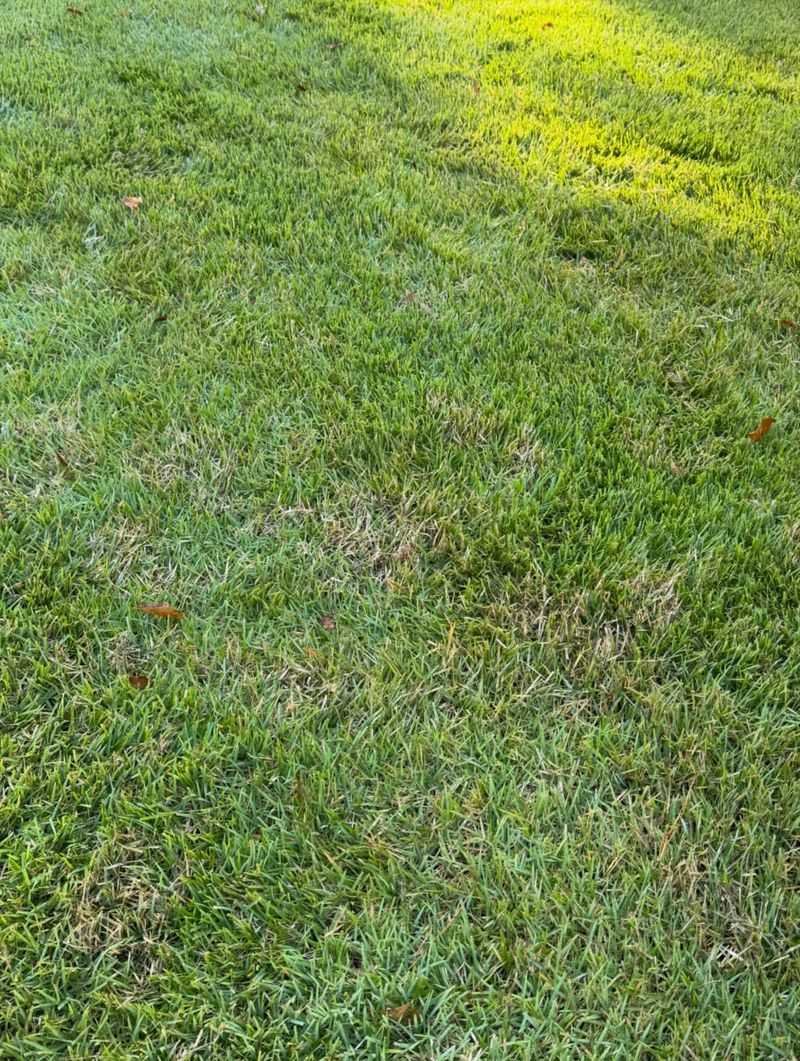
Bare spots and thin areas in your lawn are basically open invitations for crabgrass. Pre-emergent creates a barrier in the soil, but it cannot make up for a lawn that has no grass to compete with incoming weeds.
Density is your best natural defense, and thin lawns lose that advantage fast.
Address sparse areas before crabgrass season kicks off in Georgia. For warm-season grasses like bermuda or zoysia, late spring is actually the right time to overseed or lay sod, since those grasses thrive in heat.
Centipede and St. Augustine can also be patched as temperatures warm up. Getting grass established in those bare zones before summer heat arrives gives it a real chance to fill in and crowd out weeds naturally.
Keep in mind that overseeding and pre-emergent do not mix well. Pre-emergent stops seeds from germinating, and it cannot tell the difference between crabgrass seeds and your desirable grass seed.
If you plan to seed, either do it in fall before crabgrass season or skip the pre-emergent in those specific spots and hand-pull any weeds that come up.
Mowing height plays a bigger role than most people realize. Keeping warm-season grass at three to four inches shades the soil surface and makes it harder for crabgrass seeds to get the light they need.
Short-mowed lawns are far more vulnerable to weed pressure throughout the Georgia summer.
A thick, healthy lawn does a lot of the prevention work for you. Combine that density with a well-timed pre-emergent application, and crabgrass has very little room to establish itself anywhere in your yard.