8 Common Mistakes Ohio Gardeners Make With Rose Bushes
There’s nothing quite like stepping into a backyard in Ohio when roses are in bloom. The colors, the scent, and that sense of accomplishment make the hours in the garden worth it.
For many of us, roses have been a part of the family routine, whether pruning with a spouse or tending to the soil with grandkids nearby.
Yet even seasoned gardeners sometimes find themselves battling wilted leaves, weak stems, or fewer flowers than expected.
Many of these issues come from small, easily overlooked missteps that quietly add up over seasons.
Getting roses to flourish doesn’t have to feel like a guessing game. From planting choices to watering habits, understanding the pitfalls opens the door to stronger growth and fuller blooms this spring.
1. Choosing The Wrong Rose Variety For Ohio Climates
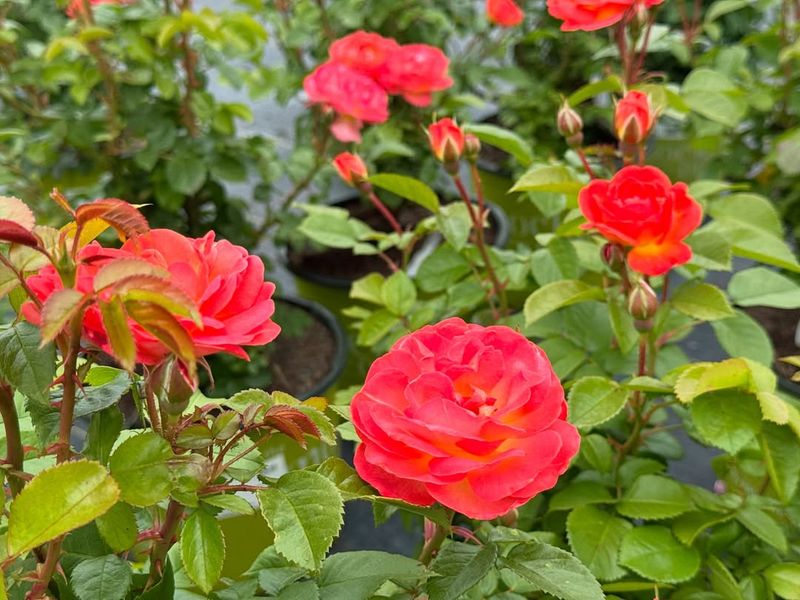
Not all roses are built the same, and Ohio’s unpredictable weather makes variety selection one of the most important decisions you will make. Ohio falls mostly in USDA hardiness zones 5 and 6, which means winters can get seriously cold.
Choosing a rose that is not rated for those zones may result in a plant that struggles during cold winters, though careful care can sometimes help it survive.
Hardy varieties like Knock Out roses, Canadian-bred roses such as the Explorer series, and shrub roses tend to do remarkably well across Ohio. These plants are bred to handle cold snaps, late frosts, and the kind of humidity that Ohio summers regularly dish out.
Many Ohio gardeners fall in love with hybrid tea roses at the nursery without checking whether they can actually hold up through a Columbus or Cleveland winter.
When shopping for roses, always look at the zone rating on the tag. A rose labeled for zones 7 and above may look gorgeous in the store but will struggle badly once Ohio temperatures drop.
Local garden centers in cities like Dayton and Cincinnati often carry region-appropriate selections, so it pays to shop locally. Asking a nursery expert about which varieties perform best in your specific part of Ohio can save you a lot of frustration down the road.
2. Planting Roses In Poorly Drained Soil That Struggles To Thrive

Soggy roots are a rose bush’s worst enemy, and Ohio’s clay-heavy soils make poor drainage a very real problem for gardeners across the state. When water sits around the roots for too long, it cuts off oxygen and creates the perfect environment for root rot and fungal issues.
Many Ohio gardeners plant roses without ever testing or amending their soil first, and then wonder why their plants look sickly by midsummer.
Before you ever put a rose in the ground, take time to assess how well your soil drains. Dig a hole about 12 inches deep, fill it with water, and watch how quickly it drains away.
If water is still pooling after an hour, you have a drainage problem that needs to be fixed before planting.
Adding compost, aged bark, or coarse sand can significantly improve drainage in heavy Ohio clay soils. Raised beds are another excellent option, especially in areas of Ohio where clay soil is particularly dense, such as parts of central and northwest Ohio.
Your Ohio Garden Changes Every Week. Your Plan Should Too.
Gardening in Ohio changes quickly throughout the season. Every Friday you’ll receive a simple weekly plan showing exactly what to plant, prune, fertilize, harvest, and protect so you never miss the right timing.
Mixing in organic matter not only improves drainage but also feeds the soil with nutrients that roses love. Getting the soil right before planting is one of the most impactful things an Ohio gardener can do to set their roses up for long-term success and vigorous blooming season after season.
3. Ignoring Proper Sunlight Requirements For Strong Blooms
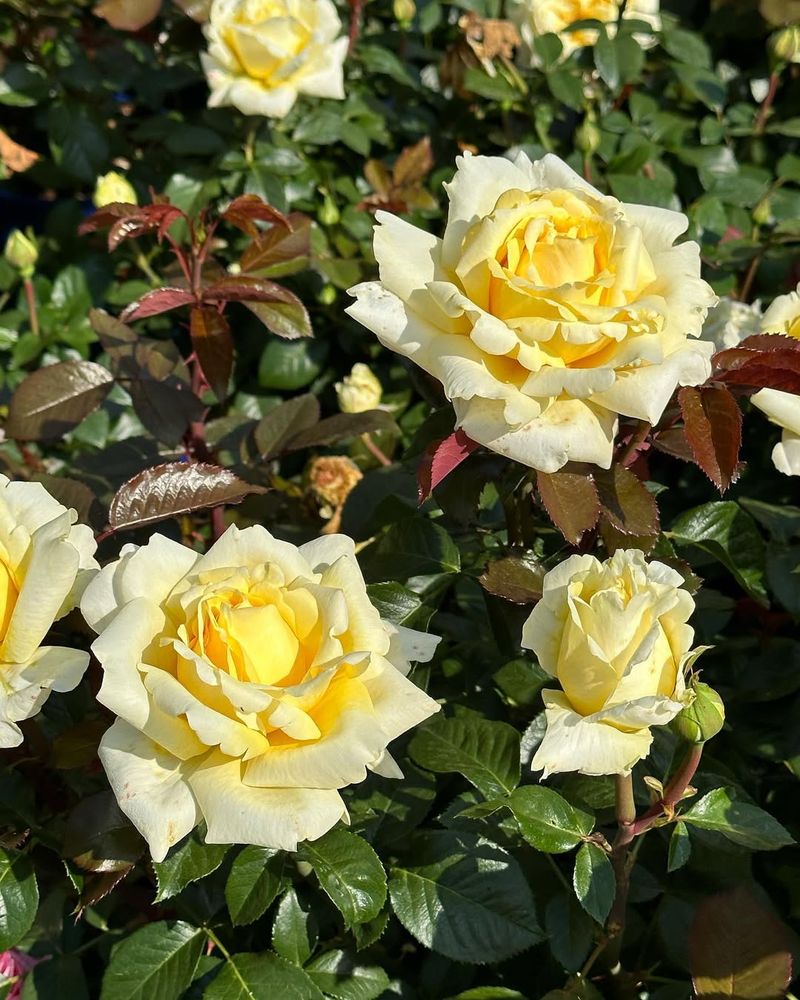
Sunlight is basically fuel for rose bushes, and skimping on it leads to weak, disappointing plants. Roses generally perform best with around six hours of direct sunlight daily, though some varieties can still bloom with slightly less sun.
Planting them in a spot that gets too much shade is one of the most common and easily avoidable mistakes Ohio gardeners make.
Ohio summers can bring plenty of overcast days, so it is especially important to choose a planting spot that captures as much direct sun as possible during the hours it is available. Morning sun is particularly valuable because it helps dry dew off the leaves quickly, which reduces the risk of fungal diseases that thrive in Ohio’s humid conditions.
Afternoon shade is more tolerable than morning shade for most rose varieties.
Walk around your yard at different times of day before deciding where to plant. A spot that looks sunny in the morning might be completely shaded by a fence or tree by noon.
Many Ohio gardeners in wooded suburban neighborhoods make the mistake of planting roses under or near large trees, where both shade and root competition become problems. South-facing garden beds tend to get the most consistent sun throughout the day and are often the best spots for roses in Ohio.
A little planning before planting goes a very long way toward producing a showstopping rose garden.
4. Overwatering Or Underwatering Rose Bushes By Mistake
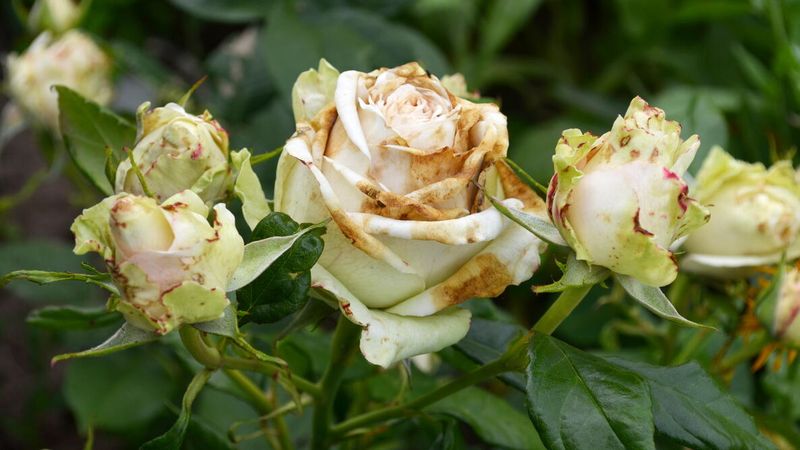
Getting watering just right is something a lot of Ohio gardeners struggle with, and roses are particularly sensitive to both too much and too little water. Overwatering drowns the roots and invites fungal disease, while underwatering stresses the plant and reduces blooming.
Finding the right balance is not as complicated as it sounds once you understand what roses actually need.
A good rule of thumb for Ohio rose gardens is to water deeply once or twice a week rather than giving shallow, frequent sprinkles. Deep watering encourages roots to grow down into the soil, making the plant more stable and drought-resistant.
During Ohio’s hot July and August stretches, you may need to water more frequently, especially if your roses are planted in sandy or fast-draining soil.
Always water at the base of the plant rather than from above. Wet foliage in Ohio’s already humid climate is practically an open invitation for black spot and powdery mildew, two of the most common rose diseases in the state.
Soaker hoses and drip irrigation systems are fantastic tools for keeping moisture consistent at the root zone while keeping the leaves dry. Checking the top two inches of soil before watering is a simple habit that can prevent a lot of problems.
If the soil still feels moist, hold off and check again the next day before reaching for the hose.
5. Neglecting Regular Pruning And Deadheading For Healthier Growth
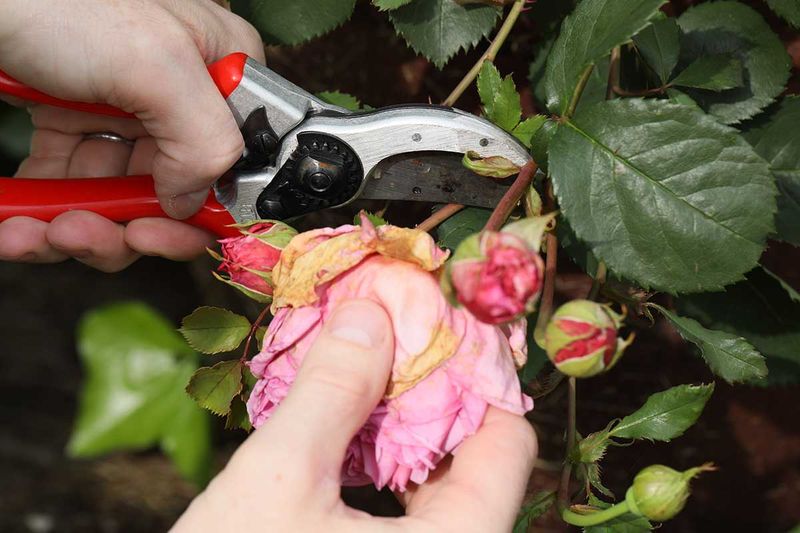
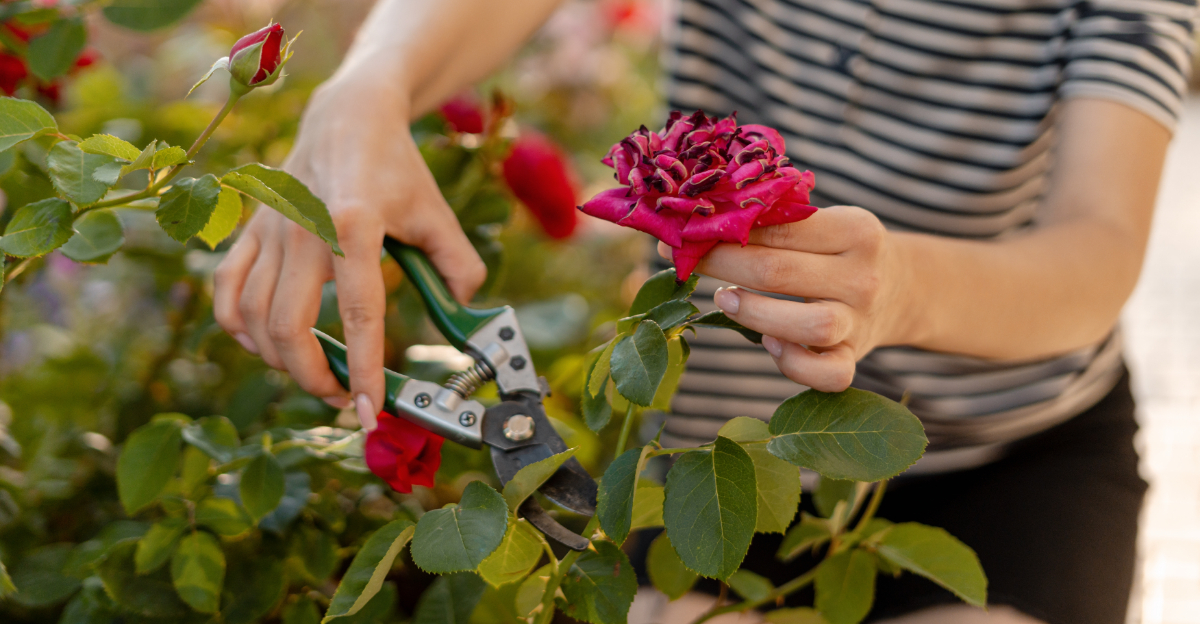
Roses are not a plant-and-forget situation, and skipping regular pruning and deadheading is one of the fastest ways to end up with a messy, underperforming rose garden. Deadheading, which simply means removing spent blooms, signals the plant to keep producing new flowers instead of putting energy into forming seed hips.
It is a small task that makes a genuinely big difference in how many blooms you get throughout the season.
Pruning in Ohio is best done in early spring, right around the time forsythia starts to bloom, which is a handy natural timing cue that many experienced Ohio gardeners swear by. At that point, you want to cut back dead or damaged canes, remove any crossing branches, and open up the center of the plant to allow better airflow.
Cutting canes at a 45-degree angle just above an outward-facing bud is the technique that promotes healthy new growth.
Many gardeners in Ohio are nervous about pruning too aggressively, and while roses often recover with proper care, growth depends on the plant’s health, variety, and timing. Leaving old, woody canes year after year reduces flowering and makes the plant more vulnerable to disease.
Keeping your pruning tools clean and sharp is also worth mentioning, since dull or dirty blades can damage canes and spread disease from plant to plant. A quick wipe with rubbing alcohol between cuts is a smart habit to build.
6. Failing To Monitor And Treat Pests And Diseases Quickly
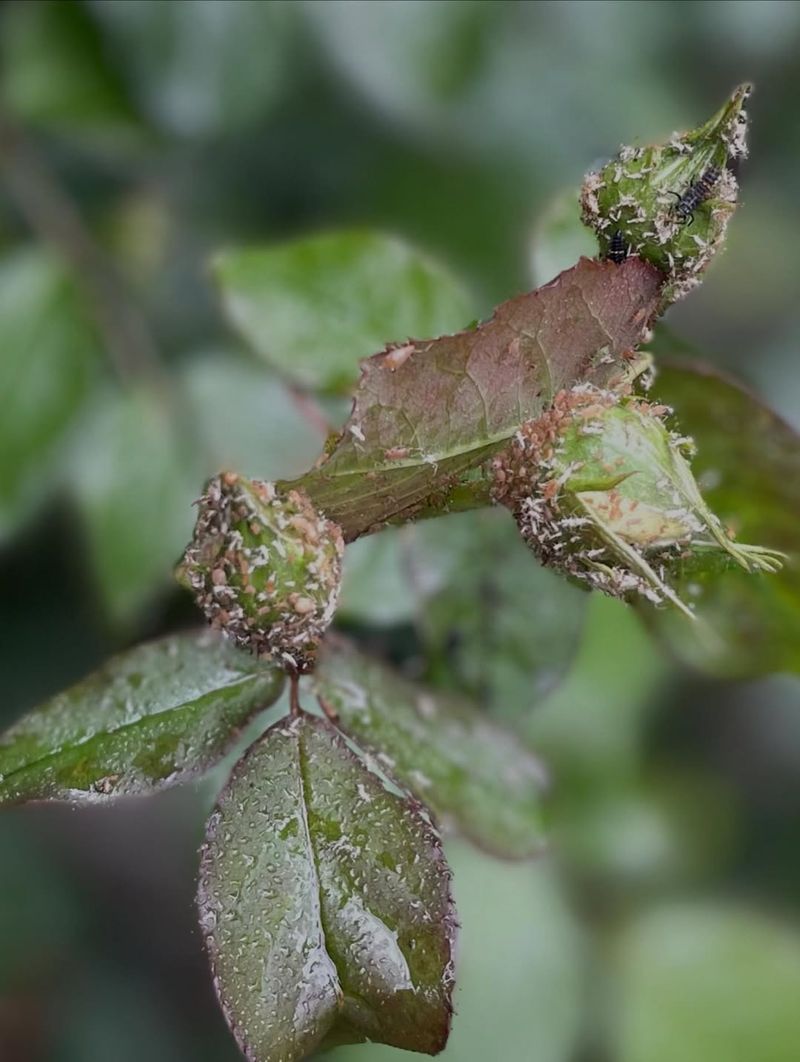
Ohio’s warm, humid summers create the perfect breeding ground for rose pests and diseases, and catching problems early is the key to keeping your plants healthy. Japanese beetles are a notorious pest across Ohio, capable of shredding rose petals and leaves in a matter of days if left unchecked.
Black spot fungus is another major threat, spreading quickly in the moist conditions that Ohio summers regularly produce.
The mistake many Ohio gardeners make is waiting until the damage is severe before taking action. By then, the infestation or infection has had time to spread and weaken the plant significantly.
Checking your roses every few days during the growing season takes only a few minutes and allows you to catch issues before they spiral out of control. Look under leaves for insects and eggs, and watch for yellowing, spotted, or distorted foliage as early warning signs.
Treatment options range from organic solutions like neem oil and insecticidal soap to more targeted chemical treatments for serious outbreaks. When managing Japanese beetles in Ohio, hand-picking them off in the early morning hours when they are sluggish can be surprisingly effective.
Avoid broad-spectrum insecticides that harm beneficial insects like bees and ladybugs, which actually help your garden. Keeping fallen leaves raked up from around rose bushes also reduces the chances of fungal spores overwintering in the soil and reinfecting your plants the following spring.
7. Using Incorrect Fertilization Techniques That Limit Flowers
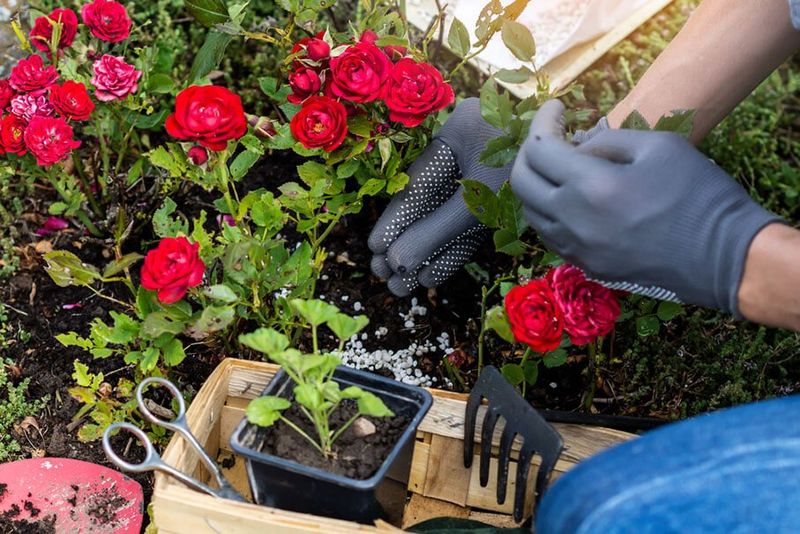
Feeding roses the right way can feel a little intimidating at first, but getting fertilization wrong is actually a very common mistake among Ohio gardeners. Over-fertilizing with high-nitrogen products pushes the plant to produce lots of lush green leaves at the expense of flowers.
Under-fertilizing, on the other hand, leaves roses nutrient-starved and unable to bloom to their full potential.
Roses require nutrients for healthy growth, but feeding frequency and type should be adjusted to variety, soil conditions, and season rather than applied uniformly throughout the season. A balanced fertilizer with roughly equal parts nitrogen, phosphorus, and potassium is a solid starting point.
In Ohio, the first feeding of the season should happen in early spring when new growth begins to emerge, and subsequent feedings can follow every four to six weeks through midsummer.
One important rule that Ohio gardeners sometimes overlook is to stop fertilizing about six weeks before the first expected frost. In most parts of Ohio, that means wrapping up fertilization by late August or early September at the latest.
Feeding roses too late in the season encourages new, tender growth that has no time to harden before cold weather arrives, making the canes much more vulnerable to winter damage. Organic fertilizers like fish emulsion, bone meal, and compost are gentler options that release nutrients slowly and improve overall soil health over time, which is particularly helpful in Ohio’s clay-heavy soils.
8. Planting Too Close Together Reducing Airflow

Crowding rose bushes together might seem like a way to create a lush, full garden bed faster, but it actually causes more problems than it solves. When roses are planted too close together, air cannot circulate freely through the foliage, and that trapped moisture becomes a welcome mat for fungal diseases like powdery mildew and black spot.
In Ohio’s already humid climate, this is a particularly serious concern.
Most shrub and hybrid tea roses need at least three to four feet of space between plants, while larger climbing roses may need even more room to spread out comfortably. Before planting, it helps to research the mature size of the specific rose variety you have chosen, since some roses grow much larger than they appear at the nursery.
Planting with the mature size in mind prevents the need to transplant or thin out your garden later.
Good airflow does more than just prevent disease. It also helps roses dry out faster after Ohio’s frequent summer rain showers, reducing the window of time that fungal spores have to take hold on wet leaves.
Proper spacing also makes pruning, deadheading, and pest inspection much easier throughout the season. If you already have roses that are overcrowded in your Ohio garden, early spring is the best time to carefully transplant some of them to give each plant the breathing room it needs to genuinely flourish all season long.