How Ohio Gardeners Can Prune Raspberry And Blackberry Canes Before Spring
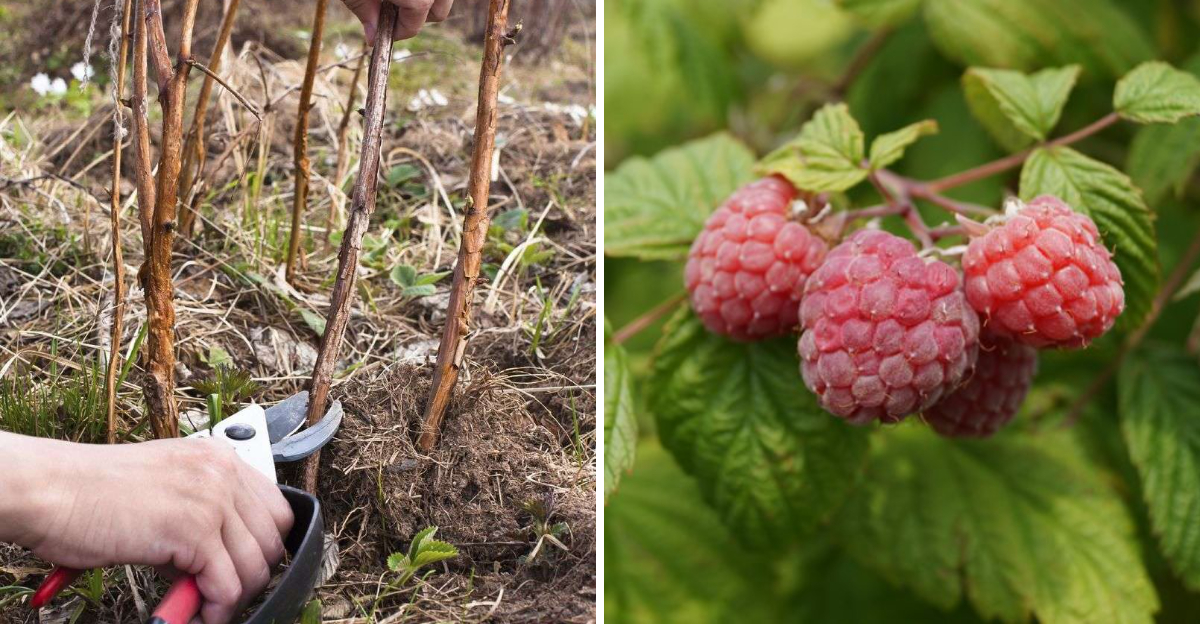
One look at an overgrown berry patch in late winter is enough to make plenty of Ohio gardeners pause.
The canes are tangled, the row looks wild, and every stem seems like it could be either next season’s fruit or the wrong one to cut.
It is exactly the kind of garden chore that feels harder than it really is.
Late winter is actually the ideal time to bring some order back to the patch.
Pruning raspberries and blackberries before spring growth begins can improve airflow, make picking easier, and help the plants focus on stronger, more productive canes.
The key is knowing that raspberries and blackberries do not all follow the same pruning rules, which is why Ohio gardeners get better results when they identify what they are growing before making the first cut.
1. Winter-Worn Canes Should Be Cleared Out First
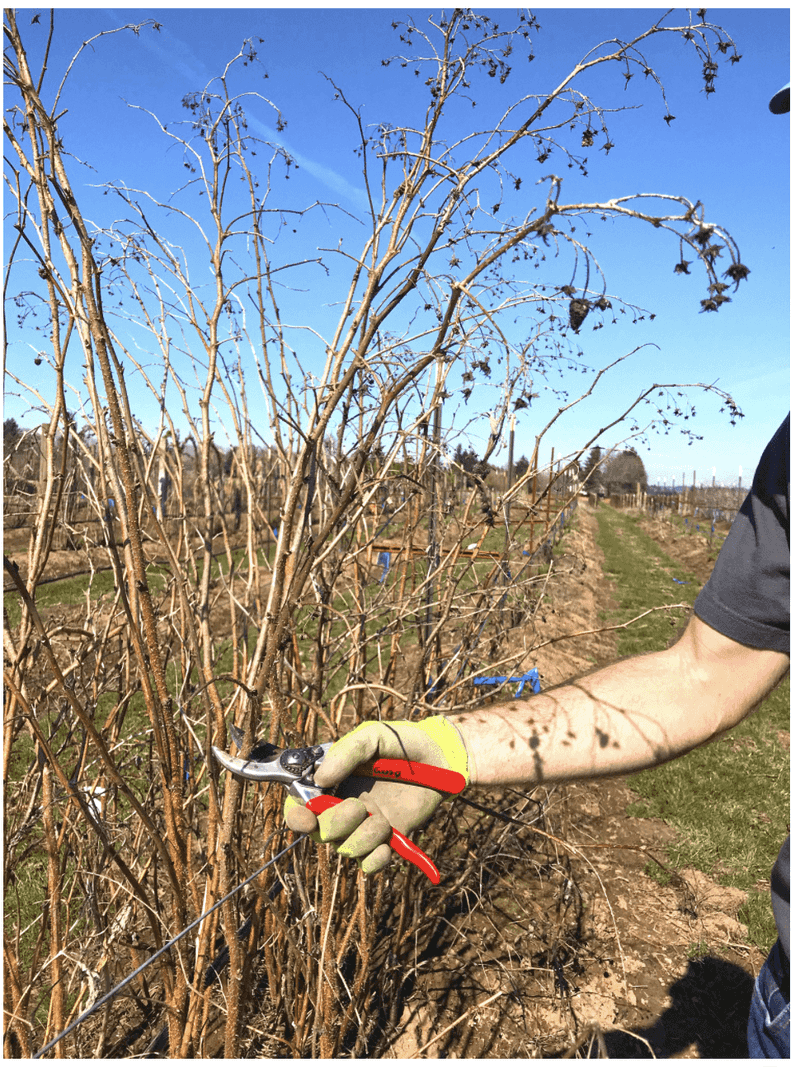
Walking out to an Ohio berry patch in late February can feel a bit like surveying storm damage.
Canes that looked fine going into fall may have snapped under ice, bent sideways from heavy snow, or turned a dull, grayish brown that signals they did not make it through the cold.
Starting your pruning session by pulling out these obviously damaged canes gives you a much cleaner workspace and helps you see what you are actually dealing with.
Canes with dark, sunken spots or those that feel hollow when you bend them are worth removing right away. Leaving them in place can invite fungal disease and make it harder to identify which healthy canes deserve to stay.
Ohio winters can be rough on cane fruit, especially in years when temperatures swing dramatically between freezes and thaws.
Clearing out winter-worn canes is not just about tidiness. It is the first step in a logical pruning process that helps you make smarter decisions about what to keep.
Sharp, clean pruning shears or loppers will make cuts easier and reduce the chance of spreading disease from one cane to the next.
Dispose of removed canes rather than leaving them on the ground near the patch.
2. Old Fruiting Canes Should Not Stay In Place
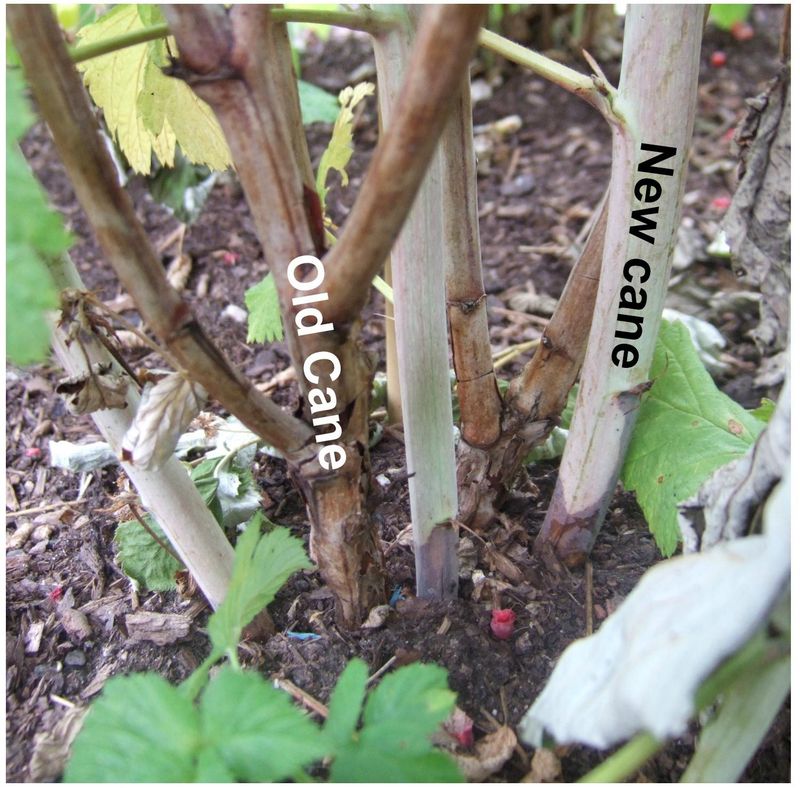
Floricanes are the second-year canes that bore fruit last season, and once they have finished producing, they will not fruit again.
Many Ohio gardeners leave them standing through winter either by accident or because they are unsure what to remove, but those old canes need to come out before spring growth begins.
Leaving spent floricanes in place crowds the patch and blocks light from reaching the younger canes that will actually produce fruit this coming season.
Identifying floricanes is usually straightforward once you know what to look for. They tend to have a rougher, more weathered bark than first-year canes, and the lateral shoots along their length will look dried out and spent.
In summer-bearing red raspberries, floricanes that fruited last July should be cut down to the ground.
For blackberries, the same logic applies. Those old canes served their purpose and now they are taking up valuable space in your Ohio berry row.
Your Ohio Garden Changes Every Week. Your Plan Should Too.
Gardening in Ohio changes quickly throughout the season. Every Friday you’ll receive a simple weekly plan showing exactly what to plant, prune, fertilize, harvest, and protect so you never miss the right timing.
Removing them at ground level, rather than cutting them partway, eliminates the stub that can harbor insects and disease.
Once the floricanes are out, you will likely notice the patch already looks less cluttered and the remaining canes have more room to breathe.
3. Primocanes And Floricanes Need Different Pruning Cuts
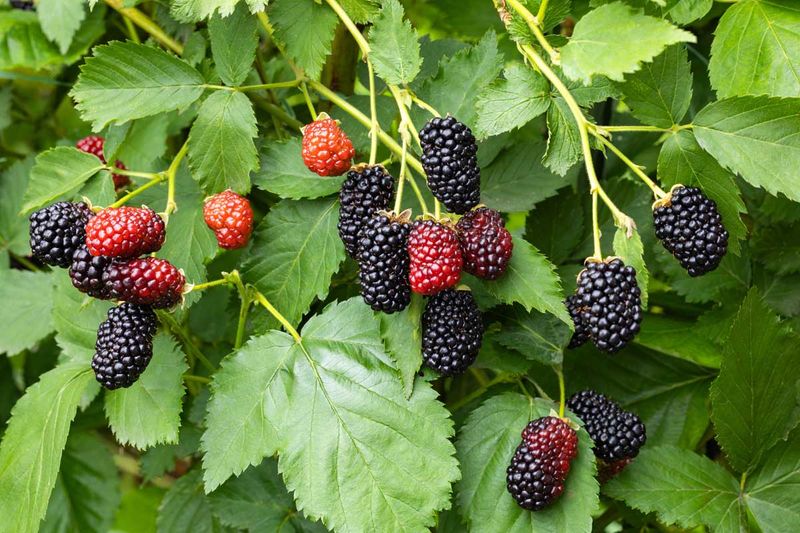
One of the most common sources of confusion in berry patch management is not knowing the difference between primocanes and floricanes, and treating them the same way is a pruning mistake that can cost you a whole season of fruit.
Primocanes are the vigorous, first-year canes that grew last summer. They are typically greener, smoother, and more upright than older canes, and in summer-bearing raspberries, they will produce fruit this coming season after overwintering.
Floricanes are those same canes one year later. They fruited, they are done, and they need to go.
The key to smart pruning is learning to tell them apart when you are standing in the patch in late winter, often in muddy boots with cold fingers.
For summer-bearing red raspberries in Ohio, keep the strongest primocanes and remove the floricanes entirely.
For fall-bearing varieties, the approach changes depending on whether you want one large fall crop or two smaller crops across the season.
Black and purple raspberries get their lateral branches trimmed back in spring rather than being cut to the ground.
Understanding which cane type you are working with before making any cut is the foundation of effective berry pruning in Ohio.
4. Thinning The Patch Improves Light And Airflow
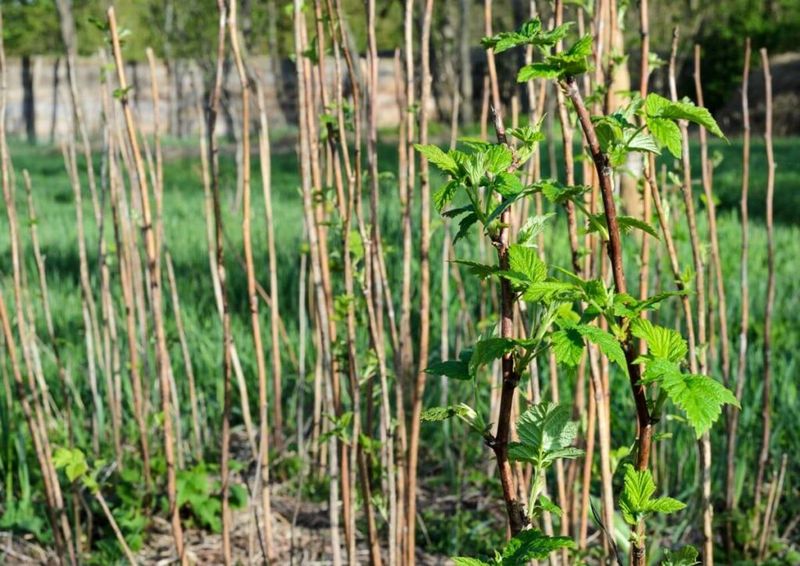
Even after removing dead canes and old floricanes, many Ohio berry patches still end up with more canes than they actually need.
Overcrowded rows are a common problem, especially in patches that have not been thinned for a season or two.
When canes are packed tightly together, air cannot move through the planting freely, moisture lingers longer on leaves and stems, and fungal diseases like orange rust and cane blight get a much easier foothold.
Thinning raspberry canes to roughly four to six inches apart within the row is a widely recommended approach for improving conditions in the patch.
For blackberries, spacing can be a bit more generous depending on the variety, but the goal is the same: enough room for light to reach lower leaves and for air to circulate between canes on humid Ohio summer days.
When choosing which canes to keep during thinning, favor those that are upright, healthy-looking, and roughly pencil-thick or slightly larger. Spindly canes that lean heavily or look pale are less likely to support a strong crop.
Keeping your berry rows narrow, ideally around 18 to 24 inches wide for raspberries, also makes it easier to pick fruit and manage the patch without trampling new growth later in the season.
5. The Best Canes Deserve The Most Growing Space
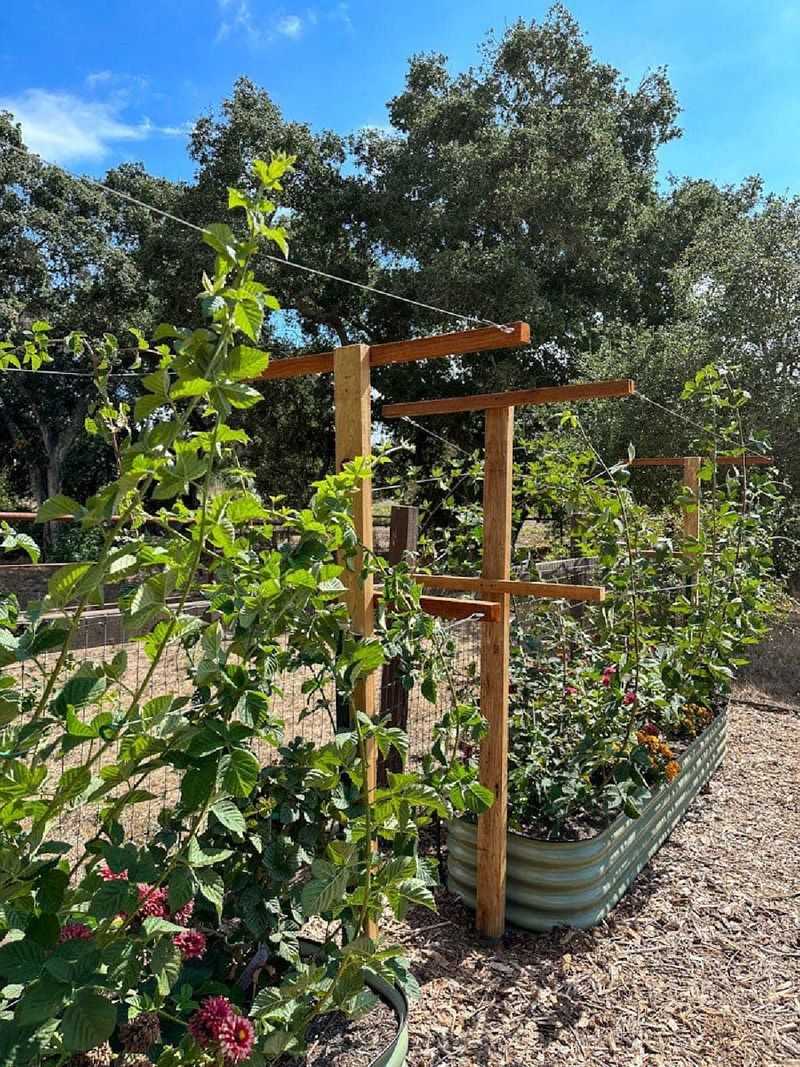
Not all canes are created equal, and giving your strongest canes the most room to grow is a strategy that pays off come harvest time.
After clearing out dead wood, spent floricanes, and obvious weaklings, you are left with a group of candidates, and the job now is to pick the winners.
Strong canes tend to be thicker, well-anchored at the base, and positioned where they will receive good sunlight once the season gets going.
For summer-bearing red raspberries in Ohio, aim to keep roughly five to seven of the best canes per linear foot of row. That might sound like a lot, but raspberries are naturally vigorous and will fill in quickly once spring warmth arrives.
The goal is to be selective enough that the canes you keep have real room to thrive rather than competing for every bit of light and nutrition.
Canes that are already leaning at sharp angles, growing horizontally along the ground, or emerging from the outer edge of your row are usually worth removing even if they look reasonably healthy.
Keeping your best canes tied loosely to a trellis wire also helps them stay upright through Ohio summer storms and makes picking far more enjoyable when the berries finally ripen in July.
6. Blackberry Canes Benefit From Early Height Control
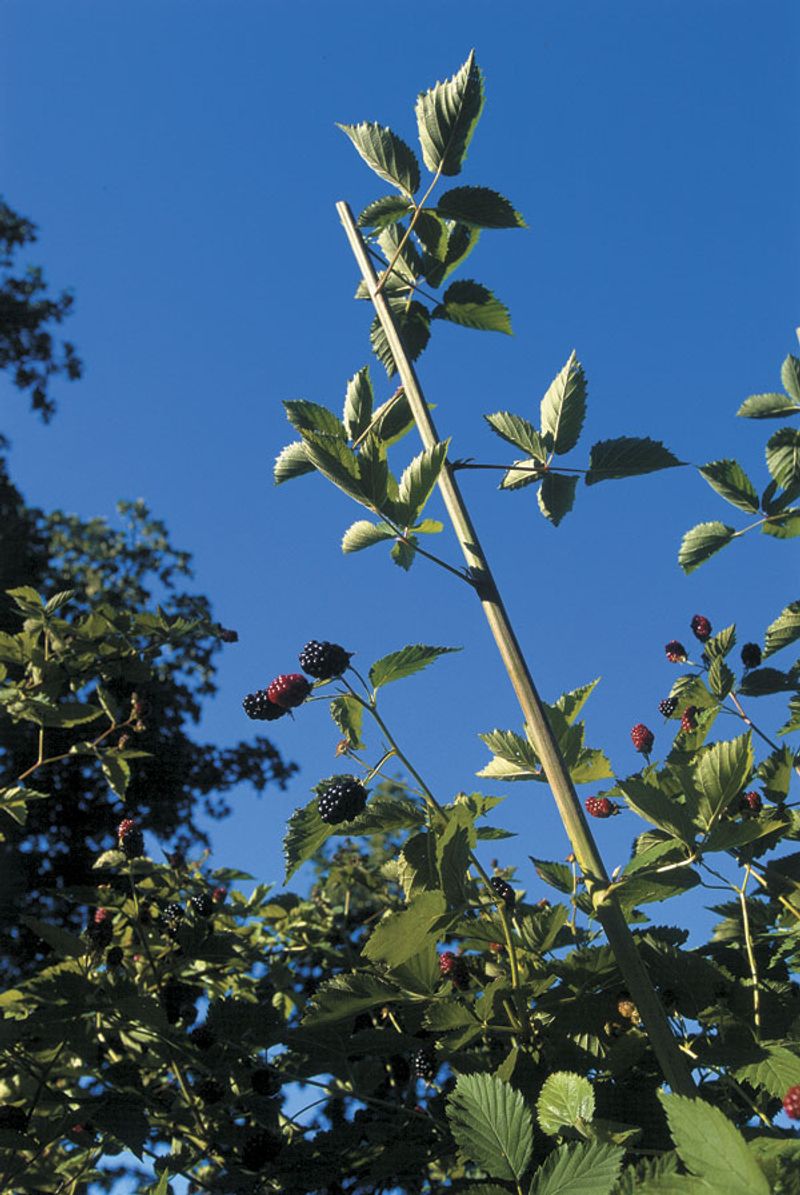
Blackberries have a reputation for getting out of hand fast, and Ohio gardeners who have let a row go unchecked for even one season know exactly what that looks like.
Erect blackberry varieties respond well to having their structure managed before spring growth gets moving, but the cuts need to match how the plant actually grows.
In Ohio, dormant pruning is typically done in late March or early April, since winter injury is often easier to judge by then.
For floricane-fruiting erect blackberries, the main late-winter task is trimming the lateral shoots that developed after summer tipping.
Those lateral branches should be cut back to around 18 inches in spring, which helps reduce winter-injured tips and keeps the planting at a more workable size.
That spring cut is different from summer tipping, which happens when new primocanes reach about 4 to 5 feet and are headed back to encourage lateral branching.
This structure matters for more than appearance. Well-managed blackberry canes are easier to net, easier to harvest, and less likely to spill into walkways or neighboring plants.
Ohio gardeners who skip both summer tipping and spring lateral pruning often end up with a dense wall of canes that is harder to manage than it needs to be.
A few careful cuts at the right time make the whole patch more productive and much easier to live with through the growing season.
7. Fall-Bearing Raspberries Make Pruning Simpler
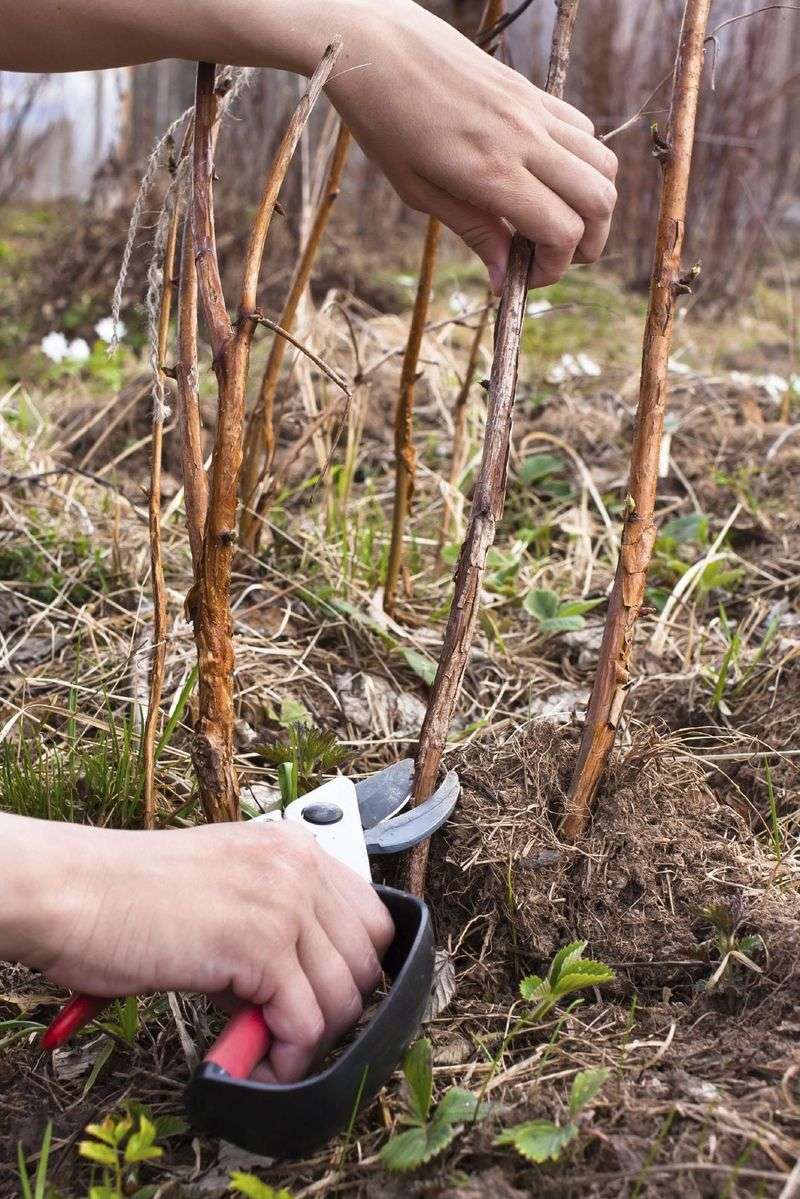
If you grow fall-bearing raspberries like Heritage in your Ohio garden, you have a pruning option that is refreshingly uncomplicated.
The single-crop method involves cutting every cane in the patch down to ground level in early spring before growth begins.
That approach eliminates the need to sort through canes trying to figure out which are first-year and which are second-year, and it results in one generous fall crop on the new canes that grow up through the season.
Ohio gardeners who want two harvest windows from their fall-bearing raspberries can instead choose the dual-crop approach.
That means leaving the previous year’s canes in place through winter, thinning them in early March to about five inches apart, and allowing the patch to produce a small early-summer crop on those older canes before the main fall harvest arrives on new growth.
Both approaches work well in Ohio, though the single-crop method tends to be more popular with home gardeners because it is easier to manage and still delivers a satisfying harvest.
The tradeoff is losing that smaller summer fruiting window.
Whichever approach fits your schedule and garden goals, the important thing is to make the decision and act on it before the canes break dormancy and new shoots begin pushing up from the crown in April.
8. A Cleaner Berry Patch Sets Up A Better Harvest
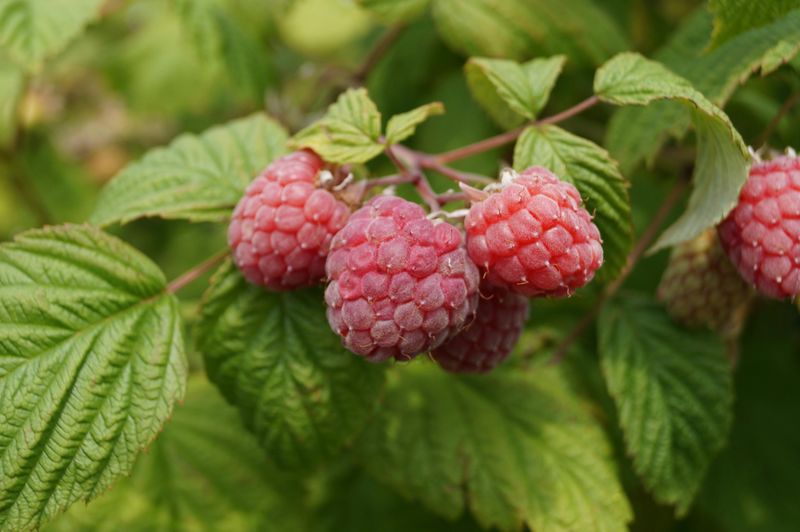
There is a real satisfaction that comes from stepping back and looking at a berry patch that has been properly pruned in late winter. The rows look open, the canes stand upright, and you can actually see the trellis wires again.
That tidy appearance is not just cosmetic. It reflects a planting that is set up to receive sunlight more evenly, dry out faster after rain, and push out new growth with less crowding.
Cleanup matters too. Pruned canes should not be left scattered in or near the berry row, especially if they showed spotting, injury, or other signs of disease problems.
Removing that material from the patch helps lower the amount of infected plant debris sitting near healthy new growth as the season begins.
For home gardeners, the safest habit is to discard removed canes rather than letting them collect around the planting.
Ohio gardeners who make late-winter pruning a consistent annual habit tend to have berry patches that are easier to manage year after year.
Canes stay at workable heights, rows stay narrow enough to pick from both sides, and harvests are often more consistent because the plants are not spending energy on worn-out or overcrowded wood.
A few focused hours in late winter can make the whole patch easier to handle once summer and fall harvest season arrives.