Why Oregon Plants Turn Yellow In Spring (And How To Fix It)
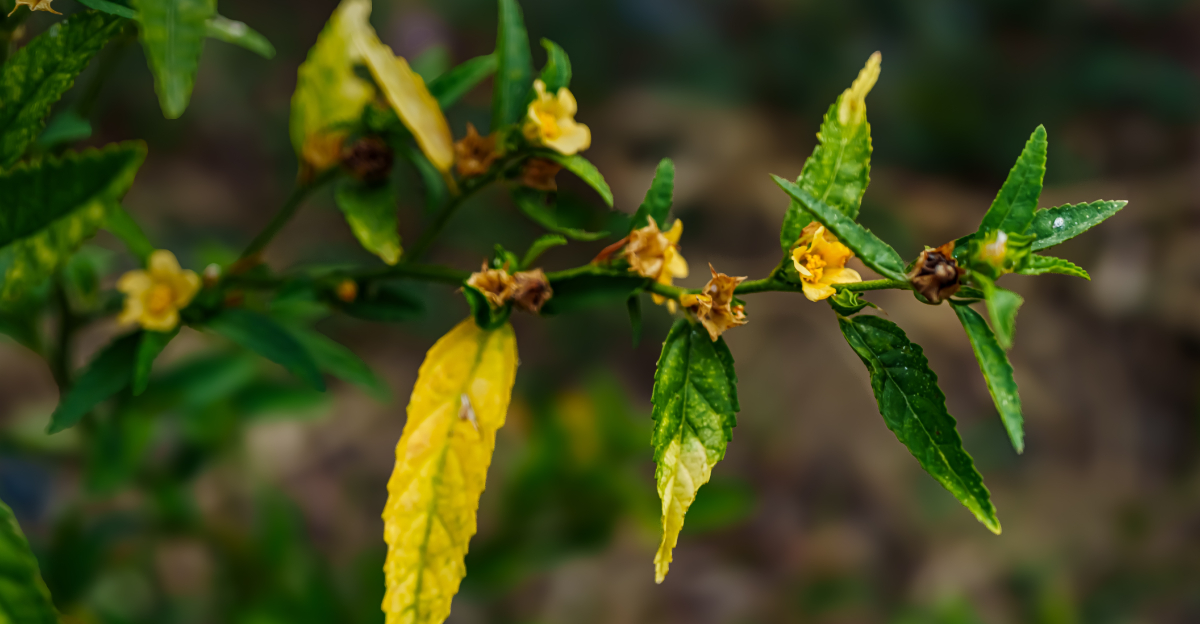
Spring should be the moment when Oregon gardens burst back to life. New growth appears, leaves start filling in, and everything begins turning that fresh, vibrant shade of green gardeners love to see.
So it can be pretty alarming when the opposite happens. Instead of lush green growth, some plants suddenly develop pale or yellowing leaves just as the growing season begins.
It’s a common sight in Oregon gardens during spring, and it often leaves gardeners wondering what went wrong.
The surprising part is that spring conditions themselves are usually part of the reason. Cool soil, heavy rain, and shifting temperatures can sometimes interfere with how plants take up nutrients.
The good news is that yellowing plants in spring are often fixable once you understand what’s causing the change and how to help your plants bounce back.
Why Plants Turn Yellow In Spring
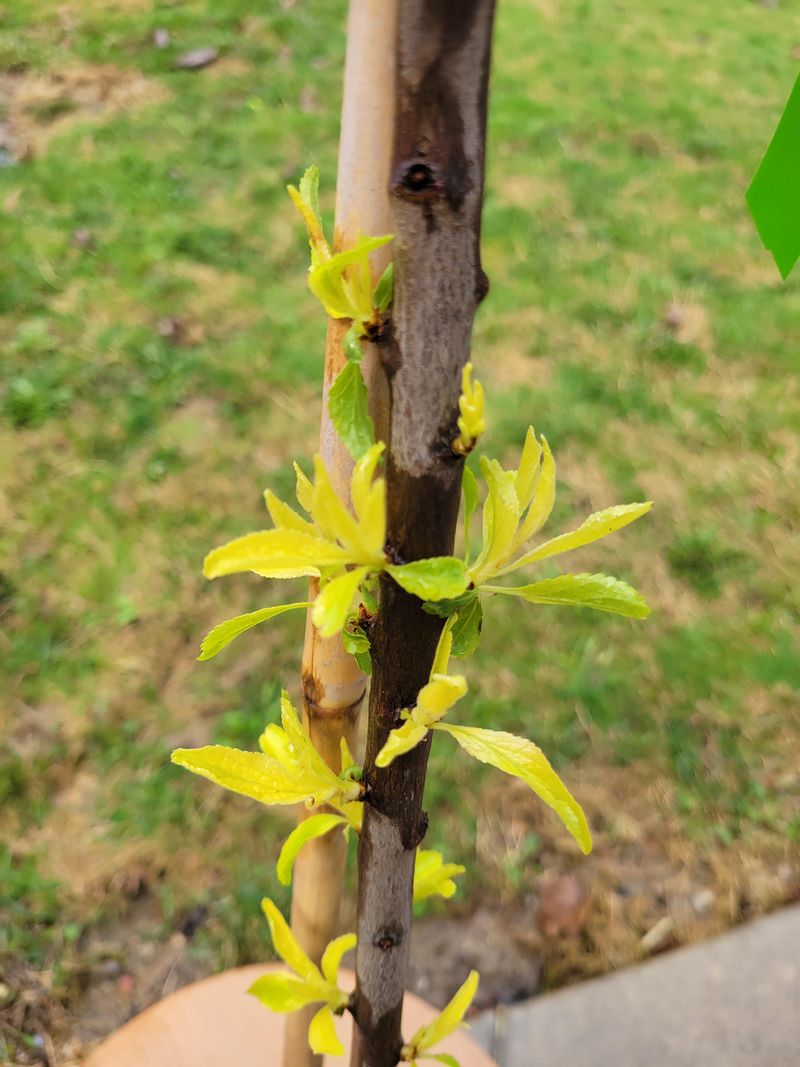
Yellow leaves in spring can feel like a mystery, but there is almost always a clear reason behind them. Plants turn yellow when something is off with their growing environment.
It could be too much water, not enough nutrients, or even cold soil that has not warmed up yet.
In Oregon, spring weather can be unpredictable. One week it is rainy and cold, and the next it is sunny and mild.
These quick changes put real stress on plants. When roots struggle to absorb water and nutrients properly, the leaves lose their green color and start to fade.
The green color in leaves comes from chlorophyll. When a plant is stressed, it stops making enough chlorophyll, and yellow starts to show through.
Gardeners in Oregon see this happen every spring across all kinds of plants, from vegetables to shrubs to ornamental flowers.
The good news is that yellowing leaves are your plant’s way of asking for help. Once you figure out what the plant needs, recovery is usually quick.
Paying attention early makes all the difference. A little detective work in your Oregon garden can save your plants before the problem gets worse.
Too Much Rain And Poor Drainage
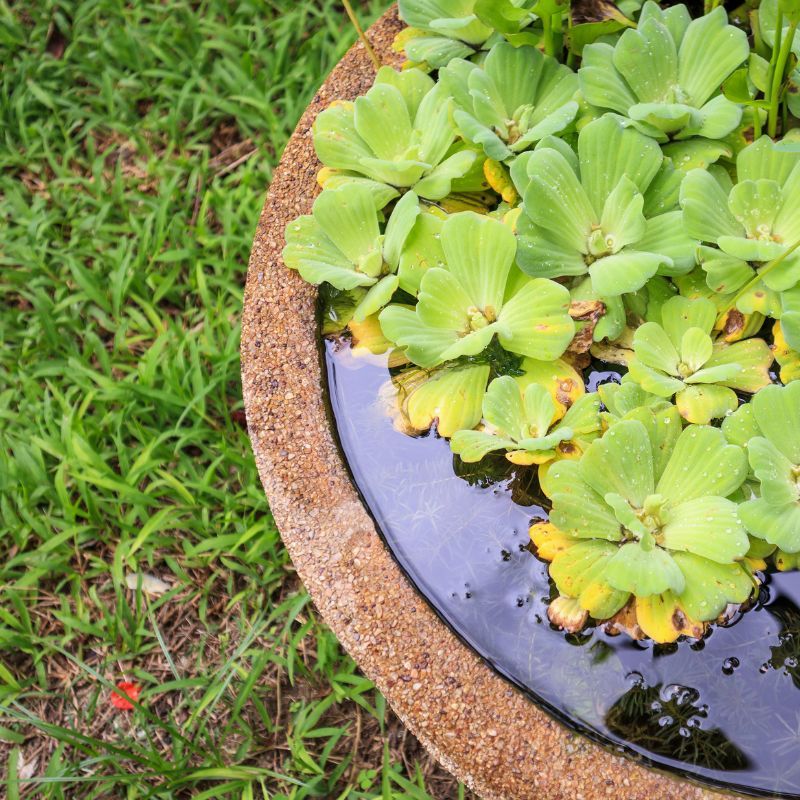
Oregon is famous for its rainy springs, and while that moisture helps many plants thrive, too much of it can cause serious problems. When the soil stays soaked for too long, plant roots cannot get the oxygen they need.
Without oxygen, roots start to break down and lose their ability to pull in nutrients.
Heavy clay soils, which are common in many parts of Oregon, make this problem even worse. Clay holds onto water like a sponge and drains very slowly.
Roots sitting in soggy clay soil will quickly show signs of stress, and yellowing leaves are usually the first warning.
You can check for drainage problems by digging a small hole about a foot deep and filling it with water. If the water is still sitting there an hour later, your drainage needs work.
Mixing compost or perlite into the soil can open it up and help water move through faster.
Raised garden beds are a popular solution for Oregon gardeners dealing with poor drainage. Lifting plants above the wet ground gives roots a drier, healthier space to grow.
Your Oregon Garden Changes Every Week. Your Plan Should Too.
Gardening in Oregon changes quickly throughout the season. Every Friday you’ll receive a simple weekly plan showing exactly what to plant, prune, fertilize, harvest, and protect so you never miss the right timing.
Good drainage is one of the most important steps toward keeping your plants green and strong all season long.
Nitrogen Deficiency In Spring Soil
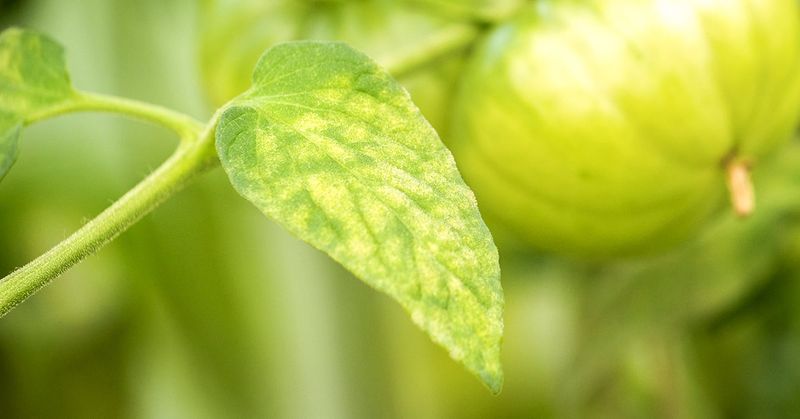
Nitrogen is one of the most important nutrients a plant needs to grow strong and stay green. Without enough of it, leaves start to turn yellow, usually starting with the older leaves near the bottom of the plant.
This is one of the most common reasons Oregon gardeners notice yellowing in early spring.
Winter rains in Oregon wash nitrogen out of the soil over time. By the time spring arrives, the soil can be surprisingly low in this key nutrient.
Plants that are just waking up from winter need nitrogen to fuel new growth, and if it is not there, they will show it through pale, yellowing leaves.
A simple soil test can confirm whether nitrogen is the issue. These tests are inexpensive and easy to find at garden centers across Oregon.
Once you know what is missing, applying a balanced fertilizer with nitrogen can help plants recover quickly.
Organic options like compost, fish emulsion, or blood meal are popular choices for Oregon gardeners who prefer natural soil amendments. These slow-release options feed plants over time and also improve soil health.
Adding nitrogen early in the season gives plants the boost they need right when growth is picking up speed.
Cold Soil Slowing Root Growth
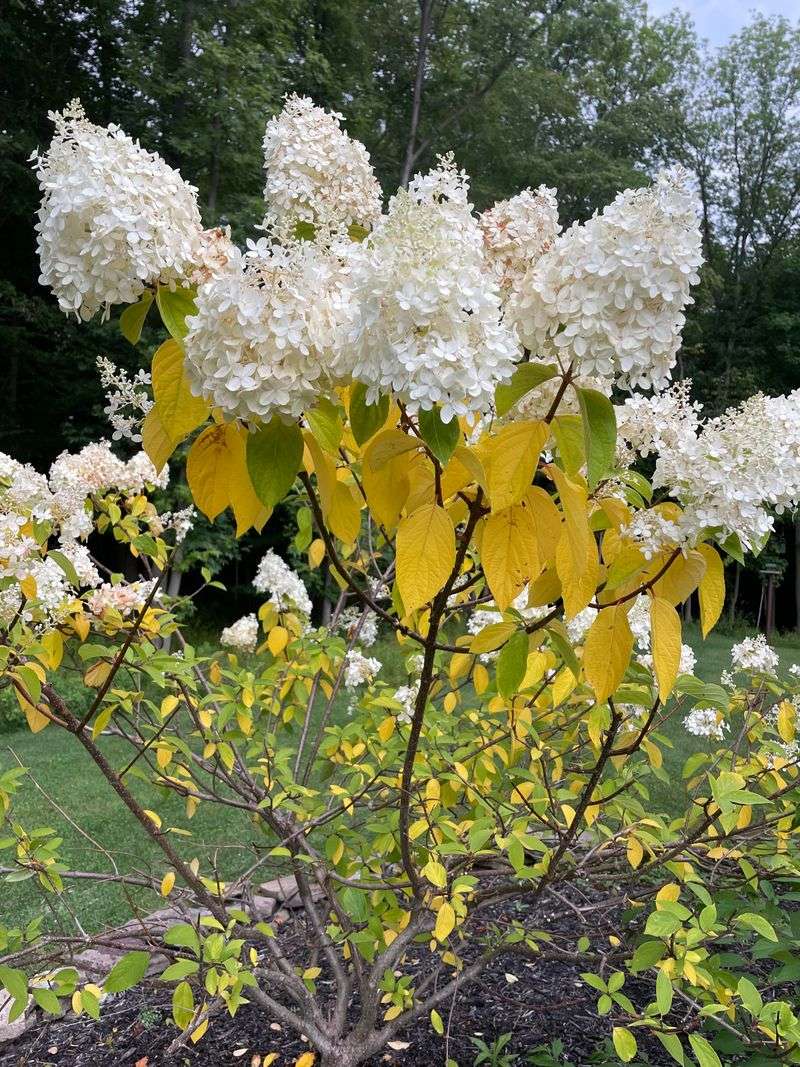
Even when the air starts to warm up in Oregon, the soil can stay cold for weeks. Cold soil slows down root activity and makes it hard for plants to absorb water and nutrients.
When roots are sluggish, the rest of the plant suffers, and yellow leaves are a common result.
Most plants need soil temperatures above 50 degrees Fahrenheit before their roots really start working well. In Oregon’s Willamette Valley and coastal regions, soil temperatures in early spring often stay below that mark.
Gardeners who plant too early or who have shaded beds may notice more yellowing than those with warmer, sunnier spots.
Covering soil with black plastic or dark-colored mulch a few weeks before planting can help warm it up faster. The dark color absorbs heat from the sun and transfers it into the ground.
This simple trick can make a big difference in how quickly your plants settle in and start growing strong.
Patience also plays a role here. Sometimes all a plant needs is a little more time for the soil to catch up with the season.
Once the ground warms up in Oregon, you will often see yellow leaves fade and healthy green growth return on its own without any extra effort needed.
Overwatering After Winter
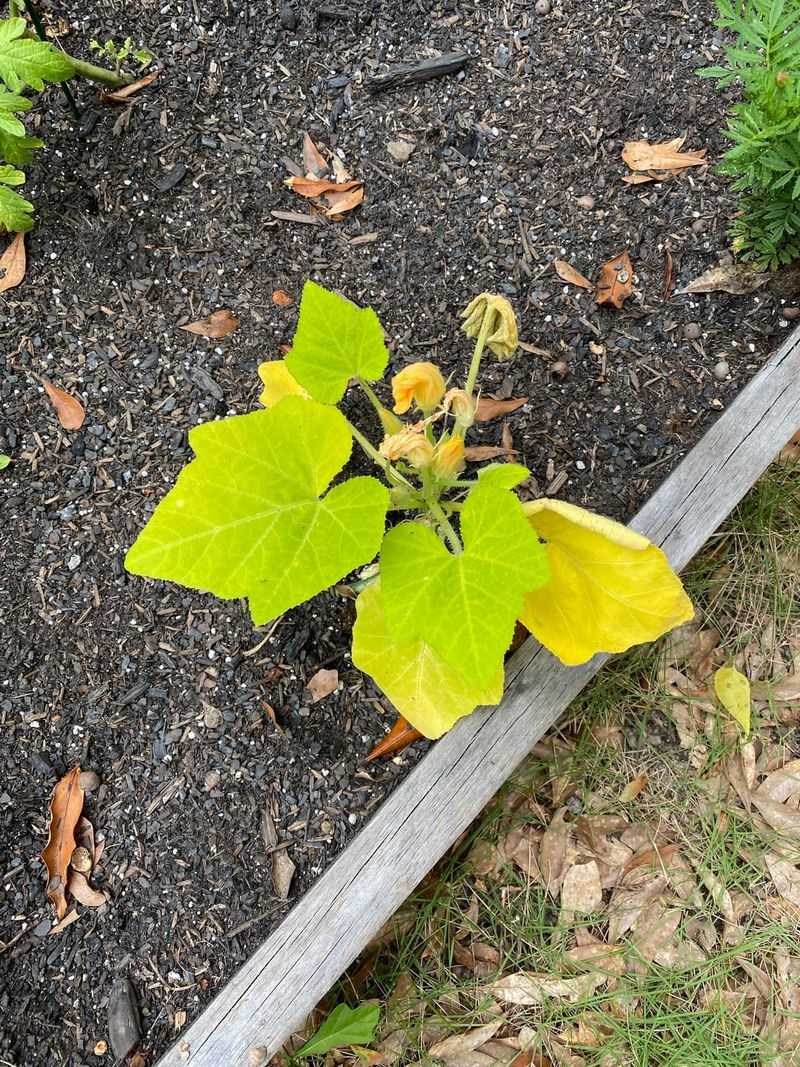
After a long, wet Oregon winter, many gardeners are eager to get their plants growing again. But reaching for the hose too soon, or watering too often in spring, can actually make yellowing worse.
Plants that are already sitting in moist post-winter soil do not need extra water right away.
Overwatering is one of the sneakiest causes of yellow leaves because it looks a lot like underwatering. Both can cause leaves to droop and lose color.
The key difference is the soil. If the ground feels wet or damp more than an inch deep, your plant probably does not need more water yet.
A good rule to follow is the finger test. Stick your finger about two inches into the soil.
If it still feels moist, hold off on watering. In Oregon’s cool spring climate, soil stays wet longer than it does in warmer states, so plants need less frequent watering than you might expect.
Container plants are especially easy to overwater in spring. Make sure pots have drainage holes and that water is not pooling at the bottom.
Emptying saucers after rain is a simple habit that can protect roots from sitting in standing water. Letting the soil dry slightly between waterings helps roots breathe and plants stay healthy.
Pests And Early Plant Stress
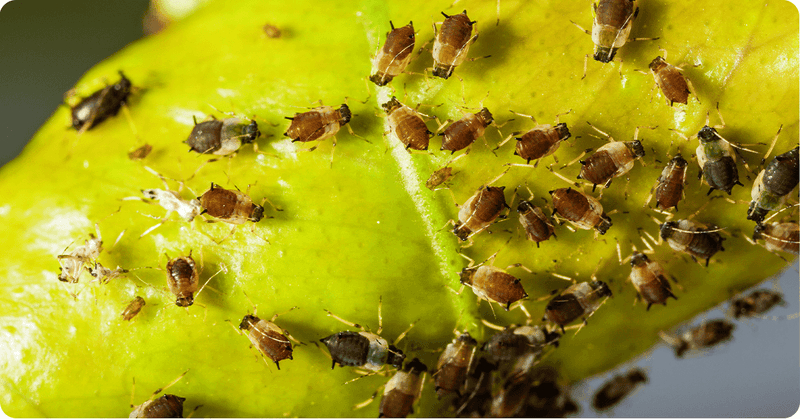
Spring is not just the season for new growth. It is also when many common garden pests wake up and start feeding.
Aphids, spider mites, and root weevils are all active in Oregon gardens by early spring. These tiny insects feed on plant sap and can cause leaves to yellow, curl, and weaken quickly.
Aphids are especially common in Oregon. They cluster on the undersides of leaves and along new stems, sucking out nutrients and leaving plants looking pale and stressed.
A heavy aphid infestation can cause significant yellowing across an entire plant in just a few days if left untreated.
Checking your plants regularly is the best way to catch pest problems early. Flip leaves over and look for clusters of small insects, sticky residue, or tiny webbing.
Portland-area nurseries and Oregon extension offices often provide free identification help if you are not sure what you are dealing with.
Natural solutions work well for many common Oregon garden pests. A strong spray of water can knock aphids off plants.
Neem oil and insecticidal soap are effective and safe for most garden plants. Encouraging natural predators like ladybugs and lacewings also helps keep pest populations low without using harsh chemicals in your garden.
How To Restore Healthy Green Growth
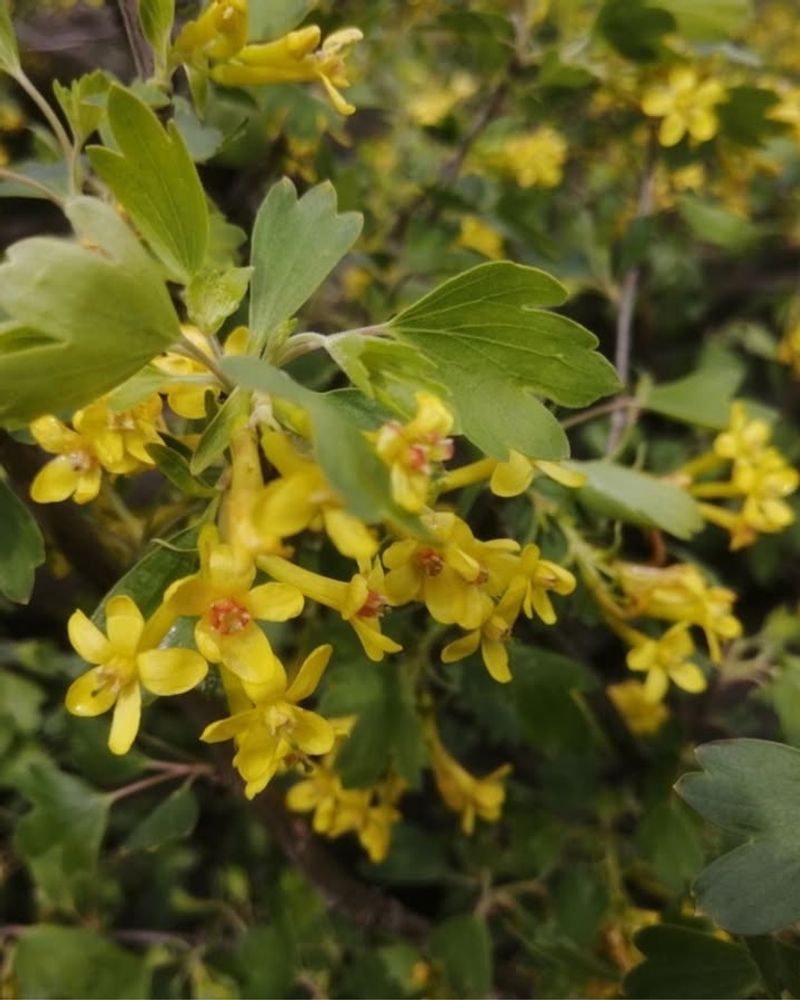
Getting your plants back to a rich, healthy green does not have to be complicated. Start by figuring out the most likely cause of the yellowing based on what you know about your garden.
Is the soil soggy? Has it been cold? Have you spotted any bugs? Narrowing it down saves time and effort.
Improving your soil is almost always a good first step. Adding compost to Oregon garden beds in spring feeds soil microbes, improves drainage, and slowly releases nutrients that plants need.
Even a thin layer worked into the top few inches of soil can make a noticeable difference within weeks.
Fertilizing with a balanced product that includes nitrogen, phosphorus, and potassium gives plants a strong foundation for spring growth. Slow-release granular fertilizers are easy to use and keep feeding plants for weeks at a time.
Liquid fertilizers work faster and are great for plants that need a quick recovery.
Do not forget about pH. Oregon soils can sometimes be too acidic for certain plants, which blocks nutrient absorption even when nutrients are present.
A simple soil test from any Oregon garden center can tell you if pH adjustment is needed. Lime raises pH, while sulfur lowers it, giving you full control over your soil’s health.
Simple Fixes For Yellowing Leaves
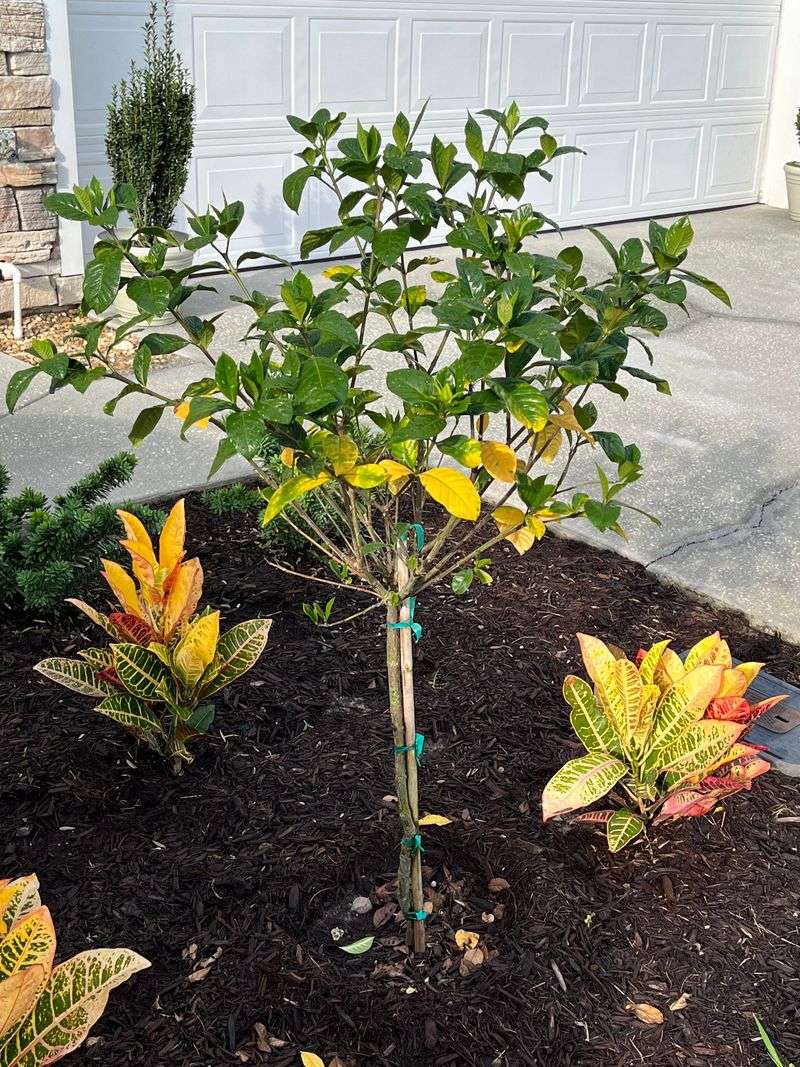
Sometimes the simplest changes make the biggest difference. If your Oregon garden plants are showing yellow leaves this spring, a few quick adjustments can get things back on track fast.
You do not always need expensive products or professional help to fix the problem.
Start by removing the yellowed leaves from your plants. Leaving them on can attract pests and spread disease.
Pruning them off also signals the plant to redirect its energy toward new, healthy growth. It is a small step, but it gives the plant a cleaner start.
Mulching around the base of plants helps in several ways at once. It keeps soil moisture steady, prevents temperature swings in Oregon’s unpredictable spring weather, and slowly breaks down to add organic matter to the soil.
A two to three inch layer of bark mulch or straw works well for most garden plants.
Make sure your plants are getting the right amount of sunlight for their specific needs. Some Oregon gardens are heavily shaded by trees or fences, which can limit the light plants need to produce chlorophyll.
Moving containers to sunnier spots or trimming back shade-causing branches can help light-hungry plants recover their green color quickly and stay vibrant through the rest of spring.